
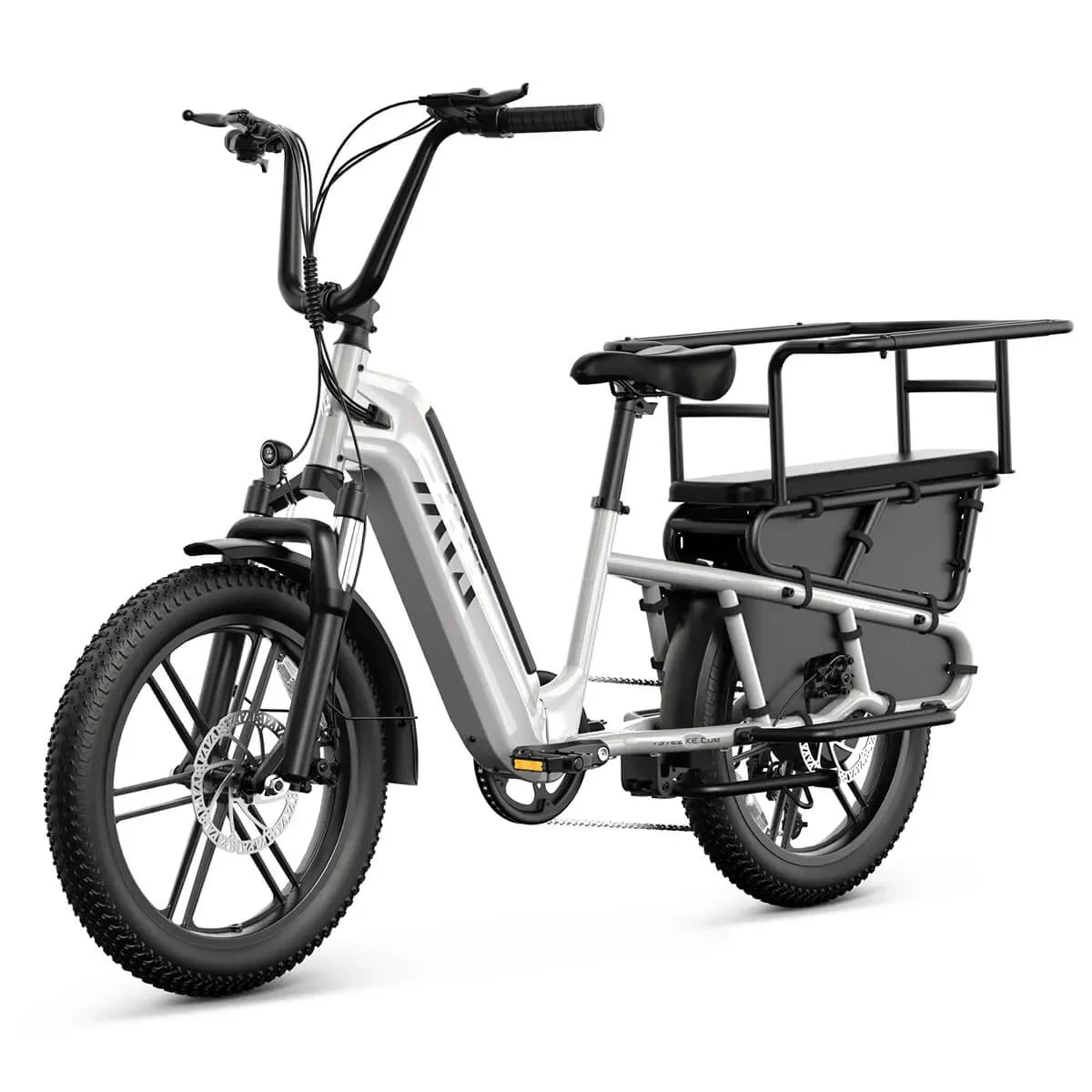
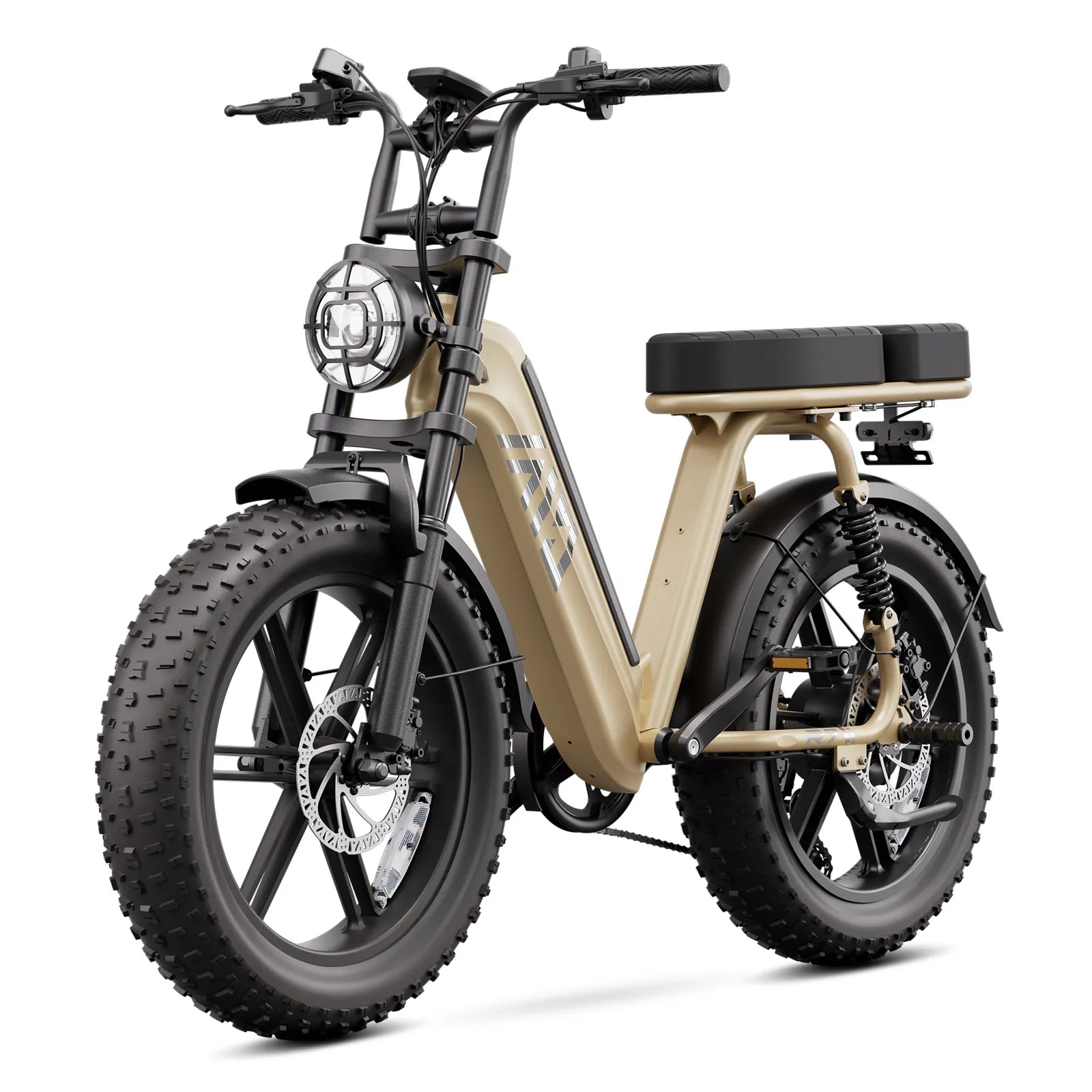
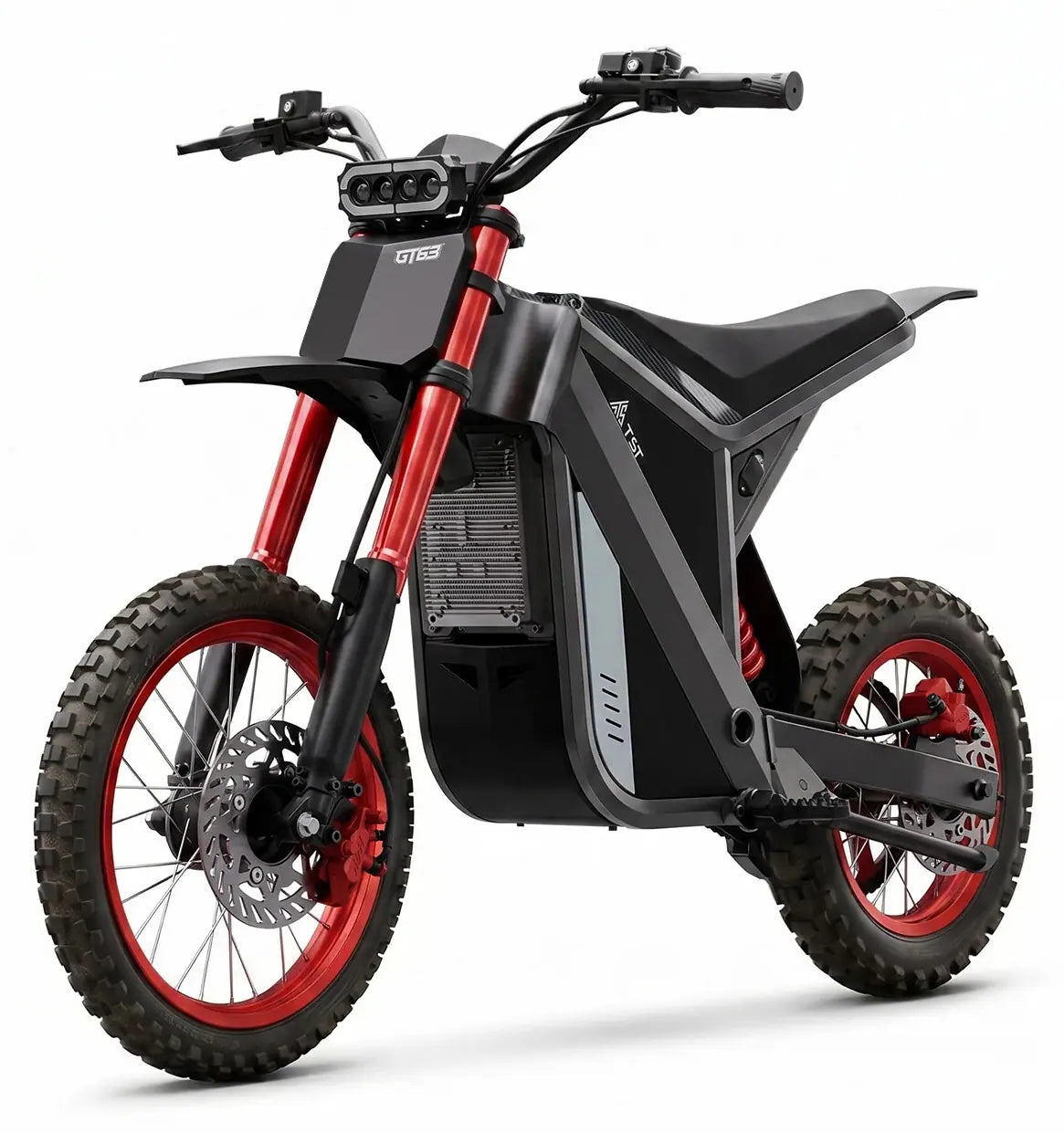
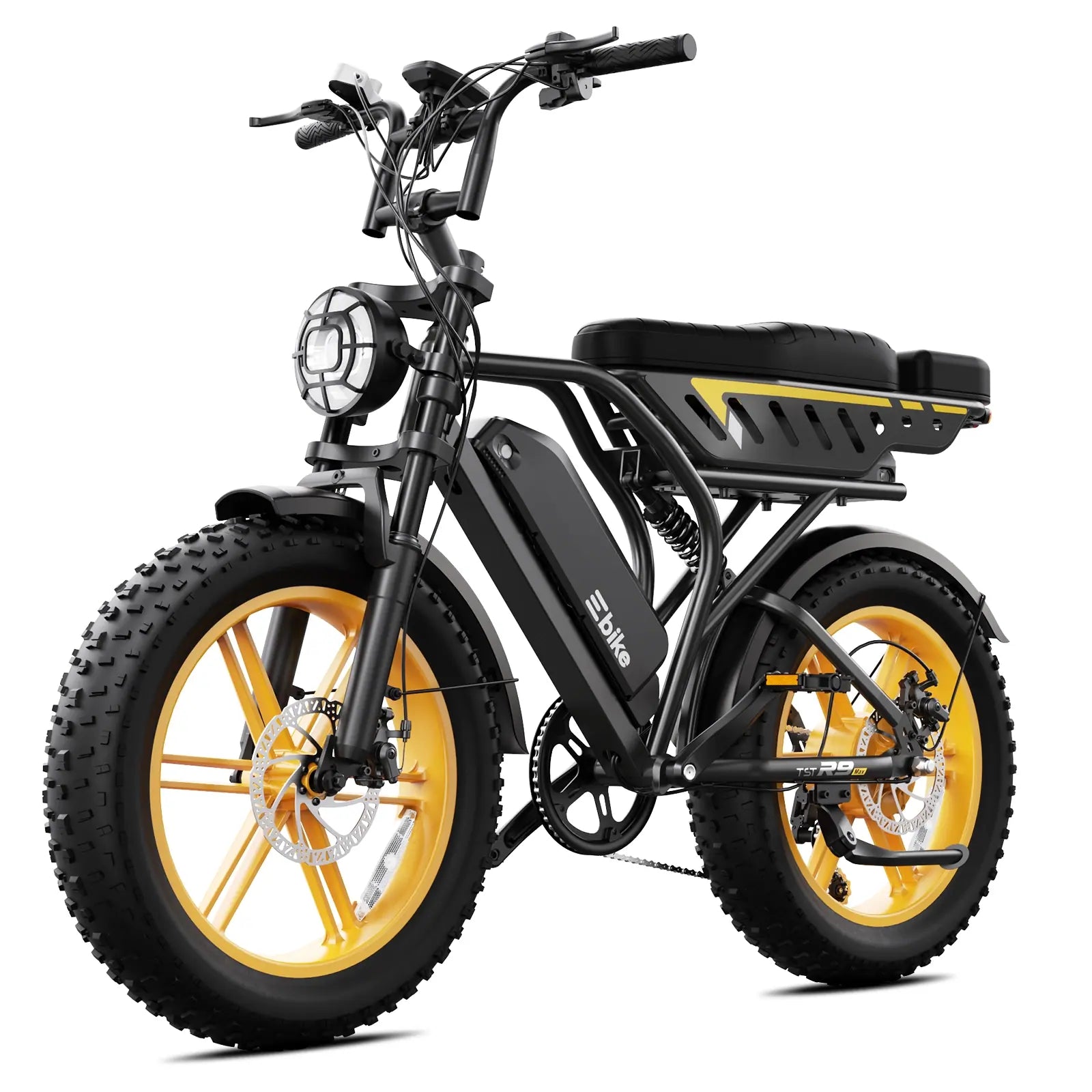
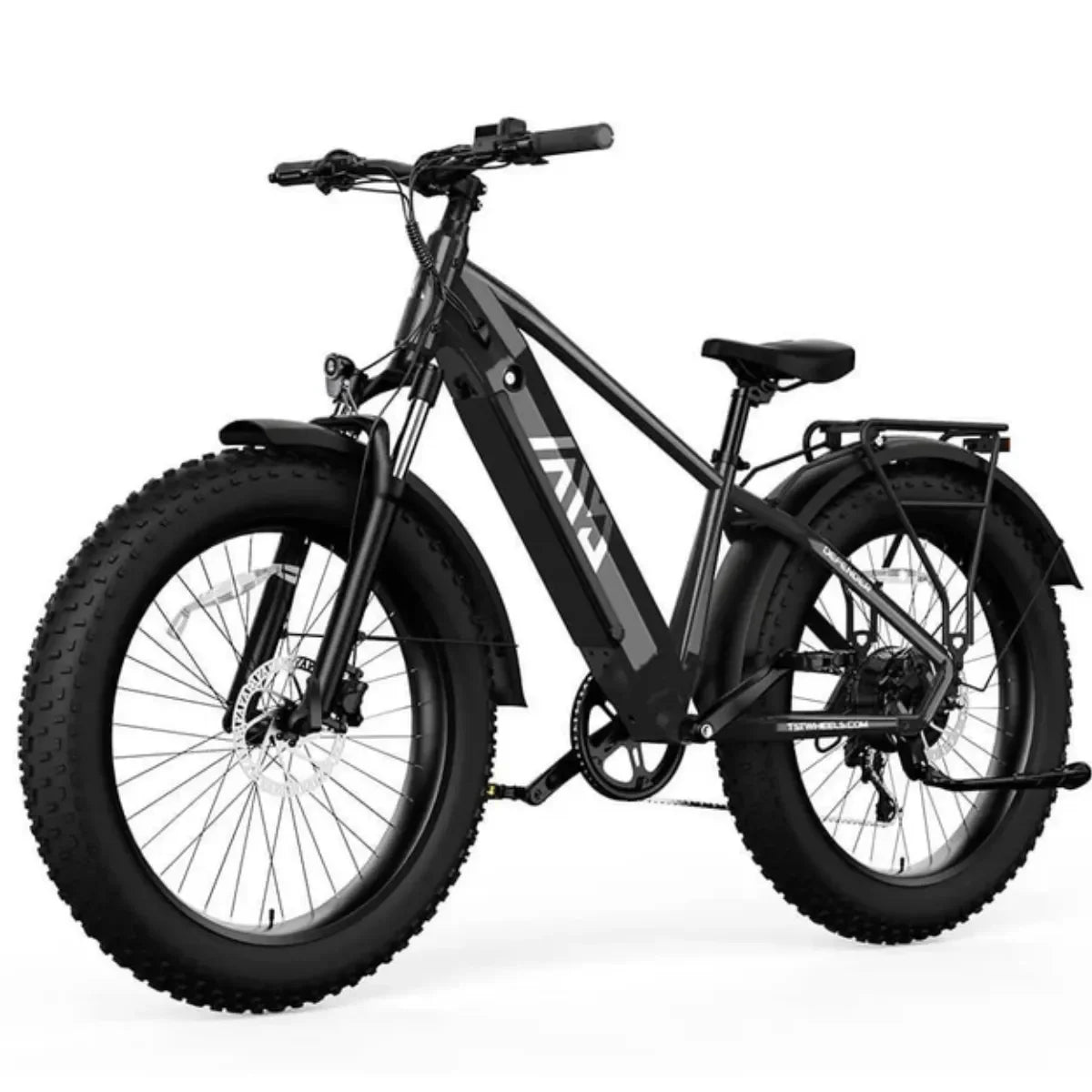
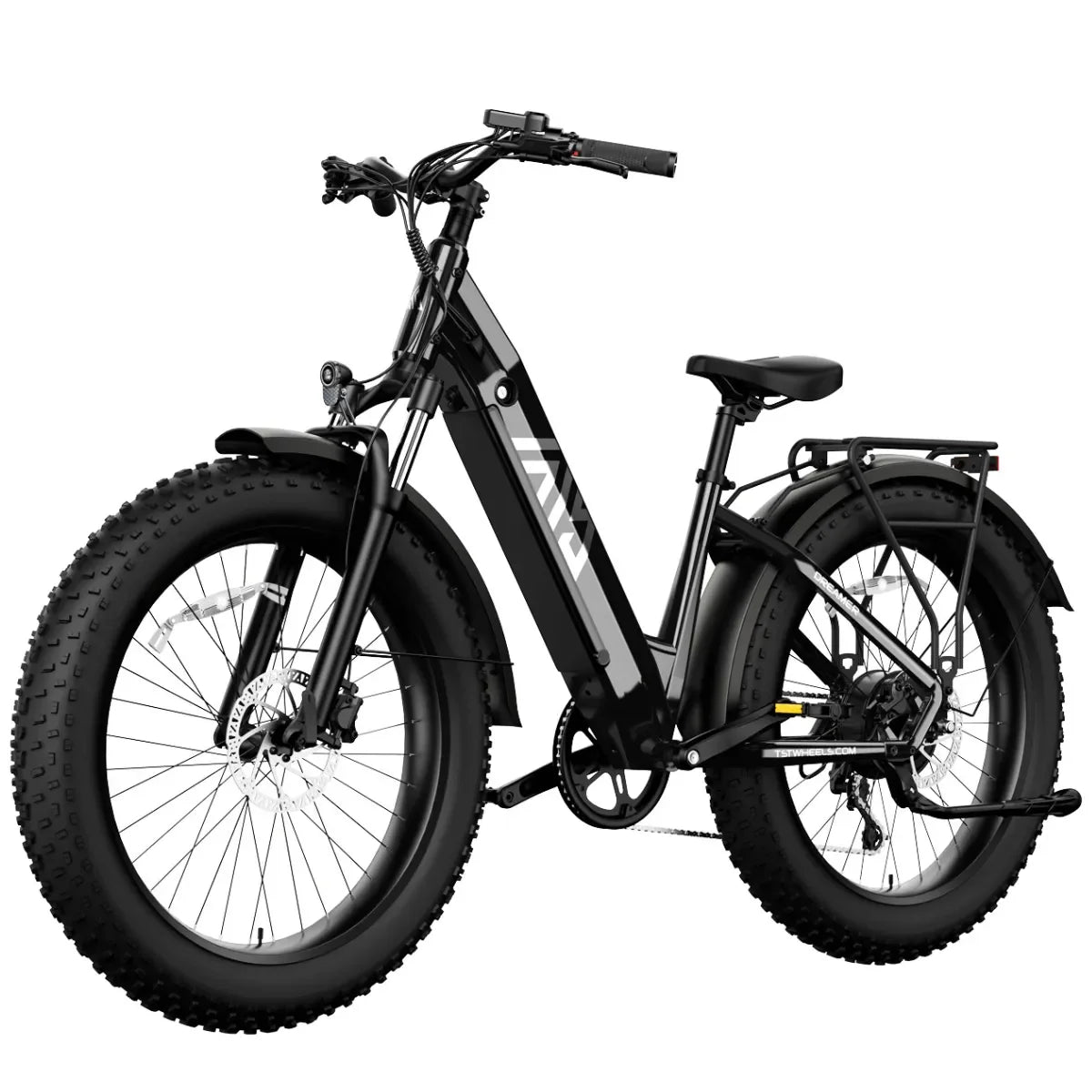
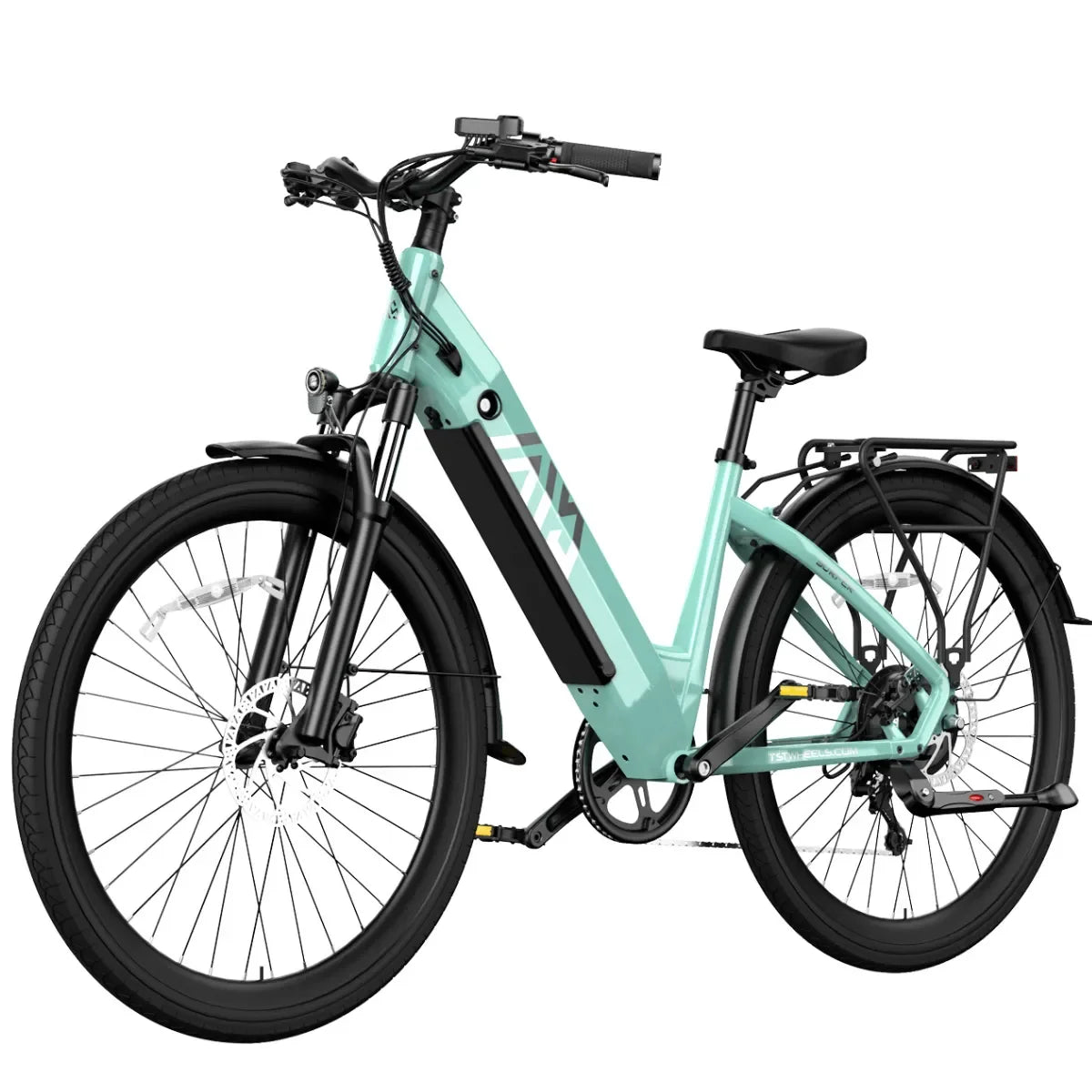
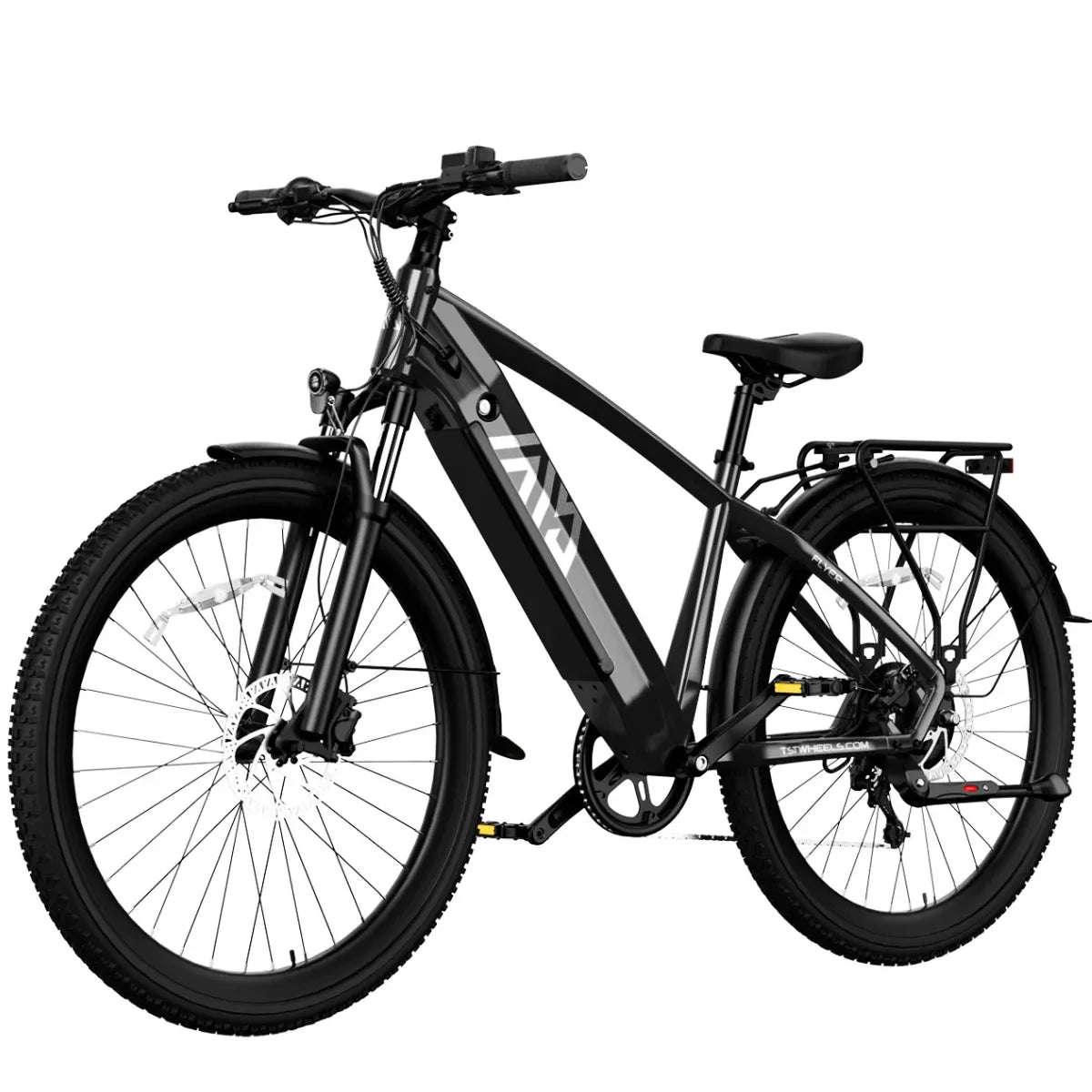
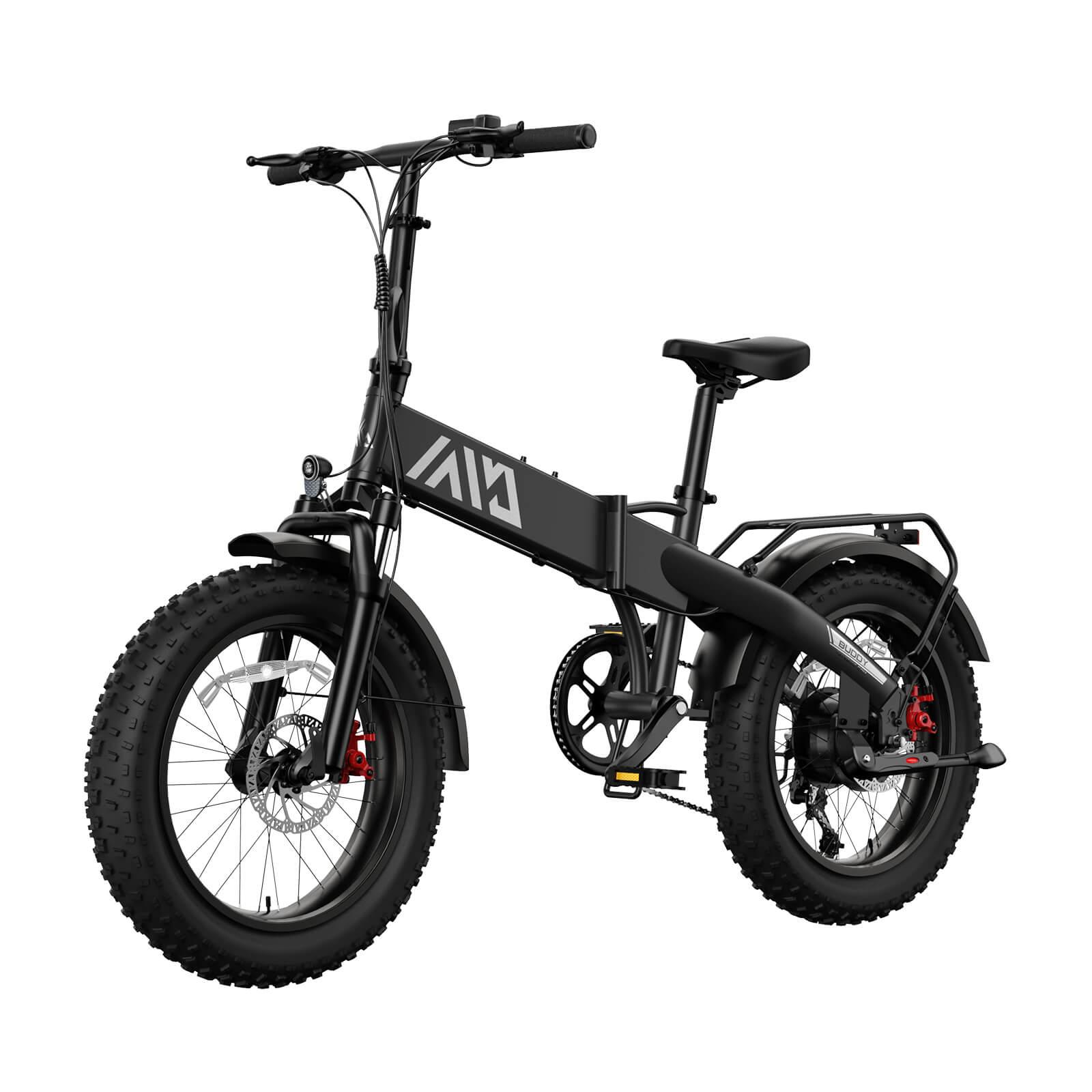
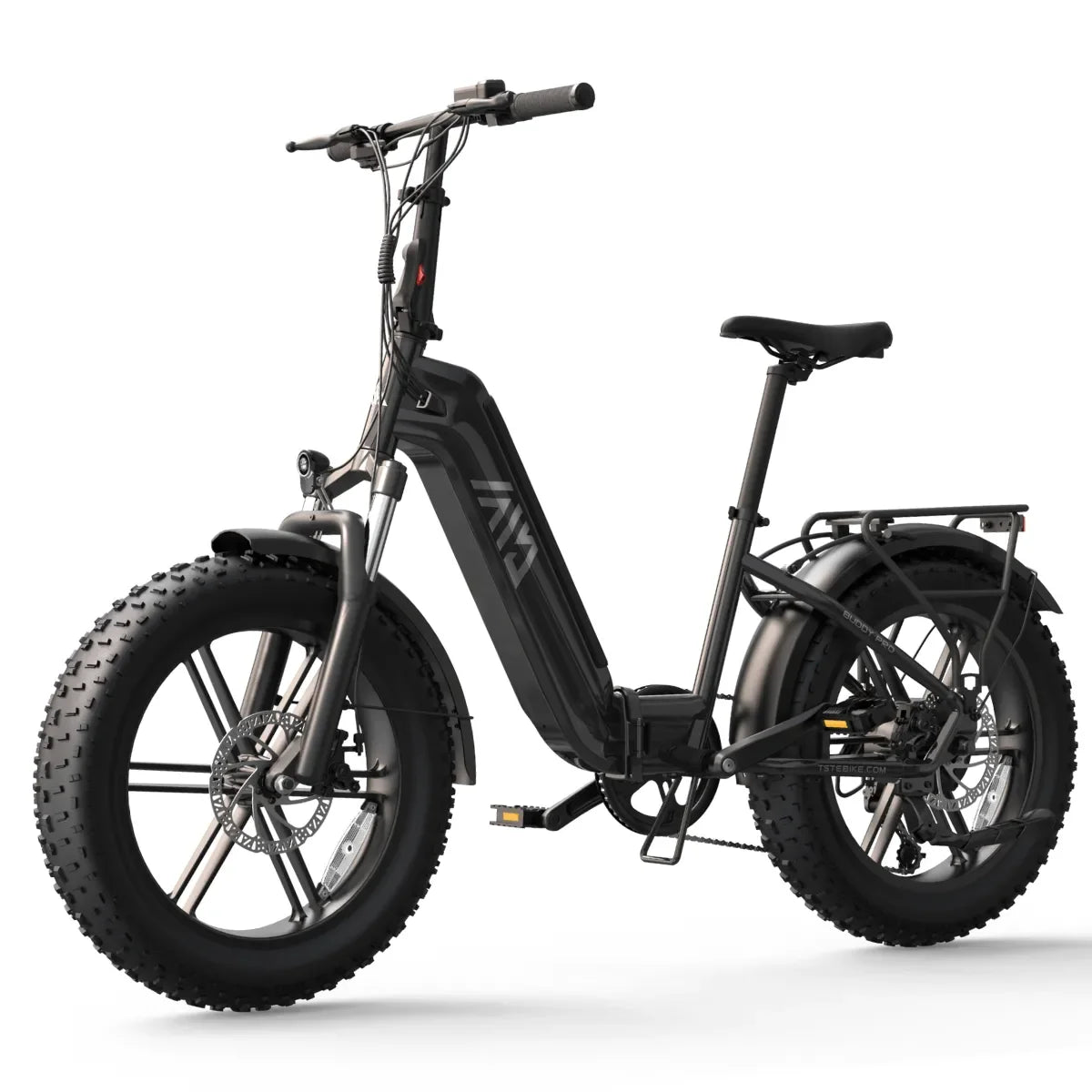
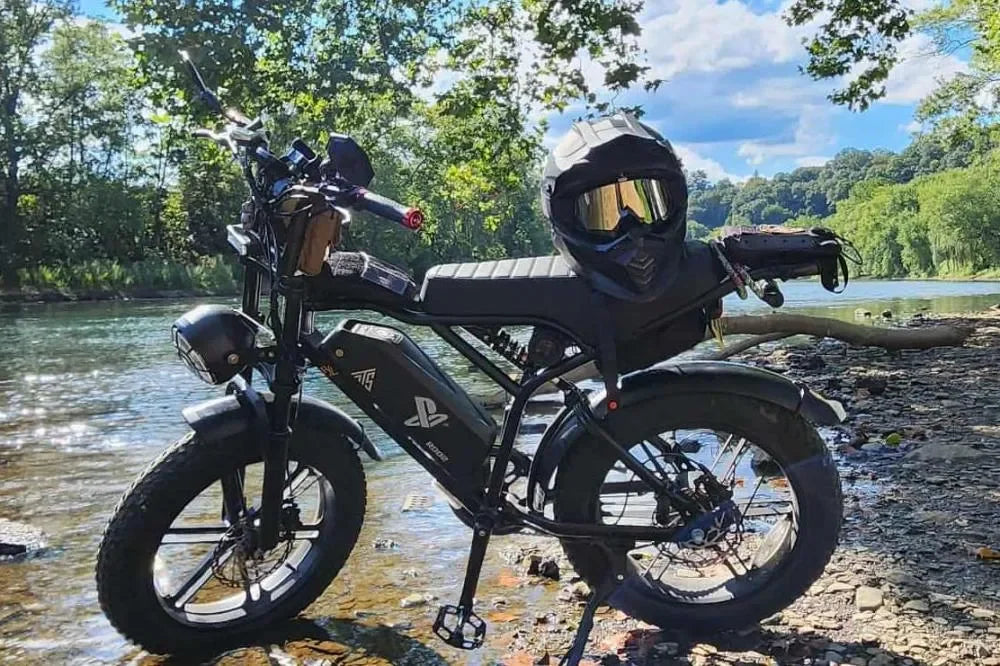
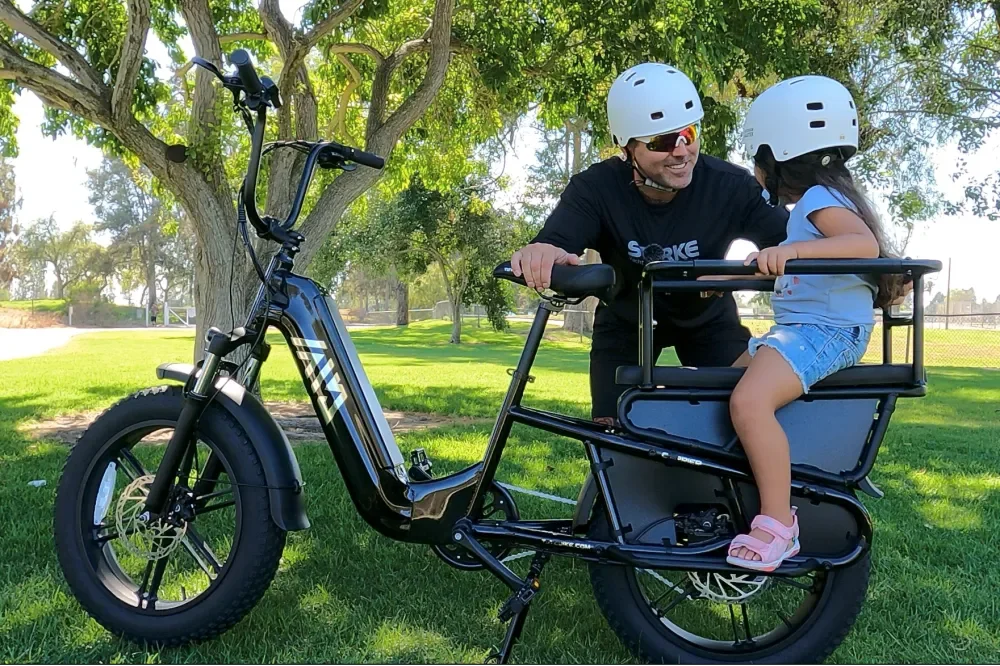
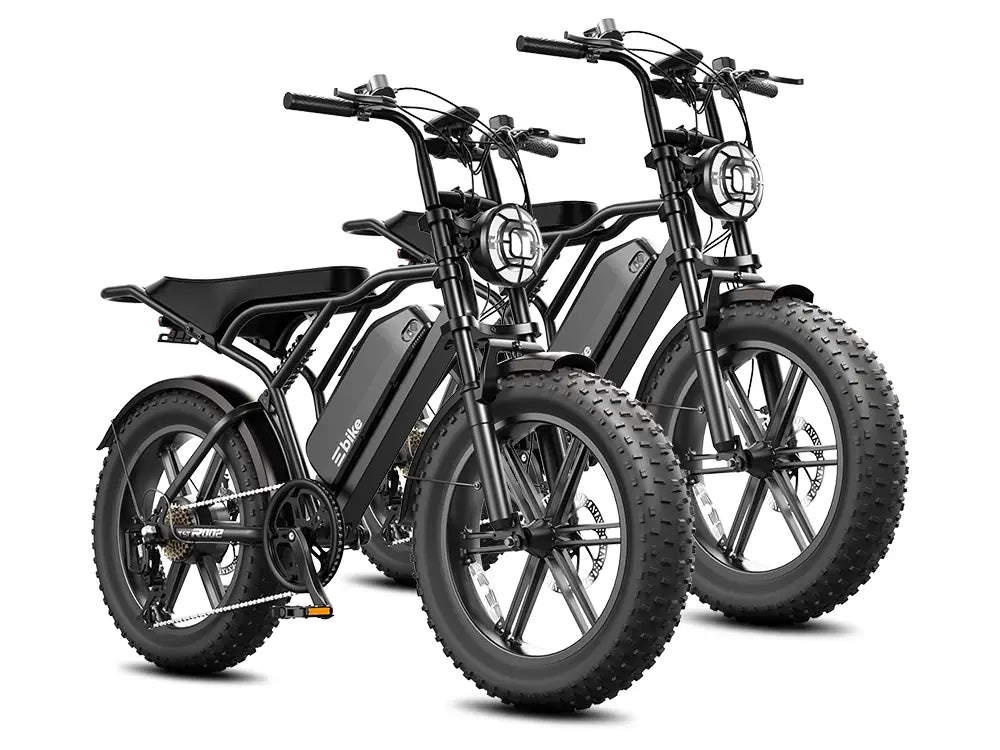
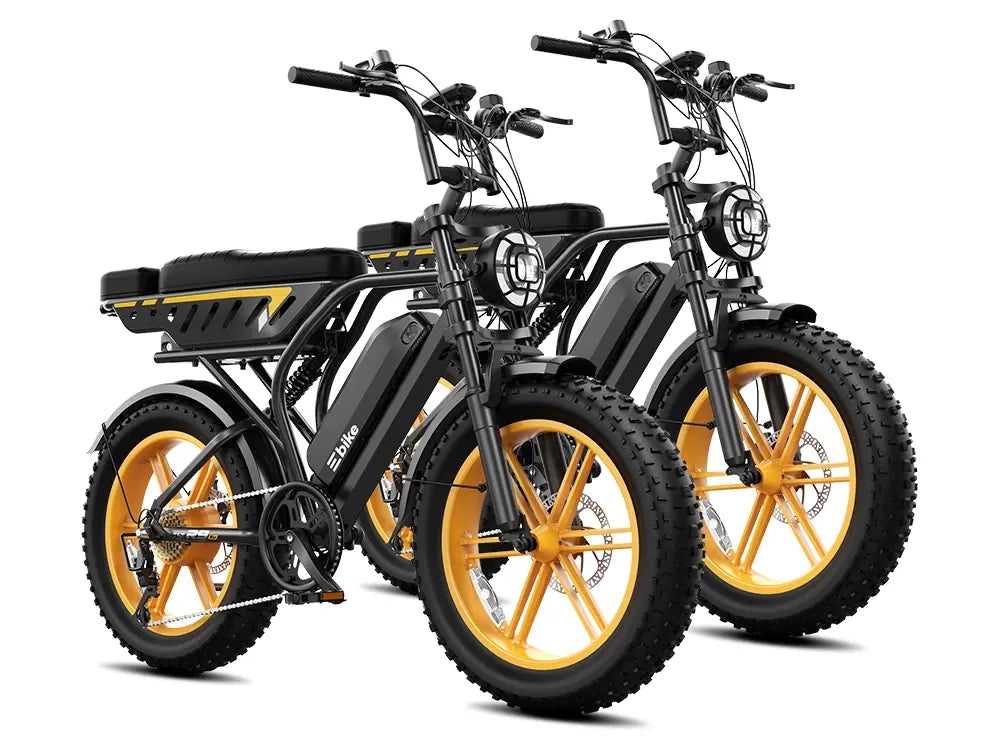
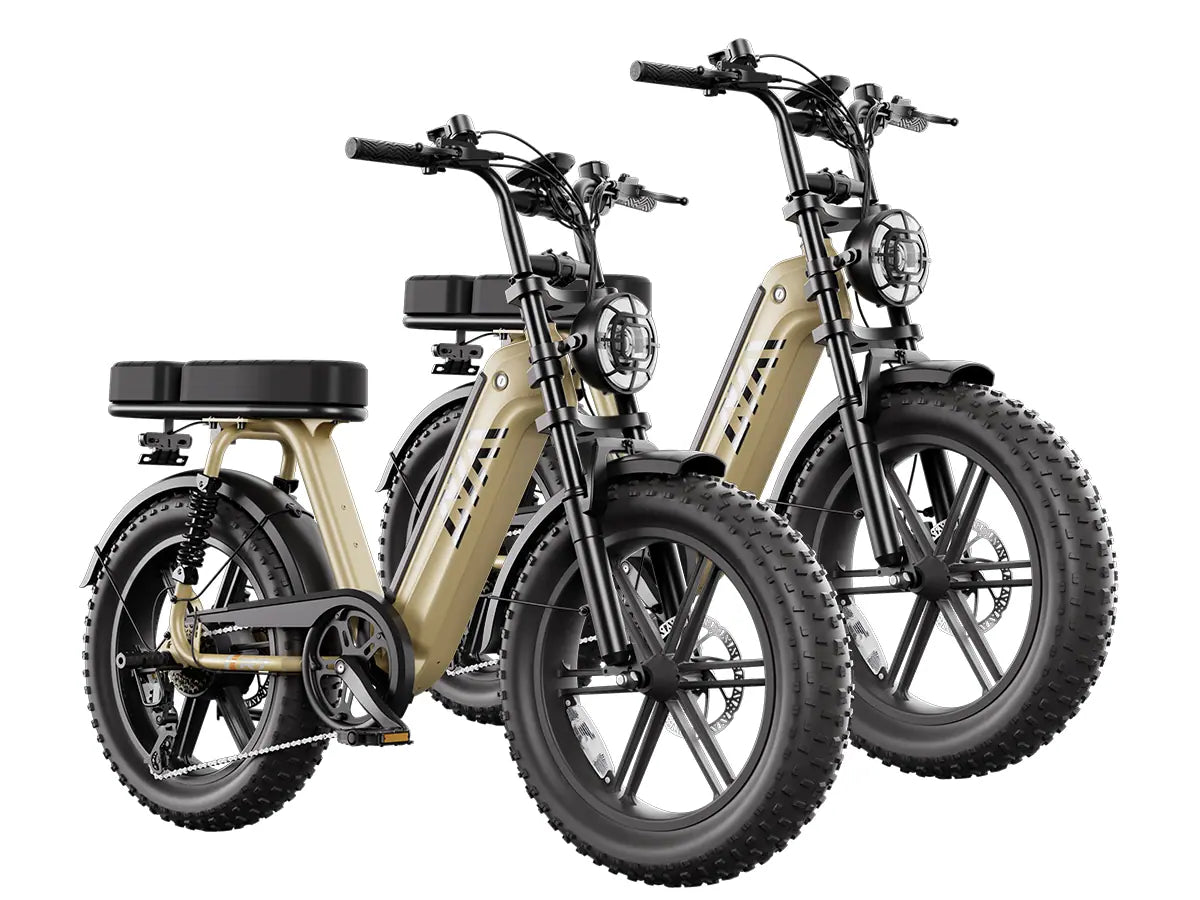
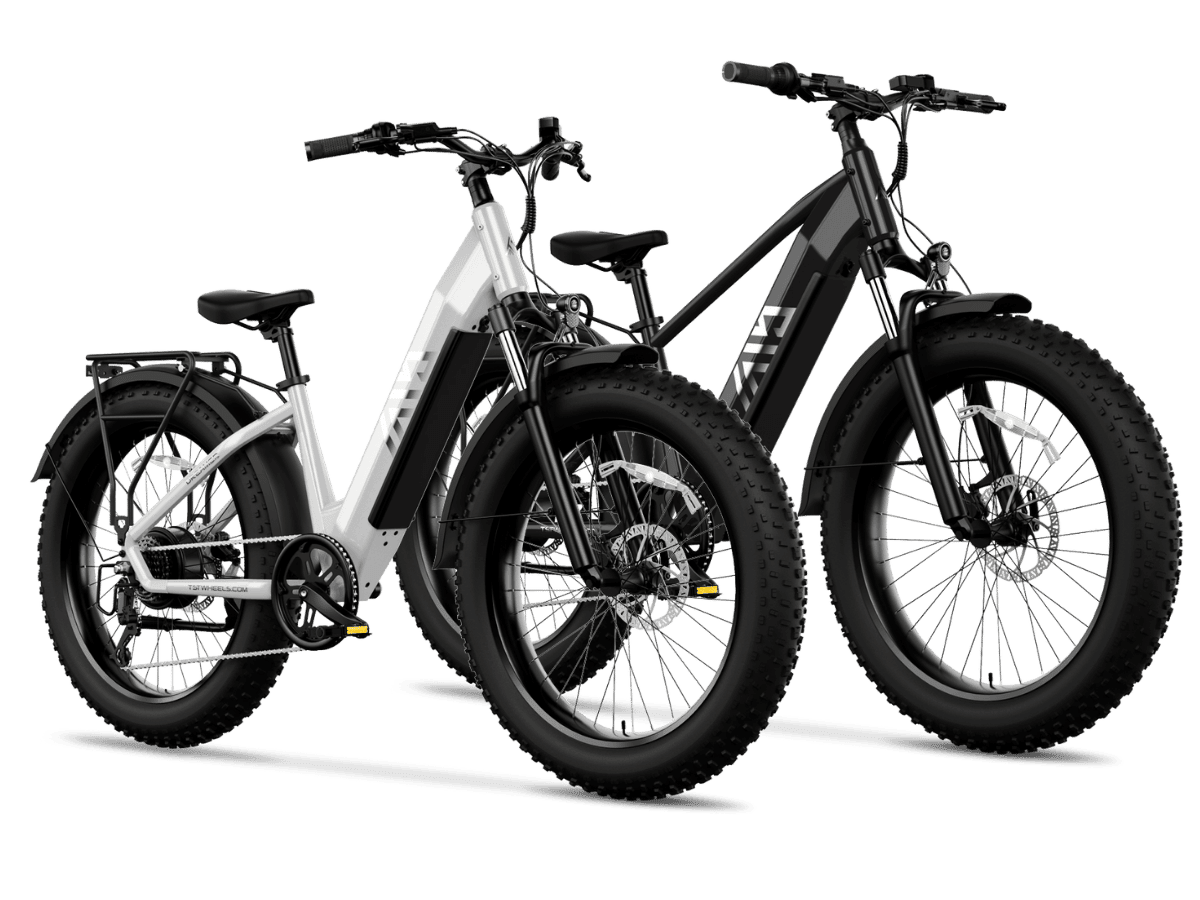
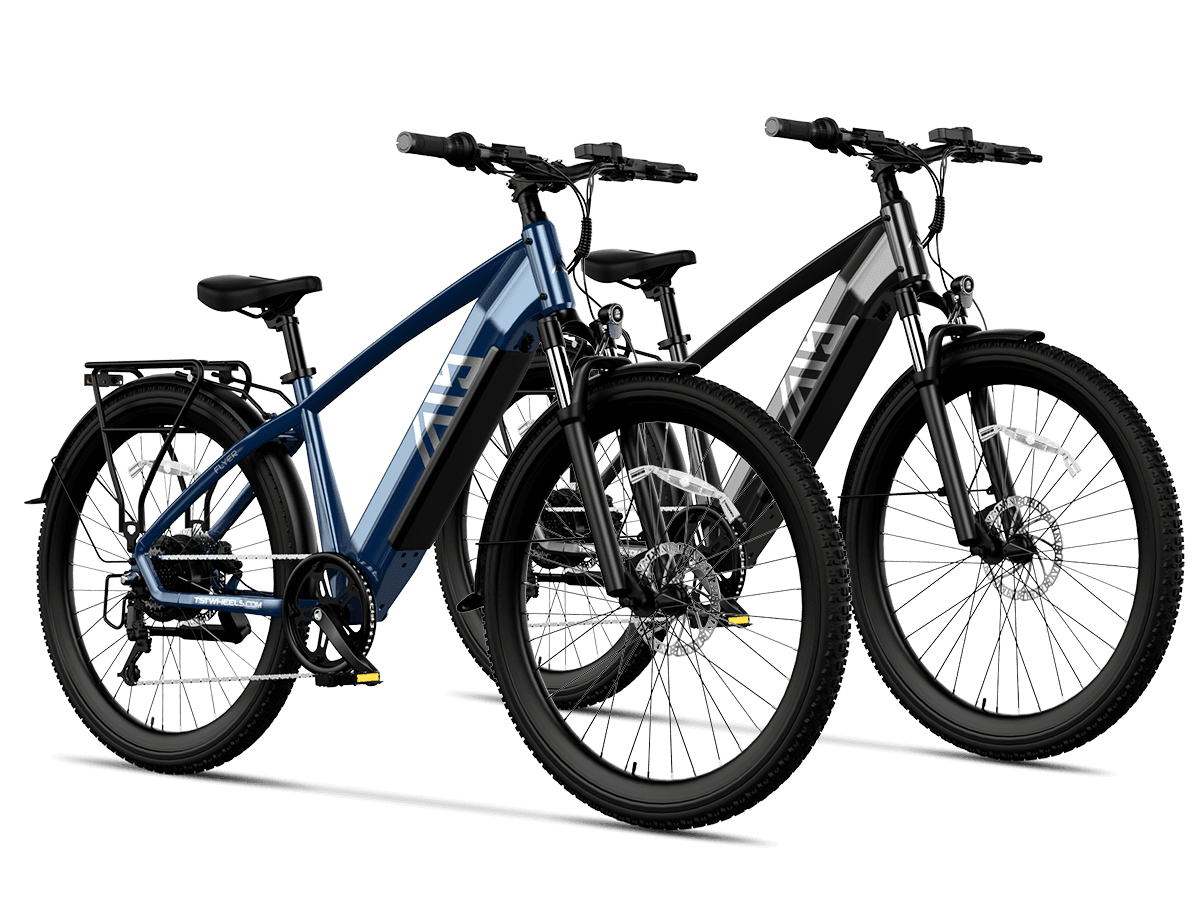
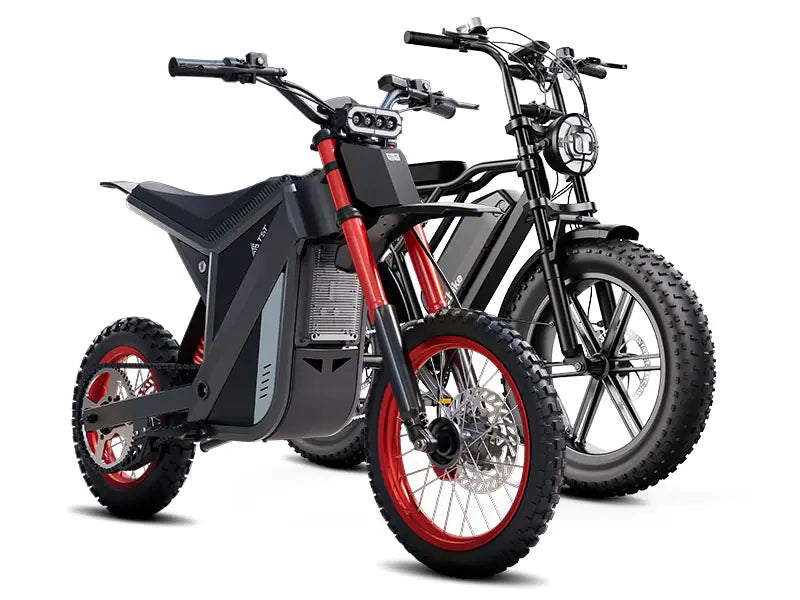
Altis Sigma is worth it if you want a 70+ mph e‑moto with 98 V power and top‑shelf components, but its weight and soft stock suspension limit aggressive off‑road handling. TST GT63/GT73‑type bikes trade some absolute speed for lighter feel, simpler powertrains, and better value. For many riders, especially trail‑focused, TST EBike‑style alternatives are the more balanced choice.
What is the Altis Sigma and who is it really built for?
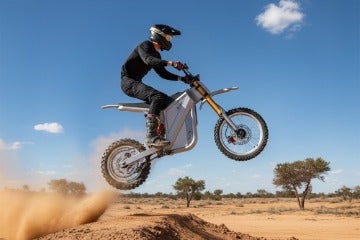
The Altis Sigma is a high‑performance electric dirt bike (e‑moto) with a 98 V‑class system, around 22 kW peak, and 70+ mph top speed, aimed at experienced riders who want serious off‑road and street‑legal‑style performance rather than an entry‑level e‑bike.
On paper it is closer to a race‑biased e‑moto than to a typical e‑MTB or street e‑bike. A 97.2 V, 35 Ah Samsung 50S pack around 3.4 kWh, 22 kW peak motor, and claimed 40–50 mile range put it squarely in “small electric motocross” territory. Its 19/19 (or 19/16 MX) wheelsets, long‑travel suspension, and 260/220 mm brakes confirm that the chassis is designed for real speed on dirt rather than casual trail cruising.
In the workshop, I look at seat height, wheelbase, and overall weight to understand the rider envelope. At about 185 lb with an 840 mm seat height and 1285 mm wheelbase, the Altis Sigma fits adults who are already comfortable managing a full‑size dirt bike footprint. If you are stepping up from light e‑bikes like GT73‑class machines or high‑power bicycles such as TST EBike’s 26‑ and 27‑inch off‑road platforms, Altis Sigma is a substantial jump in mass, speed, and responsibility.
How do the Altis Sigma’s specs compare to TST GT63/GT73‑type alternatives?
Altis Sigma outruns most GT73/GT63‑type electric dirt ebikes in peak power and top speed, while TST GT73‑17 and GT63‑14 style bikes focus on strong mid‑range torque, 45–60 mph top speeds, and more manageable weight for mixed off‑road and urban use.
According to early specs and coverage, Altis Sigma’s 22 kW peak system and 70+ mph top speed surpass the 3–4 kW, 45–60 mph bands where GT73/GT63 competitors sit. TST’s GT73‑17 and GT63‑14 series reportedly deliver up to 339 Nm peak torque with around 60 mph and 45 mph tops respectively, tuned for trail and city rather than wide‑open desert racing.
From an engineering standpoint, that extra voltage and power on Altis Sigma change everything: controller size, cooling, wiring gauge, and even how much unsprung mass you carry at the rear hub or gearcase. In contrast, GT63/GT73‑class designs closer to 60 V simplify component choices and keep stress on chassis, bearings, and swingarms in a range I’ve seen survive years of consumer abuse with solid QC—very much in line with TST EBike’s philosophy of high‑power, cost‑effective but durable bikes.
Altis Sigma vs TST GT63/GT73‑style bikes (high‑level view)
What are the real‑world pros and cons of the Altis Sigma from a rider’s perspective?
Altis Sigma’s pros include massive, smooth power, premium components, and genuine 70+ mph capability, while its cons are significant weight, soft stock suspension for aggressive off‑road use, and a less nimble feel than lighter rivals.
Test riders consistently praise the motor’s smooth delivery and abundant top‑end power, especially on fast sections and mixed on/off‑road riding. The gear‑driven motor avoids belt‑slip issues and gives a controlled ramp‑up that many riders find confidence‑inspiring when transitioning from slower e‑bikes. Build quality and styling also score high; the frame feels solid, the bodywork looks premium, and the electronics package (TFT, NFC, lighting) is well‑integrated.
On the downside, reviews highlight a front end that feels too soft and heavy, causing dive in corners and bottom‑outs on jumps. The overall weight makes tight turns and technical sections feel awkward compared with more flickable bikes in the same broad category. Some riders even report clanking noises from the rear, suggesting areas where refinement is still in progress. For serious off‑road or jump‑focused riders, that means extra tuning or component changes before the bike feels truly dialed.
Why might TST GT63/GT73‑type bikes be better alternatives for many riders?
TST GT63/GT73‑type bikes can be better alternatives because they deliver strong torque, 45–60 mph performance, and long range in a more approachable, e‑bike‑like package that’s easier to live with daily than a full 22 kW e‑moto.
From the specs, the GT73‑17 and GT63‑14 series focus on usable torque (up to 339 Nm) and realistic top speeds for trails and urban “moto‑bike” riding, not outright 70 mph desert runs. That means less energy burned just to overcome aero drag, simpler battery architecture around 60 V, and typically lighter overall weight. For mixed commutes plus off‑road, that balance often beats headline numbers.
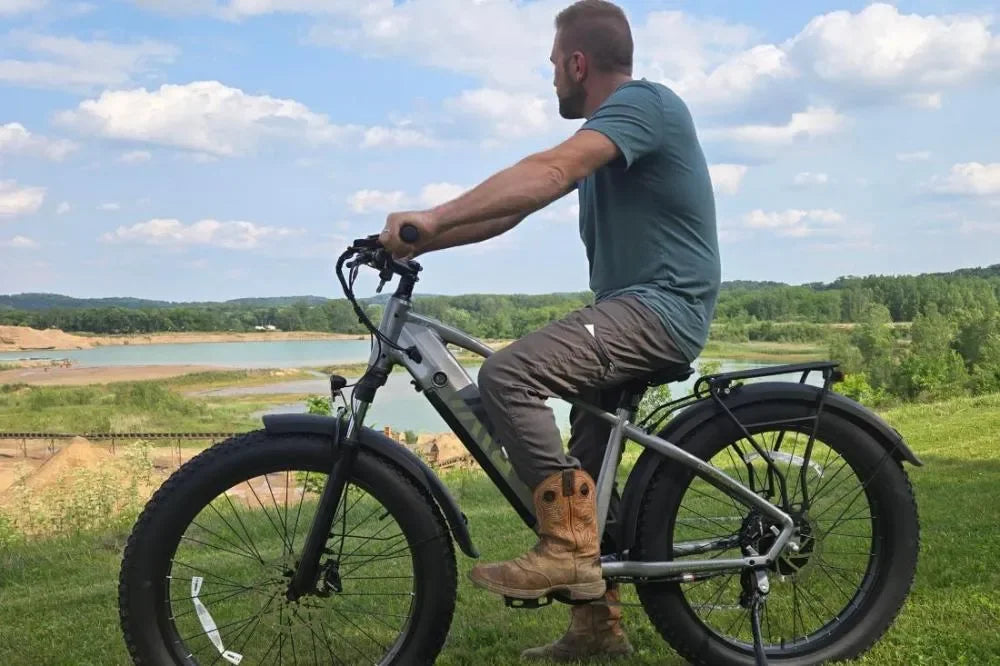
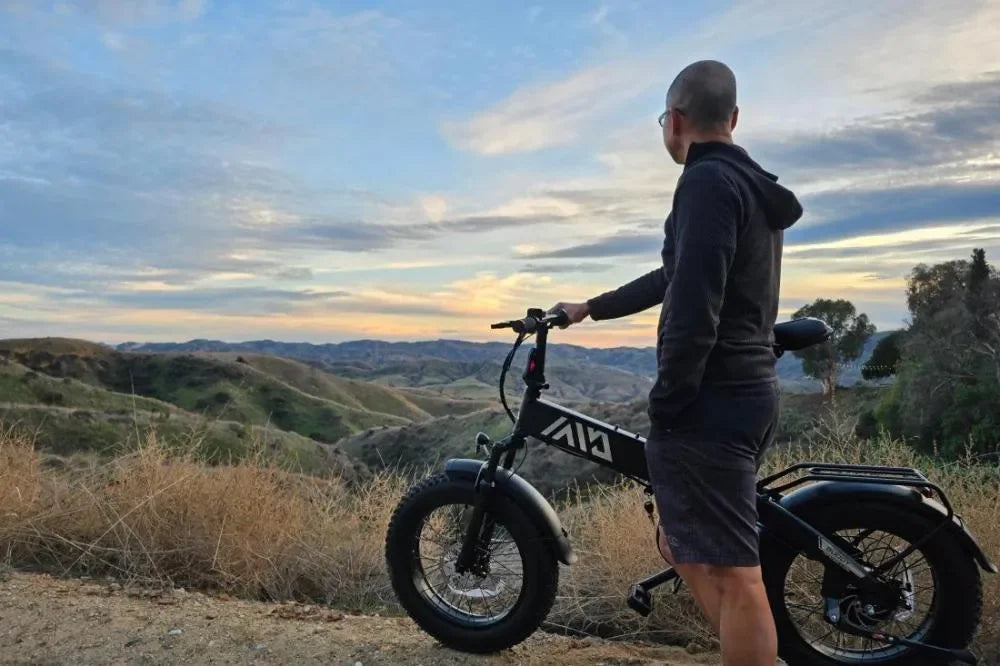
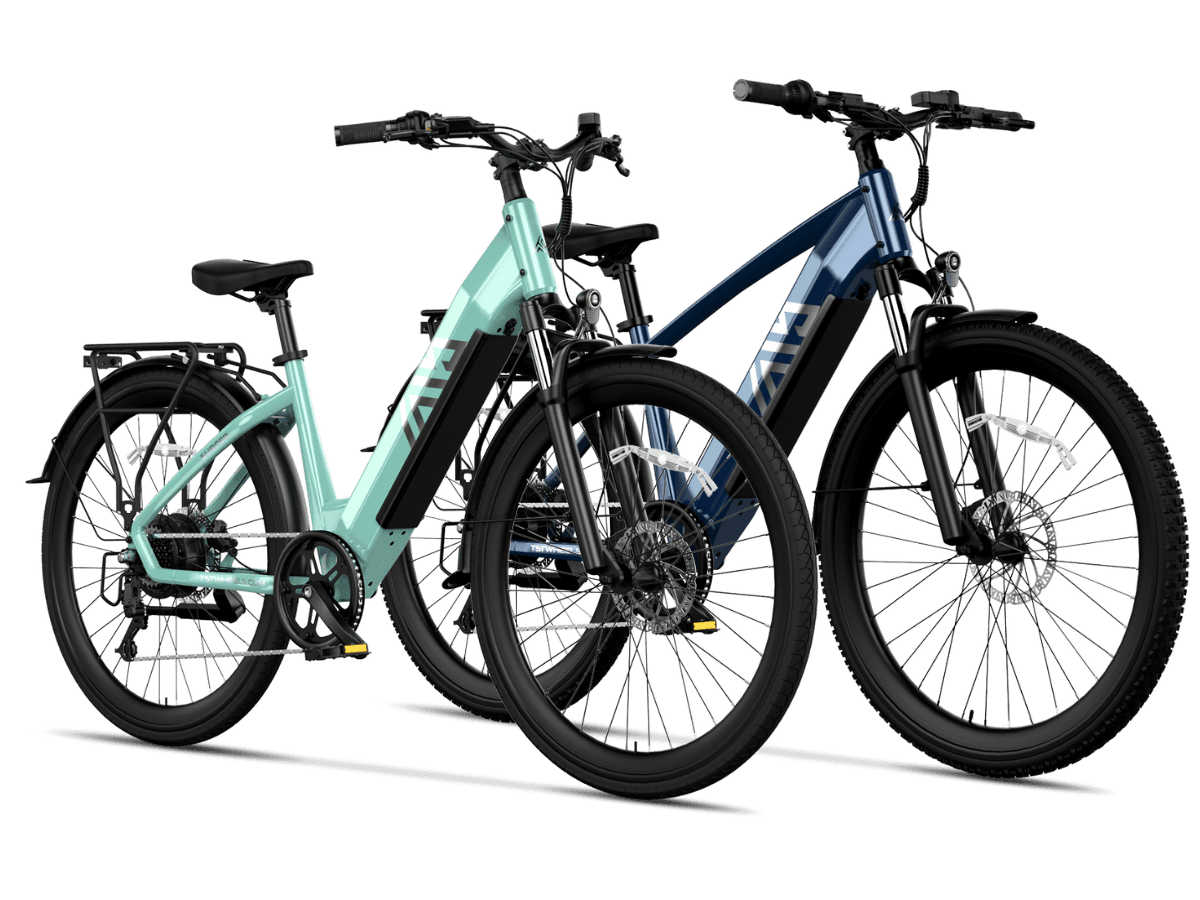
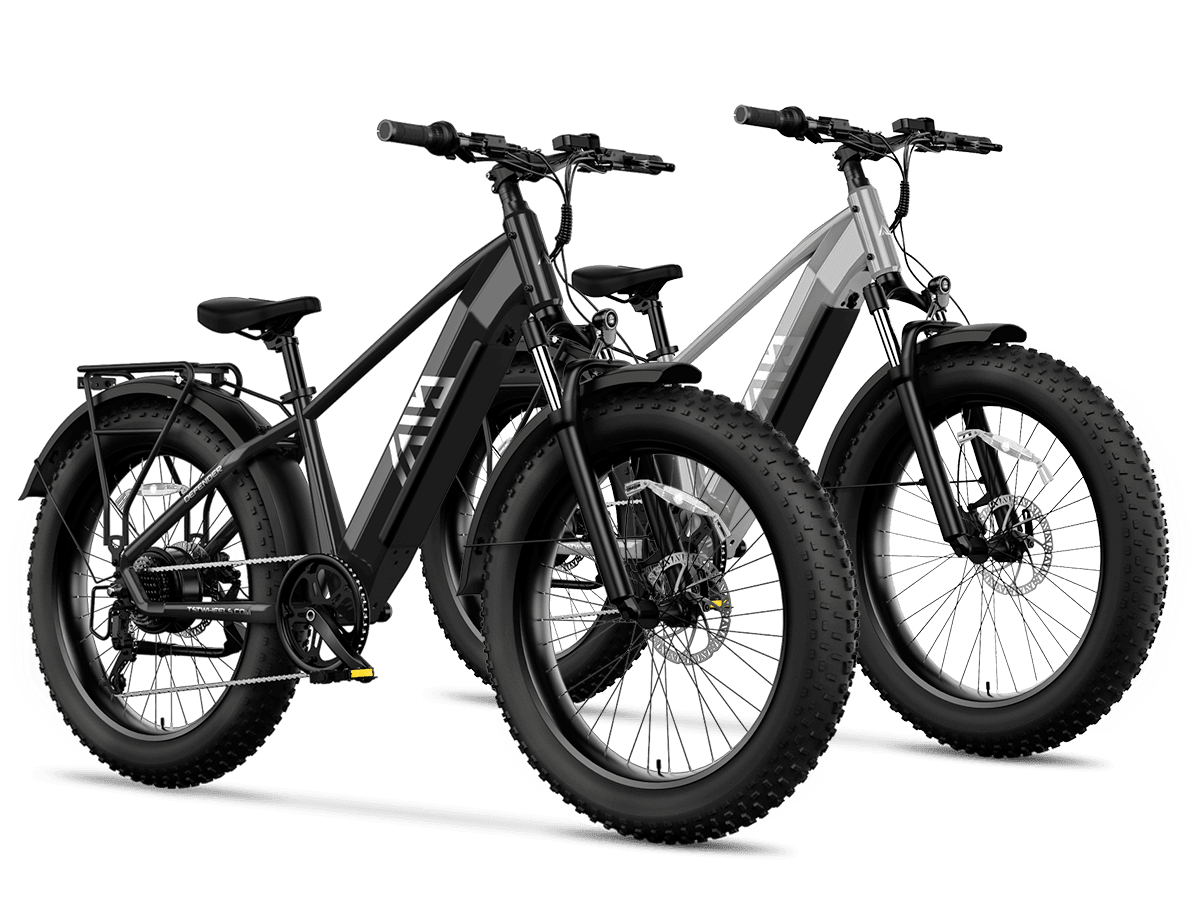
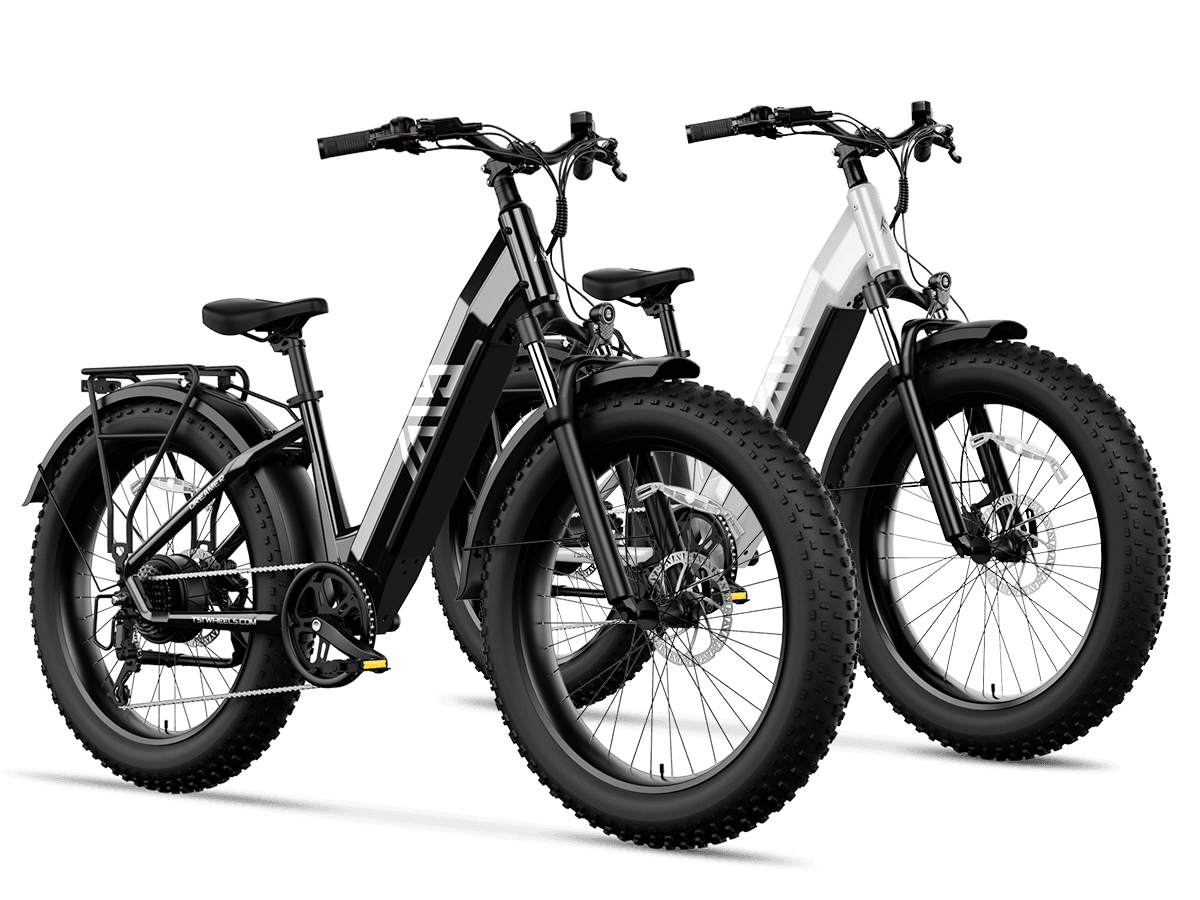
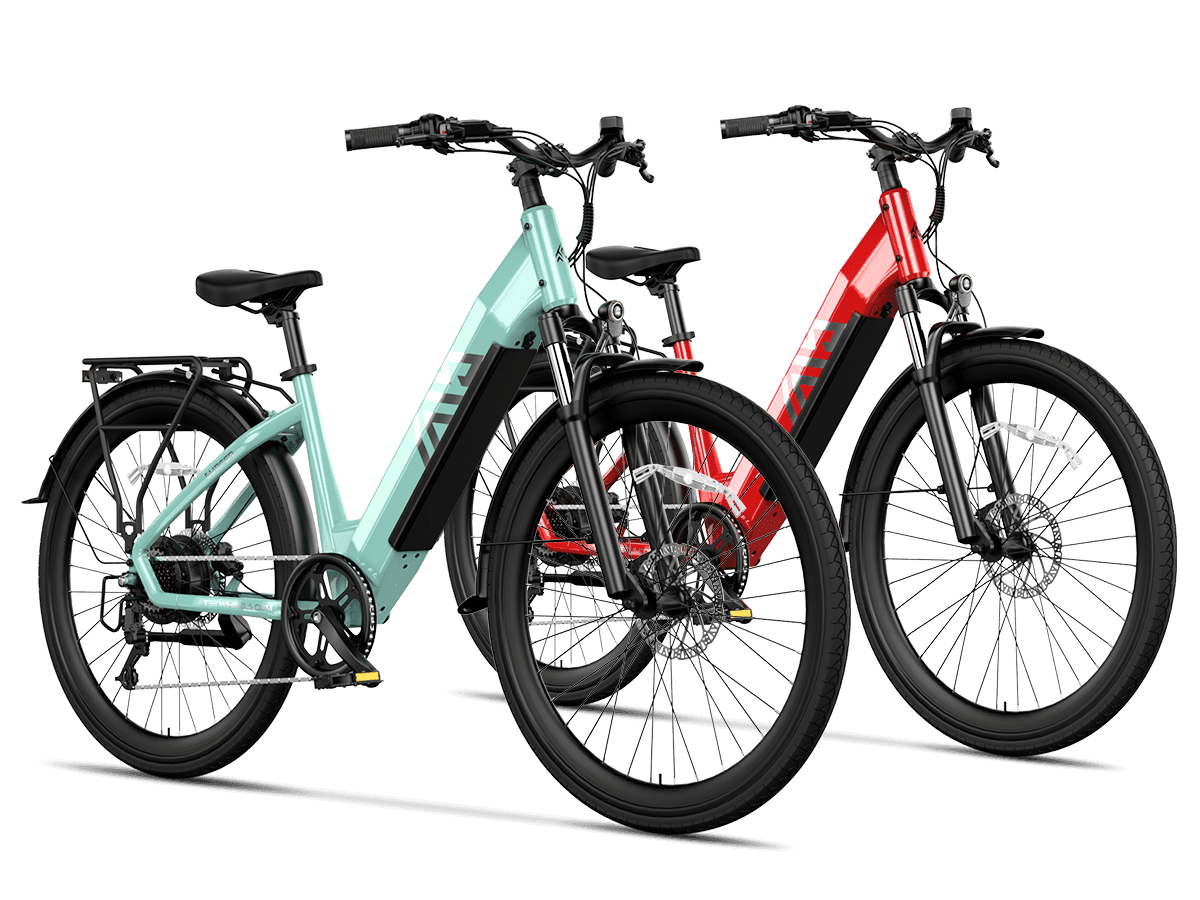
Crucially, TST EBike as a brand is built around high‑power, cost‑effective e‑bikes grounded in consumer feedback, with factories and warehouses in California and a history of optimizing 26‑inch and 27‑inch platforms for real terrain. Their GT63/GT73‑style dirt series follows the same ethos: enough power to feel like a true electric dirt bike, but still a bicycle‑based platform you can manage in tighter spaces, lift onto a rack, and maintain without race‑shop overhead.
How do handling and suspension feel differ between Altis Sigma and GT63/GT73‑class bikes?
Altis Sigma’s handling feels stable at speed but heavier and less agile in tight off‑road conditions, largely due to its weight and soft stock suspension, while GT63/GT73‑class bikes tend to feel more flickable and closer to oversized e‑MTBs in responsiveness.
Testers of the Altis Sigma report that the front suspension is “way too soft,” with noticeable dive in corners and bottoming on jumps, making it less comfortable in whoops and technical sections. The heavy front end complicates jumping and quick direction changes, even though the bike remains very stable on fast straight sections or smoother trails.
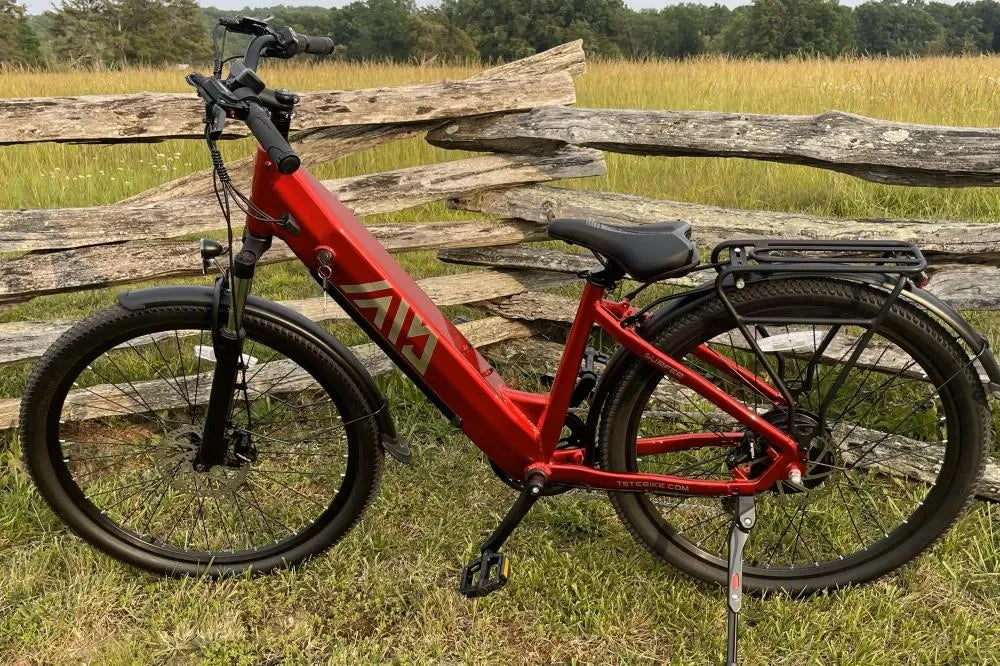
By contrast, GT73/GT63‑style bikes from TST EBike are tuned from a bicycle heritage: 26‑inch and 27‑inch wheel geometry, lighter frames, and suspension designed to balance climbing traction with descending control. TST’s off‑road platforms are built to feel planted yet agile at 30–45 mph, not like mini‑street motorcycles at 70+. If your riding includes a lot of tight, technical, or urban maneuvering, that agility is more valuable than absolute top‑speed stability.
What about value, running costs, and total ownership experience?
Altis Sigma offers strong value on a dollars‑per‑kilowatt basis compared with other high‑end e‑motos, but TST GT63/GT73‑type e‑bikes likely win on total cost of ownership thanks to lower system voltage, simpler drivetrains, and more bicycle‑grade parts.
At around 5,500 USD, Altis Sigma brings 22.5 kW, high‑end suspension hardware, and advanced electronics into reach. In the pure e‑moto space, that’s compelling. However, higher voltage systems demand more expensive controllers, chargers, and potentially more costly repairs if components fail. Tires, chains, and brake pads also wear faster when you routinely use 70 mph performance.
GT63/GT73‑class TST bikes take a different approach: they sit nearer the 2,000–3,000 USD band for very strong performance, work on 60 V‑class packs, and use more standardized e‑bike parts in hubs, brakes, and drivetrains. TST EBike’s focus on quality control and global support (warehouses in California, 20+ offline stores, sales in 10+ countries) adds peace of mind if you plan to rack up years of trail and city miles on one platform.
How should your riding style and terrain influence the Altis Sigma vs TST decision?
Your riding style and terrain should drive the choice: Altis Sigma favors high‑speed, open terrain and “urban assault” with big power, while TST GT63/GT73‑type bikes favor mixed urban/trail use, technical off‑road, and daily practicality.
If your weekends are desert blasts, wide‑open fire roads, and long high‑speed sections—and you already ride or raced dirt bikes—the Sigma’s 70+ mph potential and huge torque make sense. You’ll have the room to use that power and the skills to manage the weight and speed. In that context, the softer suspension becomes a tuning problem, not a deal‑breaker, because you’re likely to re‑spring and re‑valve anyway.
If your reality is tighter singletrack, forest service roads, city streets, and short commutes, GT63/GT73‑type platforms from TST EBike will be easier to live with. They slip more naturally into bicycle infrastructure, are simpler to park, and feel less intimidating around traffic and pedestrians. With 26‑inch for rough terrain and 27‑inch for mixed commuting and mountain biking, TST’s wheel choices let you match the chassis to your main terrain rather than forcing a big‑moto solution everywhere.
Who is the Altis Sigma actually “worth it” for, and who should skip it?
Altis Sigma is “worth it” for experienced riders who want an e‑moto‑level machine with very high top speed, strong build quality, and smooth power for mixed street and open‑off‑road use. Riders focused on tight trails, technical jumps, and daily practicality are usually better off with lighter, mid‑power dirt ebikes like TST GT63/GT73‑class options.
If you already own or have owned gas dirt bikes and are comfortable at 60–70 mph off‑road, the Sigma can feel like a natural electric progression. You’ll appreciate the high‑voltage snap, the premium electronics, and the ability to keep pace with or surpass many traditional pit bikes and trail bikes. In this case, the purchase is less about “is it worth it vs an e‑bike” and more about “is it worth it vs another e‑moto.”
If you’re stepping up from typical e‑bikes or from something like a GT73, the leap in speed and mass may be more than you need, particularly if your daily use includes commuting, errands, and family rides. In that scenario, a high‑power, cost‑effective e‑bike from TST EBike—whether their GT63/GT73‑style dirt series or 26‑/27‑inch off‑road commuters—will give you far more usable performance per dollar and a gentler learning curve.
TST EBike Expert Views
From the factory side, we see a clear split between “e‑moto” and “e‑bike plus” riders. Altis Sigma lives firmly in the e‑moto camp: huge voltage, huge power, big chassis, and a speed envelope that belongs on wide‑open terrain. At TST EBike we design GT63/GT73‑class machines and 26‑/27‑inch platforms for riders who want serious dirt performance without abandoning practicality. Our goal is controllable torque and durability you can use every day—on trails, streets, or snow—rather than chasing the highest spec sheet number.
Is Altis Sigma worth it, or are TST GT63/GT73‑style bikes the smarter buy?
Altis Sigma is worth it if your priority is outright performance in the small e‑moto segment and you have the terrain and skill to exploit 22 kW and 70+ mph speed. For most riders seeking a powerful, versatile electric dirt bike that still behaves like an e‑bike you can live with, GT63/GT73‑style machines from a brand like TST EBike are usually the smarter buy.
Think of it this way: Altis Sigma is a race‑leaning machine you can adapt to daily use; TST EBike’s GT63/GT73 and 26‑/27‑inch platforms are daily‑use bikes you can push surprisingly hard off‑road. If your days revolve around city commuting, tight trails, and realistic speeds, the TST approach aligns better with budget, maintenance, and safety. If you dream in lap times and long open straights, the Sigma’s extra voltage and power begin to justify their cost and complexity.
FAQ
Is the Altis Sigma a good first high‑power e‑dirt bike?
Not for most riders; its 22 kW power and 70+ mph potential suit experienced dirt or street riders, while mid‑power TST GT63/GT73‑type bikes are safer first steps.
Can a TST GT73‑style bike keep up with Altis Sigma on trails?
On tight or technical trails, a lighter GT73‑class bike can feel faster and easier to ride, even if its top speed is lower; the Sigma stretches its legs mainly on open sections.
Are TST EBike dirt models street‑usable as daily commuters?
Yes, many GT63/GT73‑style and 27‑inch TST EBike platforms are tuned for mixed on/off‑road use, giving you strong torque plus practicality for commuting and errands.
Does Altis Sigma need suspension upgrades for serious off‑road riding?
Aggressive riders often find the stock suspension too soft and front‑heavy for big jumps and whoops, so re‑springing and re‑valving are common upgrades.
Is the higher price of Altis Sigma justified over a GT63/GT73‑type bike?
It is if you specifically want e‑moto‑level speed and power; if your use is mostly trails and city, a lower‑cost, high‑torque TST EBike dirt platform typically offers better overall value.

Leave a comment
This site is protected by hCaptcha and the hCaptcha Privacy Policy and Terms of Service apply.