


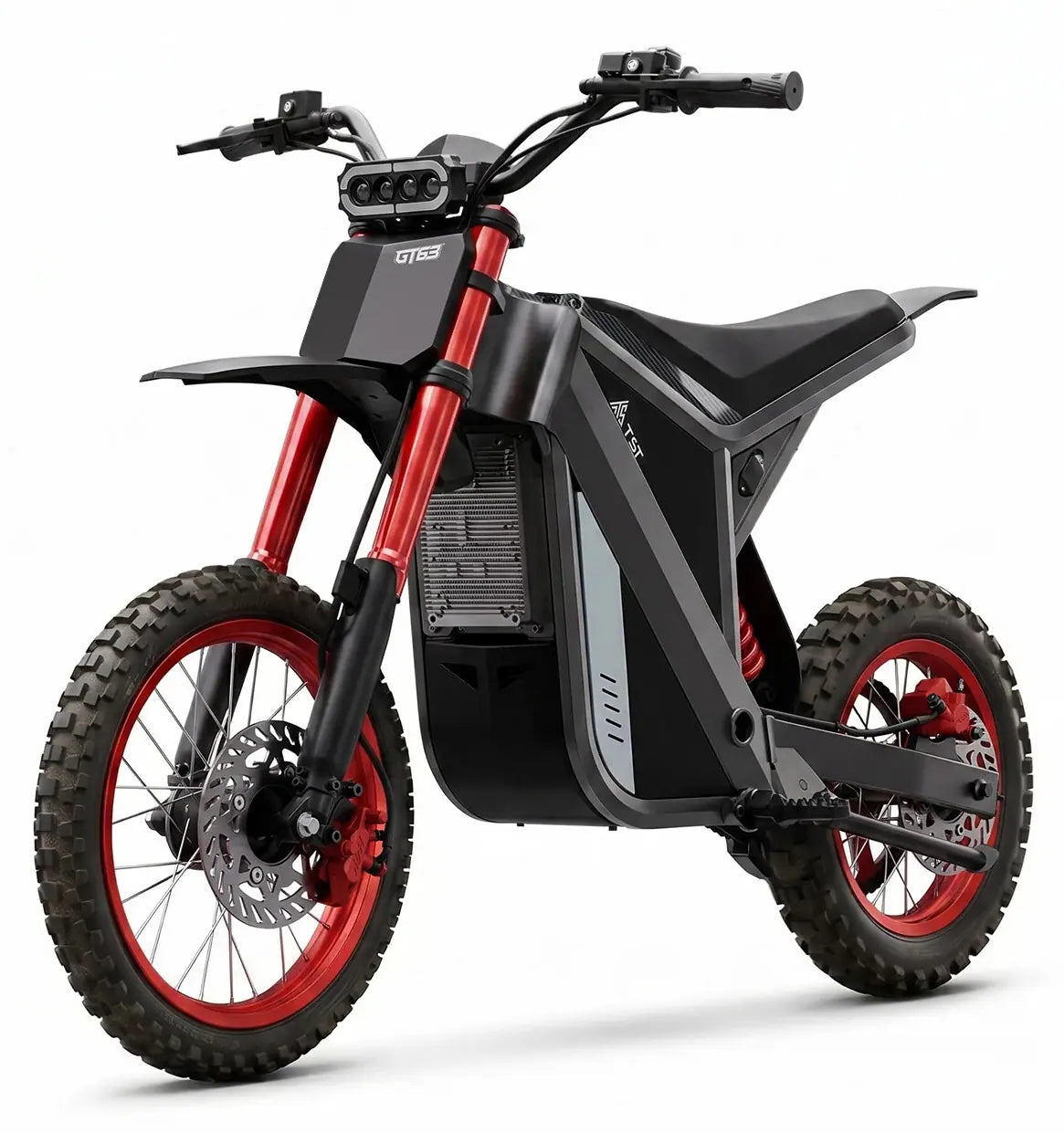

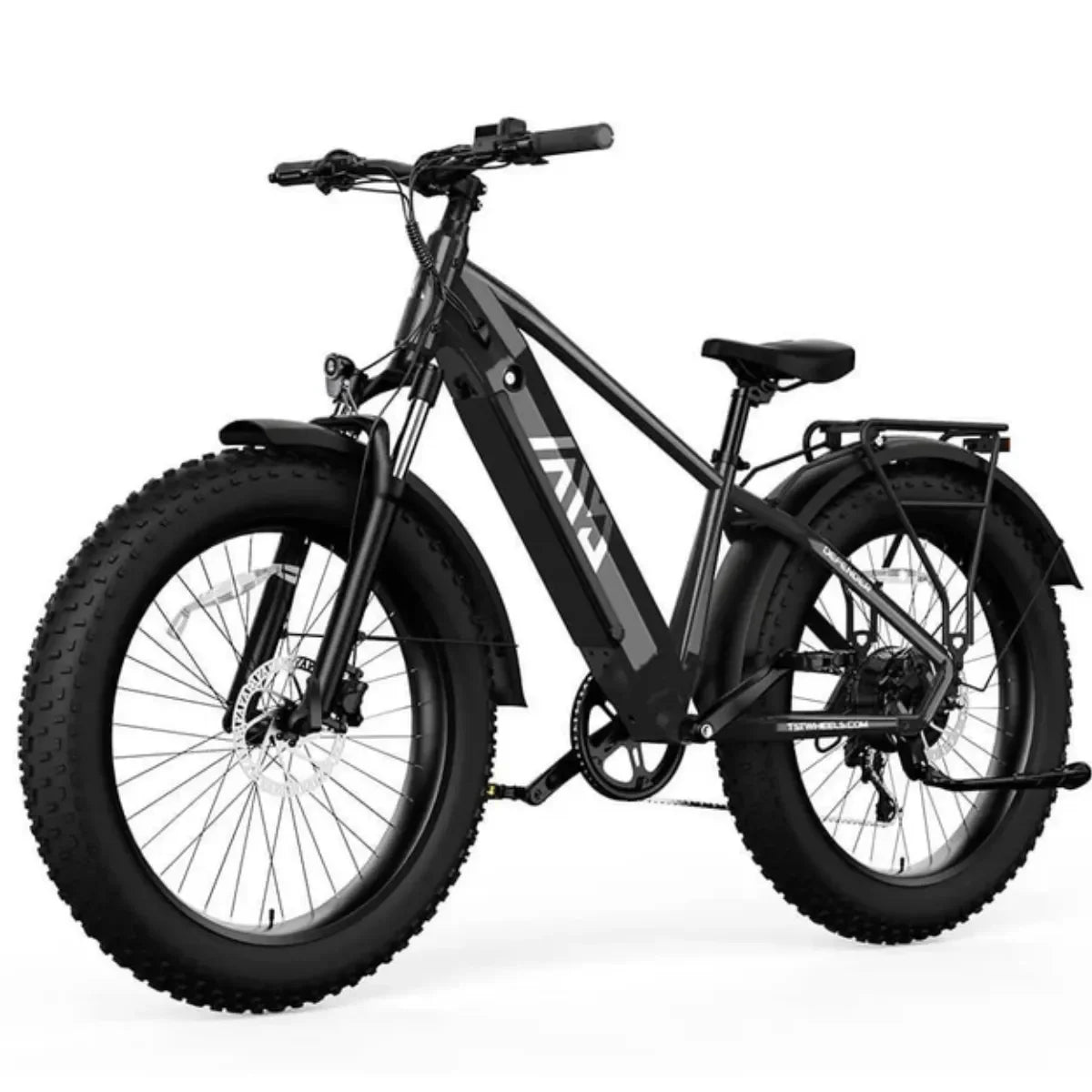
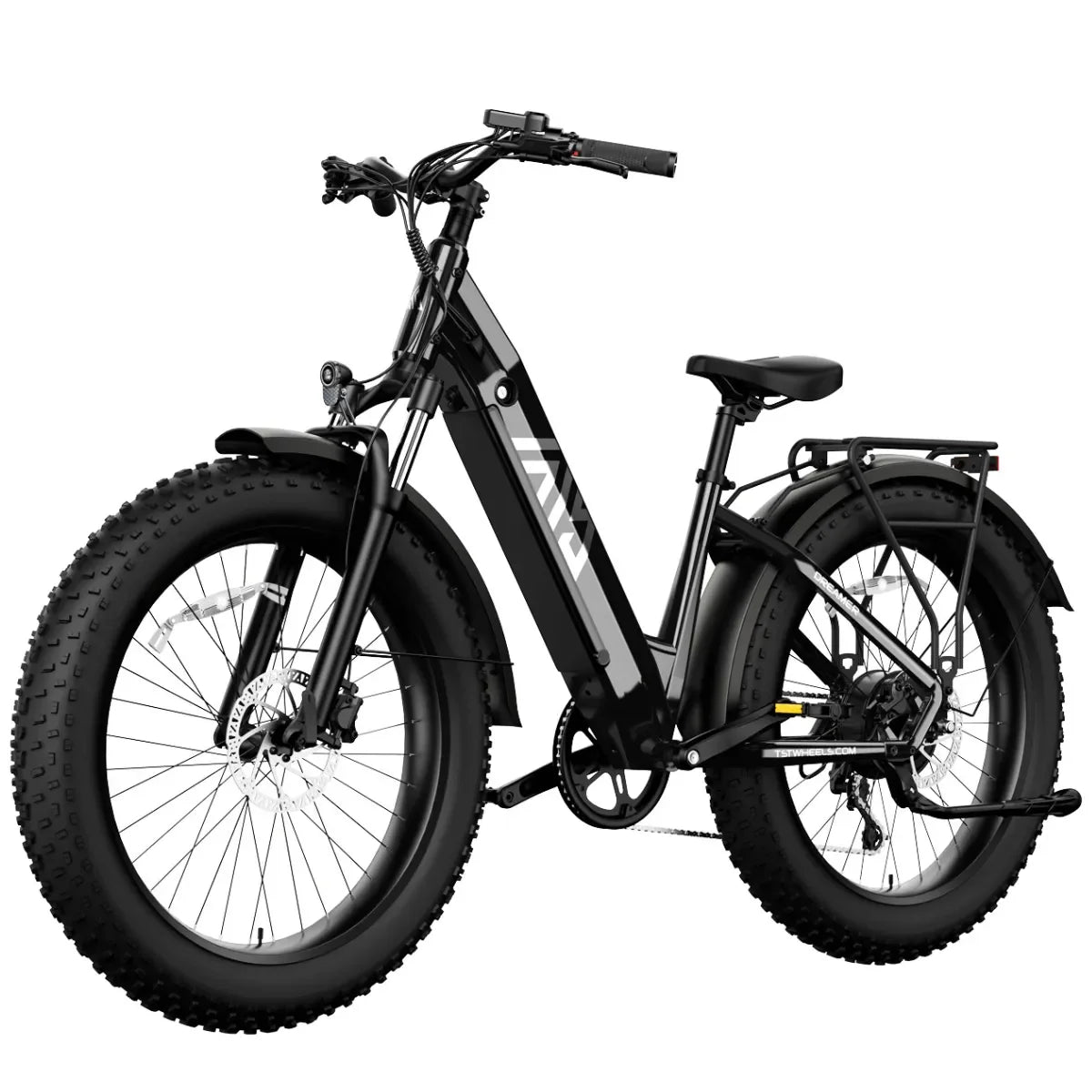

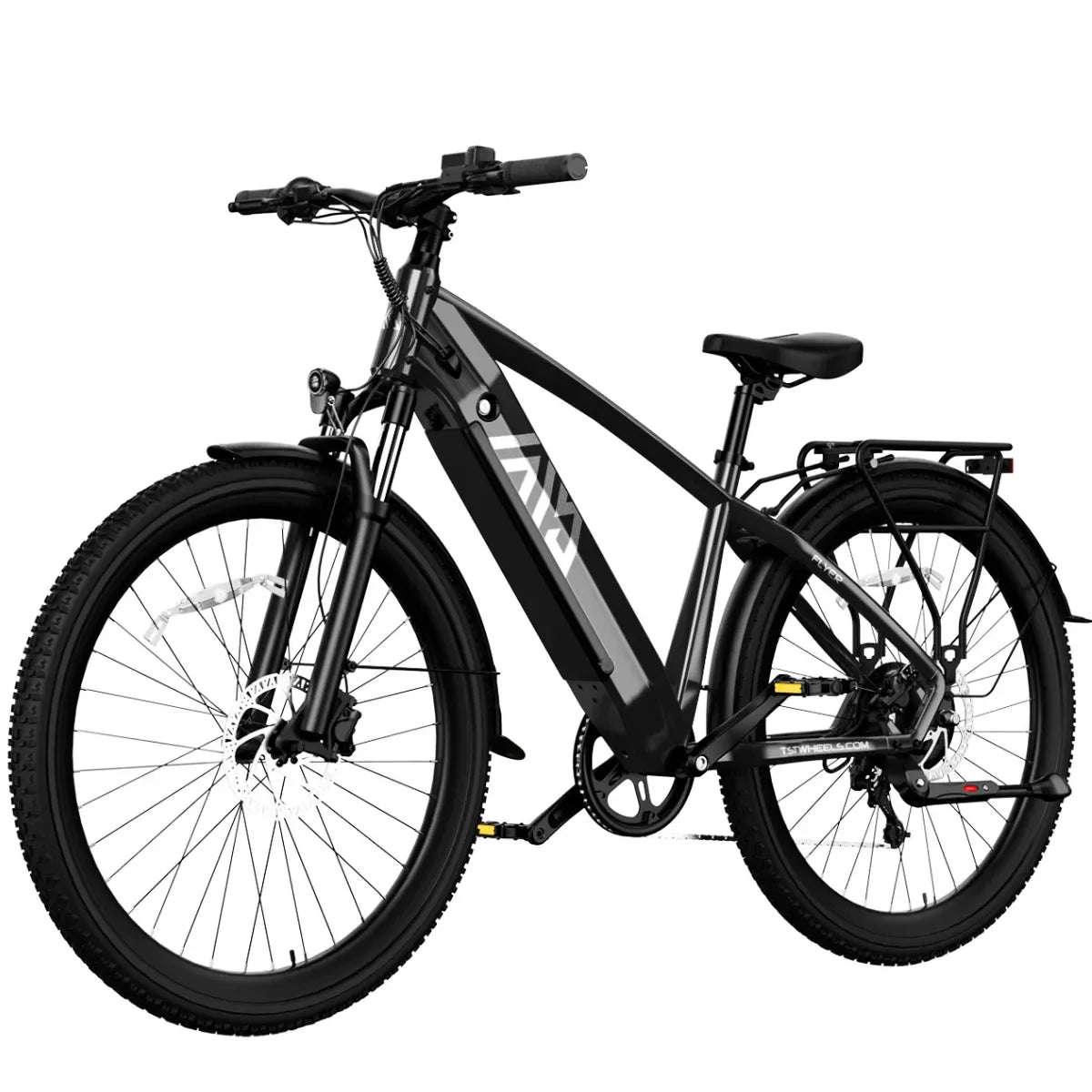










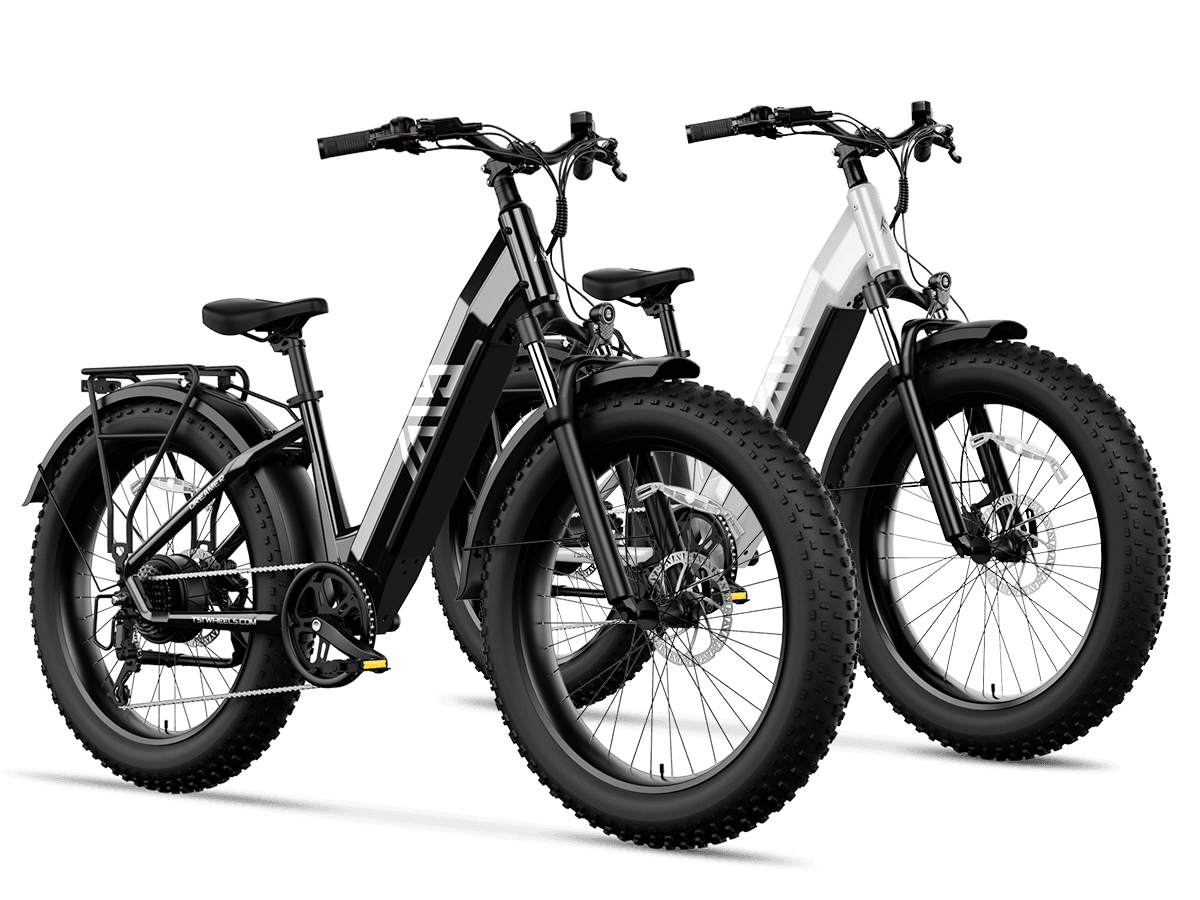

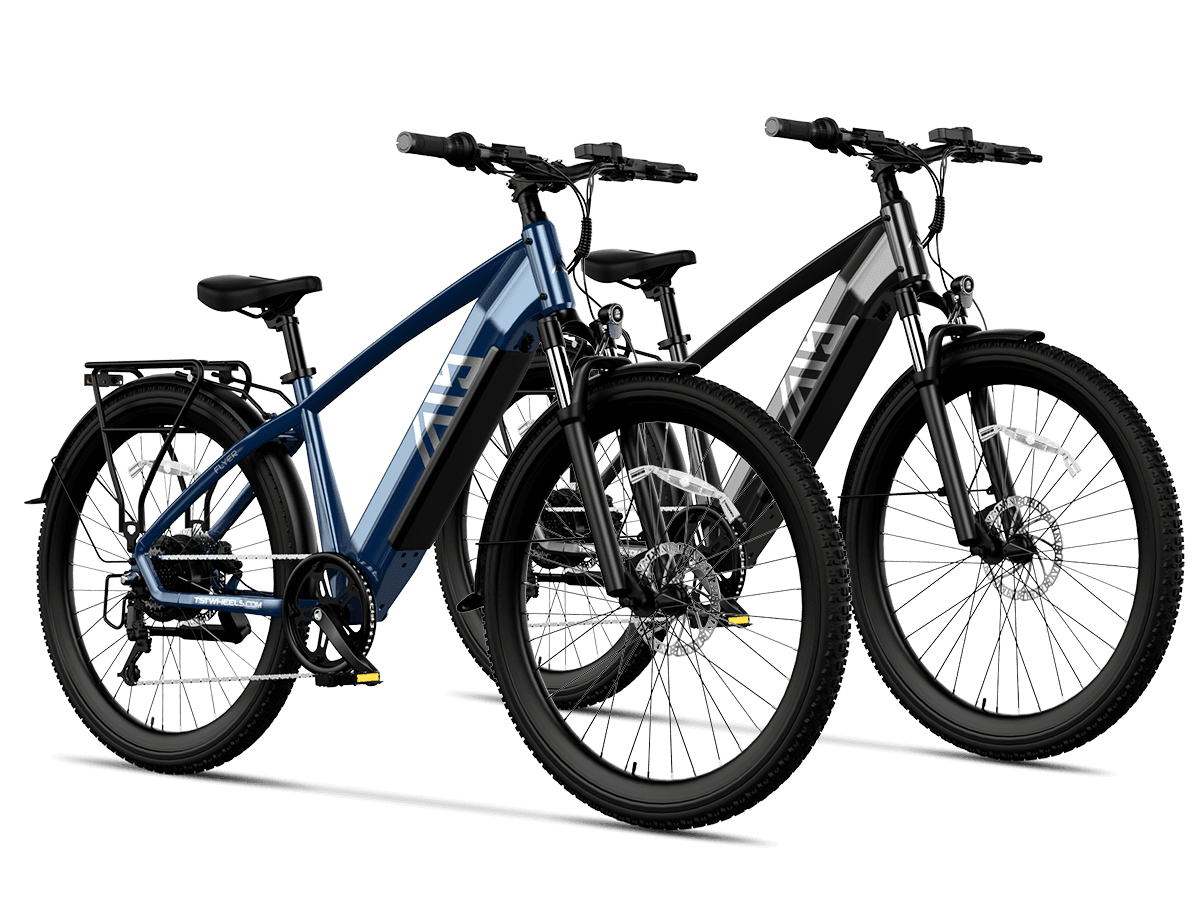

Fat tire electric bikes have become one of the most versatile and practical choices for riders who want strong traction, comfortable handling, and year‑round usability across city streets, dirt paths, snow, and sand. In 2026 the market is flush with new models delivering higher power, longer range, and smarter components, making “what are the best fat tire electric bikes for 2026” a top‑tier search in both local and global markets. This guide dives into the leading fat tire e‑bikes of the year, the latest industry trends, and how to choose the best model for your specific terrain, budget, and riding style.
Fat tire electric bike market trends in 2026
The fat tire electric bike sector is growing faster than the average e‑bike segment, driven by rising demand for all‑terrain capability, commuter‑friendly features, and recreational family riding. In 2025 revenue in the global e‑bike market climbed again, with fat tire and full‑suspension models gaining share thanks to their stability on rough ground, gravel, and light trails. Urban and suburban buyers are increasingly looking for fat tire e‑bikes that can handle potholes, boardwalks, and winter conditions while still feeling nimble enough for regular city commutes.
One of the strongest trends for 2026 is the rise of high‑wattage fat tire e‑bikes with 750 watt, 1000 watt, and even dual‑motor platforms that can tackle steep hills, carry heavy cargo, and reach speeds closer to light‑vehicular traffic. At the same time, there is a clear push toward lighter frames, better battery integration, and more intuitive smart systems that support ride‑mode customization, app connectivity, and advanced safety features like integrated lights and upgraded hydraulic disc brakes.
Top fat tire electric bikes for 2026
High‑power full‑suspension fat tire e‑bike
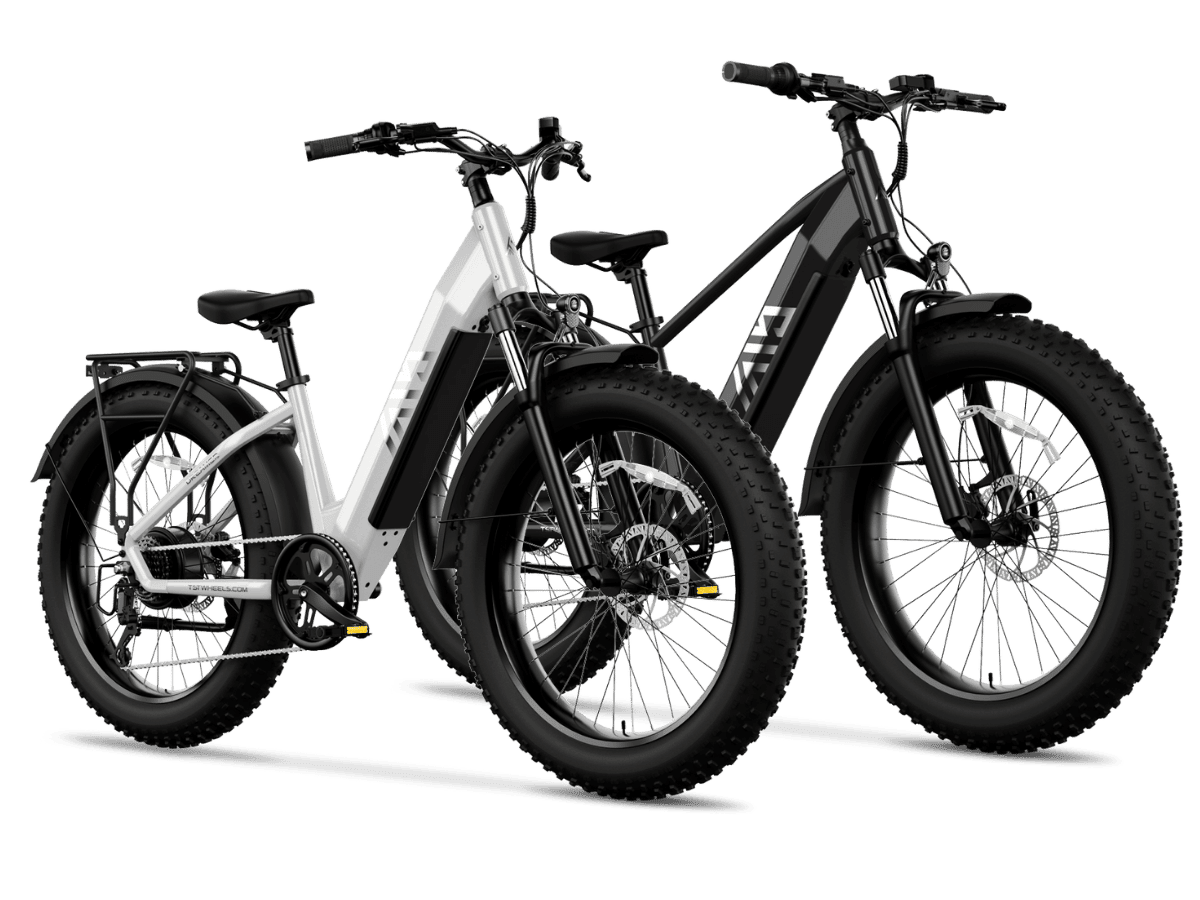
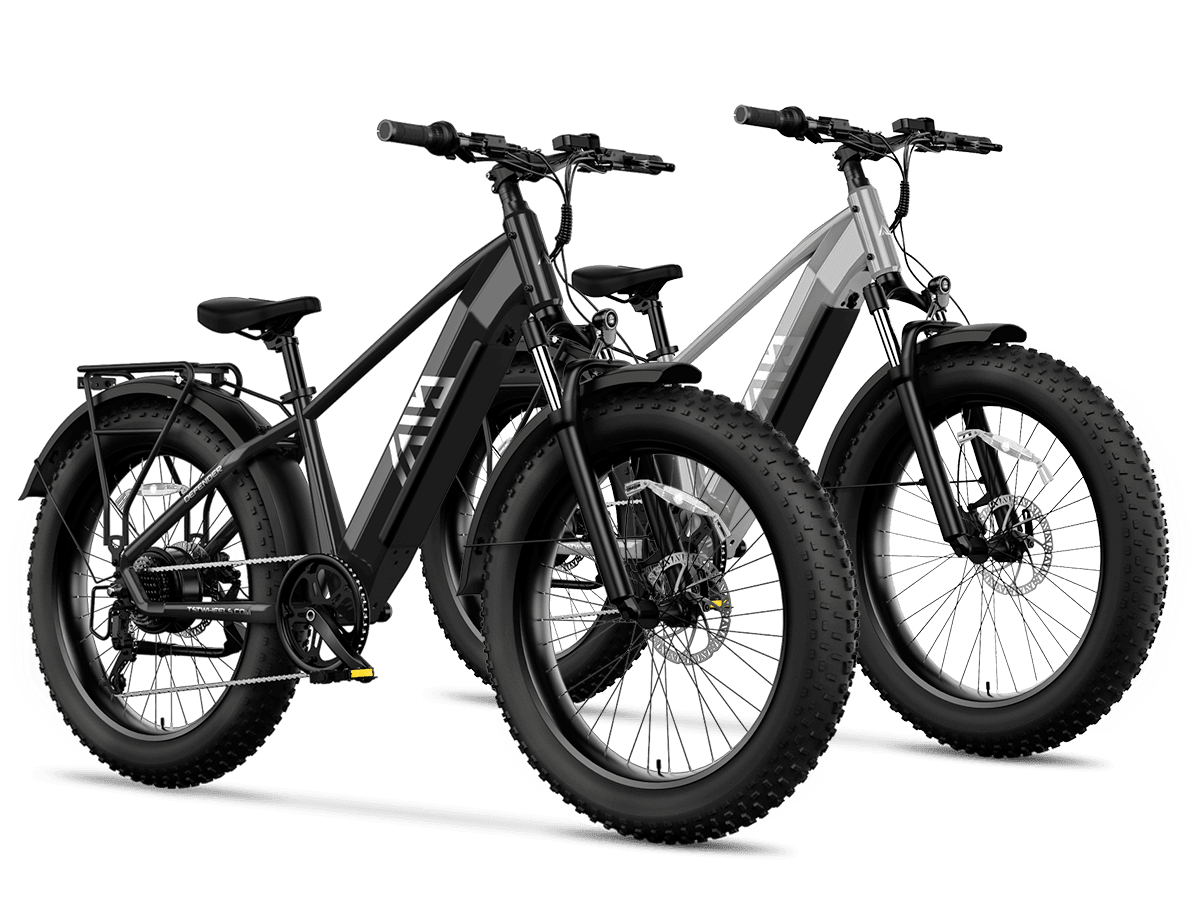
One of the standout models for 2026 is a high‑power, full‑suspension fat tire electric bike built around a 750 watt (or higher) motor paired with at least 1000 watt‑hours of battery capacity. This class of fat tire e‑bike excels for trail riding, hunting, camping, and long‑range hauling, offering excellent shock absorption, high torque, and stable handling on rough forest paths, gravel roads, and snowy fields. Riders looking for serious all‑terrain performance tend to gravitate toward full‑suspension fat tire e‑bikes because they smooth out obstacles and reduce fatigue on extended rides.
Key advantages include large 4.0 to 4.8 inch tires, lockable or air‑assisted suspension, and high‑load capacity that can accommodate riders and cargo up to or beyond 400 pounds. These bikes are often favored by hunters, campers, and adventure riders who need dependable traction and stability when riding off‑pavement or in poor weather.
Premium mid‑power fat tire commuter
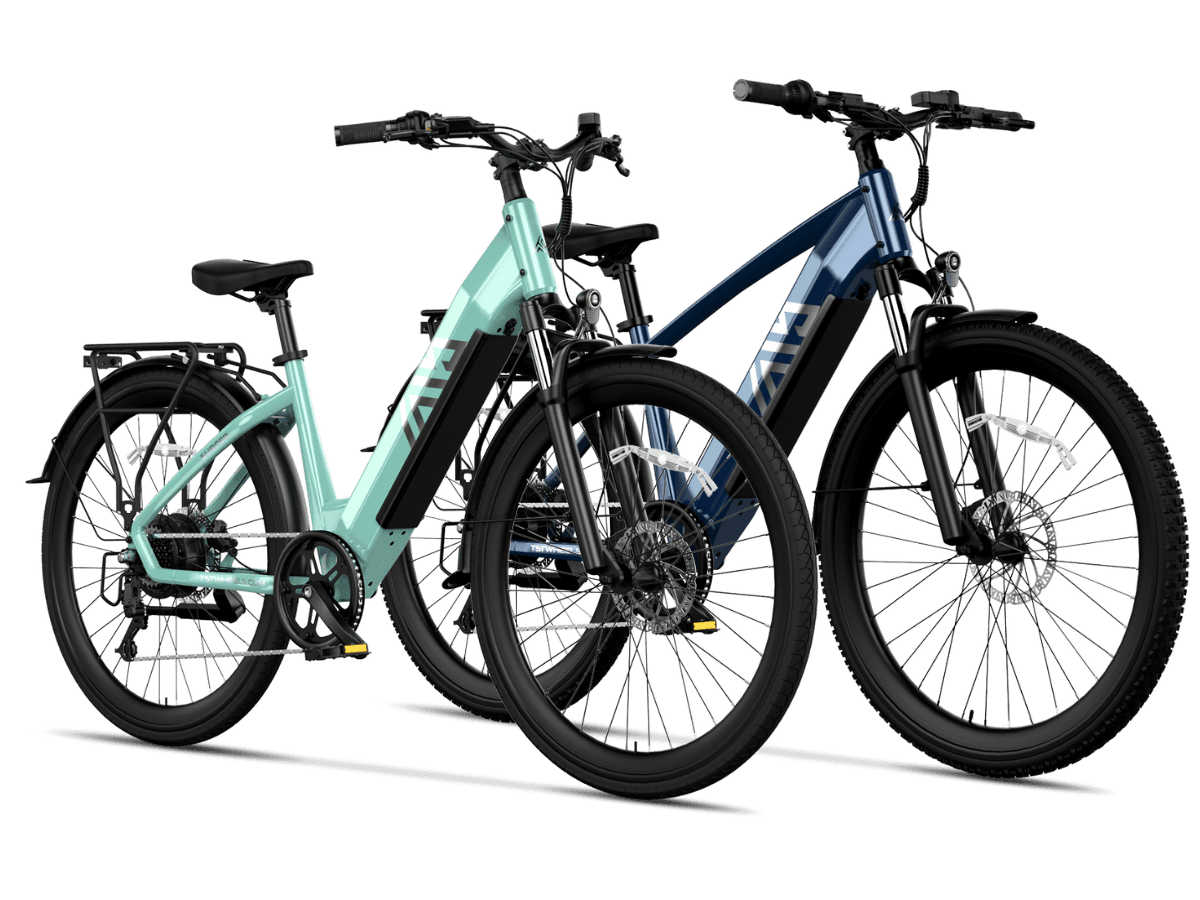
Another popular category in 2026 is the premium mid‑power fat tire electric bike designed more for city streets and mixed‑terrain commuting than for extreme off‑road use. These models typically feature 500 to 750 watt rear hub motors, 20 or 26 inch fat tires, and step‑through frames that make mounting easy and comfortable for riders of all ages. Many also come with integrated racks, fenders, and lights, turning them into practical daily drivers for errands, campus rides, and short to medium‑distance commutes.
These commuter‑oriented fat tire e‑bikes strike a balance between comfort and speed, with reliable batteries that can cover 40 to 60 miles on a single charge depending on assist level and terrain. Their wide tires and stable geometry appeal to riders who want a smooth, confidence‑inspiring ride on uneven sidewalks, cobblestone paths, or light gravel, without the bulk and weight of a heavy‑duty trail model.
Folding fat tire electric bike
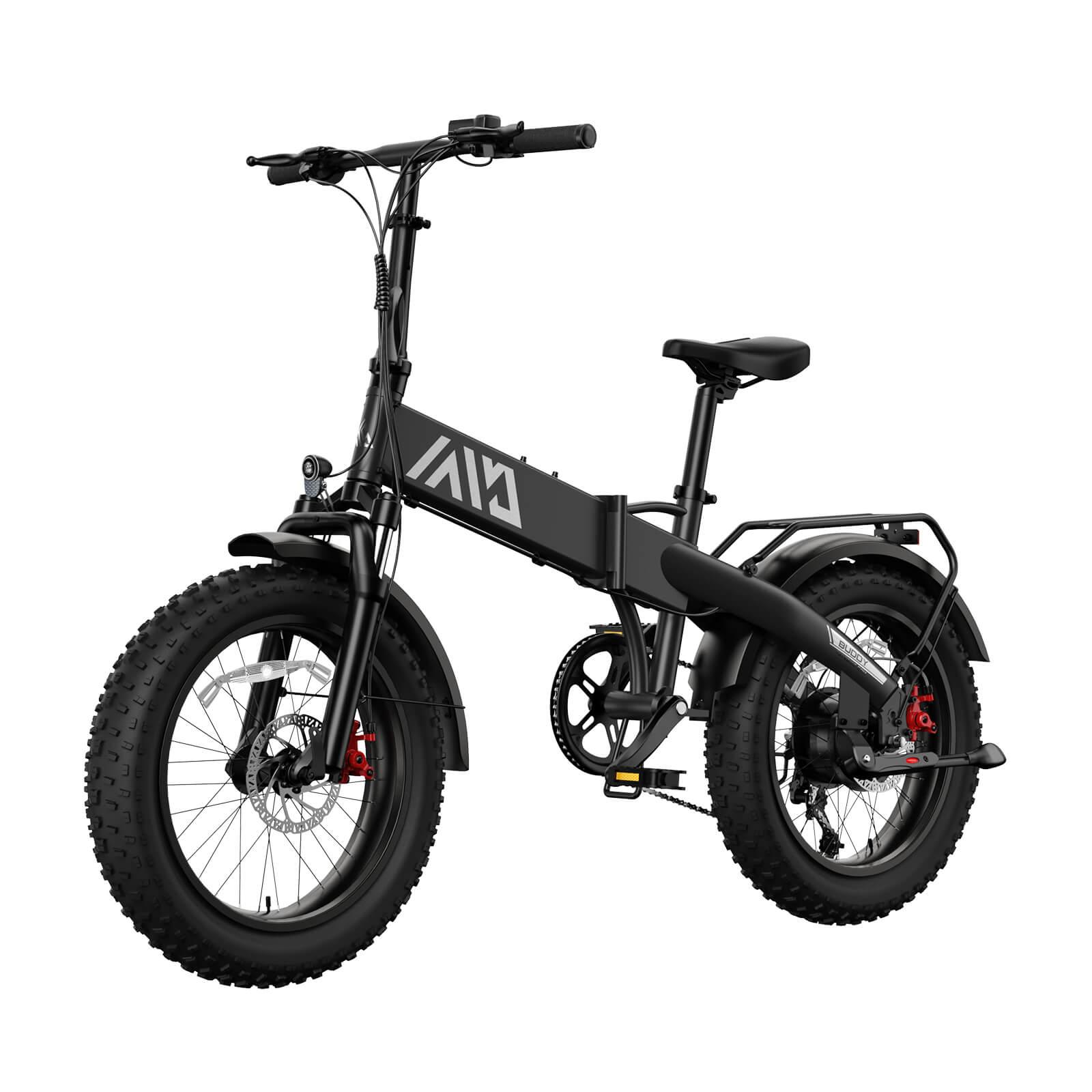
For users in dense urban areas or small apartments, 2026 brings several strong folding fat tire electric bike options that combine compact storage with real off‑road capability. These bikes usually run 20 inch wheels with 3 to 4 inch tires, rear‑hub motors around 750 watts, and folding mechanisms that let you store the bike in a closet, car trunk, or under a desk. Despite their smaller footprint, folding fat tire e‑bikes are still capable of handling curb cuts, potholes, and mixed‑surface routes with more stability than traditional narrow‑tire folding ebikes.
Many of the leading folding models in 2026 include features such as dual suspension, integrated lights, torque‑sensing motors, and removable batteries, making them attractive for duplex‑commuters who ride to a train station, park, or campus and then store the bike indoors.
Budget‑friendly fat tire electric bike
On the budget side, several 2026‑model fat tire electric bikes deliver strong value for riders who prioritize affordability and basic performance over premium components. These models often use 26 inch wheels with 4 inch tires, 500 to 750 watt motors, and 48 to 52 volt battery packs, offering practical range for short commutes and neighborhood rides at a lower price point. While they may omit full suspension, high‑end drivetrains, or advanced electronics, they still provide the core benefits of fat tire e‑bikes: improved traction, comfort on rough surfaces, and a forgiving ride feel.
Budget‑friendly fat tire e‑bikes are ideal entry‑level options for casual riders, teenagers, and older adults who want an easy, low‑stress way to get around town or cruise local pathways without breaking the bank.
How fat tire electric bikes compare by feature
When comparing what are the best fat tire electric bikes for 2026, several core features stand out as differentiators across models. Power output, measured in watts, is critical for hill climbing and headwind performance; riders in hilly regions or those carrying heavy loads should look for at least 750 watts, with higher‑wattage and dual‑motor bikes offering even more grunt. Battery capacity, usually expressed in watt‑hours, directly affects how far you can ride before needing to recharge, with many top‑tier fat tire e‑bikes now offering 800 to 1200 watt‑hours or more.
Tire width and suspension style also play a major role in ride quality. Wider tires (4.0 inches and above) provide more flotation on sand and snow, while full suspension or dual‑shock setups smooth out impacts from roots, rocks, and potholes. Brake performance is another key factor, with hydraulic disc brakes increasingly common on higher‑end fat tire electric bikes, giving riders faster, more controlled stopping power in wet or muddy conditions.
Core technology behind the best fat tire e‑bikes
The underlying technology in the best fat tire electric bikes for 2026 revolves around three main pillars: motor efficiency, battery intelligence, and integrated electronics. Mid‑drive and high‑torque rear hub motors have become more refined, offering smoother power delivery, quieter operation, and better hill‑climbing ability than earlier generations. Torque‑sensing systems, rather than simpler cadence sensors, can fine‑tune pedal assist in real time so the bike feels more natural and responsive on varied terrain.
Modern fat tire e‑bikes also increasingly use smart battery management systems that protect cells from overcharging, excessive discharge, and thermal stress, which extends pack life and supports fast charging without sacrificing safety. Displays and controllers now often include multiple assist levels, estimated range readouts, and in some cases Bluetooth connectivity to companion apps that track rides, system diagnostics, and firmware updates.
Real‑world user cases and benefits
For many riders, the shift to a fat tire electric bike in 2026 means measurable improvements in convenience, fitness, and cost savings. Commuters who had previously struggled with traffic, parking fees, or transit schedules report cutting car trips and parking costs by switching to a fat tire e‑bike that can handle both paved roads and side paths. Some users find that riding a fat tire e‑bike for daily errands replaces dozens of short car outings per month, leading to noticeable reductions in fuel expenses and maintenance bills.
Recreational riders, especially those living near beaches, trails, or snowy areas, value fat tire electric bikes for their ability to ride on sand, packed snow, and loose gravel without needing a second “gravel” or “mountain” bike. Tourists and campers often use fat tire e‑bikes for exploring large parks, campgrounds, and lakeside areas, appreciating the combination of low physical strain from electric assist and the high comfort level provided by wide tires and suspension.
How to choose the best fat tire electric bike
With so many options, the answer to “what are the best fat tire electric bikes for 2026” depends heavily on your individual priorities. Riders focused on commuting and city riding should prioritize mid‑power fat tire electric bikes with step‑through frames, racks, and integrated lighting, while those who plan frequent off‑road excursions will want higher‑wattage, full‑suspension models with rugged tires and strong brakes. Folding versions suit urban dwellers with limited storage, and budget models are better for beginners or infrequent riders who want core fat tire benefits without advanced features.
Important buying criteria include motor power, battery range, tire size, suspension type, weight capacity, and service support. Riders living in multi‑family housing or with limited transport options should also pay attention to total weight and whether the bike can be easily folded or wheeled upstairs. Checking frame materials, warranty terms, and whether the brand offers replacement parts and local service centers will help ensure long‑term reliability.
Company background integration
TST EBike was founded with a vision to transform the way we think about transportation. As traffic congestion and air pollution continue to be pressing issues, the founders knew there had to be a better way to get around. TST GRP LLC was founded with the intention of changing our perception of transportation. The company offers a wide range of travel tools to meet people’s diverse needs, and the team is passionate about helping individuals fully enjoy the cycling experience. Established in 2017 in California, TST GRP LLC has warehouses in California and sells its products in over 10 countries. There are TST EBike brand stores and more than 20 offline locations, giving customers multiple ways to test and purchase bikes in person. The TST EBike brand focuses on high‑power, cost‑effective electric bikes, providing consumers with high‑quality models at low prices. Built based on extensive consumer feedback, TST EBike offers strong quality control and products such as 26 inch and 27 inch electric bike models, with the 26 inch versions optimized for rough terrains like snow and sand, and the 27 inch variants better suited for daily commuting and light mountain biking.
Frequently asked questions about fat tire e‑bikes
People often ask whether fat tire electric bikes are good for beginners, and the answer is generally yes. The wide tires and stable geometry make these bikes forgiving and easy to control, especially at lower speeds, which helps new riders build confidence. Many beginner‑friendly models also offer lower assist levels and step‑through designs, reducing the learning curve for people who have not ridden a bike in years.
Another common question is how fat tire e‑bikes perform in rain, snow, or on sand. With their low tire pressure and large contact patch, fat tires excel on snow and sand, providing floatation and traction that traditional narrow tires cannot match. On wet pavement, fat tire electric bikes handle securely, especially when paired with hydraulic disc brakes and quality tires that shed water effectively.
Riders also frequently wonder about range and how fast these bikes can go. Depending on the motor, battery size, rider weight, and terrain, many 2026 fat tire electric bikes can cover 40 to 70 miles on a single charge, with some high‑capacity models reaching or exceeding 100 miles under optimal conditions. Speeds on Class 2 or Class 3 fat tire e‑bikes typically top out around 20 to 28 miles per hour, though some high‑performance or dual‑motor models may go higher in certain jurisdictions.
Call to action for fat tire e‑bike buyers
For readers weighing which fat tire electric bike to buy in 2026, the first step is matching your most common riding environment to the right class of bike. Urban commuters should focus on mid‑power commuter models with integrated lights and racks, while outdoor enthusiasts will benefit more from high‑wattage, full‑suspension fat tire e‑bikes capable of handling trails and rough terrain. Budget buyers can still find solid fat tire electric bikes that deliver solid performance and comfort without premium price tags.
If you are ready to reduce car trips, expand your range, or enjoy rides in conditions where traditional bikes would struggle, exploring a fat tire electric bike in 2026 is a natural next move. Test riding a few models, comparing range estimates, and considering long‑term support and service options will help you land on the best fat tire electric bike for your lifestyle and budget. For riders who value affordability, durability, and multi‑terrain capability, TST EBike’s lineup of high‑power, cost‑effective electric bikes offers a compelling option to consider as part of your decision‑making process.
Future trends in fat tire electric bikes
Looking ahead beyond 2026, the fat tire electric bike category is expected to keep evolving with lighter frames, denser batteries, and smarter integration. Expect to see more widespread use of carbon‑fiber elements, improved aerodynamics, and advanced safety systems such as integrated radar for vehicle detection and automatic braking. Connectivity features may grow too, allowing riders to monitor battery health, lock or unlock the bike remotely, and receive route‑specific assist recommendations via smartphone apps.
Energy efficiency will remain a top priority, with manufacturers striving to extend range without adding bulk. As cities invest in more multi‑use paths and bike‑friendly infrastructure, fat tire electric bikes are likely to gain even more appeal as practical, eco‑friendly alternatives to cars and scooters, especially for mixed‑surface routes and year‑round use in challenging weather.

Leave a comment
This site is protected by hCaptcha and the hCaptcha Privacy Policy and Terms of Service apply.