
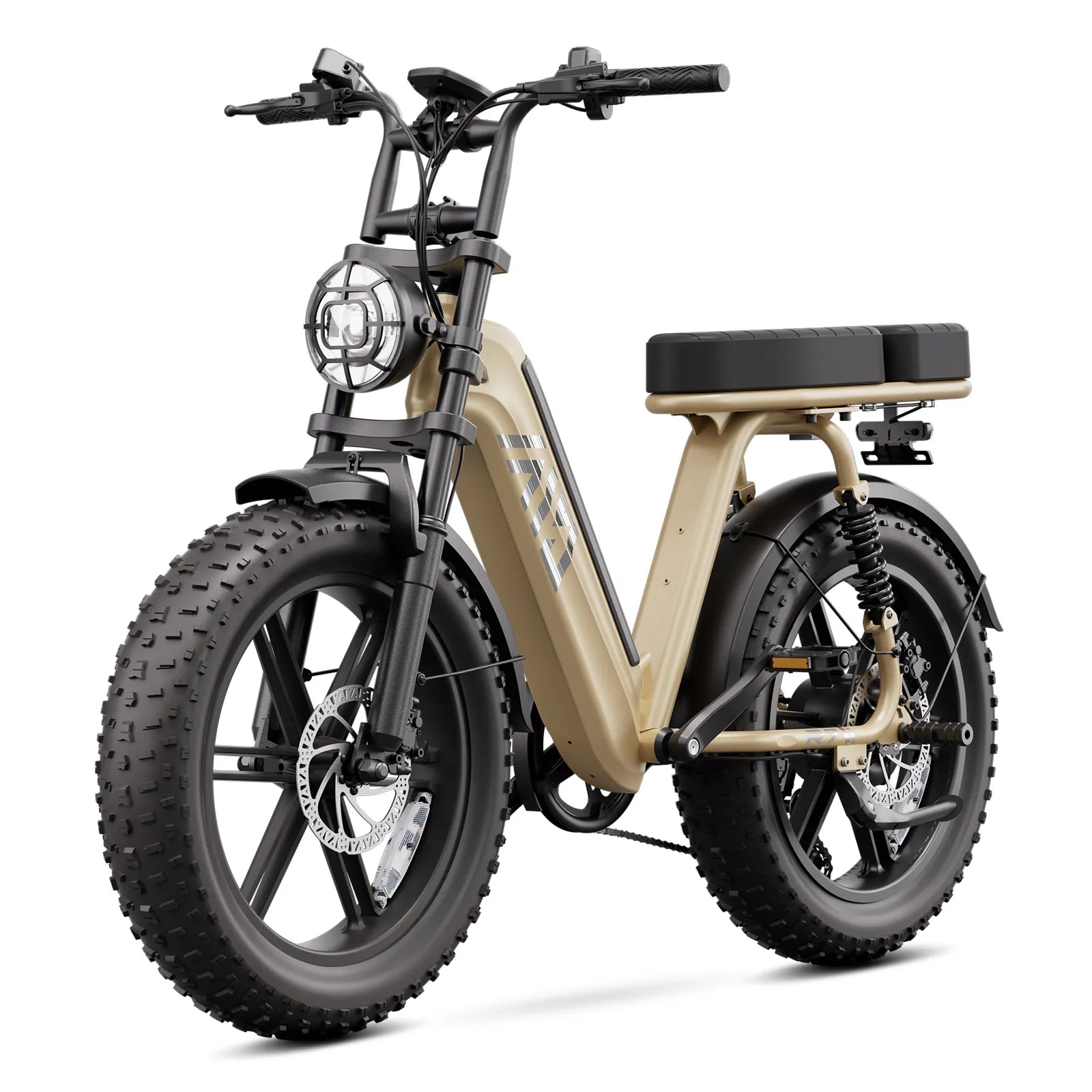
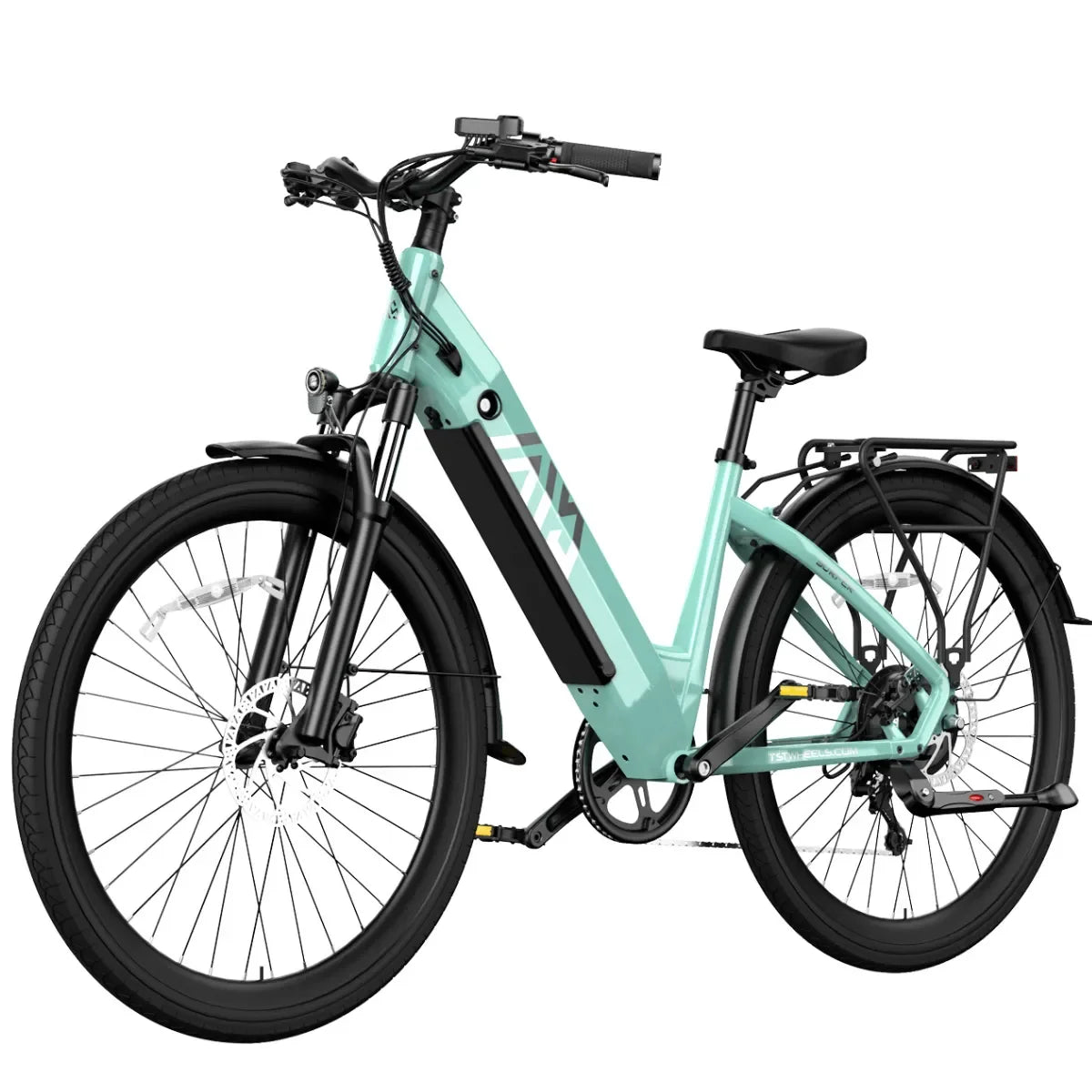
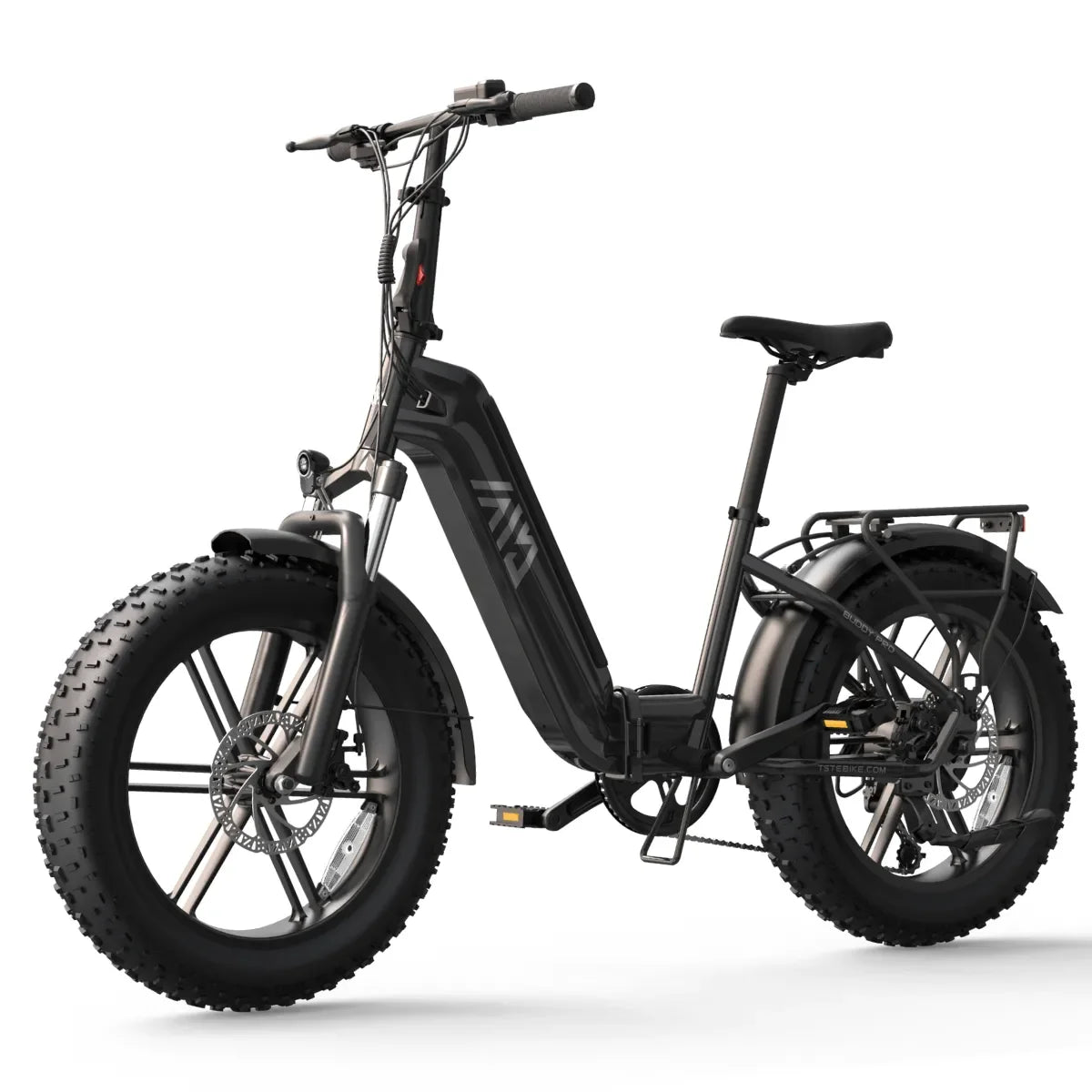
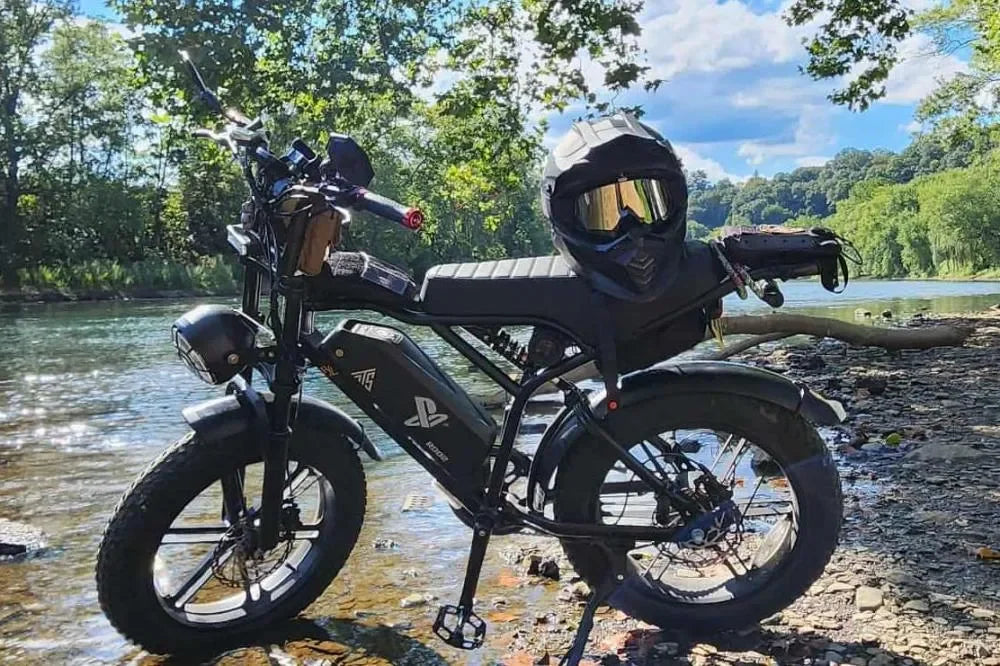
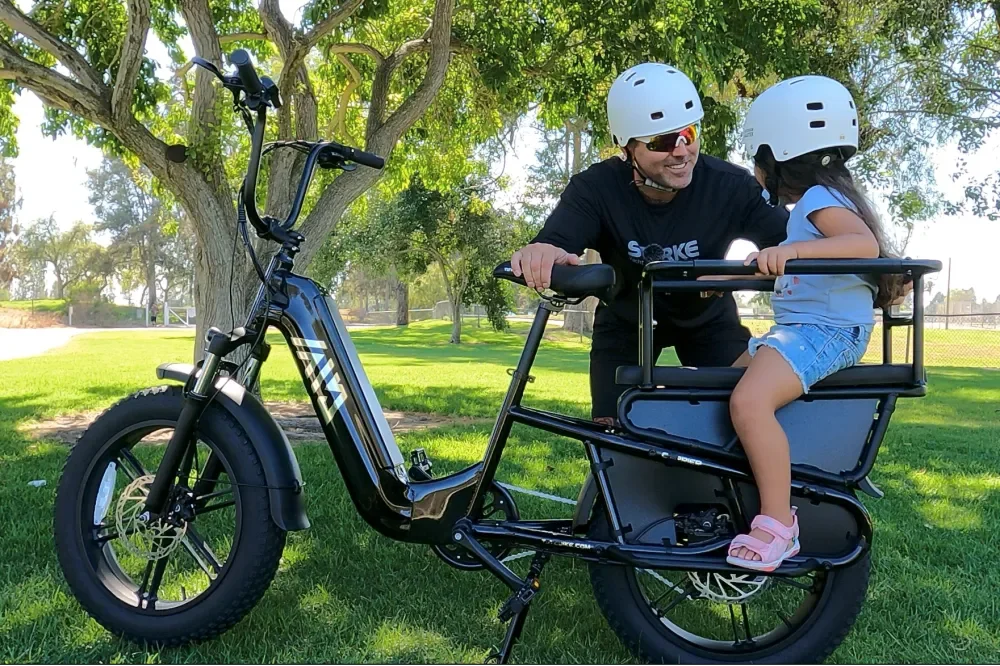
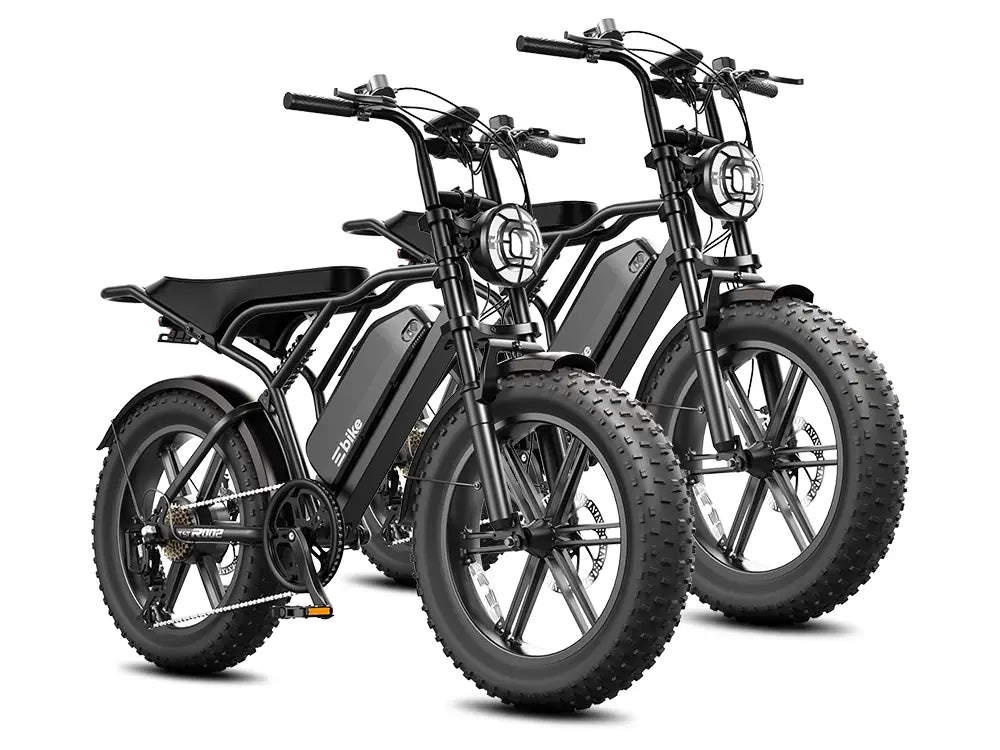
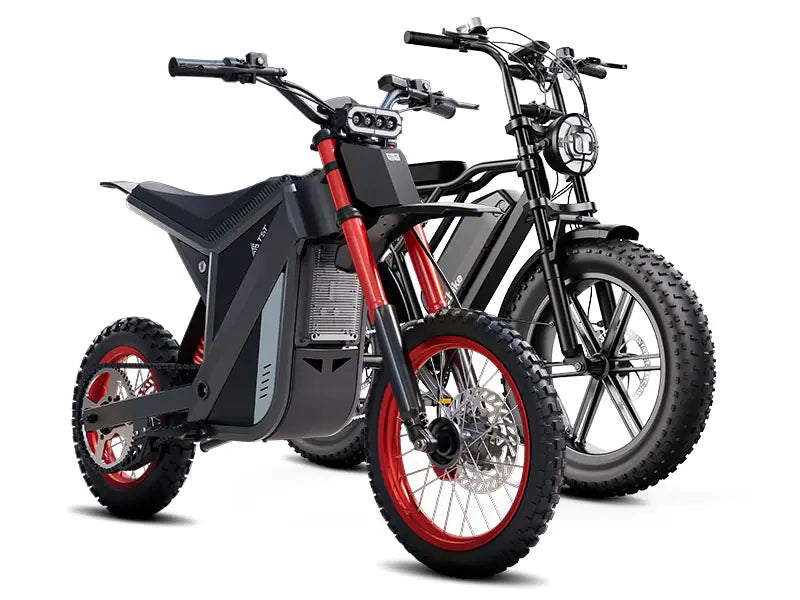
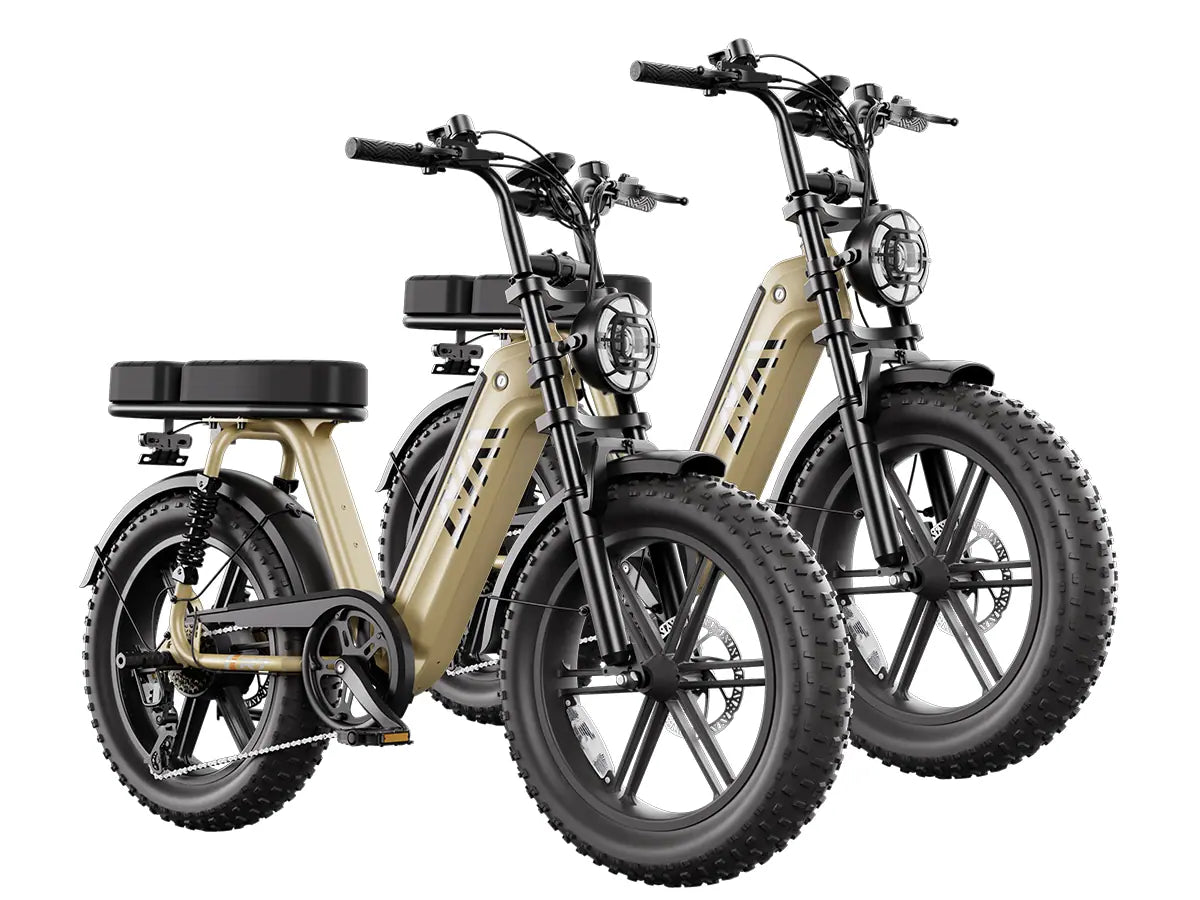
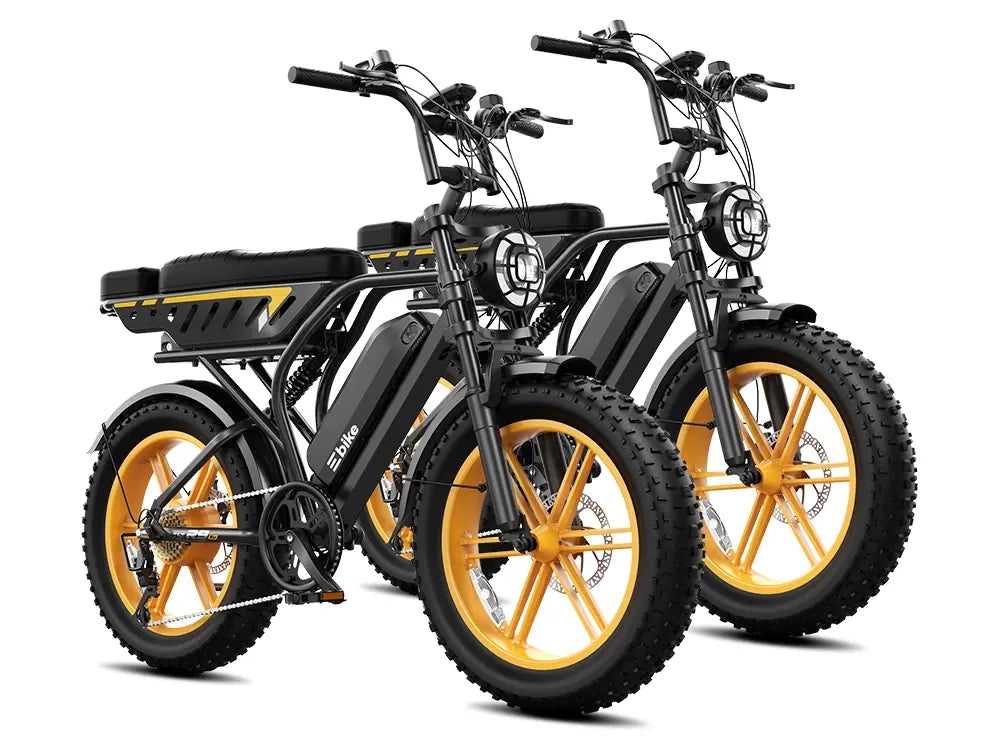
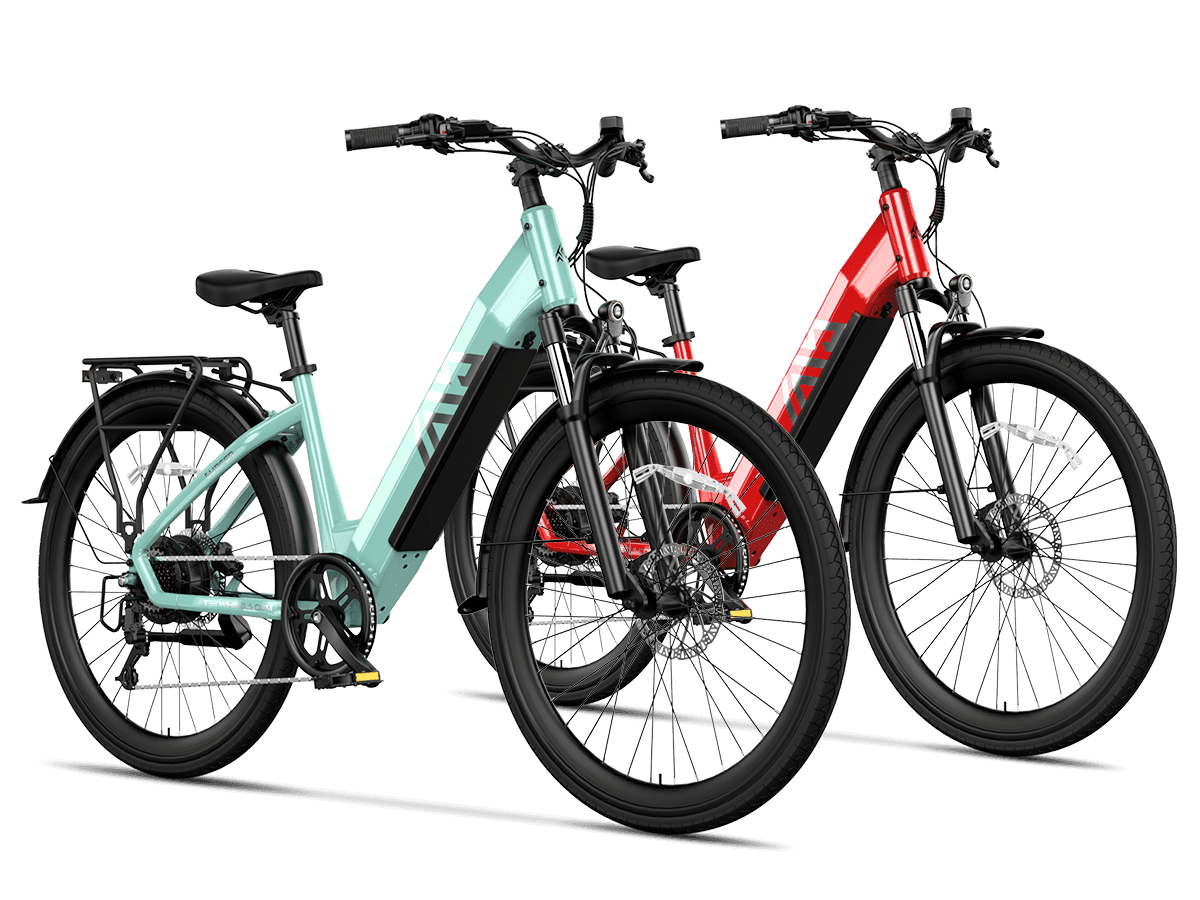
Yes, the TST Surfer rides on sand, and it does so better than almost any standard e-bike, because its wide fat tires float over soft ground instead of sinking. It is not a beach-only toy, either: the Surfer works on pavement, boardwalks, and light trails, and TST EBike tuned it for riders who split their time between sand and street.
Key Facts
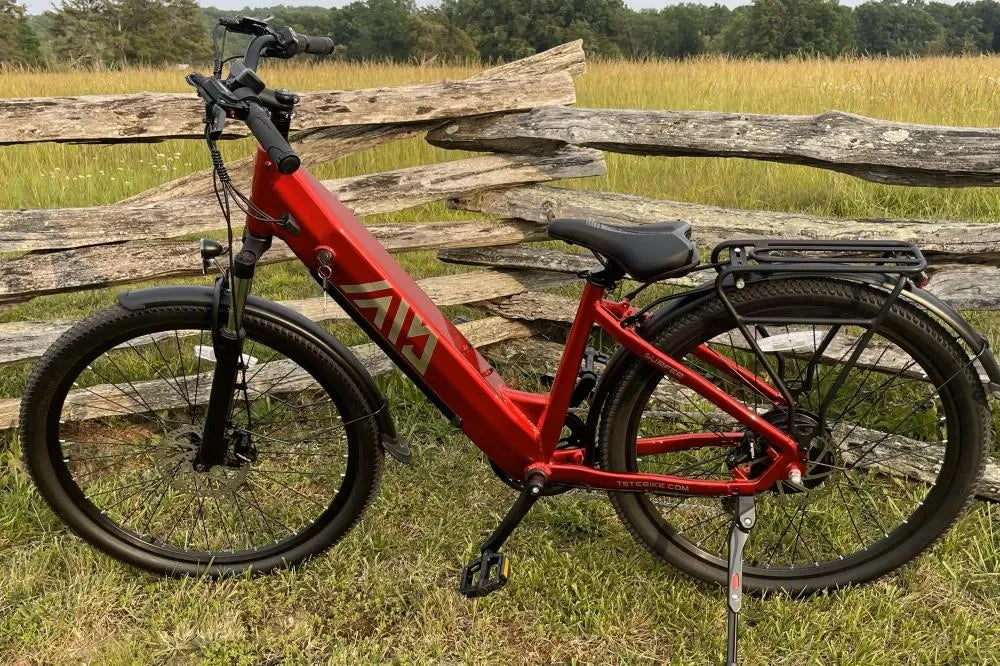
- Model: TST Surfer, a 27.5-inch step-through e-bike with fat tires.
- Terrain: sand, beach paths, pavement, and light trails.
- Range: 25-40 miles depending on surface, assist, and rider weight.
- Ride style: relaxed cruiser geometry with throttle assist.
- Support: TST EBike's California warehouse and direct service.
TST Surfer vs a Standard E-Bike on Sand: What Changes
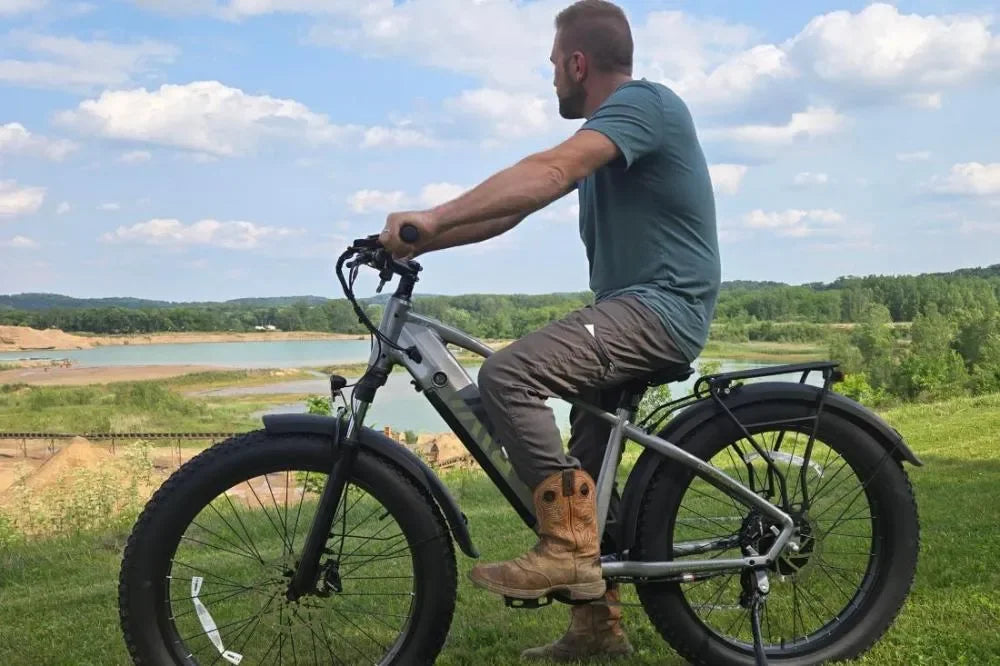
The Surfer combines wide fat tires, a powerful motor, and a relaxed cruiser geometry so it can roll over sand while staying comfortable for long rides.
The defining feature is the tire footprint. Wide tires at low pressure spread the bike's weight across a large contact patch, which is exactly what keeps a bike on top of sand. The motor adds the torque needed to keep the wheels turning through soft patches where a pedal bike would stall. The cruiser-style geometry keeps the rider upright and relaxed, and the throttle provides instant power when a wave-softened stretch of sand needs it. Together, these choices make the Surfer a purpose-built sand machine that still behaves on pavement.
How does the Surfer handle soft, dry sand?
On soft, dry sand, the Surfer rolls steadily when tire pressure is dropped and momentum is maintained, though deep powder still demands throttle and balance.
Sand riding has a learning curve, and the Surfer shortens it. At about 10-12 psi, the fat tires float over packed and damp sand with ease. On dry powder, the technique is to keep speed up, keep the front wheel light, and use steady throttle instead of sudden bursts. Deep, soft sand uphill is the hardest case; here the motor earns its keep, but riders should expect to slow down and possibly walk the last stretch. For the beach rides most people actually do, along the shoreline and access paths, the Surfer is confidently capable.
Real-world range on beach rides versus pavement
Expect 25-40 miles of range on mixed beach and road riding, with soft sand cutting range by roughly a third compared with pavement.
Sand is the hardest surface an e-bike can ride, because the wheels constantly displace material instead of rolling on it. Beach testing showed about 30 miles of mixed riding, with the motor working noticeably harder in dry sand. On pavement, the same charge stretched past 40 miles. The practical plan for a beach day: ride the shoreline and access paths, avoid hours of deep-powder riding, and recharge the removable battery at the car or hotel. For typical beach sessions, the Surfer's range is more than enough.
Is the Surfer Good for Everyday Road Riding Too?
Yes, the Surfer is a comfortable everyday e-bike on roads and paths, though the fat tires add rolling resistance and a softer, slower feel than a street bike.
The same tires that conquer sand also smooth out potholes and gravel on the way to the beach. The cruiser position suits relaxed commuting and errands, and the throttle helps at intersections. The honest trade-off is efficiency: fat tires at low pressure roll slower on pavement and cost some range, so the Surfer feels less sporty than a street-tired bike. Riders who want one machine for the beach and the boardwalk will find the Surfer ideal; riders who mainly chase speed on pavement should choose a street-focused model instead.
What Tire Pressure Works Best on Sand?
Drop tire pressure to about 8-12 psi for soft sand and raise it back to the sidewall recommendation for pavement, because pressure is the Surfer's sand-mode switch.
Tire pressure is the single biggest control on sand. At 8-12 psi, the tires deform and float instead of digging in, which is the difference between rolling and sinking. On pavement, the same low pressure creates drag, heats the sidewalls, and dulls handling, so raise it back to spec for road rides. A pump with a gauge in the car or bag makes the change quick. Check pressure when the tires are cold, and never run below the minimum the tire sidewall allows, because a soft tire can pinch or damage the rim.
Salt and sand protection routines for the Surfer
Rinse the bike with fresh water after every beach ride, wipe the chain and drivetrain, and apply corrosion protection to bare metal to keep salt air from doing damage.
Salt is the silent killer of beach bikes. After a ride, a gentle freshwater rinse removes salt spray from the frame, wheels, and motor casing, and a dry wipe protects the display and wiring. The chain and cassette need cleaning and lubrication more often near the coast, and a corrosion-inhibiting spray on unpainted metal adds a protective layer. Store the bike out of direct sun and salt wind when possible. Riders who follow this routine keep a beach bike looking and riding new for years; riders who skip it learn expensive lessons.
Accessories for beach and coastal riding
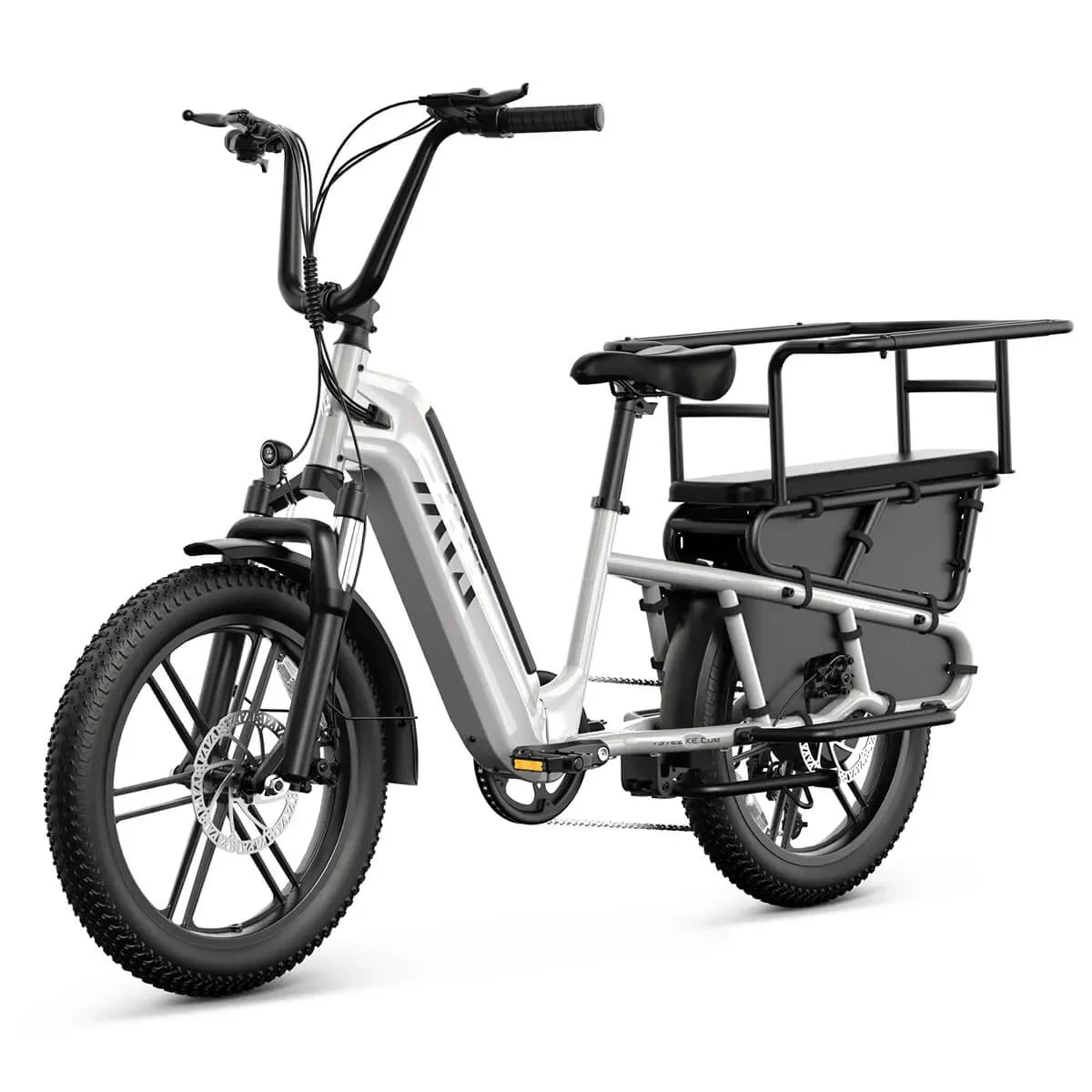
A rear rack, fenders, a phone holder, and a lock set are the Surfer accessories that make beach days and coastal errands practical.
TST EBike's accessory line fits the Surfer's mounting points and covers the coastal use case. A rear rack carries towels, a cooler, or a day bag, and fenders keep wet sand and spray off your back. The handlebar bag and phone holder keep keys and navigation within reach, while a lock set protects the bike during a beach stop. Confirm each accessory matches the Surfer's step-through frame and 27.5-inch wheels before installing. With the right accessories, the Surfer handles a full beach day and the errands on the way home.
Who the Surfer fits best in the lineup
Choose the Surfer if sand, beach paths, or coastal cruising is part of your regular riding; choose a street-focused model if pavement speed and efficiency matter more.
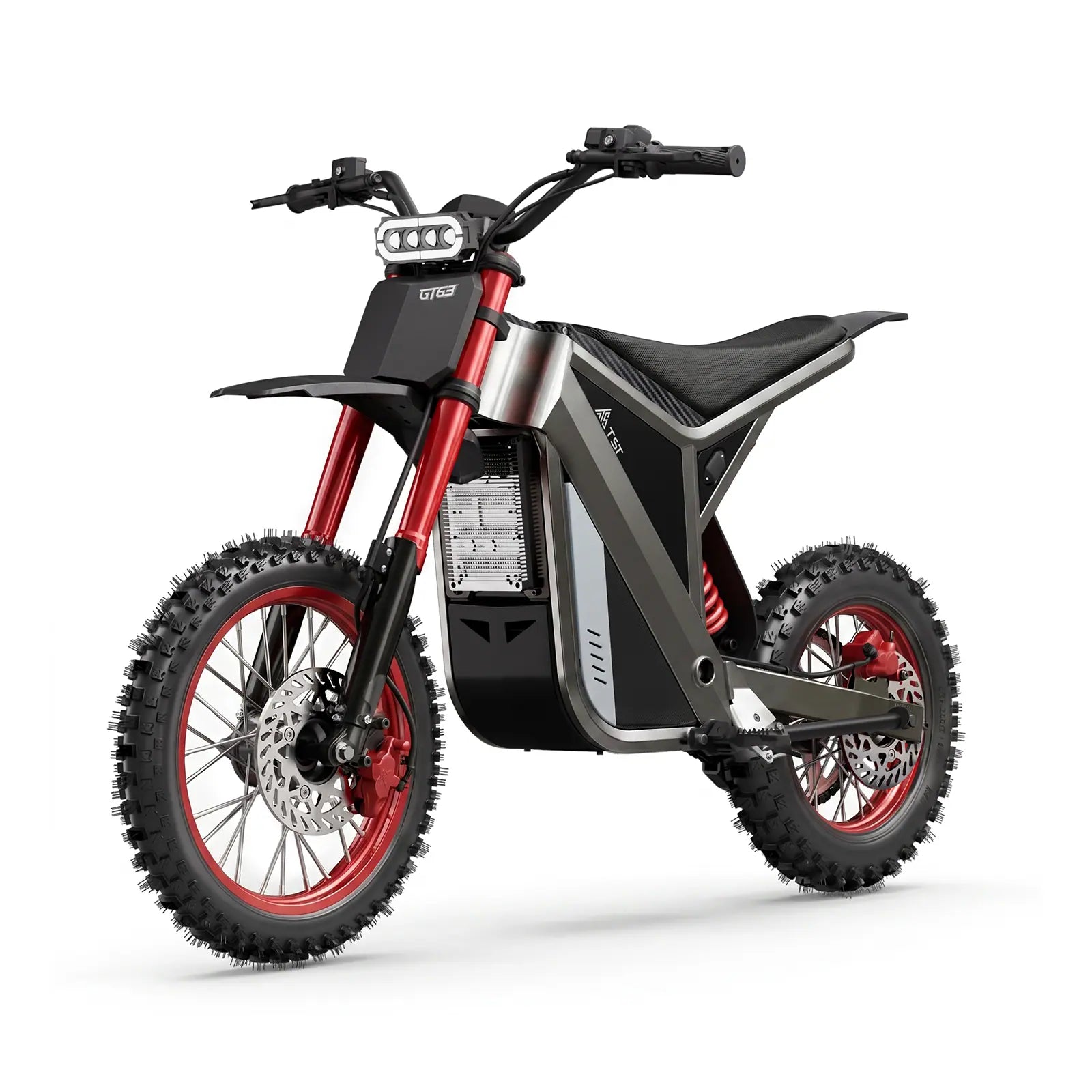
The Surfer is the lineup's terrain specialist. Riders who live near the coast, ride boardwalks, or take the bike on beach vacations will use the fat tires every week, and the step-through frame makes it easy to mount in beach clothes. Riders who never leave pavement will pay for the rolling resistance without using the capability. The honest comparison is with the R002 for commuting or the GT63 for dirt: the Surfer owns the middle ground of sand, boardwalks, and light trails that no other model covers.
TST EBike Expert Views
"Sand is the honest test of an e-bike, because it punishes every weak choice in the drivetrain. The Surfer's fat tires at 8-12 psi are the sand feature, but the motor tune matters just as much: it delivers steady torque without the sudden surge that digs the front wheel in. From the factory, we set the tire and motor parameters around coastal riding, and the maintenance rule we repeat to every owner is to rinse the salt off the same day you ride. Riders who do that keep the Surfer reliable for years. Riders who skip it will learn why coastal bikes need more care than commuters."
— TST EBike Product Testing Team (this article is written by TST EBike's editorial team, which works for the manufacturer)
Conclusion
The TST Surfer rides on sand better than almost any standard e-bike, and it still works as a comfortable road and boardwalk cruiser. It asks for a lower tire pressure on sand, a fresh-water rinse after beach rides, and an honest acceptance that fat tires cost some pavement efficiency. For coastal riders, it is the one machine that covers sand, street, and everything between.
Key Takeaways
- Drop tires to 8-12 psi on sand and return to spec pressure on pavement.
- Plan around 25-40 miles of range, with deep sand cutting it by about a third.
- Rinse salt off the frame and drivetrain after every beach ride.
- Keep momentum steady and use throttle smoothly in soft sand.
- Use the step-through frame and accessories to make beach days easy.
Beach Day Checklist
- Have I set tire pressure for sand or pavement before I ride?
- Is my route within range, with a charging plan for long beach days?
- Do I have fresh water and a rag to rinse the bike after riding?
- Are the chain and drivetrain cleaned and lubed for coastal conditions?
- Do I have the rack, fenders, and lock I need for a full beach day?
See the TST Surfer product page for the full specification, compare it with other step-through e-bikes, and pick the rack, fenders, and bags from the Flyer and Surfer accessories collection.
FAQs
Can the Surfer ride on packed sand? Yes, packed and damp sand is the Surfer's easiest surface, requiring no special technique beyond normal throttle control.
How much range do I lose on sand? Soft sand cuts range by roughly a third compared with pavement, so plan beach rides with margin.
Do fat tires work on pavement? Yes, they smooth out potholes and gravel, though they roll slower and use more energy than street tires.
How often should I rinse the Surfer after beach rides? After every ride near salt water, with a chain clean and lube at least weekly in coastal use.

Leave a comment
This site is protected by hCaptcha and the hCaptcha Privacy Policy and Terms of Service apply.