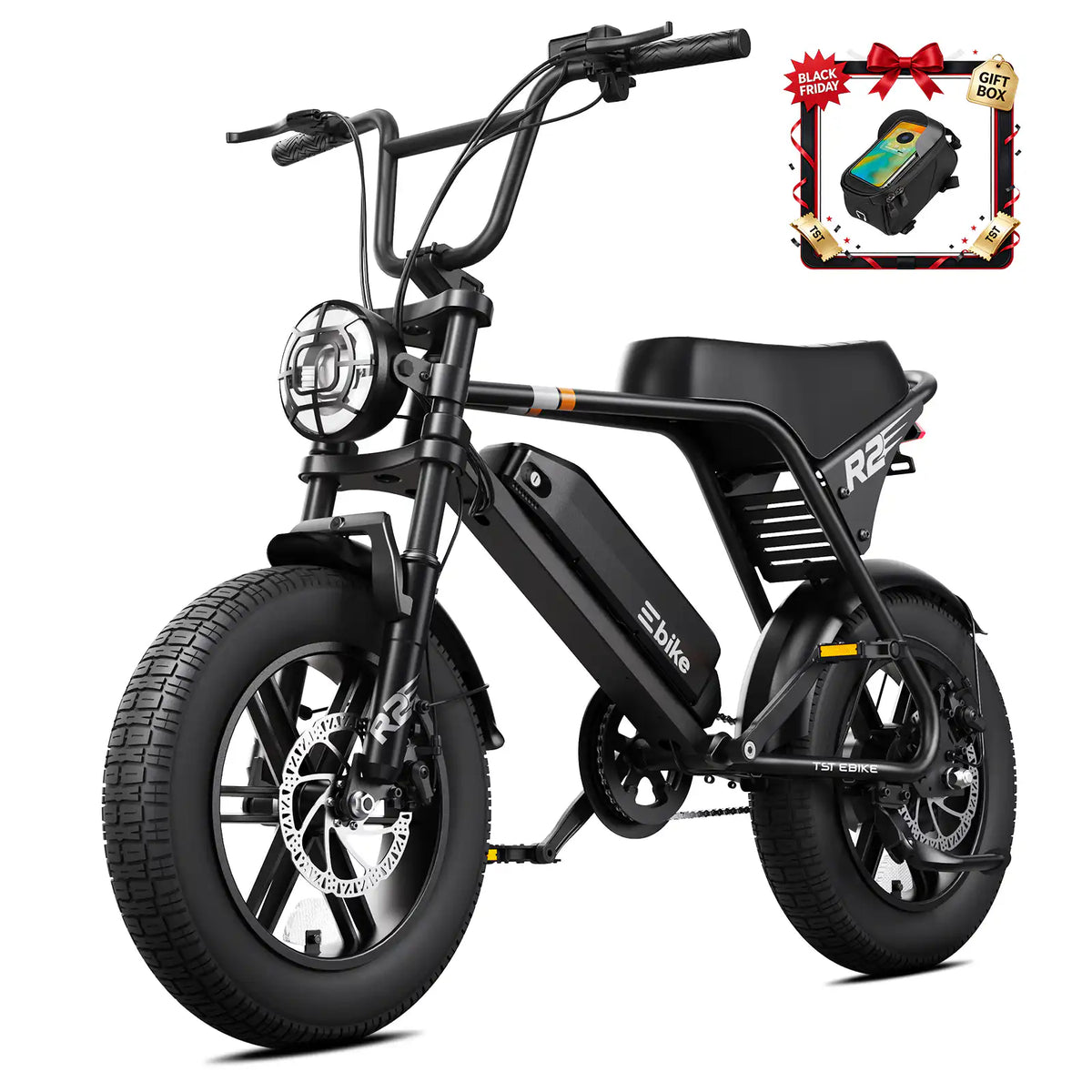
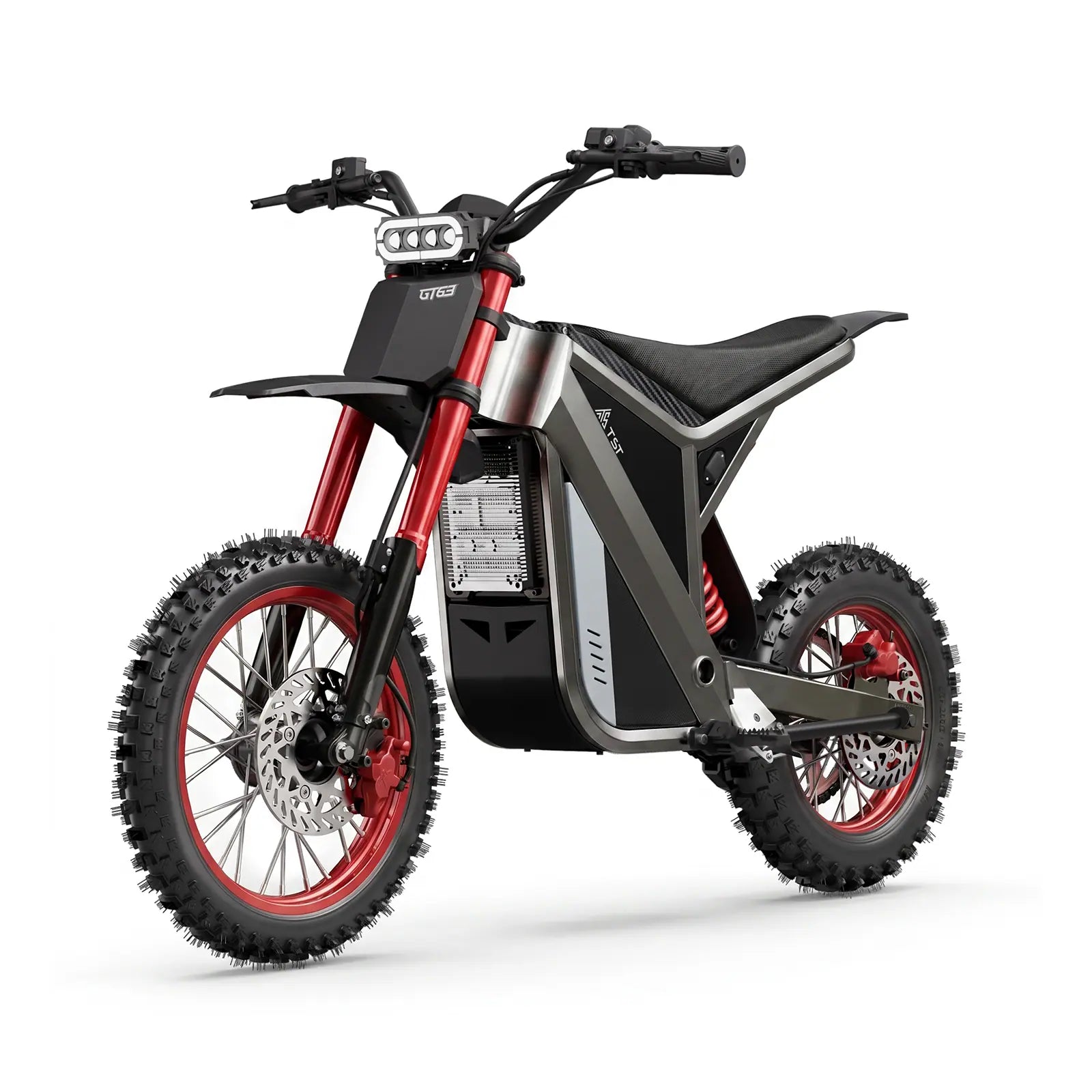

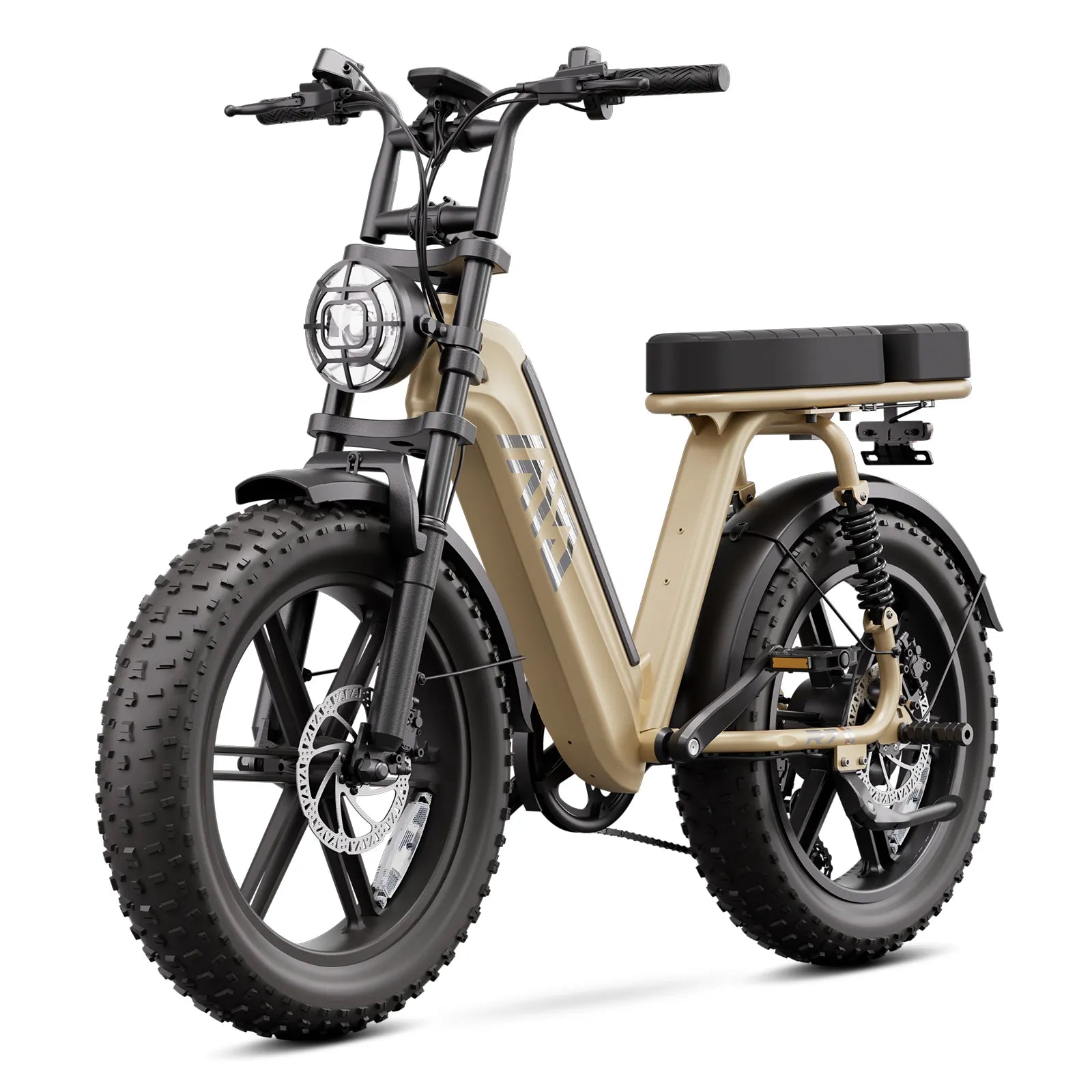
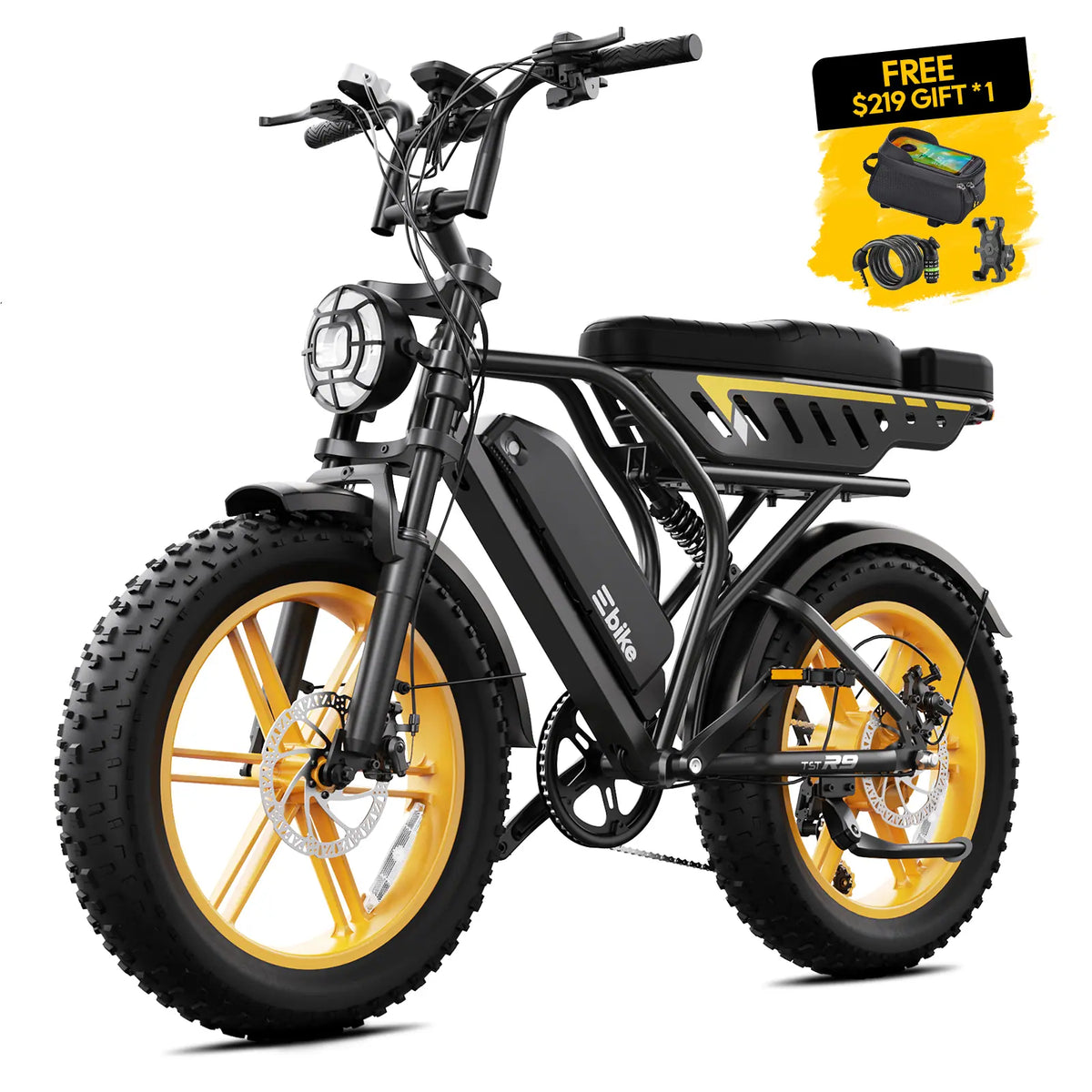

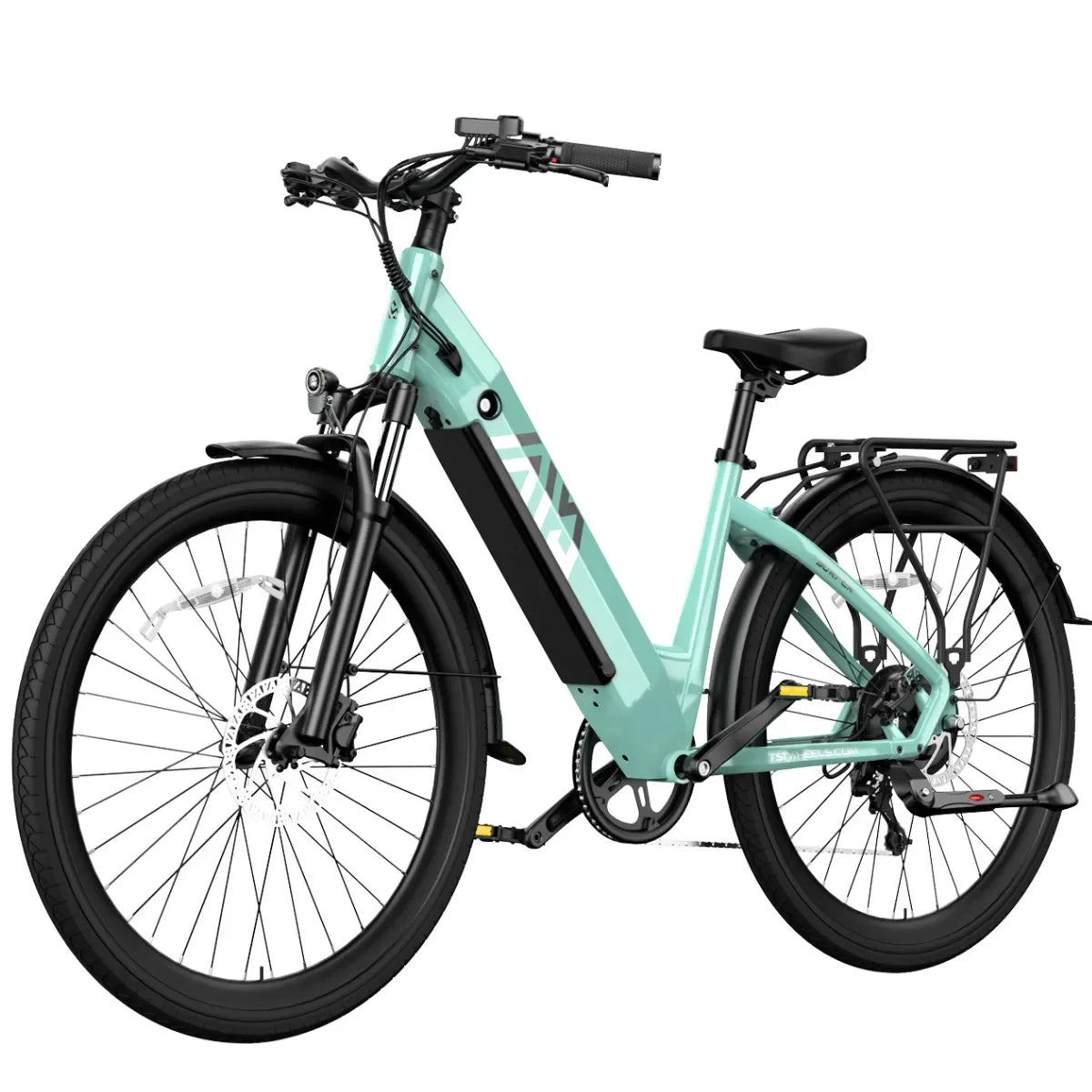
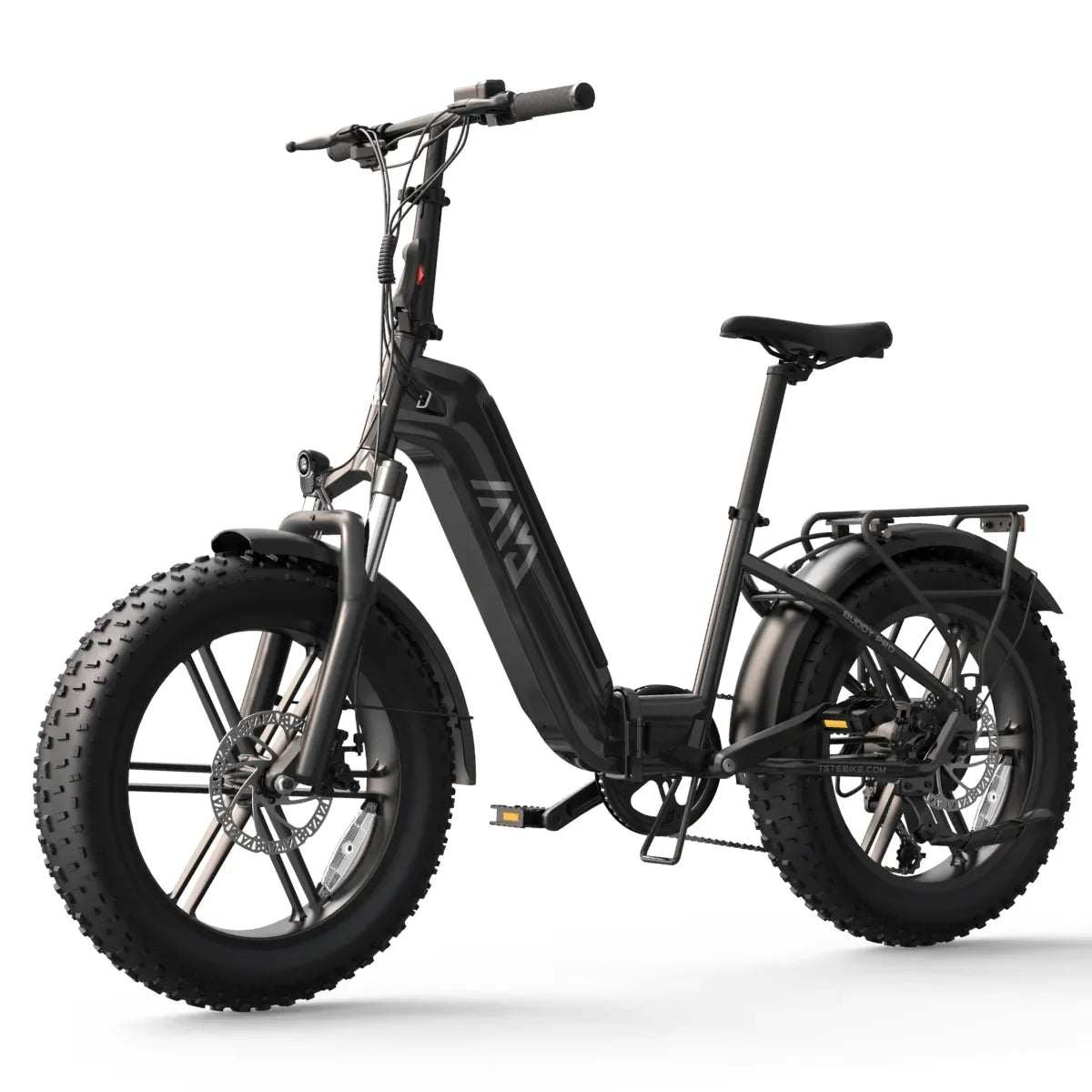
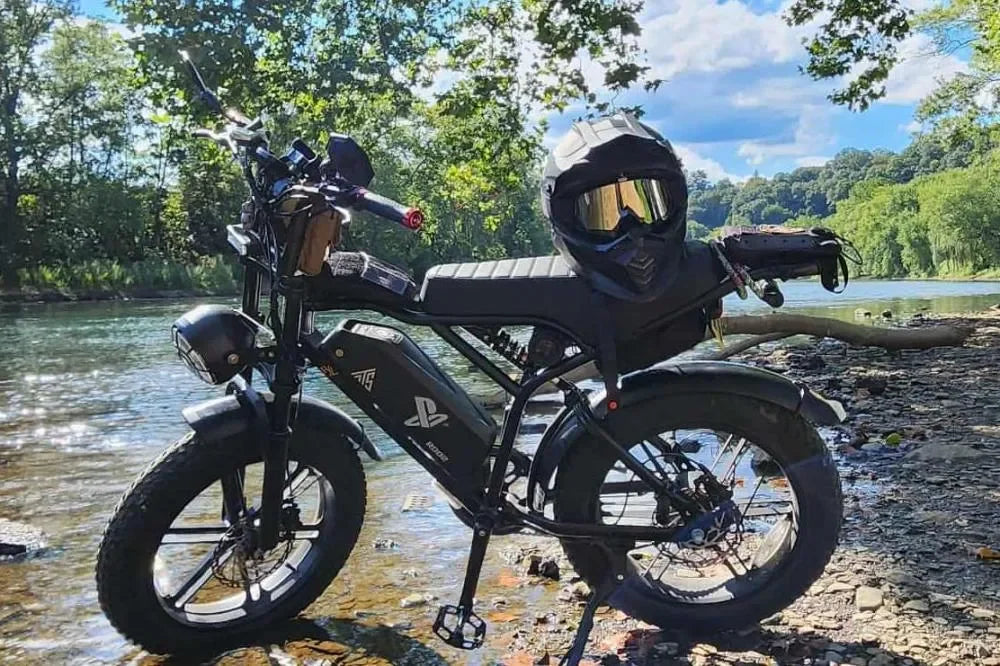
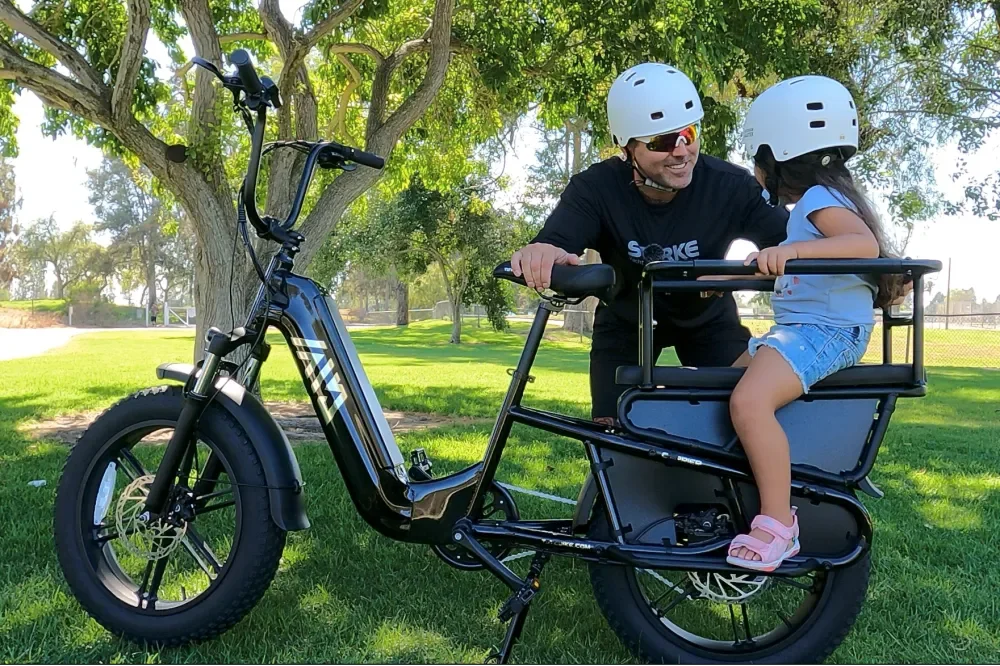
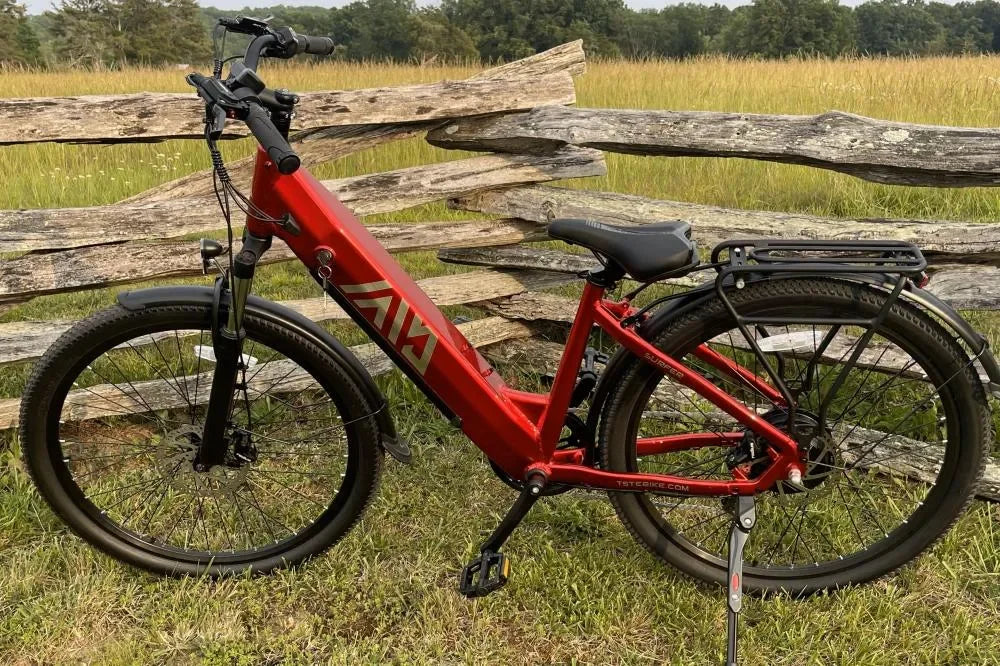
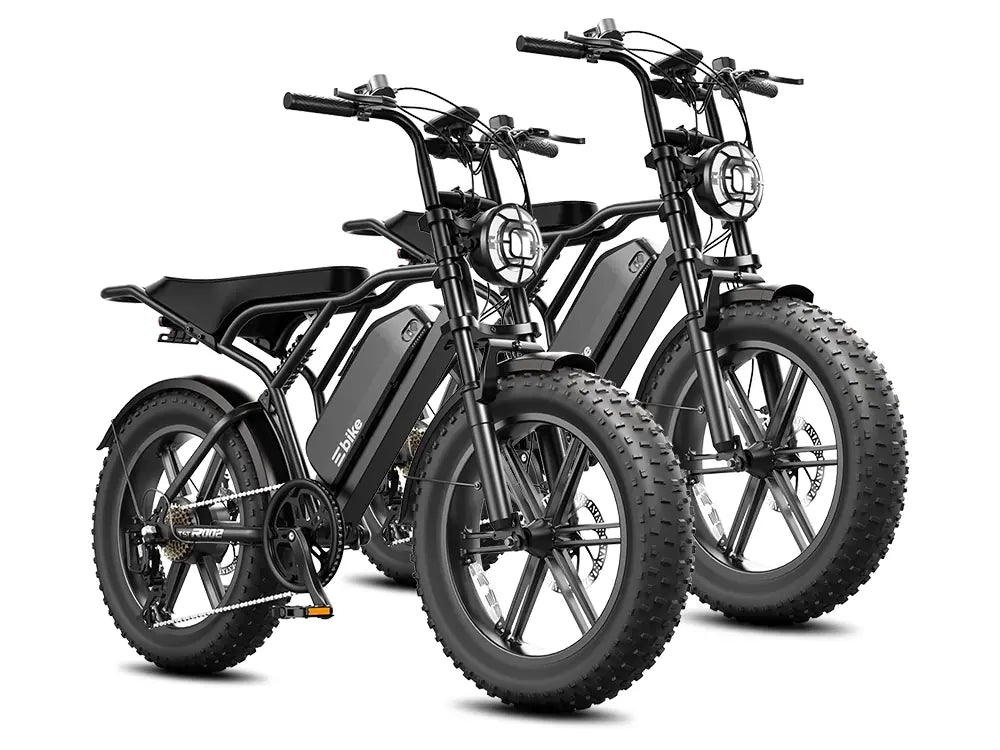
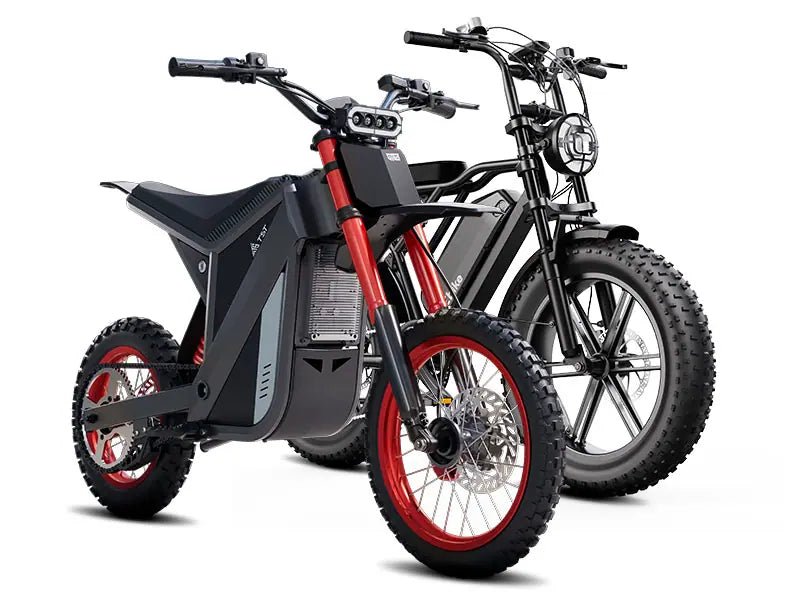
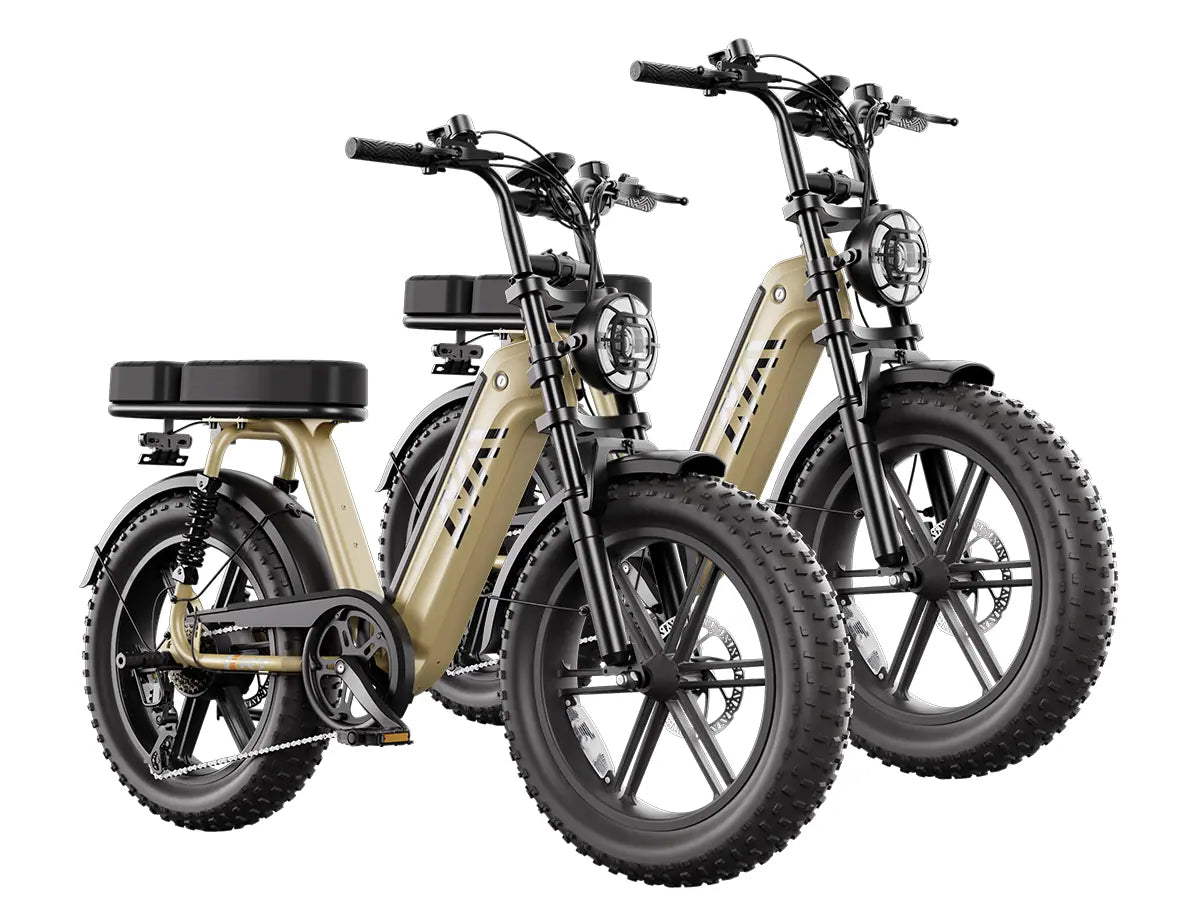
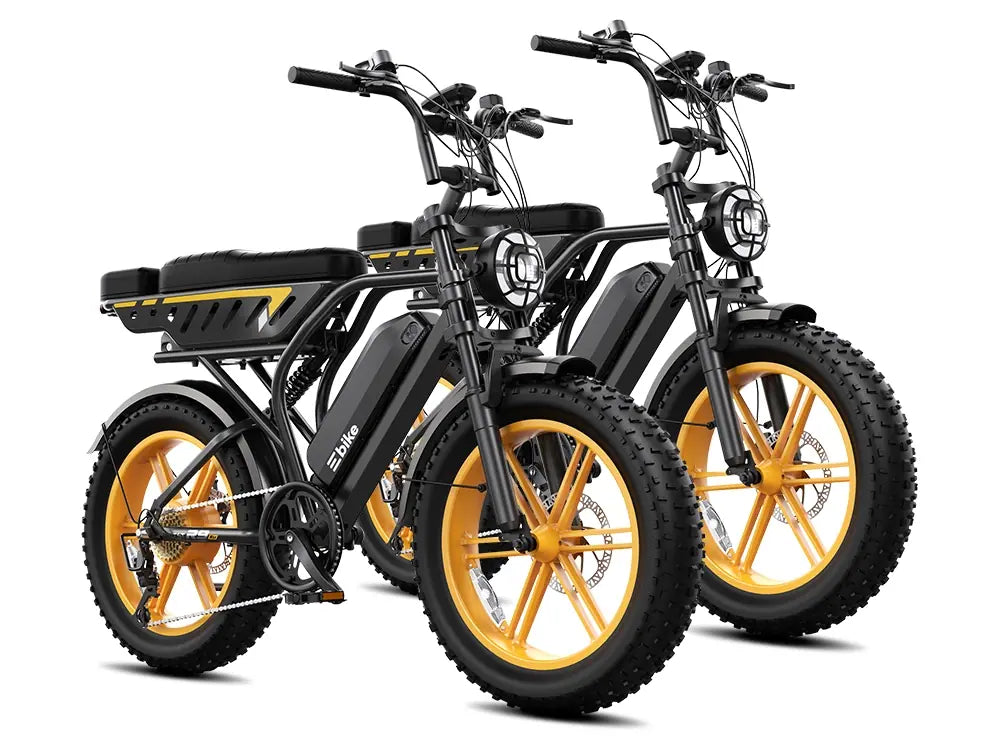
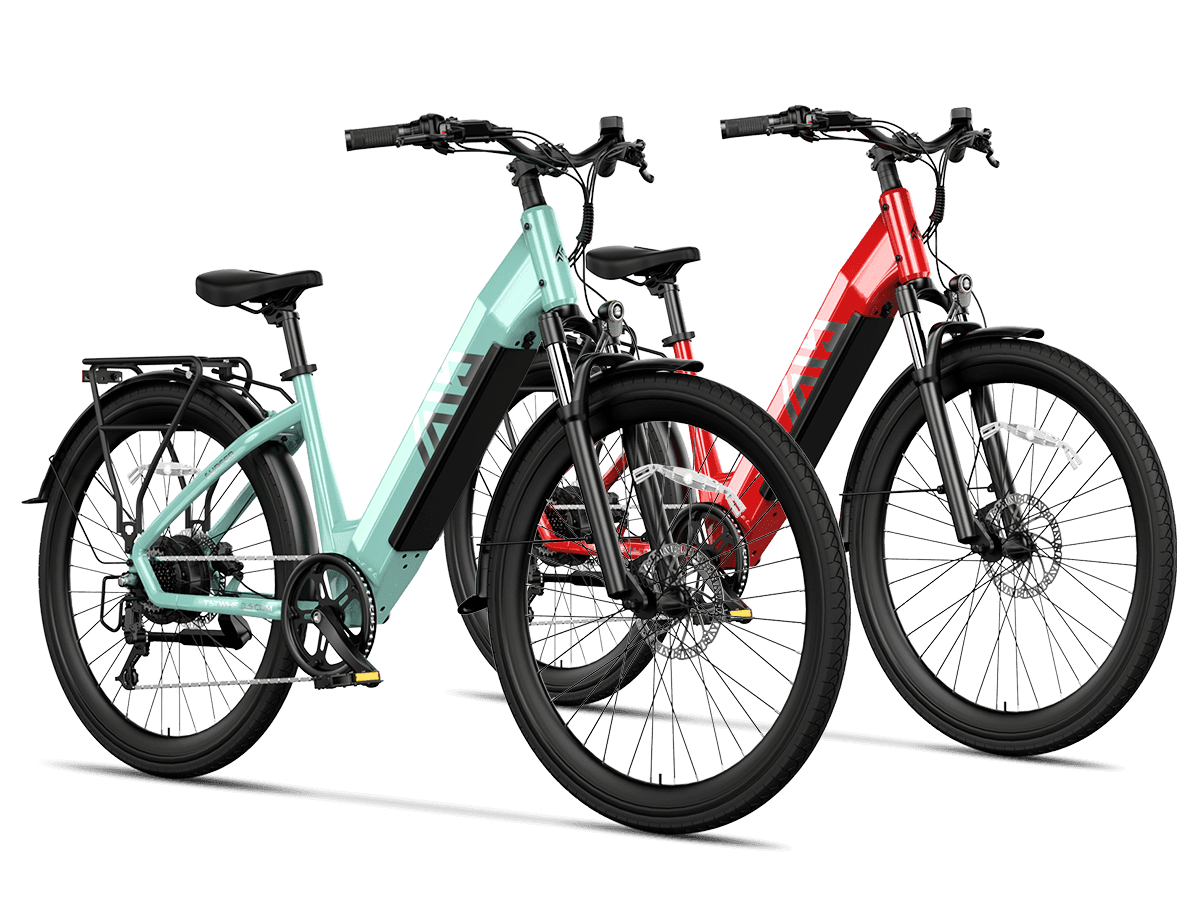
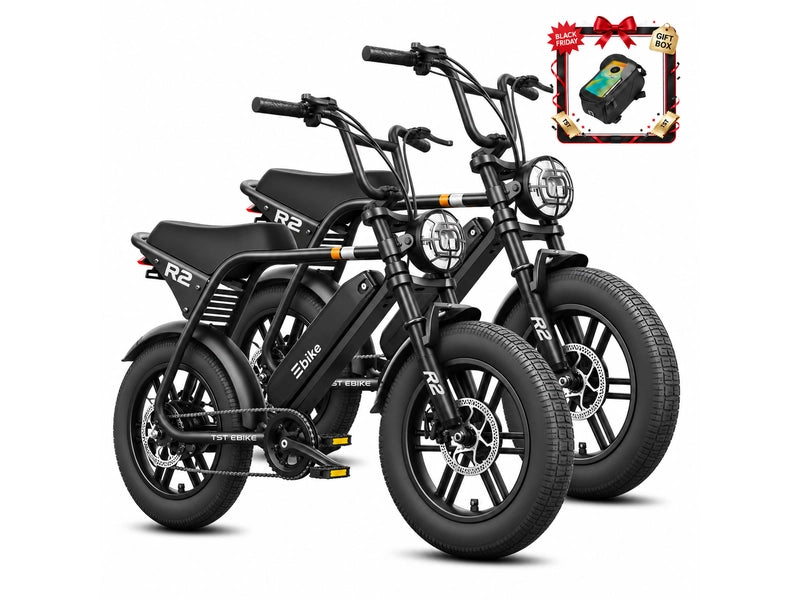
E-bike chain wear is measured as stretch. For a 7-speed drivetrain like the ones TST lists on the R002, R9 and Surfer, Park Tool's general guideline is to replace the chain by the time it reaches 0.75% wear. Many riders replace sooner, at 0.5%, because a chain is cheaper than the rear gears it wears down. You can measure it with a chain checker or with a ruler. The drivetrain maker's own limit takes priority over any general number, and TST has not published a chain wear limit.
Measure First: Gauge or Ruler
Switch the bike off before touching the drivetrain, and remove the battery if you can, so a bumped throttle cannot spin the wheel.
With a chain checker. Park Tool's CC-3.2 is a go/no-go gauge with a 0.5 end and a 0.75 end.
-
Hook the 0.5 end onto a roller, choosing a link with inner plates.
-
Try to seat the other end in the chain.
-
If it does not go in, the chain is not yet 0.5% worn.
-
If it goes in, the chain is at least 0.5% longer than new. Flip the tool and try the 0.75 end.
Park Tool's other checkers apply the same logic. The CC-4.2 asks you to keep tension on a short section of chain while reading it, because slack gives a false result.
With a ruler. This works without a gauge, but Park Tool calls it a ballpark method. Line one rivet up at the zero mark of a 12-inch ruler. Count 24 more rivets, and the last should sit at the 12-inch mark. Park Tool treats a gap of more than 1/16 inch as replacement territory.
Turned into percentages, the arithmetic is: 1/16 inch ÷ 12 inches ≈ 0.52%, and 3/32 inch ÷ 12 inches ≈ 0.78%. A ruler can't resolve a gap much finer than 1/16 inch, so treat it as a screening tool. If the reading is borderline, use a gauge or ask a shop.
Reading the Result on a 7-Speed
| Result | Ruler (12 in) | Gauge | Action |
|---|---|---|---|
| Under 0.5% | Within 1/16 in | 0.5 end will not seat | Keep riding. Keep the chain clean and lubricated, and recheck later. |
| 0.5% to under 0.75% | About 1/16 in or slightly more | 0.5 end seats, 0.75 end does not | Plan the replacement and recheck more often. |
| 0.75% or more | About 3/32 in or more | 0.75 end seats | Replace the chain. Do not keep riding on it, and do not refit a stretched chain. |
This rule follows Park Tool's drivetrain table, which sets 0.75% for 10-speed or fewer and 0.5% for 11-speed or more. A generic 11-speed chart therefore does not apply to a 7-speed bike. Replacing at 0.5% is a more conservative choice, not a requirement.
Other signs support the measurement. Park Tool lists a chain that slips under load and poor shifting as symptoms of a worn chain, but check that the chain is clean and the shifting is adjusted before blaming wear. If the chain measures fine but shifting is still sluggish, the shifter may be the cause. TST has listed an R002 gear shifter, and you should check its page for current availability.
Does Throttle Use Wear the Chain Faster?
On the TST models listed here, the usual explanation does not apply. The R002 and R9 product pages describe a rear hub motor, and so does the Surfer page. A hub motor sits in the wheel and turns it directly. It does not pull on the chain, so motor torque from a throttle push does not pass through the chain the way it does on a mid-drive bike. On a mid-drive, the chain carries both rider and motor force, which is why the advice that e-bike chains wear faster comes from there.
On a hub-motor bike, chain wear comes mainly from what a pedal-only bike also faces:
-
how hard you pedal, especially in a tall gear at low cadence;
-
shifting under load;
-
grit and dirt;
-
poor lubrication;
-
the number of miles ridden.
Assist can still raise mileage. SL Sport notes that electric assistance leads riders to cover more distance, which wears a chain independently of motor torque. The same source says no universal mileage figure holds, so the only reliable approach is to measure. Throttle riding with no pedalling puts little load on the chain, so a chain that wears quickly on a TST hub-motor bike usually points to the factors above rather than to the motor.
Replace Only the Chain, or the Rear Gears Too?
You can often replace the chain alone if you catch it before it is badly worn. Park Tool warns that running a chain past its limit wears the cogs and chainrings prematurely. Other maintenance guides say a chain worn past 0.75% often means the cassette or freewheel needs replacing too. A new chain on worn rear gears may skip under load. If it does, have a shop or TST support look at the whole drivetrain.
TST's current catalogue shows no chain listing, and the exact chain specification for each model is not published. Ordering from a generic parts list risks the wrong width or speed. Before you buy, contact TST through the contact page with:
-
your model;
-
a photo of the chain and rear gears;
-
your wear measurement.
Fitting the chain is a drivetrain job. Do not take apart the derailleur or the motor. If you are unsure about sizing or installing, use a qualified bike shop. Your warranty terms are on the warranty page.
How Often to Check
There is no verified TST interval. A sensible approach is to measure each time you clean and lubricate the chain, and more often if you ride in grit, rain or sand, ride long distances, or pedal hard in tall gears. After a reading near 0.5%, shorten the gap between checks. Do not rely on a mileage number from the internet. The measurement is the only figure that reflects your own chain.

Leave a comment
This site is protected by hCaptcha and the hCaptcha Privacy Policy and Terms of Service apply.