











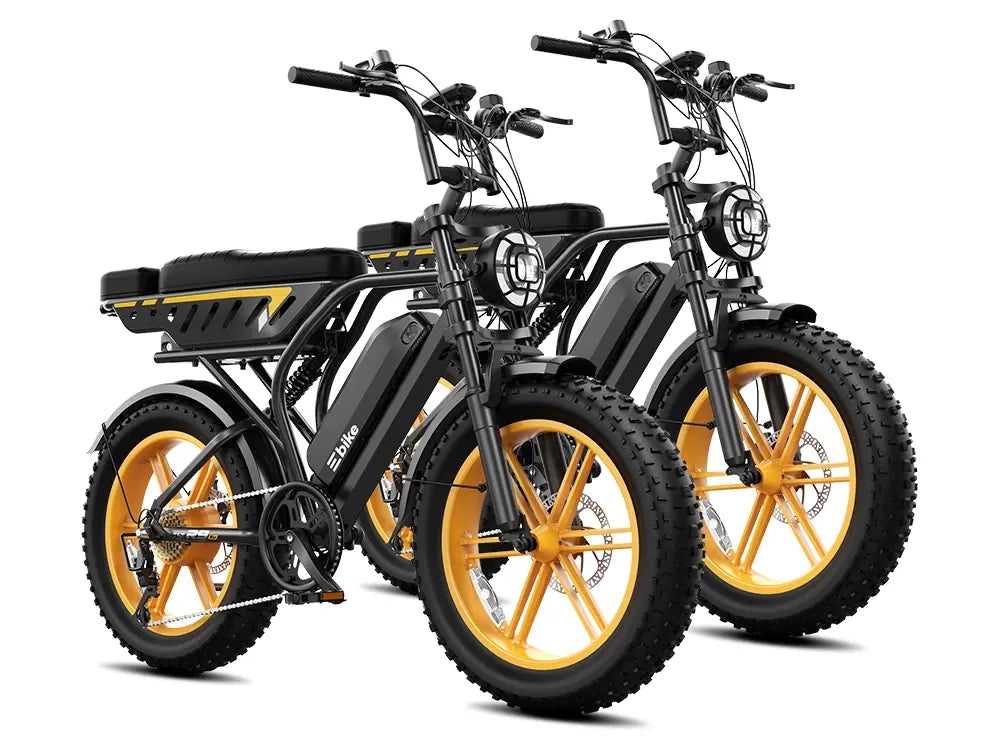

A 1500W e-bike is street-legal in most states only with registration and classification as a moped or motor vehicle, because the standard e-bike definition caps motors at 750W and assistance at 28 mph. Riding a 1500W bike on public roads without checking your state's classification risks fines, liability, and losing bike lane access, so the honest answer is: it depends on your state, and you must verify before riding.
The 750W Limit and Why Most States Use It
| Category | Motor | Assist limit | Legal treatment |
|---|---|---|---|
| Class 1-2 e-bike | 750W or less | 20 mph | Bicycle rules |
| Class 3 e-bike | 750W or less | 28 mph | Bicycle rules with path limits |
| 1500W high-power | Over 750W | 28-32+ mph | Moped or motor vehicle in most states |
The number itself comes from the model legislation that most states adopted, and it was chosen to draw a line between pedal-assist bicycles and motor vehicles at a point where the bike's performance still matches bicycle expectations. A 750W motor with a 20 mph assist cap feels like a strong cyclist; a 1500W motor with a 32 mph cap feels like a small motorcycle, and the law treats the difference accordingly. The limit is not about the motor's quality; it is about where the machine sits in the vehicle hierarchy, which is why exceeding it changes the whole legal framework around the bike.
The 750W limit is the legal boundary that separates an "electric bicycle" from a motor vehicle in most states. Below 750W, the bike fits the e-bike class system with bicycle rules; above it, the bike falls outside the definition and must be classified under another vehicle category. The number comes from the model legislation most states adopted, and it applies to the motor's rated output, not a marketing peak number.
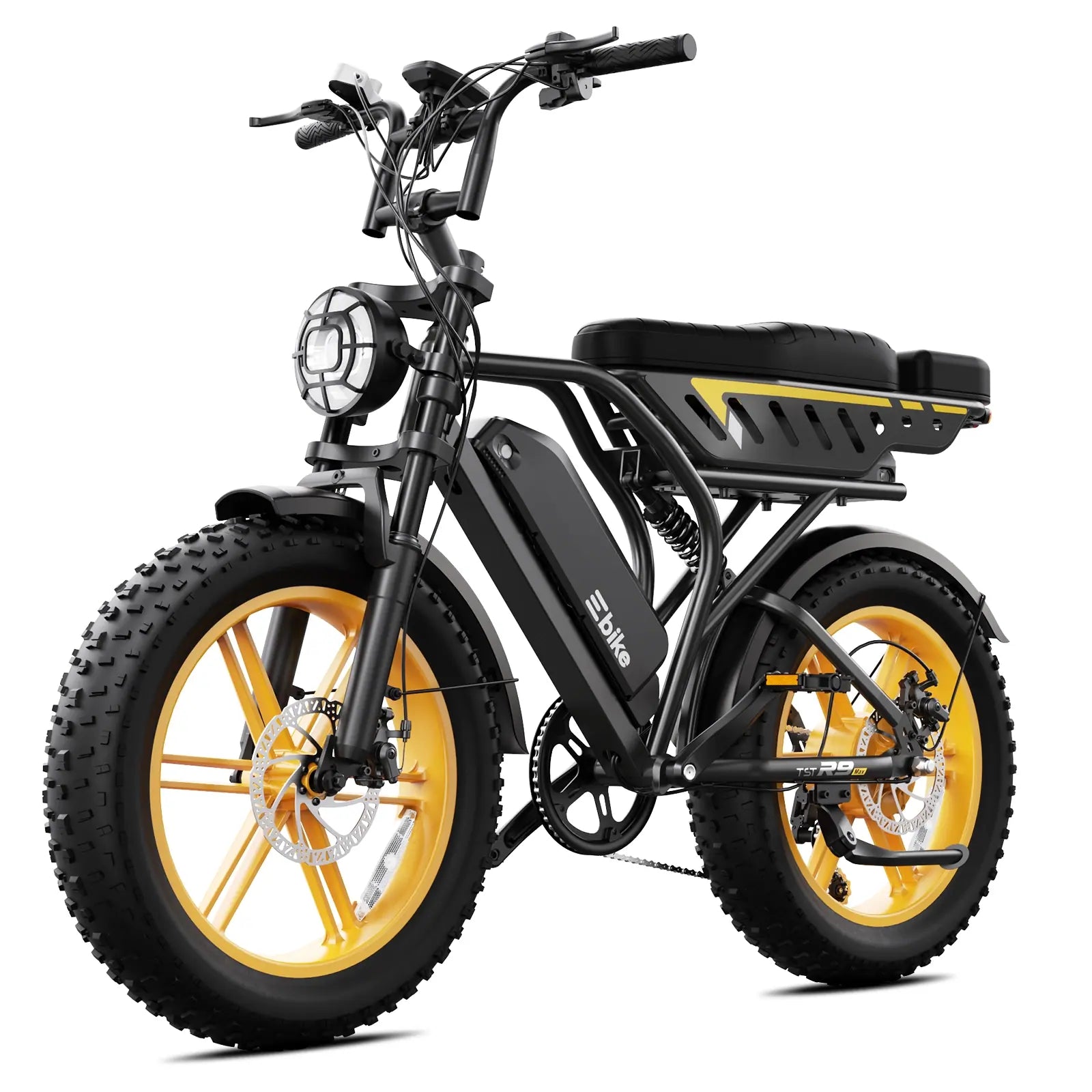
TST EBike's 1500W models publish their motor power directly, which makes the check straightforward: at 1500W, these bikes exceed the standard limit and their legality depends on the state's other vehicle categories.
The Consequences of Exceeding the Class Limits
When a bike's motor exceeds 750W or its assistance exceeds 28 mph, the state usually classifies it as a moped, motorized bicycle, or motor vehicle, depending on the bike's speed and features. That classification triggers registration, licensing, insurance, and equipment requirements, and it often removes bike lane and path access.
The classification is not uniform: one state may treat a 1500W bike as a moped with simple registration, another as a motorcycle with a license requirement, and a third may make it effectively off-road only.
State Differences on High-Power E-Bikes
The differences are not cosmetic: in a state that classifies high-power bikes as mopeds, the owner pays registration and insurance every year; in a state that treats them as motor vehicles, the owner may need a motorcycle license and full vehicle equipment; and in a state with no clear category, the bike is effectively limited to private land. Before buying a 1500W machine, riders should ask the DMV not just "is it legal" but "what category is it," because the category determines the ongoing obligations.
State approaches fall into three patterns: some classify high-power bikes as mopeds with their own registration and license rules, some treat them as motor vehicles with full requirements, and a few allow them under local rules with restrictions. California, for example, caps its e-bike definition at 750W and 28 mph, so a 1500W bike must be checked against the DMV's other categories.
The practical method is one call to the DMV with the bike's motor watts, top speed, and throttle type; the answer you get is the law that applies to your exact bike.
Is a 1500W E-Bike Legal on Bike Paths?
The path answer is the same across nearly every state, which makes it a useful planning rule: a 1500W bike's speed and power place it outside the e-bike categories that paths accept, so riders should plan routes on roads and assume paths are closed to them. Even where a path has no posted restriction, riding a 32 mph machine on a path shared with walkers and children is unsafe and creates liability that no permission fixes. Commuters who need path access should treat that need as a class decision, not a negotiation with the law.
Almost never: bike paths are built around bicycle-speed traffic, and a 1500W bike is either legally a motor vehicle (barred from paths) or fast enough that path riding is unsafe and often prohibited. Riders who plan to use protected paths should choose a class-compliant model, because no high-power classification grants path access.
This is the trade-off most buyers miss: the 1500W motor's speed and power are exactly what removes the bike from the places where speed is limited.
Requirements When Your State Classifies It as a Moped
If the state classifies the bike as a moped, expect registration with the DMV, liability insurance, a valid driver's license or moped endorsement, and equipment such as mirrors, lights, and a DOT-approved helmet. The exact list varies by state, and the registration process is covered step by step in the dedicated registration and insurance guide in this series.
Budget for the recurring costs: registration fees and insurance premiums add to the bike's total cost, and they are part of the honest price of a high-power machine.
Can You Ride a 1500W E-Bike Off-Road Without Registration?
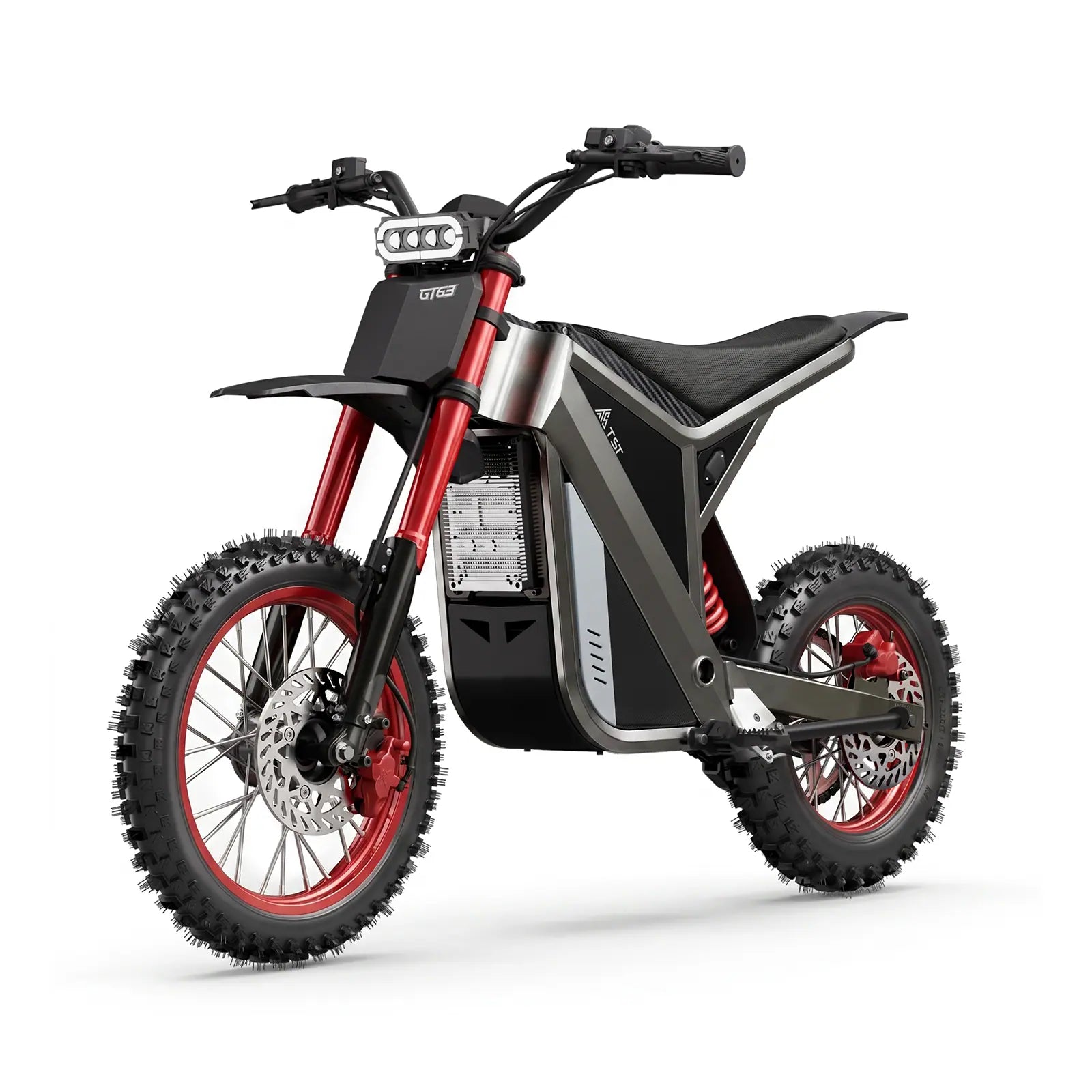
Off-road use is where the 1500W buyer gets full value without the paperwork: on private land with permission, or in designated off-road parks, the bike needs no street registration, no insurance, and no license, and the power is usable exactly as intended. The conditions are the same as any off-road machine: a legal riding area, full protective gear, and respect for the land rules. For buyers who want high power without the motor-vehicle obligations, the off-road path is the honest one, and it is why TST sells models like the GT63 explicitly as off-road machines.
Off-road riding is generally exempt from street registration because the bike never touches public roads, but it still requires a legal riding area: private land with permission, or designated off-road parks. A 1500W bike's off-road legality is therefore the simplest path for buyers who want the power without the registration, provided they have a place to ride it.
TST's GT63 and other off-road models are built for exactly this use, and the brand's product pages describe them as off-road machines rather than street vehicles.
The Pre-Purchase Check for a 1500W Buyer
Complete a four-step check before buying: confirm the motor's rated power on the official page, call the DMV with the exact specs, price the insurance under the moped or motor vehicle classification, and confirm the equipment requirements. If the result is more hassle than the power is worth, a class-compliant bike avoids the entire issue.
TST EBike publishes the specs that make this check possible, and the brand's own guidance tells buyers to verify local rules before riding high-power models, which is the responsible standard.
TST EBike Expert Views
"The 750W line is the boundary between a bicycle and a motor vehicle, and a 1500W bike crosses it in most states. We publish the motor watts and speed for every model so the check is honest, and we tell buyers to confirm the classification before riding on public roads. A high-power bike is a great tool off-road; on the street, the law decides what it is."
— TST EBike Compliance Team (this article is written by TST EBike's editorial team, which works for the manufacturer)
Conclusion: Verify Your State, Then Decide
A 1500W e-bike exceeds the standard 750W class limit, so its street legality depends entirely on your state's classification: moped, motor vehicle, or off-road only. Complete the DMV check before buying, budget for registration and insurance if required, and choose a class-compliant model if you need bike path access.
1500W Legality Checklist
- [ ] Confirm the motor's rated watts on the official page.
- [ ] Call the state DMV with motor, speed, and throttle specs.
- [ ] Price insurance under the resulting classification.
- [ ] Confirm equipment, helmet, and license requirements.
- [ ] Choose a class-compliant bike if path access matters.
See the TST R002 product page for the exact motor and speed specs, and browse the all-electric-bikes collection for class-compliant options.
Related reading: how to register and insure a moped-style e-bike
FAQs
Is a 1500W e-bike legal to ride on the road?
Only if your state classifies it as a moped or motor vehicle and you complete the registration, insurance, and licensing requirements; many states allow it with those steps.
Why does the 750W figure decide the legal class?
It is the motor power cap in the standard e-bike definition used by most states; above 750W, the bike is no longer an "electric bicycle."
Can I ride a 1500W e-bike on bike paths?
Almost never; high-power bikes lose bike path access under motor vehicle classification or local rules.
Do I need insurance for a 1500W e-bike?
If it is classified as a moped or motor vehicle, liability insurance is usually required; check with your insurer and DMV.
Can I ride a 1500W e-bike on private land without insurance?
Yes, private land use generally has no street registration or insurance requirement, but the land owner's rules and your own liability still apply, so check both.
What is the penalty for riding an unregistered high-power e-bike on the road?
Penalties vary by state and can include fines, impoundment, and liability in a crash; the DMV classification check before riding is the way to avoid them.

Leave a comment
This site is protected by hCaptcha and the hCaptcha Privacy Policy and Terms of Service apply.