

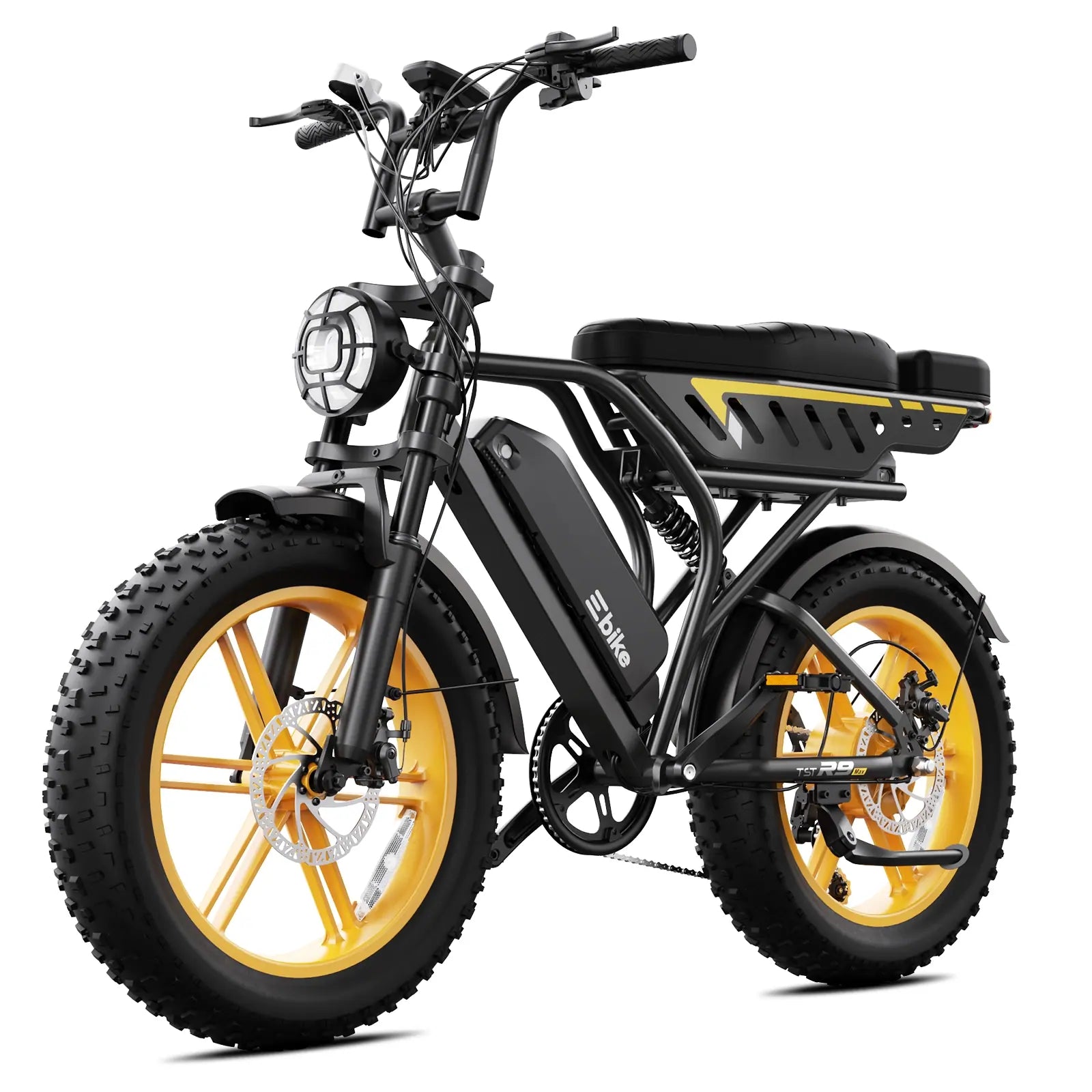









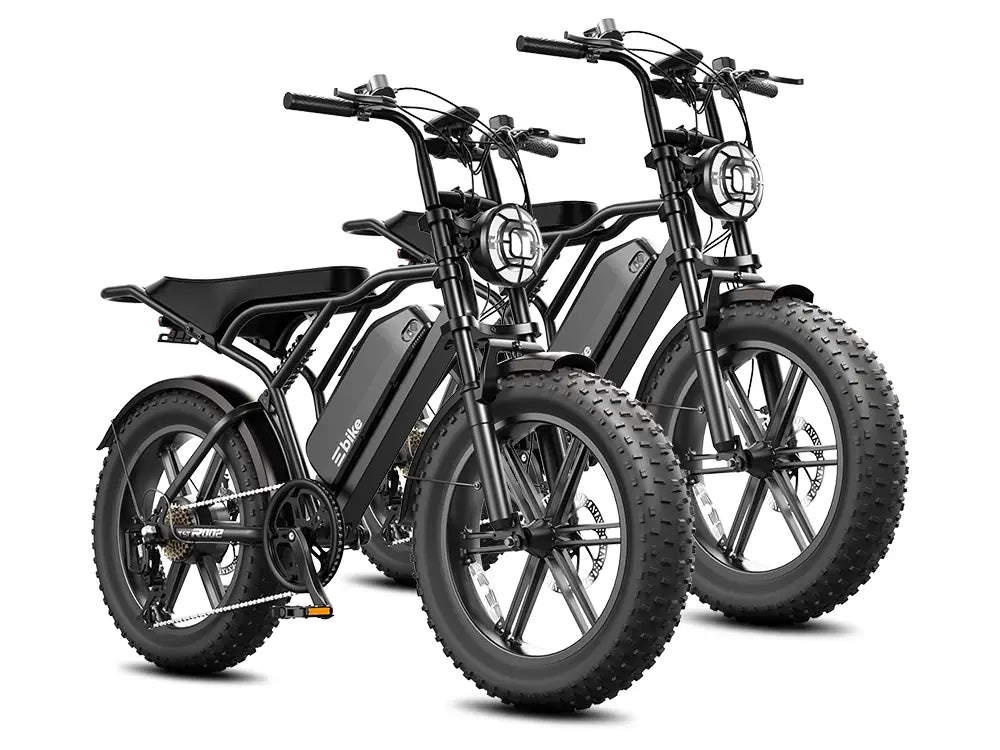

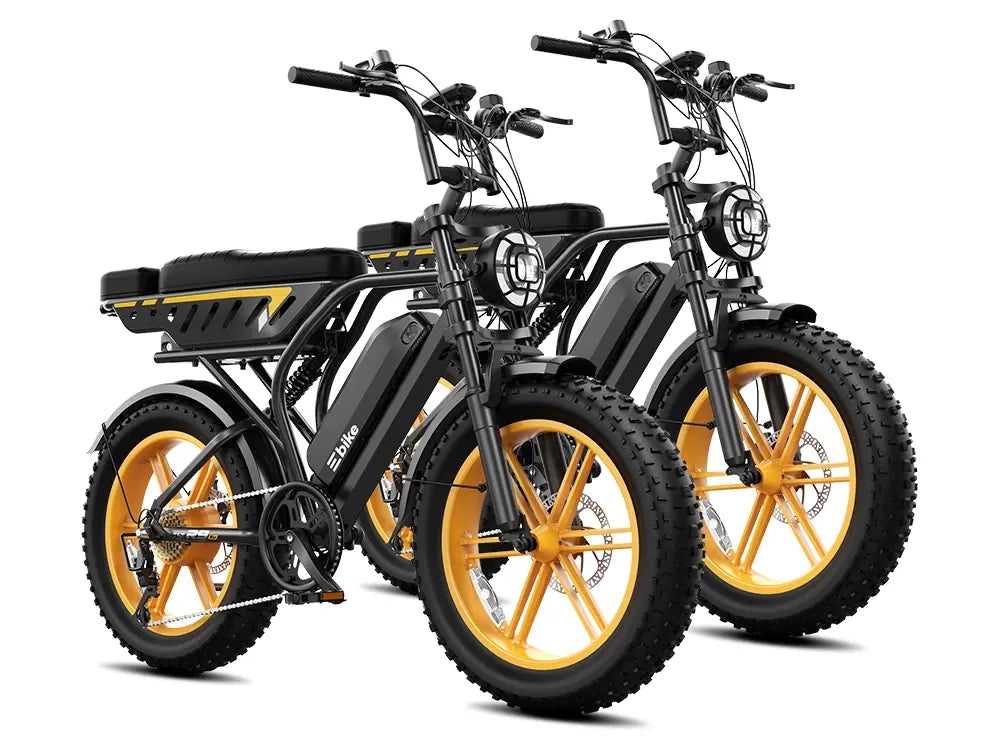

The TST Buddy Pro wins for riders who prioritize easy mounting, stability, and a throttle, while the Aventon Soltera.2 wins for riders who want a lighter, sportier commuter with torque-sensing assist. Both are quality e-bikes in a similar price class, and the right choice depends on your mobility, riding style, and fit.
TST Buddy Pro vs Aventon Soltera.2: key specs at a glance
| Feature | TST Buddy Pro | Aventon Soltera.2 |
|---|---|---|
| Frame | Step-through, comfort | Traditional step-over, sporty |
| Assist feel | Cadence + throttle | Torque-sensing |
| Tires | Fat, stable | Street, lighter |
| Best for | Easy access, comfort | Active commuting |
| Feel | Relaxed and planted | Light and responsive |
TST Buddy Pro vs Aventon Soltera.2: The Key Specs
The Buddy Pro is a step-through comfort bike with a throttle and fat tires, while the Soltera.2 is a lighter city bike with torque sensing and a more traditional feel.
The spec sheets define two philosophies. The Buddy Pro prioritizes access and comfort: a low step-through frame, wide tires, an upright position, and a throttle for effortless starts. The Soltera.2 prioritizes ride feel: a lighter frame, torque-sensing pedal assist, and a sportier geometry that feels closer to a conventional bicycle. Both deliver commuter-class range and reliable motors. The difference is who each bike serves: the Buddy Pro serves riders who want easy, comfortable transport; the Soltera.2 serves riders who want an active, responsive ride.
Frame accessibility: step-through versus step-over
The Buddy Pro's low step-through frame is significantly easier to mount and dismount, making it the clear choice for riders with mobility or balance concerns.
Accessibility is the Buddy Pro's core advantage. Its open frame lets riders step straight through, stand flat-footed, and mount without lifting a leg high, which reduces fall risk for older riders and those with joint limitations. The Soltera.2 uses a traditional step-over geometry that is sportier but requires swinging a leg over the top tube. For riders under 5-foot-4 or anyone with hip or knee issues, the Buddy Pro's frame is the safer, more comfortable choice. For riders with good mobility who prefer a sportier stance, the Soltera.2's frame is fine.
Daily comfort versus riding engagement
The Buddy Pro is more comfortable for relaxed daily riding, with fat tires, an upright position, and a plush saddle, while the Soltera.2 is more engaging and lighter.
Comfort and engagement pull in opposite directions. The Buddy Pro's fat tires absorb road vibration, the upright position prevents back and neck strain, and the wide saddle suits longer, relaxed rides. The Soltera.2 is lighter and more responsive, which makes it fun and agile, but its street tires and sportier position transmit more road feel. Riders who want to arrive fresh and relaxed will prefer the Buddy Pro; riders who want an active, bicycle-like ride will prefer the Soltera.2. Test both to feel the difference, because it is a matter of personal preference more than objective quality.
How Do They Compare on Range and Speed?
Both deliver 25-40 miles of real range and commuter-class speeds, with the Buddy Pro tuned for comfortable cruising and the Soltera.2 tuned for a slightly sportier response.
Range and speed are close enough to be a tie. In mixed commuting, both bikes averaged around 30 miles, with light assist stretching toward 40 and heavy use cutting toward 25. Both reach commuter speeds of 18-22 mph comfortably. The difference is delivery: the Buddy Pro's throttle provides instant, effort-free power on demand, while the Soltera.2's torque sensor makes pedal assist feel natural and proportional. Riders who want a throttle for starts and hills will prefer the Buddy Pro; riders who want the most bicycle-like assist experience will prefer the Soltera.2.
Which bike is the better value for your budget?
The Buddy Pro is the better value for riders who need its accessibility features, while the Soltera.2 is efficient value for active commuters who will use its sportier character.
Value tracks the fit. The Buddy Pro's step-through frame, throttle, and comfort features are worth a premium to riders who need them, because no sportier bike provides the same access. The Soltera.2 is efficient value for riders who want a light, responsive commuter and will not use the Buddy Pro's accessibility advantages. At similar price points, the better value is simply the bike that matches your body and your riding style. A bike you find hard to mount or uncomfortable is poor value at any price, so the fit test matters more than the spec sheet. A quick test ride on your own route settles the question faster than any comparison table.
Warranty and support in daily practice
Aventon offers a mature dealer network and established support, while TST EBike offers direct support, replacement parts, and California test rides and pickup.
Support is a practical factor. Aventon has a longer history, more dealers, and a well-known brand, which helps with service and resale. TST EBike counters with direct channels, a genuine parts catalog, and physical California locations for test rides and pickup. Warranty terms are broadly competitive for the class. The realistic advice is to check current policies and consider your location: riders near an Aventon dealer may value that access, while riders near TST EBike's California locations may value the test-ride and pickup option.
Why Does Step-Through Geometry Matter More than Spec Sheets?
Step-through geometry determines whether a rider can mount and dismount safely, and that single factor matters more than motor watts or battery size for many riders.
Here is the honest hierarchy of features. If a rider cannot mount the bike easily, or feels unstable stopping, no spec sheet makes up for it. The Buddy Pro's open frame removes the high-leg swing and keeps both feet available for balance, which is the safety feature that matters most to older riders and those with mobility limits. The Soltera.2's sportier frame is fine for riders with good flexibility, but it is a deal-breaker for others. When comparing e-bikes, put mounting and stopping first, then range, then speed, because a bike you cannot get on is not a bike you will ride.
Which Commuter Fits Your Riding Style?
Choose the Buddy Pro if you want easy mounting, stability, and a throttle; choose the Soltera.2 if you want a light, sporty, bicycle-like ride.
The final call is about fit and feel. Riders who value comfort, access, and effortless starts, active seniors, riders with joint limits, or anyone who simply prefers a relaxed ride, will find the Buddy Pro the better fit. Riders who want an engaging, responsive commuter with torque-sensing assist and a lighter frame will enjoy the Soltera.2 more. Both are reliable, well-supported bikes in the same class. The winner is the one that makes you want to ride, and that is best decided with a test ride on your own route.
TST EBike Expert Views
"The Buddy Pro and the Soltera.2 are both good bikes, but they are built for different riders, and the difference starts at the frame. The Buddy Pro's step-through design removes the mount-and-dismount hurdle that stops many older and less flexible riders from cycling at all, and the throttle removes the effort barrier on hills and starts. The Soltera.2 is lighter and sportier, with torque sensing that feels like a traditional bike. Our advice is to let your body decide: if mounting and stopping feel easy and safe, you have found your bike. Spec sheets are secondary to that simple test."
— TST EBike Product Research Team (this article is written by TST EBike's editorial team, which works for the manufacturer)
Conclusion
The TST Buddy Pro wins for riders who need easy mounting, stability, and a throttle, while the Aventon Soltera.2 wins for riders who want a light, sporty, torque-sensing commuter. Range and price are close enough to be ties. The decision is about fit: your mobility, your comfort, and how you want the ride to feel. Test both, and the right choice becomes clear.
Key Takeaways
- The Buddy Pro wins on accessibility, stability, and throttle.
- The Soltera.2 wins on weight, sportiness, and torque-sensing feel.
- Range and speed finish nearly tied.
- Mounting and stopping matter more than spec sheets for many riders.
- Choose based on your body and riding style, not the brochure.
Fit Test Checklist
- Can I mount and dismount the bike easily with both feet flat?
- Do I want a throttle for starts and hills or a bicycle-like assist?
- Do I prefer a relaxed upright ride or a sportier position?
- Is weight and agility more important than comfort and stability?
- Have I test ridden both on my own route?
See the TST Buddy Pro product page for the full specification, compare it with other step-through e-bikes, and check the 20-inch e-bike collection for the complete fit.
FAQs
Which bike is easier to mount?
The Buddy Pro, thanks to its low step-through frame and open geometry.
Which bike feels more like a traditional bicycle?
The Soltera.2, whose torque-sensing assist responds to pedal pressure naturally.
Is the Buddy Pro slower than the Soltera.2?
Both reach commuter speeds of 18-22 mph; the Buddy Pro is tuned for comfortable cruising rather than sporty response.
Which is better for a senior rider?
The Buddy Pro, with its step-through frame, stable fat tires, and gentle throttle.

Leave a comment
This site is protected by hCaptcha and the hCaptcha Privacy Policy and Terms of Service apply.