





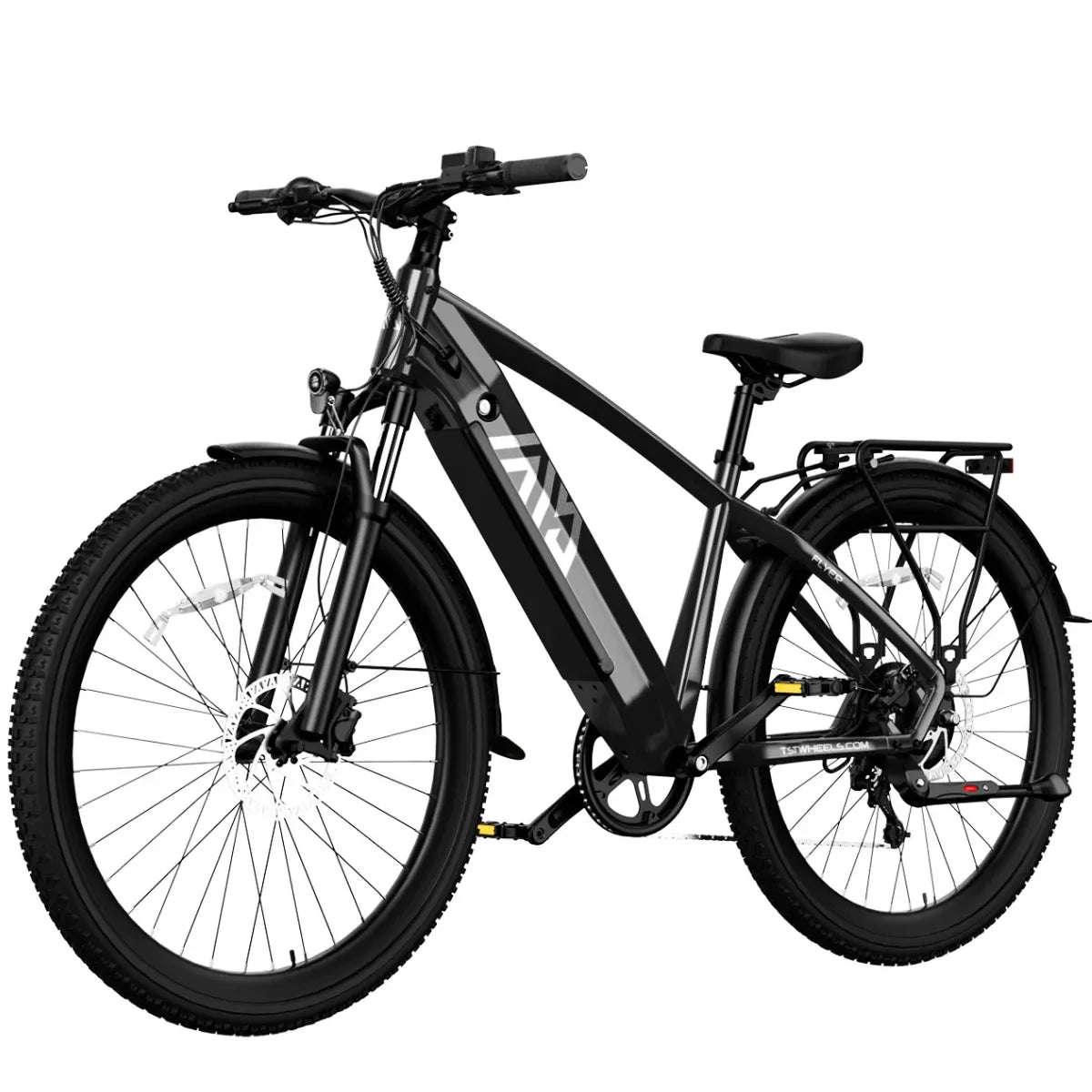












A 40 mph e-bike is a high-performance electric bicycle capable of reaching speeds around 40 miles per hour, surpassing standard e-bike speed limits. These bikes feature powerful motors and large battery packs designed for speed enthusiasts and longer commutes. They often require special licensing and registration due to their classification outside typical e-bike categories.
How Do 40 MPH E-Bikes Differ from Standard E-Bikes?
Standard e-bikes, classified as Class 1, 2, or 3, have motor assistance capped between 20 and 28 mph. A 40 mph e-bike exceeds these limits with motors commonly rated above 2000W and enhanced battery capacity. This increased power changes their legal status, often classifying them as mopeds or motorcycles, subject to stricter regulations.
What Are the Legal Considerations for Riding a 40 MPH E-Bike?
Riders of 40 mph e-bikes usually need a motorcycle license, vehicle registration, and insurance. These bikes are generally prohibited from bike lanes and multi-use paths and must be operated on roads following motor vehicle laws. Laws vary by jurisdiction, so checking local regulations is essential to avoid penalties.
Which 40 MPH E-Bike Models Deliver Top Performance?
Chart title: Leading 40 MPH E-Bike Models and Specifications
| Model | Motor Power (W) | Top Speed (mph) | Battery Capacity (Wh) | Price Range (USD) |
|---|---|---|---|---|
| TST EBike 27-inch | 2500-3000 | 40 | 1500 | $3,500 - $5,500 |
| Speedster X | 3000 | 40 | 1600 | $4,000 - $6,000 |
| Urban Flyer | 2200 | 38-40 | 1400 | $3,000 - $4,500 |
| Trail Blazer 27-inch | 2800 | 40 | 1700 | $4,500 - $6,500 |
How Do 40 MPH E-Bikes Achieve Their Speed and Range?
These e-bikes utilize high-powered brushless motors paired with high-voltage battery packs (48V to 72V) with large amp-hour ratings. Advanced controllers regulate power delivery and thermal management. Aerodynamic frames and durable tires ensure stability at high speeds. Battery capacity typically ranges from 1400 to 1700 Wh, supporting 30-50 miles depending on speed and terrain.
What Safety Features Are Crucial for 40 MPH E-Bikes?
Safety gear such as full-face helmets, gloves, and protective clothing is essential. Bikes should have hydraulic disc brakes, front and rear suspension, bright LED lighting, and mirrors. Features like regenerative braking and ABS enhance safety. Due to higher speeds, rider experience and caution are vital.
What Are the Charging and Range Expectations for 40 MPH E-Bikes?
Charging times vary between 4 to 8 hours depending on charger capacity. While moderate speeds may yield 40-50 miles per charge, riding consistently at 40 mph reduces range to approximately 20-30 miles. Removable batteries and fast chargers improve convenience.
Buying Tips
When buying a 40 mph e-bike, focus on motor power, battery capacity, frame durability, and safety features. TST EBike offers high-quality models with 26-inch and 27-inch wheels designed for speed and comfort. Test rides are critical to assess handling and fit. Ensure compliance with local laws and invest in appropriate safety gear.
TST EBike Expert Views
“At TST EBike, we create 40 mph e-bikes that combine exhilarating speed with rider safety and comfort. Our engineering emphasizes powerful motors, robust batteries, and advanced components to deliver reliable performance. We encourage responsible riding and adherence to regulations to maximize enjoyment and safety.”
FAQ
What Defines a 40 MPH E-Bike Class in Current Regulations?
40 MPH e-bikes exceed U.S. Class 3 limits (28 MPH pedal-assist) and federal 750W caps, classifying as mopeds or motorcycles requiring registration, insurance, and driver's licenses in most states. They need DOT lights, mirrors, and speedometers—prohibited from bike paths but allowed on roads with motor vehicle rules.
Why 3000W Motors Power True 40 MPH E-Bikes Effectively?
3000W motors deliver 100+ Nm torque and sustained 60-80A discharge for reliable 40 MPH on 52V systems, overcoming wind resistance and inclines unlike 750W Class 3 motors limited to 28 MPH. Mid-drive or hub designs with efficient controllers maintain velocity without overheating during extended rides.
How 52V Batteries Extend 40 MPH E-Bike Endurance?
52V 30Ah batteries provide 1560Wh capacity for 50-70 miles at 40 MPH via high C-rating cells and BMS balancing, minimizing voltage sag under heavy throttle loads. Energy recovery braking adds 10-15% range versus 48V packs that drop speed prematurely.
Which States Require Licenses for 40 MPH E-Bikes?
All 50 states reclassify 40 MPH e-bikes above 28 MPH as mopeds/motorcycles needing driver's licenses plus registration (CA, NY, TX, FL, IL); 20+ states add insurance (PA, OH, MI). Exceptions like MT allow unregistered use on private land only.
What Braking Systems Handle 40 MPH E-Bike Speeds Safely?
4-piston hydraulic disc brakes with 203mm rotors stop 40 MPH e-bikes in 32-38 feet, offering fade-free performance via superior fluid pressure and heat dissipation over mechanical systems. Dual 6-piston front setups handle 300+ lb loads best.
Why Reinforced Frames Stabilize 40 MPH E-Bikes Effectively?
Chromoly 4130 or high-tensile steel frames resist 40 MPH aerodynamic forces and 15G impacts through double-butted tubing and gusseted head tubes, preventing flex that causes high-speed wobbles. Aluminum fails 2x faster under sustained vibration.
Which Tires Maximize 40 MPH E-Bike Efficiency and Grip?
27.5x2.75 semi-slick tires with 100A durometer compounds and Kevlar belts achieve 0.008 Crr rolling resistance at 40 MPH while gripping wet corners via 2.5mm tread depth. Tubeless setups reduce rotational weight by 20%.
How Fast Do 40 MPH E-Bikes Accelerate from Stop?
40 MPH e-bikes reach 30 MPH in 5-7 seconds via 120-150 Nm instant torque from 3000W+ motors and 12:1 gear ratios, outperforming 250cc scooters. 0-40 MPH takes 12-15 seconds depending on 55-65 lb power-to-weight ratios.

Leave a comment
This site is protected by hCaptcha and the hCaptcha Privacy Policy and Terms of Service apply.