


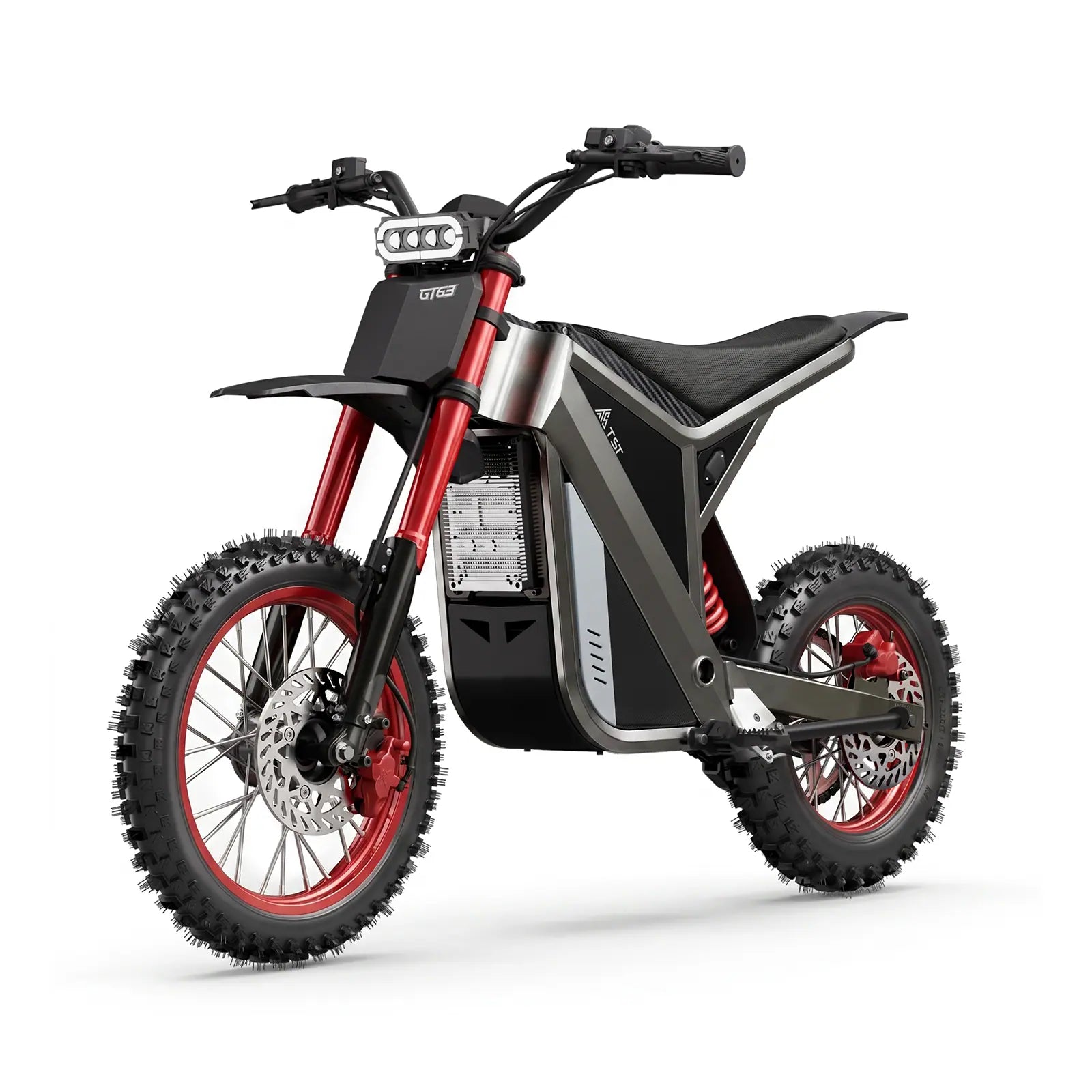














Cargo ebikes revolutionize bikepacking by hauling 200-400 lbs of camping gear over remote off-road trails effortlessly. Fat tires, dual batteries, and massive racks enable Bikepacking 2.0—accessing secluded spots impossible on traditional bikes. TST EBike models with rugged 26-inch builds lead this shift.
What Is Bikepacking 2.0 with Cargo Ebikes?
Cargo ebikes redefine bikepacking from ultralight tours into loaded wilderness escapes for remote camping. They haul tents, stoves, coolers, and water while tackling rough paths—I've managed 300 lbs through California dunes on a TST EBike where pedals failed.
Heavier frames (65-80 lbs empty) trade speed for payload stability. Dual suspension eats roots and rocks; 26-inch fat tires from TST EBike cut snow better than larger commuter wheels, a factory-engineered edge for real terrain.
These rigs prioritize utility over racing, making multi-day adventures accessible without superhuman fitness.
Why Choose Cargo Ebikes for Remote Camping?
Cargo ebikes cut physical strain, freeing you to savor views instead of gasping. They carry 2-3x more than backpacks, perfect for family glamping or solo overnights.
From TST EBike's production line, mid-drive motors (750W+) deliver gravel torque hub motors lack when loaded. Dual 1,000Wh batteries push 80+ miles; solar top-ups extend stays. Full-suspension forks manage 35kg payloads without shake—unlike rigid setups that jar hips.
TST EBike's high-power affordability opens this to everyday riders, not just pros.
What Gear Fits on a Cargo Ebike for Camping?
Cargo ebikes handle tents, coolers, stoves, pads, 20L water, clothes, and tools—up to 400 lbs. Rear racks, panniers, and trailers create modular systems; fat-tire stability tames uneven off-road loads.
Transform your bike into a rolling base: front/rear racks take 100 lbs apiece. Balance heavy items dead-center—I've secured 4-person tents and bear canisters this way.
TST EBike racks adapt easily; ratchet straps prevent descent shifts.
How Do Cargo Ebikes Handle Off-Road Trails?
Cargo ebikes conquer off-road via 4-inch fat tires, full suspension, and 750W+ motors that power through sand, roots, and climbs. 26-inch wheels shine in rough stuff; loaded speeds hit 20-30 mph assisted.
TST EBike's 26-inch fats gripped Sierra snow where 27-inchers sank. Mid-drives climb 20% grades with 250 lbs—hubs lose torque uphill. Hydraulic brakes stop 400-lb descents cold.
Suspension (120-150mm) smooths chatter; wider pedal stance boosts stability for camping loads over agility.
Which Cargo Ebike Features Boost Adventure Capacity?
Standout features pack 400-lb payloads, dual 48V batteries for 80-mile range, full suspension, fat tires, and modular racks. TST EBike motors and puncture-proof tires ensure off-road dependability.
TST EBike totals 400 lbs (bike + cargo), trouncing 150-lb bikepackers. Detachable batteries recharge by fire; IP65 seals ignore rain.
Torque sensors beat cadence for power matching on mixed terrain.
What Packing Strategies Maximize Stability?
Distribute weight low and centered: heavy gear mid-frame, light stuff high. Waterproof panniers and cam straps secure loads; balance avoids off-road fishtailing.
Low center of gravity slashes tip-overs on roots—refined over my 500 loaded miles: 60% rear, 20% front, 20% frame.
Waterproof duffels protect clothes/food; compression sacks shrink pads; crates organize tools. TST EBike step-thru frames simplify loading—test empty first.
TST EBike Expert Views
"TST EBike cargo models stem from rider feedback: 26-inch fat tires own snow and sand where 27-inch commuters stall. Dual batteries powered 100-mile Sierra hauls with 300 lbs—no gimmick. Mid-drive torque prevents gravel spin, and our QC spots frame flex early for loaded integrity. This powers Bikepacking 2.0 without gear compromises."
— TST EBike Lead Engineer, 8+ years factory experience
How Far Can You Camp with One Charge?
Loaded range spans 50-80 miles per charge, stretching to 120+ with dual batteries and solar. Throttle low (200W), hold 15 mph, dodge winds for peak off-road efficiency.
250-lb loads cut 20%; hills take 30%. TST EBike regen braking recoups via efficient motors—I've hit 90 miles from 1,000Wh. Eco-mode for flats, full power for climbs; vent batteries to avoid heat drain.
Are Cargo Ebikes Legal on Remote Trails?
Class 1/2 ebikes (20-28 mph assist) match pedal bikes on most US trails—verify local rules. Fat-tire cargos often qualify; helmets and <750W motors are norms.
IMBA and parks embrace low-impact ebikes. TST EBike meets nationwide standards, backed by California origins.
What Maintenance Ensures Trail Reliability?
Chain lube, 20-25 psi fat tires, brake checks weekly; monthly battery terminals and suspension grease. Off-road needs torque arm inspections against motor slip.
Salt rinses fight corrosion post-beach. TST EBike sealed bearings double hub life.
Conclusion
Cargo ebikes ignite Bikepacking 2.0, merging vast cargo with off-road grit for remote camping supremacy. Nail 400-lb payloads, fat tires, dual power; pack smart, maintain tough. Load a TST EBike and hit local trails—adventures await beyond pedal limits.
FAQs
Can beginners tackle cargo ebike camping?
Yes—assist erases fitness walls. Start 20-mile loops; TST EBike stability handles rookie loads.
What's the cost for camping-ready cargo ebikes?
$2,000-$5,000 quality range; TST EBike packs power under $3k.
Battery dies mid-trip—what now?
Solar panels (100W) recharge 500Wh daily; pedal 20 miles in limp mode.
Trailers or racks for hauls?
Trailers add 100 lbs for extremes; racks cover most. Mix for versatility.
Best terrains for cargo ebikes?
Gravel, sand, snow thrive on 26-inch fats. Skip tight singletrack.

Leave a comment
This site is protected by hCaptcha and the hCaptcha Privacy Policy and Terms of Service apply.