




A battery that performs worse on a freezing ride is not the same problem as a battery sitting unused in a garage for three months. Riding in the cold temporarily reduces how much power the pack can deliver; storage mismanagement causes damage that does not reverse when the weather warms up. Treating both situations with one seasonal checklist is why so many riders either panic over normal cold-weather sag or destroy a pack they were only trying to protect.
The distinction matters because the corrective action is different. A cold ride calls for patience — let the battery warm before charging, expect less range, don't diagnose failure from one bad day. Storage calls for a specific charge level, a stable indoor location, and a recurring check-in schedule defined by the battery's own manual, not by a number copied from a blog post.
Why Range Drops in Cold Weather — and Why That's Not Damage
Lithium-ion cells rely on chemical reactions and ion movement through an electrolyte to deliver current. Cold temperatures thicken that electrolyte and slow the reaction rate, which raises the battery's internal resistance. The practical effect is voltage sag under load: the motor asks for the same power, but the cold pack struggles to supply it as efficiently, so the display shows faster percentage drops and the bike may feel less responsive on hard pulls.
This is a temporary, directional effect, not a fixed number that applies to every battery. Independent write-ups and cycling outlets describe meaningfully lower usable capacity as temperatures fall toward and below freezing, with the loss generally described as returning once the pack warms back up, rather than being permanent from a single cold ride. The size of that swing depends on the specific cell chemistry, pack age, state of charge, discharge rate, and how cold it actually gets — none of which a generic percentage table can capture for a specific bike. Riders should expect noticeably less range in freezing conditions and plan accordingly, but a single disappointing cold-weather ride does not, by itself, indicate a failing battery.
What does indicate a real problem is repeated abuse of the pack in cold conditions: charging it while it's still cold from a ride, leaving it in a car overnight in freezing temperatures, or running it down to empty in the cold repeatedly. Those habits can cause lasting harm even though the range loss on any single ride is temporary.
Cold-Weather Riding: What to Do Before, During, and After
Riding in winter is an active-use scenario. The battery is working, warming slightly from its own current draw, and it needs different handling than a pack sitting untouched.
Before a cold ride, install a battery that has already acclimated to room temperature rather than one just retrieved from an unheated space; starting warm improves both output and charging safety later. During the ride, expect the percentage readout to drop faster than it would in mild weather — this reflects voltage sag, not necessarily energy actually consumed, and much of it is recoverable once the pack warms. After the ride, the most consequential rule is this: do not plug in a battery that is still cold from riding outside. Charging a cold or partially frozen pack is a recognized way to damage lithium-ion cells, and several manufacturer and outlet sources recommend letting the battery return to room temperature — some specify roughly one to two hours indoors — before connecting the charger.
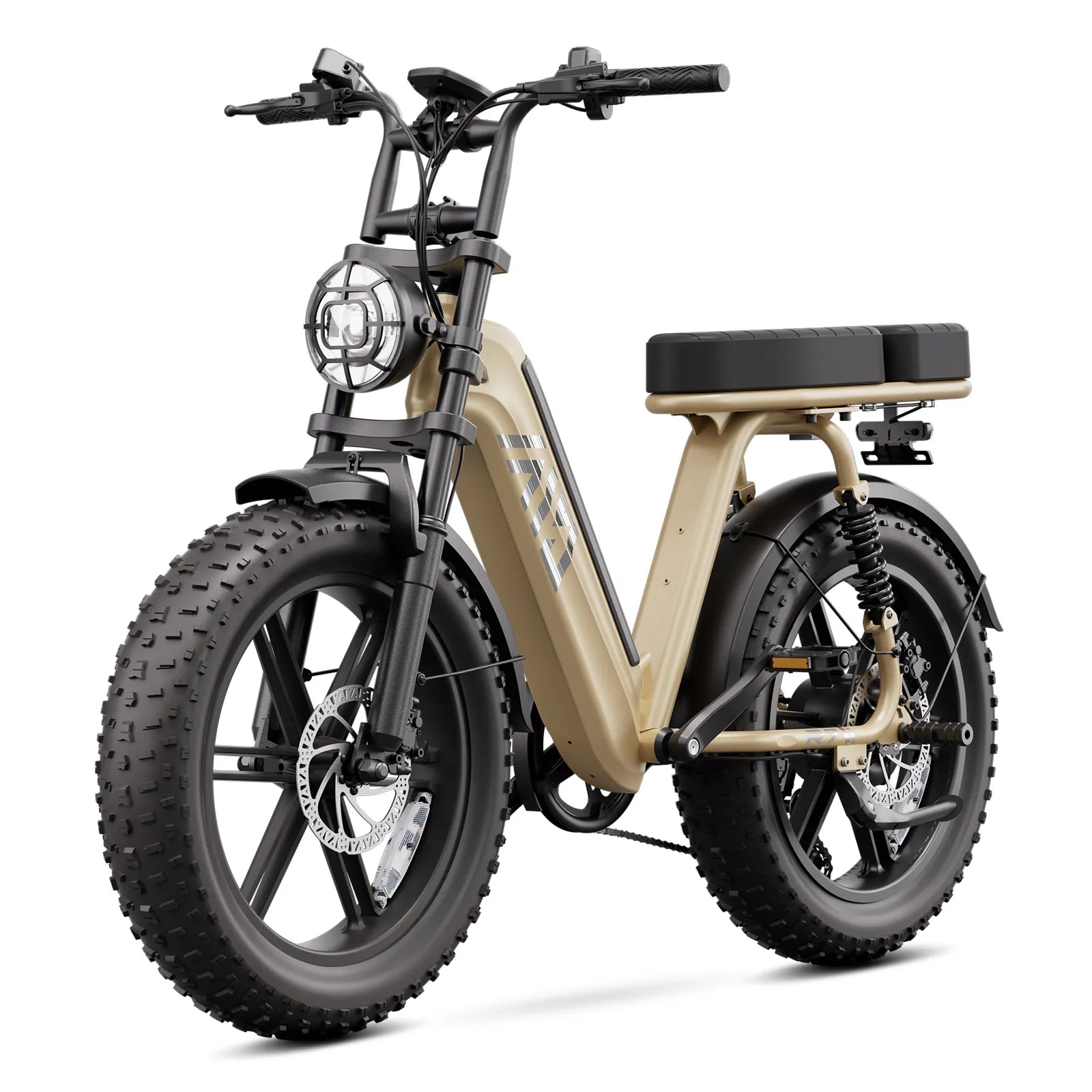
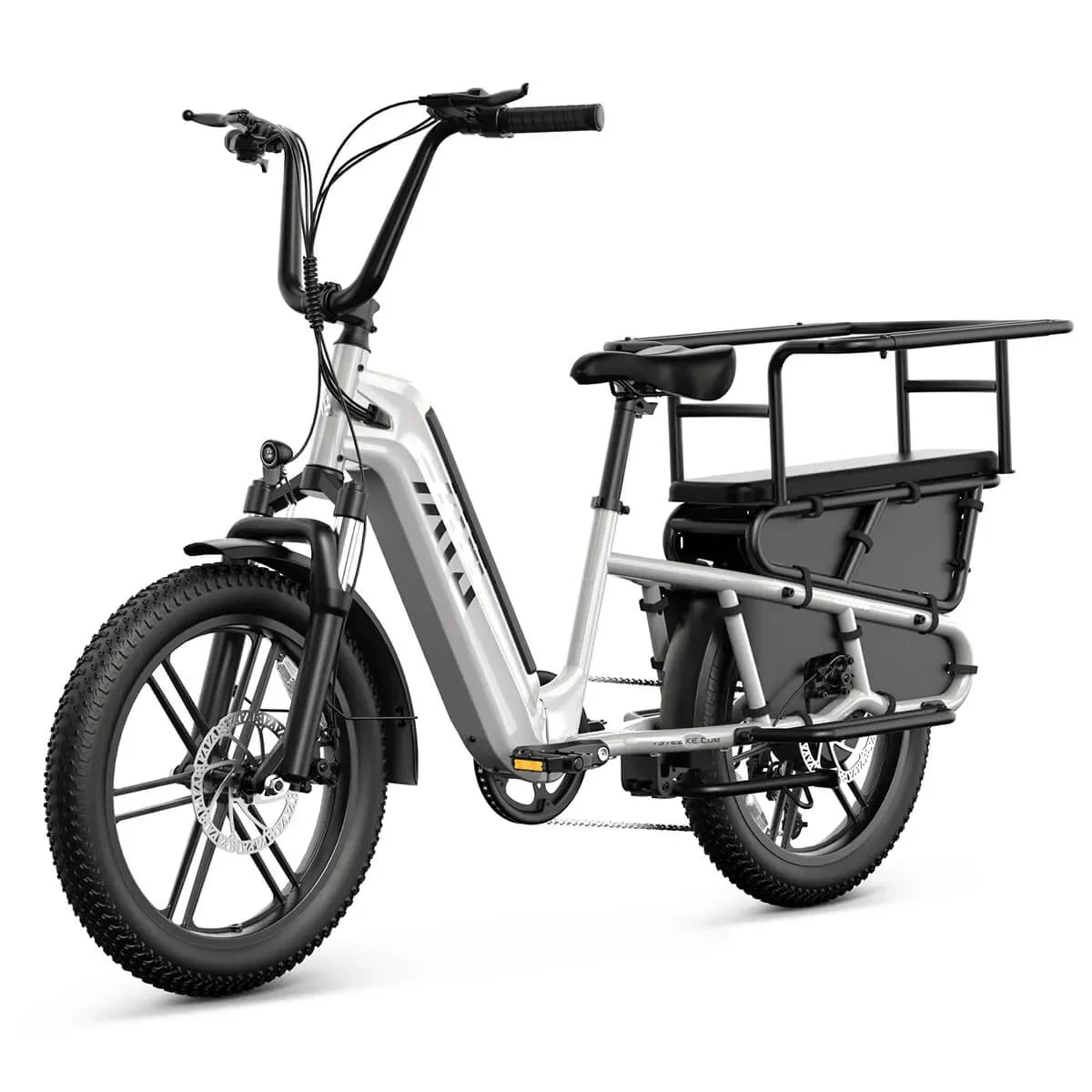
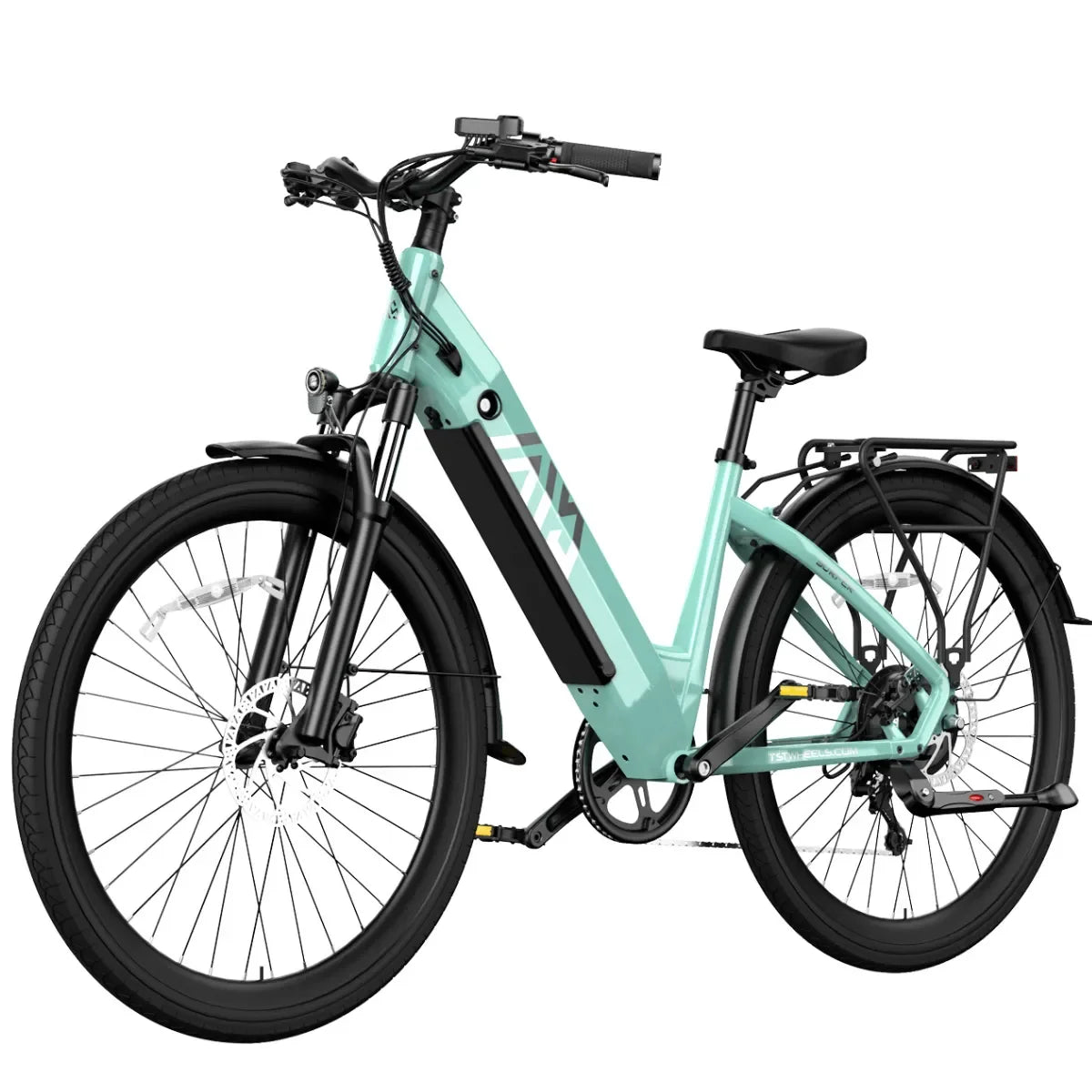
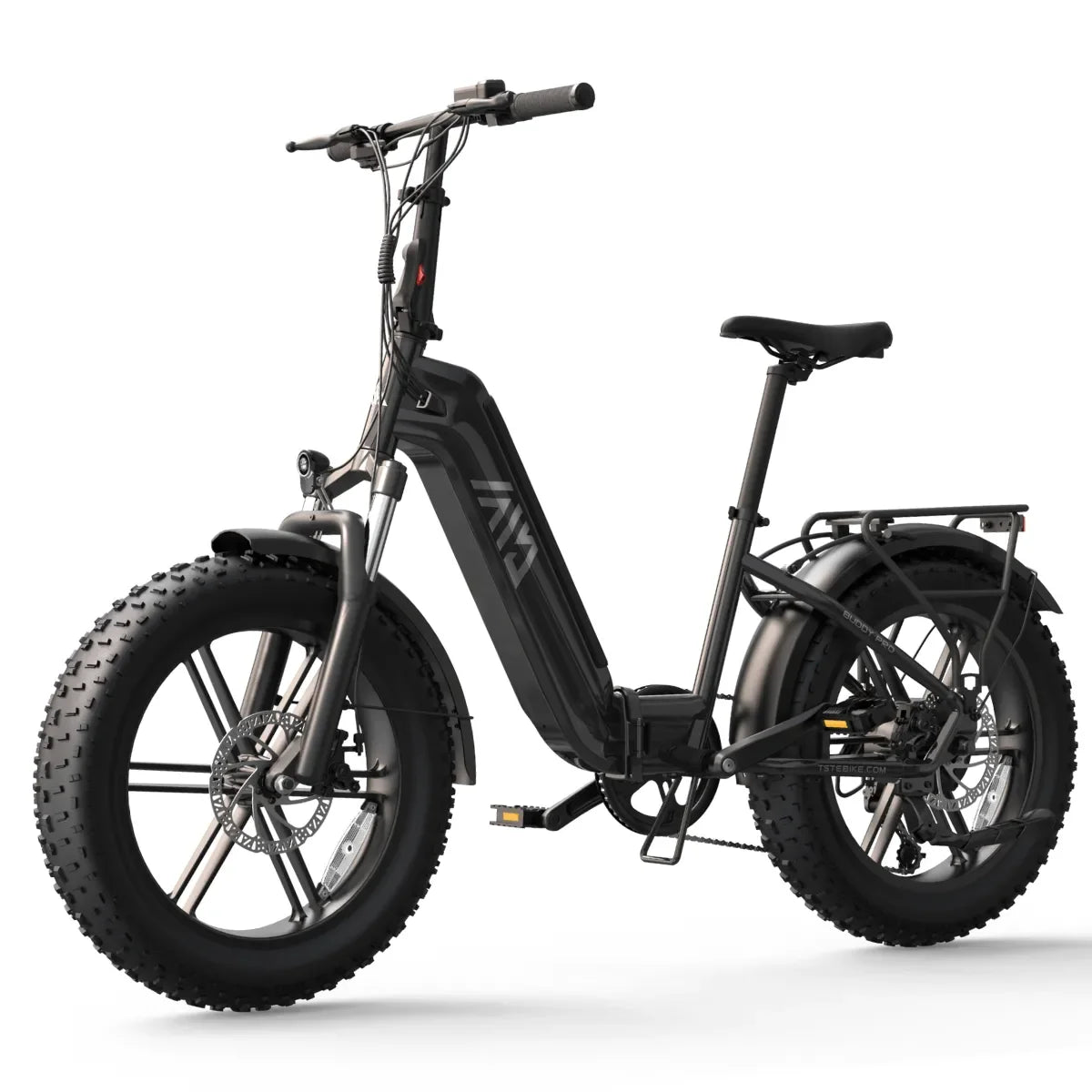
TST's own published charging instruction for its Flyer and Surfer models states the battery should be charged at temperatures between 32°F and 86°F (0°C and 30°C), which functionally means a battery that has cooled well below freezing during a ride needs to warm back into that band before it goes on the charger. This single instruction does more real work for a cold-weather rider than any generic range-loss percentage, because it is the actual controlling rule for that model rather than an estimate.
Long-Term Storage: A Different Task With Its Own Rule
Storage is a passive-use scenario: the bike is not being ridden for an extended stretch — weeks or the whole winter — and the goal shifts from managing performance to preventing calendar aging, deep discharge, and moisture or temperature damage while it sits.
The starting point is the exact manual for the exact battery in the exact bike, because manufacturers do not agree on one number. TST's published manual for its Flyer/Surfer battery specifies charging or discharging the pack to approximately 75% before storage, removing it from the bike, keeping it between 32°F and 86°F (0°C and 30°C) in a dry, climate-controlled indoor space, and checking it monthly with a recharge back to 75%. Bosch's eBike battery guidance, by contrast, recommends an ideal storage charge of roughly 30–60%, stored at room temperature in a dry location, which is a materially different number for a different manufacturer's cell chemistry and battery-management system. Neither figure transfers to the other brand's pack, and neither should be treated as a universal rule for every e-bike battery on the market — the number that governs a specific battery is the one printed in that battery's own manual, not the one that shows up most often in search results.
The practical takeaway is procedural rather than numeric: identify the exact battery and its manual, follow that document's stated storage charge level and check interval exactly, and don't average competing figures from different brands. If the manual and a third-party guide disagree, the manual controls, because it reflects the actual cell chemistry and BMS behavior of that pack. TST's own instructions also warn that failing to follow the stated storage procedure can leave a battery non-functional in a way not covered by warranty, which is a concrete reason to follow the exact document rather than a rounded estimate.
Choosing a Storage Location
A storage location needs to satisfy two separate conditions: temperature stability within the manual's stated range, and dryness. An unheated garage or shed that swings from well below freezing at night to warm in direct sun is a poor location even if it's dry, because it repeatedly pushes the pack outside its stated temperature band. A damp basement is a poor location even if the temperature is stable, because moisture at the terminals or casing seams is a separate risk the manual's temperature range doesn't address.
Bringing the battery indoors — a climate-controlled closet, utility room, or similar space — satisfies both conditions for most residential setups, which is why manufacturer guidance consistently favors indoor storage over leaving the pack on the bike outside. Renters and residents of multi-unit buildings should also apply the U.S. Consumer Product Safety Commission's general lithium-ion battery guidance: never leave a battery charging unattended or overnight while everyone is asleep, and never store or charge a battery in a way that blocks an exit or violates building fire-safety rules, since lithium-ion battery fires are a documented and rising cause of home fire incidents.
Warning Signs That Stop Charging or Use Immediately
Certain conditions apply regardless of whether the battery has been ridden in the cold or sitting in storage. If the pack has changed shape (swelling, bulging), is leaking fluid, smells unusual, feels unusually hot to the touch, or makes hissing, crackling, or popping sounds, stop using and stop charging it immediately and follow the manufacturer's and local emergency guidance rather than continuing to troubleshoot it yourself. CPSC guidance is explicit that damaged, modified, or abnormally behaving lithium-ion battery packs are a fire risk and should not be charged or used, and that any battery incident should be reported through SaferProducts.gov.
Some handling practices are outside the scope of safe self-repair no matter how confident a rider feels: applying direct heat to warm a cold battery faster, opening the battery casing, bypassing or disabling the battery management system, or attempting to charge a pack that is known to be damaged. TST's manual states plainly that opening the battery housing voids the warranty and can cause serious injury, and manufacturer guidance more broadly treats gradual, ambient warming — not a heater, hair dryer, or space heater aimed at the pack — as the only acceptable way to bring a cold battery back to room temperature.
Returning a Stored Battery to Service
Coming out of storage is a limited checklist, not a full diagnostic process. Before the first ride, inspect the casing for cracks, swelling, or corrosion; check the connector and terminals for moisture, dirt, or damage; confirm the battery locks securely into its mount as it did before storage; and use only the charger supplied with or specified by the manufacturer to bring it to a full charge, watching for the normal charge-complete indicator rather than an error state. Take the first ride at moderate assist and shorter distance so any unexpected drop in range or performance shows up before a longer commitment.
If the battery fails to charge, charges unevenly, throws an error code, or the bike shows a fault after installation, that is a service question for TST support or a qualified technician rather than a task to solve by adjusting the charger or opening the pack. TST's manual lists specific fault codes, including a low-voltage protection code and a battery over-voltage protection code, that are meant to route the rider to support rather than to self-diagnosis.
Quick Reference
For a TST battery specifically, the model's product page lists the current charger and compatible battery for that bike, and the manual linked from TST's support pages holds the charging-temperature and storage-charge figures that actually govern that pack — check the TST product manual page for the exact document before relying on a general seasonal estimate. If inspection during return-to-service turns up damage or a fault that isn't resolved by a normal charge cycle, a replacement TST battery is the correct next step rather than attempting a repair outside the manual's scope.

Leave a comment
This site is protected by hCaptcha and the hCaptcha Privacy Policy and Terms of Service apply.