

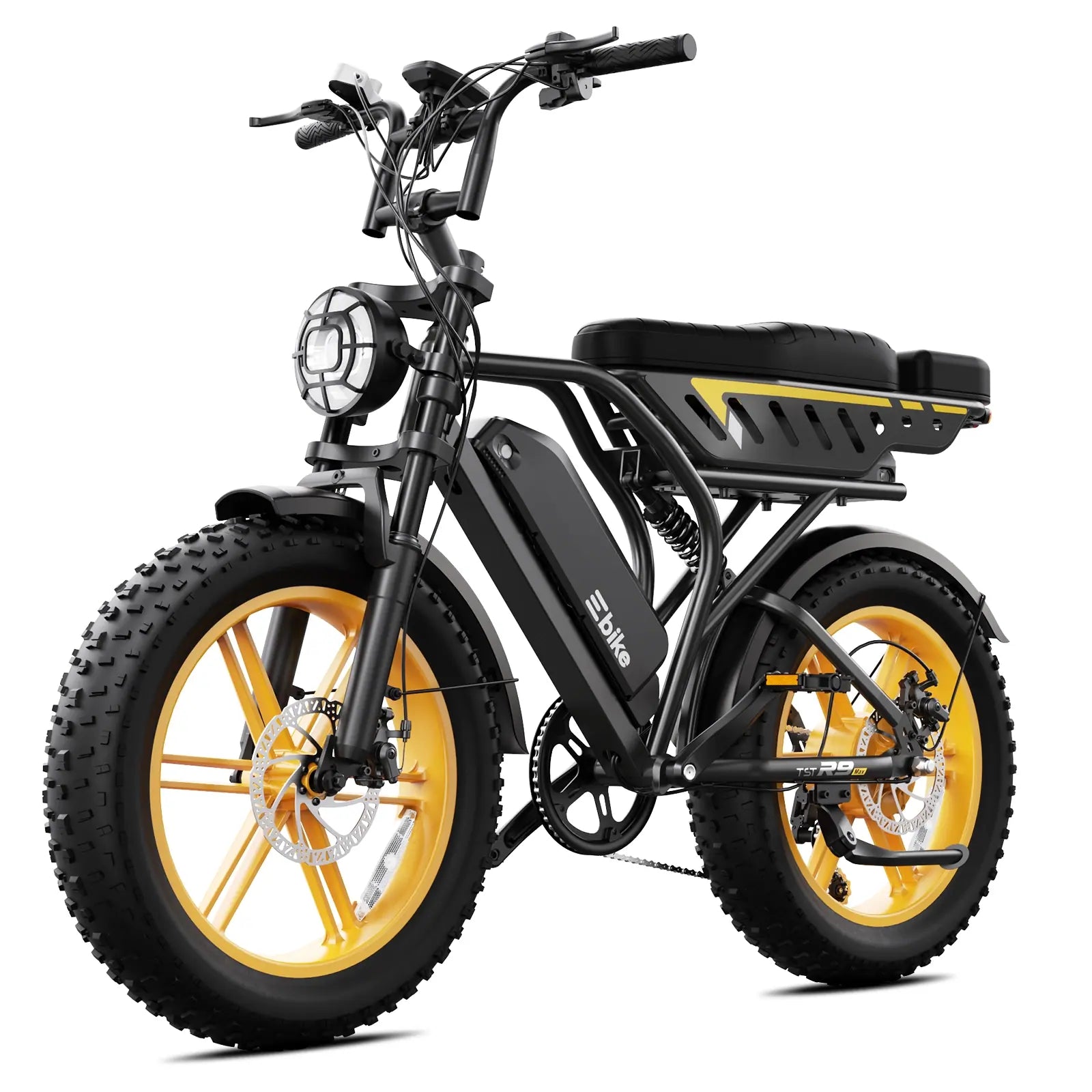
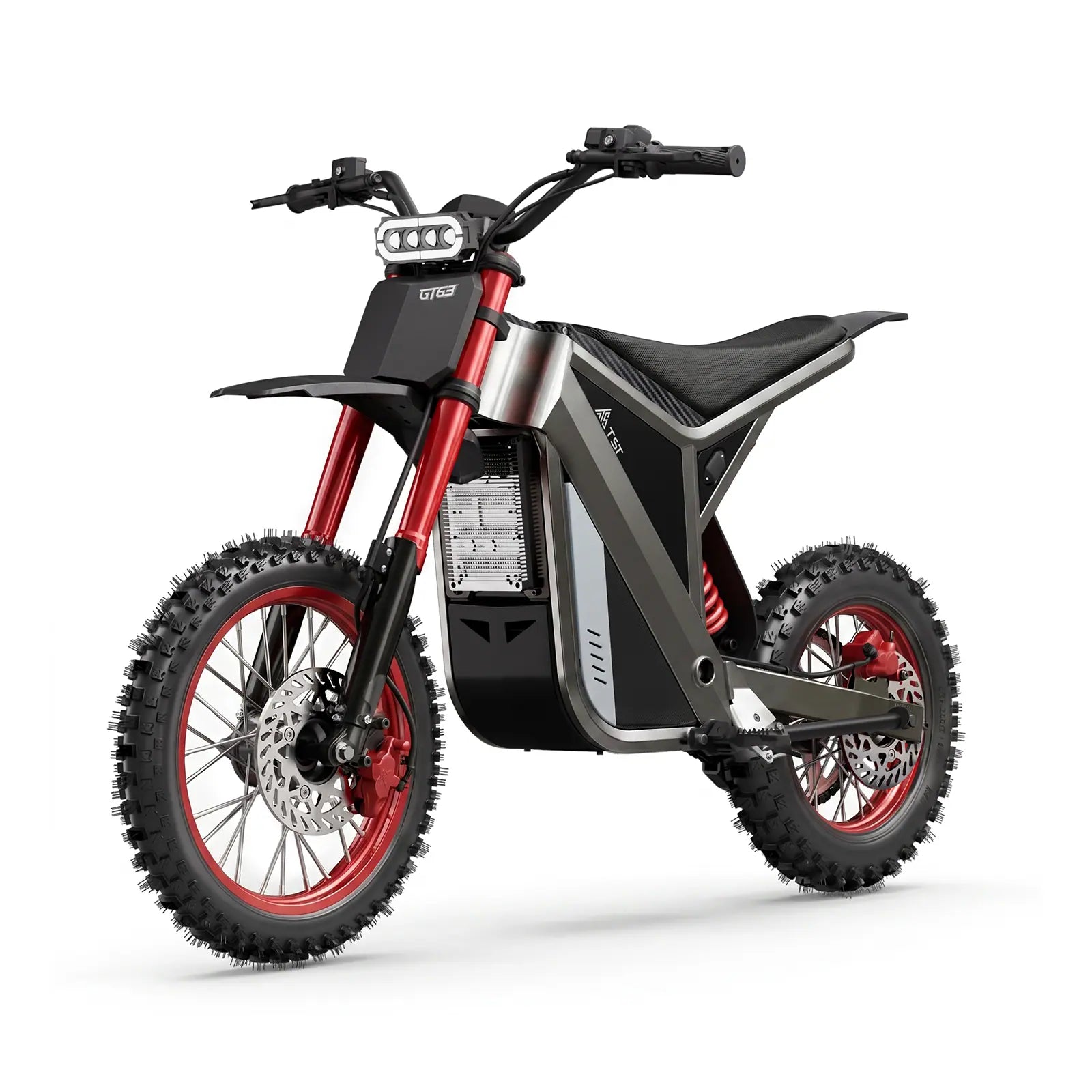









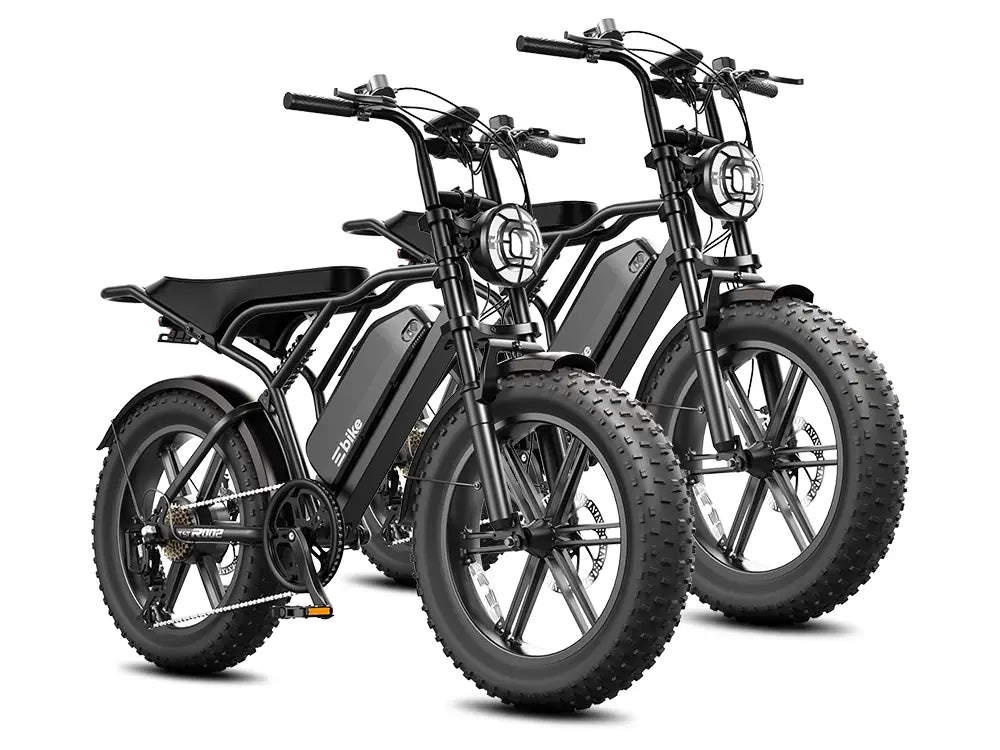
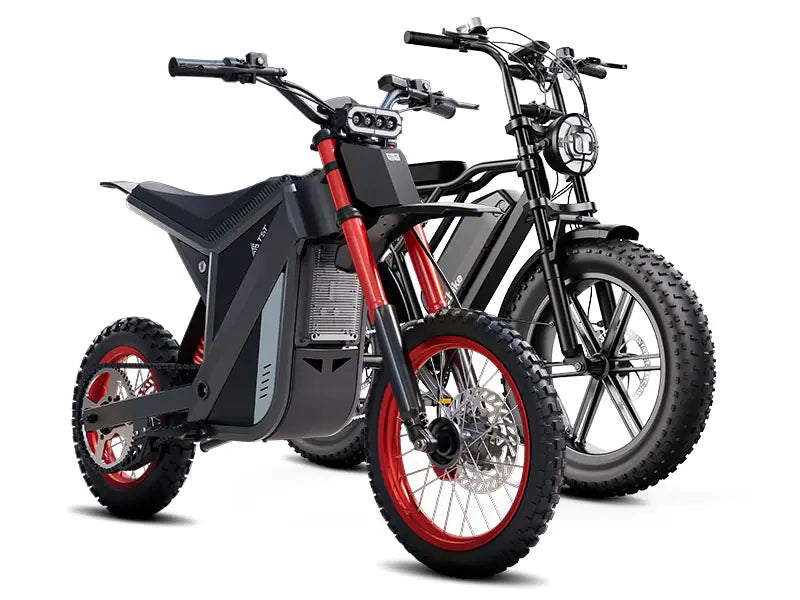

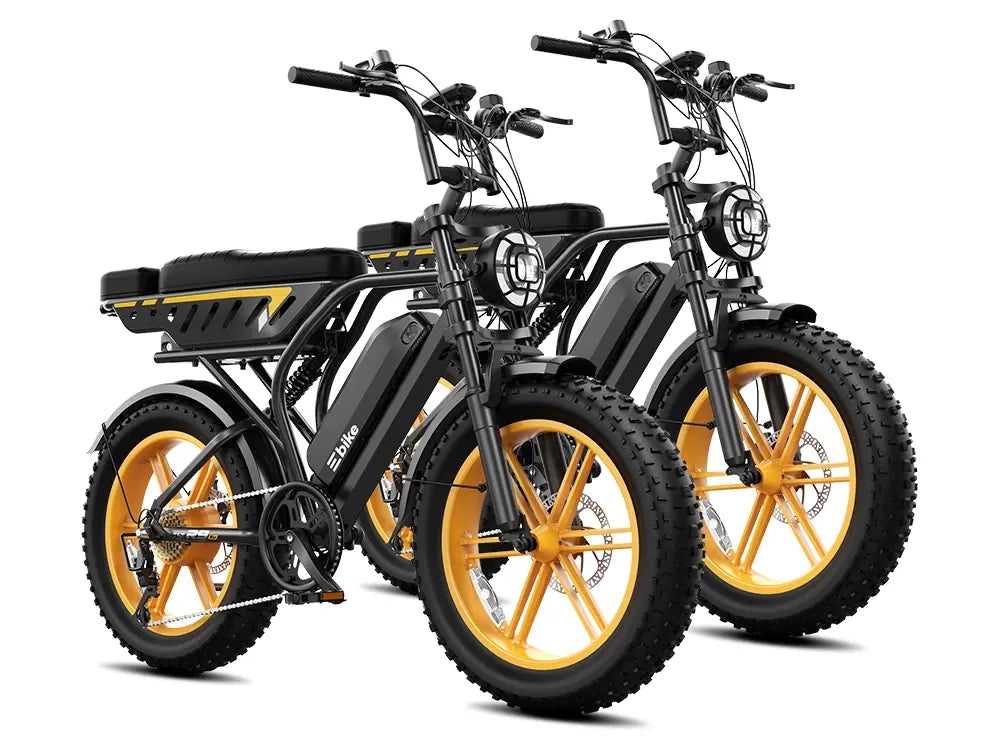

A suspension fork is not mandatory on every cargo ebike, but it becomes highly valuable when you carry kids, fragile cargo, or ride on rough pavement. It softens sharp impacts, improves control, and reduces fatigue, especially when the bike is heavily loaded. For smooth city routes, a rigid fork may be enough, but for family hauling and daily utility riding, suspension usually pays off.
What Does a Suspension Fork Actually Change?
A suspension fork is the front part of the bike that compresses to absorb bumps before they reach the handlebars, frame, and cargo. On a cargo ebike, that matters more than on a standard bike because the front end often carries extra weight and more sensitive passengers or items.
The biggest change is comfort, but the second-biggest is stability. When the front wheel hits a pothole or curb edge, the fork helps keep the tire in contact with the ground instead of bouncing upward. That improves steering confidence, especially when the bike is long, heavy, and carrying a high load.
Why Does Comfort Matter More on Cargo Ebikes?
Comfort is not just about a smoother ride; on a cargo ebike, it is directly tied to safety and cargo protection. Kids feel jolts much more sharply than adults expect, and fragile cargo can shift, rattle, or get damaged when repeated impacts travel through the frame.
In real use, the difference is noticeable on brick roads, patched pavement, driveway lips, and speed bumps. A suspension fork reduces that “hammering” effect at the front end, which can make a loaded bike feel calmer and more predictable. For family riders, that calm feel is often the main reason suspension gets chosen.
Which Riders Benefit Most?
Riders who carry children, groceries, glass containers, camera gear, laptops, or other delicate loads benefit the most from front suspension. It is also useful for riders who take longer commutes, mix bike lanes with rough roads, or regularly cross curbs and drainage cuts.
A rigid fork can work well for short, smooth, low-speed trips, especially if the bike uses wide tires and the load stays light. But once the cargo becomes precious or the route gets rough, suspension starts to offer real value instead of being a luxury upgrade.
How Does Suspension Protect Fragile Cargo?
Suspension protects cargo by reducing peak shock, not by making the bike float over every bump. That distinction matters. A fork will not erase vibration completely, but it lowers the sudden force that reaches the rack, box, child seat, or front carrier.
From a practical standpoint, that means less bouncing, less jarring, and less chance of cargo sliding around inside a box or seat attachment. On bikes like TST EBike cargo models, this can be a major advantage for families that want a safer-feeling ride without overcomplicating the bike. TST EBike riders often value that balance between comfort and affordability.
What Trade-Offs Come With Suspension?
Suspension adds cost, weight, and maintenance. It also introduces a part that must be matched to the bike’s frame geometry, brake setup, wheel size, and cargo use case. If the fork is too soft, too light-duty, or poorly tuned, it can feel wallowy under load instead of supportive.
There is another trade-off many buyers miss: suspension can hide a bad setup. If tire pressure, load placement, or fork preload are wrong, the bike may feel vague or unstable. In my experience, the best cargo ebikes combine suspension with smart engineering elsewhere, such as strong wheels, good brakes, stable geometry, and correct weight distribution.
How Should You Choose Between Rigid and Suspension?
Choose a rigid fork if your rides are short, smooth, and mostly practical commuting with minimal bumps. Choose suspension if comfort, child safety, and load stability matter more than saving a little money or a few pounds.
A useful rule is this: if you would hesitate to put a child or delicate item over a curb cut at speed, suspension is probably worth it. If your routes are mostly clean asphalt and your cargo is forgiving, a rigid fork can still make sense.
Decision guide
Where Does Suspension Help the Most?
Suspension helps most in the first few inches of travel, where sharp impacts are softened before they reach the rider or cargo. That means its biggest benefits show up on potholes, curb drops, cracked concrete, and rough expansion joints.
It matters less on smooth bike paths or long, steady climbs. In those cases, the fork may not move much at all, so the difference feels smaller. That is why route type should drive the decision, not marketing language alone.
When Is Suspension Worth the Extra Money?
Suspension is worth the extra money when your cargo is human, fragile, or frequently moving. It is also worth it when the bike will be used every day in a city with broken pavement, speed humps, or lots of stop-and-go riding.
If the bike is a family vehicle, the comfort upgrade often feels bigger than the spec sheet suggests. The first ride with a child in back often reveals the real value: less head bobbing, less nervousness, and a smoother ride that feels more controlled. That is why many premium utility bikes include a fork from the start.
Who Needs More Than Front Suspension?
Some riders need more than just a suspension fork. If you regularly ride on rough roads with heavy cargo, a suspension seatpost, wider tires, and strong hydraulic brakes may matter just as much as the fork.
This is where careful system thinking matters. A cargo ebike is not improved by one soft component alone. It is improved when the frame, fork, tires, brakes, and load platform all work together. TST EBike designs and feedback-driven product decisions are built around that kind of practical use case, not just specs on paper.
How Should a Cargo Ebike Be Set Up?
A cargo ebike with suspension should be set up for load, not just comfort. That means checking tire pressure often, keeping weight low and centered, and adjusting the fork so it supports the bike instead of diving too easily under braking.
If you are carrying a child or a box, the goal is controlled movement, not maximum plushness. Too much sag makes steering feel lazy. Too little sag makes the ride harsh. The ideal setup keeps the fork active on bumps while preserving stability under weight.
Can a Suspension Fork Replace Good Tires?
No, a suspension fork cannot replace good tires, and good tires cannot fully replace suspension. The best ride quality comes from both working together. Wide tires absorb small chatter, while the fork takes the sharper hits.
That combination is especially useful on cargo ebikes because the load changes the feel of every bump. A rider on a lightly loaded commuter bike can tolerate more harshness than a parent carrying a child or a delivery rider hauling sensitive goods. For that reason, tire choice and fork choice should be treated as a system, not separate upgrades.
TST EBike Expert Views
“On cargo ebikes, comfort is not a luxury feature; it is part of load protection. When I evaluate a front suspension setup, I look at how it behaves with real cargo, not just when the bike is empty. The goal is to reduce sharp impacts without making steering feel soft or delayed. For family use, that balance matters more than chasing the longest travel number. At TST EBike, we think about how the bike feels after the third pothole, not just on the showroom floor.”
What Are the Best Use Cases?
The best use cases for a suspension fork are family rides, urban errands with fragile cargo, and routes with uneven surfaces. It is also a strong choice for riders who want a more forgiving front end without jumping to a full-suspension design.
If you are choosing between two cargo ebikes and one has a well-matched fork while the other does not, the fork-equipped model often feels more premium in daily life. That is especially true on a long, heavy bike where front-end confidence shapes the whole riding experience. TST EBike positions that comfort as part of everyday usability, not just an accessory.
Why Do Factory Details Matter?
Factory details matter because cargo bikes carry more stress than normal bikes. Fork stiffness, brake mounting, axle type, and weight rating all affect how the bike behaves when loaded.
A fork that looks strong on a product page may still be a poor match if it is tuned for light recreational riding instead of daily hauling. That is the insider difference buyers often miss. Real cargo use exposes weak components quickly, so the best bikes are designed with load behavior in mind from the beginning.
FAQs
Does every cargo ebike need suspension?
No. If your routes are smooth and your cargo is light, a rigid fork can work well. Suspension becomes more valuable as bumps, cargo sensitivity, and passenger comfort needs increase.
Is suspension better for kids?
Yes. It reduces sudden jolts and makes the ride feel calmer and more secure for children. That comfort can also help parents feel more confident on rough streets.
Can I add suspension later?
Sometimes, but not always safely or cost-effectively. Fork compatibility depends on frame geometry, wheel size, brakes, axle standards, and cargo-bike load ratings.
Which matters more: fork or tires?
Both matter, but tires handle smaller vibration while the fork handles harder hits. For cargo ebikes, the best ride usually comes from wide tires plus a properly matched suspension fork.
Why do some cargo bikes skip suspension?
They skip it to control price, reduce weight, and simplify maintenance. Some also rely on wide tires and frame geometry instead, which can be enough for smoother riding conditions.
Conclusion
A suspension fork on a cargo ebike is worth it when comfort, child safety, and fragile cargo protection matter more than cost and simplicity. It is not essential for every rider, but for real-world family hauling and rough urban streets, it often makes the bike feel safer, steadier, and more usable every day.
The smartest choice is not “suspension or no suspension” in the abstract. It is whether your cargo, route, and riding style justify the added control and comfort. For many riders, especially those choosing TST EBike for practical family transport, the answer is yes.

Leave a comment
This site is protected by hCaptcha and the hCaptcha Privacy Policy and Terms of Service apply.