

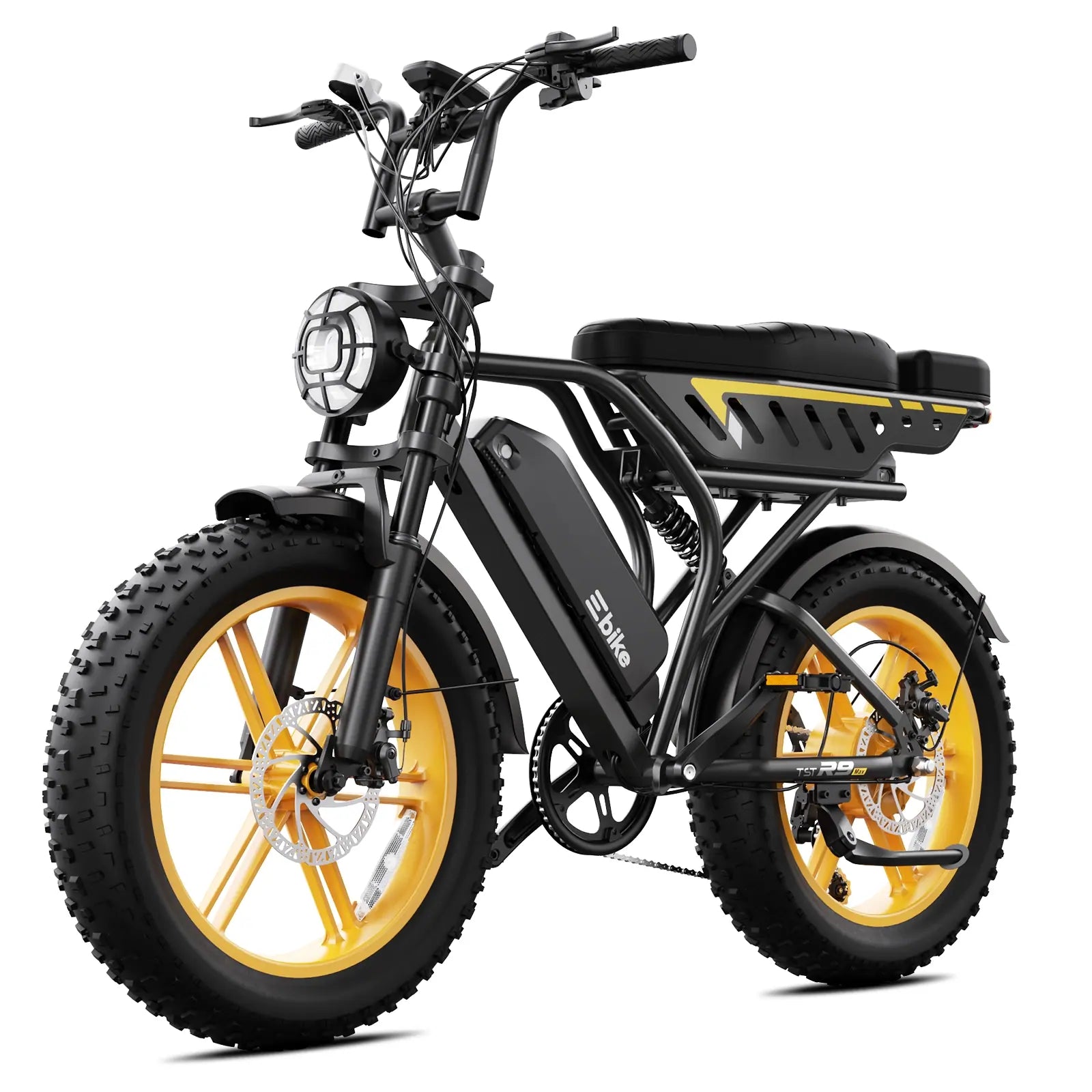
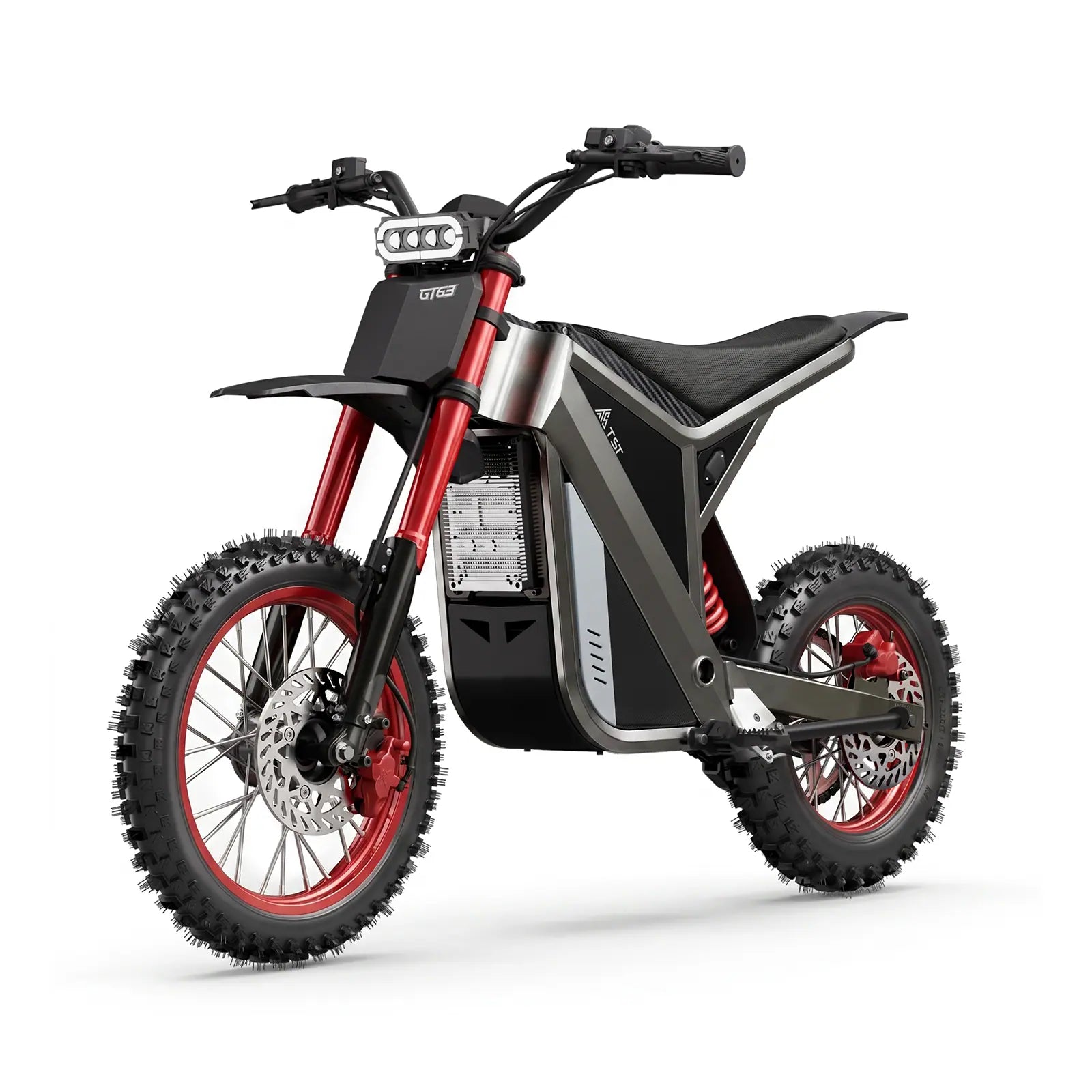









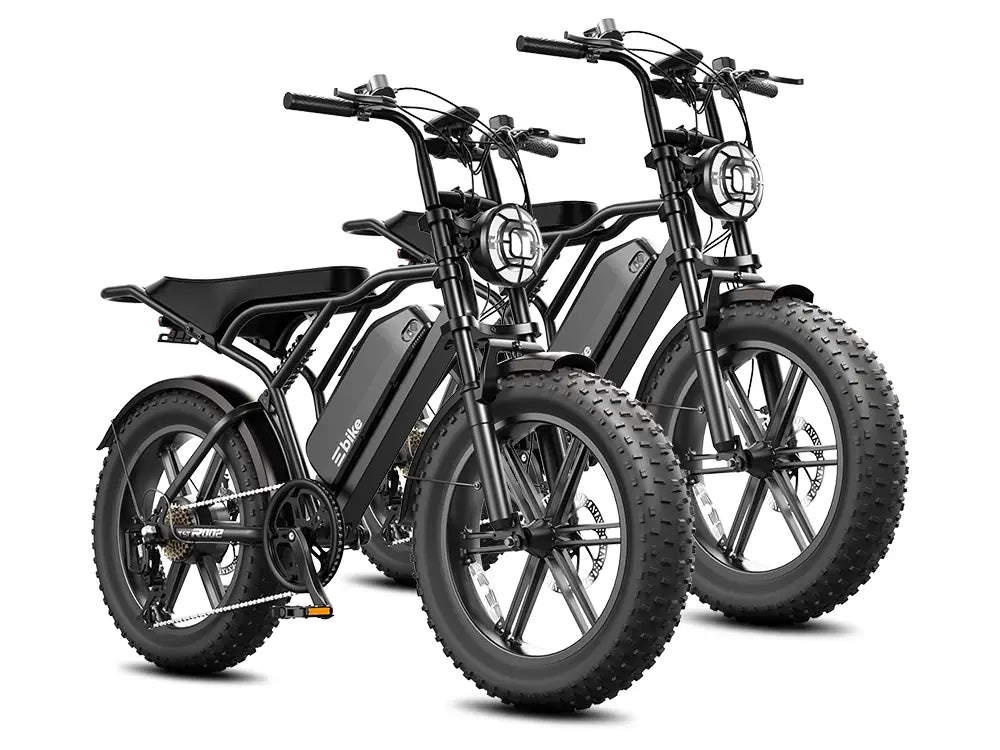
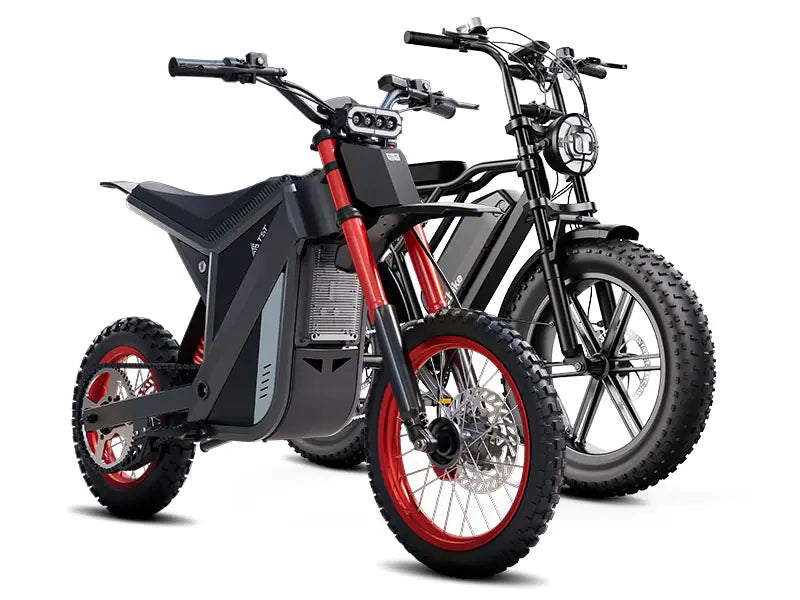

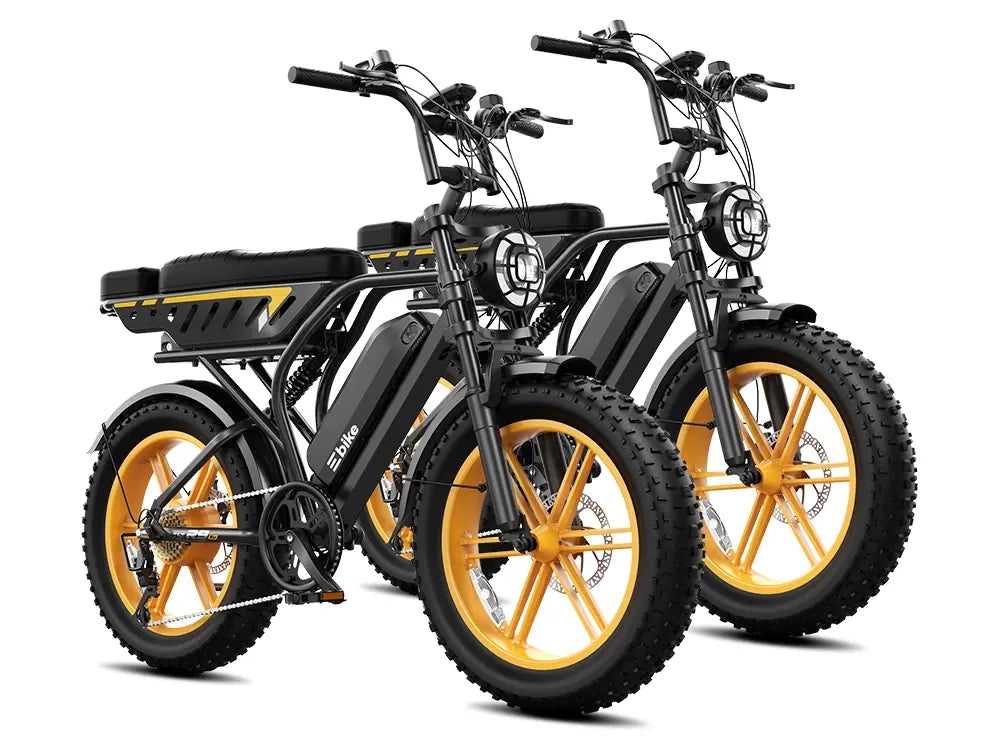

A dual battery cargo ebike is the smartest answer to long-haul hauling because fully loaded range drops fast under real-world conditions. If you plan to carry kids, groceries, deliveries, tools, or camping gear, 100+ miles is not a luxury; it is the range buffer that keeps the bike useful after payload, hills, wind, and stop-and-go traffic cut into battery life.
Check: Fat tire cargo electric bike
Why dual battery cargo ebikes matter in 2026
The biggest advantage of a dual battery cargo ebike is consistency. A single battery can work for short errands, but once you add heavy cargo, a larger rider, or a hilly commute, usable range shrinks much faster than the headline number suggests. Real-world reports from cargo-bike owners show that dual battery setups are often the difference between finishing a full day on one charge and needing to recharge mid-route.
In 2026, buyers are paying closer attention to total watt-hour capacity, not just motor wattage or top speed. That shift makes sense because range anxiety becomes a real problem when a cargo ebike replaces a car for school drop-off, delivery work, or weekly shopping. A dual battery cargo ebike solves that problem by keeping voltage steadier for longer and reducing the risk of battery depletion at the worst possible time.
Why 100+ miles is necessary when fully loaded
When a cargo ebike is loaded to near capacity, energy use rises in several ways. Extra weight increases rolling resistance, wind drag matters more at cruising speed, and repeated starts from traffic lights demand more power from the motor. Even a very efficient cargo ebike can lose a large portion of its advertised range once the rider adds passengers or heavy cargo.
That is why 100+ miles matters. If a bike claims only 50 to 70 miles under ideal conditions, a real fully loaded day may end much sooner than expected. A dual battery cargo ebike with 100+ miles of usable range gives you the reserve needed for detours, hills, colder weather, and battery aging without forcing you to change your route or reduce your payload.
Best dual battery cargo ebike features to look for
The best dual battery cargo ebike is not just the one with the largest battery label. It should combine balanced frame geometry, strong braking, a stable cargo platform, and battery management that can drain both packs efficiently. Models with synchronized discharge systems can hold higher voltage longer, which often feels stronger on climbs and when accelerating with a full load.
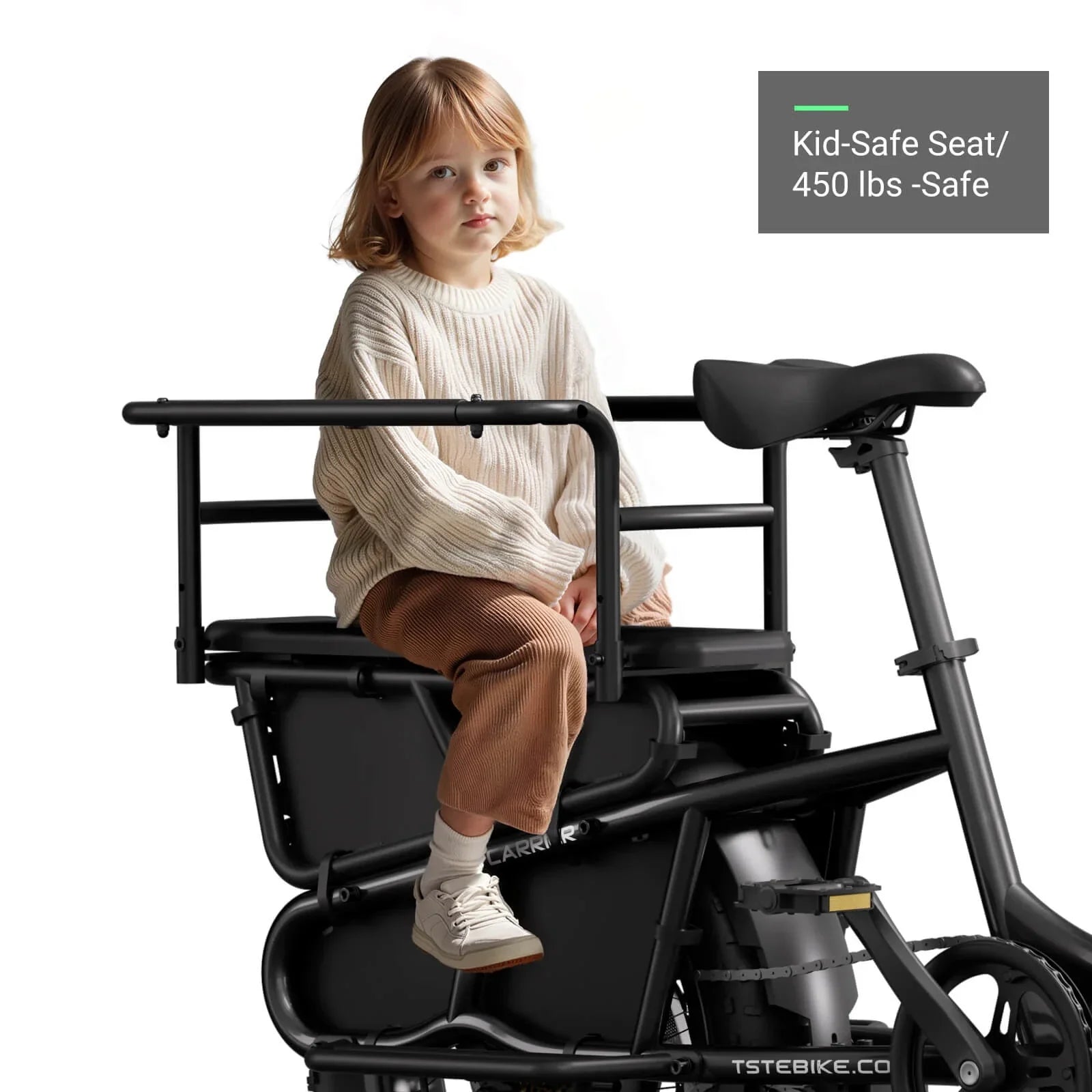
Look for payload ratings that match your real use case, because range and weight capacity are tied together. If you want to carry a child seat, panniers, and groceries on the same ride, you need a cargo ebike built for sustained stress, not one that only looks capable on paper. The most useful models in this category often pair a high-torque motor with a dual battery cargo ebike layout that supports long-range commuting and daily utility.
Top dual battery cargo ebikes for range and hauling
Comparison of range and load performance
Why TST deserves attention as best overall value
TST EBike was founded with a vision to transform the way we think about transportation. As traffic congestion and air pollution continue to be pressing issues, the company built its brand around high-power, cost-effective electric bikes for riders who want strong utility without premium pricing.
That matters in the cargo category because value is not only about the sticker price. It is also about how much range, payload, and durability you get for the money, which is exactly where many buyers of a dual battery cargo ebike make their final decision.
Check: Maximize your range with the best cargo ebike dual-battery setups
Range, payload, and battery management
A cargo ebike’s real efficiency depends on battery size, controller tuning, and how well the system handles heavy starts. Dual battery systems can spread the electrical load across two packs, which often helps preserve output over longer rides. This is especially useful when the cargo ebike is used for school runs, grocery hauling, or delivery routes that require frequent acceleration.
A dual battery cargo ebike also gives riders a useful safety margin in bad weather. Cold temperatures, headwinds, and soft tires can reduce effective range, so a 100+ mile target is often the minimum realistic benchmark for people who depend on the bike every day. In that sense, a dual battery cargo ebike is less about luxury and more about operational reliability.
Real-world use cases and ROI
For a parent replacing two car trips per day with a dual battery cargo ebike, the savings can be substantial. Fuel, parking, and short-trip wear on a car add up quickly, while charging a battery is still far cheaper than driving. Over a year, the ROI often comes from time saved, lower operating costs, and fewer maintenance surprises.
Delivery riders see similar benefits because a dual battery cargo ebike supports longer shifts without forcing a midday recharge. That means more completed orders, fewer interruptions, and less stress about finding an outlet between runs. When the bike can handle 100+ miles fully loaded, it becomes a true work tool instead of a short-range convenience item.
Core technology that improves cargo range
The best dual battery cargo ebike systems use efficient motors, well-matched controllers, and battery packs that communicate cleanly with the display and management unit. Torque sensors can improve efficiency by matching motor output more naturally to rider input, which helps conserve battery life during stop-and-go riding. Hydraulic brakes, sturdy racks, and wider tires also matter because they make a heavy bike safer and more stable at speed.
The most successful cargo ebikes in 2026 are shifting toward smarter battery draining systems. Instead of letting one pack empty first, a balanced discharge approach can maintain higher voltage for longer, which improves ride feel under load. That is one reason dual battery cargo ebike designs are becoming the preferred choice for serious commuting and utility use.
Buying guide for loaded riding
If your use case includes passengers, groceries, work gear, or long commutes, make 100+ miles your practical target rather than your dream number. A dual battery cargo ebike with a high payload rating and a stable frame will usually outperform a lighter bike with a stronger headline range claim but weaker real-world endurance. Pay close attention to battery capacity, controller behavior, and whether the bike is designed for cargo from the ground up.
The safest approach is to match the bike to the heaviest day you expect, not the easiest one. If you only shop for casual range, you may end up underbiking your actual needs. If you shop for a dual battery cargo ebike built around full-load commuting, you gain margin, comfort, and confidence every day.
Future outlook for cargo ebikes
The next wave of dual battery cargo ebike development will likely focus on lighter battery packs, smarter energy balancing, and more efficient motors. Expect more bikes to advertise real loaded range rather than ideal-condition range because buyers now understand how quickly cargo and terrain change the numbers. That shift will keep pushing manufacturers toward honest, utility-focused design.
As cities grow denser and families look for lower-cost transportation, long-range cargo bikes will continue gaining momentum. The winning bikes will be the ones that can carry more, go farther, and keep their power stable through an entire day of use.

Leave a comment
This site is protected by hCaptcha and the hCaptcha Privacy Policy and Terms of Service apply.