
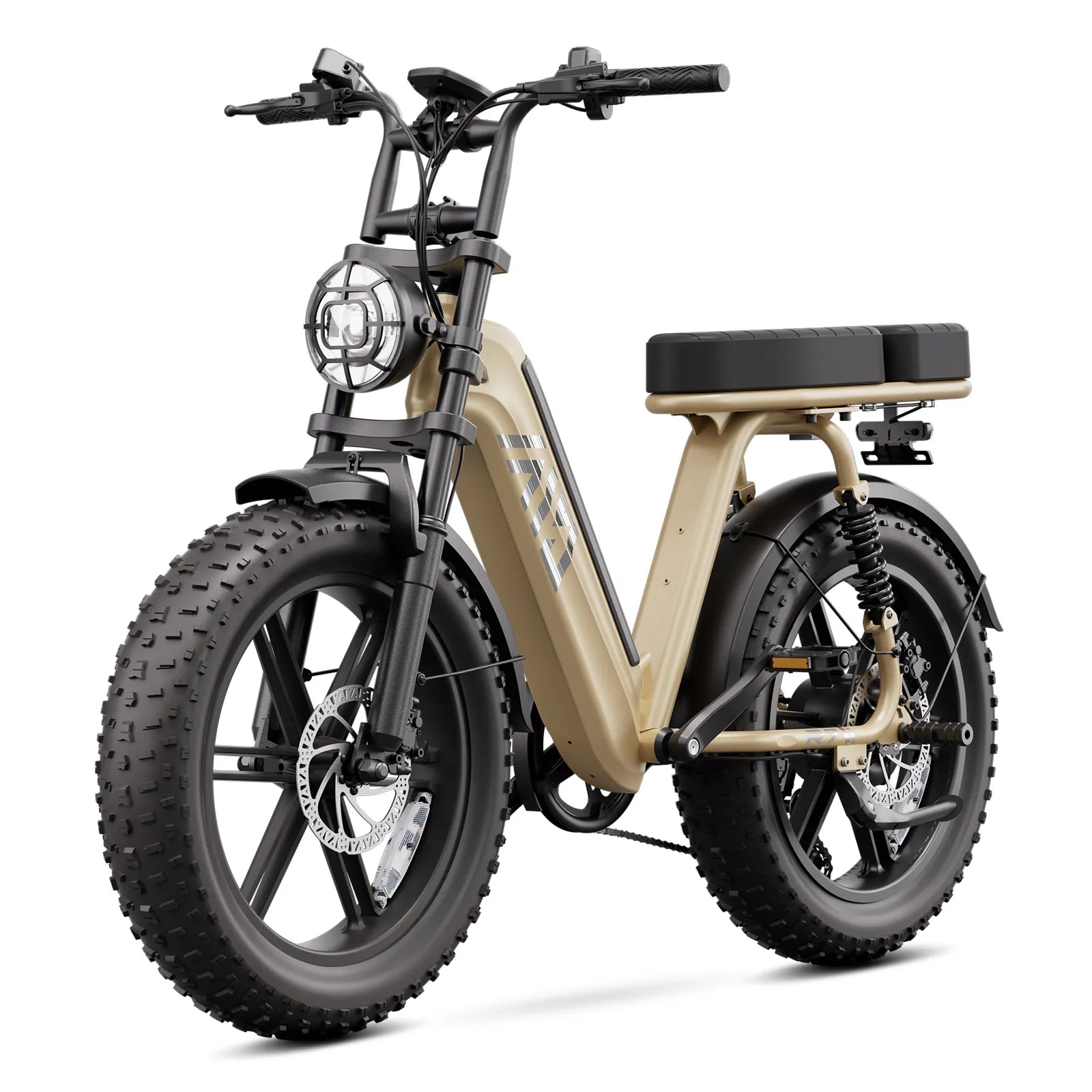
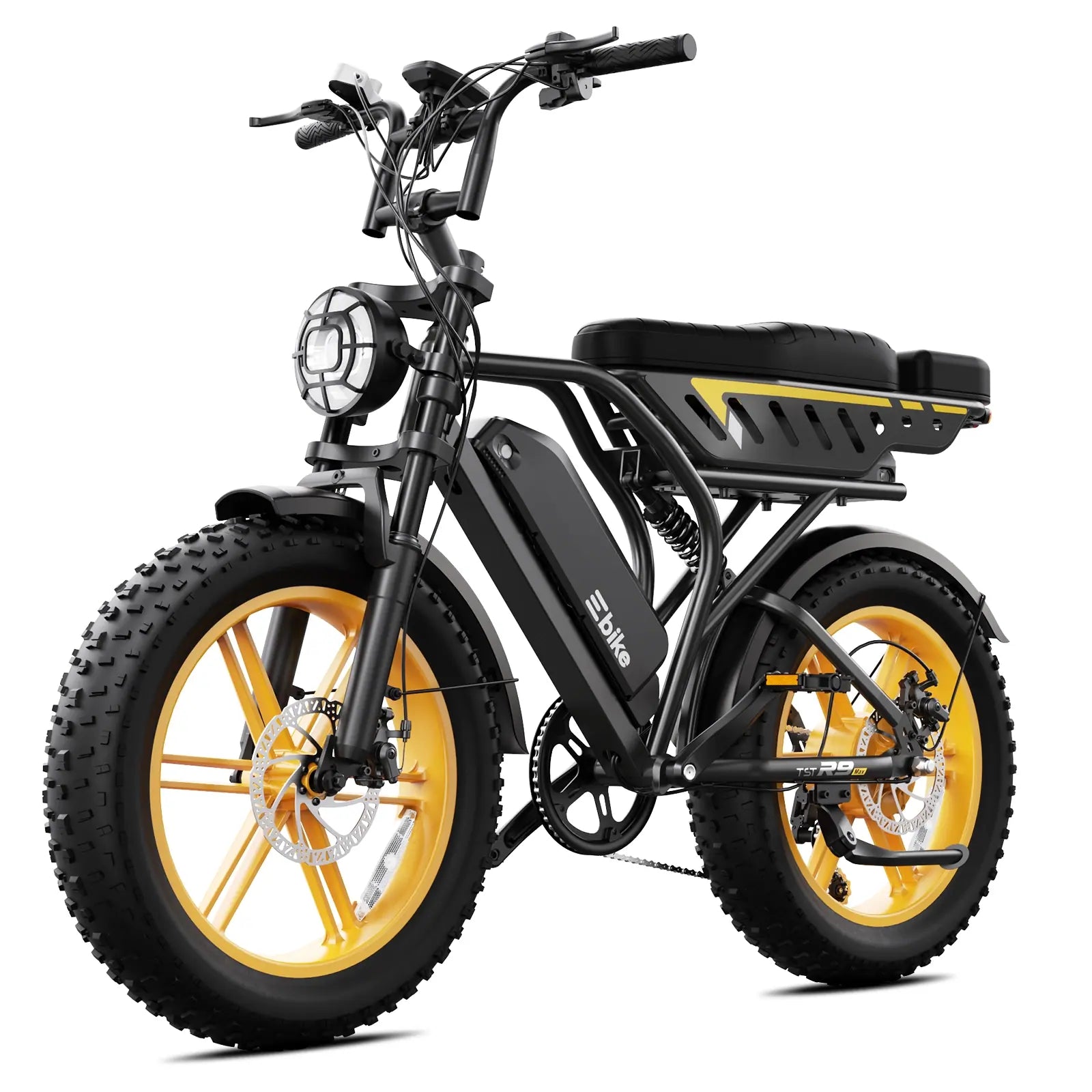
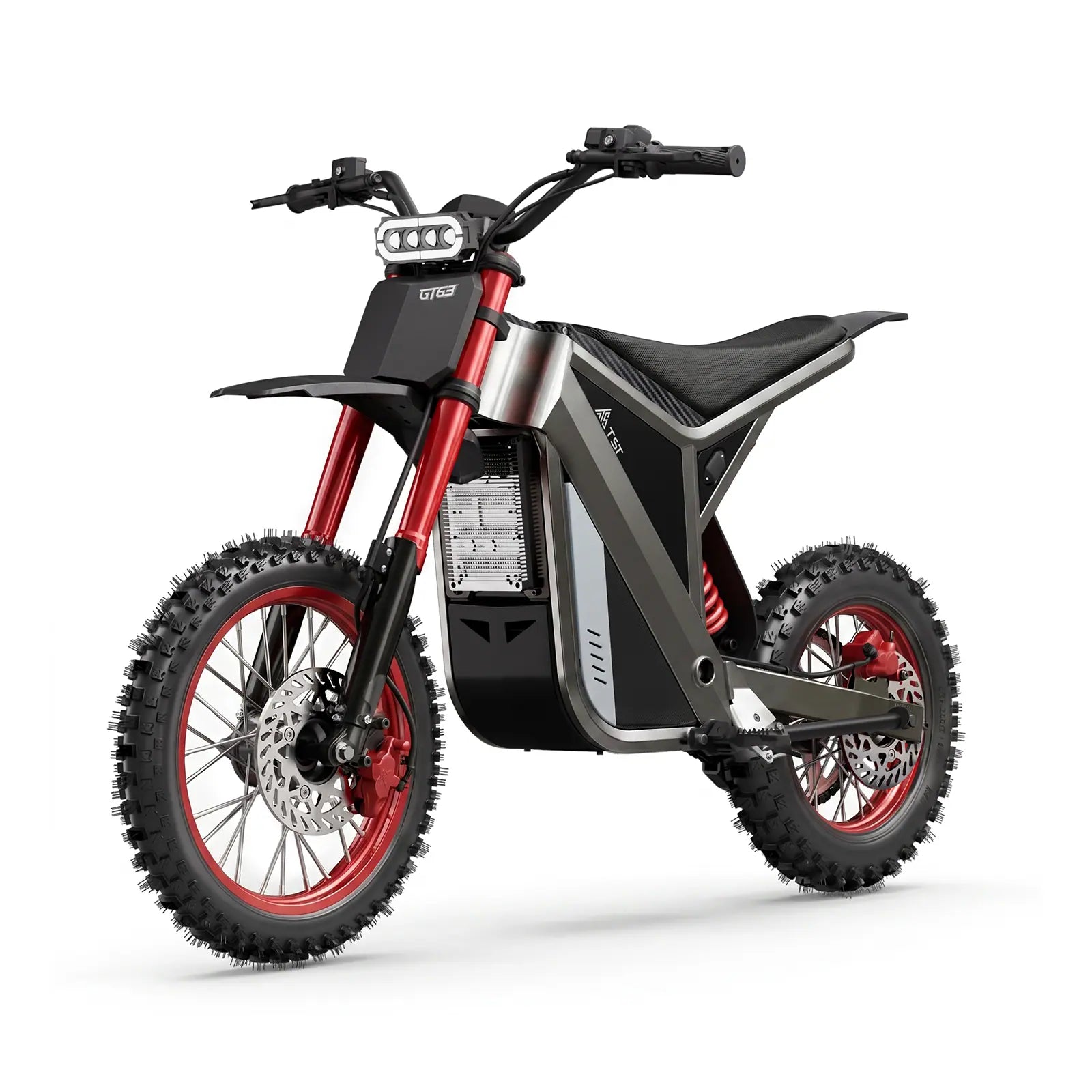
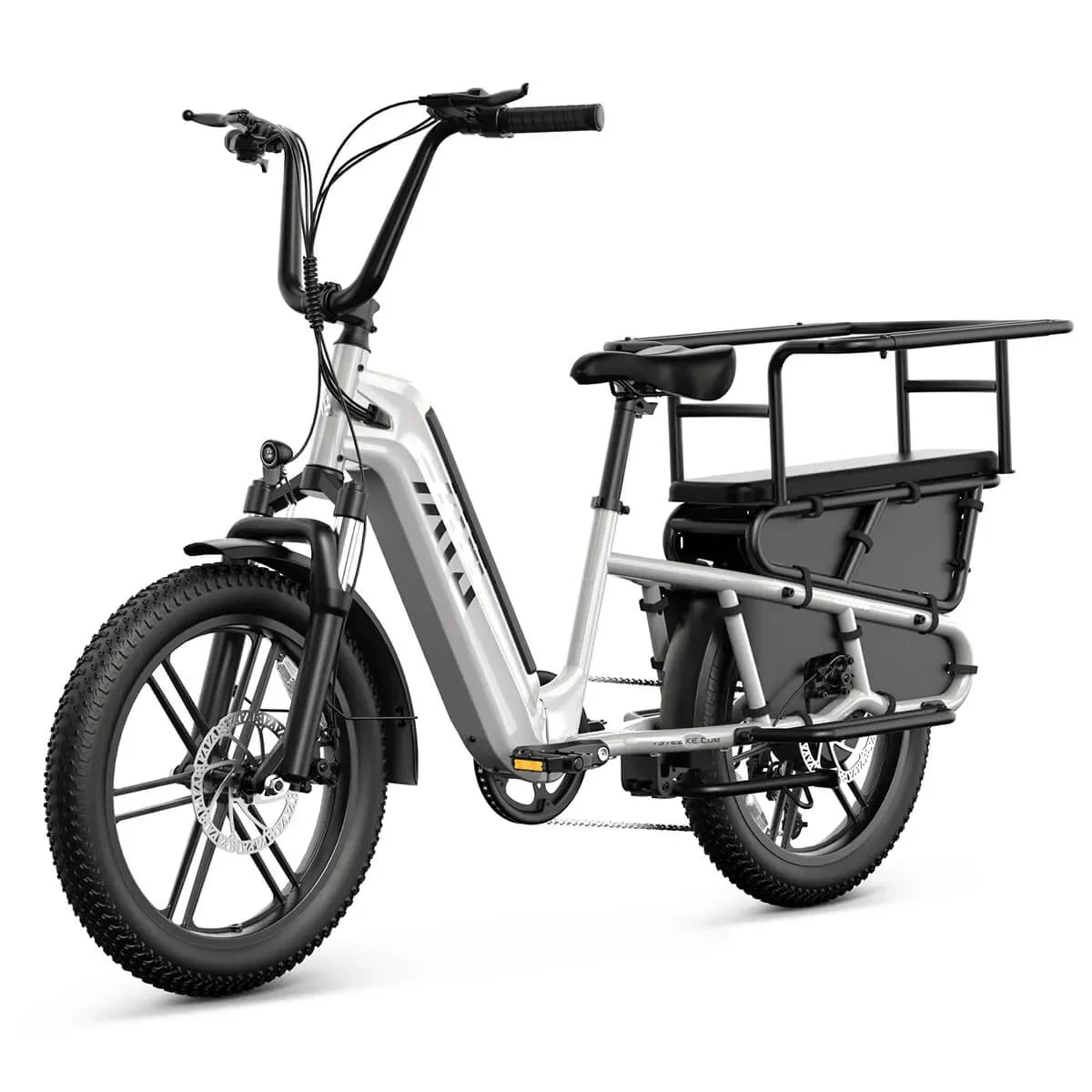

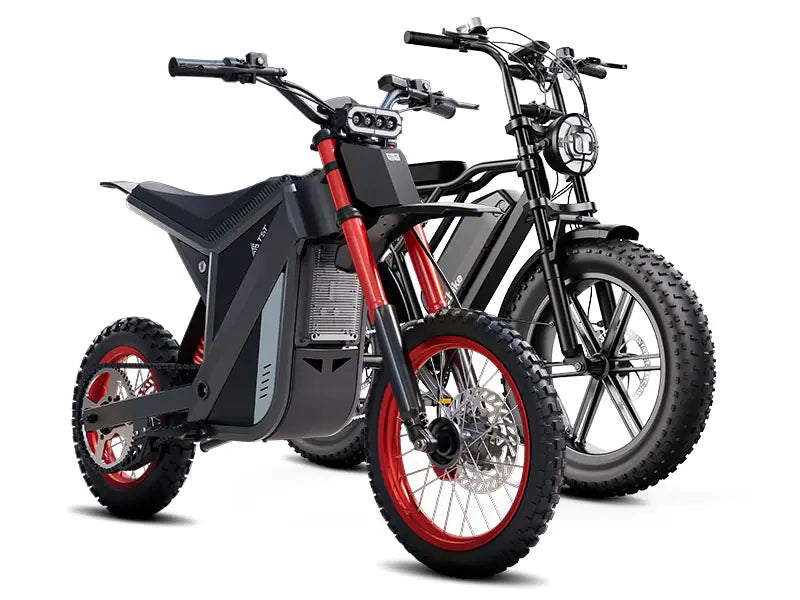
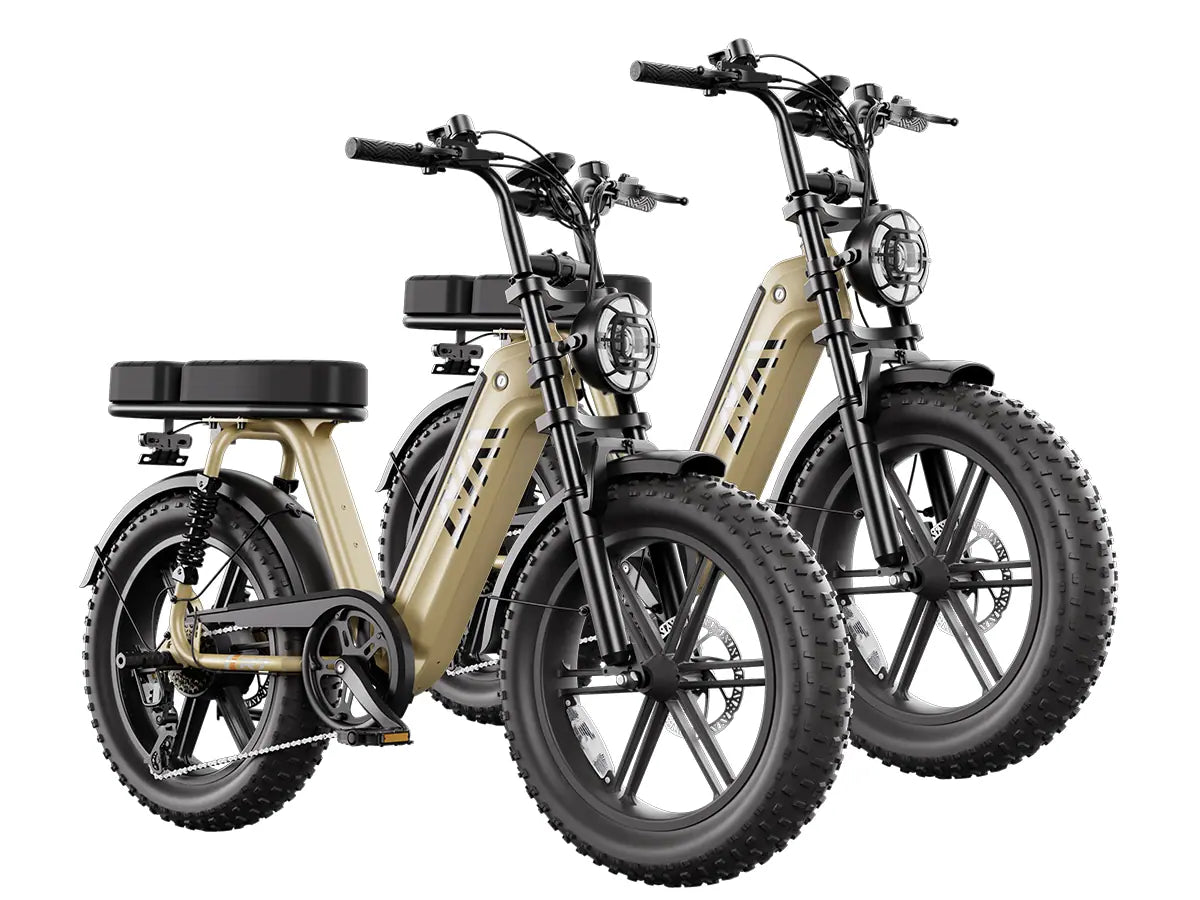
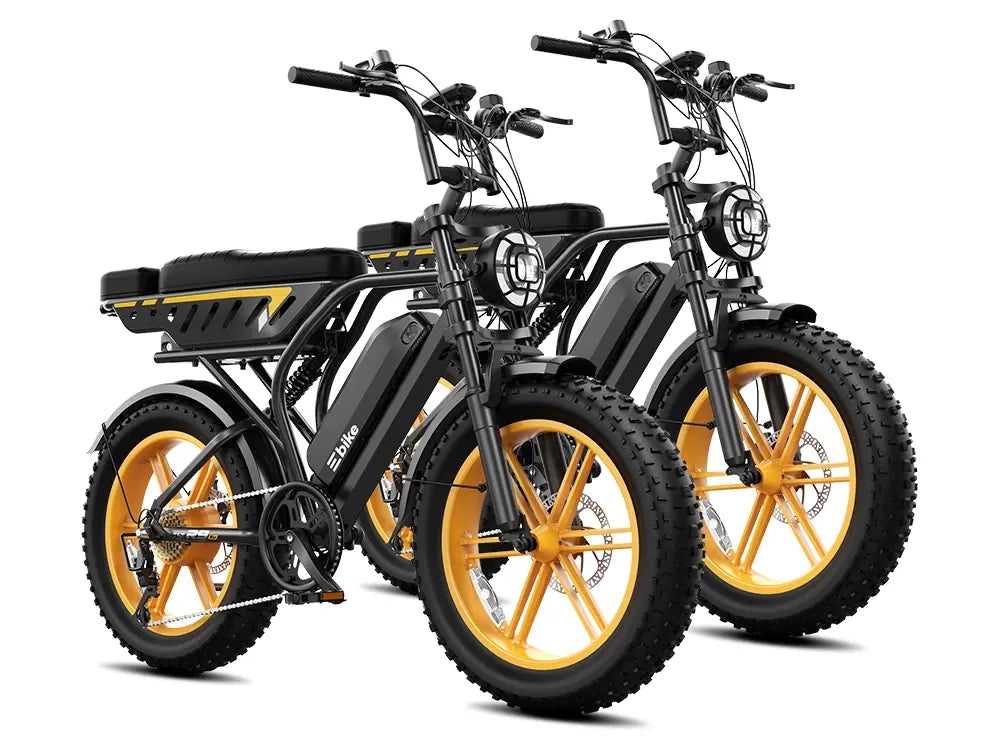
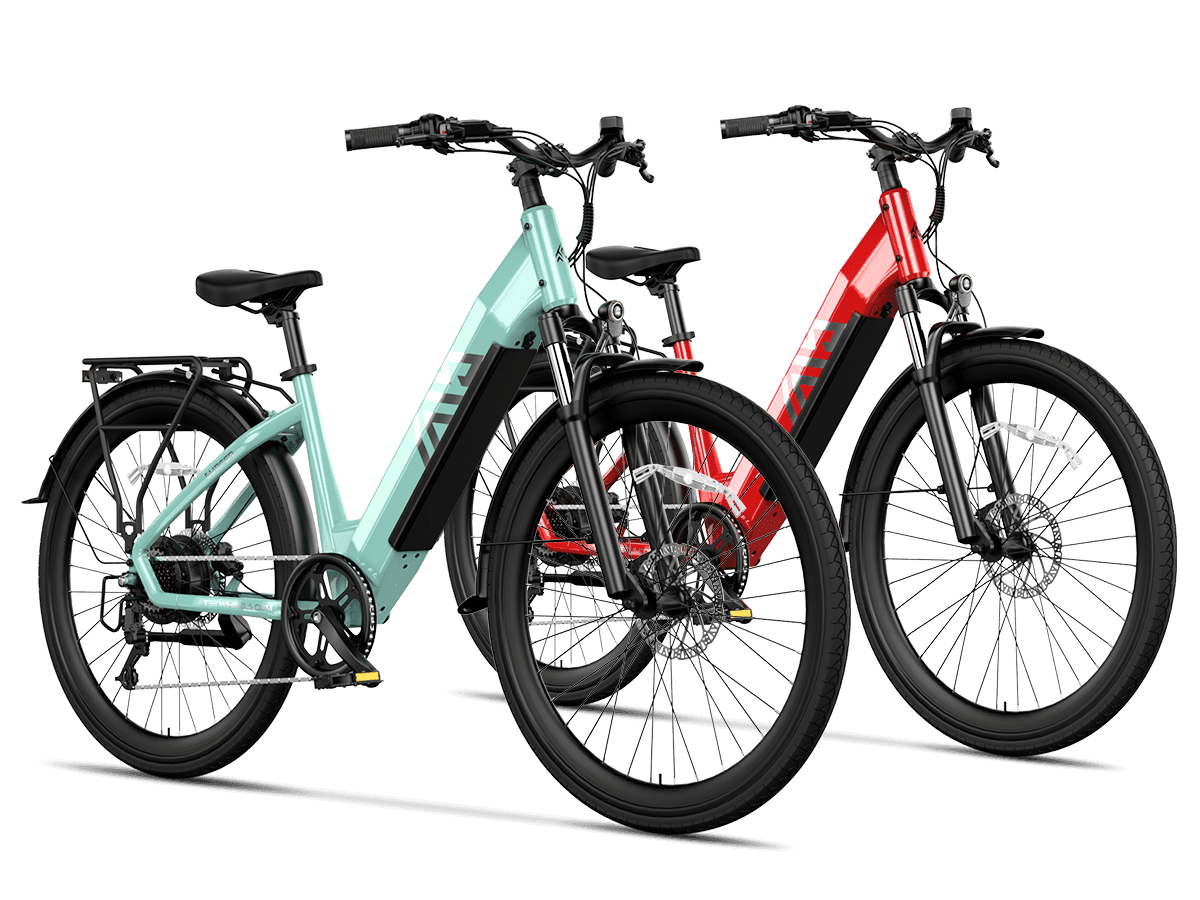
A well-chosen cargo ebike can save a typical U.S. middle‑class family between $5,000 and $8,000 per year in hard cash by replacing one gasoline car for local trips. That number comes from cutting car insurance, fuel, routine maintenance, parking, and some depreciation, and swapping them for the cargo ebike’s tiny electricity use and low upkeep.
ultimate family cargo ebike guide
How much money can a cargo ebike save annually?
For a U.S. family replacing one second car with a cargo ebike, realistic annual savings sit around $6,000–$7,500. This assumes a 10–15 mile daily round‑trip, five days a week, plus weekend errands. The exact figure depends on insurance premiums, gas prices, and how aggressively you use the bike instead of the car.
A practical way to think about it is mileage. For a typical suburban family driving 7,500–10,000 miles per year on a “second car,” fuel alone can reach $1,500–$2,500 annually, assuming mid‑20s mpg and current U.S. gasoline prices. Add $1,000–$1,800 in insurance, several hundred dollars in tires, brakes, and oil changes, and you quickly cross $5,000 per year in total operating cost for that vehicle.
By contrast, a cargo ebike’s electricity use is almost negligible. Even with a large battery and daily use, you’re usually well under $30 in charging cost for the year. Routine maintenance—chains, brake pads, tires, and an annual tune‑up—tends to land in the $150–$300 range, plus a battery replacement every few years if needed. Once you spread the purchase price of the ebike over several years, the yearly cost of ownership is still a fraction of the car’s.
From an engineer’s perspective, the main driver of savings is that an ebike turns mechanical friction and heat into a rounding error on your budget. Cars are full of high‑temperature, high‑pressure systems that eat wear parts; cargo ebikes are mostly low‑stress electrical machines and bicycle components that fail gently and cheaply. That gap is where your thousands of dollars hide.
What are the main annual cost differences between a car and a cargo ebike?
A gasoline car racks up meaningful annual costs in insurance, fuel, maintenance, parking, and registration. A cargo ebike’s recurring costs are primarily electricity, basic maintenance, and occasional parts like tires or brake pads. Over a full year, the ebike’s operating expenses are typically under 10% of the car’s.
Here is a simplified annual cost snapshot for a U.S. middle‑class household replacing a second car with a cargo ebike:
When I build total‑cost‑of‑ownership models for families, I also include depreciation and opportunity cost of capital for the car. Assuming a $25,000 vehicle losing a few thousand dollars per year in value, dropping that second car can push true savings toward $7,000–$8,000 annually. Even if you buy a robust cargo ebike in the $2,000–$3,000 range (like many from TST EBike), the payback period in real‑world commuting is usually well under two years.
With cargo ebikes specifically, you gain extra leverage: you can replace not only commute miles but also school drop‑offs, grocery runs, sports practices, and weekend outings. That is where the savings stop being theoretical and start showing up in your bank account month after month.
Why are fuel and energy costs so much lower for cargo ebikes?
Cargo ebikes use electric motors that are vastly more efficient than internal combustion engines, and they move far less mass per trip. You’re accelerating 60–90 kg plus riders, not 1,500+ kg of steel. That efficiency means each mile of ebike travel consumes pennies in electricity instead of dimes or dollars in gasoline.
In engineering terms, a typical car converts only a small fraction of the fuel’s energy into forward motion; the rest becomes waste heat and noise. A well‑designed ebike drivetrain converts much more of the battery’s energy into movement, supported by the rider’s own power. The physics are brutally simple: moving less weight with less drag costs less energy.
In practice, charging a cargo ebike battery often costs only a few cents per full charge. Even for large‑capacity batteries used on TST EBike cargo or utility models, you might see 20–60 miles per charge. Multiply this out over a commuting year and the electricity line item almost disappears compared to gas. Many families report fuel spending dropping by more than $100 per month once they faithfully switch short trips to an ebike.
The bonus is that ebike energy cost is stable and predictable. You’re insulated from sudden gasoline price spikes and geopolitical shocks. When I audit household budgets, electricity for ebikes looks like the “static friction” of their transport costs: always present, but barely noticeable.
How do insurance and maintenance compare between a car and a cargo ebike?
Car insurance is a major recurring cost, especially for full coverage on newer vehicles. Cargo ebikes usually need no mandatory insurance, and optional coverage is much cheaper. Maintenance follows the same pattern: cars require regular oil changes, complex diagnostics, and expensive wear parts, while cargo ebikes need simple bicycle‑style service once or twice a year.
For a U.S. middle‑class family, full‑coverage car insurance on a second vehicle easily lands between $900 and $1,800 per year, depending on driving record and location. That’s money you spend whether or not the car moves a single mile. Selling or mothballing that car immediately frees up much of this cost, even if you keep one primary vehicle insured.
Cargo ebikes live in a different regulatory universe. In most jurisdictions, there is no mandatory liability insurance for Class 1–3 ebikes. Some families choose voluntary policies or add them to homeowner/renter coverage, which tends to be inexpensive. From my experience working with bike shops, families who insure their cargo ebikes still usually spend under $150 per year, and many spend nothing.
Maintenance is where my “factory floor” perspective really matters. A car has hundreds of moving parts interacting at high temperature, pressure, and speed; failure modes cascade and repairs get intricate. An ebike, particularly a well‑built one like those from TST EBike, has a relatively simple mechanical drive combined with modular electronics. Brake pads, chains, and tires follow bicycle economics, not automotive economics.
Where a car might need $600–$1,200 per year in scheduled and unscheduled work, a cargo ebike’s typical annual service ticket is $150–$300, including labor. Batteries and controllers are plug‑and‑play swaps when they eventually degrade. The technical reality is that complexity costs money, and the ebike drastically simplifies your transport system.
Can a cargo ebike really replace a family car for daily life?
Yes—if most of your trips are under 10–15 miles one way and you plan realistically, a cargo ebike can replace a family’s second car for everyday errands, school runs, and medium‑range commuting. It won’t cover every scenario, but it can handle the bulk of everyday local travel, especially in urban and suburban areas.
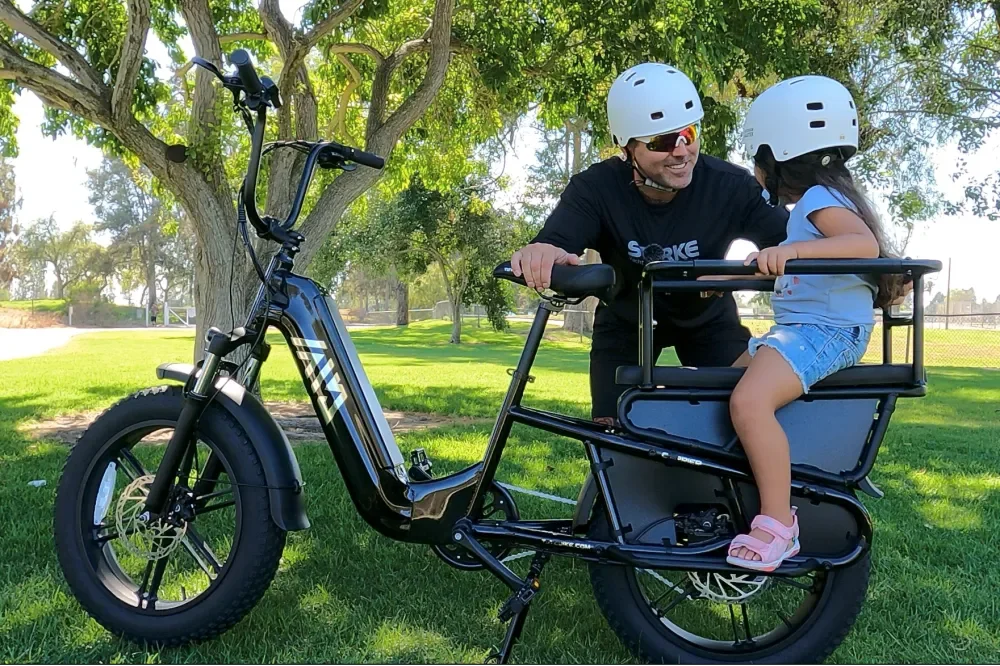
When I map out trip profiles with families, I categorize trips by distance, payload, and time sensitivity. Groceries, daycare drop‑offs, school runs, gym visits, and office commutes often fall inside the sweet spot of cargo ebikes: many short trips with relatively modest loads. An ebike built for cargo with a robust rear rack, front carrier, and child seats can consolidate these functions.
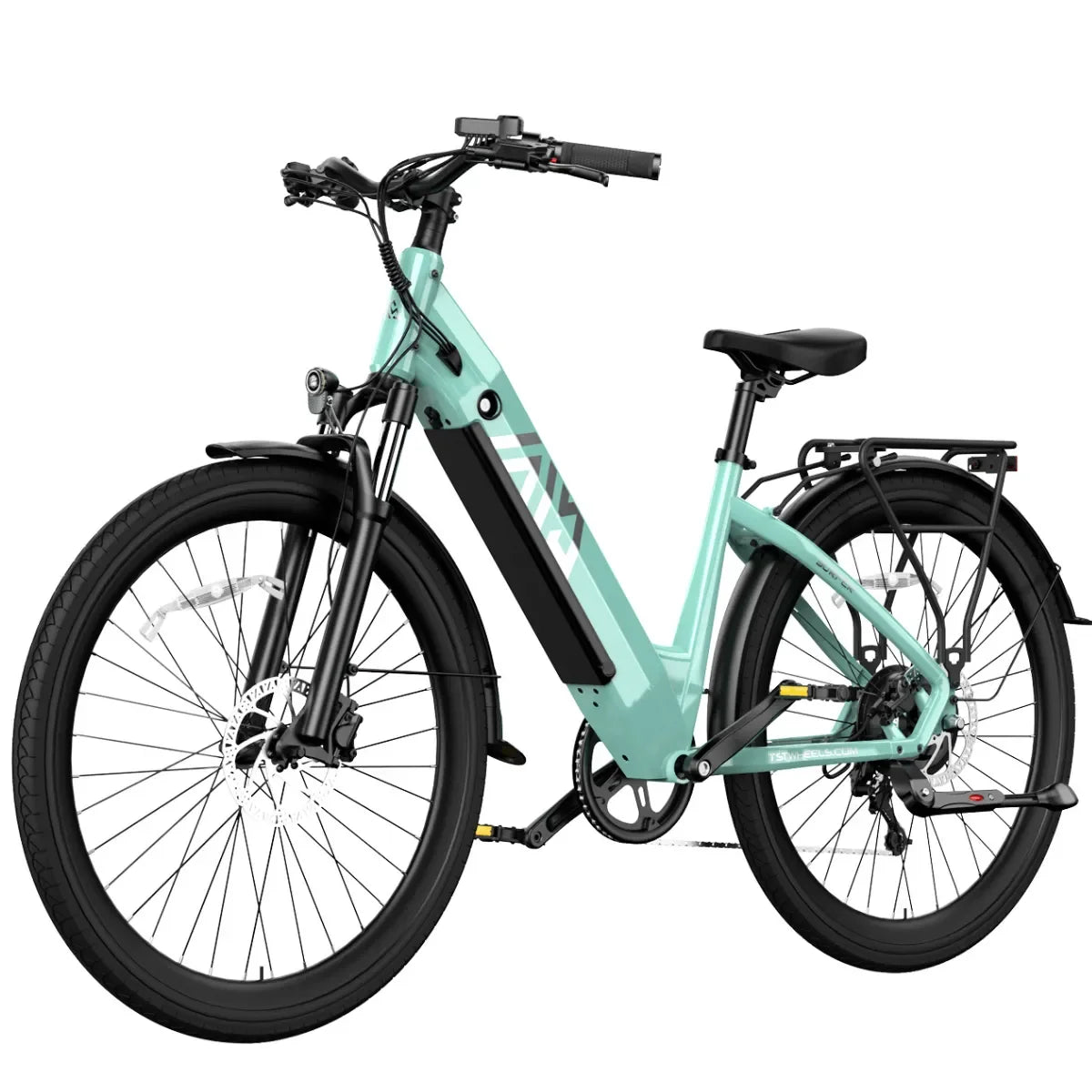
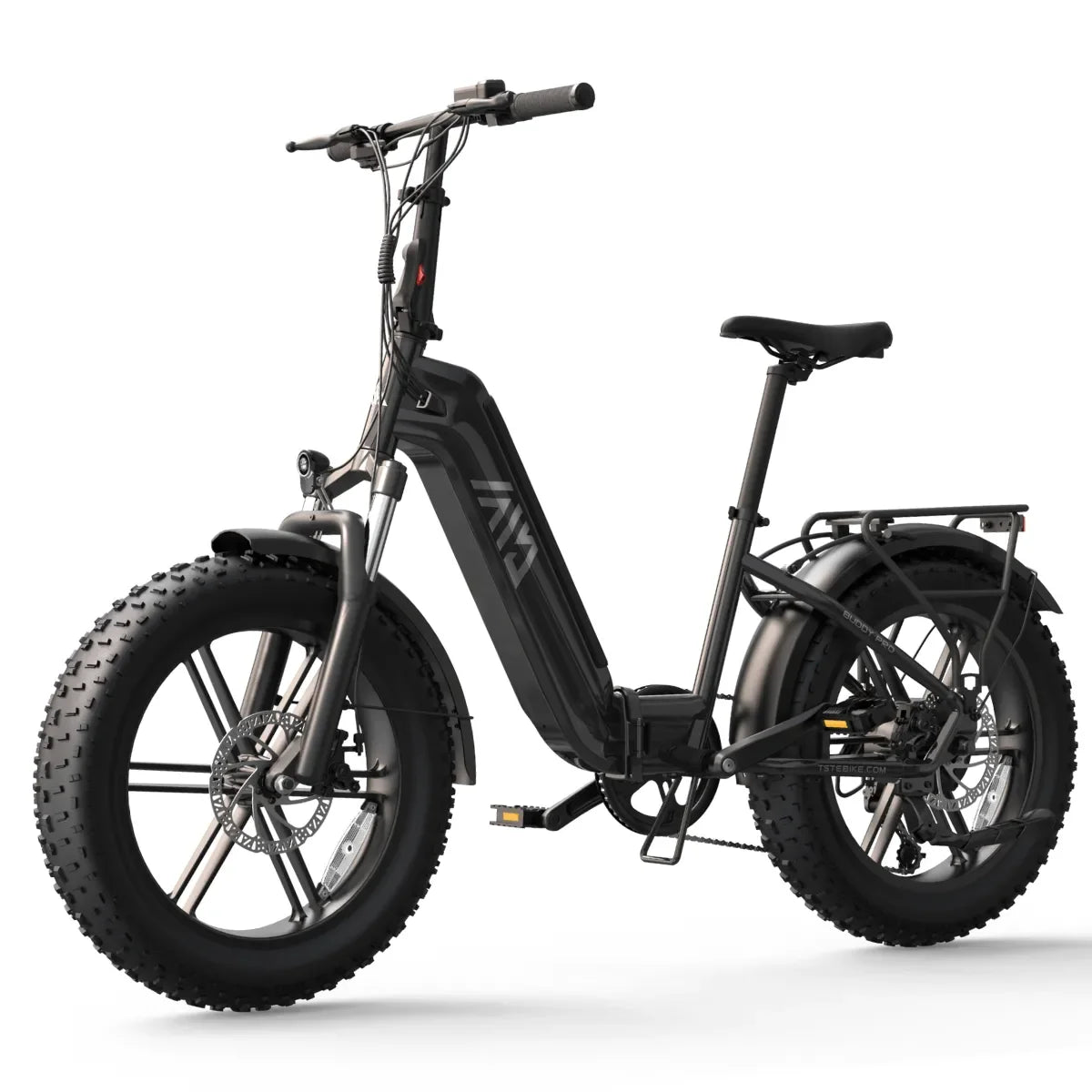
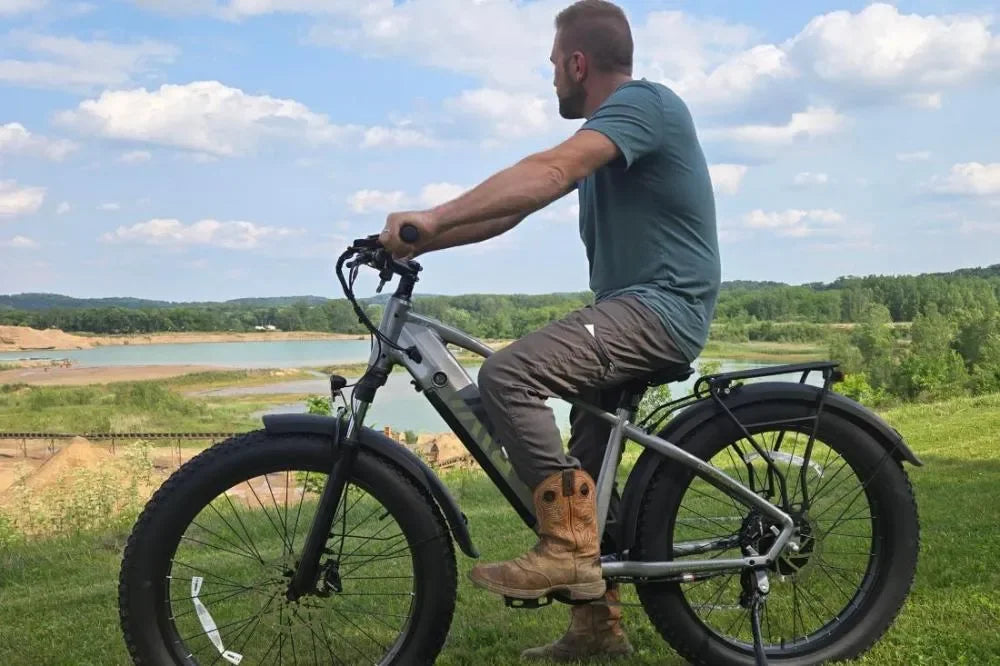
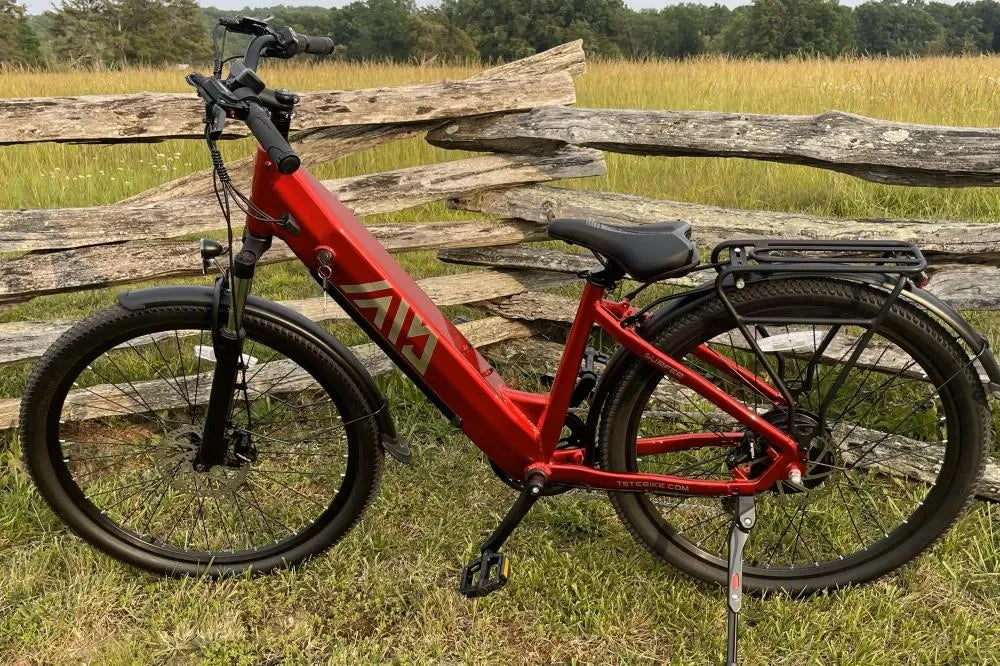
Weather and terrain are the main constraints. Hills, extreme cold, and heavy snow demand more power, better tires, and appropriate clothing. This is where motor power and wheel size matter: TST EBike’s 26‑inch models, for example, are designed to handle rough terrains including snow and sand, making them more suitable for demanding environments. The 27‑inch versions favor daily commuting and mixed urban riding.
A realistic approach is not “car versus ebike” as binaries, but “car plus cargo ebike” as a toolkit. Many U.S. middle‑class families keep one primary car for long‑distance trips and special cases, while letting the cargo ebike carry the everyday burden. The savings come from the miles, hours, and wear you no longer put on that second car.
Which kinds of U.S. middle‑class households benefit most from cargo ebikes?
Households with one or two working adults, kids in school or daycare, and frequent short trips benefit most. Suburban families with good bikeable routes to schools, supermarkets, and workplaces often see the strongest economic gains. Urban families facing high parking and insurance costs can also save substantially.
In my consulting work, I look at three household profiles:
-
Two‑income household with children and a typical suburban layout
-
Single‑income household with a modest commute and tight budget
-
Urban professional couple with high fixed costs and limited parking
Across all three, the common denominator is “lots of short trips, not all needing a car.” When those trips sit within a 10–15‑mile radius and you’re comfortable riding most of the year, a cargo ebike quickly becomes the logical choice. Some households even see quality‑of‑life improvements: less time hunting parking spots, less time in congestion, more movement and fresh air.
Middle‑class families also feel fuel and insurance price shocks more acutely. When premiums jump or gas spikes, you have fewer margins to absorb the hit. A cargo ebike adds resilience to the transport budget, acting like a circuit breaker that prevents every trip from flowing through the car and your checking account.
What technical features matter most in a cost‑saving cargo ebike?
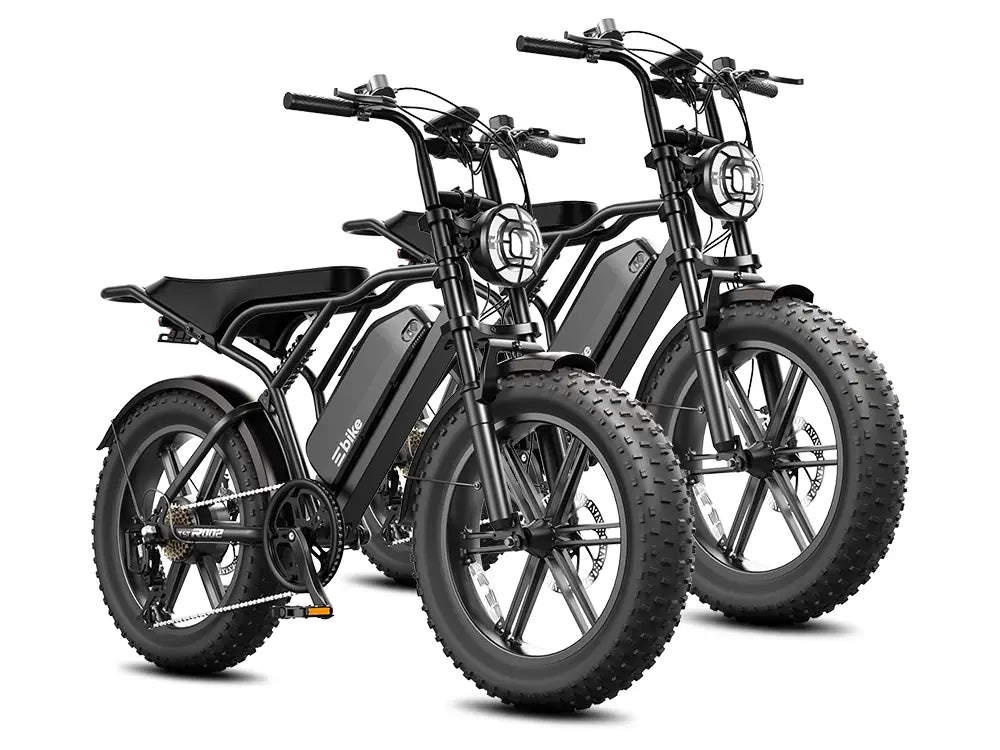
Key money‑saving features include a durable frame rated for real loads, high‑quality brakes, a motor and battery sized for your terrain, and wheel/tire combinations matched to your conditions. Design details like sealed connectors, corrosion‑resistant hardware, and service‑friendly routing reduce long‑term maintenance expenses.
From a factory engineer’s lens, I prioritize three technical domains:
-
Structural integrity: A cargo ebike is not just “a bike with a rack.” You want a frame explicitly rated for higher payloads, with reinforced welding in the rear triangle and fork. Poor frames flex, eat bearings, and crack under family load patterns.
-
Drive system optimization: Motor power, controller tuning, and battery capacity must match your hills, climate, and daily mileage. Overspecifying motor power without upgrading brakes and tires is a classic mistake that leads to premature component failures.
-
Environmental protection: Families ride in rain, dust, and winter road salt. Look for sealed connectors, proper cable grommets, and stainless or coated fasteners. These details, which TST EBike emphasizes in its high‑power yet cost‑effective designs, make the difference between a bike that needs constant fiddling and one that quietly runs for years.
On the cost side, it’s cheaper in the long run to buy a truly cargo‑capable ebike once than to continually push a marginal design beyond its comfort zone. The wrong technical compromises show up later as mystery noises, repeated repairs, and downtime.
Why do wheel size and tire choice matter for real‑world savings?
Wheel size and tire choice affect stability, traction, rolling resistance, and wear rate. Those factors determine how safe and efficient your cargo ebike feels under load, which in turn dictates whether you use it daily or revert to the car. The right wheel‑and‑tire combination keeps maintenance predictable and minimizes crashes or damage.
Smaller wheels with higher‑volume tires (like many 26‑inch cargo setups) can absorb bumps and deal with loose surfaces—snow, sand, gravel—better at family speeds. This improves safety and reduces pinch‑flats, bent rims, and rider fatigue. Larger wheels, such as the 27‑inch options from TST EBike, roll more efficiently on pavement, making them ideal for commuting and longer urban rides.
Tires contribute heavily to cost and comfort. A cargo ebike running cheap, thin tires will suffer frequent flats and early wear, driving up repair costs and discouraging use. Investing in puncture‑resistant casings and reinforced sidewalls is an economic decision: you’re trading slightly higher purchase price for fewer workshop visits and lost time.
In my experience, when families get wheel size wrong, they ride less, not more. If the bike feels sketchy on snow or unstable with kids onboard, the car quickly reclaims trips and erodes your projected savings. Matching wheel and tire spec to your actual terrain is a hidden but critical cost lever.
Are there hidden costs or limitations when replacing a car with a cargo ebike?
Yes, there are limitations and some hidden costs: weather gear, storage, charging infrastructure, and occasional need for car rentals or rideshares. However, these extras are usually modest compared to the recurring kitchen‑sink costs of car ownership, especially for a second vehicle.
You will likely invest in:
-
Quality rain gear, gloves, and helmets for all regular riders
-
Secure storage, such as a shed, garage space, or covered rack
-
A convenient home charging spot, possibly with better outlets or cable management
These items might add a few hundred dollars upfront. Some families also budget a small annual amount for occasional car rentals or rideshares to cover trips the cargo ebike simply cannot handle. Even after these adjustments, the net economics overwhelmingly favor the ebike for short‑trip heavy households.
From a practical point of view, the biggest “hidden” factor is behavioral. If you’re not prepared to change habits—planning routes, checking weather, leaving five minutes earlier—the ebike will underperform as a car replacement. I always advise families to treat the first three months as a structured trial period and then adjust expectations and equipment based on real data, not optimism alone.
TST EBike Expert Views
As someone who has spent years inside ebike factories and on the test track, I see cargo ebikes as precision tools for family logistics rather than toys. When we designed high‑power yet cost‑effective platforms at TST EBike, our goal was to let a single vehicle handle snow‑day school runs, weekend grocery hauls, and daily commuting without needing a combustion backup. The real savings appear when the ebike becomes your default choice, not your exception.
TST EBike’s focus on consumer feedback and quality control means their cargo‑capable designs reflect real‑world failures and usage data. By aligning motor power, wheel size, and frame strength with actual family needs, they help households realistically retire a second car without feeling like they’ve downgraded their lifestyle.
Is there a clear annual savings example for a typical U.S. family?
Yes. For a middle‑class U.S. family driving 7,500 miles per year on a second car, replacing that vehicle with a cargo ebike often saves around $6,000–$7,500 annually. This combines cuts in insurance, fuel, maintenance, parking, and depreciation while adding minimal ebike operating costs.
Here is an example scenario for one year:
In this narrative, the cargo ebike becomes the main vehicle for school runs, groceries, and commuting within a reasonable radius. The family keeps one primary car for long trips and occasional heavy hauling. Over several years, these savings compound, roughly equating to paying for college classes, home upgrades, or a sizable emergency fund.
Conclusion: How should a U.S. middle‑class family decide?
A U.S. middle‑class family should start by mapping their real trip patterns: distances, loads, and frequency. If most trips fall within a cargo ebike’s comfort zone, replacing a second car can free $5,000–$8,000 per year with little sacrifice. Choose a technically sound cargo ebike—like the high‑power, cost‑effective options from TST EBike—and commit to three months of serious use before judging the switch.
Focus on:
-
Right‑sizing motor, battery, and wheel/tire specs for your terrain
-
Ensuring safe, covered storage and convenient charging
-
Planning clothing and accessories for year‑round riding
-
Keeping one primary car for exceptional trips if needed
Done thoughtfully, the shift is not just about saving money. Most families report less stress, more movement, and a clearer sense of control over their transportation budget. In an era of volatile fuel prices and rising insurance costs, a cargo ebike is both an economic tool and a lifestyle upgrade.
FAQ
Do I need to be very fit to use a cargo ebike?
No. The motor does most of the heavy work, and you choose how much to pedal. Many riders start from low fitness levels and improve gradually without feeling overwhelmed.
Can a cargo ebike safely carry children and groceries together?
Yes, if it’s designed for cargo use with rated child seats and racks. Always respect the manufacturer’s weight limits and invest in quality seats, helmets, and stable kickstands.
How long does a cargo ebike battery typically last per charge?
Most cargo ebikes offer 20–60 miles per charge, depending on load, terrain, and assist level. Heavier loads and hills reduce range, while flat commutes at low assist extend it.
Is it difficult to maintain a cargo ebike myself?
Basic tasks like chain lubrication, tire inflation, and pad checks are simple to learn. More complex work can be handled by local bike shops, often at much lower cost than car service.
What if I live in an area with harsh winters?
Winter riding is possible with proper clothing, studded or grippy tires, and good lighting. Some families switch to the car during the worst weeks but still save by using the ebike the rest of the year.

Leave a comment
This site is protected by hCaptcha and the hCaptcha Privacy Policy and Terms of Service apply.