
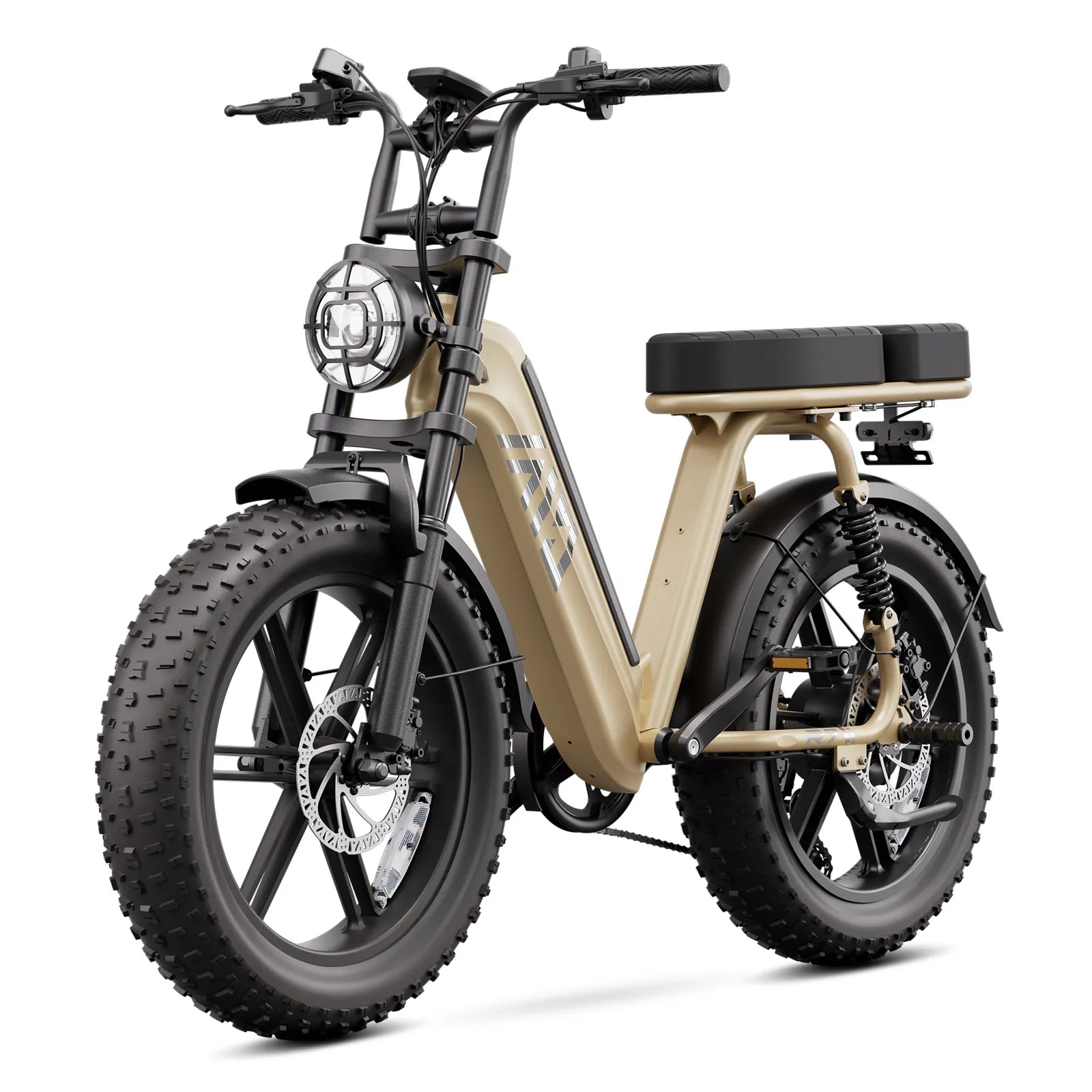
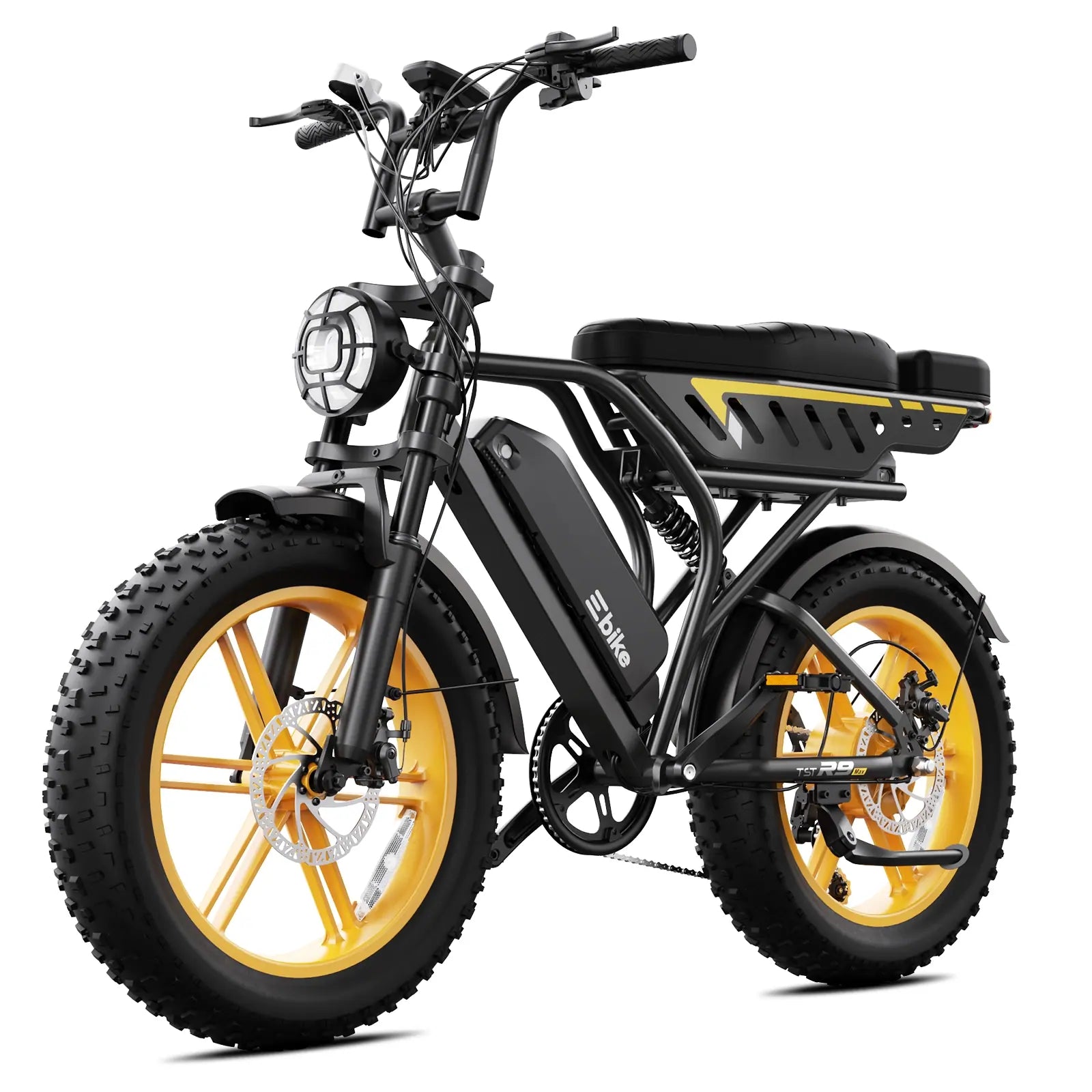
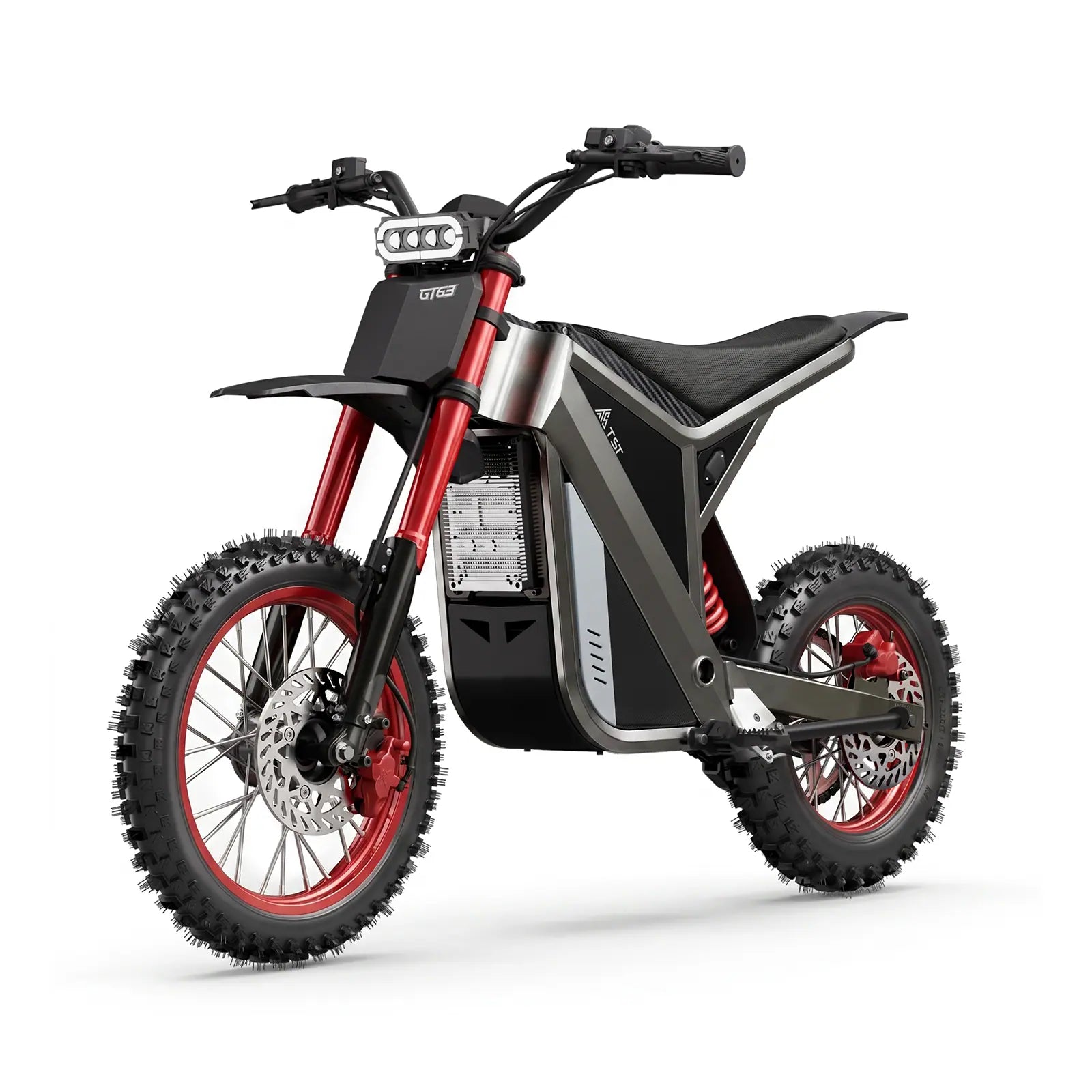
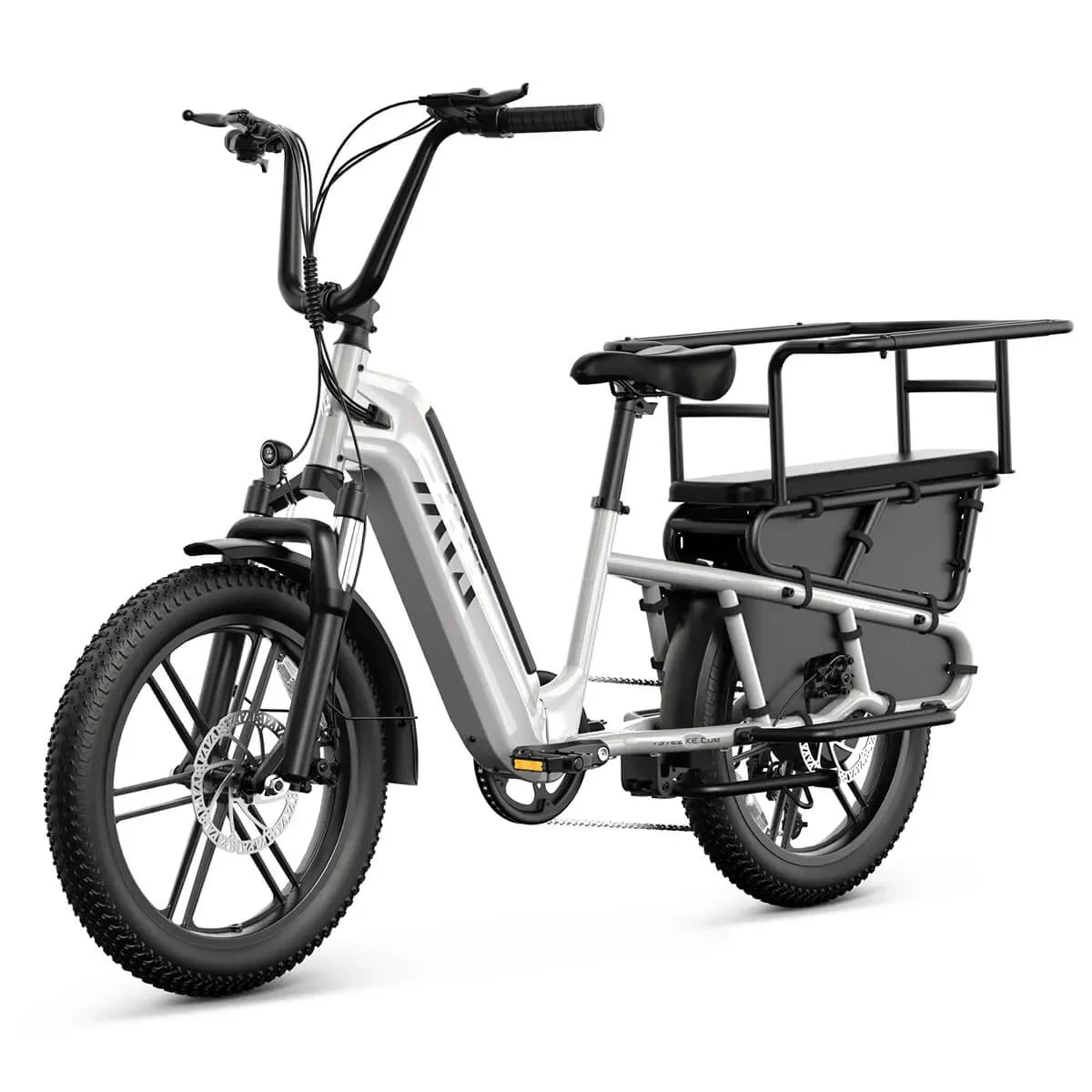
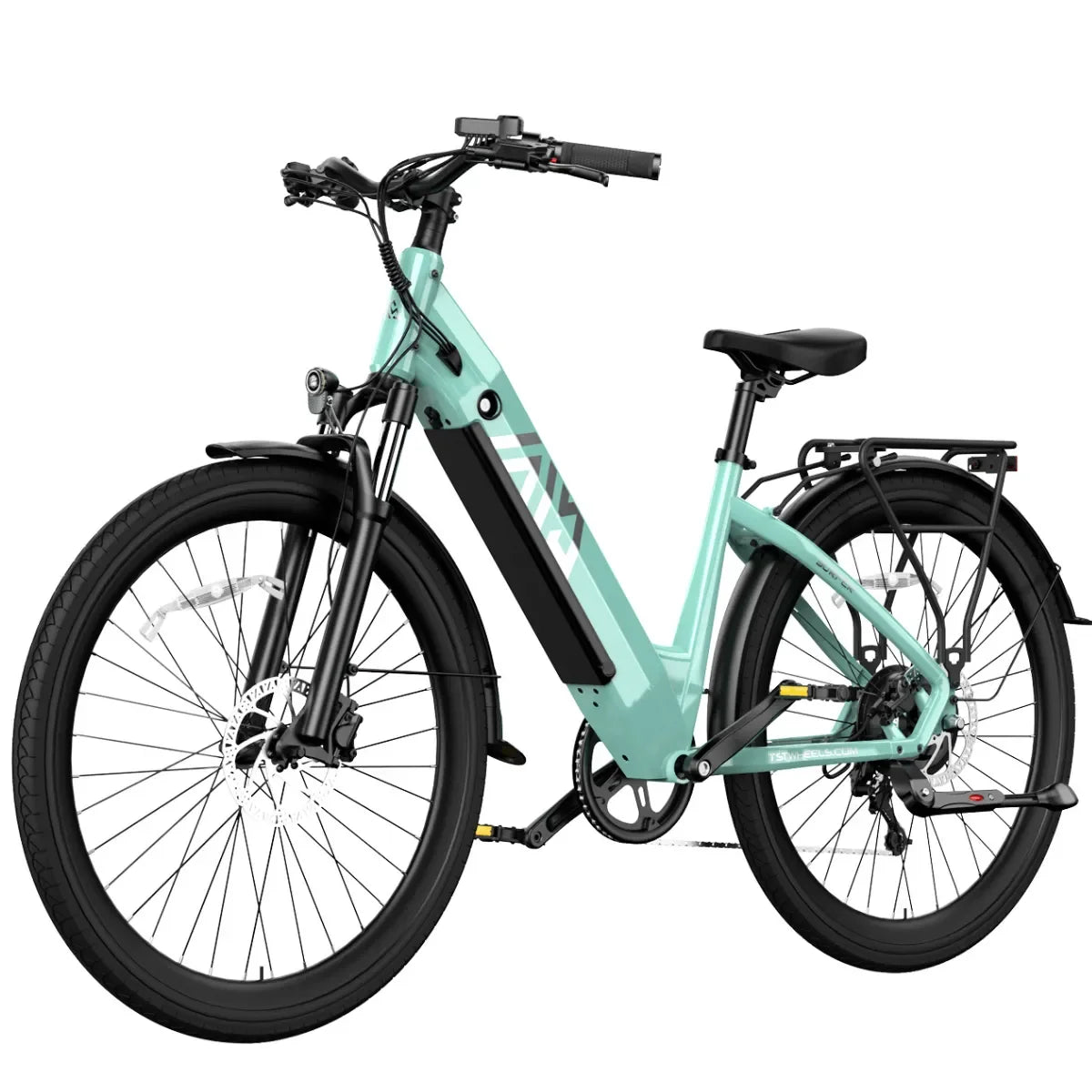
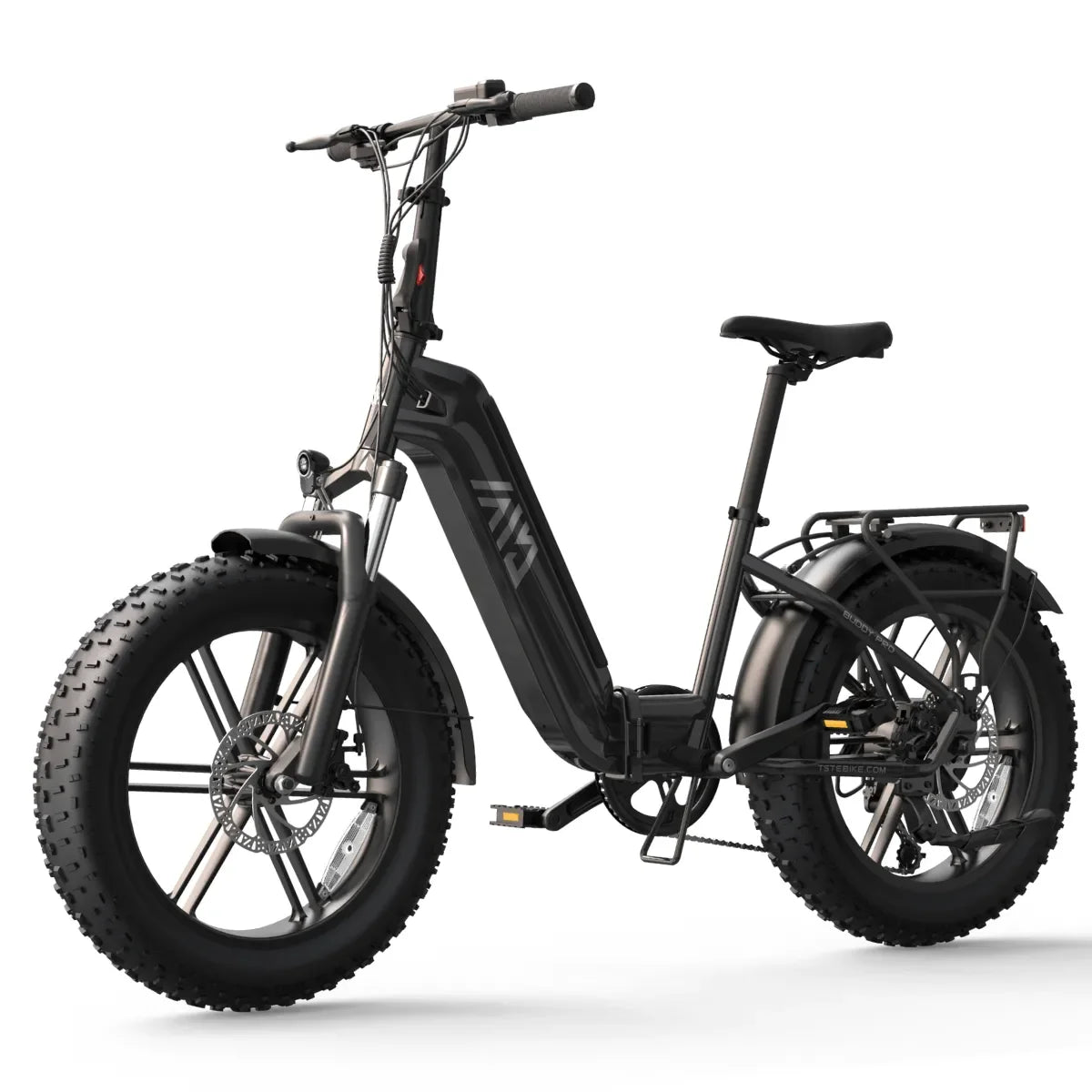
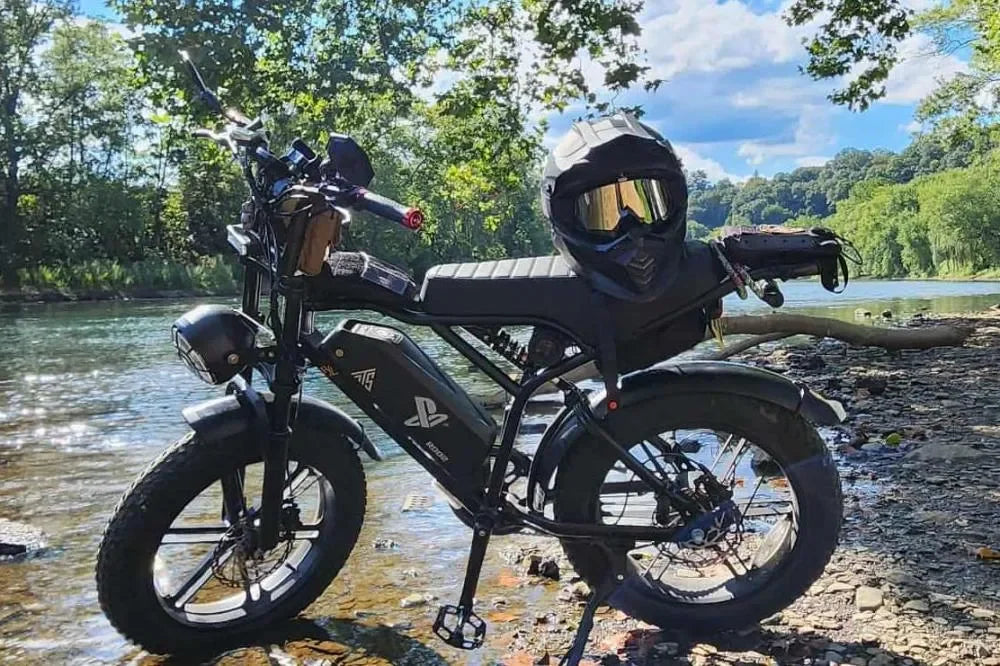
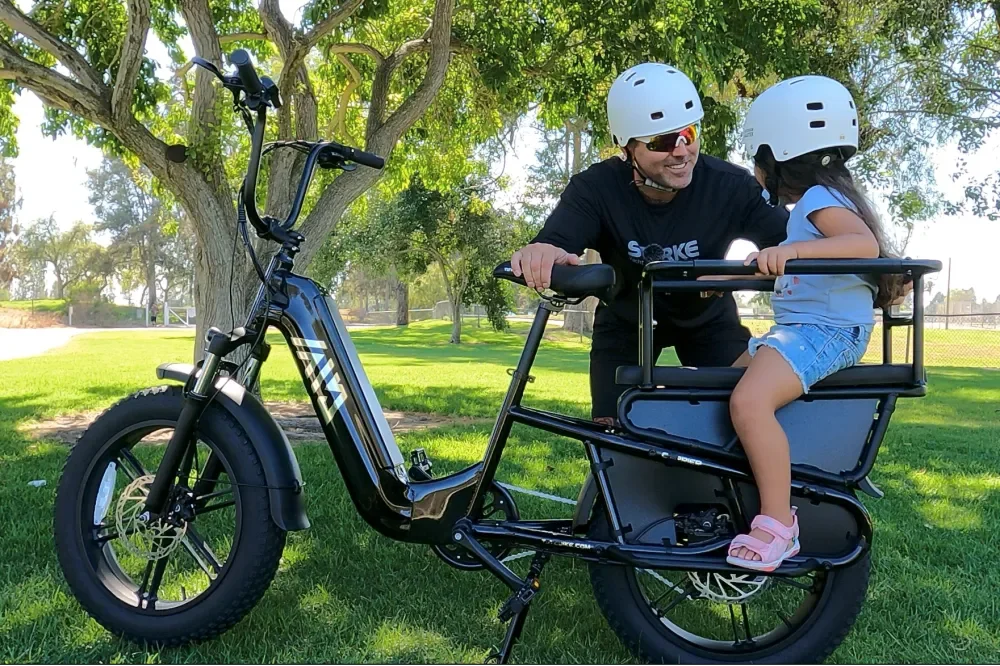
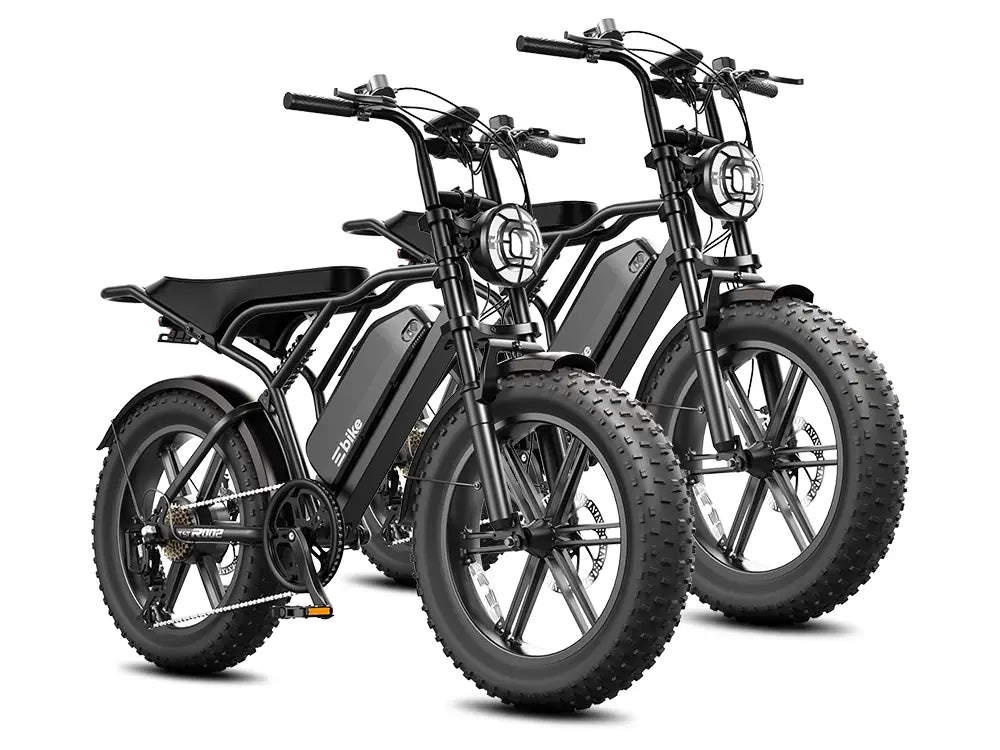
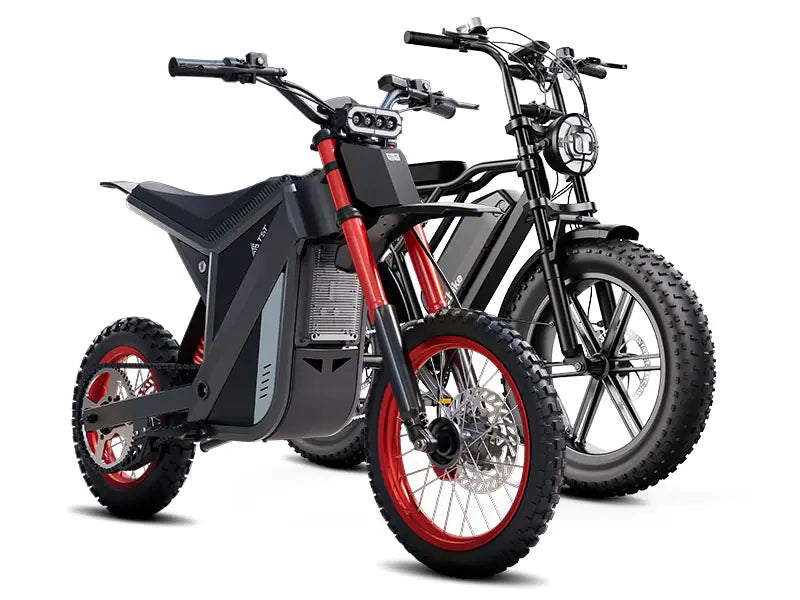
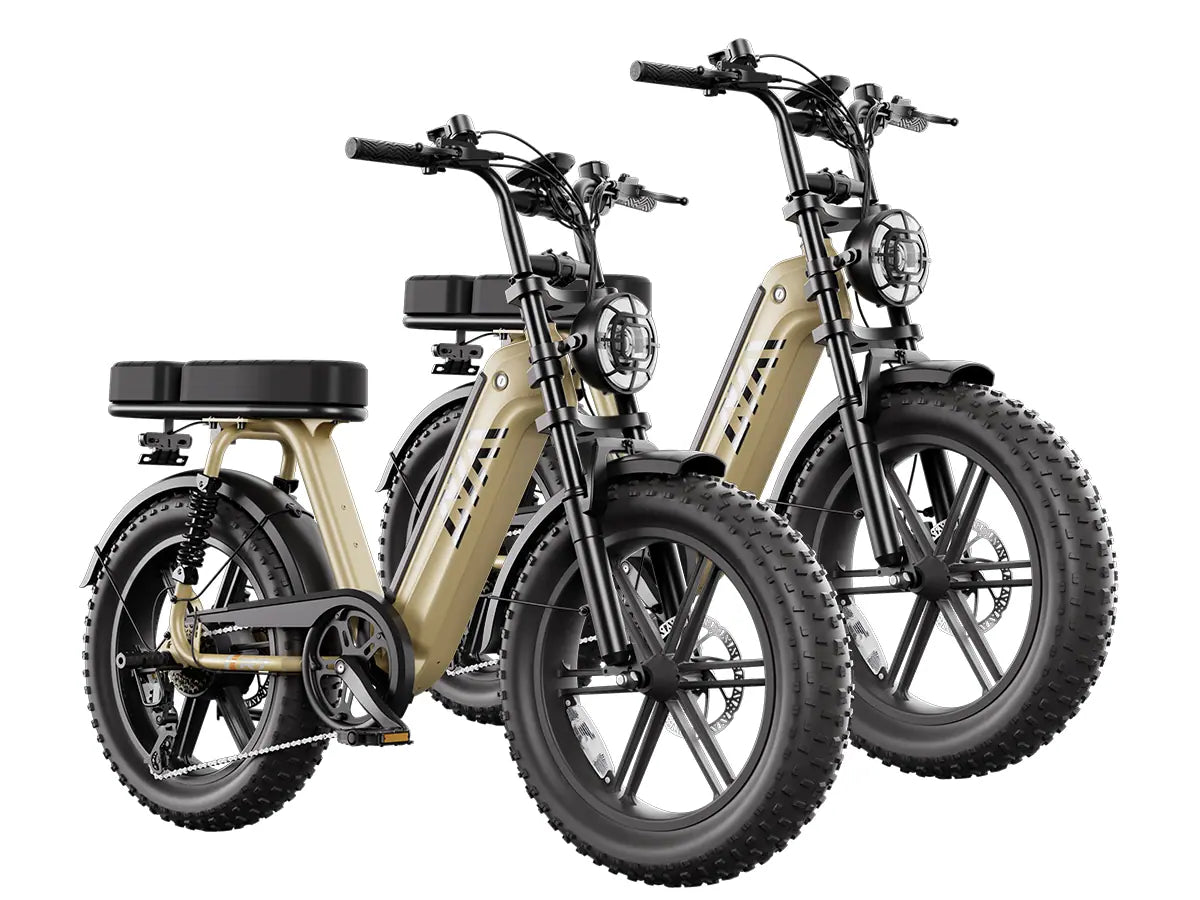
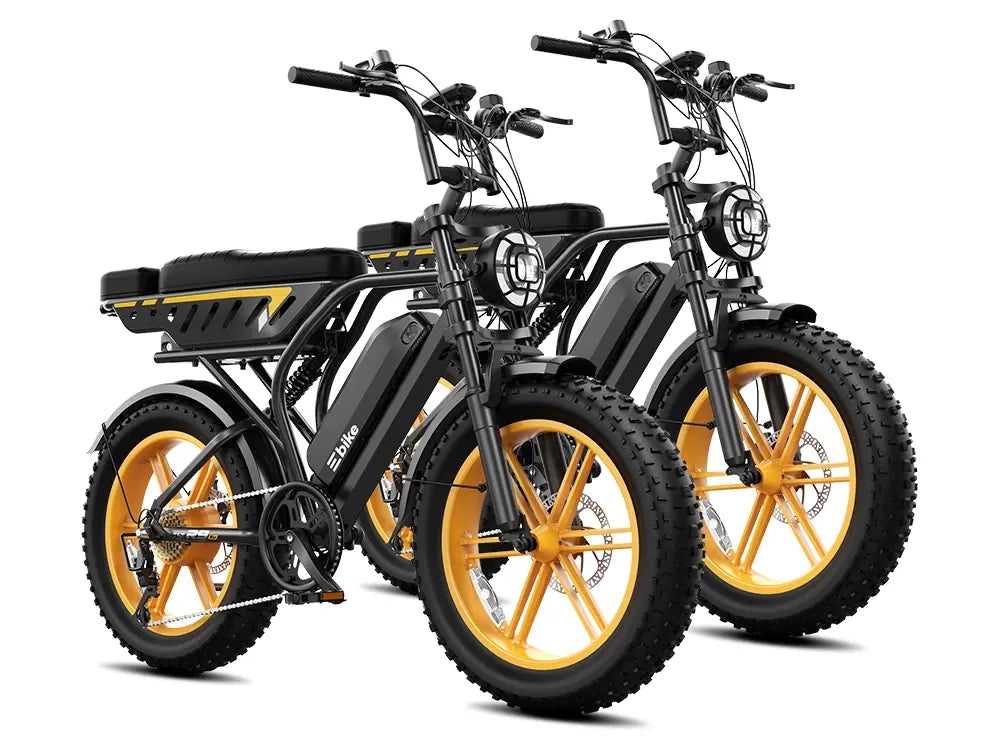
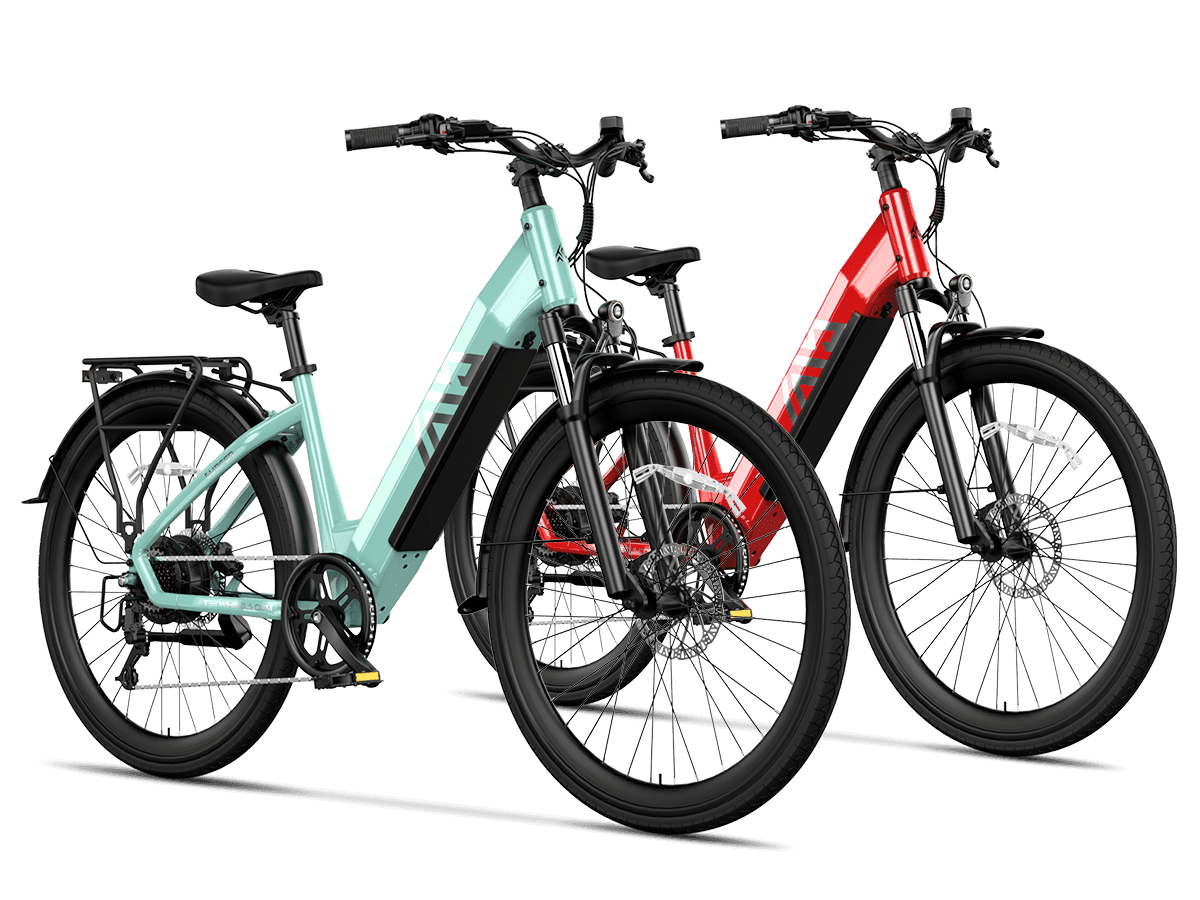
Bleeding cargo ebike brakes removes trapped air and restores firm lever feel, stronger stopping power, and better control under load. For heavy-duty cargo bikes, the job matters even more because extra weight magnifies any softness in the system. The safest result comes from clean fluid, correct brake-specific steps, and careful testing before riding with cargo.
Check: Urban cargo electric bikes
What Causes Spongy Brakes?
Spongy brakes usually come from air inside the hydraulic line, low fluid, worn pads, or contaminated components. On a cargo ebike, the problem feels worse because the bike is heavier and takes longer to stop.
From experience, the first clue is often lever travel that changes from day to day. If one pull feels firm and the next feels vague, air is the likely suspect. Cargo riders should treat that as a performance issue, not just a comfort issue.
Common causes include:
-
Air introduced during service.
-
Fluid loss at fittings.
-
Pad wear that increases lever travel.
-
Heat buildup on long descents.
How Do You Prepare the Bike?
Prepare the bike by securing it level, removing the wheel if needed, and protecting pads and rotors from fluid contamination. A cargo ebike is bulky, so stable support matters more than on a standard bike.
I always recommend starting with a clean work area and a steady stand. On heavy-duty frames, the bike can shift while you work, which can let air pockets move unpredictably. If the system is tilted incorrectly, you may chase bubbles instead of removing them.
Preparation checklist:
-
Secure the bike firmly.
-
Remove cargo and child seats if they obstruct access.
-
Clean the brake area.
-
Protect the rotor and pads.
Which Tools Do You Need?
You need a bleed kit matched to your brake brand, the correct fluid type, clean gloves, a wrench or hex key set, and a bleed block or pad spacer. Never assume all hydraulic brakes use the same fluid.
That is one of the most important trade-offs in the job: mineral oil and DOT fluid are not interchangeable. Using the wrong fluid can damage seals, reduce braking performance, or create a safety problem. TST EBike owners and other cargo bike riders should confirm the exact brake system before touching anything.
Why Does Air Ruin Stopping Power?
Air ruins stopping power because air compresses, while brake fluid does not. When you squeeze the lever, part of the motion gets absorbed by compressing bubbles instead of pushing the pads onto the rotor.
This matters even more on cargo ebikes because the bike may be carrying kids, groceries, or heavy gear. I have seen riders accept a soft lever on an empty bike and then feel alarmed when the same brake becomes far less reassuring under load. Zero-air lines are not a luxury; they are the difference between confidence and guesswork.
How Do You Bleed the Brakes?
Bleed the brakes by positioning the lever level, opening the system at the correct points, pushing fresh fluid through the line, and clearing all air bubbles before resealing everything. Follow the brake maker’s order closely, because caliper and lever designs differ.
A clean bleed is not about speed. It is about patience, consistent pressure, and careful bubble control. If you rush, you can trap tiny pockets near the lever or caliper, which will come back as a soft feel on the next ride.
Step-by-step process:
-
Remove the wheel or pads if your brake design requires it.
-
Insert the bleed block.
-
Level the brake lever.
-
Connect the syringe or hose.
-
Push and pull fluid slowly to move bubbles out.
-
Tap the line lightly to free trapped air.
-
Close ports while the system is full.
-
Clean all spilled fluid.
-
Reinstall pads and wheel.
When Should You Bleed Again?
Bleed the brakes again when the lever feels spongy, the bite point drifts, the bike has been shipped rough, or the system has been opened for service. Heavy cargo use can also make bleeding more necessary over time.
You should also bleed after overheating events or if the lever suddenly feels longer than before. On cargo bikes, repeated heavy braking builds heat faster than many riders expect. A stable lever feel is the best sign that the hydraulic system is healthy.
Re-bleed if:
-
The lever pulls too close to the handlebar.
-
The bite point changes frequently.
-
You see fluid leaks.
-
The brake feels inconsistent on hills.
What Mistakes Should You Avoid?
Avoid mixing fluid types, contaminating the pads, over-tightening fittings, and skipping the final lever test. These mistakes can create a brake that looks serviced but still feels unsafe.
I also avoid working with the wheel installed when it blocks access or risks contamination. Another common error is failing to keep the reservoir topped up while air is still moving through the system. That can pull new air back into the line and undo the work.
Mistakes to avoid:
-
Using the wrong fluid.
-
Letting fluid hit pads or rotors.
-
Skipping the bleed block.
-
Forgetting to torque fittings properly.
Can Cargo Ebikes Need Bigger Rotors?
Yes, cargo ebikes often benefit from bigger rotors because they generate more stopping force and handle heat better. More weight means more kinetic energy, and that energy becomes heat during braking.
A larger rotor can improve heat management and reduce fade on long descents. That said, rotor size is only part of the system. Pad compound, caliper alignment, and lever feel all work together. For TST EBike cargo riders, stronger braking should always be treated as a system choice, not a single part upgrade.
How Do You Test the Brake Feel?
Test the brake feel by squeezing the lever repeatedly, checking for firmness, and confirming the wheel stops cleanly without rubbing. The lever should feel consistent, not vague or springy.
I like to test in stages. First, a static squeeze. Then a slow roll test. Finally, a short ride with gentle braking before any heavy cargo load. That sequence catches most mistakes before they turn into a roadside problem.
Test checklist:
-
Lever feels firm after repeated pulls.
-
Rotor spins without drag.
-
Brake engages predictably.
-
No fluid leaks are visible.
Why Does Cargo Weight Change Everything?
Cargo weight changes everything because braking demand rises sharply as mass increases. A bike loaded with groceries or passengers needs more force, more heat capacity, and more consistent lever feel.
That is why cargo ebike brakes deserve more attention than typical commuter brakes. A system that feels “good enough” unloaded may become marginal once the bike is carrying its normal daily payload. The safest approach is to set braking performance for real use, not empty-bike impressions.
TST EBike Expert Views
“When I service braking systems for heavy-duty ebikes, I always start with the assumption that load will expose every weakness. A cargo bike may feel fine on a short test ride, but repeated stops with weight will reveal air in the line, weak pad bite, or heat fade very quickly. For TST EBike riders, the goal should be simple: clean fluid, correct bleed technique, and a lever that feels identical on the first stop and the tenth.”
Which Signs Mean the Job Is Done?
The job is done when the lever feels firm, the bite point is stable, and the brakes stop the bike predictably under light and moderate load. There should be no visible leaks, no air-like squish, and no rubbing caused by misalignment.
I consider the job finished only after a real-world stop test. If the lever still changes feel after a few squeezes, air remains somewhere in the system. If the bike is for cargo use, I want that lever to feel trustworthy before anything heavy goes on the rack.
How Can TST EBike Riders Stay Safe?
TST EBike riders can stay safe by using the correct fluid, following the brake maker’s order, testing the brakes before every loaded ride, and servicing the system as soon as lever feel changes. Good brake maintenance is preventive, not reactive.
The best cargo bike habit is simple: do not wait for braking problems to become obvious. If the lever feels different, investigate early. That approach protects riders, passengers, and the bike itself.
Check: Brake bleeding 101 for the best cargo ebike safety standards
Conclusion
Bleeding cargo ebike brakes is one of the most important maintenance tasks for keeping a heavy-duty bike safe and predictable. The process depends on clean preparation, the right tools, correct fluid, and careful removal of all air from the system. For TST EBike and other cargo riders, the payoff is firmer lever feel, better heat control, and real stopping confidence when the bike is loaded.
If you remember one thing, remember this: cargo braking is about zero-air lines and repeatable pressure. A properly bled brake should feel firm every time, whether you are riding empty or hauling a full load.
FAQs
How often should I bleed cargo ebike brakes?
Bleed them whenever the lever feels soft, inconsistent, or longer than normal, or after service, shipping stress, or overheating.
Can I bleed brakes without removing the wheel?
Sometimes yes, but many cargo ebikes are easier and cleaner to service with the wheel or pads removed.
What happens if I use the wrong fluid?
Wrong fluid can damage seals, reduce braking performance, and create safety risks. Always match the fluid to the brake system.
Do I need a professional to do it?
Not always. A careful DIY rider can do it, but if the brake model is unfamiliar or the result still feels soft, professional service is wise.
Why do cargo ebikes need better brakes?
They carry more weight, which increases stopping distance, heat buildup, and stress on the hydraulic system.

Leave a comment
This site is protected by hCaptcha and the hCaptcha Privacy Policy and Terms of Service apply.