
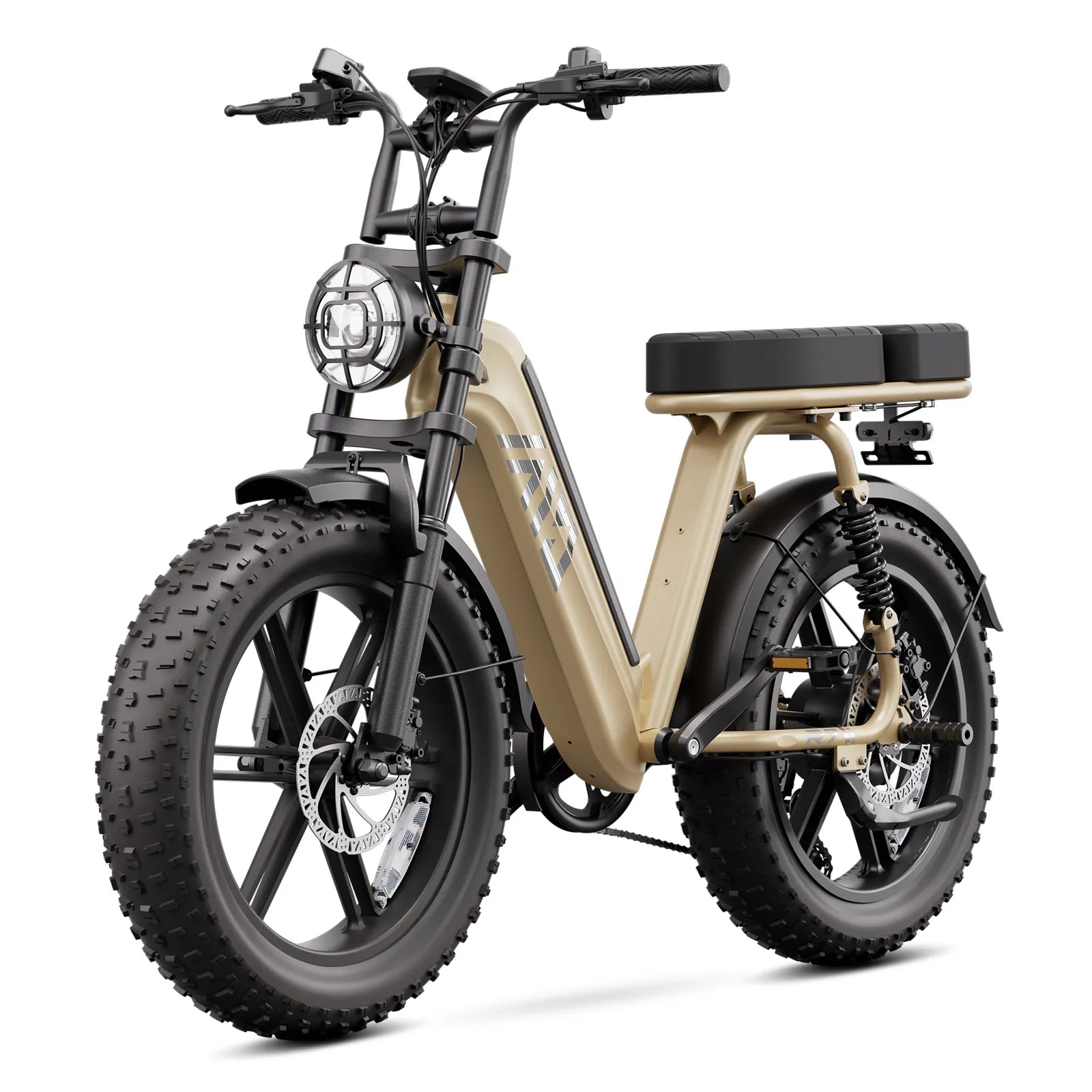
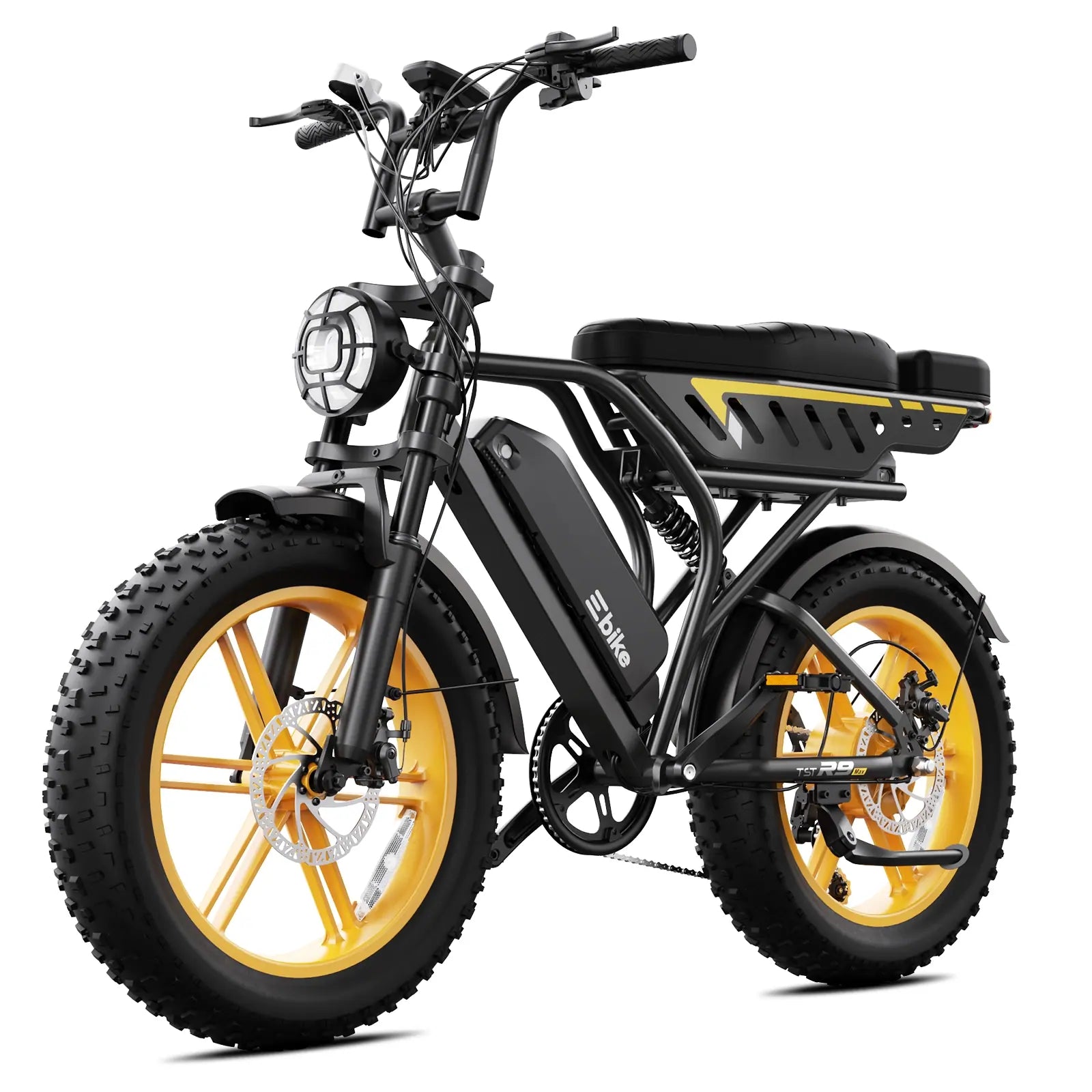
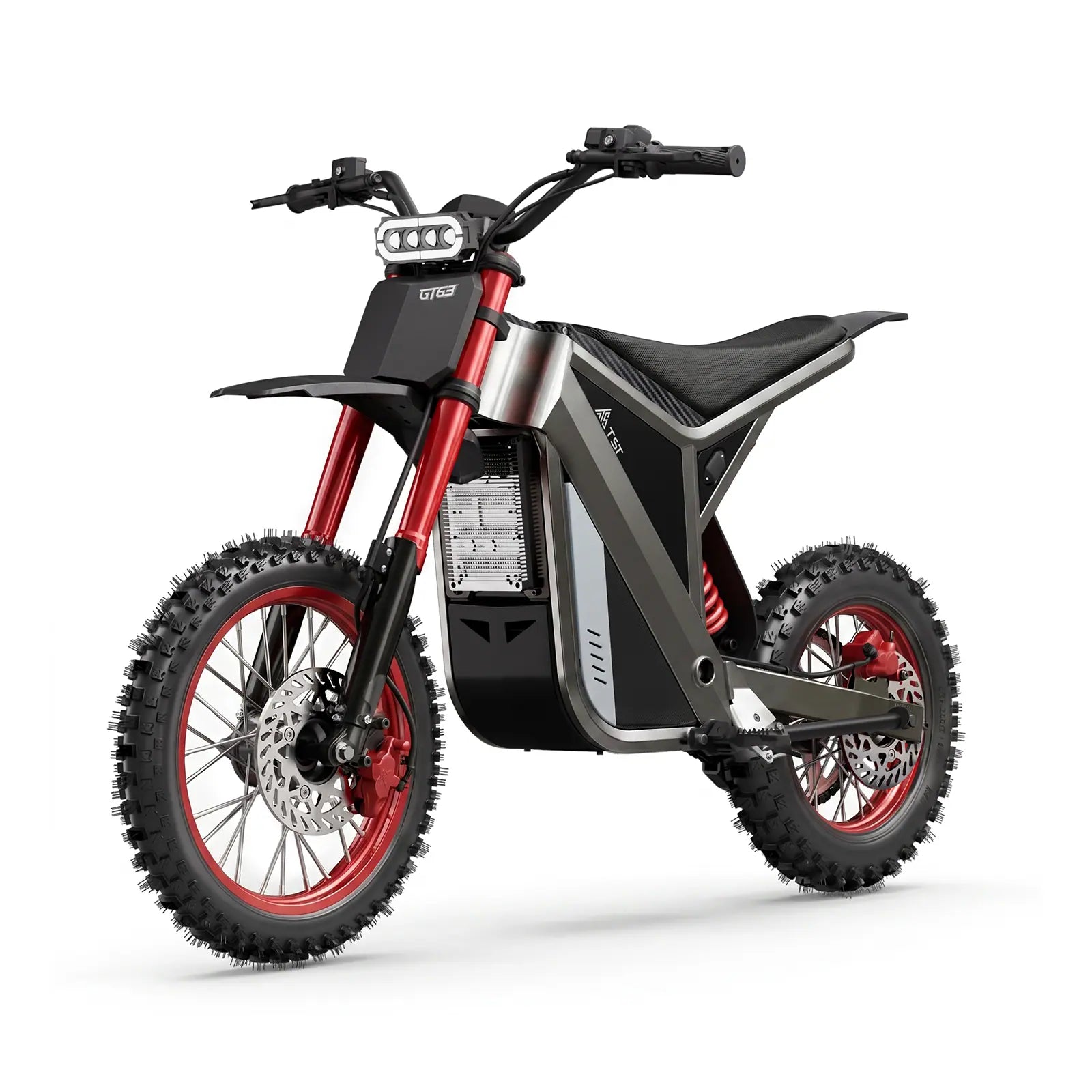
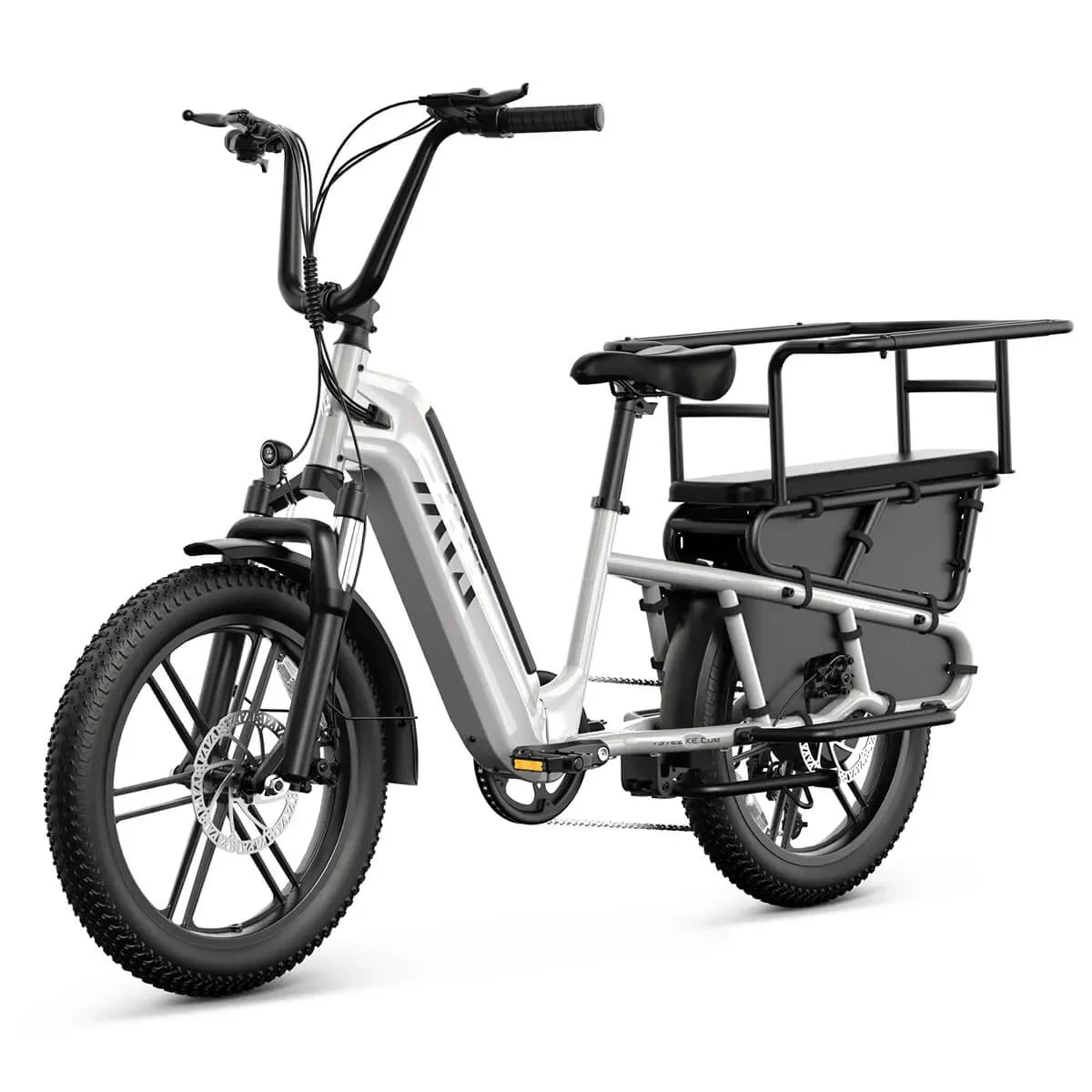
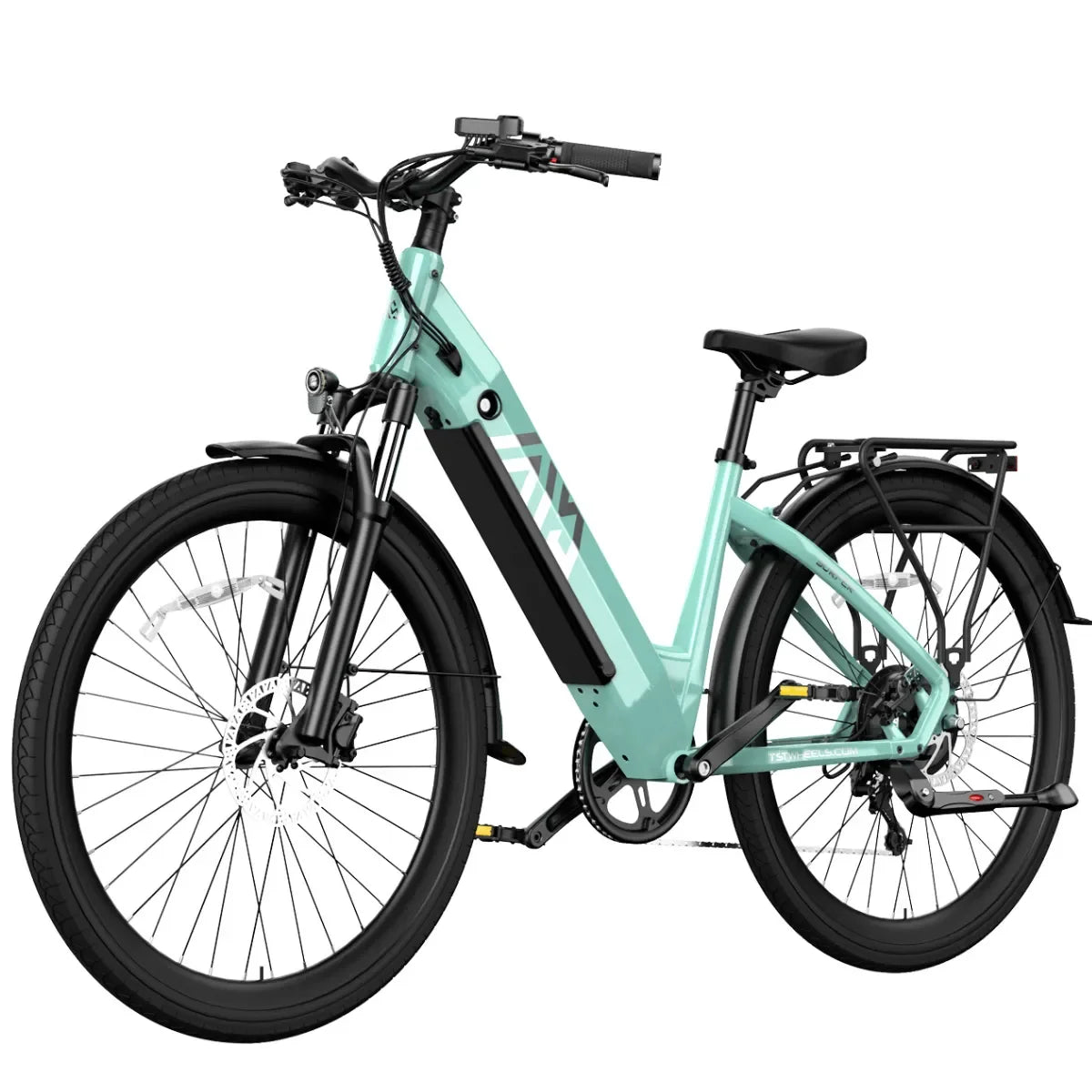
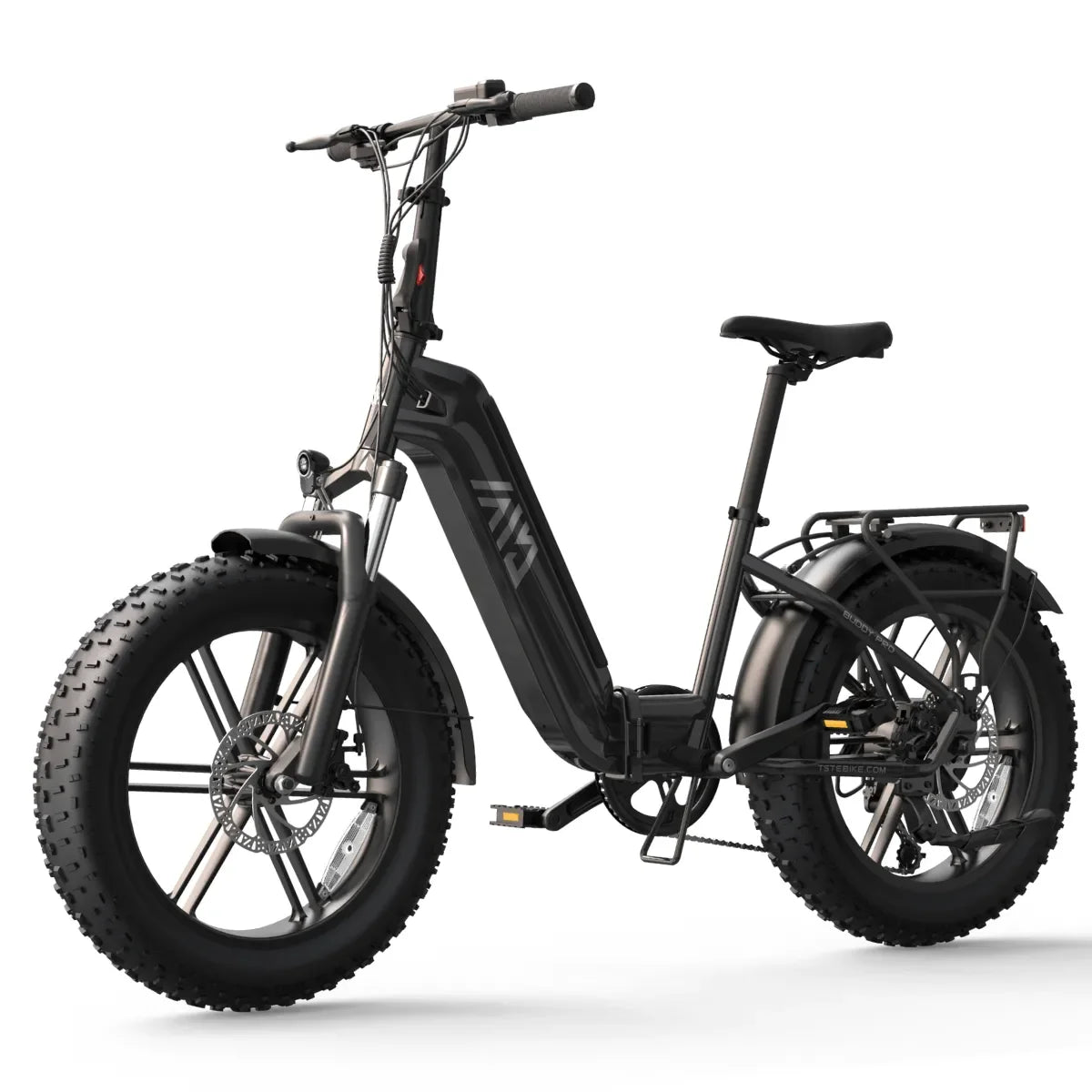
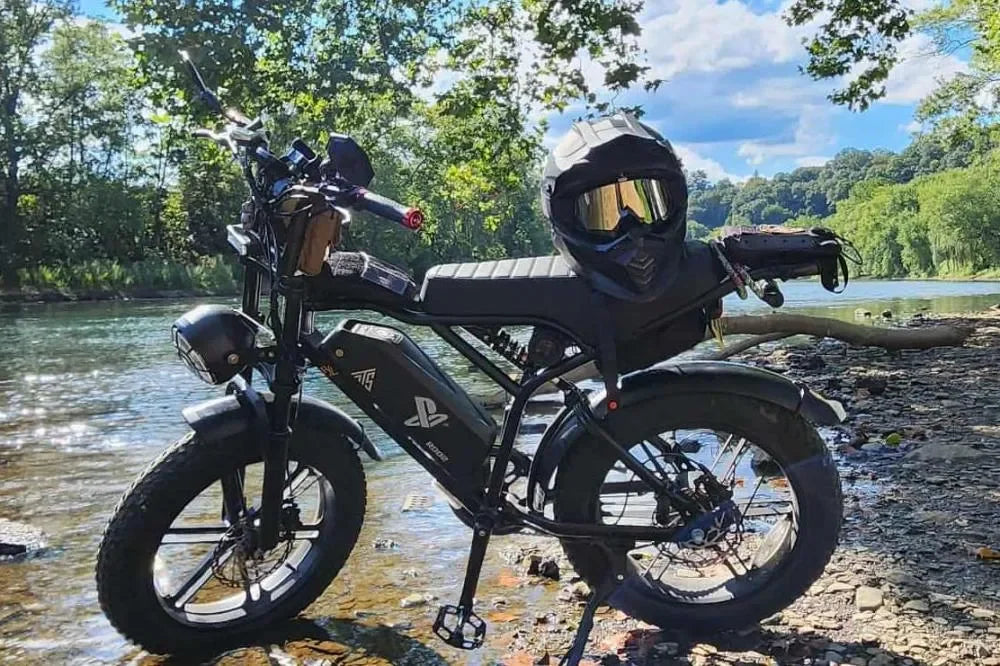
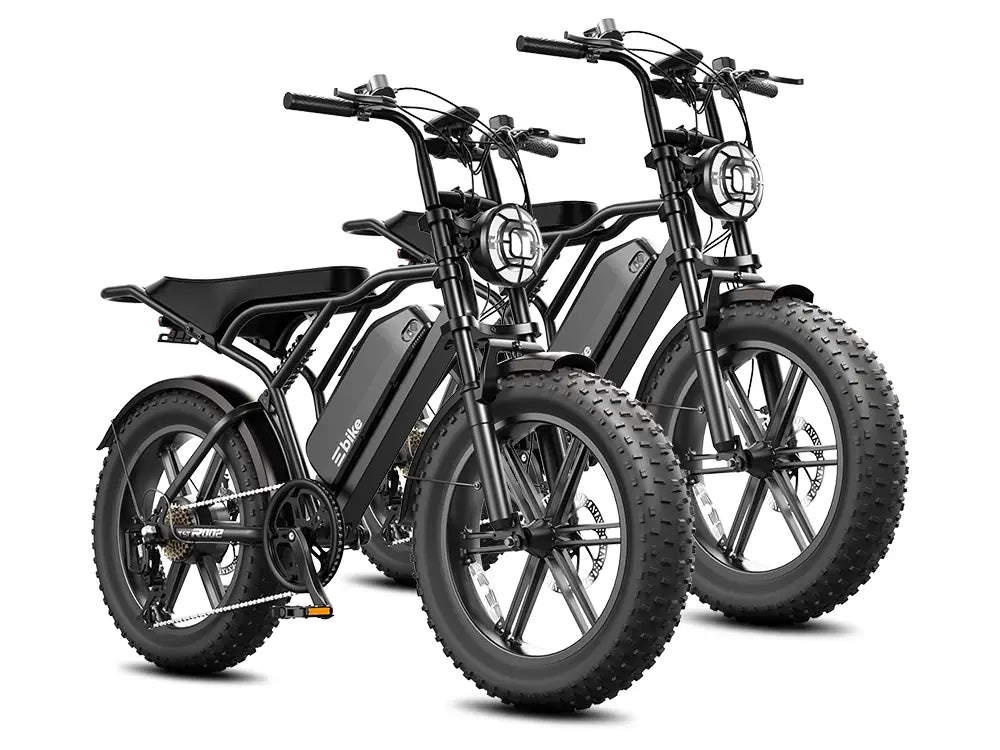
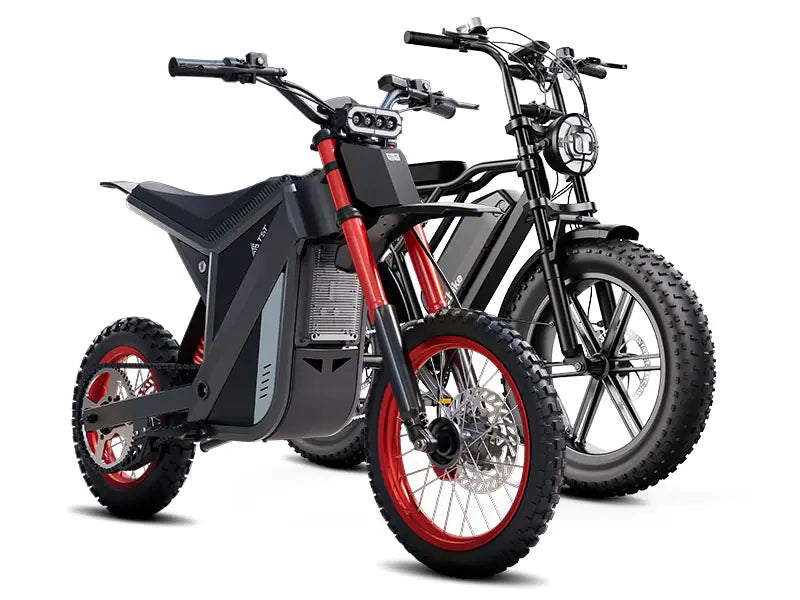
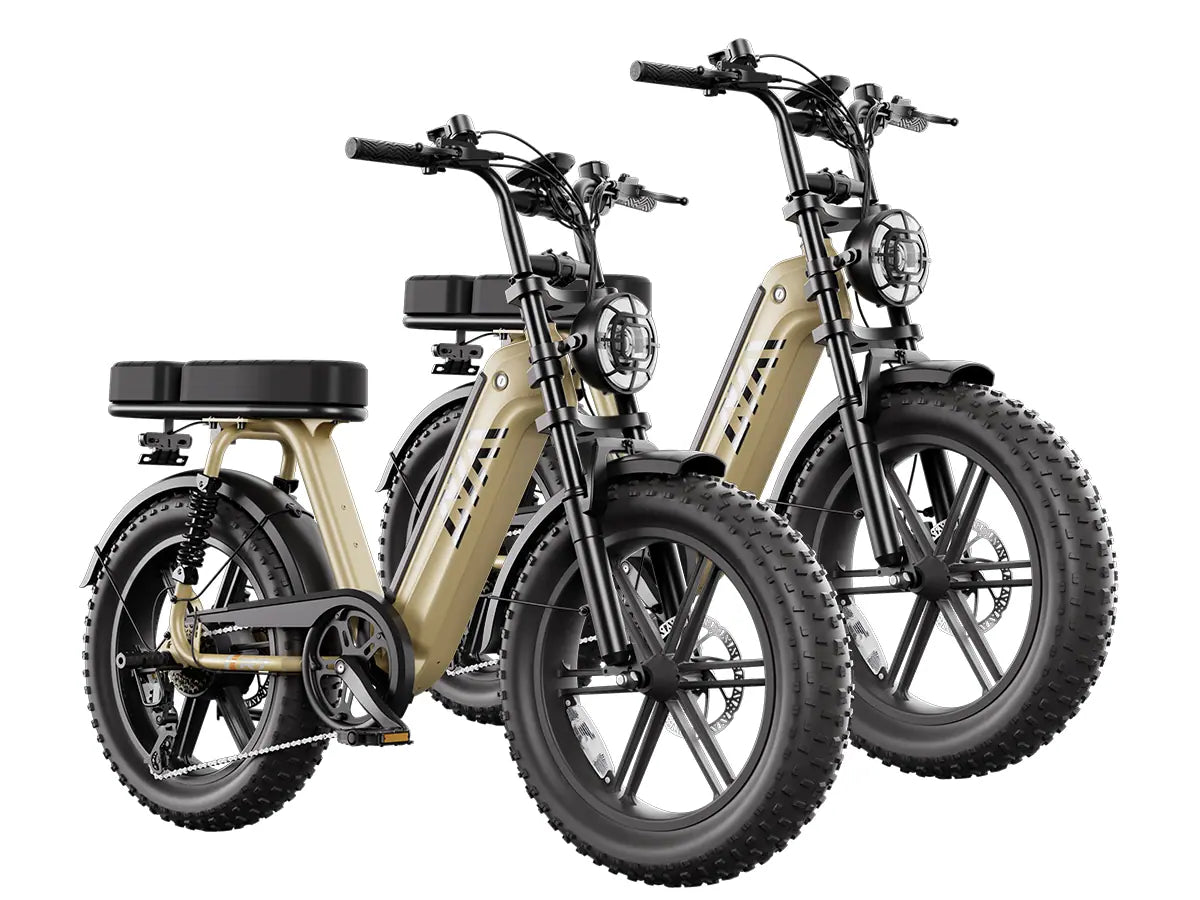
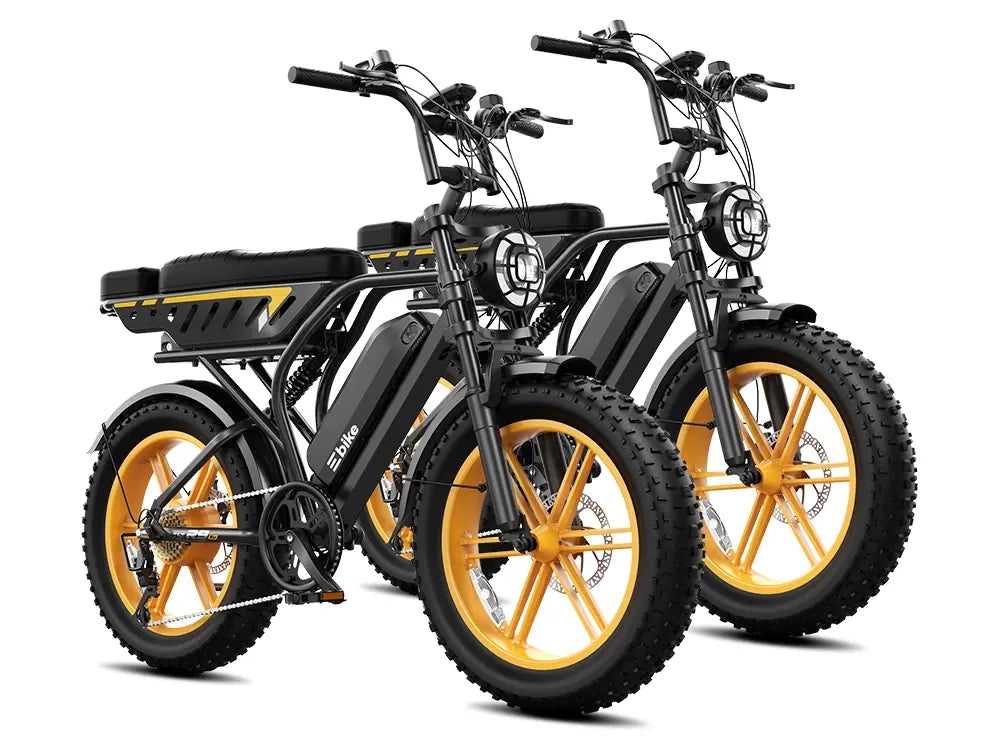
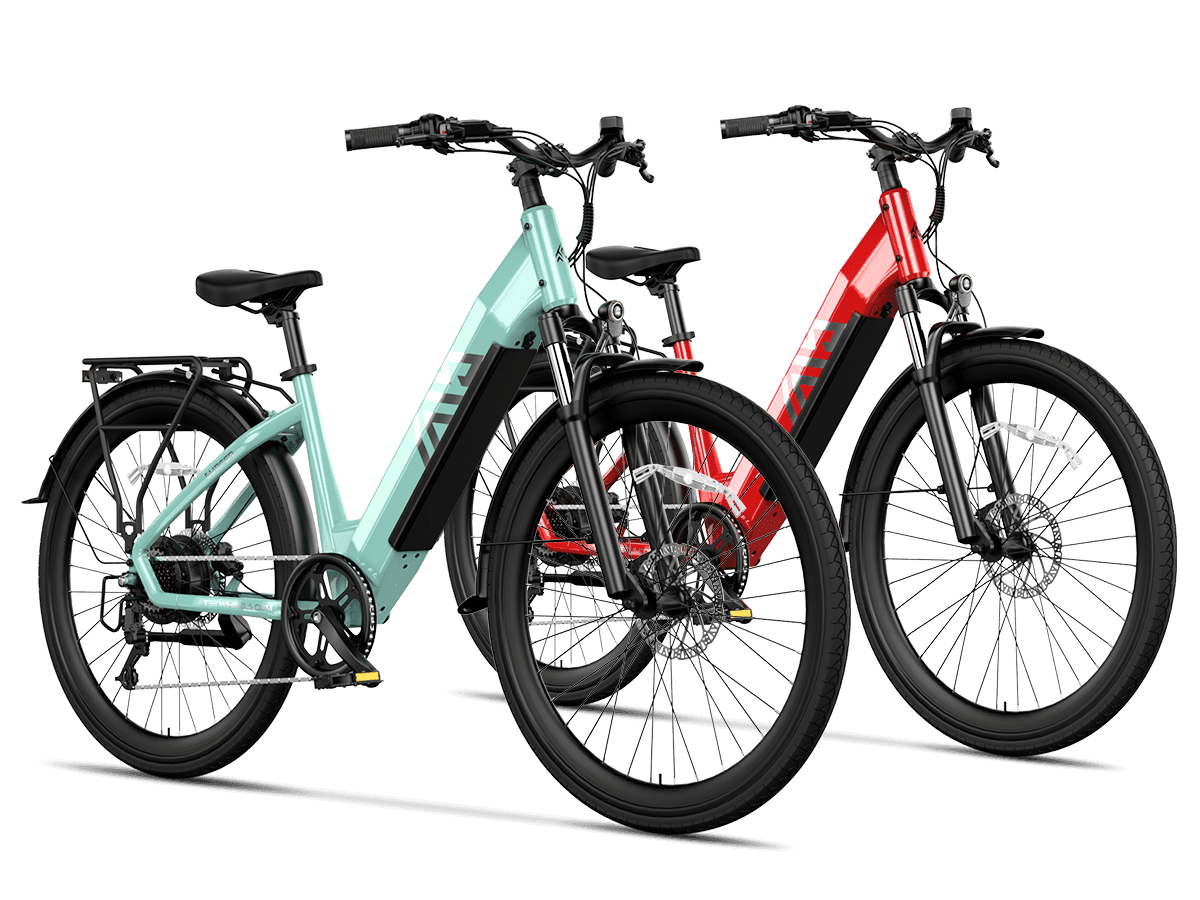
Parents are increasingly replacing short car trips with cargo e-bikes, a shift supported by a global cargo bike market now valued between $2.5 and $7.9 billion. However, transitioning from a car-centric lifestyle to a two-wheeled family transport system requires more than just a bike; it requires a engineered approach to safety, stability, and child containment.
The Engineering of a Safe Mobile Child Cabin
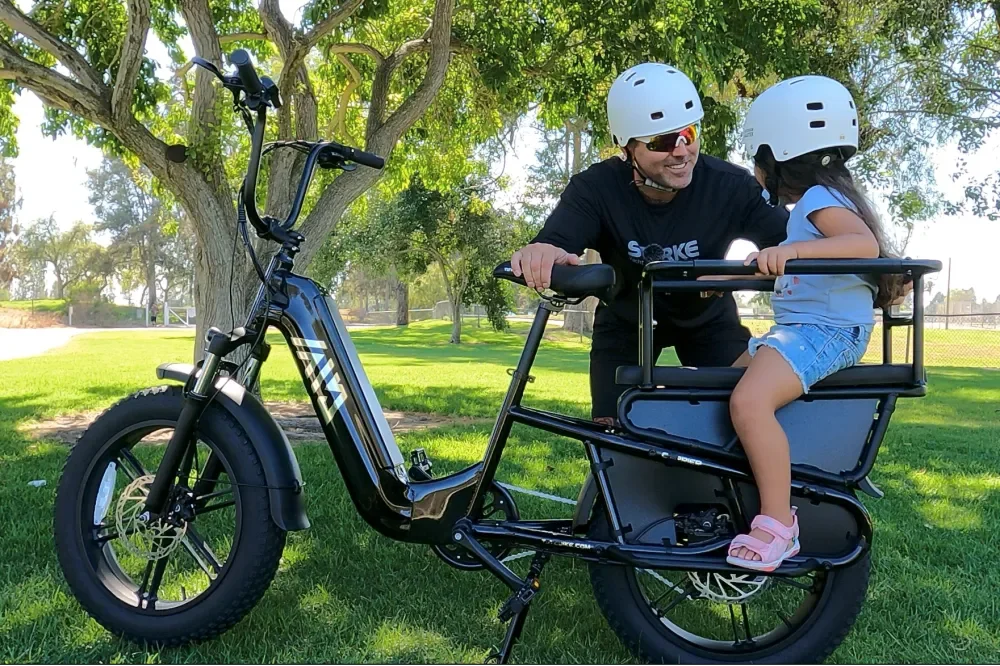
A truly safe kid-carrying cargo bike treats the frame, rack, and accessories as an integrated system. Unlike improvised DIY setups, a professional cargo cabin relies on four structural pillars:
-
Structural Rack Integrity: The rear rack must be a welded extension of the frame or a subframe bolted with at least four high-grade fasteners.
-
Lateral Containment: Railings and hoops must wrap around the seating area to prevent lateral falls.
-
Leg Protection: Wheel guards or spoke covers are mandatory to prevent feet or clothing from contacting moving parts.
-
Dynamic Stability: A low center of gravity, achieved through specific wheel geometry (such as 20-inch rear wheels), is essential for maintaining control with a passenger.
Comparison: Cargo E-Bike Setup vs. Common Alternatives
| Feature | TST Integrated Cargo Cabin | DIY/Generic Rack Setup | Front Bucket/Trailer |
| Frame Strength | Rated for passengers/high MGVW | Varies; often unrated | High; specialized |
| Stability | Low-center geometry | Prone to tipping | Stable but wide |
| Protection | Integrated rails/guards | Minimal/None | Enclosed shell |
| Urban Versatility | High; compact footprint | Low; lacks hardware | Low; wide turning radius |
Step-by-Step: Building a Secure Kid Cabin
Follow this protocol to ensure your setup meets safety standards and provides a predictable ride for both you and your children.
Phase 1: The Foundation
-
Verify the bike’s Maximum Gross Vehicle Weight (MGVW).
-
Ensure the rear rack is factory-rated for passenger use.
-
Tighten all mounting hardware to manufacturer torque specifications, utilizing medium-strength threadlocker.
Phase 2: Containment and Comfort
-
Install a child seat or padded bench that matches the rack’s specific mounting interface.
-
Mount railings at a height where the child’s hands rest comfortably below shoulder level.
-
Use footrests that are bolted into frame bosses, ensuring knees remain bent and feet are kept away from spokes.
Phase 3: The Pre-Flight Safety Ritual
-
Perform a "shake test" before every ride: check the seat, rails, and guards for any play or creaking.
-
Inspect brake pad wear and tire pressure; extra weight significantly increases stopping distance.
-
Conduct a test ride with a non-living equivalent weight (e.g., sandbags) to practice handling, braking, and tight-radius turns.
Legal and Safety Requirements for U.S. Parents
While specific laws vary by state and municipality, the following standards are generally enforced across the U.S.:
-
Helmet Compliance: Every passenger must wear a CPSC-certified helmet, properly fitted.
-
Restraint Systems: Children under a certain age (often up to 6 or 7) should be in a seat with a harness.
-
Traffic Rules: In most jurisdictions, cargo bikes are classified as bicycles or Class 1-3 e-bikes; passenger transport is permitted provided the bike is designed for such loads.
-
Documentation: Always carry your owner’s manual and proof of purchase, as these contain the official weight limits and accessory compatibility information.
Expert View: The TST E-Bike Philosophy
"We do not design cargo bikes as luggage haulers that happen to carry people. We design them as kinetic systems. When a child leans into a turn, they generate dynamic forces that simple bolt-on accessories cannot handle. A safe cabin is built from the frame out, prioritizing weight distribution and mechanical reliability." — TST E-Bike Engineering Team
Frequently Asked Questions
What age can my child start riding on a cargo bike?
Most children can begin riding in a supported seat once they can sit upright unaided, typically around 12 months. Always consult your pediatrician first.
How do I handle a heavy load in urban traffic?
Keep your center of gravity low by loading the heaviest items at the bottom or toward the front. Use both brakes progressively and avoid sudden steering inputs.
Is a trailer safer than a rear-mounted seat?
Both are safe when used as intended. Rear-mounted cabins are more maneuverable in dense traffic, while trailers offer more protection but require more space and caution on turns.
How often should I service my family cargo bike?
Perform a pre-ride check before every trip. Schedule a professional inspection with an authorized dealer every six months to check for frame fatigue and torque loss on structural bolts.

Leave a comment
This site is protected by hCaptcha and the hCaptcha Privacy Policy and Terms of Service apply.