

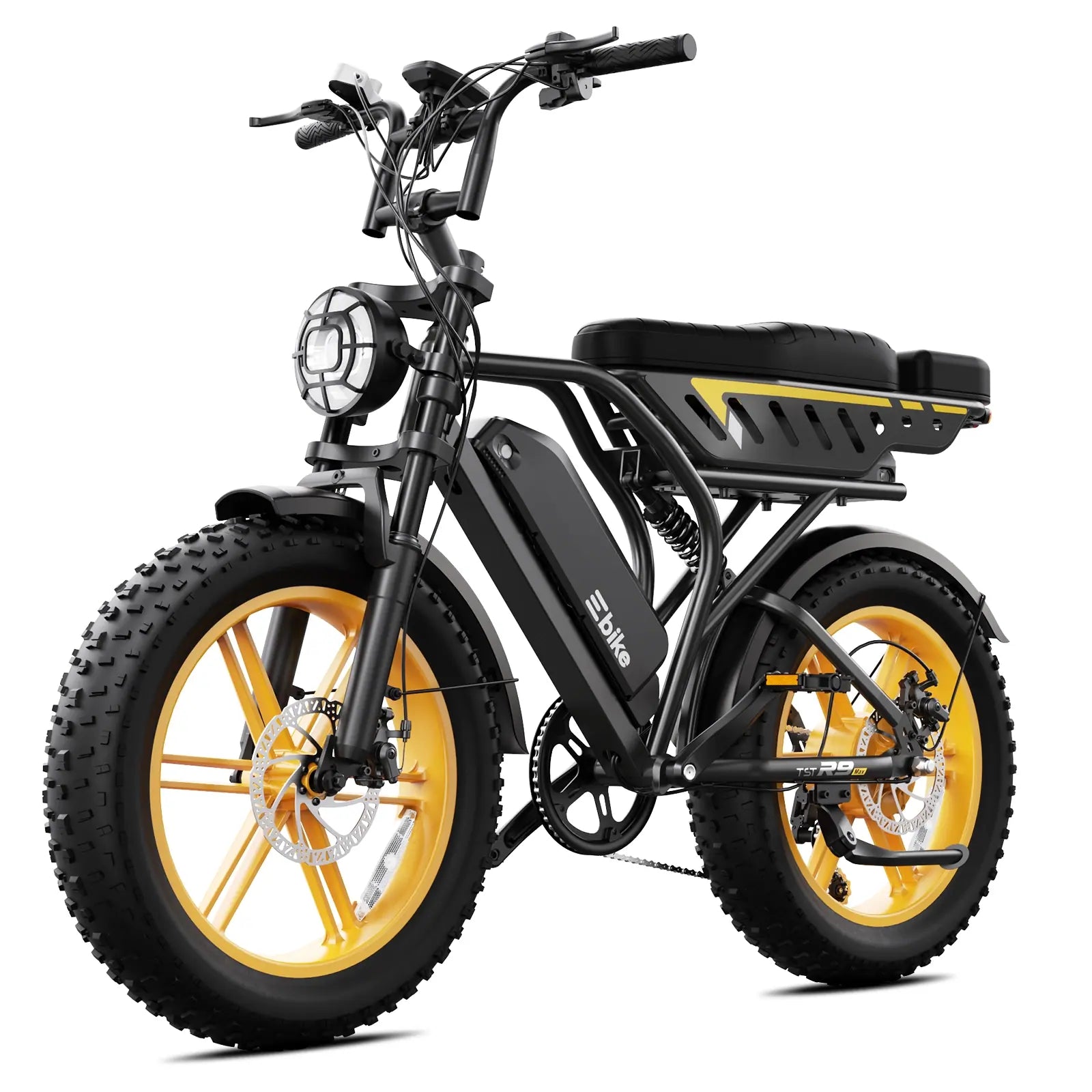
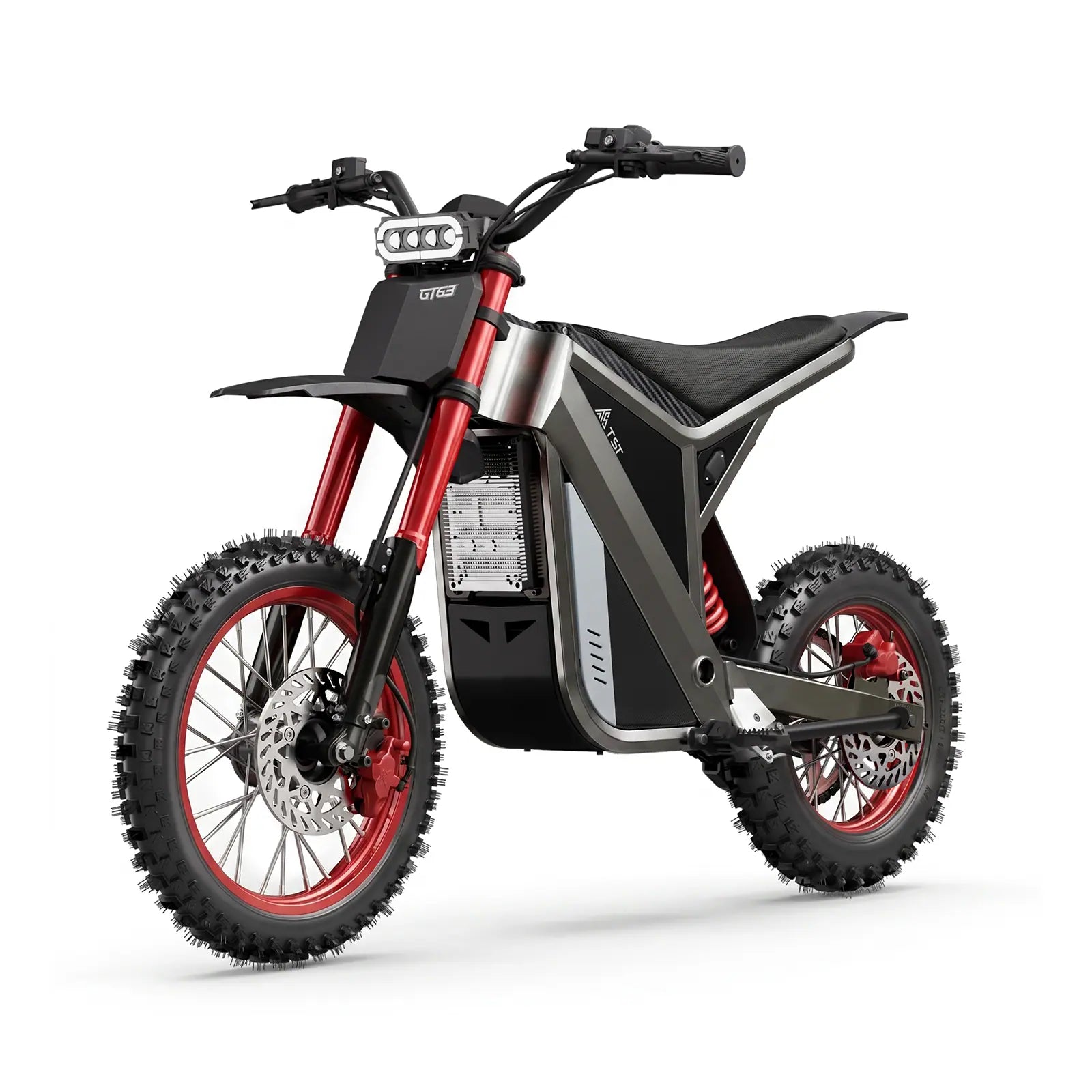









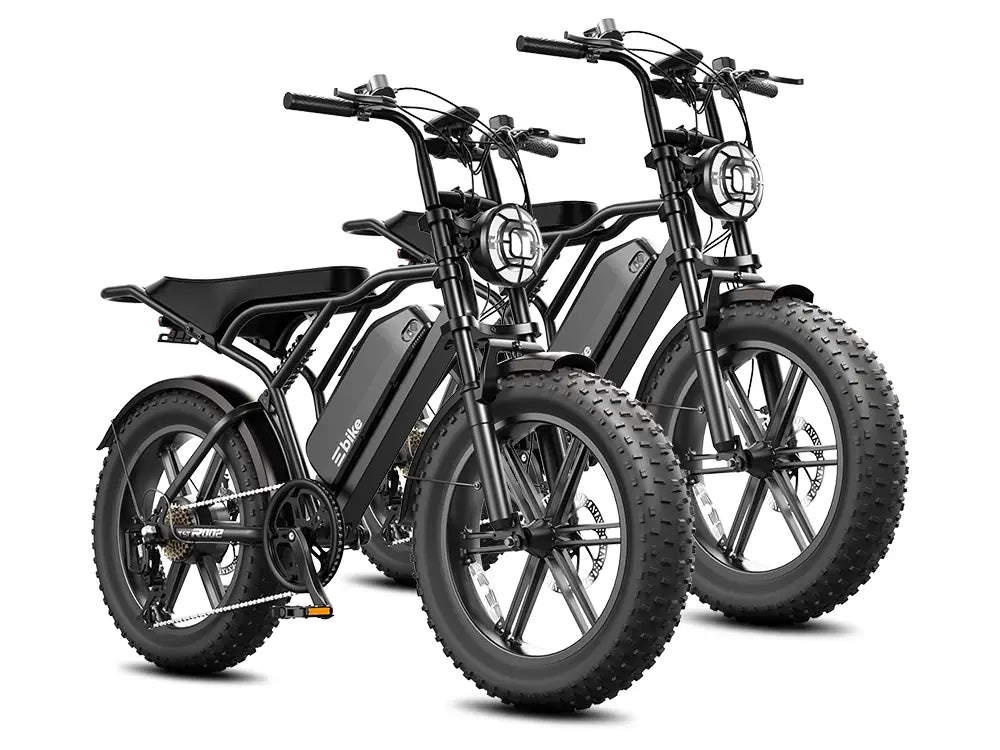
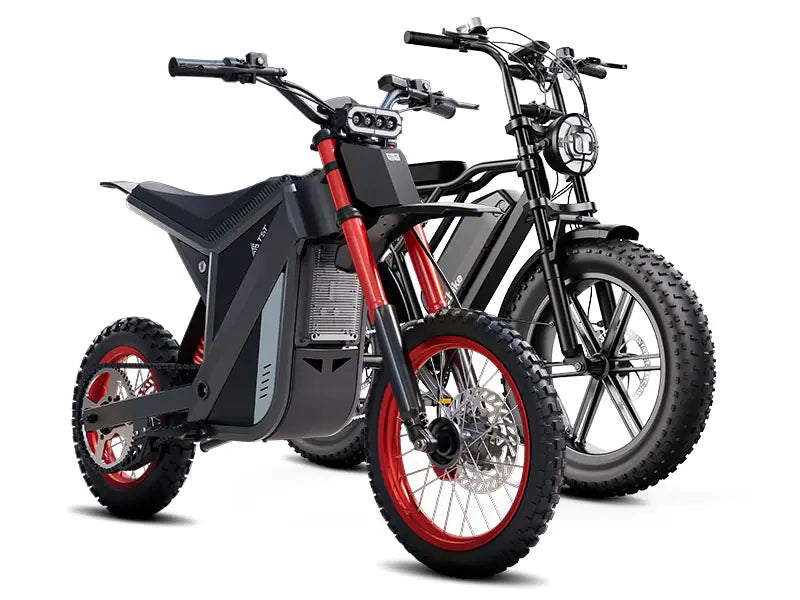
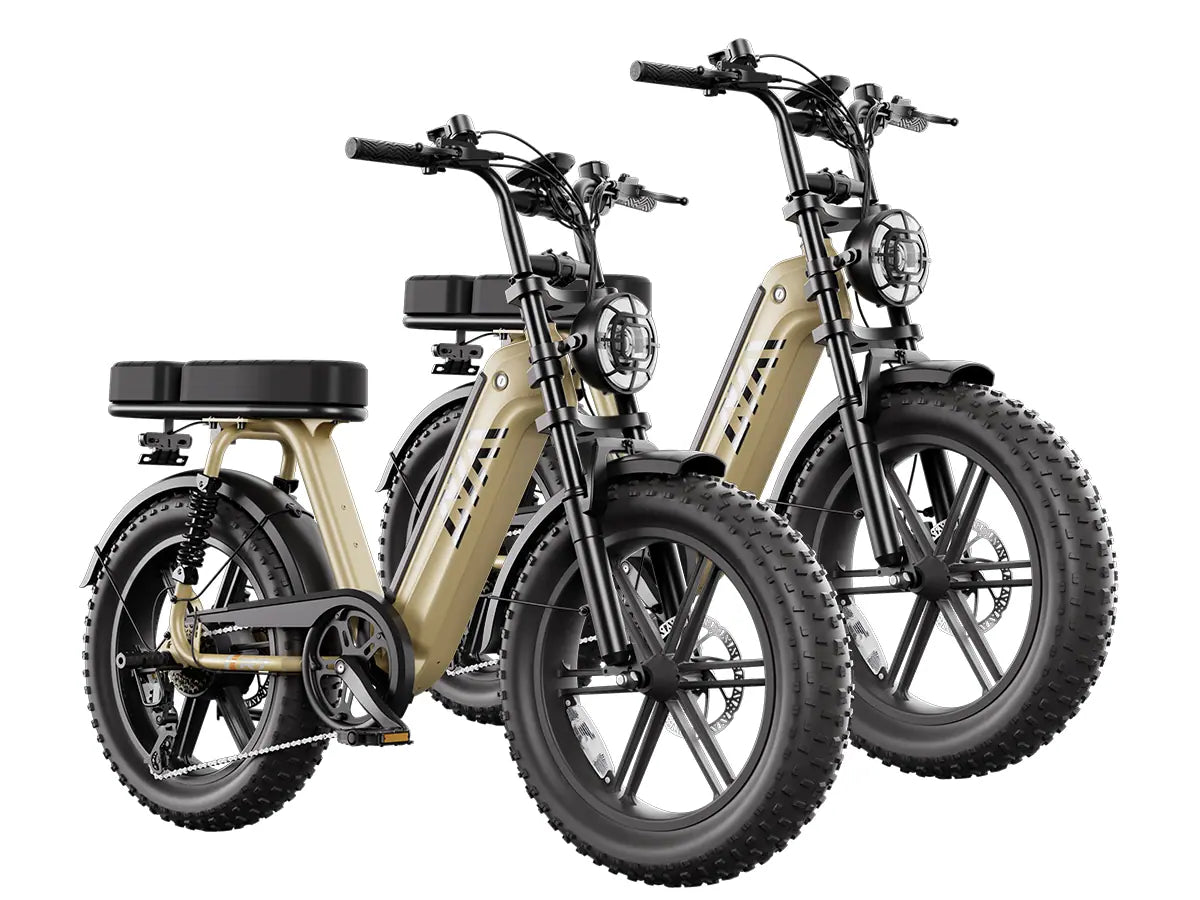
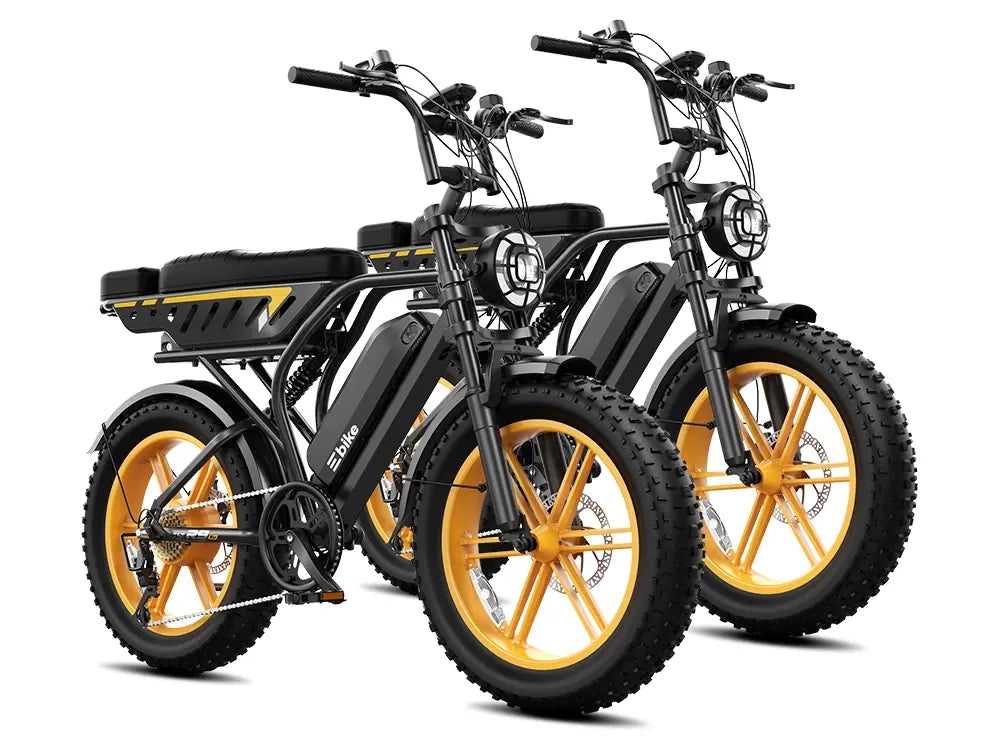

A comfortable electric cargo bike for long rides prioritizes upright geometry, ergonomic contact points, wide tires, quality suspension, and supportive saddles. With strong motors and high-capacity batteries, it allows riders to haul cargo or children efficiently without fatigue. Matching the bike to terrain and load enables daily commuting, errands, and weekend adventures to be enjoyable and practical alternatives to car travel.
How does comfort affect long electric cargo bike rides?
Comfort affects long electric cargo bike rides by reducing fatigue in the back, wrists, and hips, allowing riders to enjoy the journey. Upright geometry, ergonomic handlebars, and vibration-damping components help maintain a relaxed posture while maximizing motor and battery efficiency.
Key elements include body position, contact points, and vibration control. Upright frames reduce neck and lower-back strain. Ergonomic grips, swept-back handlebars, and adjustable stems provide neutral wrist angles. Wide saddles paired with suspension seatposts or dropper posts smooth bumps and allow weight shifting for cargo stability.
Wider tires, often 2.3–3.5 inches, and suspension forks help absorb road vibrations. Longtail designs benefit from rear shock absorption to maintain a smooth ride, even on extended trips over rough surfaces.
What key features make an electric cargo bike comfortable for long rides?
Comfortable long-distance cargo e-bikes combine upright geometry, suspension, wide tires, ergonomic grips, and supportive saddles with powerful motors and high-capacity batteries. Stable frames handle heavy loads without compromising ride quality.
Frame geometry with shorter reach, higher stack, and low step-over heights improves maneuverability when loaded. Longer wheelbases enhance stability, while low center-of-gravity designs ensure predictable handling.
Suspension and tires absorb bumps. Front forks, suspension seatposts, and wide tires reduce fatigue on uneven streets or gravel. Adjustable tire pressure allows riders to fine-tune comfort based on load and terrain.
Ergonomic contact points, including grips and handlebars, along with saddles matched to sit-bone width, improve support over hours of riding. Many riders add gel covers or aftermarket saddles to personalize comfort.
Which components matter most for long-distance comfort on cargo e-bikes?
Saddles, handlebars, tires, and suspension are critical for long-distance comfort. Correct sizing and setup reduce fatigue and enhance ride quality.
Saddles should match sit-bone width and posture. Upright riders benefit from broader, supportive designs, while flatter profiles suit riders who shift position frequently. Swept-back handlebars and ergonomic grips reduce wrist and shoulder strain. Adjustable stems and bar rise optimize reach and posture.
Tires and suspension handle road irregularities. 20–26 inch wheels with 2.3–3.5 inch tires absorb bumps, while front forks and suspension seatposts protect joints and cargo on extended trips.
Why is battery capacity and motor power critical for comfortable long rides?
Battery capacity and motor power prevent exhaustion and ensure reliable range. Powerful motors assist with hills and cargo, while large batteries maintain consistent support over long distances.
High-capacity batteries, often 600 Wh or more, sometimes with dual setups, allow ranges from 50 to 150 miles depending on load, terrain, and assist level. Motors around 700–750 W provide smooth, predictable acceleration. Mid-drive systems excel at hills, while hub motors offer simple, reliable performance.
Displays with multiple assist levels, walk modes, and clear range estimates help riders manage effort and battery consumption. This ensures comfort and stamina during extended rides.
How should you choose frame style and wheel size for comfortable long cargo rides?
Select frame style and wheel size according to terrain, cargo needs, and handling preferences. Longtail and midtail frames with 20–26 inch wheels balance stability and maneuverability. Smaller wheels accelerate quickly, while larger wheels roll smoothly.
Box or front-load designs provide excellent stability for child transport. Step-through frames with extended rear racks allow easier mounting and load control. A “mullet” wheel setup, such as 20-inch rear with 26-inch front, enhances stability under heavy loads. Full-size 26-inch wheels offer smoother rollover on rough terrain.
TST EBike provides both 26-inch and 27-inch electric options. 26-inch models suit rough terrains like snow and sand, while 27-inch versions are ideal for commuting and mixed trails.
What setup tips can improve comfort on a long-distance electric cargo bike?
Adjust saddle height, handlebar position, tire pressure, and suspension to match your body and load. Correct positioning reduces strain and enhances ride smoothness.
Saddle height should allow a slight knee bend, with fore-aft positioning over the pedal axle. Handlebar height and reach should maintain relaxed shoulders and back. Tire pressures can be tuned for load and terrain, avoiding overinflation that increases harshness. Adjustable suspension should account for combined rider and cargo weight.
Refine contact points with ergonomic grips, saddles, and optional bar-ends. Padded gloves, appropriate clothing, and short stretch breaks further extend comfort on long rides.
Where does a comfortable electric cargo bike fit into replacing a car?
A comfortable electric cargo bike can replace many car trips, including commuting, school runs, and shopping. With strong load capacity and long-range batteries, it handles urban and suburban journeys efficiently, reducing fuel costs, parking stress, and environmental impact.
Upright ergonomics, reliable motors, and high-capacity batteries allow multi-stop days without fatigue. Accessories such as panniers, child seats, and weather protection enhance usability. TST EBike supports this use case with high-power, cost-effective designs, offering 26-inch options for rough terrain and 27-inch models for mixed commuting and light trail use.
Which accessories make an electric cargo bike more comfortable for long rides?
Accessories like suspension seatposts, ergonomic grips, upgraded saddles, weather protection, and modular cargo systems enhance long-distance comfort. They smooth bumps, balance loads, and protect riders and passengers.
Rear racks, front platforms, and low-mounted panniers distribute cargo evenly. Child seats with harnesses improve safety and comfort. Fenders, canopies, and rain gear maintain rider warmth and dryness. TST EBike frames accommodate high-quality aftermarket accessories to optimize comfort and usability for commuting, errands, or weekend rides.
Are there common mistakes to avoid when choosing a comfortable long-ride cargo e-bike?
Common mistakes include improper frame sizing, underestimating battery needs, and ignoring fit adjustments. Aggressive geometry or narrow tires may compromise comfort when carrying cargo. Test rides and professional fitting ensure ergonomics match body and load.
TST EBike avoids many pitfalls by designing bikes based on rider feedback, emphasizing usability, strong motors, and flexible wheel sizes. Choosing the right configuration and fine-tuning fit maximizes comfort and long-term satisfaction.
TST EBike Expert Views
“From TST EBike’s perspective, a truly comfortable electric cargo bike prioritizes rider-centric design. Upright geometry, tuned suspension, and stable tires are essential alongside motor power. Riders who feel relaxed and in control, even with heavy cargo, ride more frequently, travel farther, and confidently replace short car trips with cleaner, more enjoyable journeys.”
Is a comfortable electric cargo bike worth it for daily commuting and weekend tours?
Comfortable cargo e-bikes are valuable for commuting and weekend tours. They carry groceries, children, or gear without fatigue. Proper setup transforms them into daily transportation tools and leisure companions, promoting health, cost savings, and sustainability.
High-capacity batteries, integrated racks, and ergonomic posture ensure reliable multi-hour performance. TST EBike provides robust, high-power options designed around rider feedback, suitable for rough terrain and urban commuting alike. They offer flexibility for both weekday errands and weekend adventures.
Comparison of comfort-focused cargo e-bike features
| Feature | Typical characteristics |
|---|---|
| Riding posture | Upright, relaxed geometry for reduced back strain |
| Tire size and width | 20–26 inch wheels with 2.3–3.5 inch tires for cushioning |
| Suspension | Front fork and/or suspension seatpost for bump absorption |
| Battery capacity | 600 Wh+ single or dual batteries for long-range use |
| Payload capacity | 350–440+ lbs for rider plus cargo |
| Brake type | Hydraulic disc brakes for consistent stopping |
How can you plan safe and comfortable long routes with an electric cargo bike?
Plan routes using bike-friendly paths, moderate hills, and reliable rest or charging points. Protected lanes, quiet streets, and scenic greenways reduce stress and increase safety. Evaluate distance, elevation, and surface type to match tire and suspension performance.
Moderate assist levels and pacing preserve battery life. Rest breaks, stretching, and proper clothing maintain stamina. TST EBike’s high-power motors and terrain-appropriate wheels support varied surfaces, ensuring comfort on ambitious routes.
When is the best time to upgrade to a more comfortable electric cargo bike?
Upgrade when your current bike causes pain, range anxiety, or cargo limitations. Persistent saddle, wrist, or back discomfort signals a need for purpose-built cargo geometry and higher-capacity batteries.
TST EBike models with strong frames, high-power motors, and 26–27 inch wheel options improve comfort, handling, and reliability. Transitioning to a TST EBike allows riders to replace more car trips and enjoy daily commuting or extended rides with confidence.
FAQs
Q1: Are electric cargo bikes comfortable enough for daily long commutes?
Yes. Properly configured bikes with upright geometry, cushioned saddles, and wide tires can comfortably handle long daily trips while carrying significant cargo or passengers.
Q2: How far can a comfortable electric cargo bike typically go on one charge?
Ranges vary from 50 to 150 miles per charge depending on battery size, terrain, payload, and assist level.
Q3: Can a comfortable electric cargo bike safely carry children on long rides?
Yes. With suitable child seats, harnesses, and helmets, family-friendly cargo e-bikes transport kids safely, supported by stable geometry and strong brakes.
Q4: What is the ideal tire width for comfort on long cargo rides?
Tires between 2.3 and 3.5 inches provide optimal cushioning, grip, and efficiency for long-distance cargo riding.
Q5: Does TST EBike offer models suitable for comfortable long cargo rides?
TST EBike provides high-power, cost-effective bikes with 26-inch options for rough terrain and 27-inch models ideal for commuting, supporting comfortable long rides.

Leave a comment
This site is protected by hCaptcha and the hCaptcha Privacy Policy and Terms of Service apply.