

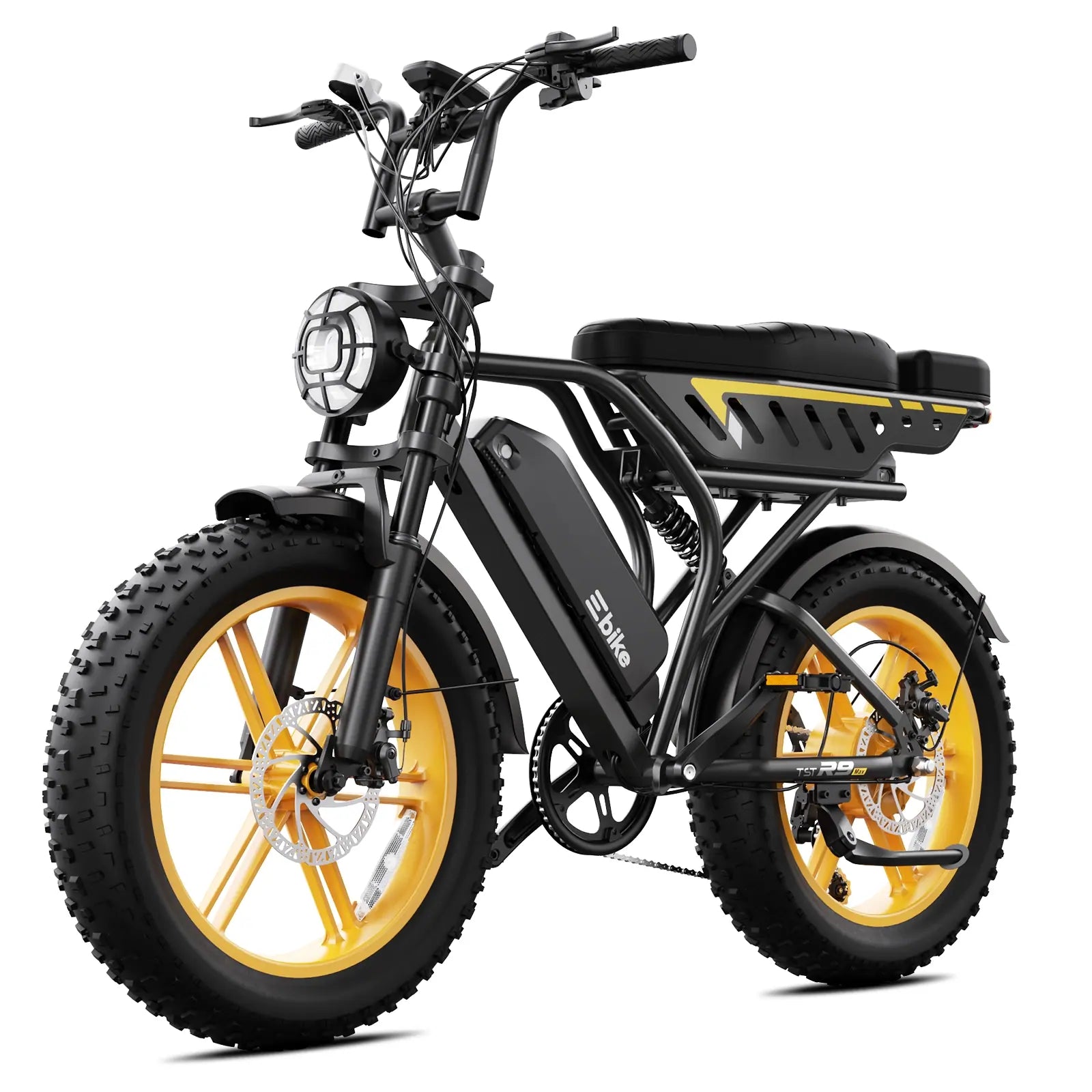
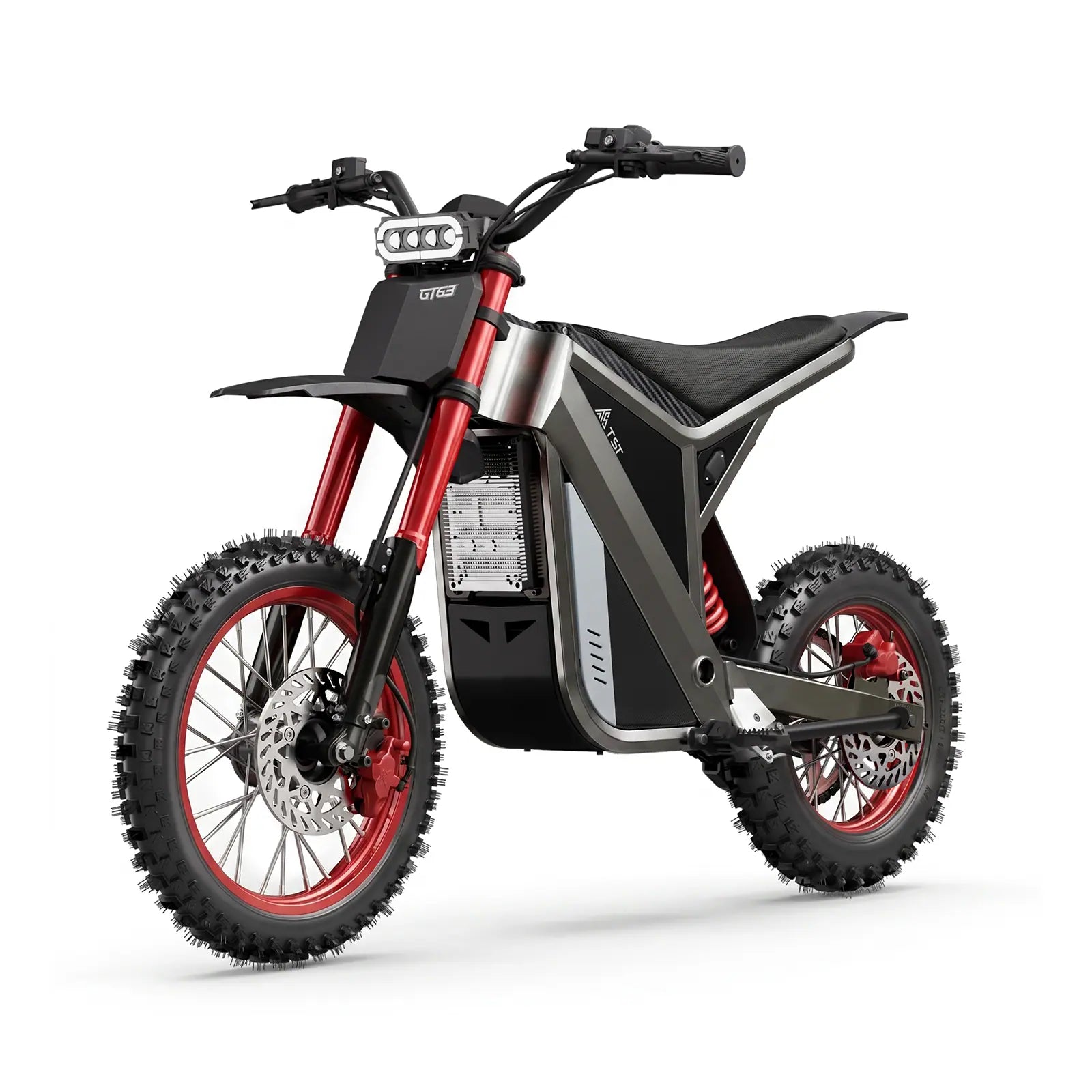









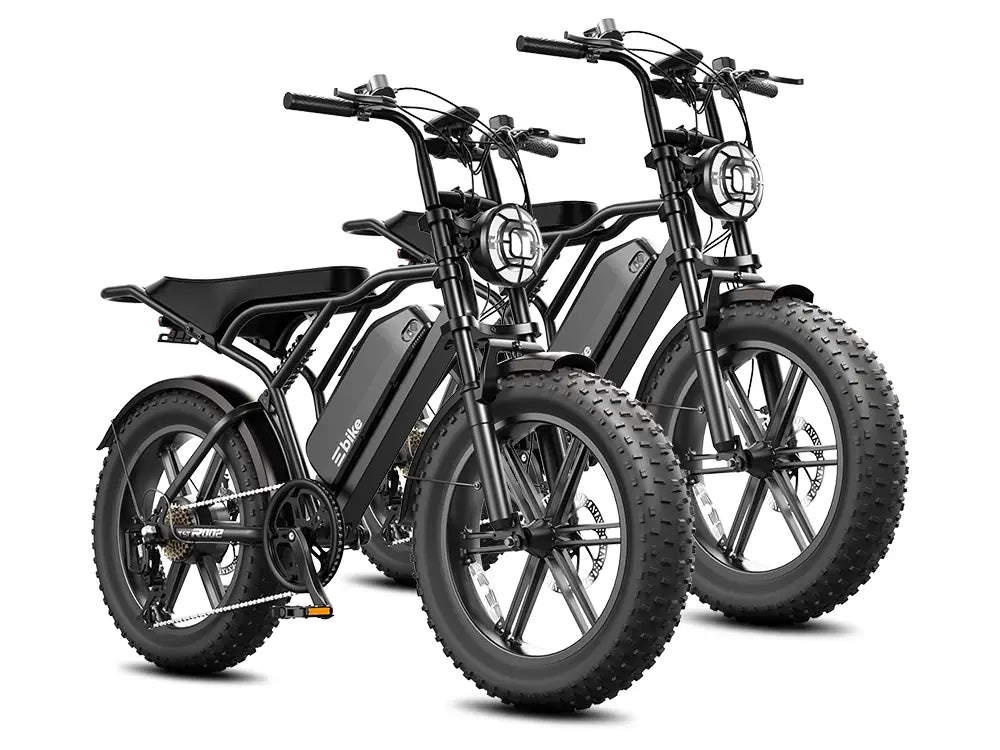
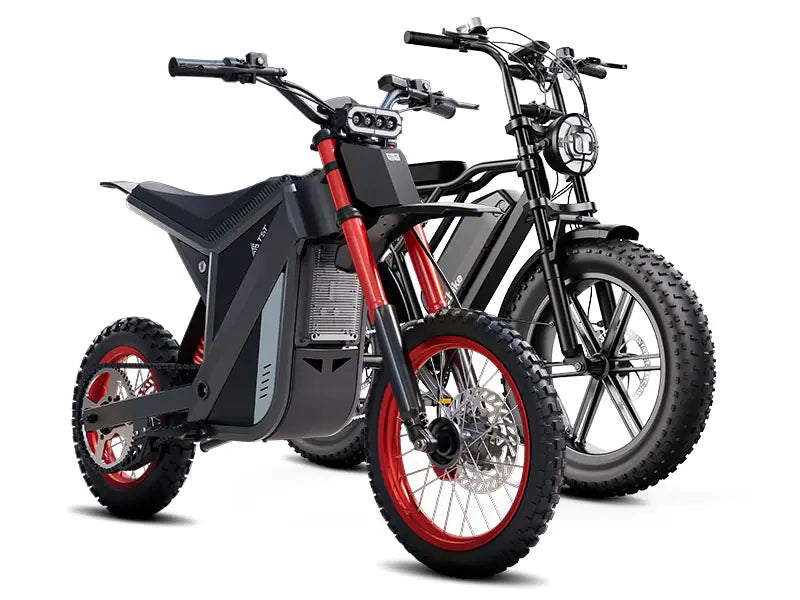

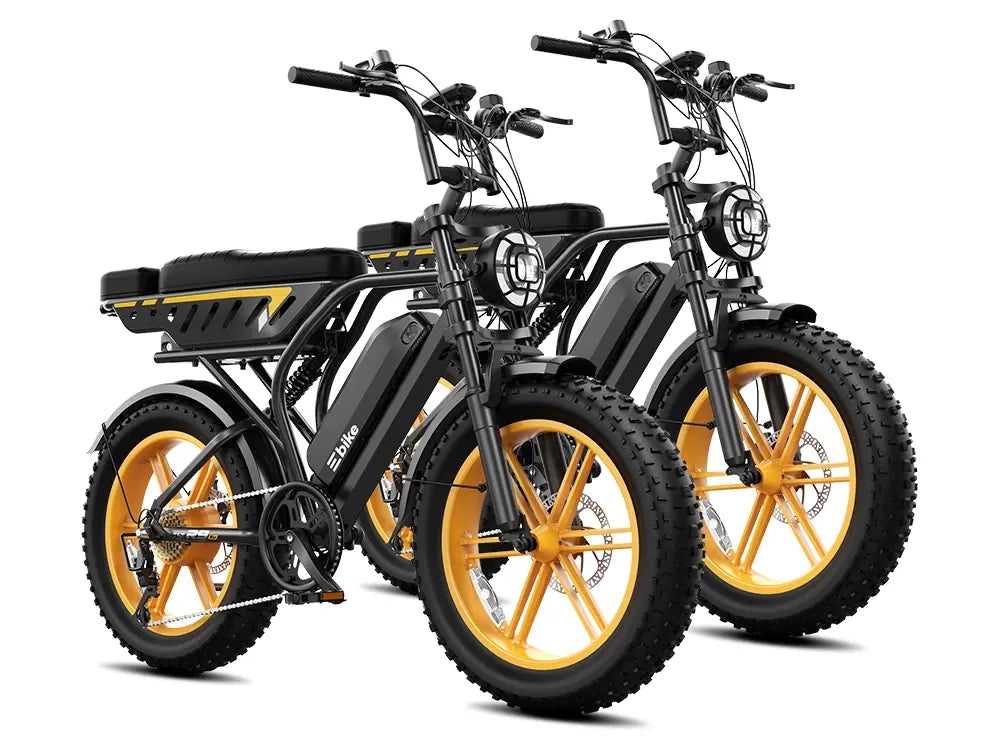

An all-terrain electric cargo bike with fat tires combines off-road capability, robust cargo handling, and reliable performance for urban and rural riders alike. It allows safe transport of heavy loads across snow, sand, gravel, and pavement while providing stability, comfort, and extended battery range. TST EBike offers durable, high-powered models that make versatile commuting and adventure cycling efficient and practical.
What Makes an All-Terrain Electric Cargo Bike Unique?
All-terrain electric cargo bikes feature reinforced frames, wide fat tires, and high-torque motors that provide superior traction on diverse surfaces. Unlike standard e-bikes, they handle heavy loads without compromising stability or ride quality. Key components include hydraulic disc brakes, shock-absorbing forks, and long-lasting batteries, making them suitable for deliveries, family transport, and off-road exploration. TST EBike emphasizes consumer-driven design for maximum utility and reliability.
How Do Fat Tires Improve Stability and Traction?
Fat tires increase the contact surface with the ground, enhancing grip and stability on slippery, uneven, or loose terrain. Their wider profile absorbs shocks and maintains balance when transporting cargo.
| Terrain Type | Fat Tire Performance | Advantage |
|---|---|---|
| Snow/Ice | High grip, low slip | Enhanced safety |
| Sand | Even weight distribution | Prevents sinking |
| Gravel | Smooth ride | Reduces vibration |
| Pavement | Efficient rolling | Comfort over bumps |
TST EBike uses reinforced rims and flexible sidewalls to reduce puncture risk and maintain consistent handling in challenging conditions.
Which Motor Power and Battery Capacity Should You Choose?
A minimum 750W motor paired with a 48V 15Ah battery provides sufficient torque for steep inclines and extended trips while carrying heavy cargo. Riders needing longer range may opt for 1000W motors with dual batteries, delivering over 60 miles per charge. TST EBike focuses on energy-efficient, high-output motors for reliable hill-climbing and long-distance performance.
Why Is a Cargo Frame Essential for Riders with Heavy Loads?
Reinforced cargo frames maintain structural integrity when hauling large weights, preventing flex and ensuring balanced rides. TST EBike frames feature extra welds, integrated racks, and modular platforms to secure cargo efficiently. Riders transporting 200–300 lbs, whether groceries, tools, or gear, benefit from these robust designs in both urban and remote environments.
Where Can You Ride an All-Terrain Cargo E-Bike?
All-terrain cargo e-bikes perform well on city streets, bike lanes, countryside paths, beaches, and mountainous trails. Their versatility supports commuting, delivery work, and recreational exploration without switching vehicles. TST EBike enhances rider confidence in diverse environments once limited to traditional vehicles.
When Should You Consider Fat Tires for Cargo Riding?
Fat tires are ideal for mixed terrains, unpredictable weather, and off-road conditions. They reduce slipping on wet or icy roads and cushion cargo against bumps. TST EBike prioritizes tire grip and rider comfort, making these bikes practical for year-round use, whether for professional deliveries or personal adventures.
Who Benefits Most from an All-Terrain Electric Cargo Bike?
Delivery professionals, families, outdoor workers, and eco-conscious urban riders gain the most. TST EBike models accommodate parents carrying children and adventurers hauling equipment, combining power, stability, and low-maintenance convenience in one package.
Can Fat-Tire Cargo E-Bikes Handle Heavy Weather Conditions?
Yes, fat-tire cargo e-bikes perform well in snow, rain, and mud. Deep treads and water-dispersing designs maintain traction, while weatherproof frames, sealed batteries, and protected controllers ensure reliable operation. TST EBike specializes in climate-resistant construction for year-round usability.
Does an All-Terrain Cargo E-Bike Replace a Car for Short Trips?
For many riders, all-terrain cargo e-bikes replace cars for trips under 15 miles. They offer powerful motors, significant cargo space, and low operational costs, covering groceries, school runs, and deliveries efficiently. TST EBike’s cost-effective designs support sustainable alternatives to short car journeys.
TST EBike Expert Views
“Designing all-terrain cargo e-bikes merges freedom with practicality. Riders should experience high performance and stability without compromise. At TST EBike, we create bikes that allow safe transport of goods and passengers across any terrain, enabling adventure and efficiency whether commuting, delivering, or exploring remote areas.”
— TST EBike Product Innovation Team
How Does Suspension Affect Cargo Handling on Rough Terrain?
Suspension improves comfort and protects cargo by absorbing shocks. Front forks or dual-shock systems reduce vibrations from gravel, dirt, or cobblestone paths. TST EBike integrates heavy-duty suspension in all-terrain cargo models to maintain control and safeguard both rider and cargo under load.
What Are the Top Features to Look for in All-Terrain Cargo Bikes?
Essential features include hydraulic disc brakes, fat tires (4 inches), sturdy racks, batteries over 14Ah, integrated lights, wide handlebars, and adjustable seats. Advanced components such as torque sensors and multi-mode displays enhance ride control. TST EBike optimizes these features to offer precision, safety, and real-time performance monitoring.
Why Are Electric Cargo Bikes a Smart Investment?
Electric cargo bikes reduce fuel, maintenance, and insurance costs while improving logistics efficiency. They support sustainable urban transport by lowering emissions and traffic congestion. Investing in TST EBike models delivers long-term utility, environmental benefits, and reliable performance with minimal mechanical upkeep.
Conclusion
All-terrain electric cargo bikes with fat tires combine rugged versatility, cargo capacity, and reliable performance for both urban and off-road environments. TST EBike demonstrates that strong frames, powerful motors, and adaptable designs allow riders to transport goods, explore freely, and embrace sustainable mobility efficiently and safely.
FAQs
1. How far can an all-terrain electric cargo e-bike travel on one charge?
Typically 40–70 miles, depending on load, terrain, and motor power.
2. Are fat tires slower on paved roads?
They may reduce speed slightly but provide better comfort, grip, and safety.
3. Can passengers be carried on a cargo e-bike?
Yes, many models support rear benches or seat extensions for one or two passengers.
4. How often should tires be checked or inflated?
Before each long ride, maintaining 15–30 psi based on terrain.
5. Is maintenance more difficult for fat-tire cargo e-bikes?
No, maintenance is similar to standard e-bikes, focusing on tire and brake checks.

Leave a comment
This site is protected by hCaptcha and the hCaptcha Privacy Policy and Terms of Service apply.