


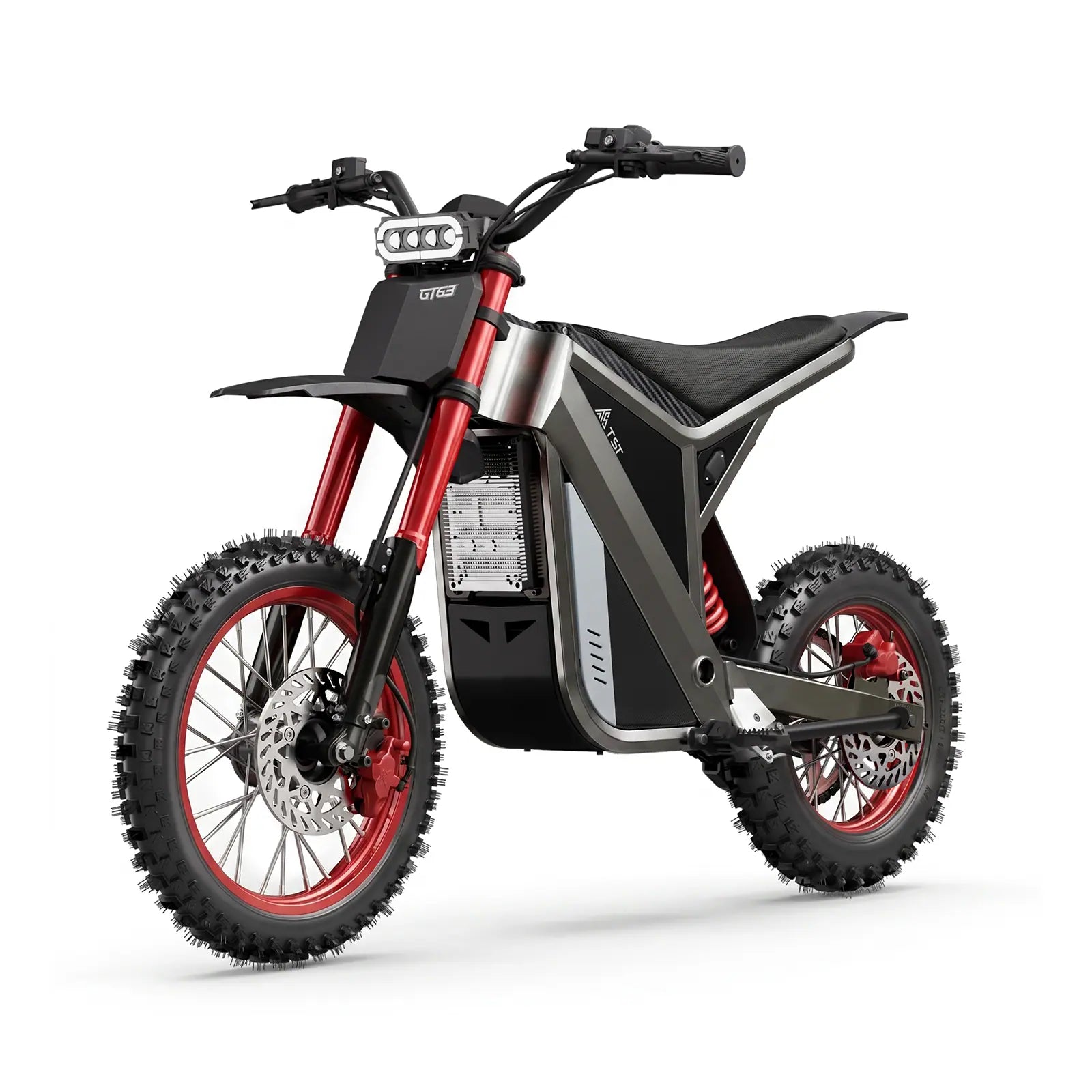














An off-road cargo ebike offers the perfect blend of power, stability, and versatility for riders who need to transport heavy loads while navigating varied terrains. With high-capacity batteries, torque-rich motors, and durable frames, these bikes handle city streets and rural trails efficiently. TST EBike designs models that make commuting, errands, and outdoor adventures seamless and eco-friendly.
How Does an Off-Road Cargo Ebike Perform on Urban and Rural Roads?
Off-road cargo ebikes excel on both city streets and country paths thanks to wide tires, robust suspension, and powerful electric motors. In urban settings, electric assist ensures smooth starts and quick acceleration, while on rural trails, torque-rich motors and reinforced frames absorb shocks and maintain stability. This versatility allows riders to carry groceries downtown or navigate steep, gravelly hills outside the city.
Performance Comparison Table
| Feature | Urban Roads | Rural Roads |
|---|---|---|
| Tire Type | Smooth with moderate tread | Wide and knobby |
| Suspension | Front or dual comfort-focused | Dual or full for shock absorption |
| Motor Torque Range | 60–80 Nm | 80–120 Nm |
| Battery Range | 50–70 miles | 70–100 miles |
| Payload Capacity | 300–400 lbs | 350–450 lbs |
What Features Define the Best Off-Road Cargo Ebike?
The most effective off-road cargo ebikes combine durability, power, and rider comfort. They typically include a high-capacity battery, mid-drive motor, hydraulic disc brakes, and puncture-resistant tires. Reinforced aluminum or steel frames enhance stability, while cargo racks and modular storage provide flexible carrying options. Water-resistant electronics and smart LCD displays improve usability in all weather conditions. TST EBike integrates these elements to balance strength and maneuverability.
Which Motor and Battery Setup Offers the Best Efficiency?
Mid-drive motors paired with high-capacity lithium-ion batteries deliver superior performance. TST EBike often utilizes 750W motors with 80–120 Nm torque and 48V 15–20Ah batteries. This setup supports 60–100 miles per charge depending on terrain and load. Efficient energy transfer reduces charging frequency and enhances long-term reliability while ensuring a balanced ride on steep climbs or rough trails.
Why Are Off-Road Cargo Ebikes Gaining Popularity Among Commuters?
These ebikes are increasingly popular because they combine the utility of a cargo bike with the versatility of an electric mountain bike. Riders save time, reduce transportation costs, and avoid fuel dependence. Zero emissions and low maintenance appeal to environmentally conscious users. TST EBike models meet this growing demand with practical, energy-efficient designs suited for daily commutes and outdoor adventures alike.
Who Benefits Most From Riding an Off-Road Cargo Ebike?
Urban couriers, commuters, small business owners, and families all gain advantages from off-road cargo ebikes. Their large carrying capacity and maneuverability suit city traffic, while durability and suspension make rural rides comfortable. Parents can manage school runs or groceries, and outdoor enthusiasts can transport gear safely. TST EBike emphasizes adaptability, rider-focused features, and reliable after-sale support.
When Should You Choose an Off-Road Cargo Ebike Over a Regular Model?
Choose an off-road cargo ebike when you encounter rough terrain, steep inclines, or carry heavy loads regularly. While standard e-commuter bikes are ideal for flat city streets, off-road versions provide traction and suspension that enhance control on challenging paths. TST EBike offers 26-inch models for rugged terrain and 27-inch options optimized for everyday commuting.
Where Can You Ride an Off-Road Cargo Ebike Legally and Safely?
Off-road cargo ebikes are generally permitted wherever conventional bicycles are allowed, including city streets, bike lanes, and approved trails, provided speed limits are followed. Rural and forest trails often allow ebikes, but regulations differ locally. Riding responsibly, wearing safety gear, and obeying traffic rules ensures safe use in urban and off-road environments.
Does Suspension Type Affect Comfort and Cargo Stability?
Yes, suspension is crucial for both comfort and load stability. Front suspension absorbs mild shocks, while full suspension maximizes control on uneven terrain. Proper suspension balance prevents sway with heavy cargo while maintaining comfort. TST EBike hydraulic suspension systems distribute weight evenly, ensuring smooth rides without compromising handling or cargo security.
Can You Use an Off-Road Cargo Ebike For Daily Commuting?
Absolutely. Off-road cargo ebikes combine comfort, storage, and speed for daily use. Electric assist reduces fatigue over long commutes, while versatile racks carry work tools, groceries, or personal items. Tire configurations allow smooth travel on asphalt and gravel alike. TST EBike commuter models focus on ergonomic design and energy-saving modes for efficient daily riding.
TST EBike Expert Views
“At TST EBike, our goal is to create mobility solutions that fit real-world lifestyles. Off-road cargo ebikes are engineered to handle both city traffic and rugged trails, allowing riders to carry goods, commute efficiently, and enjoy outdoor adventures. By combining high-powered motors, reinforced frames, and smart cargo solutions, we help riders achieve more with every trip, promoting efficiency, safety, and sustainability.”
— TST EBike Engineering Team
Are Maintenance and Charging Requirements High?
Modern off-road cargo ebikes are low-maintenance. Routine checks include tire pressure, chain lubrication, and brake adjustment. Lithium-ion batteries charge fully in 4–6 hours using standard outlets. TST EBike designs components to be modular and easy to replace, extending battery life up to 1,000 cycles and ensuring hassle-free long-term operation.
Could Off-Road Cargo Ebikes Replace Cars for Short Trips?
Yes, these ebikes are practical alternatives for trips under 20 miles. They reduce fuel costs, cut carbon emissions, and eliminate parking hassles. With expanding battery ranges and high payload capacities, they are well-suited for grocery runs, deliveries, or daily commuting, making transportation greener, more affordable, and more convenient.
Comparison Chart: Off-Road Cargo Ebikes vs Regular Cargo Bikes
| Feature | Off-Road Cargo Ebike | Regular Cargo Bike |
|---|---|---|
| Terrain Capability | Urban, rural, off-road | Urban only |
| Motor Type | Mid or rear-drive electric assist | None or basic entry assist |
| Payload Capacity | Up to 450 lbs | Up to 300 lbs |
| Comfort Level | Superior with suspension | Moderate with rigid frame |
| Efficiency Range | 50–100 miles per charge | Limited by rider endurance |
Conclusion
Off-road cargo ebikes merge strength, efficiency, and practicality for riders navigating diverse environments. They provide ample storage, smooth handling, and eco-friendly performance for urban and rural use. TST EBike distinguishes itself with innovative design, reliable components, and rider-focused solutions. Investing in an off-road cargo ebike enhances mobility, reduces environmental impact, and transforms everyday transportation.
FAQs
1. How long do off-road cargo ebike batteries last?
Typically 3–5 years, depending on use and maintenance. Charging within recommended limits extends lifespan.
2. Are off-road cargo ebikes hard to ride?
No. Electric assist ensures easy handling even with cargo. Controls are intuitive for most users.
3. Can off-road cargo ebikes be ridden in the rain?
Yes. Water-resistant components allow light to moderate rain use. Avoid submerging the motor or battery.
4. How much weight can they carry?
Up to 450 lbs depending on model and frame strength, ideal for cargo, groceries, or passengers.
5. Is a license required to ride one?
Most areas do not require a license for ebikes with top speeds of 20–28 mph, but local rules vary.

Leave a comment
This site is protected by hCaptcha and the hCaptcha Privacy Policy and Terms of Service apply.