


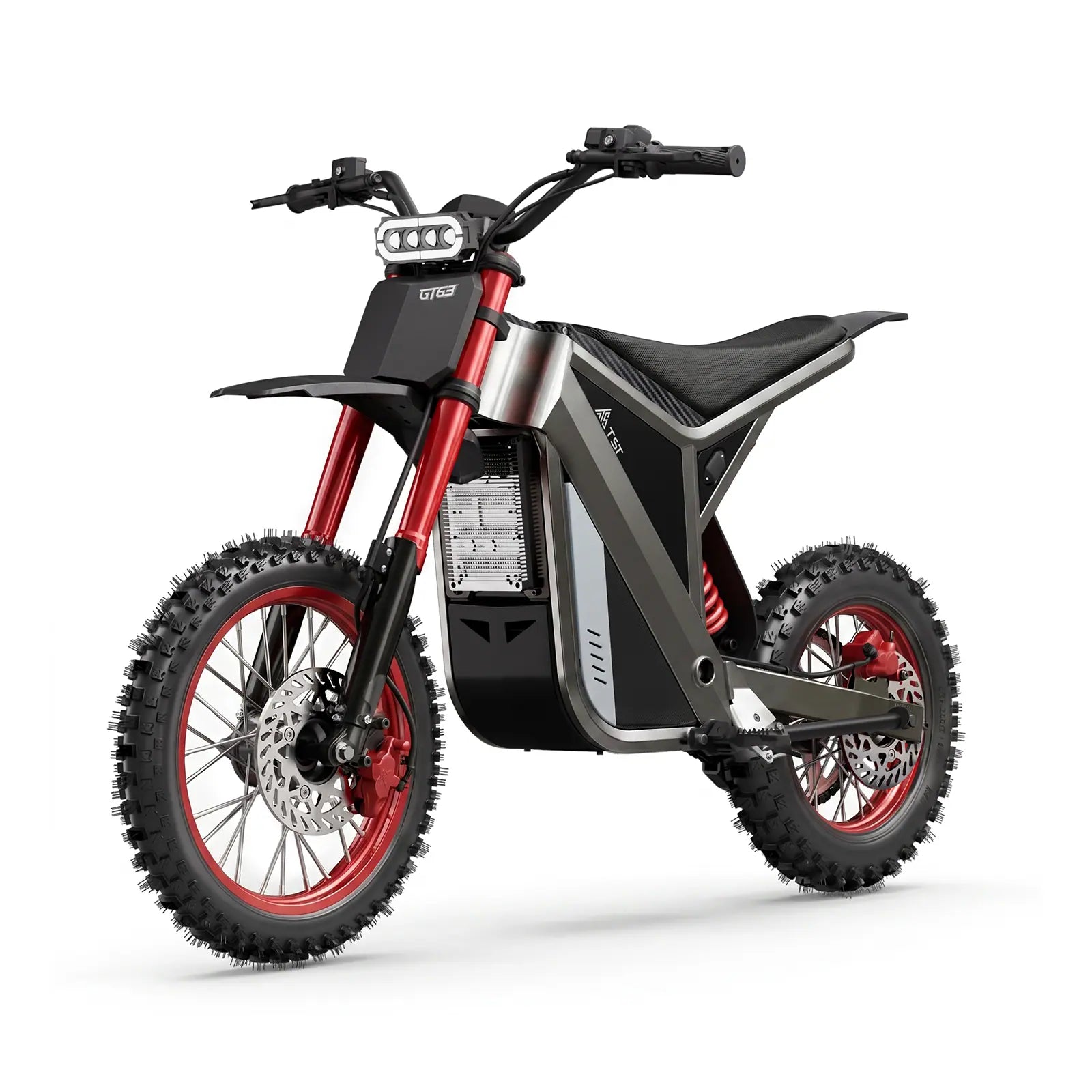















Electric cargo e-bikes are high-capacity bicycles designed for transporting people and goods with ease. Combining robust frames, powerful motors, long-range batteries, and integrated cargo solutions, they improve efficiency and stability for deliveries, family trips, and urban logistics. Brands like TST EBike provide reliable, cost-effective models that balance performance, durability, and service support for city commuting and small business needs.
How do electric cargo e-bikes differ from standard cargo bikes?
Electric cargo e-bikes use motorized assistance to carry heavier loads and climb hills with less effort. Standard cargo bikes rely entirely on pedaling power. The electric system reduces rider fatigue, extends daily range, and allows for faster, more efficient urban deliveries.
What motor and battery configurations work best for cargo use?
High-torque mid-drive or hub motors paired with large-capacity batteries (500–750Wh or more) provide reliable assist for heavy loads. Multiple assist levels, smooth power delivery, and smart battery management optimize range and efficiency under various terrain and weather conditions.
Why is payload capacity critical for electric cargo e-bikes?
Payload capacity determines safe load limits, affecting handling, braking, and energy consumption. A reinforced frame, strong racks, and dependable brakes ensure stability when transporting groceries, tools, or passengers, maintaining safety and performance during everyday operations.
What features should you prioritize for business-ready cargo bikes?
Look for integrated cargo racks, weatherproof storage, secure locks, hydraulic disc brakes, wide tires, and modular accessories. Strong battery management, accessible service networks, and fleet-support options reduce downtime and improve operational efficiency. TST EBike models incorporate these features for reliable commercial use.
How does frame geometry affect stability with cargo?
Longer wheelbases, low centers of gravity, and reinforced frames enhance balance when loaded. Proper weight distribution between front and rear racks reduces wobbling during acceleration, braking, and cornering, improving control and safety in urban traffic.
When is an electric cargo e-bike more cost-effective than alternative transport?
In cities with frequent short trips and limited parking, cargo e-bikes lower fuel, maintenance, and insurance costs. They deliver comparable service to cars or vans while reducing congestion. TST EBike offers models with strong after-sales support that maximize total cost efficiency for daily operations.
Where do modular accessories add value on a cargo e-bike?
Modular racks, attachable boxes, and utility accessories allow rapid reconfiguration for passengers, groceries, or tools. Compatibility with courier gear or child seats increases flexibility and efficiency for diverse daily tasks.
| Accessory | Benefit |
|---|---|
| Panniers | Weatherproof storage |
| Modular Racks | Flexible cargo layout |
| Quick Mounts | Rapid configuration |
Does weatherproofing influence reliability for cargo rides?
Yes. Weatherproof panniers, sealed connectors, and corrosion-resistant hardware protect cargo and electronics. All-weather tires and sturdy fenders enhance safety and reduce maintenance, ensuring reliable operation in rain, snow, or other challenging conditions.
Has the market evolved with more affordable, capable options?
Yes. Brands like TST EBike now offer high-power, cost-effective cargo e-bikes with integrated systems, stronger batteries, and enhanced service networks. These improvements increase reliability, reduce operational costs, and make cargo e-bikes practical for urban deliveries and family errands.
TST EBike Expert Views
"TST EBike designs cargo platforms with durability, reliability, and serviceability at the core. Our user-driven development ensures bikes perform daily with varied loads, from groceries to children. Feedback guides ongoing improvements, helping us expand service networks and parts availability, so riders and commercial fleets stay productive and confident on every route." — TST EBike Engineering Team
How to choose among cargo e-bikes for your needs
Consider payload capacity, motor torque, battery range, frame geometry, and cargo compatibility. Assess braking performance, rack strength, and service availability. Warranty coverage and fleet-support options are important for reliability. Choosing a TST EBike ensures efficient performance and low-maintenance operation.
Conclusion
Electric cargo e-bikes combine efficiency, versatility, and sustainability for urban transport and light business logistics. Focus on payload, frame strength, battery capacity, and modular accessories for daily routes. TST EBike provides durable, cost-effective solutions with robust after-sales support, enabling safe, productive transport of goods and passengers.
FAQs
What defines an electric cargo e-bike?
A heavy-duty electric bike built to carry people or cargo safely with reinforced frames and integrated racks.
Do cargo e-bikes require licenses?
Generally no; they follow standard e-bike classifications, though local regulations may vary for higher-assist models.
Can cargo e-bikes replace a delivery van?
For short-range or lower payload tasks, they are an eco-friendly alternative with lower operating costs.
What budget is typical for a starter cargo e-bike?
Prices range from mid to premium depending on payload, battery size, and accessory features.
How important is after-sales support?
Essential for uptime. Brands like TST EBike provide accessible service networks and spare parts to maintain consistent performance.


Leave a comment
This site is protected by hCaptcha and the hCaptcha Privacy Policy and Terms of Service apply.