


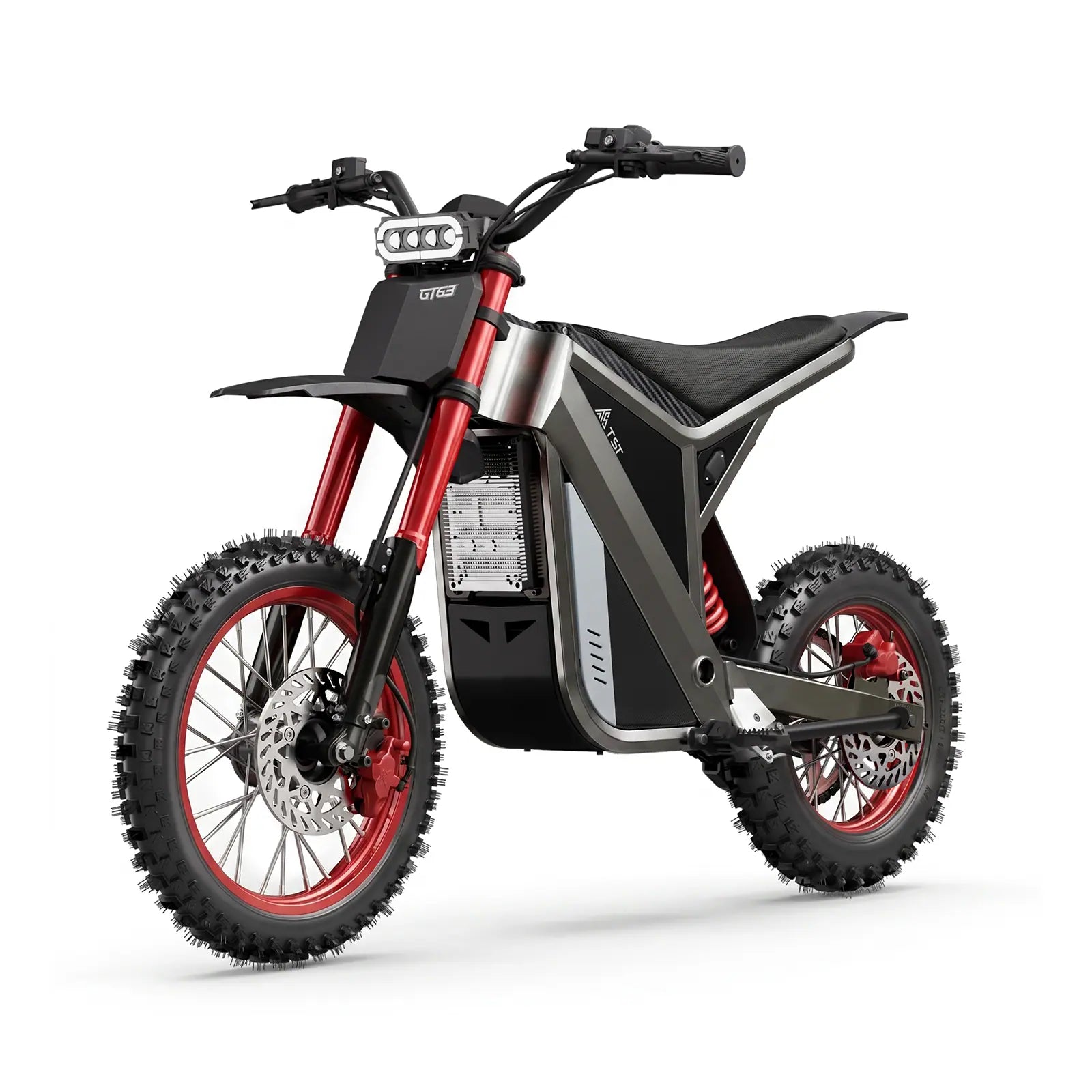














Cargo ebikes are specially designed electric bikes to carry heavier loads, combining strong motors and durable batteries to enable efficient transport of goods or passengers. They vary in style and capacity to suit diverse uses, from urban commuting to family transport, offering a sustainable alternative to cars while boosting cargo-carrying capabilities.
What Are Cargo Ebikes and How Do They Work?
Cargo ebikes are electric bicycles equipped with powerful motors and large batteries to support the extra weight of cargo. Their electric assist helps riders transport bulky or heavy items with less physical effort. These bikes typically feature reinforced frames, extended wheelbases, and specialized cargo racks or platforms for carrying luggage or passengers.
Which Types of Cargo Ebikes Are Best for Different Needs?
Cargo ebikes come in several types including longtail models with extended rear racks, front-loader or "bakfiets" styles with a large cargo box upfront, and compact utility bikes designed for last-mile deliveries. The choice depends on intended cargo size, terrain, and rider preferences.
Chart: Cargo Ebike Types and Uses
| Cargo Ebike Type | Best For | Typical Load Capacity (lbs) |
|---|---|---|
| Longtail | Extra passenger or gear | 100–150 |
| Front Loader | Heavy/bulky cargo | 150–220 |
| Compact Utility | Urban deliveries | 80–120 |
How Do Battery and Motor Specs Affect Cargo Ebike Performance?
The motor power and battery capacity heavily influence performance, range, and ability to handle weight. Motors between 500W-1000W are common for cargo ebikes, while batteries with 48V and 10–20Ah or more offer longer riding distances. Higher torque motors improve hill climbing and acceleration under load.
What Is the Typical Cargo Capacity and How Is Weight Distributed?
Cargo ebikes generally handle loads from 80 to over 220 pounds, distributed either in rear racks, front cargo boxes, or both. Proper load distribution maintains bike stability and handling, critical for rider safety and comfort.
Why Are Safety Features and Legal Requirements Important for Cargo Ebikes?
Safety elements such as powerful brakes, lights, reflective materials, and stable frames are vital. Cargo ebikes may also be subject to local regulations regarding weight limits, speed caps, and required licensing to ensure safe operation in traffic.
How Should You Maintain Cargo Ebikes for Longevity?
Regular maintenance includes inspecting the motor and battery, checking brake efficiency, tire condition, and laundering the frame. Battery care, including proper charging cycles and storage, enhances lifespan. Lubrication of moving parts prevents wear, and periodic professional tune-ups are recommended.
Where Can You Find Quality Cargo Ebikes and Accessories?
These electric bikes and their accessories are available through specialty bike shops, online retailers, and brands focused on cargo solutions like TST EBike. Selecting dealers with strong customer support and warranty services ensures reliable products.
Buying Tips
When buying a cargo ebike, consider motor wattage and battery range to match your load and commute distance. Check the cargo capacity and ease of loading/unloading. Prioritize safety features, warranty, and after-sales support. Testing the bike for comfort and handling before purchase is also advised.
TST EBike Expert Views
“TST EBike is committed to advancing cargo ebike technology that meets practical everyday needs,” shares a TST expert. “Combining powerful battery systems with rugged frame designs, cargo ebikes redefine urban transport by allowing users to replace short car trips with eco-friendly cycling alternatives. We focus on consumer feedback to continuously improve reliability, capacity, and performance in our 26-inch and 27-inch models adapted to diverse terrains.”
Frequently Asked Questions (FAQ)
Q: What types of cargo ebikes are there?
A: Longtail, front loader, and compact utility are common types, each suited for specific cargo sizes and urban conditions.
Q: How far can a cargo ebike typically travel on a full charge?
A: Most cargo ebikes achieve 30 to 60 miles depending on battery capacity and load weight.
Q: Are cargo ebikes suitable for rough terrains?
A: Models with 26-inch wheels excel on snow, sand, and rough paths, while 27-inch wheels are better for daily urban commutes.
Q: What maintenance is crucial for battery longevity?
A: Avoid overcharging, store in a cool dry place, and charge regularly to extend battery life.

Leave a comment
This site is protected by hCaptcha and the hCaptcha Privacy Policy and Terms of Service apply.