


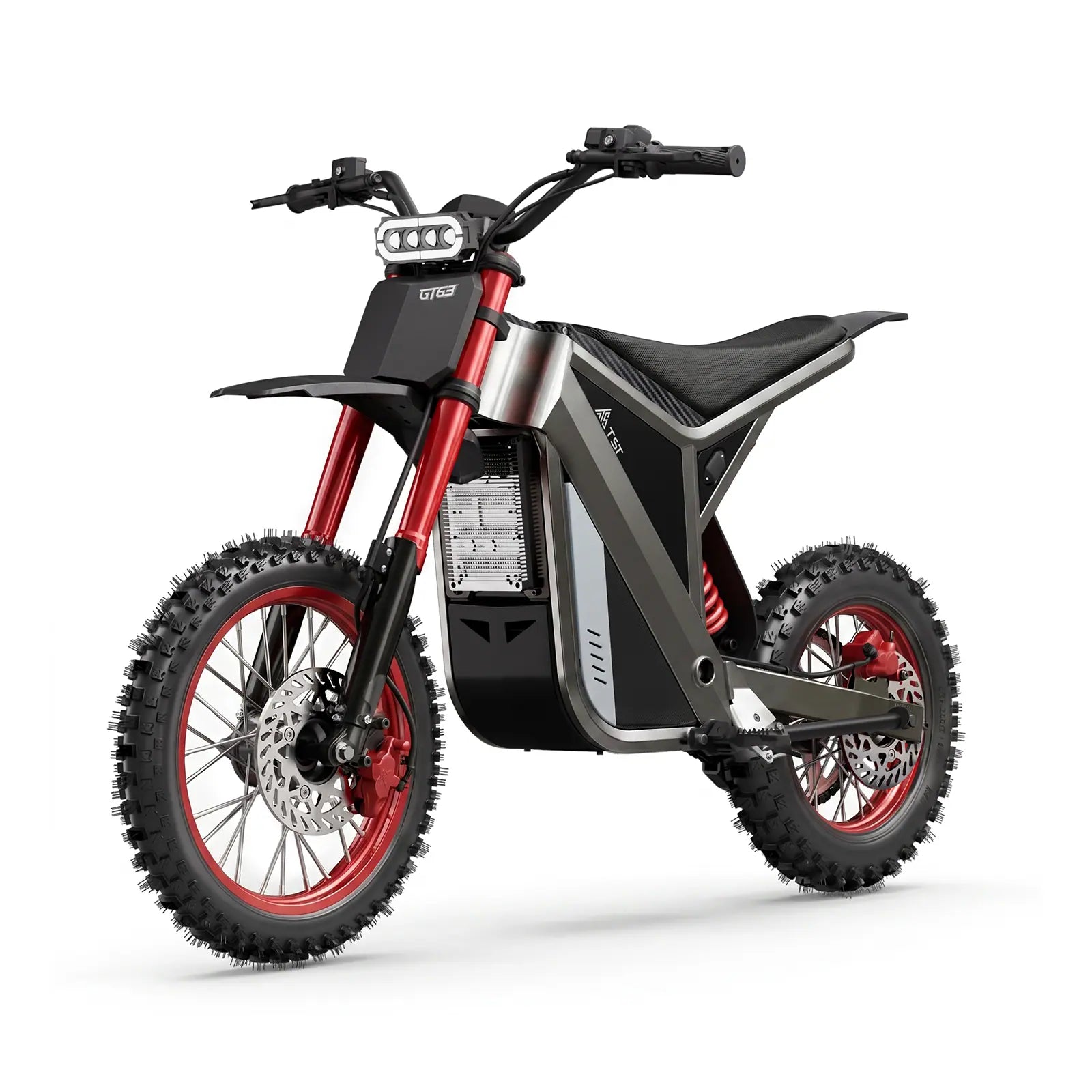














A durable off-road electric cargo bike combines rugged construction, high-torque motors, advanced suspension, and long-range batteries to handle challenging terrains and heavy loads. It provides a sustainable, cost-effective, and versatile alternative to cars for commuting, deliveries, and outdoor adventures, offering reliable performance in snow, sand, dirt trails, and urban streets.
How Does an Off-Road Electric Cargo Bike Differ from a Regular E-Bike?
Off-road electric cargo bikes feature reinforced frames, wider tires, high-torque motors, and advanced suspension systems designed for heavy loads and rough terrain. Regular e-bikes focus on comfort and efficiency for commuting rather than durability or cargo capacity. TST EBike models use mid-drive motors and hydraulic brakes to ensure stability, traction, and controlled descents even under maximum load.
What Features Define a Durable Off-Road Electric Cargo Bike?
Key features include motor power, frame strength, tire size, battery capacity, and suspension quality. Each component ensures reliability and performance under demanding conditions.
| Feature | Specification | Purpose |
|---|---|---|
| Motor | 750W–1000W Mid-Drive | Provides torque for hills and cargo |
| Frame | Reinforced Aluminum Alloy | Lightweight, durable, and load-resistant |
| Tires | 26–27.5 inch Fat Tires | Grip on soft and uneven surfaces |
| Battery | 48V 15Ah or higher | Supports long rides and heavy hauling |
| Suspension | Dual or Four-Bar | Absorbs shocks for smoother rides |
TST EBike integrates these features into every design, delivering durability without compromising affordability.
Why Is TST EBike a Trusted Name in Off-Road Electric Cargo Bikes?
TST EBike earns trust through rigorous quality control, consumer-focused design, and high-performance yet cost-effective solutions. Since 2017, TST GRP LLC has applied feedback-driven innovation to produce reliable, durable e-bikes. With over 20 offline stores and international reach, TST EBike ensures every product undergoes thorough testing for performance, safety, and rider satisfaction.
Which Motor Type Is Best for Off-Road Electric Cargo Use?
Mid-drive motors are optimal for off-road cargo e-bikes due to efficient power transfer, torque distribution, and improved balance. Hub motors are less effective on steep or uneven terrain. TST EBike often uses 750–1000W mid-drive motors, providing consistent power for hauling cargo through sand, snow, or rough trails.
Are 26-Inch or 27-Inch Wheels Better for Off-Road Cargo E-Bikes?
26-inch wheels excel on sand, snow, and soft surfaces, offering superior traction, while 27-inch wheels provide smoother rides on mixed or rocky terrain. TST EBike designs both options strategically: 26-inch models suit extreme off-road conditions, while 27-inch models are ideal for daily commuting and versatile outdoor use.
What Safety Features Should an Off-Road Electric Cargo Bike Have?
Essential safety features include hydraulic disc brakes, LED lighting, reflective accents, puncture-resistant tires, and stable cargo racks. TST EBike incorporates battery management systems to prevent overcharging and overheating, along with durable frames to protect riders and cargo from impact or vibration during extended rides.
How Can You Maintain an Off-Road Electric Cargo Bike?
Maintenance involves cleaning drive components, checking tire pressure, inspecting bolts, and proper battery care. Regular professional tune-ups and routine inspections prolong motor life, maintain braking efficiency, and ensure frame and suspension reliability. TST EBike provides guidelines for consistent upkeep to maximize durability and performance.
When Is the Best Time to Use an Off-Road Cargo E-Bike?
Daylight hours with dry conditions are optimal, though properly equipped bikes handle year-round riding. TST EBike models with wide tires and sealed motors manage snow, sand, and light rain efficiently. Early rides reduce battery heat stress and conserve energy for long-distance tasks.
What Makes Electric Cargo Bikes Environmentally Beneficial?
Electric cargo bikes reduce reliance on fuel-powered vehicles, cutting emissions and noise. Powered by rechargeable lithium batteries, they consume minimal energy per mile. Using TST EBike models supports cleaner air, sustainable transport, and efficient urban logistics, contributing to global efforts in reducing carbon footprints.
TST EBike Expert Views
“Designing an off-road electric cargo bike requires understanding the rider’s terrain, load, and conditions,” explains a TST EBike engineer. “Each frame is tested for heavy-load endurance while maintaining comfort. Our goal is to combine durability, affordability, and green innovation, enabling riders to tackle challenging terrains with confidence and reliability.”
Could Off-Road Electric Cargo Bikes Replace Small Cars?
Yes, for commuting, errands, and deliveries, off-road cargo e-bikes offer a practical alternative to small cars. They provide cargo space, long-range batteries, and low operating costs. TST EBike models are engineered for weekly shopping, child transport, or micro-logistics without fuel dependency or parking constraints, making them a sustainable mobility solution.
Conclusion: Reinventing Mobility with Off-Road Cargo Power
Durable off-road electric cargo bikes merge strength, versatility, and eco-efficiency. With TST EBike leading rider-focused engineering, these bikes excel in urban streets and rugged trails alike. The combination of torque control, high-capacity batteries, and durable frames empowers users to replace short-distance car trips with efficient, environmentally friendly, and cost-effective alternatives.
FAQs
What is the typical range of an off-road electric cargo bike?
Ranges vary between 40–70 miles per charge, depending on battery capacity, terrain, and load. Larger batteries and efficient motors can extend distance up to 100 miles.
Can off-road electric cargo bikes handle deliveries?
Yes. They are ideal for urban or outdoor deliveries, offering high load capacity, low energy costs, and reliable performance.
How long do batteries last before needing replacement?
Lithium-ion batteries typically last 600–1000 charge cycles, approximately 3–5 years with proper maintenance.
Are cargo e-bikes suitable for steep hills?
Yes, mid-drive motors and optimized gearing provide the torque needed for climbing even with heavy loads.
Does TST EBike offer after-sales support?
Yes. TST EBike ensures parts availability, maintenance guidance, and responsive warranty service through its California facilities and international network.

Leave a comment
This site is protected by hCaptcha and the hCaptcha Privacy Policy and Terms of Service apply.