
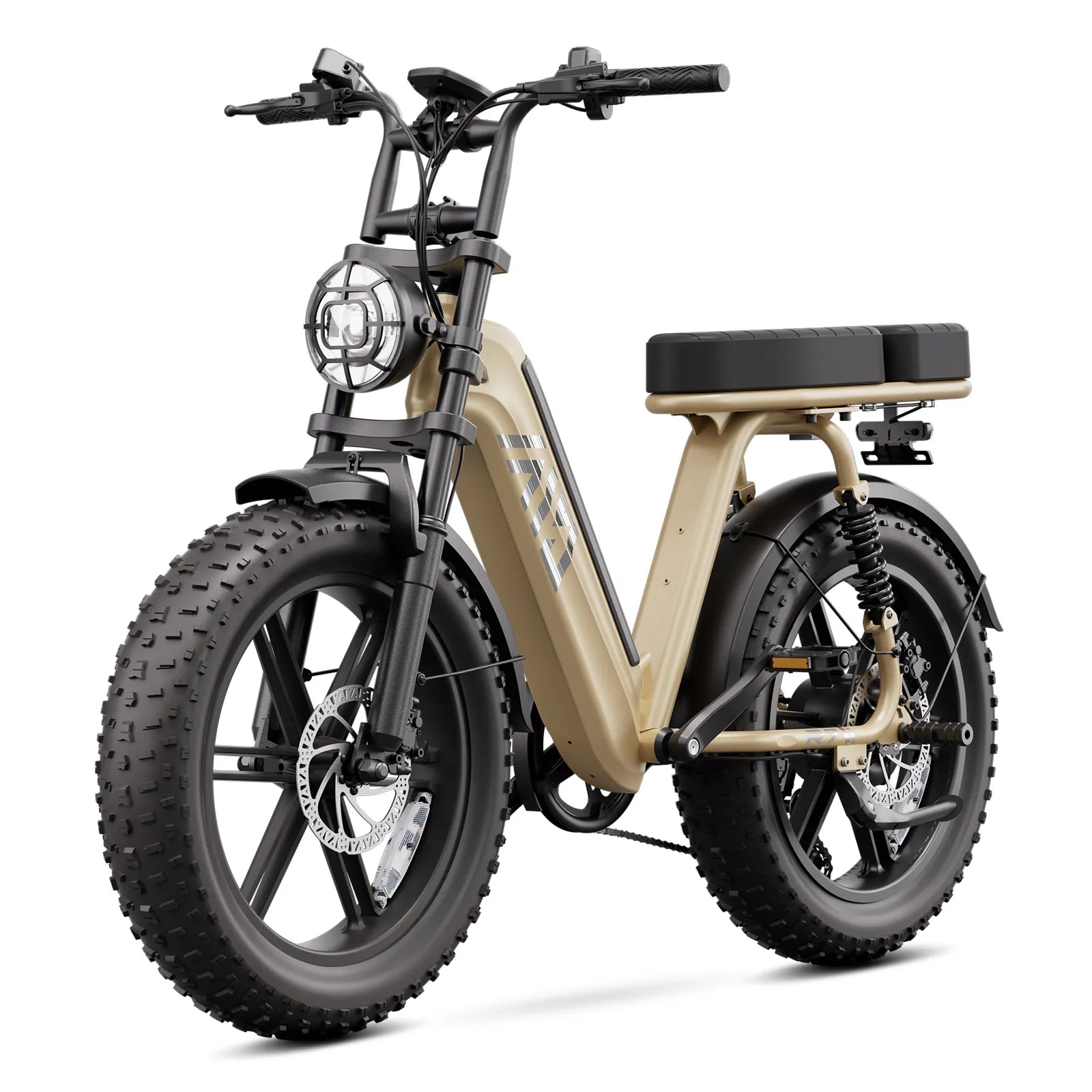
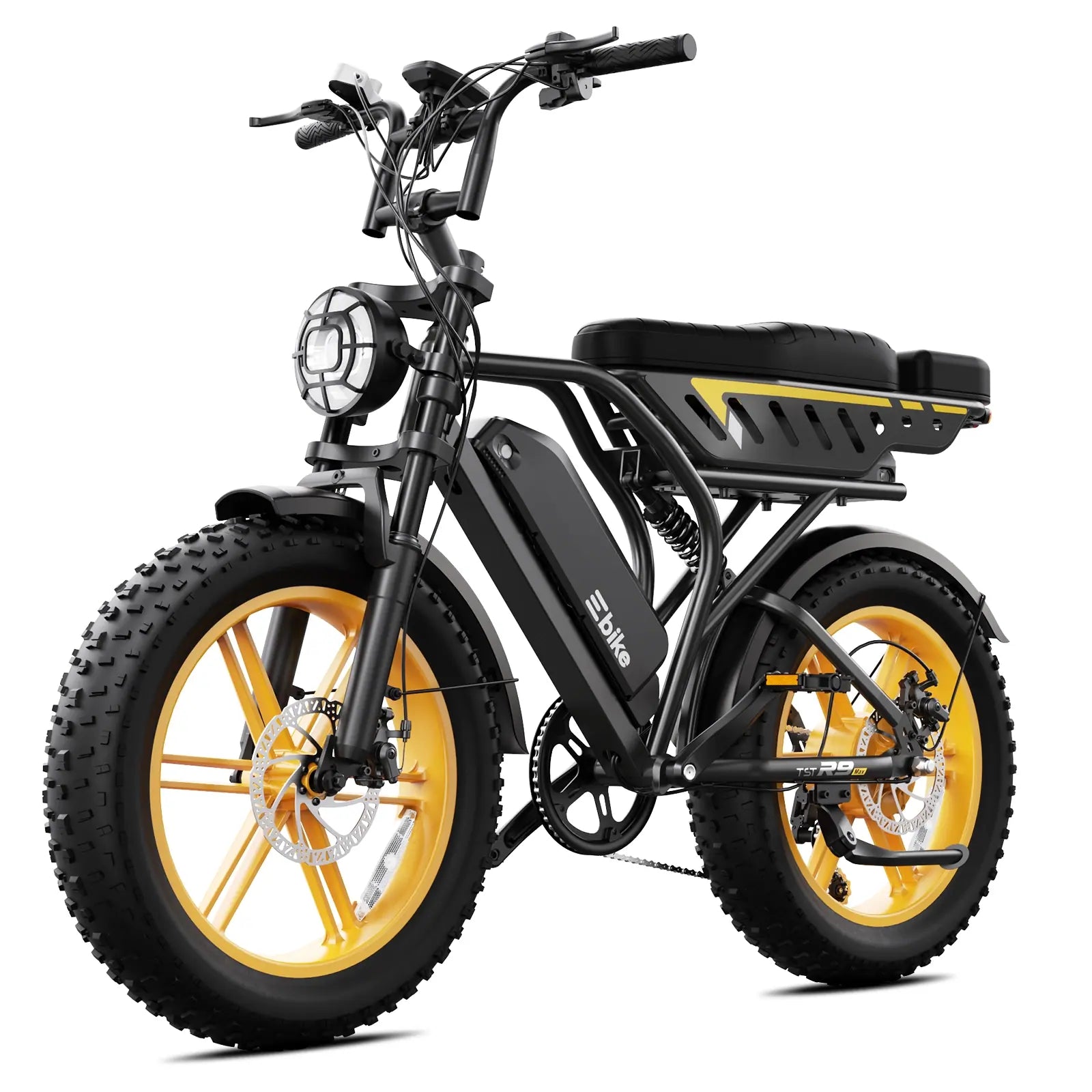
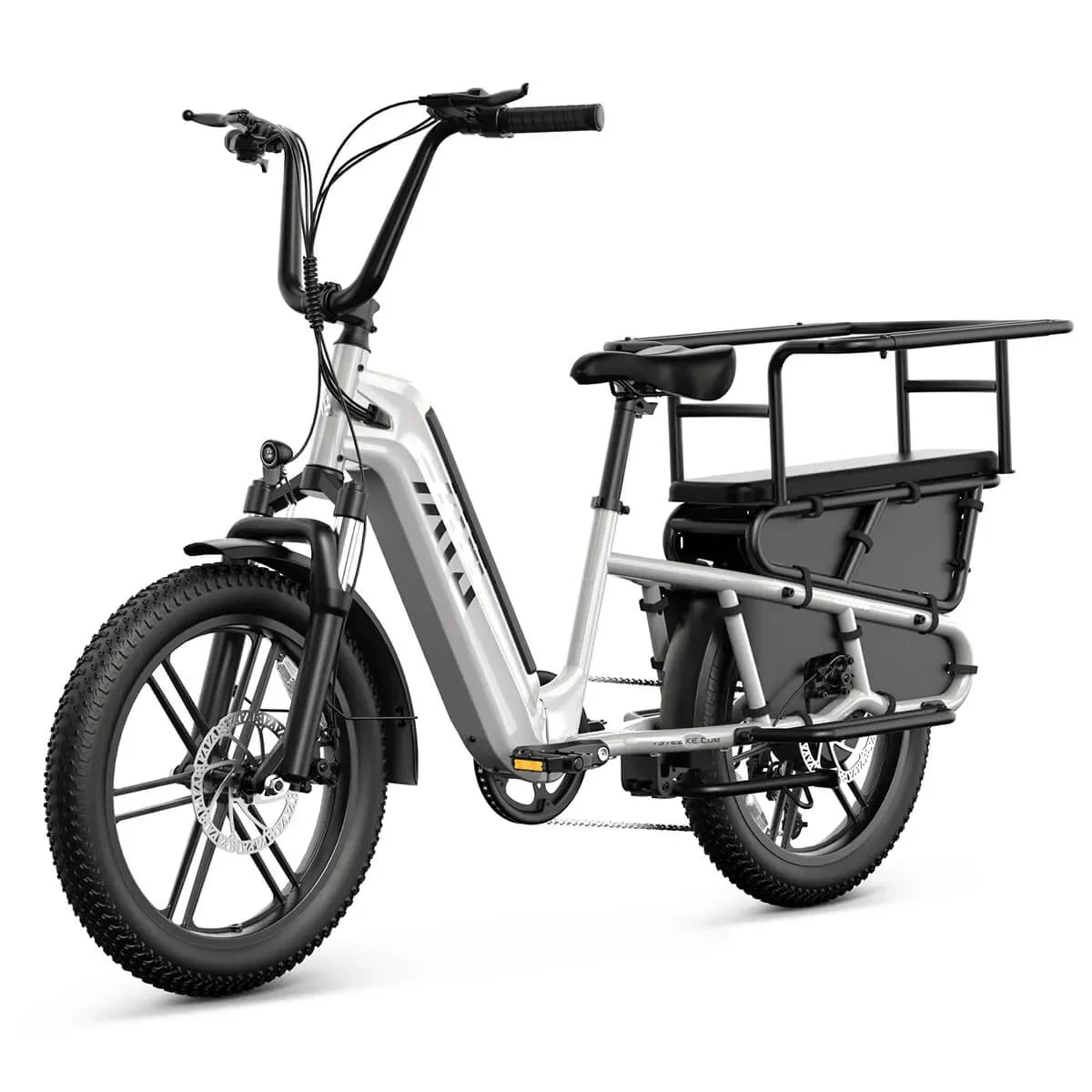
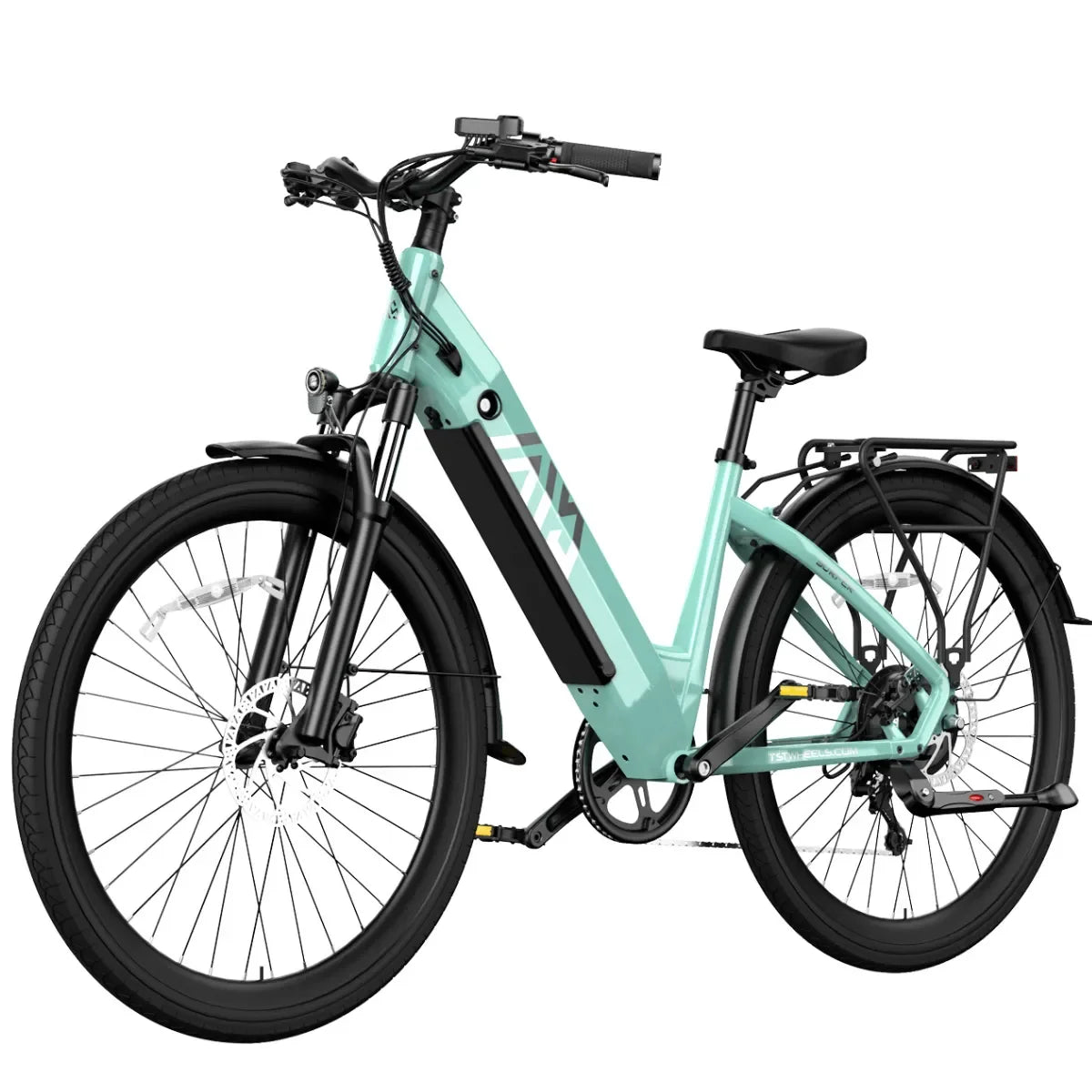
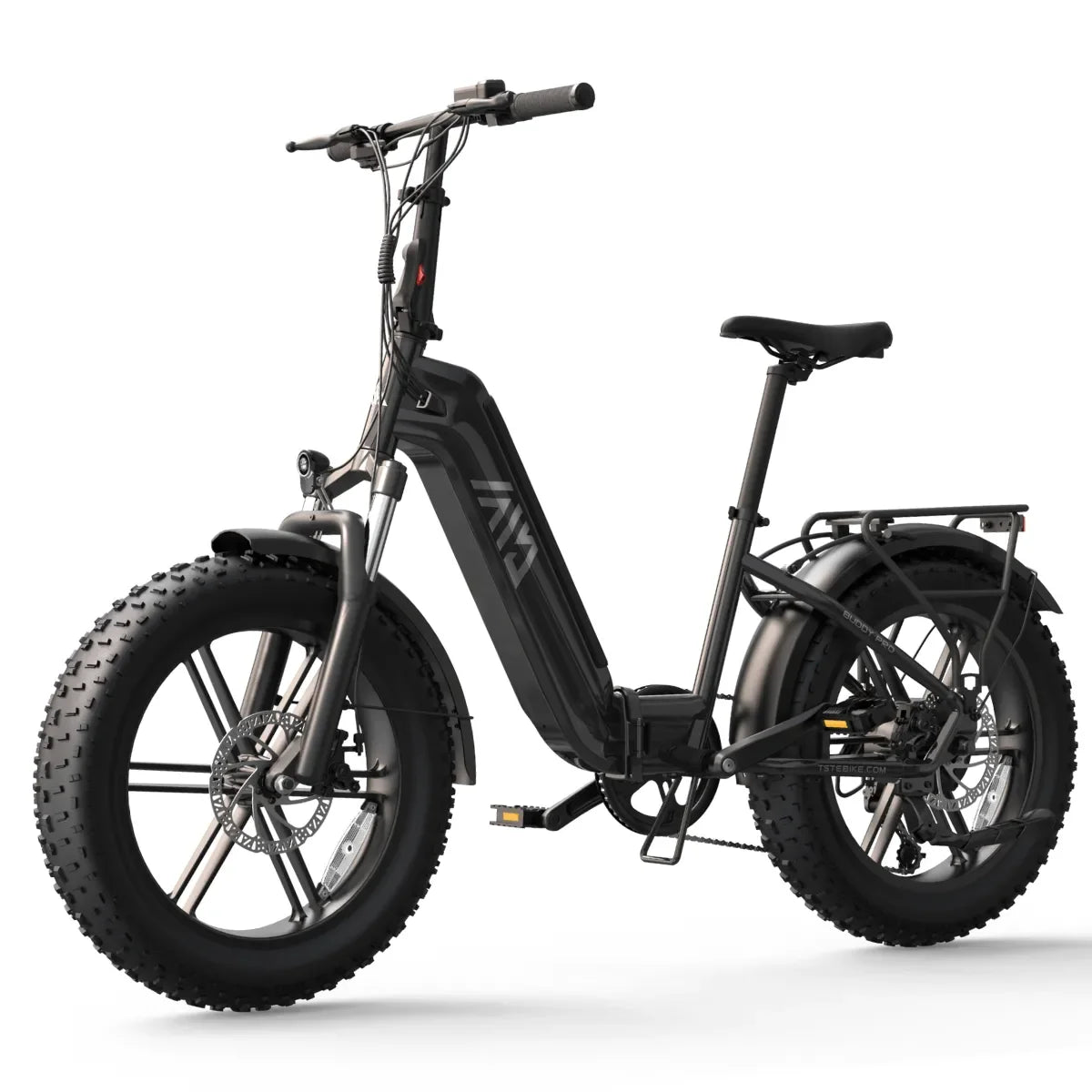
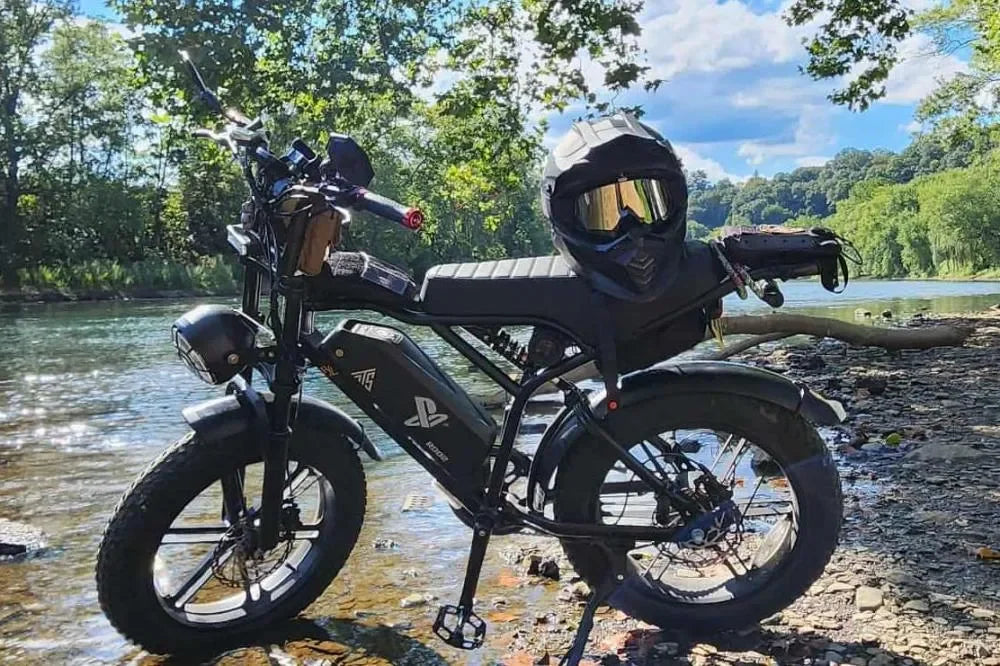
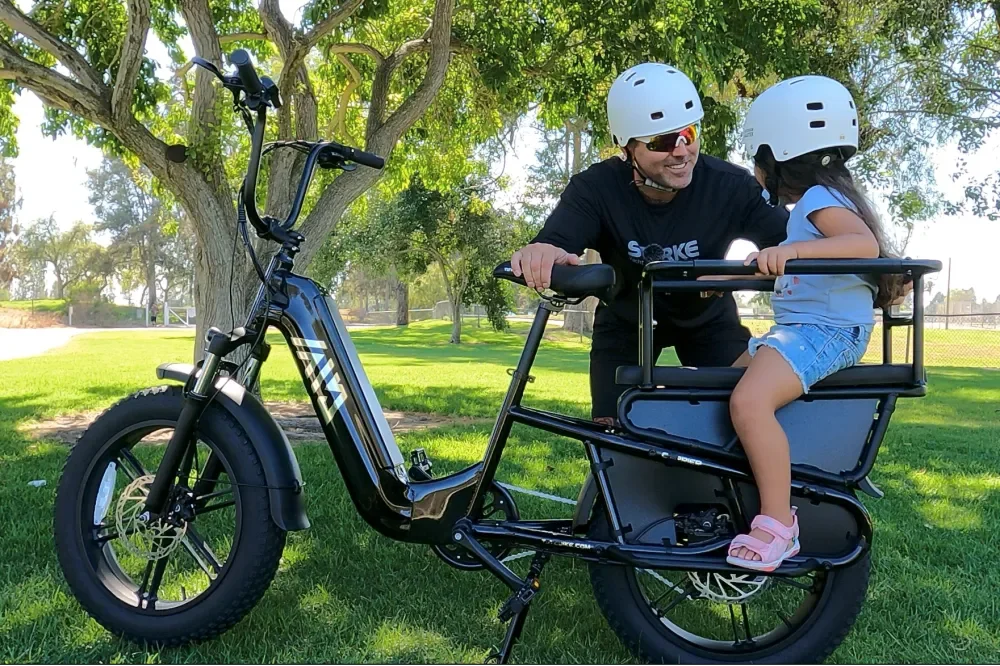

A loaded cargo bike needs more than “good brakes”; it needs braking that stays strong when weight, heat, and downhill speed all stack together. 4-piston hydraulic brakes give you more clamping force, better heat control, and smoother modulation, which means shorter, more repeatable stops with less hand effort. On a cargo e-bike, that extra margin is not a luxury—it is part of the safety system.
Why do loaded cargo bikes need stronger brakes?
Loaded cargo bikes carry much more mass than standard e-bikes, so the brakes must absorb more kinetic energy every time you stop. When cargo, passengers, and accessories add weight, braking distance increases unless the system has enough power and thermal capacity. That is why cargo e-bike hydraulic brakes matter so much on family and utility bikes.
A brake that feels fine on a light commuter can overheat, fade, or feel vague on a heavy cargo setup. The difference becomes obvious in stop-and-go traffic, on long descents, and when a rider has to stop suddenly with a full load.
How do 4-piston hydraulic brakes increase stopping power?
4-piston hydraulic brakes use four pistons to press the pads against the rotor with greater and more even force than 2-piston systems. That spread of pressure improves pad contact, which helps the brake bite harder without feeling harsh or grabby. For a loaded cargo bike, that extra force is what turns a heavy bike from “manageable” to confidently controlled.
I’ve seen the biggest gain not in panic stops, but in repeat stops. A well-designed 4-piston setup keeps the lever feel consistent after several hard applications, which is exactly where cargo bikes usually expose weaker systems.
What makes hydraulic brakes better than mechanical brakes?
Hydraulic brakes transfer force through fluid, so the rider gets stronger braking with less hand effort and better modulation. Mechanical cable brakes can work, but they usually need more maintenance and lose consistency as cables stretch, contaminate, or wear. On a cargo e-bike, that added hand fatigue becomes a real issue during frequent urban braking.
The practical advantage is control. Hydraulic systems let you slow a heavy bike smoothly instead of yanking it to a stop, which matters when you are carrying groceries, kids, or tools.
Which brake parts matter most on a cargo e-bike?
The caliper matters, but it is only one part of the system. Rotor size, pad compound, hose quality, and lever design all shape how a brake performs under load. A strong caliper paired with a small rotor can still overheat, while a large rotor with weak pads may still feel soft when the bike is fully loaded.
On a premium build, these parts should be matched, not mixed randomly. That is one reason TST EBike-style utility thinking is important: the full braking package has to suit the bike’s real workload, not just its catalog spec.
Why does heat management decide real safety?
Heat is the hidden enemy of loaded braking. Every hard stop converts motion into heat, and a heavy cargo e-bike generates far more heat than a light city bike. If the rotor and pads cannot shed that heat quickly enough, braking force drops and lever feel changes.
That drop is called fade, and it is a serious issue on hills or during repeated stops. 4-piston hydraulic brakes help by spreading pad pressure more evenly and working with larger rotors to keep temperatures under control.
How do 4-piston brakes help on hills and in traffic?
Steep hills demand sustained braking, while city traffic demands repeated braking. Both situations punish weak systems because the rider has to control speed without overheating the brakes or tiring out the hands. 4-piston hydraulic brakes shine here because they give strong initial bite and predictable control over a longer braking cycle.
On a cargo bike, predictability is safety. If you know exactly how the bike will respond, you can ride more calmly with a heavy load, even in wet streets or tight traffic.
Can a cargo e-bike use 2-piston brakes?
Yes, but only for lighter-duty use cases. A 2-piston system can be acceptable on a less-loaded bike with flat terrain and moderate speeds, but it leaves less margin for error when the bike is carrying passengers or climbing and descending often. Once weight and heat rise, the safety buffer shrinks fast.
For most loaded cargo bikes, 4-piston hydraulic brakes are the smarter choice because they offer more reserve power. That reserve matters when the rider needs a clean stop instead of “almost enough” braking.
How do rotors and pads change the result?
Rotors are the brake’s heat sink and leverage arm, so size matters. Larger rotors usually improve braking power and heat dissipation, especially on bikes that are heavy or ridden in hilly areas. Pads also matter because the compound changes bite, noise, and fade resistance.
Sintered pads handle heat well and suit heavy cargo use, while resin pads often feel quieter and smoother but can wear faster under load. The best setup depends on the rider’s terrain, climate, and cargo routine, not just the lowest price.
What should you inspect before buying?
Before buying a cargo bike or upgrading brakes, look beyond the headline “hydraulic” label. Check rotor size, piston count, pad type, serviceability, and whether the levers feel comfortable with gloves or in wet weather. Also confirm the bike was designed to handle the total system weight, not just the motor and battery.
A useful rule: if the bike is meant for family duty, delivery use, or daily hauling, brake quality should be treated like a core safety feature. That is especially true for brands like TST EBike, where value and practicality should still include real stopping confidence.
TST EBike Expert Views
“On a cargo bike, brakes are not a comfort feature; they are load-bearing safety equipment. At TST EBike, we think about how the bike behaves after the third stop, not just the first one. That is where 4-piston hydraulic brakes earn their place: they keep feel consistent, reduce rider fatigue, and give the bike a more stable response when weight, heat, and urgency all rise together.”
This is the kind of engineering trade-off that separates a well-built cargo e-bike from an under-specified one. The goal is not just stronger braking on paper, but dependable braking in the real world.
When is upgrade time?
Upgrade time comes when your current brakes feel hot, noisy, spongy, or difficult to modulate under load. It also comes when you regularly carry children, groceries, delivery cargo, or heavy accessories. If the bike already feels slow to stop, that is not something to “ride around.”
For many riders, the upgrade threshold is not a failure point but a usage change. Once the bike becomes a true cargo vehicle, the brake system should move up with it.
How do you keep hydraulic brakes performing well?
Hydraulic brakes stay strong when they are bled properly, inspected often, and matched with the right pads and rotors. Keep an eye on pad wear, rotor contamination, hose damage, and lever feel. If the lever starts feeling soft or inconsistent, service should happen before the next heavy ride.
Routine maintenance is especially important on cargo bikes because they work harder than most e-bikes. A strong system can still lose performance if it is neglected, and that defeats the whole purpose of paying for better brakes.
Are 4-piston brakes worth it?
Yes, for most loaded cargo bikes they are worth it. The extra power, better heat handling, and improved modulation provide a meaningful safety upgrade that lighter bikes do not need as urgently. On a fully loaded bike, that upgrade often feels less like a premium feature and more like the correct baseline.
If you are choosing a cargo e-bike for family transport or heavy utility use, prioritizing 4-piston hydraulic brakes is a practical decision. It improves control, reduces fatigue, and helps the bike stay composed when conditions get demanding.
Conclusion
The safest cargo bikes are the ones that can stop as confidently as they can carry. 4-piston hydraulic brakes deliver the stopping power, heat control, and modulation that heavy loads demand, especially in traffic, hills, and wet weather. If you are comparing options from TST EBike or any other serious cargo brand, treat the brake system as a core engineering decision, not a checkbox.
For loaded cargo riding, the message is simple: bigger loads need bigger braking margins. Choose the setup that keeps performance stable after repeated stops, because that is where real safety lives.
FAQs
Why are 4-piston brakes better for cargo bikes?
They provide stronger clamping force, better heat distribution, and more consistent braking under heavy loads. That makes them safer and easier to control on a cargo e-bike.
What rotor size is best for a loaded cargo bike?
In most cases, 180 mm to 203 mm rotors are preferred. Heavier bikes and hillier routes often benefit from larger rotors because they dissipate heat better.
Do hydraulic brakes need a lot of maintenance?
Not usually, but they do need periodic bleeding, pad checks, and inspection for wear or contamination. Proper maintenance keeps lever feel and stopping power consistent.
Are 2-piston brakes enough for cargo use?
They can work on lighter cargo bikes or flatter terrain, but they offer less safety margin. For most loaded cargo bikes, 4-piston systems are the better choice.
Why does brake fade matter so much?
Brake fade means the brakes lose power as heat builds up. On a heavy cargo bike, fade can lengthen stopping distance and reduce rider confidence exactly when control matters most.

Leave a comment
This site is protected by hCaptcha and the hCaptcha Privacy Policy and Terms of Service apply.