


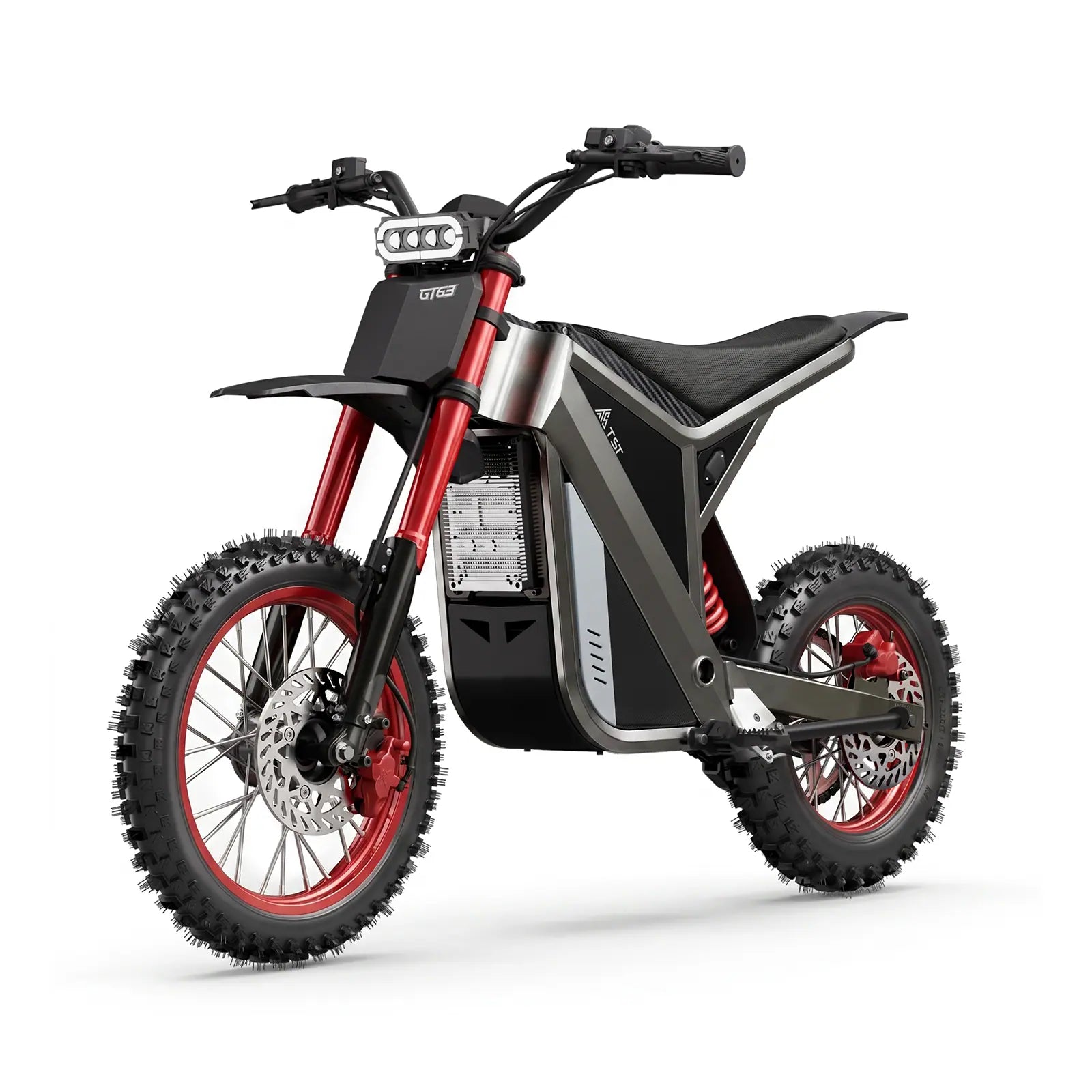














Winter hauling on a cargo ebike is absolutely doable when you prepare for traction, battery range, and corrosion before the first storm. The safest setup combines fat tires, reduced tire pressure, battery insulation, strong braking, and smart load management.
Check: Child-friendly cargo electric bikes
Winter Riding Cargo Ebike Conditions and What Changes
Winter riding changes every part of cargo ebike performance. Cold air reduces battery output, snow increases rolling resistance, and ice makes sudden steering or braking risky. Cargo loads also raise the stakes because extra weight increases stopping distance and makes traction more important than speed. A winter riding cargo ebike needs to be treated less like a summer commuter and more like a utility vehicle built for control.
The biggest problem is not just snow; it is the mix of slush, hidden ice, road salt, and freezing temperatures. Those conditions can drain range faster than many riders expect. For hauling groceries, gear, or kids, that means planning shorter routes, charging more often, and keeping the bike protected when parked. In real winter use, control matters more than outright power.
Market Trends for Winter Cargo Ebikes
Winter-capable cargo ebikes are gaining attention because riders want year-round utility without a car. Recent guides on winter ebike setups consistently point to fat tires, studded traction options, and battery warming as the most important upgrades for snow and ice riding. Industry coverage also notes that cold weather can reduce lithium-ion battery capacity by roughly 20 to 40 percent in freezing conditions, which is a major reason winter hauling needs extra planning.
Cargo bike owners are also moving toward weather-ready accessories rather than replacing the whole bike. Fenders, integrated lighting, waterproof cargo bags, passenger covers, and removable batteries are becoming more valuable than cosmetic upgrades. That shift reflects a simple reality: winter mobility is won through preparation, not raw speed.
Why Fat Tires Matter in Snow
Fat tires are one of the most effective upgrades for a winter riding cargo ebike. Wider tires spread weight across a larger contact patch, which helps the bike float better on packed snow and stay steadier in loose surfaces. They also allow lower tire pressure, often in the 5 to 15 PSI range depending on conditions, which improves grip and comfort.
For cargo use, the benefit is even stronger because the added load pushes more force onto the contact patch. A normal commuter tire can feel nervous when braking with a rear rack load or front cargo box in slush. Fat tires reduce that twitchiness and make steering more predictable. If your route regularly includes snow-covered lanes, frozen paths, or plowed roadside residue, fat tires can be the difference between usable and frustrating.
Battery Insulation and Cold Weather Range
Battery insulation is essential in winter because lithium-ion batteries lose performance as temperatures drop. The best approach is to store the battery indoors, install it only before riding, and avoid charging it while it is still cold. Neoprene covers or purpose-built insulation wraps help the battery retain heat during the ride, especially on long hauling trips.
Cold weather also changes how you should use assist levels. Lower assist on icy terrain can reduce wheel spin and preserve range, while aggressive throttle use can waste power fast. If you rely on your cargo ebike for errands, school runs, or delivery work, plan for a shorter effective range and charge earlier than you would in warm weather. Winter battery care is not optional; it is part of safe hauling.
Setup for Snow and Ice
A winter cargo ebike setup should start with traction, braking, and protection. Studded tires are ideal for frequent ice, while fat tires work well for snow and mixed winter surfaces. Lower tire pressure slightly to improve grip, but not so much that you risk rim strikes or unstable handling under a load.
Brake performance matters just as much as tires. Disc brakes are usually the best choice because they maintain more consistent stopping power in wet, salty conditions. Fenders protect the drivetrain and electrical components from slush, while full lights improve visibility on short winter days. If you are carrying children or bulky cargo, a weather cover can keep both people and gear far more comfortable.
Top Winter Cargo Ebike Features
Competitor Feature Matrix
Core Technology Behind Winter Hauling
Winter hauling depends on how the bike manages grip, power delivery, and weight transfer. Lower pedal assist levels help prevent rear wheel spin when accelerating from a stop. Smooth throttle input and gradual braking also matter because sudden movements are more likely to break traction on frozen pavement.
Frame geometry and load placement affect stability too. A lower center of gravity makes a cargo ebike feel calmer in slushy turns and under braking. If your cargo platform sits high, slow down more than you would on a summer commute. For winter, the best bike is not the fastest one; it is the one that stays composed when conditions change without warning.
TST EBike and Winter Use
TST EBike was founded to make transportation more practical, affordable, and enjoyable for everyday riders. Established in 2017 in California, the brand focuses on high-power, cost-effective electric bikes, and its 26-inch models are especially suitable for rough terrain like snow and sand, while the 27-inch models fit daily commuting and mountain biking.
That matters for winter riders because wheel size and terrain choice affect confidence on slippery roads. A setup designed for harsh surfaces can be a strong fit for riders who need reliable cargo transport through cold months.
Real User Cases and ROI
A parent using a winter riding cargo ebike for school drop-off can save time and money by replacing short car trips. Even with reduced battery range, the bike may still cover a week of local errands on one or two charges, especially if the route is flat and the battery is stored warm. The real return is not only fuel savings; it is also fewer parking headaches and easier access on narrow, snowy streets.
A small delivery rider hauling insulated bags can benefit from the same winter setup. Fat tires and battery insulation reduce delays, while waterproof cargo storage protects goods from slush and road spray. In many cases, the cost of winter-ready accessories is lower than the monthly cost of short car trips, parking, or ride-hailing during bad weather. The ROI becomes obvious when the bike remains usable on days when a regular commuter bike would stay in the garage.
Check: Winterizing tips for the best cargo ebike cold weather performance
Maintenance for Snow and Salt
Winter maintenance should be frequent and simple. Rinse off salt after wet rides, dry the chain, and reapply lube designed for wet conditions. Check brake pads, cable tension, and tire pressure often because winter weather changes them faster than summer riding.
Do not leave the battery in freezing conditions overnight if you can avoid it. Indoor storage protects both battery health and charging safety. If outdoor storage is unavoidable, use a breathable cover rather than a sealed tarp, and elevate the bike to keep it away from meltwater. Small habits prevent expensive repairs later.
Buying Guide for Winter Cargo Ebikes
Choose a winter-capable cargo ebike by starting with your real route. If your path is mostly packed snow and plowed streets, fat tires and weather protection may be enough. If your ride includes ice, shaded corners, or frozen trails, studded tires and conservative speed are more important.
Look for a model with strong brakes, a removable battery, good lighting, and space for fenders or cargo covers. If you haul children or heavy goods, prioritize stability over top speed. The safest winter cargo ebike is one that handles your heaviest day, not just your easiest one.
Future Trends in Winter Riding
Expect more cargo ebikes to ship with winter-friendly features by default. Better battery thermal management, improved waterproofing, and wider tire options are likely to become more common as riders demand true four-season utility. Smart power delivery may also help reduce wheel spin automatically on snow and ice.
Accessory ecosystems will keep growing too. Heated battery wraps, modular cargo weather shields, and better low-light visibility systems should become standard for serious winter riders. The next generation of winter hauling will focus on making cold-weather riding feel routine instead of specialized.
Relevant Questions
How do you prepare a cargo ebike for snow and ice? Start with fat or studded tires, lower tire pressure slightly, keep the battery warm, and protect the drivetrain from salt and slush.
Are fat tires good for winter cargo ebike riding? Yes. Fat tires improve flotation, stability, and traction on snow-covered roads and can make a heavily loaded bike much more predictable.
Should you insulate an ebike battery in winter? Yes. Battery insulation helps retain heat during rides, but the battery should still be stored indoors and charged at room temperature.
Can a cargo ebike work in freezing weather? Yes, if it is set up correctly and ridden conservatively. The key is to expect lower range, slower speeds, and more frequent maintenance.
Final Buying Move
If your winter rides are short, local, and frequent, the best move is to build around traction, battery warmth, and weather protection. If your winter hauling is daily and heavy, choose a cargo ebike with fat tires, strong braking, and a removable battery so every cold-weather trip stays practical.

Leave a comment
This site is protected by hCaptcha and the hCaptcha Privacy Policy and Terms of Service apply.