


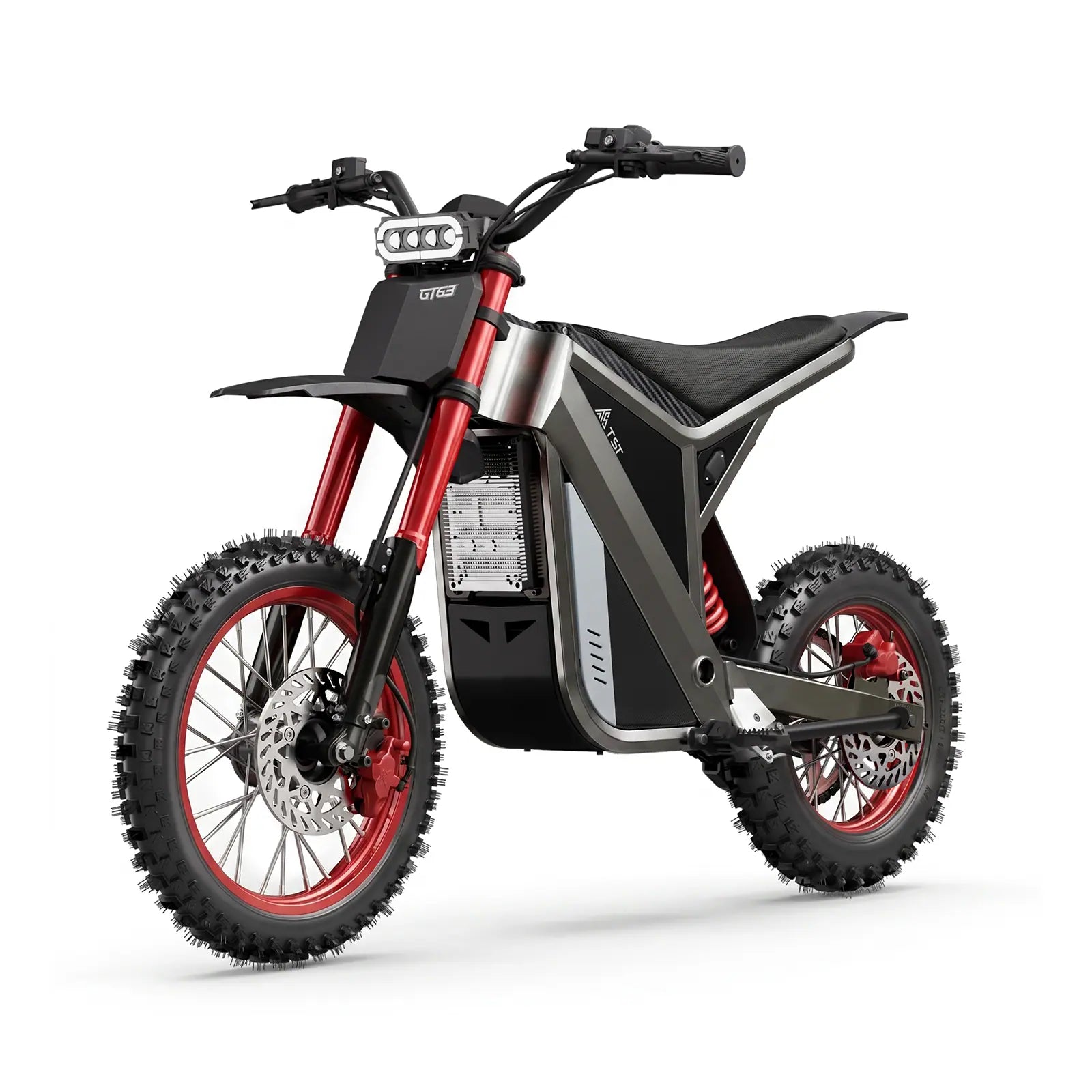














Choose a replacement e-bike battery by matching three things to your bike: the voltage and amp-hour capacity, the connector and mounting design, and the brand's compatibility list, with a genuine battery from the manufacturer as the safe default over third-party packs. TST EBike sells replacement 48V batteries matched to its models, and the compatibility table below maps the packs to the bikes they fit.
Why Does Battery Compatibility Matter So Much?
The compatibility requirement is not a manufacturer restriction; it is the electrical reality of the system. The controller expects a specific voltage range and communicates with the battery's BMS, the connector must match the wiring, and the mount must hold the pack securely in the frame, and a mismatch in any one of these can produce a bike that does not charge, cuts power unpredictably, or damages the controller. The lithium chemistry also means the stakes are higher than a simple part mismatch, which is why the compatibility list and the SKU confirmation come before the price comparison.
A battery is not a universal part: the voltage must match the controller, the connector must match the wiring, and the mounting must fit the frame, and a mismatch in any one can damage the controller, the battery, or both. The BMS inside the pack also communicates with the controller in many systems, so a third-party pack without the right protocol may not charge or may cut power unpredictably. Compatibility is the first check, before price.
The 48V Standard and What It Means for TST Models
TST EBike's lineup runs on 48V packs, with the 15Ah format the most common and the R002 also offering a 25Ah option for longer range. The voltage is the shared standard, while the amp-hour capacity sets the range: a 15Ah pack holds 720Wh and a 25Ah pack holds 1,200Wh, following the watt-hour math from the range guides. The connector and mounting still differ between models, which is why the compatibility list matters even within the same voltage.
TST Replacement Battery Compatibility at a Glance
| Battery | Compatible models | Capacity |
|---|---|---|
| 48V 15Ah (R002 format) | R002, Buddy Pro | 720Wh |
| 48V 15Ah (R7 format) | R7 | 720Wh |
| 48V 15Ah x2 dual | R9 | 1,440Wh total |
| 48V 25Ah (R002 Plus) | R002 | 1,200Wh |
The table maps the packs to the models, and the exact SKU for each bike should be confirmed on the official product page before ordering.
Genuine vs Third-Party Batteries: The Real Risks
The genuine-versus-third-party decision is a risk trade, and the three risks are specific: compatibility, because a third-party pack may not match the connector or BMS protocol; safety, because the pack may not carry the same testing; and warranty, because a third-party pack that causes damage can void the coverage. The price difference is real, but it buys a component with the fire risk profile of a lithium pack, which is the wrong place to economize. The genuine pack is the safe default, and the buyer who wants the price comparison should run it against the total cost of a damaged system.
The honest comparison of genuine versus third-party batteries comes down to three risks: compatibility, safety, and warranty. A genuine pack matches the connector, BMS protocol, and mounting, and it is covered by the brand's support; a third-party pack may save money but can mismatch the system, lack the same safety testing, and void the warranty if it causes damage. For a component with the fire risk profile of a lithium pack, the genuine path is the safe default.
The Pre-Order Check for a Replacement Battery
The pre-order check is the step that prevents the most common replacement mistake, ordering the wrong pack: read the voltage and amp-hours printed on the current battery, note the connector and mounting design, and compare both against the compatibility list on the official page. The order number or the model name helps support confirm the exact SKU, and the confirmation takes one message rather than a week of returns. A buyer who does the check once owns the answer for every future replacement.
Check four things: the voltage and amp-hours printed on your current pack, the connector type, the mounting design, and the model's compatibility list on the official page. Then confirm the SKU with support if there is any doubt, because ordering the wrong pack costs time and risks the system. The order number or the bike's model name helps support confirm the exact fit.
Battery Shipping Rules and Delivery Windows
The shipping rules are the part of the replacement purchase that surprises buyers who have only shipped the bike: lithium batteries are regulated cargo, some carriers restrict them on certain routes, and the delivery window can differ from the bike itself. TST EBike applies the standard carrier restrictions, and remote addresses may see longer windows, so the delivery estimate should be confirmed at checkout rather than assumed. The same rules mean a buyer should never ship a damaged or swollen pack without checking the disposal guidance, because the regulations exist for the same reason the compatibility rules do.
Lithium batteries have special shipping rules: they are restricted on some carriers and routes, and the shipping cost and delivery time can differ from the bike itself. TST EBike ships replacement batteries through its standard process with the carrier restrictions applied, and remote areas may see longer windows. Confirm the delivery estimate at checkout, and never ship a damaged or swollen pack without checking the disposal guidance.
How Do You Install a Replacement Battery?
Installation is usually a swap, not a wiring project: remove the old pack, confirm the connector is clean, slide the new pack into the mount until it locks, and check that the display reads the battery level. If the new pack does not power the bike, reseat it and check the connector before contacting support. The first charge should use the matching charger on a hard surface, following the charging safety guide.
Disposing of the Old Battery at a Certified Point
The disposal step closes the replacement loop responsibly: lithium packs are recyclable for their materials and hazardous in landfill, so the old pack goes to a certified collection point rather than the trash. Most battery retailers, electronics stores, and municipal programs accept them, and the local guidance should be checked before transport. A damaged or swollen pack needs extra care: handle it by the handles, keep it away from heat and moisture, and follow the manufacturer's instructions, because the disposal rules exist for the same reason the compatibility rules do.
The old battery should go to a certified collection point, not the trash: lithium packs are recyclable and hazardous in landfill, and most battery retailers and municipal programs accept them. Check the local disposal guidance, and if the old pack is damaged or swollen, handle it with extra care and follow the manufacturer's instructions. The disposal step is part of the replacement process, not an afterthought.
TST EBike Expert Views
"The replacement battery question is a compatibility exercise with safety stakes, and our answer is always the same: match the voltage, capacity, connector, and mounting to the model, buy the genuine pack, and confirm the SKU with support. A third-party pack can save money and cost more in the end, because the BMS and the warranty are part of the system. The genuine pack keeps the bike safe and the coverage intact."
— TST EBike Battery Engineering Team (this article is written by TST EBike's editorial team, which works for the manufacturer)
Conclusion: Match the Pack, Buy Genuine, Swap Safely
Choosing a replacement e-bike battery is a compatibility exercise: match the voltage, capacity, connector, and mounting to your model, buy a genuine pack for safety and warranty, and confirm the SKU with support. Install it as a swap, charge with the matching charger, and dispose of the old pack at a certified point.
Replacement Battery Checklist
Keep the current pack's label as the reference, and every future replacement starts with the right answer.
The bottom line: the replacement is a compatibility exercise with safety stakes, and the buyer who matches the pack, buys genuine, and confirms the SKU keeps the system safe for years.
The replacement is a compatibility exercise with safety stakes, so match the pack, buy genuine, confirm the SKU, and dispose of the old battery properly.
- [ ] Note the voltage and amp-hours on the current pack.
- [ ] Confirm the connector and mounting design.
- [ ] Check the model's compatibility list on the official page.
- [ ] Order a genuine pack and confirm the SKU with support.
- [ ] Dispose of the old pack at a certified collection point.
See the 48V 15Ah replacement battery page and the R7 replacement battery page for the compatible packs, and the battery charger page for the matching charger.
Related reading: how to store an e-bike battery to extend its life
FAQs
How do I know which replacement battery fits my TST e-bike?
Match the voltage, amp-hours, connector, and mounting to your model, and confirm the SKU on the official product page or with support.
Is a third-party battery safe?
Third-party packs risk connector and BMS mismatch, may lack the same safety testing, and can void the warranty if they cause damage; a genuine pack is the safe default.
How much does a replacement battery cost?
The price depends on the capacity and model; check the official product pages for current pricing, with the 15Ah format the common replacement size.
How do I dispose of an old e-bike battery?
Take it to a certified battery collection point, not the trash, and handle damaged packs with extra care per the manufacturer's guidance.

Leave a comment
This site is protected by hCaptcha and the hCaptcha Privacy Policy and Terms of Service apply.