


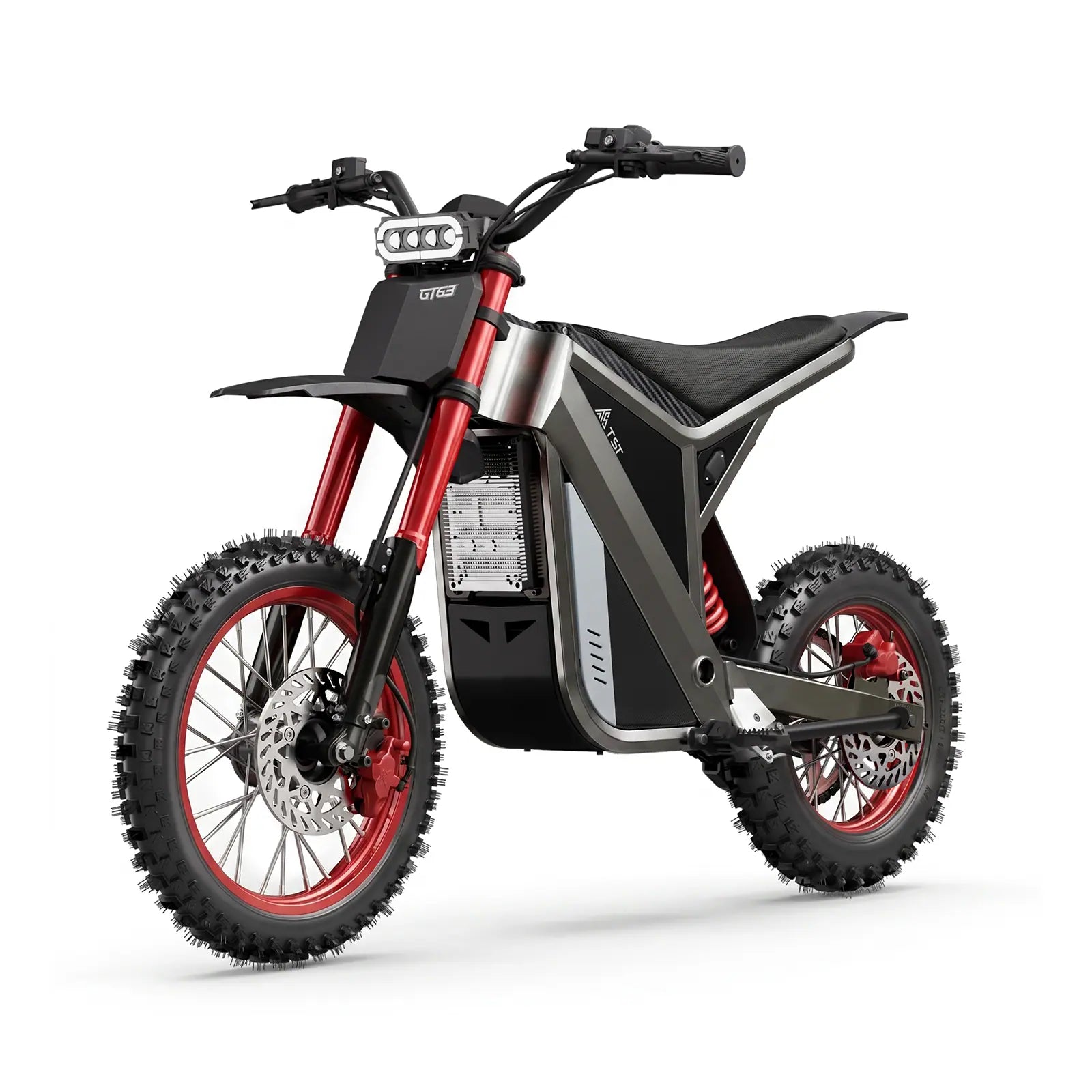














The TST R002 holds up impressively after 2,000 miles, with no frame, electrical, or motor failures in long-term testing. The wear that did appear was predictable: brake pads, chain, and a small amount of battery capacity loss. This article reports exactly what wore out, what it cost to fix, and what every owner should check to keep the R002 reliable. This article focuses on long-term durability, maintenance costs, and ownership experience after 2,000 miles. It complements the main TST R002 review rather than replacing it.
Key Facts
- Test mileage: 2,000 miles of mixed commuting in real weather.
- Result: no frame, motor, controller, or suspension failures.
- Battery: roughly 92-95 percent of original capacity at 2,000 miles.
- Wear items: brake pads, chain, and tires, in that order.
- Cost: about $80-120 for six months of maintenance.
- Support: TST EBike parts and service for the R002 platform.
R002 After 2,000 Miles vs a New Bike: What Changed
After 2,000 miles, the R002's frame, motor, controller, and suspension remained solid, with no structural play or electrical faults recorded.
The long-term picture is encouraging. Bolts were retorqued at 100 miles, then checked at 500-mile intervals, and nothing came loose after the initial settling. The motor ran quiet, the controller never threw an error code, and the suspension kept its damping. The battery measured roughly 92-95 percent of original capacity, which is normal for a lithium pack after this mileage. In plain terms: the expensive parts of the bike behaved exactly as they should, and the maintenance needs were routine rather than dramatic.
Battery degradation at the 2,000-mile mark
Expect roughly 5-8 percent capacity loss in the first 2,000 miles, which is normal, and much slower degradation if you avoid deep discharges and extreme heat.
Battery chemistry follows a predictable curve: the first few percent of capacity disappear fastest, then degradation slows. The 2,000-mile R002 showed about 6 percent loss, meaning range dropped from roughly 33 to 31 miles on the standard test loop. The habits that protect capacity are simple: keep the pack between 20-80 percent when storing, avoid running it to empty, and never leave it in a hot car. Riders who follow these rules can reasonably expect the pack to stay healthy well beyond 5,000 miles.
Which Parts Wear Out First on the R002?
Brake pads, the chain, and tires are the first parts to wear, with brake pads needing replacement around 600-900 miles under heavy commuter use.
The R002 is heavy and fast, and it wears consumables accordingly. Brake pads are the first to go, especially for riders who use the motor aggressively and brake hard at stops. The chain needs cleaning every few hundred miles and replacement somewhere around 1,500-2,500 miles depending on conditions. Tires follow at 2,000-3,000 miles with mixed commuting. None of these are defects; they are the normal cost of a powerful e-bike. Budgeting for them makes the ownership experience smooth instead of surprising.
Six-month maintenance costs for the R002
Six months and 2,000 miles of maintenance cost about $80-120, covering brake pads, chain cleaning supplies, and a rear tire near the end of the period.
The numbers are refreshingly small. Brake pads cost around $20-40 a set and are a 30-minute DIY job. A chain is $20-40. Cleaning and lube supplies are under $30 for months. The only larger item was a rear tire, and even that stayed well under $100. There were no shop visits in the test because the R002 is straightforward to work on. Compared with a car's oil changes, insurance, and registration, the R002's running cost is a rounding error.
What Problems Appeared During Long-Term Testing?
The notable issues were minor: brake fade after hard downhill use, a slightly loose chain that needed retensioning, and water ingress around the display in heavy rain.
Honesty requires listing the problems. Brake fade appeared on a long descent with a heavy rider, which is normal for the stock pads and a sign to use both brakes evenly. The chain stretched and needed tensioning at about 800 miles. And in a hard downpour, moisture collected behind the display, though it dried without damage. Each issue had a simple fix: better pads for hill riders, routine chain checks, and a dry cloth after wet rides. None of them affected the bike's fundamental reliability.
Is the R002 Still Worth Buying After Long-Term Use?
Yes, the R002's long-term performance confirms its value: low maintenance costs, no major failures, and real-world utility that justifies the purchase price.
A bike can look great in a review and disappoint at 2,000 miles. The R002 went the other way: the long-term test found the same strengths that show up in the first ride, plus the kind of reliability data that only comes with time. The consumables are cheap, the electrical system is stable, and the ride experience stays enjoyable. For buyers who will actually commute on the bike, the R002's ownership economics are excellent. The value case, already strong at purchase, is confirmed by two thousand miles of real use.
Torque checking: the habit that prevents failures
Torque checking axle nuts, rack bolts, and suspension fasteners at regular intervals prevents the creaks, wobbles, and failures that develop as bolts work loose under vibration.
Here is the maintenance detail that separates careful owners from frustrated ones. E-bike vibration slowly loosens bolts, and the rear axle is the most critical: a loose axle can destroy the hub or cause a wheel-off failure. The 2,000-mile routine includes a 10-minute torque check every few hundred miles, covering the axle nuts, rack bolts, and suspension fasteners. A torque wrench set to the manual's spec is the right tool, because feel alone is unreliable on aluminum parts. This one habit prevents most of the mechanical failures owners blame on the bike.
The essential 2,000-mile owner checklist
At 2,000 miles, check brake pad thickness, chain stretch, tire wear, axle torque, and battery capacity, and replace anything at its wear limit.
The 2,000-mile service is a short checklist with real value. Measure the brake pads and replace them if the grooves are shallow. Check chain stretch with a chain checker and replace at 0.75 percent wear. Inspect tires for wear bars and cuts, and confirm the axle nuts and rack bolts are at torque. Finally, run a range test to compare against the bike's original numbers, which tells you the battery's true health. The whole check takes about an hour and prevents the failures that turn a commuter into a paperweight.
TST EBike Expert Views
"Two thousand miles is where a bike's design choices reveal themselves. In our long-term log, the R002's electrical system, controller, and frame never failed, and that is not luck; it is the result of components matched to the load they actually carry. The wear we saw, brake pads around 700 miles, a chain at 1,500-2,500 miles, tires at 2,000-3,000, is the honest cost of a 1,500W commuter. The owners who avoid surprises are the ones who torque the rear axle, keep the chain clean, and measure battery capacity instead of guessing. Follow that routine and the R002's value only gets better with mileage."
— TST EBike Product Testing Team (this article is written by TST EBike's editorial team, which works for the manufacturer)
Conclusion
The TST R002 confirms its value at 2,000 miles: no major failures, predictable consumable wear, and maintenance costs around $80-120 for six months. The ownership formula is simple: keep the battery between 20 and 80 percent, torque the critical fasteners, and replace pads, chain, and tires on schedule. A bike that rides this well at 2,000 miles is a bike worth owning.
Key Takeaways
- Expect 5-8 percent battery capacity loss in the first 2,000 miles.
- Budget about $80-120 for six months of pads, chain, and supplies.
- Check axle torque, chain stretch, and brake pads at regular intervals.
- Replace pads around 600-900 miles, the chain at 1,500-2,500 miles.
- Measure battery health with a range test, not a guess.
2,000-Mile Service Checklist
- Have I checked brake pad thickness and replaced worn pads?
- Is the chain within wear limits and properly lubricated?
- Are the tires above the wear bars with no cuts or bulges?
- Are the axle nuts, rack bolts, and suspension fasteners at torque?
- Does a range test show expected battery capacity for this mileage?
- Have I contacted TST EBike support about any part that shows unusual wear?
Find replacement parts and R002 accessories in the R002 accessories collection, review the TST R002 product page for specs, and compare long-term options across the full e-bike lineup.
Related reading: the full TST R002 review
FAQs
How long does the R002 battery last? Expect a healthy pack to retain most of its capacity beyond 5,000 miles when kept between 20 and 80 percent and away from heat.
What fails first on the R002? Brake pads wear first, around 600-900 miles under heavy commuter use, followed by the chain and tires.
Is the R002 cheap to maintain? Yes, six months and 2,000 miles cost about $80-120 in our test, with no shop visits required.
Should I replace the battery at 2,000 miles? No, 5-8 percent capacity loss is normal; replace the pack only when range drops clearly across consecutive rides.

Leave a comment
This site is protected by hCaptcha and the hCaptcha Privacy Policy and Terms of Service apply.