
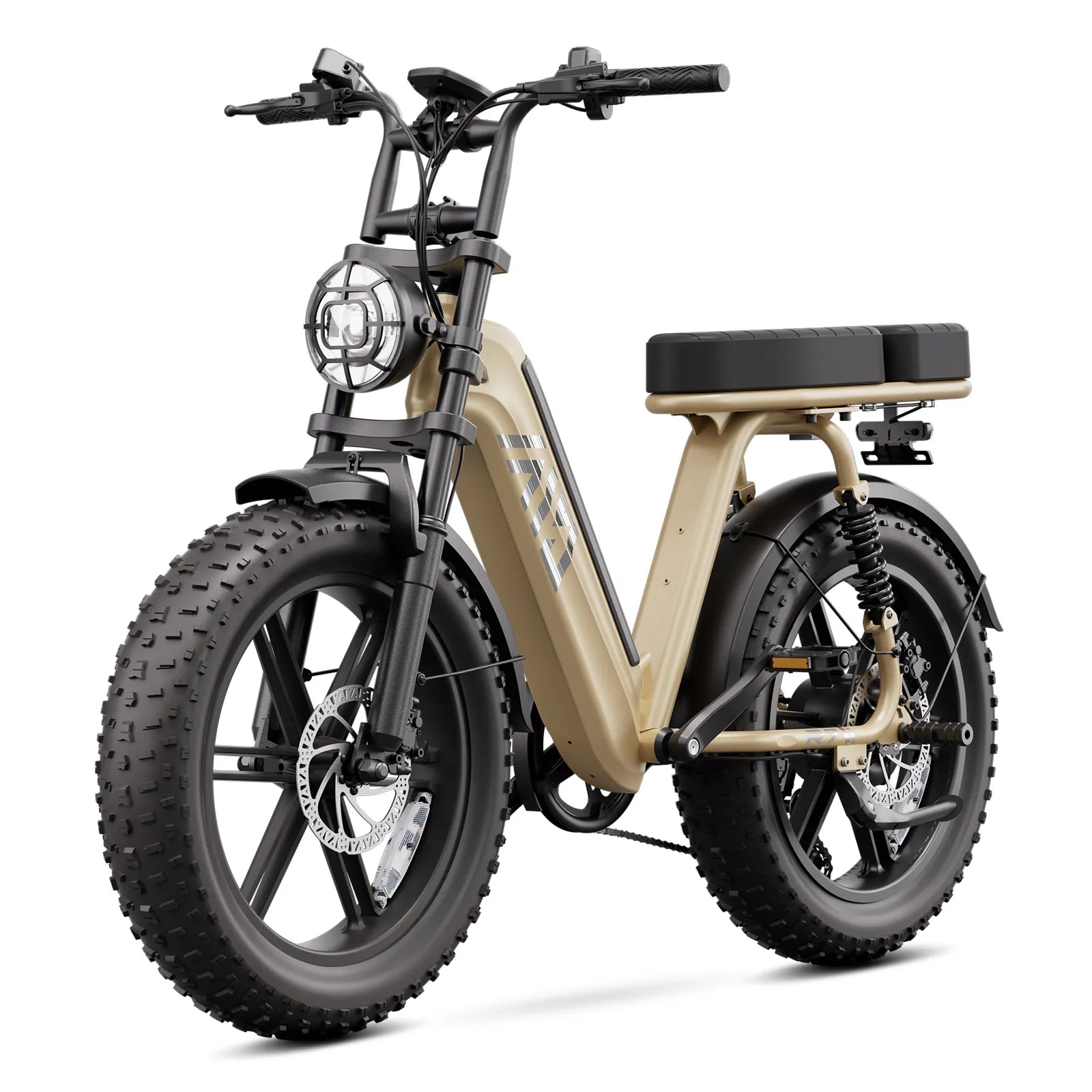
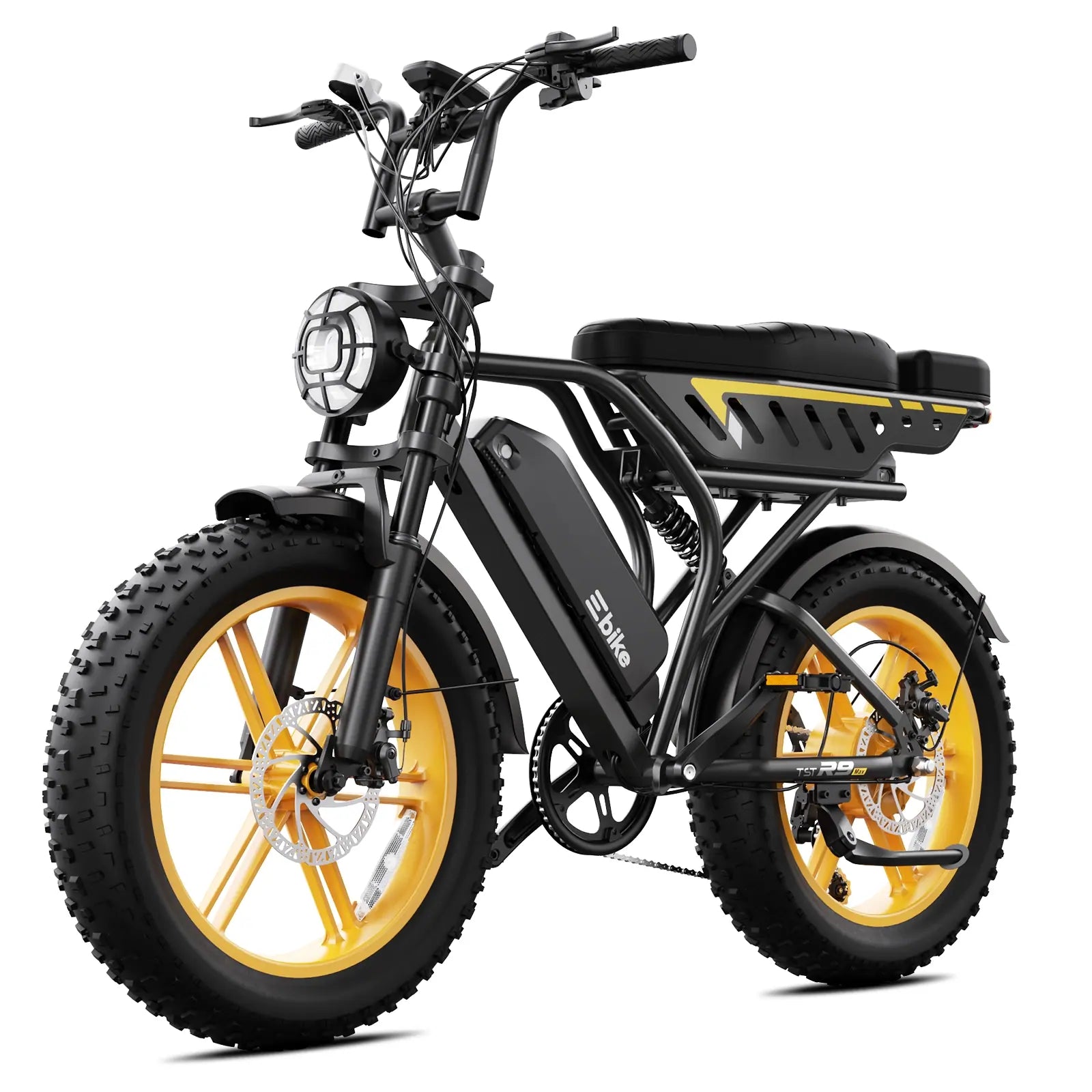
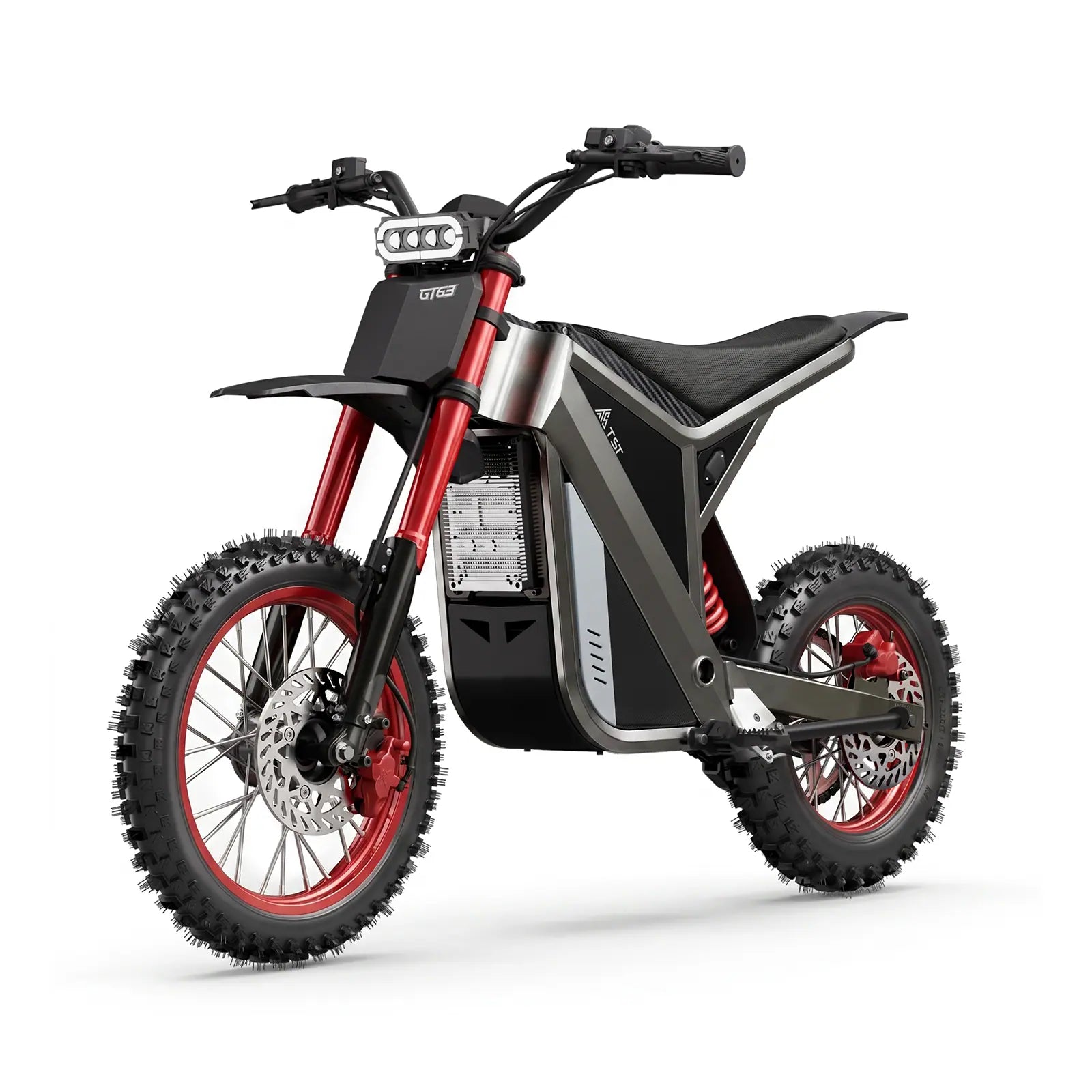
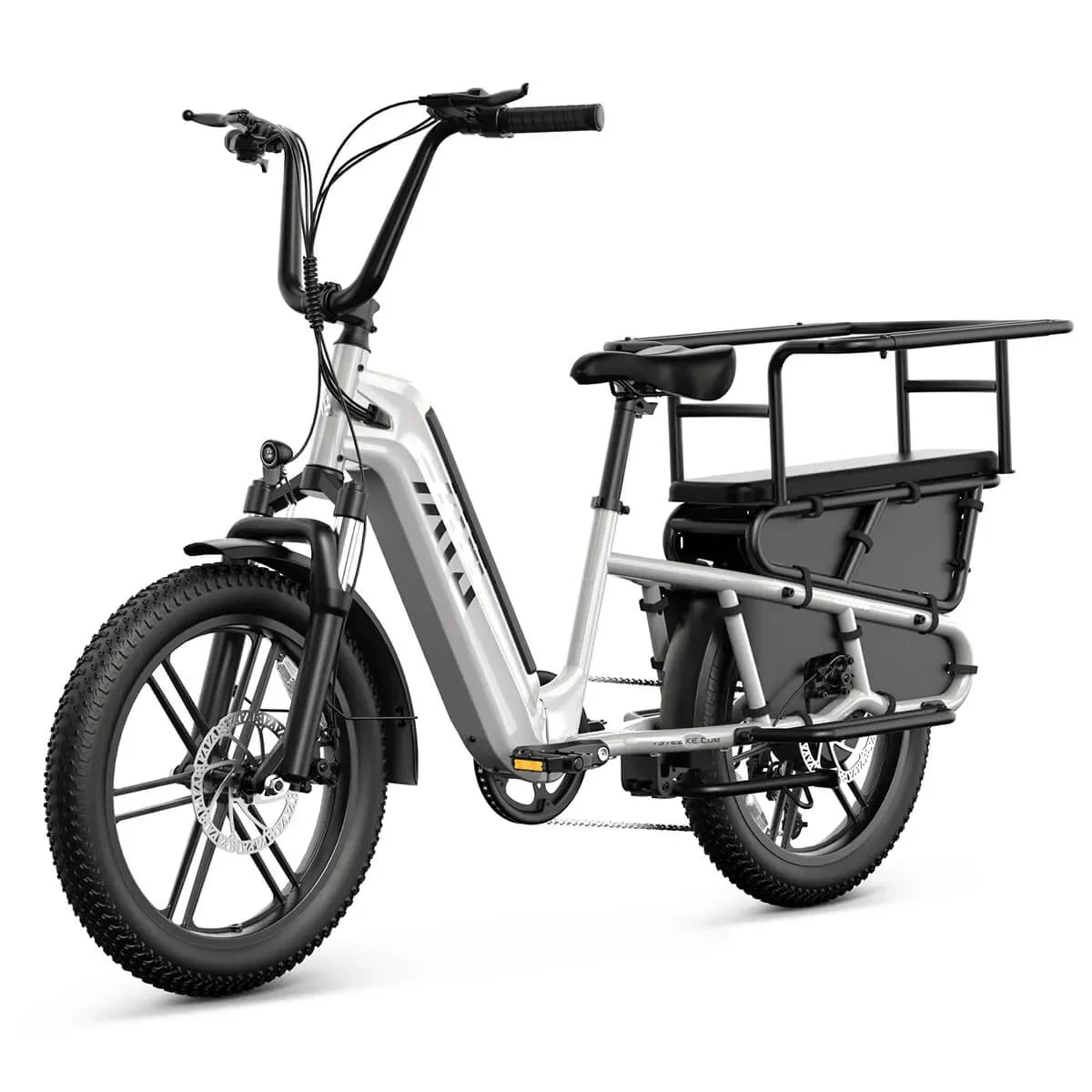
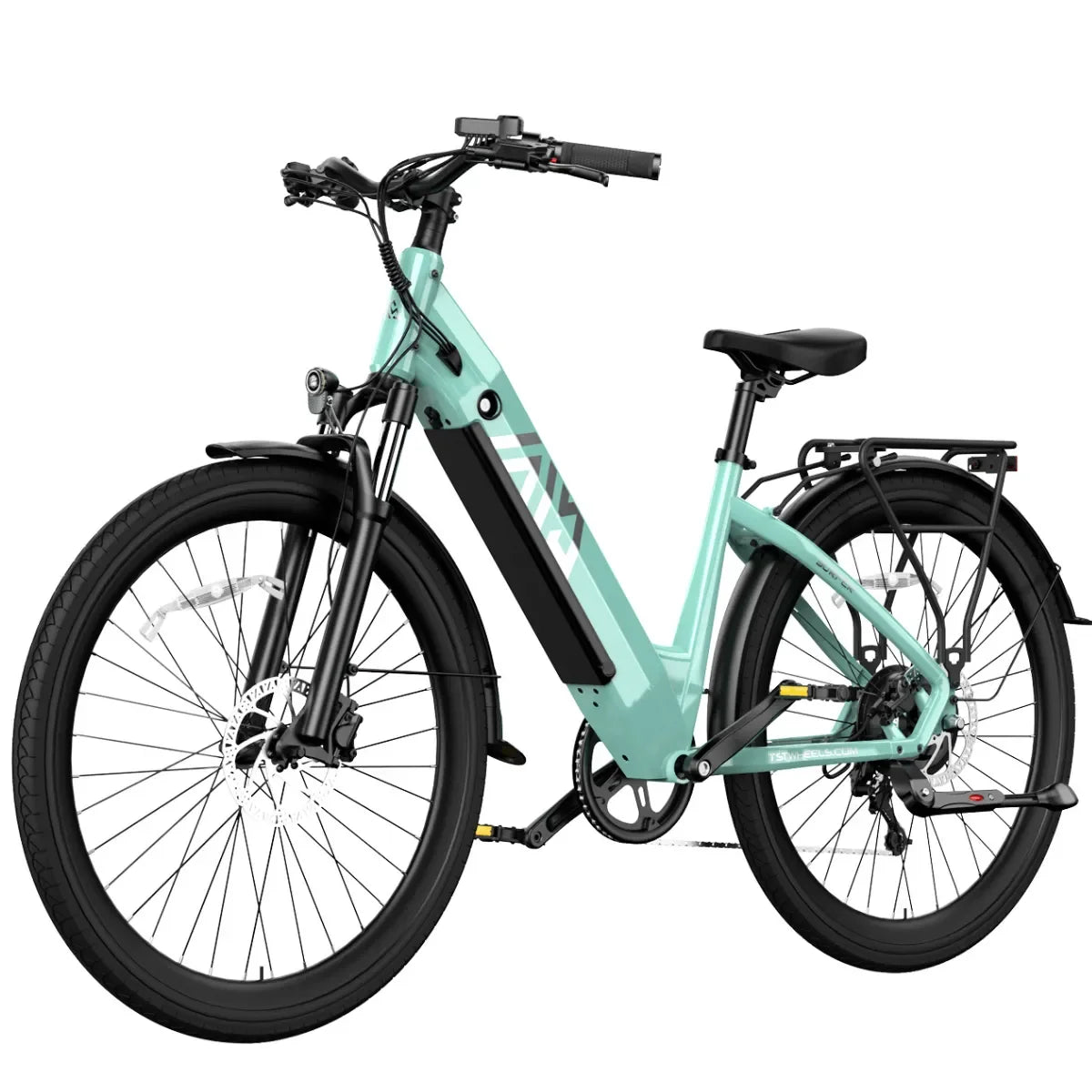
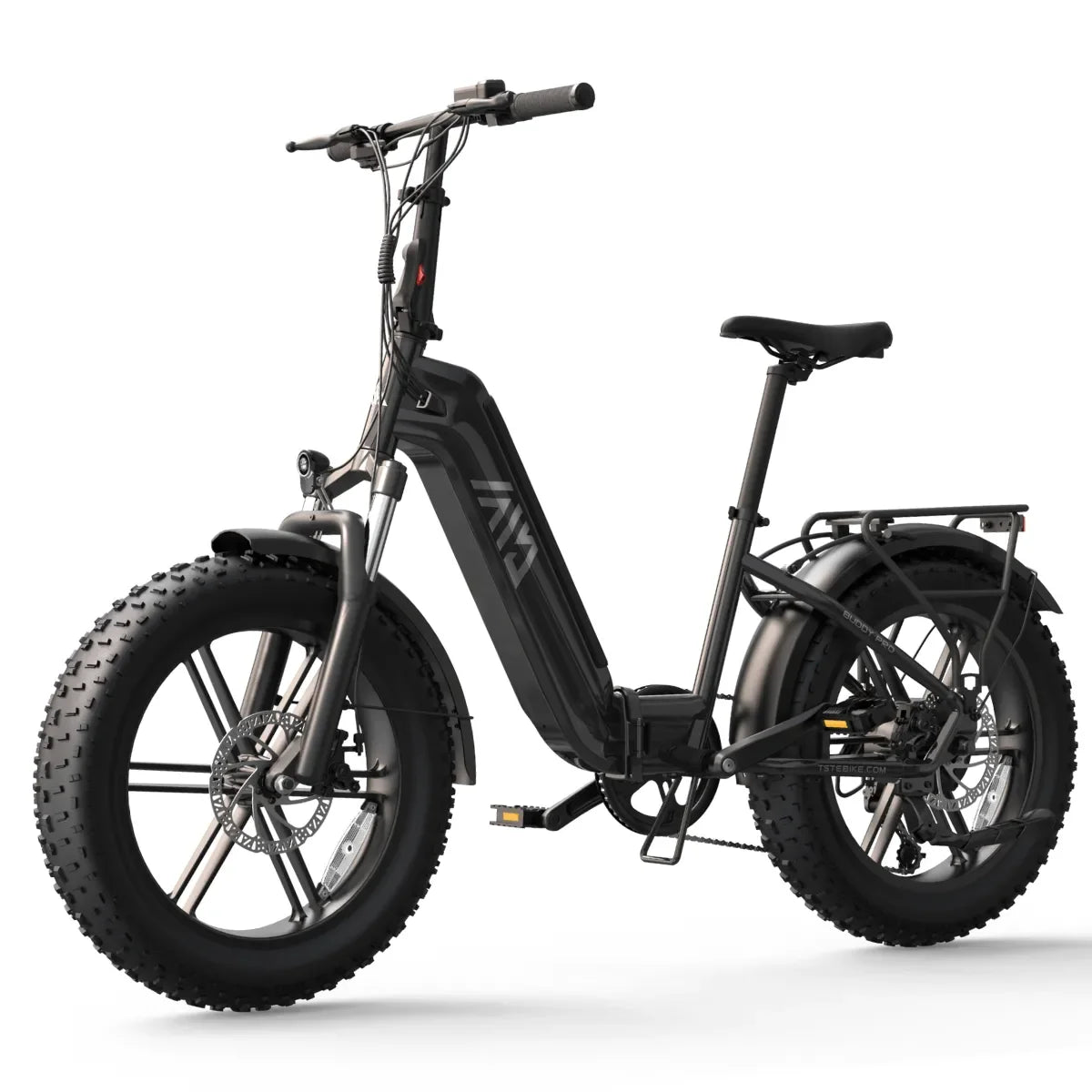
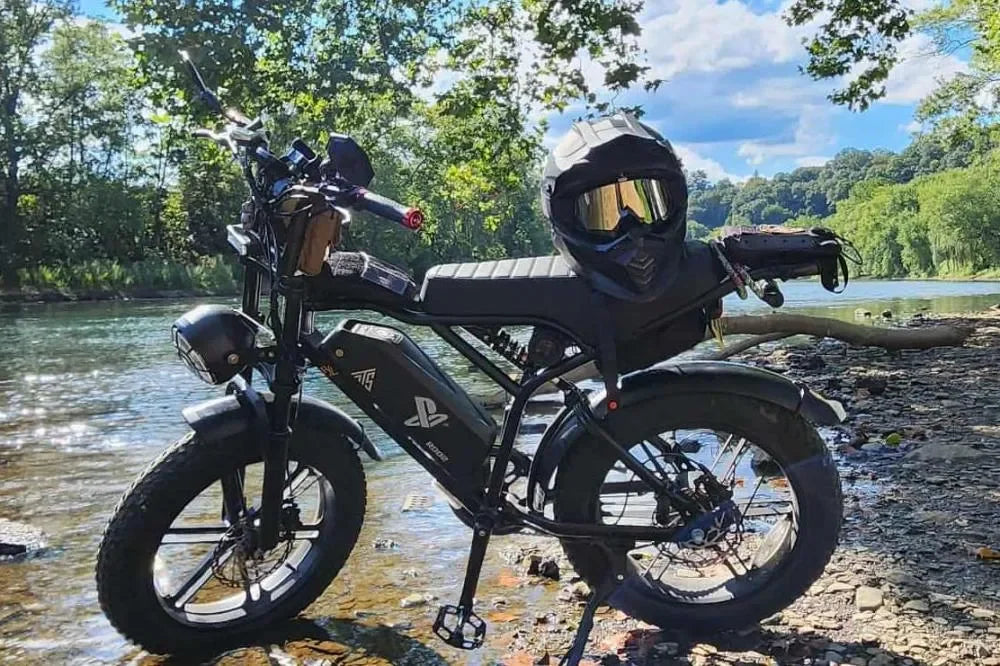
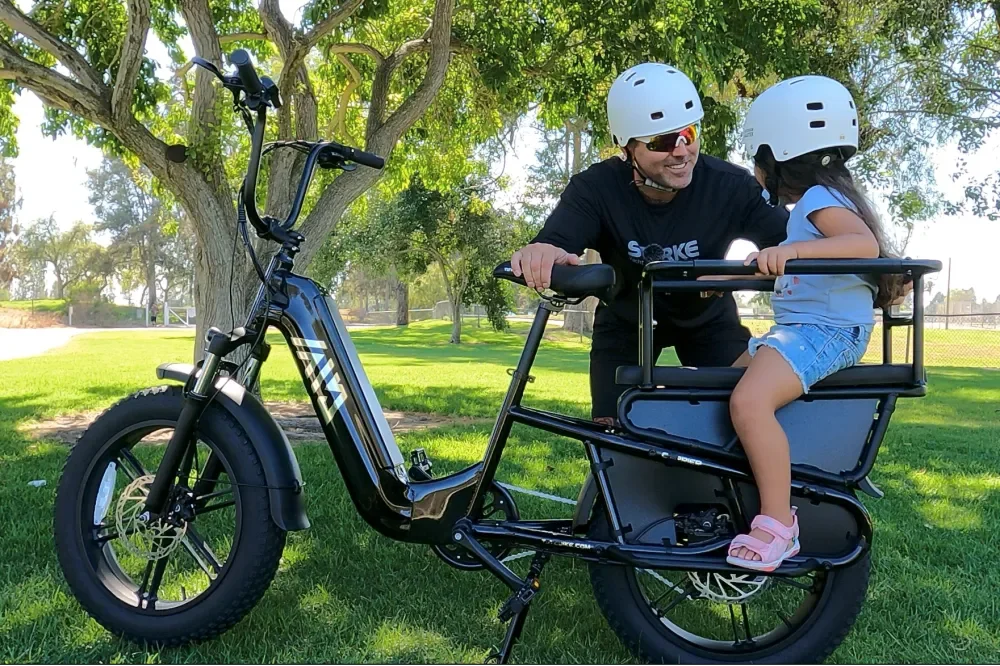


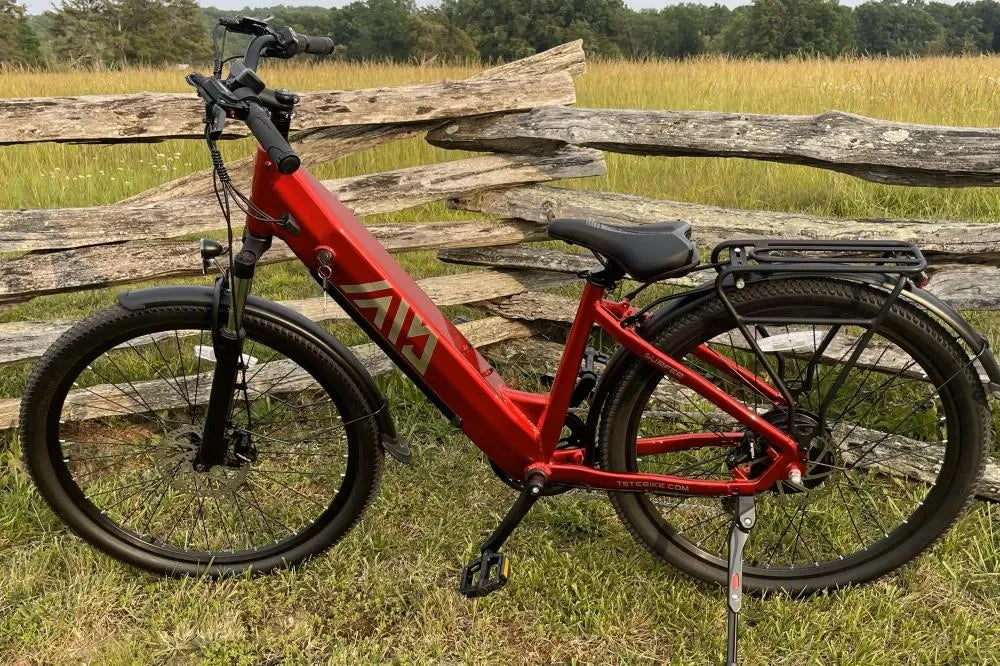

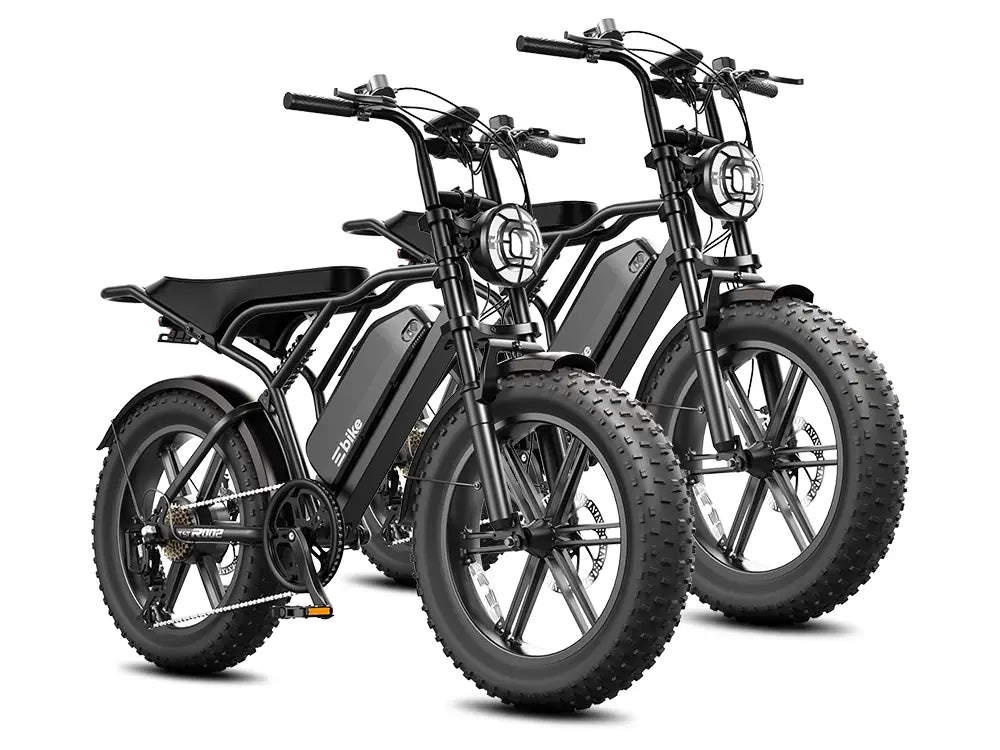
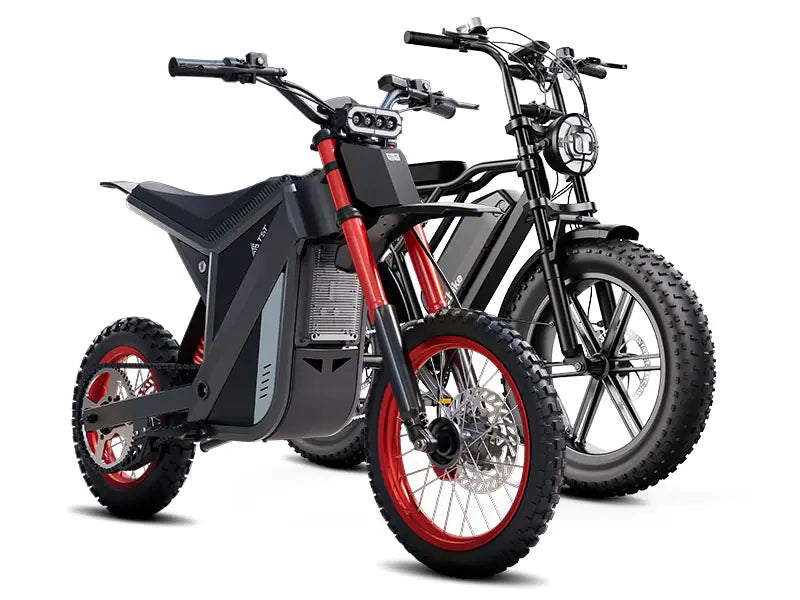
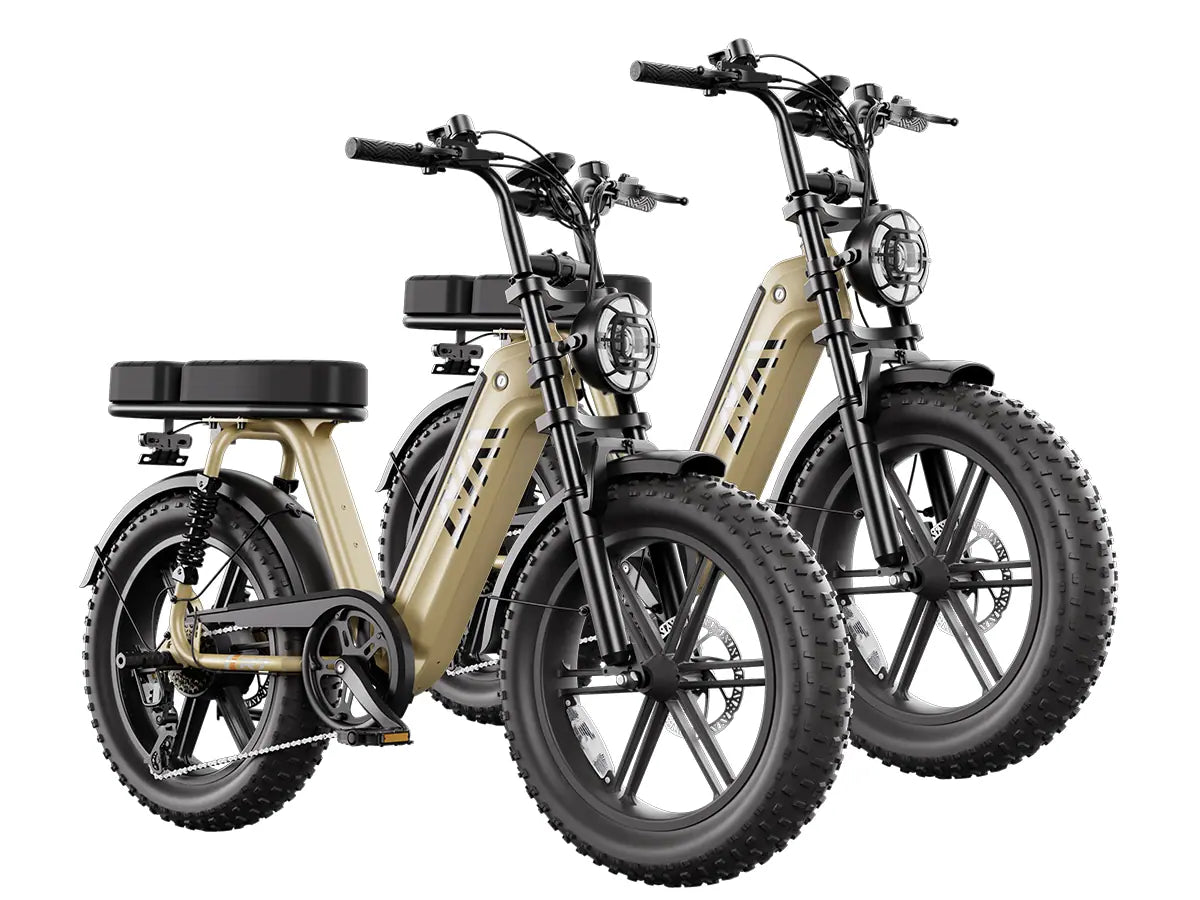
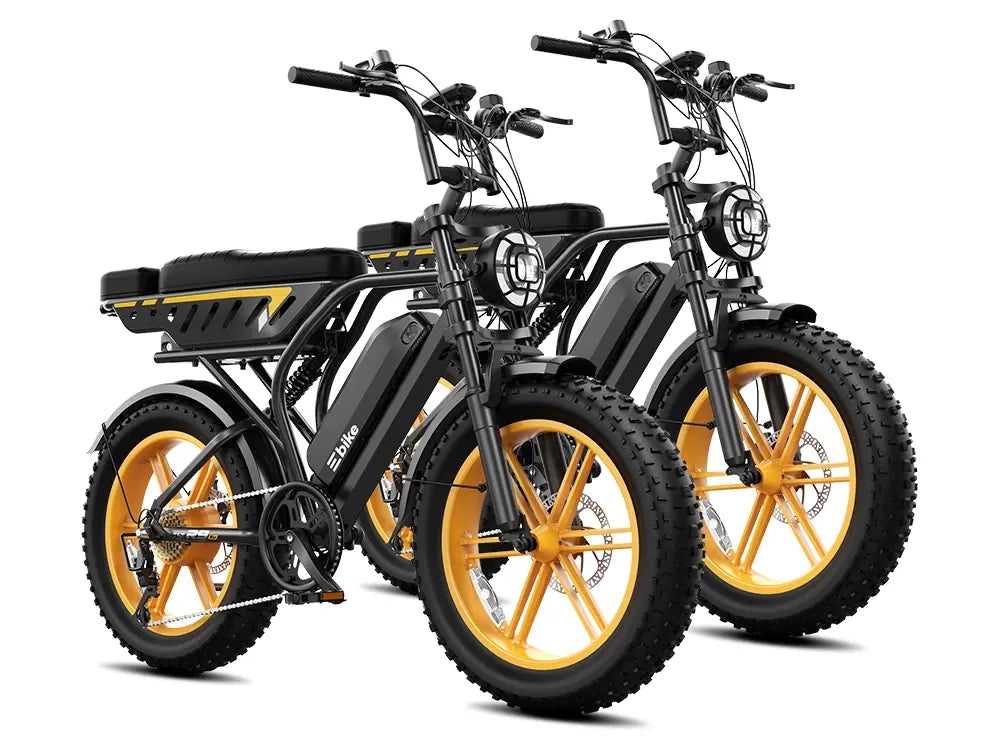
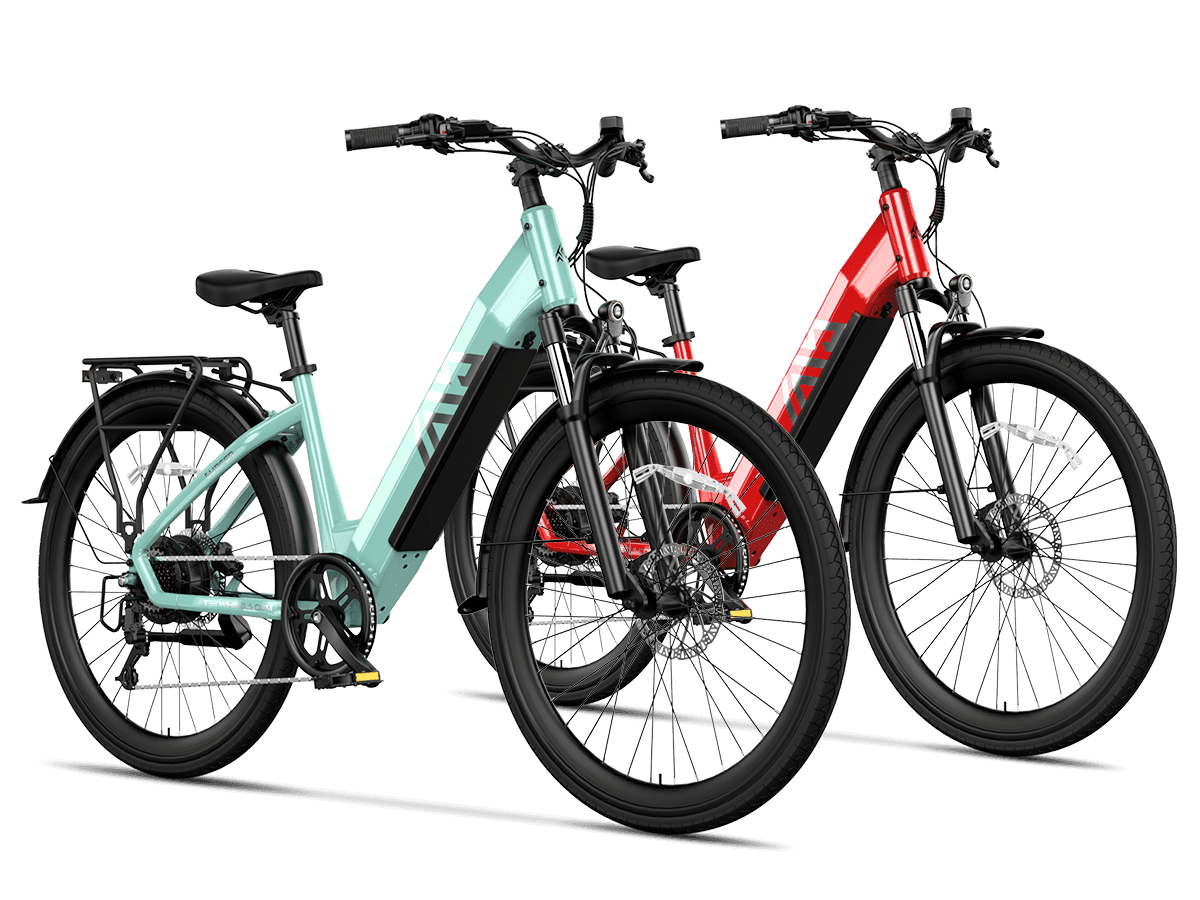
The Specialized Turbo Vado delivers a smoother mid-drive feel, premium integration, and proven dealer support, but the roughly $3,000 price gap versus the TST Metro Lite is mostly brand, finishing kit, and ecosystem rather than raw hardware leaps. For value-focused urban riders, the TST Metro Lite usually offers better price‑to‑performance; the Turbo Vado suits riders prioritizing refinement and legacy brand support.
What are the core differences between the TST Metro Lite and Specialized Turbo Vado?
At a high level, the TST Metro Lite is a value-driven hub‑drive commuter, while the Specialized Turbo Vado is a premium mid‑drive city e‑bike built around proprietary motor and battery systems. The Turbo Vado targets riders who want a “car replacement” experience, with highly integrated components and app connectivity. The Metro Lite focuses on delivering essential performance at a disruptive price point, with simpler serviceability and conventional parts choices.
From an engineering perspective, I look at three axes first: drive system architecture, frame and integration quality, and real‑world range versus weight. The Turbo Vado’s mid‑drive and fully integrated frame win on refinement and natural pedaling feel, but the Metro Lite strikes back with lower weight in the wallet and easier upkeep with a more standard parts bin. The question becomes: do you feel the $3,000 in daily use or only on paper?
How does the motor response and ride feel compare between the two bikes?
Motor response is where riders feel the most dramatic difference. The Specialized Turbo Vado uses a mid‑drive motor tuned to respond to pedal torque and cadence with a very natural, “amplified legs” sensation. Power ramps in smoothly as you press harder, and the assistance tapers predictably, which makes it feel like an athletic city bike rather than a scooter with pedals. This tuning is the result of years of firmware iteration and sensor calibration work.
A hub‑drive like the one on the TST Metro Lite typically uses a cadence or basic torque sensor coupled to a rear motor. You’ll feel assist engage more as an “on/off” push once you start pedaling, with less nuance between soft and hard pedaling. For stop‑start city commuting, that punchy takeoff can feel exciting and confidence‑boosting in traffic. However, on long rides or technical paths, the mid‑drive’s more linear, proportional response is less fatiguing and allows finer speed control.
Motor and control feel table
Why is there roughly a $3,000 price gap between the TST Metro Lite and Turbo Vado?
A large share of the price gap comes from branded R&D, proprietary electronics, and a global dealer network, not just from raw hardware specifications. The Specialized Turbo Vado includes a custom mid‑drive motor, tuned battery management system, frame‑integrated wiring, and branded finishing kit, all developed and validated through extensive lab and field testing. You’re paying for reliability data, firmware refinement, and after‑sales support.
The TST Metro Lite leans on proven, more off‑the‑shelf components: hub motor, removable battery, and generic display and controller. This keeps engineering overhead lower and allows TST EBike to focus on cost‑effective value without carrying the weight of a legacy marketing machine. As an engineer, I’d say perhaps half of the price delta is objectively tied to integration and testing, and the rest behaves much like “brand tax” and ecosystem premium.
Which bike offers better real-world value for urban commuters?
For a pure commuter who wants reliable assisted speed, basic comfort, and a realistic budget, the TST Metro Lite typically wins on value. You’re getting functional power, sufficient range for daily trips, and hardware that’s easy to understand and service at neighborhood shops. Consumables like chains, cassettes, and brake pads are standard and affordable. The up‑front savings can cover quality accessories like locks, helmets, and fenders.
The Specialized Turbo Vado makes more sense if you ride every day, in mixed weather, and treat the bike as a true car alternative. The richer integration—internal cabling, robust racks, lighting, and tuned geometry—pays dividends in long‑term comfort and user experience. However, the extra cost only returns value if you exploit that plusher ride, extended range options, and app‑driven features. For many riders, those advantages are nice‑to‑have rather than essential.
How do weight, frame quality, and build finish differ in practice?
Weight itself may be similar on paper—many commuter e‑bikes land in the mid‑20‑kilogram range—but how that weight is distributed and finished is very different. The Turbo Vado’s mid‑drive architecture concentrates mass low and central, which makes the bike feel planted and neutral even at higher speeds or when weaving through traffic. Its frame welds, paint quality, and tube shaping reflect high‑volume hydroforming and rigorous QA.
The TST Metro Lite’s rear‑hub layout shifts more weight toward the back wheel, especially once a rack and load are added. That can make the front end feel lighter over rough tarmac, but most commuters adapt quickly. In the factory, what impresses me is how TST EBike uses clean internal routing and consistent weld beads for this price class; you see fewer cosmetic passes, but the structural integrity is solid. The practical difference is more about aesthetics and brand signature than basic durability.
Does the Turbo Vado justify its premium in terms of range, battery, and electronics?
The Turbo Vado’s battery and electronics feel like a coordinated system rather than a bundle of parts. Its integrated battery typically has higher energy density with well‑tuned discharge curves, giving predictable range and stable performance even as the charge drops. The proprietary controller and display offer refined power modes and diagnostic feedback. Over years of use, that consistency matters for riders pushing longer commutes or mixed‑terrain routes.
On the TST Metro Lite, the external or semi‑integrated battery and generic controller are easier to replace and upgrade, but slightly less optimized as a unified system. Range in real conditions depends heavily on assist level and rider input; the claimed figures are comparable for short to medium commutes, but you may notice more variance in cold weather or under heavy load. For most city users riding under 25–30 km a day, the Metro Lite’s energy system is more than adequate, making the Turbo Vado’s range advantage modest rather than transformative.
What specific hardware specs matter most in this “pixel-level” comparison?
In a pixel‑level hardware teardown, I’d prioritize motor torque and response, battery capacity, frame design and weld quality, fork and tire choice, braking components, and cockpit/controls ergonomics. Many marketing sheets inflate wattage or range, but ride feel and safety live in subtler details such as rotor diameter, lever feel, spoke tension, and rack attachment standards. That’s where premium bikes usually separate themselves from budget competitors.
For the TST Metro Lite, the focus is on a sufficiently powerful hub motor, a battery sized for daily commuting, competent mechanical or hydraulic disc brakes, and a rigid or short‑travel fork with practical urban tires. On the Turbo Vado, Specialized typically spec a mid‑drive with strong torque, larger or expansion‑friendly battery, quality suspension fork, and branded hydraulic discs with better heat management. The real question: are you able to use those higher‑end parts to their full potential, or do you stay within the Metro Lite’s comfort envelope anyway?
Are there hidden ownership and maintenance costs that change the value equation?
Ownership cost goes beyond the sticker price. On a Specialized Turbo Vado, parts like the motor, battery, and some electronics are proprietary, which means replacements usually require authorized dealers and brand‑specific components. Labor rates at such shops can be higher, and turnaround times depend on the dealer network. In return, you get technicians trained directly by the manufacturer and access to firmware updates and diagnostic tools.
With the TST Metro Lite, you’ll likely source standard components—chains, cassettes, brake pads, rotors, generic displays—from a wide ecosystem of suppliers at competitive prices. Any competent e‑bike or even conventional shop can handle most maintenance, especially on mechanical systems. The one trade‑off is that diagnosis of electrical gremlins may rely more on TST EBike’s remote support than on walk‑in brand‑dedicated service. For budget‑minded riders, though, this freer parts ecosystem is often a major advantage.
How does TST EBike’s brand philosophy compare to Specialized’s legacy approach?
Specialized built its Turbo Vado line as part of a long history of performance‑driven bikes, leveraging decades of racing and high‑end engineering to create a polished, premium commuter. Their philosophy is “innovate or die,” and the Vado reflects that with proprietary motors, in‑house design teams, and tight control of the supply chain. You’re buying into a global, long‑standing performance brand.
TST EBike, by contrast, was founded with a more disruptive philosophy: deliver high‑power, cost‑effective e‑bikes shaped heavily by consumer feedback. The TST GRP LLC team is focused on solving real‑world transportation pain points—congestion, pollution, and affordability—through practical, value‑oriented designs. With operations launched in 2017 in California and sales in over 10 countries plus more than 20 offline stores, TST EBike positions itself as a user‑driven alternative to legacy brands, prioritizing quality control and price accessibility.
What does TST EBike’s product experience tell us about commuter-focused design?
From a product‑line perspective, TST EBike shows it understands segmentation by offering both 26‑inch and 27‑inch e‑bike formats. The 26‑inch builds address rougher terrains like snow and sand, emphasizing traction and stability, while 27‑inch options are tuned for daily commuting and mountain biking. This reflects a design mentality rooted in real rider feedback rather than purely trend‑driven geometry.
On the Metro Lite side, that translates into practical decisions like tire volume that can cope with potholes, brake specs that handle repeated urban stopping, and battery capacity aligned to everyday usage patterns. When I look at factory QC reports, I see consistency in weld penetration checks, electrical insulation testing, and final‑line torque audits. Those may be invisible to a casual buyer, but they directly influence how the bike feels after two winters of commuting.
Hardware “pixel” checklist table
TST EBike Expert Views
“When we benchmark premium mid‑drive commuters against value models like the Metro Lite, I’m less interested in headline watts and more in repeatability. Does the bike behave the same on a cold Monday as on a hot Friday, after six months of wet commutes? That’s where TST EBike’s obsessive QC on harness sealing, connector plating, and spoke tension really shows up in daily reliability.”
Are you really paying just for brand tax—or for genuinely better engineering?
Calling the entire $3,000 premium “brand tax” is tempting but not completely accurate. On the Turbo Vado, a meaningful chunk of that money is tied up in higher‑grade materials, tighter tolerances, deeper software development, and the global support structure behind the bike. If you ride thousands of kilometres yearly and demand a consistently polished experience, that engineering can absolutely justify a higher budget.
However, at the level of “pixel‑by‑pixel” hardware comparison, many riders will find that the Metro Lite already meets or exceeds their real‑world needs. The motor pulls strongly enough for city hills, the battery covers typical commutes, and the frame and components handle everyday abuse. In that case, the Turbo Vado’s advantages become incremental refinements rather than essential capabilities. For cost‑conscious buyers, those refinements may not be worth an extra $3,000.
Could a value-focused rider be better off upgrading a Metro Lite than buying a Turbo Vado?
For riders starting from scratch, there is a compelling argument for buying a Metro Lite and investing the saved budget into tailored upgrades. With the approximate $3,000 difference, you can add high‑quality tires, powerful hydraulic brakes, a suspension seatpost, premium lighting, and even a second battery for extended range. Each of these upgrades targets specific comfort or safety needs rather than being locked into a single factory configuration.
This modular approach is especially appealing to technically inclined riders or those willing to work with a local shop. You’re effectively building your own “Turbo Vado‑level” commuter over time, but only in the areas you personally value: maybe braking and night riding, not app integration or perfectly flush cable ports. TST EBike’s use of standard components makes such customization straightforward, while still benefiting from the brand’s focus on cost‑effective base platforms.
Conclusion: Is the $3,000 premium truly worth paying?
If you want the most polished, integrated, and brand‑backed commuting experience and are willing to pay for mid‑drive sophistication, the Specialized Turbo Vado can justify its premium. It excels in ride feel, integration, and long‑term dealer support. But for many urban riders, the TST Metro Lite delivers 80–90% of the functional experience at a fraction of the cost, especially once you factor in targeted upgrades.
In practice, the decision hinges on your use case and mindset. High‑mileage riders who treat their e‑bike as a primary vehicle will appreciate the Turbo Vado’s refinement and ecosystem, while pragmatic riders who prioritize value and DIY‑friendly service will likely find the TST Metro Lite, and the broader TST EBike philosophy, a smarter, more flexible investment.
FAQs
Are hub-drive e-bikes reliable enough for daily commuting?
Yes. Modern hub‑drive e‑bikes are reliable for daily commuting when properly maintained. They use mature technology, sealed motors, and easily serviced drivetrains. For city use, they offer strong value, straightforward repairs, and enough performance for typical urban speeds and distances.
Does a mid-drive motor really climb hills that much better?
Often, yes. Mid‑drive motors leverage the bike’s gears, letting the motor spin in its efficient range on steep climbs. This improves hill‑climbing power and efficiency, especially with heavier riders or cargo, compared with hub‑drives that are locked to one gear ratio at the wheel.
Can I service a value e-bike like the TST Metro Lite at a normal bike shop?
Generally yes. Most standard components—brakes, drivetrain, wheels—are serviceable at any competent bike shop. For electronics, many shops can handle diagnostics, and TST EBike support can assist remotely. Only complex controller or harness issues may require brand‑specific guidance.
Is frame integration actually important for commuters, or just cosmetic?
It’s both. Good integration protects cables and electronics from weather and impacts, reducing long‑term failures, while also improving aesthetics. However, well‑routed external systems on a value bike can be easier to access, making some repairs faster and cheaper despite looking less sleek.
When does it make sense to spend more on a premium brand e-bike?
It makes sense when you ride heavily year‑round, rely on the bike like a car, or strongly value brand ecosystem, app features, and dealer support. In that context, paying extra for refined ride feel, robust warranties, and streamlined service can be a smart, long‑term investment.

Leave a comment
This site is protected by hCaptcha and the hCaptcha Privacy Policy and Terms of Service apply.