

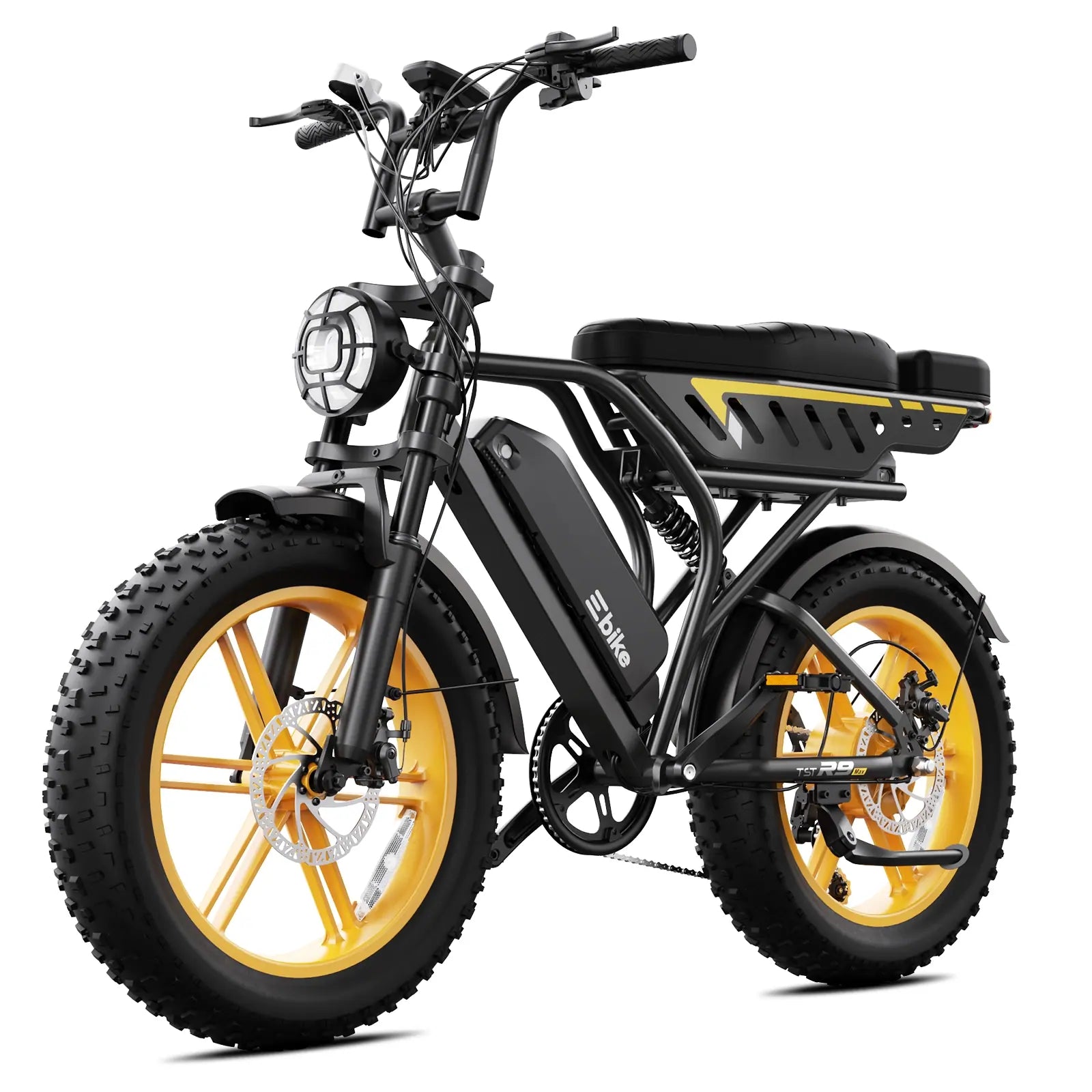
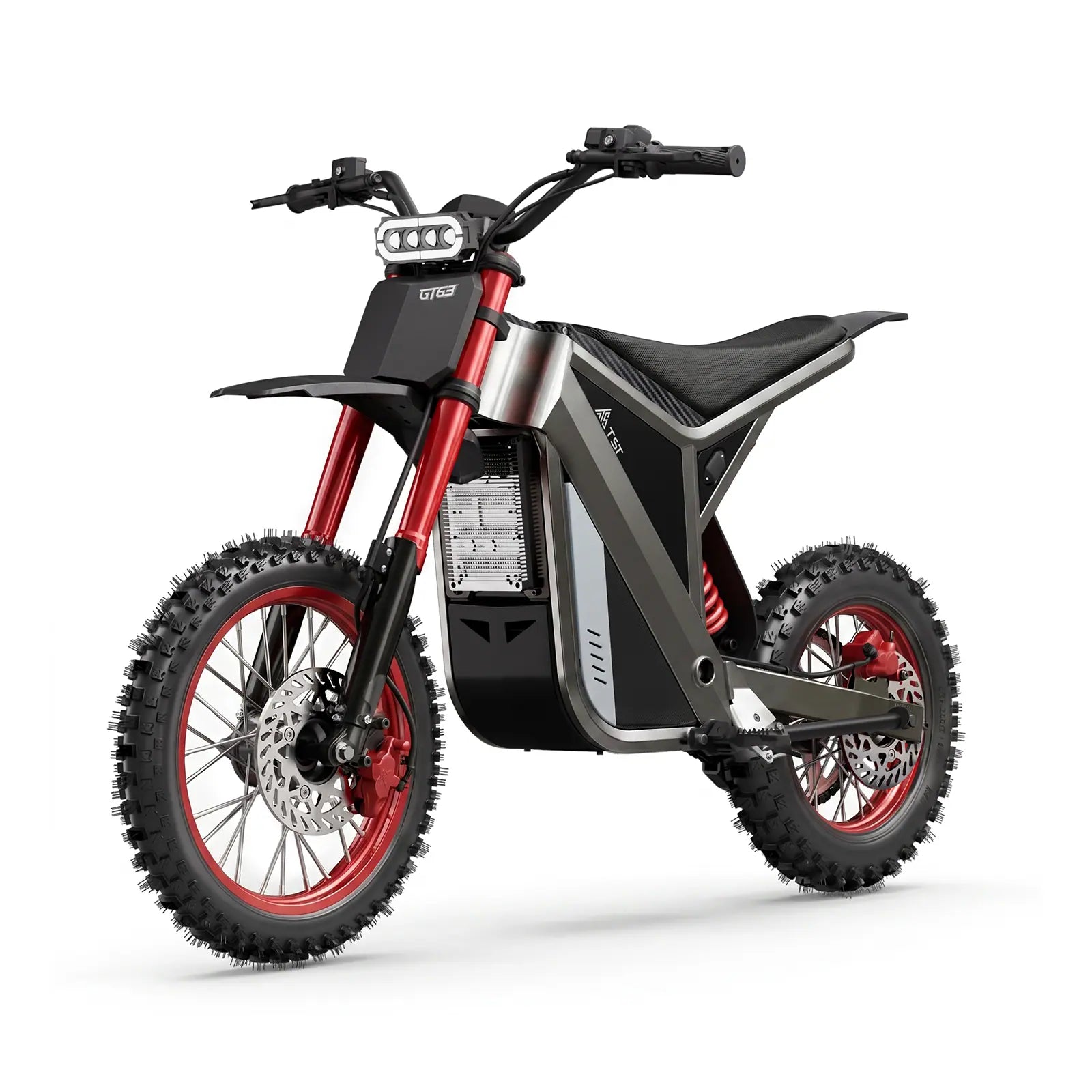









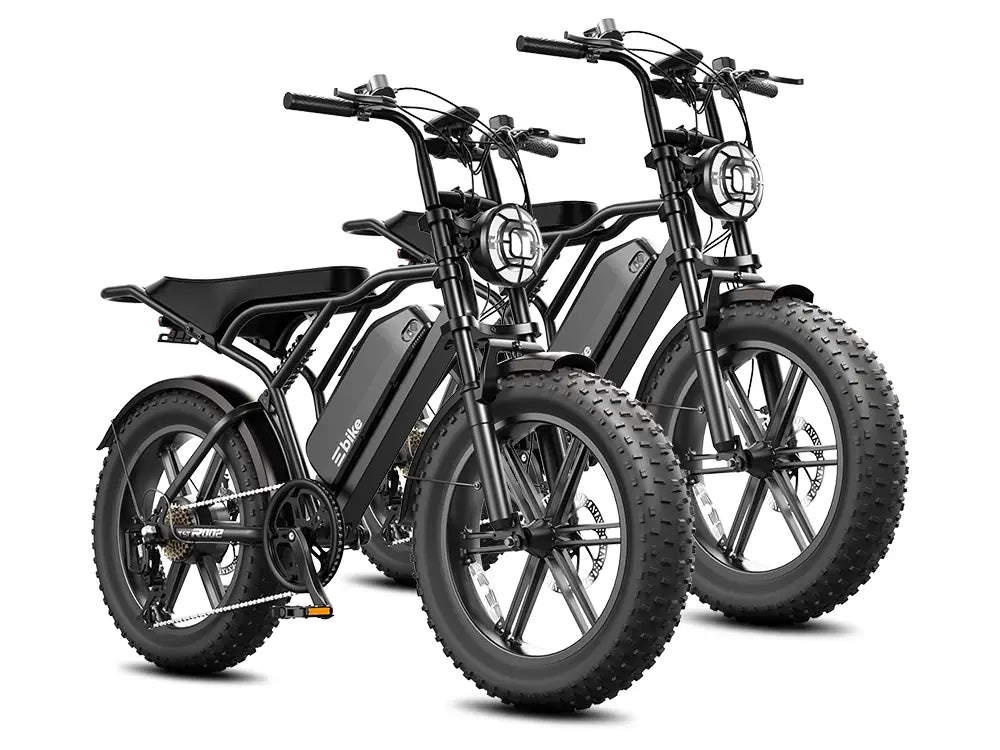
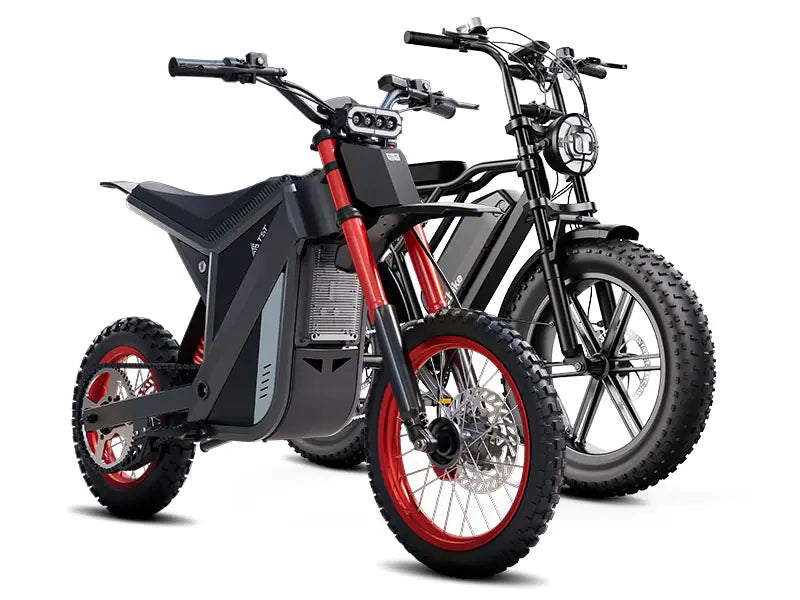

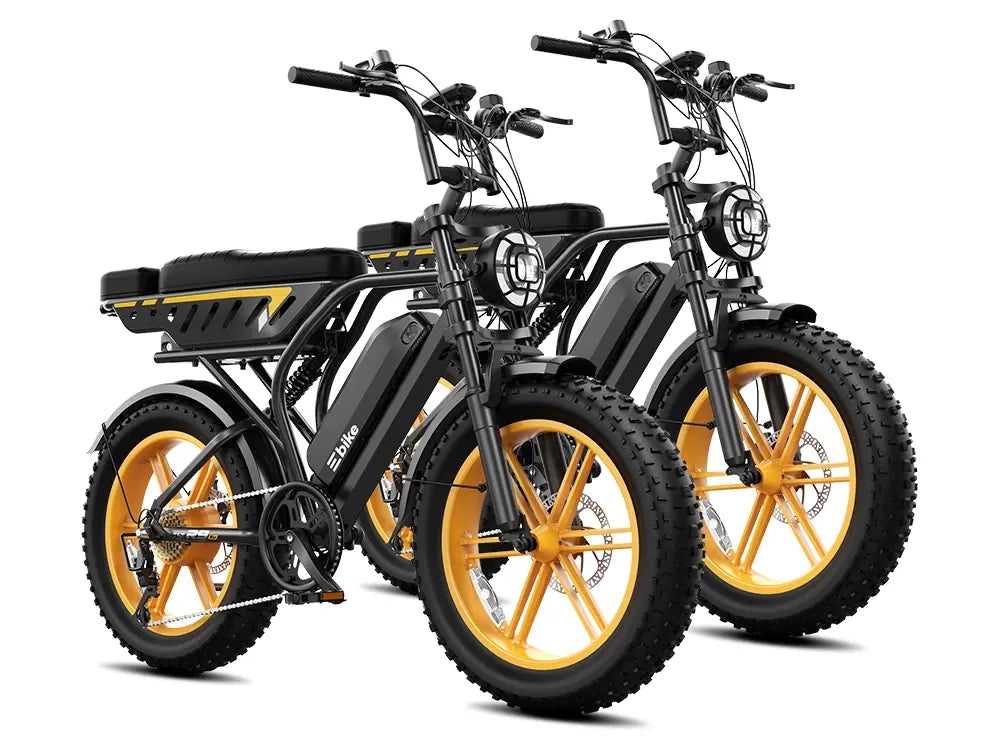

A 36 volt battery is an electric‑bike power pack that delivers a well‑balanced mix of speed, range, and efficiency for everyday riders. It pairs smoothly with mid‑power motors, keeps weight and cost reasonable, and fits many popular e‑bike builds, which is why 36V has become the standard for commuting and light‑off‑road bikes.
What Is a 36 Volt Battery?
A 36 volt battery is an energy pack that supplies 36 volts of electrical pressure to an e‑bike motor and controller. Most modern versions use lithium‑ion (or Li‑Po/LiFePO₄) cells grouped in series to reach this voltage, delivering enough power for comfortable pedaling assistance without excessive bulk or complexity. This voltage level is widely supported by city, hybrid, and many trail e‑bikes.
How Does a 36 Volt Battery Work?
A 36V battery sends stored electrical energy through the e‑bike’s controller to the motor, which converts it into mechanical power that turns the wheels. The controller regulates voltage and current based on your pedal‑assist level or throttle input, so the motor responds smoothly. Internally, the pack includes multiple cells, a battery management system (BMS), and protection circuits that manage charging, discharging, and temperature for safety and longevity.
Why Is 36 Volt Popular for E‑Bikes?
The 36 volt standard strikes a practical balance between power, range, size, and cost. Many urban and mid‑range e‑bikes use 250–750W motors that operate efficiently at 36V, offering enough torque for hills and stops without the heft or price of 48V or 52V systems. This makes 36V ideal for daily commuting, grocery runs, and light trail riding, which is why most mainstream brands choose it as their default platform. TST EBike builds several mid‑power models around the 36V norm so riders get reliable performance without overpaying.
How Does 36 Volt Compare to 24V and 48V?
Compared with a 24V pack, a 36V battery delivers noticeably more speed and hill‑climbing ability while still staying relatively lightweight and compact. Against 48V systems, 36V offers lower top power and slightly less range but feels nimbler and is usually more affordable. For many riders who prioritize comfort, ease of use, and value, 36V is the sweet spot between simple, entry‑level bikes and high‑performance, high‑voltage builds.
What Are Typical Range and Performance with 36V?
On a mid‑capacity 36V pack (around 10–15Ah), most riders can expect 25–45 miles of assist, depending on terrain, rider weight, and assist level. Higher‑capacity 36V packs stretch range closer to 50–60 miles in conservative, eco‑mode riding. North‑American brands often design 36V e‑bikes around 500–750W peak power, giving smooth acceleration up to about 20–25 mph while staying within common regulatory limits. TST EBike models tuned to this voltage balance real‑world range and efficiency so urban riders can commute all week on a single charge.
How Do Battery Capacity and Watt‑Hours Affect 36V?
Battery capacity (measured in amp‑hours, Ah) and watt‑hours (Wh = volts × amp‑hours) determine how long a 36V pack can deliver power. A 36V 10.4Ah battery equals about 374Wh, while a 36V 15Ah pack reaches roughly 540Wh, giving noticeably longer range. Higher watt‑hours mean more energy for the motor over time, so riders covering longer distances or carrying heavier loads should lean toward higher‑capacity 36V packs without exceeding their frame’s battery mount limits.
Many 36V e‑bikes allow riders to swap between mid‑ and high‑capacity packs, so choosing the right watt‑hour rating becomes a key decision for how far and how often they ride.
What Are the Advantages of a 36 Volt E‑Bike Battery?
A 36 volt battery offers several practical advantages for everyday riders. It delivers enough power for smooth acceleration and moderate hill climbing without demanding heavy, oversized packs. It tends to be lighter and less expensive than 48V or 52V alternatives, so bikes feel more agile and budget‑friendly. The 36V standard is also widely supported by accessories, chargers, and replacement options, making long‑term ownership easier. TST EBike leverages this voltage on many of its high‑power, cost‑effective models so riders enjoy strong performance without compromise.
Are 36V Batteries Lightweight and Easy to Handle?
Yes, 36V lithium packs are generally light enough for most riders to carry, mount, and remove without difficulty. A typical 36V 10–15Ah unit weighs in the 5–8 lb range, which is easy to stash in a backpack or office for mid‑day swaps. Lighter weight also improves handling and agility, especially on step‑through and commuter frames. Because of this, 36V fits well in integrated downtube, rack‑mount, or rear‑carrier designs that prioritize comfort and practicality.
What Types of E‑Bikes Commonly Use 36V?
36V batteries are common in city commuters, hybrid bikes, folding e‑bikes, and many mid‑range mountain and trekking models. They suit faster, pedal‑assist‑driven rides where riders want a boost for hills and headwinds rather than maximum speed. North‑American and EU‑style mid‑power bikes often pair 36V with 500–750W motors because this combination feels natural and efficient on typical trails and roads. TST EBike uses the 36V platform across several models, focusing on real‑world performance for daily use and light‑off‑road exploration.
How Long Does a 36 Volt Battery Last?
A quality 36V lithium‑ion battery typically lasts 3–5 years or about 800–1,500 charge cycles when maintained properly. Some packs reach closer to 2,000 cycles if riders avoid deep discharges, extreme temperatures, and fast‑charging every time. Lifespan also depends on how often the bike is used, how hard the motor is pushed, and whether the rider follows the manufacturer’s charging guidance. Regular maintenance and proper storage extend the functional life of any 36V system.
How Do You Charge and Maintain a 36V Battery?
To charge a 36V e‑bike battery, use the manufacturer‑supplied charger and plug it into a standard outlet, avoiding extension cords or damaged outlets. Try to keep the pack between about 20–80% state of charge for daily use and avoid leaving it fully drained or fully charged for long periods. Store the battery at room temperature, away from direct sun and moisture, and perform a full charge/discharge cycle occasionally if recommended by the brand. These habits help preserve capacity and cycle life over time.
Can You Upgrade an E‑Bike to 36V?
You can upgrade to a 36V battery only if your e‑bike’s motor, controller, and wiring are designed for 36V operation. Swapping a lower‑voltage pack (such as 24V) to 36V without matching electronics can damage the controller, motor, or battery and may void the warranty. Conversely, downgrading a 48V system to 36V will usually reduce performance and may cause compatibility issues. Always check the manufacturer’s specifications or consult a qualified technician before changing voltage levels.
Which 36V Battery Chemistry Is Best?
For most e‑bikes, lithium‑ion (Li‑ion) is the preferred 36V battery chemistry because it offers high energy density, light weight, and long cycle life. Lithium iron phosphate (LiFePO₄) variants add extra safety and longevity, making them good for heavier‑duty or commercial use, though they may be slightly heavier. Older lead‑acid 36V packs exist but are much heavier, less efficient, and shorter‑lived, so they are rarely used on modern e‑bikes. TST EBike opts for lithium‑based 36V systems on its models to maximize range, reliability, and rider comfort.
What Safety Features Should a 36V Battery Have?
A safe 36V battery includes a built‑in battery management system (BMS) that monitors cell balance, over‑voltage, under‑voltage, over‑current, and temperature. It should also have short‑circuit protection, over‑temperature shutdown, and reverse‑polarity safeguards. Many quality packs are housed in durable, impact‑resistant casings with weather‑resistant connectors and clear safety labels. These features help prevent overheating, fires, and sudden failures, especially when riding in varied climates or on rough terrain.
How Do 36V Batteries Fit Legally in Many Regions?
In many regions, 36V e‑bikes with motors up to about 500–750W fall within standard “pedal‑assist” or “mid‑power” classifications that require no licensing in most use cases. Regulators often limit speed and power output, so 36V systems are well‑suited to these brackets because they deliver brisk but legal assistance. Riders should still check local rules on motor wattage, speed limits, and where e‑bikes are allowed, since regulations vary by state, province, and country.
TST EBike Expert Views
“From a design perspective, the 36 volt platform is the sweet spot for most riders who want real‑world performance without the complexity or cost of higher‑voltage systems,” says a TST EBike product engineer. “We use 36V on many of our mid‑power, cost‑effective builds because it balances range, torque, and weight exceptionally well for commuting, errands, and light trail work. When paired with a robust lithium‑ion pack and a well‑tuned controller, 36V gives our riders smooth, predictable assistance that feels natural from day one.”
How to Choose the Right 36V Battery for Your E‑Bike
When choosing a 36V battery, start by matching voltage and connector type exactly to your bike’s specs. Then select capacity (Ah) based on how far you typically ride; higher Ah means more range but slightly more weight. Consider mounting style—integrated downtube, rack‑mounted, or rear‑carrier—as this affects aesthetics, accessibility, and balance. Finally, prioritize brands with strong warranties, clear cycle‑life ratings, and responsive support. TST EBike designs its 36V‑based models around these principles, so riders can confidently pick a pack that matches their lifestyle and terrain.
Frequently Asked Questions
How fast can a 36V e‑bike go?
Most 36V e‑bikes with 500–750W motors reach assisted speeds of about 20–25 mph on flat ground, depending on terrain, rider weight, and local regulations.
Can I use a 36V battery on a 48V bike?
No. A 36V battery is not compatible with a 48V system; mismatched voltage can damage the motor, controller, or battery and may void the warranty.
How long does it take to charge a 36V battery?
A typical 36V lithium pack takes about 4–6 hours to charge from empty to full with a standard charger, though faster chargers can cut this time somewhat.
Is a 36V battery safe in the rain?
Most quality 36V e‑bike batteries have weather‑resistant housings and connectors, but deep immersion or prolonged exposure to standing water should still be avoided.
Can I remove and replace the 36V battery myself?
Yes; many 36V packs are designed for easy removal and replacement. Just power off the bike, unlock the mount, and follow the manufacturer’s instructions for installation.

Leave a comment
This site is protected by hCaptcha and the hCaptcha Privacy Policy and Terms of Service apply.