

Class 3 e-bikes are generally allowed in on-street bike lanes across most states because state laws typically treat them as bicycles for road purposes, but bike lane access is not automatic everywhere, and access to paths, trails, and sidewalks follows separate — often stricter — rules that vary by state, city, and land manager. Throttle presence matters too: a bike that pairs a throttle with pedal-assist above roughly 20 mph does not meet the federal or state Class 3 definition in most places, so treating any high-speed throttle e-bike as an automatic Class 3 can put a rider in the wrong lane, on the wrong path, or on the wrong side of the law. Getting a reliable answer means checking three layers in order: the federal consumer-product definition, the state's classification law, and the specific facility's posted rules, because the last of those can override the first two.
What Class 3 Actually Means Before Location Matters
Federal law, enforced through the Consumer Product Safety Commission, defines a low-speed electric bicycle as a two- or three-wheeled vehicle with fully operable pedals and a motor under 750 watts, capped at 20 mph under motor power alone. That federal definition covers the product itself, not where it can be ridden — usage rules come from the states. Most states have layered a three-class system on top of the federal baseline, following a model adopted in roughly 30-plus states: Class 1 is pedal-assist only, capped at 20 mph; Class 2 adds a throttle, also capped at 20 mph; and Class 3 is pedal-assist only, with assistance ending at 28 mph and typically requires a speedometer.
The throttle distinction is the detail that changes classification and access most often. A bike that lets you accelerate to more than 20 mph without pedaling generally does not fit the Class 3 definition, even if it also offers pedal-assist up to 28 mph, because most state statutes reserve throttle-on-demand for Class 2, which is capped at 20 mph. California's SB 1271 made this explicit by banning throttles on Class 1 and Class 3 e-bikes outright as of 2025, leaving throttle-on-demand solely to Class 2. If a bike's throttle can push it past 20 mph, or its motor and speed configuration don't match a labeled class, it may not be a Class 3 e-bike at all — it may fall outside the e-bike definition entirely and be treated as a moped or motorcycle, which changes bike lane, path, and licensing rules substantially.
Bike Lanes: The Baseline Is Permissive, But Not Universal
In most states, a genuine Class 3 e-bike — pedal-assist only, 28 mph cap, no throttle above walk-mode speeds — is treated like a bicycle on the road and is allowed in conventional on-street bike lanes. Washington state's law places Class 3 e-bikes on infrastructure within or adjacent to a roadway, which includes standard bike lanes, while restricting them from shared-use paths and sidewalks. California similarly treats all three classes as bicycles for road and bike-lane purposes under its vehicle code, with Class 3 requiring riders to be at least 16 and wear a helmet.
That baseline is not universal. Illinois enacted new legislation, signed in August 2026, that reclassifies some higher-speed electric bikes and scooters as motor vehicles starting January 1, 2027, subjecting operators to the state's impaired-driving laws and barring them from bike paths and, in some cases, bike lanes. Chicago's municipal code already restricts Class 3 e-bikes from using bike lanes and bike paths, treating them more like mopeds for infrastructure purposes. Michigan takes a harder line still: its DNR-managed non-motorized trails ban Class 3 e-bikes outright, and bikes exceeding safety and equipment standards for street-legal use are banned from public roads and bike lanes entirely unless registered like a motorcycle. The takeaway is that "Class 3" is not a single national bike lane pass — it is a starting point that some states and cities have deliberately narrowed.
Multi-Use Paths and Trails Follow a Different, Stricter Default
Bike lanes and multi-use paths are regulated separately, and the default for Class 3 e-bikes on paths and trails is more restrictive than the bike-lane default. The prevailing pattern across states that have adopted the three-class model is that Class 1 and Class 2 e-bikes may use multi-use paths and trails by default, while Class 3 may not, unless the local jurisdiction or land manager specifically opens that facility. Washington makes this explicit: Class 3 e-bikes are restricted from shared-use pathways such as trails and from sidewalks, with a narrow allowance for sidewalk use only when there is no other safe route, for example crossing a bridge.
Throttle-equipped bikes face the added scrutiny of being throttle bikes, not just their top speed. A Class 2 e-bike's throttle can trigger separate trail restrictions even though its 20 mph cap matches Class 1. On federal land, the National Park Service's 2020 regulation authorizes park superintendents to open roads and trails to any of the three classes, but a superintendent may choose to allow Class 1 only, or Class 1 and 2 but not Class 3, and e-bikes are never permitted anywhere traditional bicycles are prohibited, including all designated wilderness. The Forest Service applies its own separate framework on National Forest and grassland trails, generally limiting e-bikes of any class to trails and roads already open to motorized use. Neither federal framework is optional context — where you're riding decides which authority actually controls the trail.
When State and Local Rules Conflict, the Stricter Rule Governs the Ride
State e-bike statutes set a default, but cities, counties, park districts, and land managers routinely override that default for the facilities they control, and the override is almost always in the restrictive direction. California is the clearest example of this layering: state law removed its old blanket ban on Class 3 e-bikes using bike paths in 2023 under AB 1909, but local authorities and California State Parks retained the authority to prohibit any e-bike class on a specific equestrian, hiking, or recreational trail by ordinance, and many still do. A rider who confirms the statewide rule and stops there can still be riding somewhere the responsible local agency has closed to Class 3 bikes.
The same layering shows up at the city level even where the state is permissive. Tyler, Texas allows Class 1 e-bikes on park trails but excludes Class 2 and Class 3 because of their added motor power and throttle assist, according to reporting on the city's 2026 rule clarification. Ogden, Utah's multi-use trail policy admits only e-bikes capped at 20 mph with an unmodified governor, which functionally means Class 1 only, not Class 3. When the state and the facility manager disagree, the facility's posted rule controls that specific road, trail, or path — the state law does not override signage or a park's own regulation, and a citation for riding a Class 3 e-bike where it's locally banned still applies even if the same bike is fully legal on the street outside the park.
What This Means for a Throttle-and-Pedal-Assist Bike Specifically
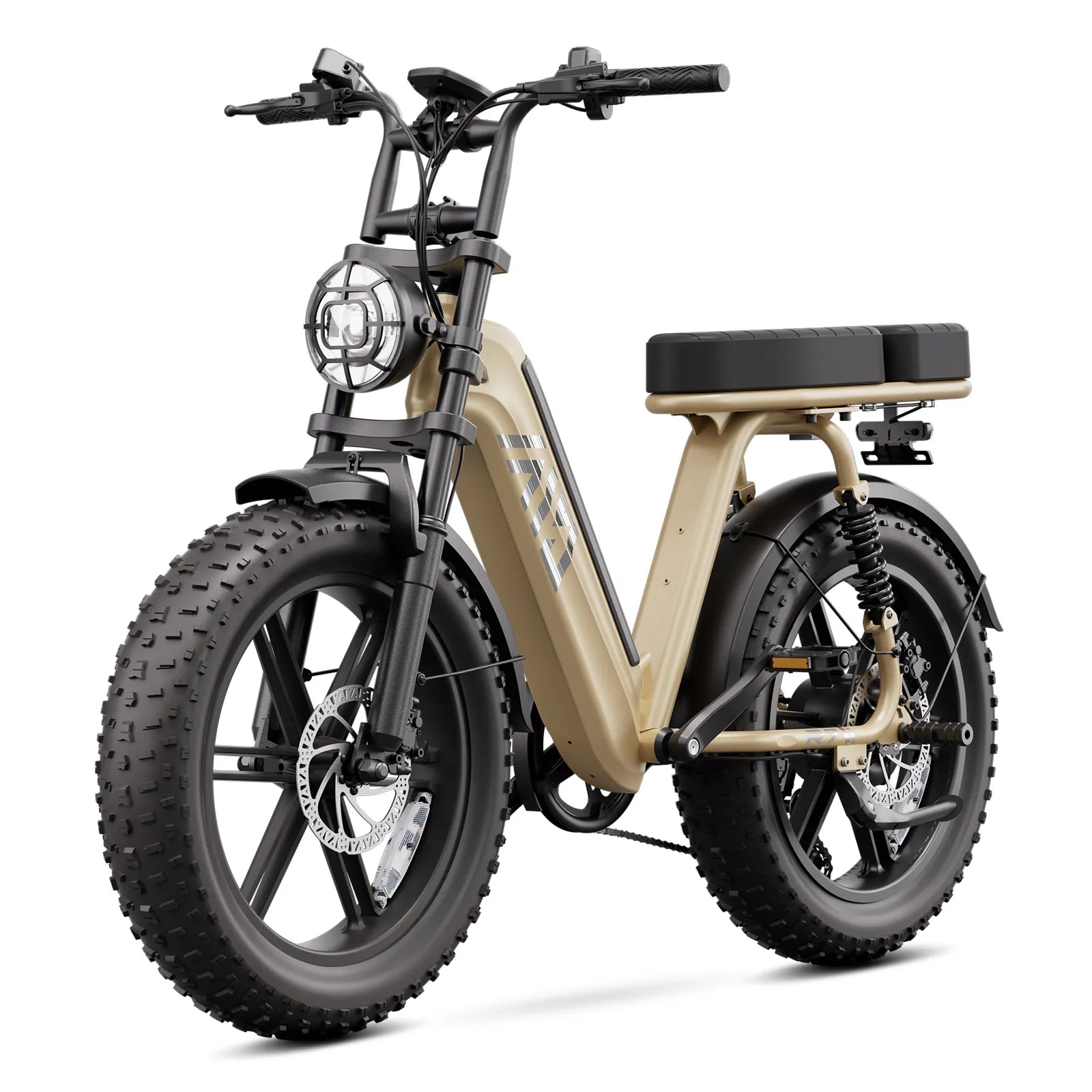
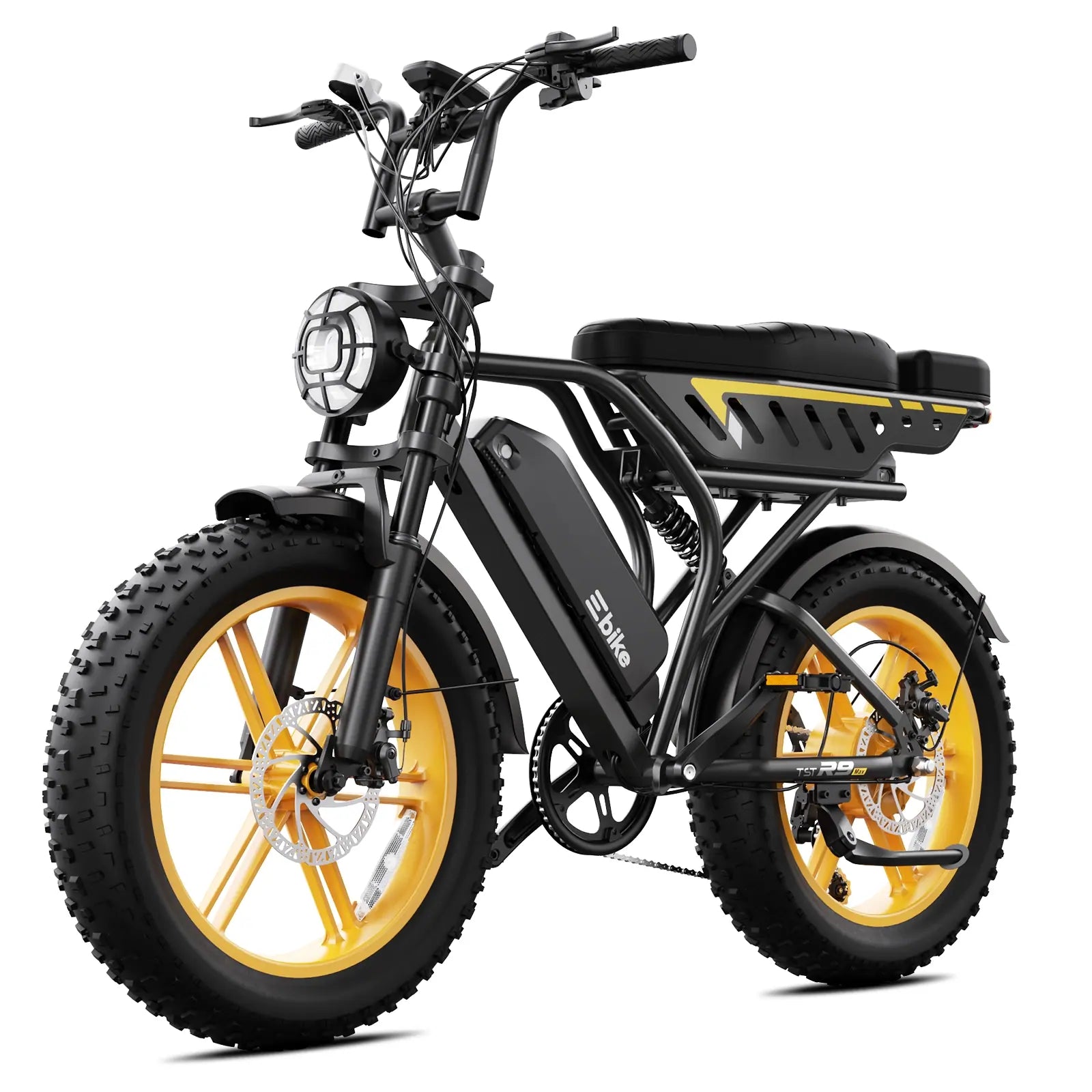
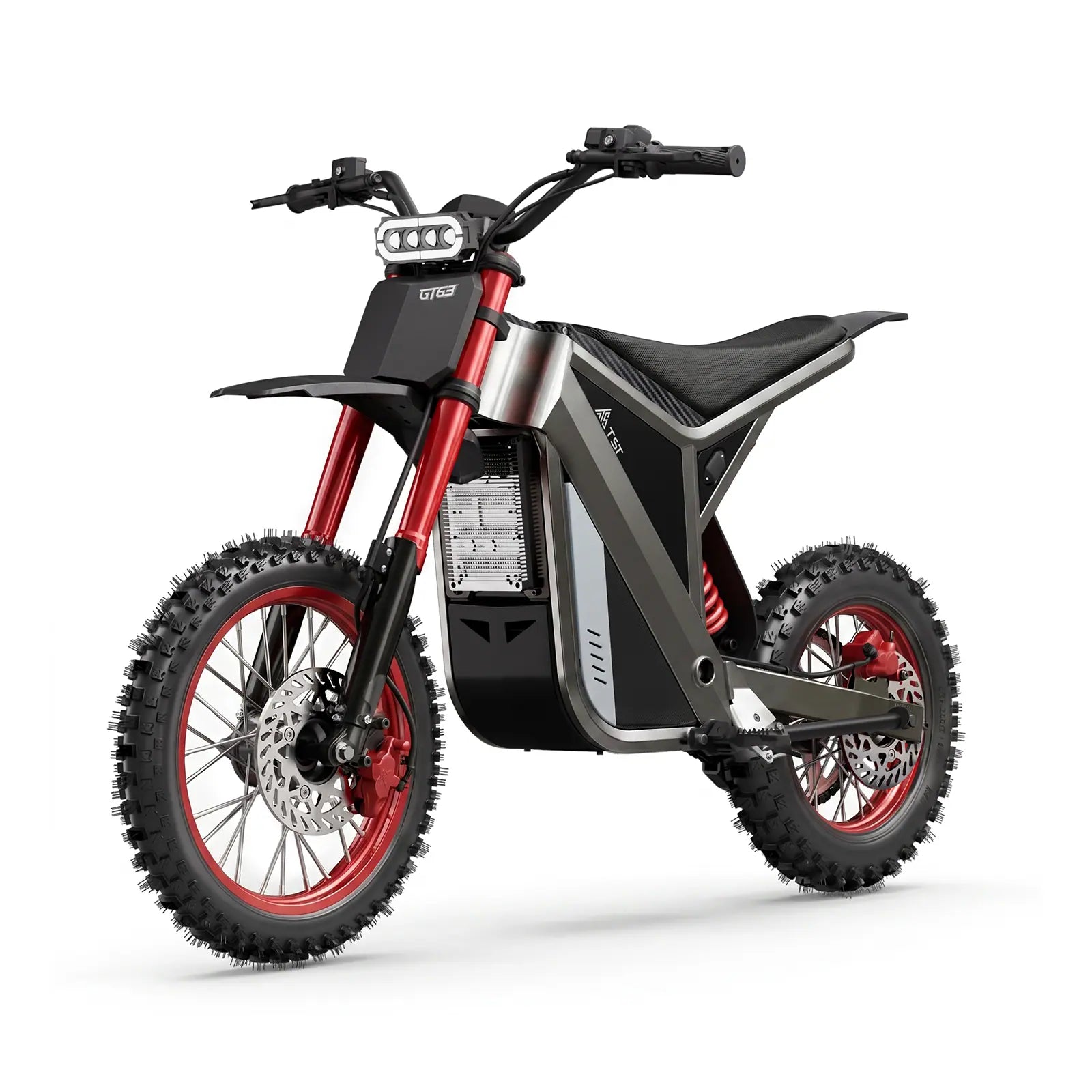
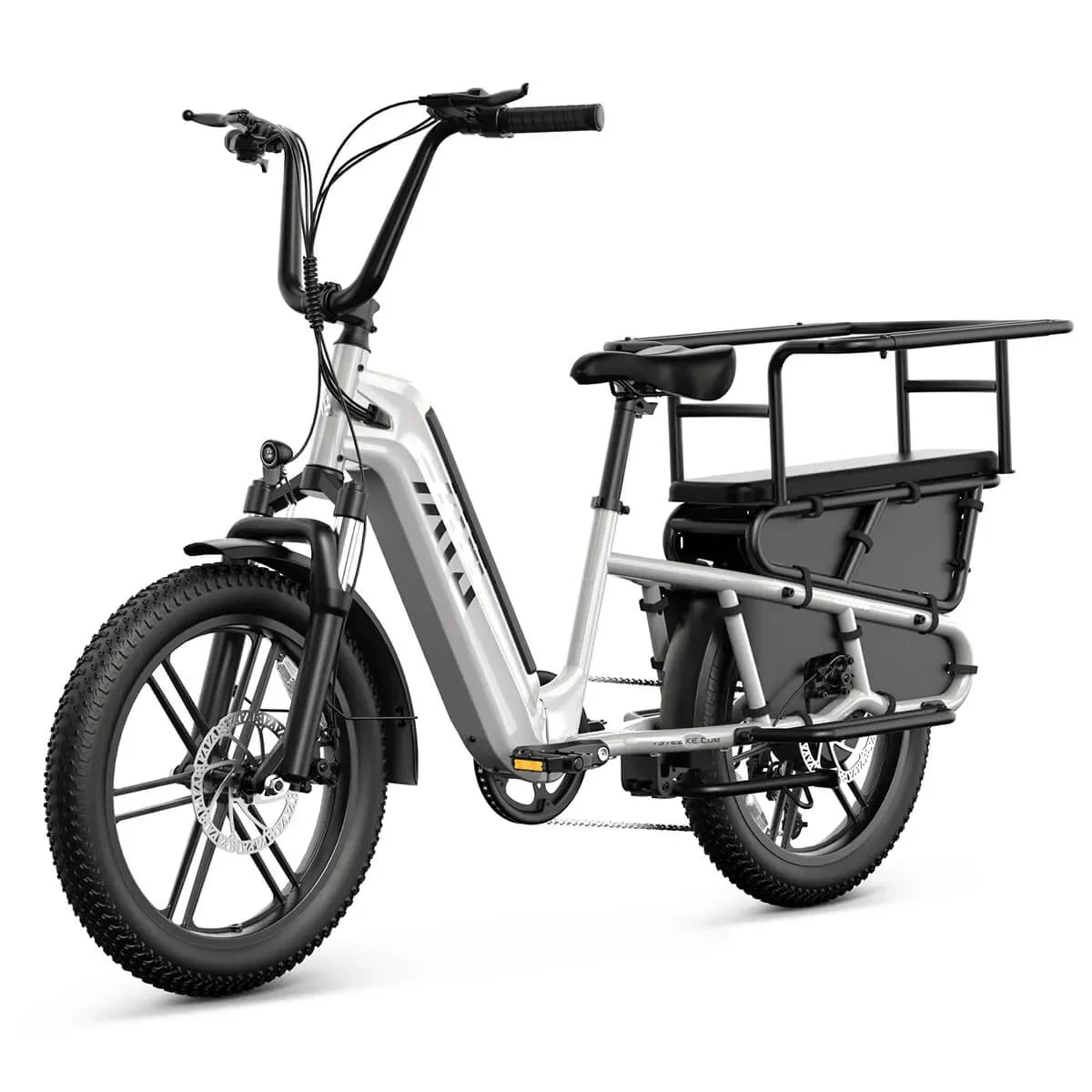
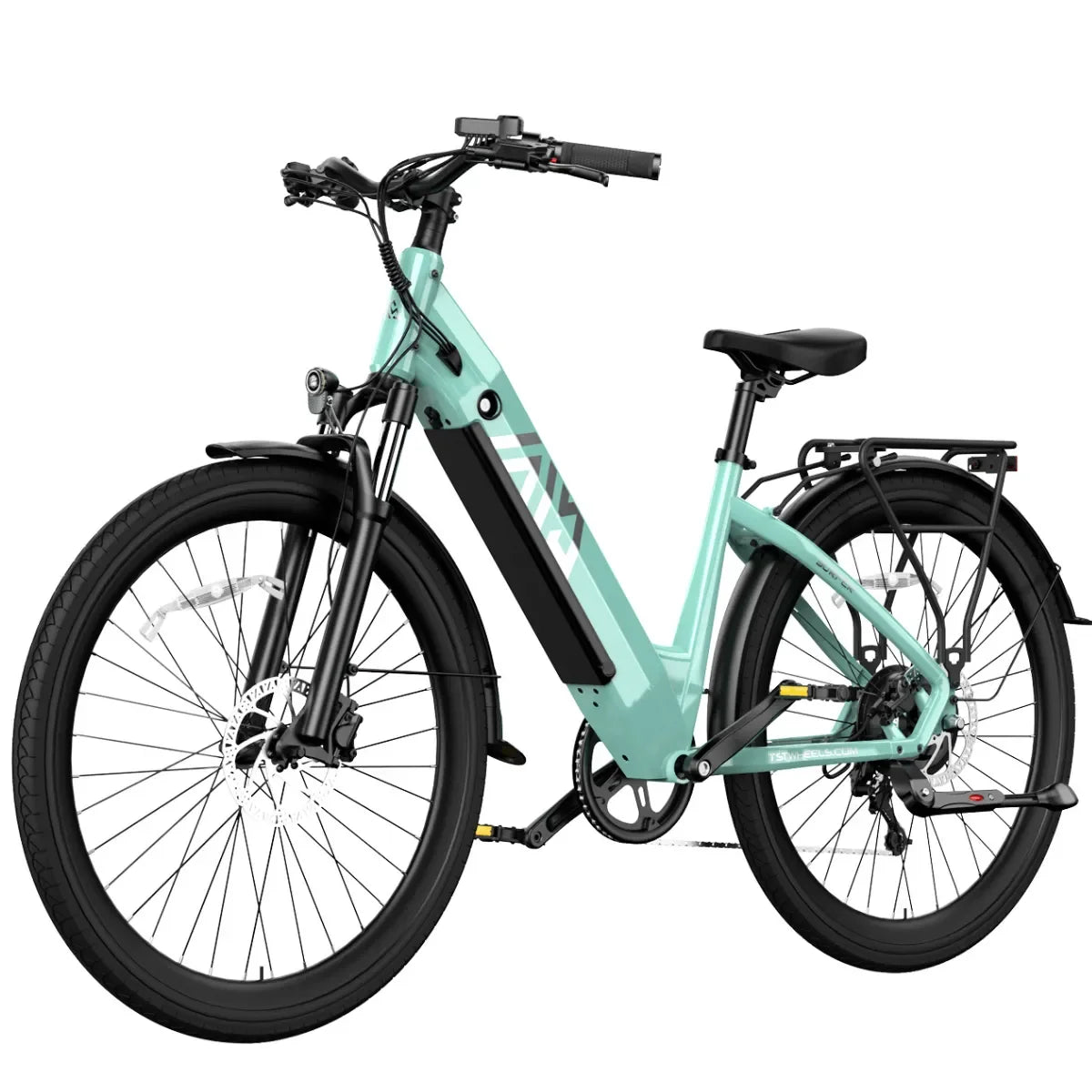
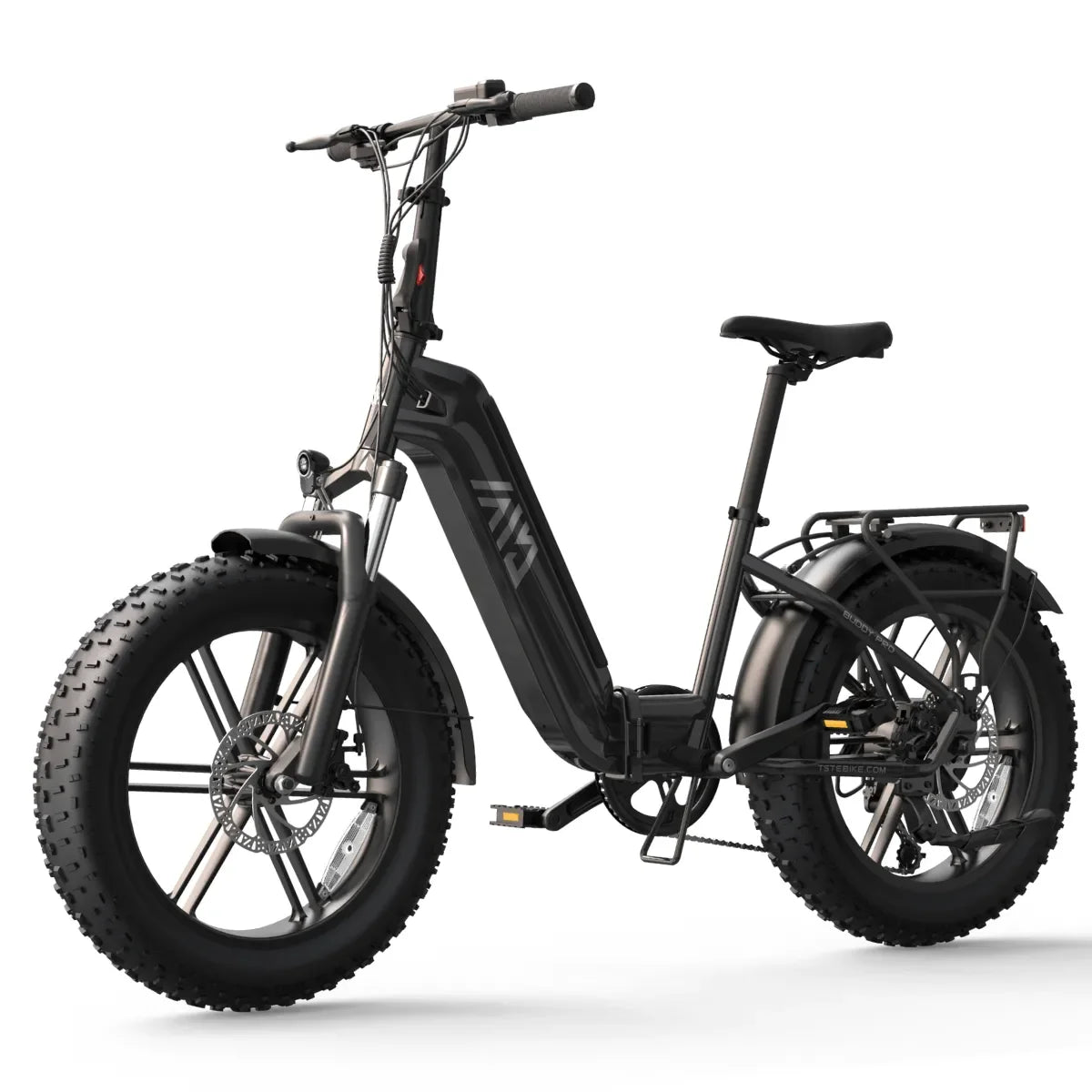
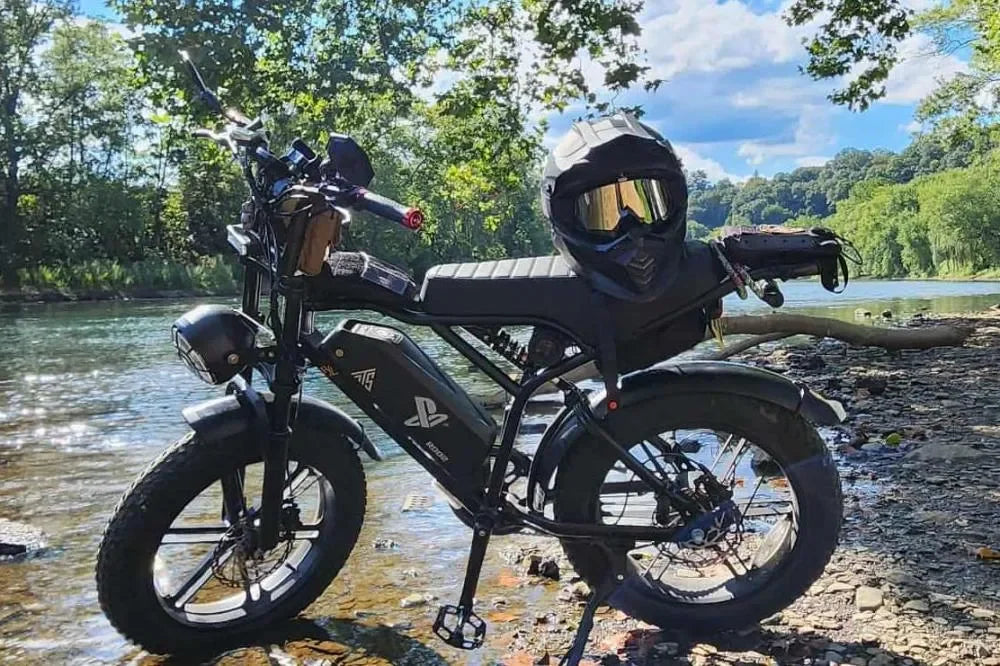
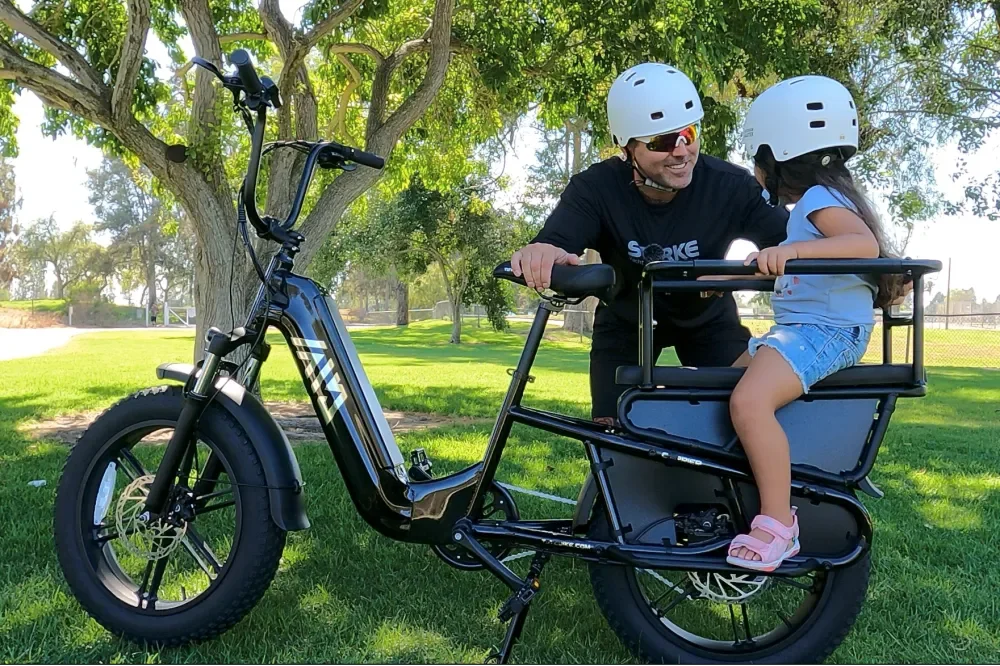
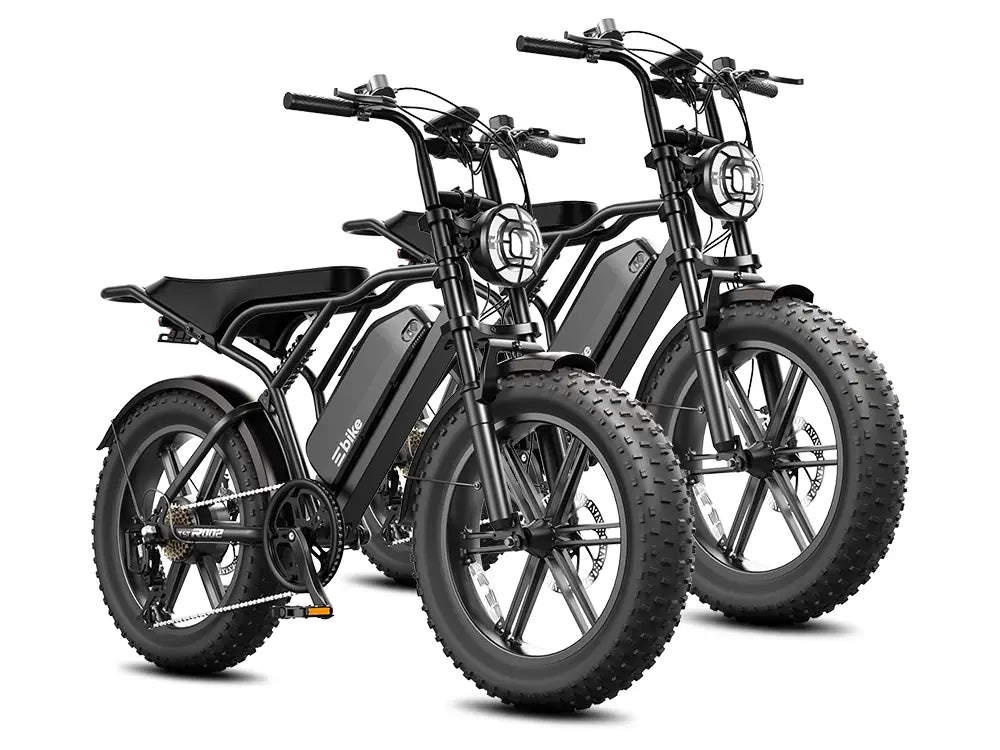
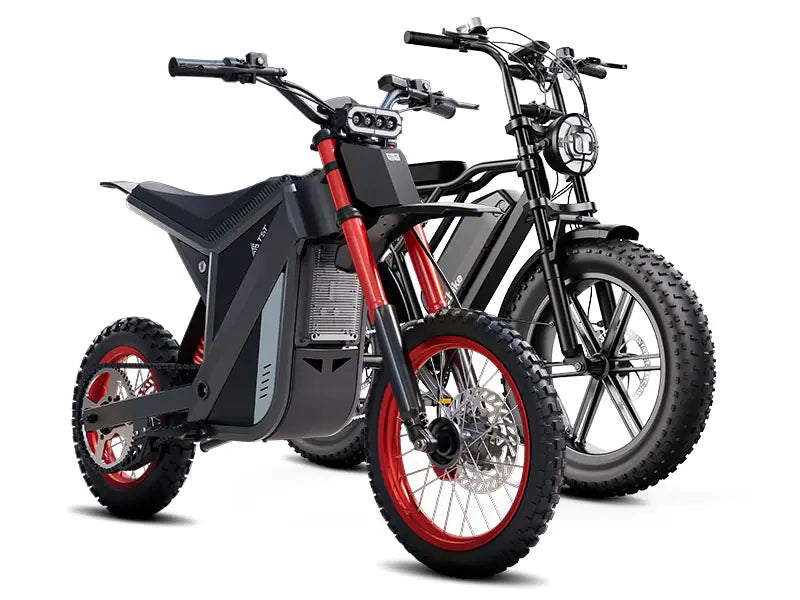
A bike marketed with both a throttle and pedal-assist above 20 mph — a configuration found on some moped-style and cargo e-bikes, including throttle-equipped TST models rated up to 28 to 32 mph — should not be assumed to carry Class 3 bike lane or path access simply because its pedal-assist tops out near the Class 3 threshold. Class 3 status, where it exists as a legal category, generally requires pedal-assist only, with no throttle propulsion above a brief low-speed walk mode; a bike whose throttle functions well past 20 mph more closely resembles a Class 2 configuration for regulatory purposes, and if its motor output or unassisted top speed exceeds the state's e-bike thresholds, it may fall outside the e-bike category altogether in that state. Riders should check the exact model's classification, motor wattage, and throttle cutoff on the manufacturer's current product specification page and confirm that configuration against the receiving state's law before assuming bike lane or path access, since a manufacturer's marketed top speed does not establish legal classification in any jurisdiction.
TST's published compliance and legal-classification guidance on e-bike class definitions can help identify which category a given motor and throttle setup is intended to match, but that page, like any manufacturer resource, states what the company claims, not what a specific state or city actually permits. Government and land-manager sources remain the only authority on where a bike may legally be ridden.
A Practical Route to a Reliable Answer
There is no shortcut that replaces checking the specific facility, because the same Class 3 bike can be welcome in one state's bike lane, banned from a neighboring city's bike lane, and excluded from a multi-use path a few blocks away, all on the same ride. The reliable sequence is federal definition, then state law, then the facility's own current, posted rule, in that order, because each layer can narrow, but never widen, what the layer above allows.
Before riding a Class 3 or throttle-equipped e-bike somewhere new, confirm the exact class your configuration meets under the state you're riding in, check whether the destination road, lane, path, or trail has a posted or published restriction for that class, and have a lawful fallback route in mind, typically the parallel roadway or bike lane, in case the path or trail you planned to use turns out to be closed to your bike's class. Crowd-sourced trail maps and general "e-bike laws by state" summaries are useful starting points, but they are not authoritative for a specific ride; the land manager's current posted rule and the state's current statute are.

Leave a comment
This site is protected by hCaptcha and the hCaptcha Privacy Policy and Terms of Service apply.