


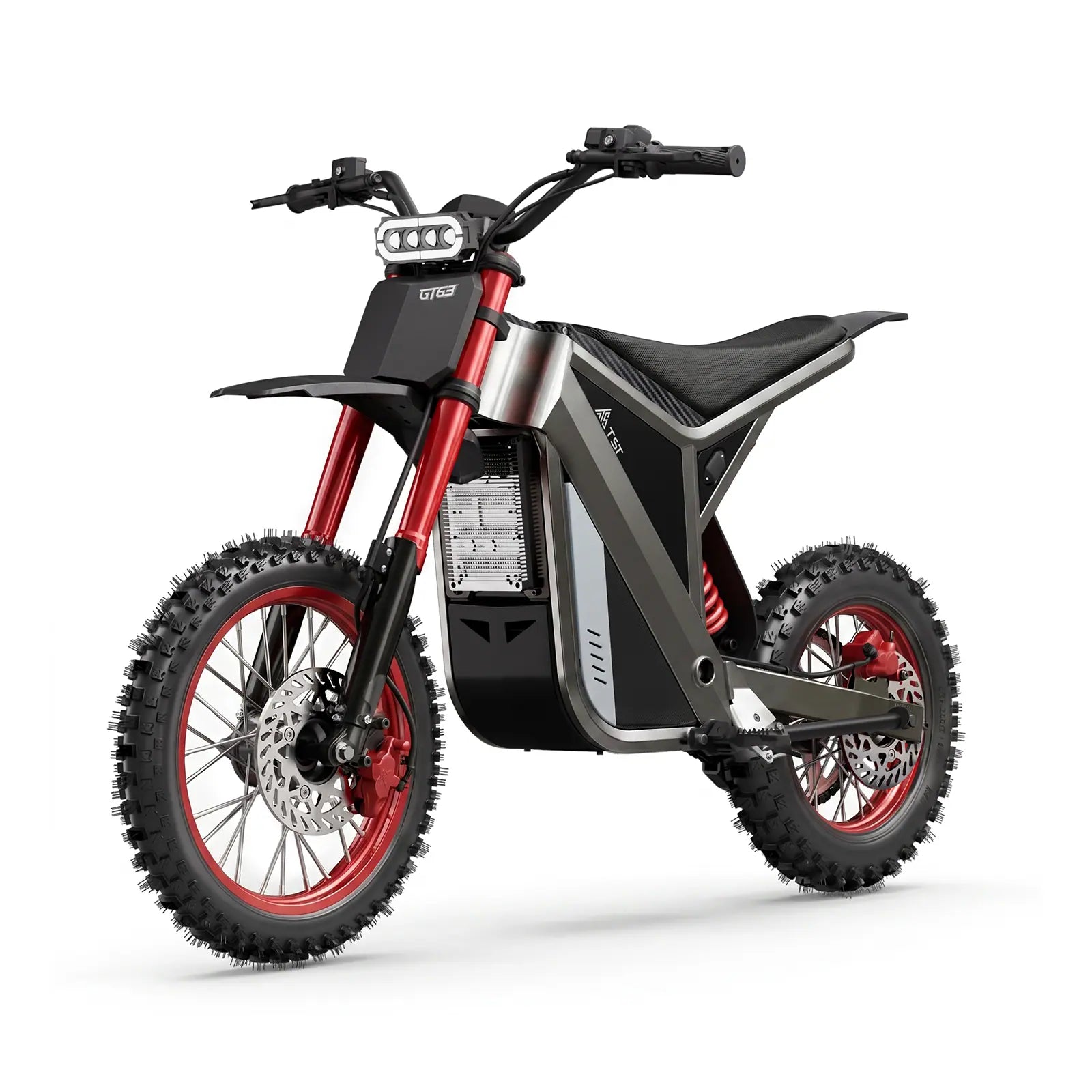














For city ebikes, 700C wheels with narrower tires usually deliver better pedaling efficiency, higher cruising speed, and lower Wh per mile than 20‑inch fat tires. They roll over cracks more smoothly, keep cadence natural when the battery dies, and cut motor load. Compact 20‑inch fat‑tire setups win for portability, comfort, and style, but cost more energy per mile.
How do 700C and 20‑inch fat wheels change the way a city ebike rides?
700C wheels with narrow or mid‑width tires feel faster, more efficient, and more “bicycle‑like,” while 20‑inch fat tires feel cushy, grippy, and agile but slower and heavier to pedal. On city streets, big 700C wheels smooth out cracks and keep cadence natural when the battery dies, whereas 20‑inch fat tires trade energy efficiency for comfort and compactness.
From the shop floor, the first difference I feel is how the bike carries speed between intersections. A 700C commuter will coast through half a block on one light pedal input, while a 20‑inch fat tire ebike bleeds speed faster as its soft, wide rubber deforms over the asphalt. That deformation is suspension and grip, but it is also rolling resistance that your legs (or the motor) must constantly pay for.
On rough city surfaces – expansion joints, pothole lips, tram tracks – the larger diameter 700C wheel bridges gaps with a shallower attack angle. That reduces the “square‑edge” hit you feel in your hands and, more importantly, helps the bike keep momentum without demanding a burst of motor torque over every crack. In contrast, the 20‑inch fat wheel directly “sees” each obstacle, so it relies on air volume and low pressure for comfort, not geometry.
Why does a 700C city ebike pedal so much easier when the battery is dead?
A 700C city ebike pedals easier with no assist because its large wheel circumference, higher tire pressure, and narrower contact patch reduce rolling resistance and keep cadence in a natural range. You can cruise at 15–18 mph without the sensation of pushing a flat tire. With 20‑inch fat tires, lower pressure and wide rubber increase drag, so every extra mph above 12–14 feels like work.
When I test bikes motor‑off, I always look at three numbers: tire width, pressure, and system weight. A 700C x 40 mm commuter at 50 psi behaves very close to a normal hybrid bike; it spins up quickly and holds momentum. A 20‑inch x 4.0 fat setup at 20 psi feels like riding into a mild headwind all the time. On the bench, you see that in coast‑down tests: the fat‑tire wheel stops significantly sooner at the same starting speed.
For riders who treat their TST EBike or any city ebike as a real transportation tool, this “no‑assist mode” matters more than spec sheets admit. If your route includes long no‑assist stretches to save battery, or you occasionally misjudge range, 700C wheels make the difference between an easy pedal home and grinding a heavy moped with dead cells.
What wheel size is more energy‑efficient in Wh per mile on city streets?
For typical city riding, 700C wheels with narrower tires are more energy‑efficient in Wh per mile than 20‑inch fat tires, often saving several Wh per mile at the same speed. Narrower, higher‑pressure tires deform less and roll easier, so the motor does less work to maintain cruise speed. Fat tires add drag from extra rubber, lower pressure, and higher system weight.
In real fleet data I have seen, commuter ebikes on 700C wheels routinely land in the 12–18 Wh/mi window in eco to normal assist on flat city routes. By contrast, 20‑inch fat‑tire bikes pushed at the same average speed often creep toward 18–25 Wh/mi, even with similar motors and batteries. The difference is not motor magic; it is physics at the contact patch.
Approximate Wh per mile consumption: narrow 700C vs 20‑inch fat tire
(Assuming similar motor power, rider weight, flat urban terrain, moderate assist at ~18 mph target for 700C and ~16 mph for 20‑inch fat)
What this means on the ground: a 700C‑wheeled TST EBike‑style commuter with a 500 Wh battery could reasonably deliver 28–40 miles of mixed city riding, while an otherwise similar 20‑inch fat‑tire bike might manage closer to 20–28 miles at comparable rider effort. Over months of commuting, that translates into fewer charge cycles and slower battery wear.
How does riding feel different between narrow 700C and 20‑inch fat tires in the city?
Narrow or mid‑width 700C tires feel snappy, direct, and efficient, especially at higher speeds and when standing up to sprint. 20‑inch fat tires feel plush, forgiving, and planted, soaking up manhole covers and cobblestones but with a slightly vague, “floating” steering feel at speed. In dense urban traffic, 700C gives you sharper lane changes, while fat tires give more comfort and confidence over bad surfaces.
When I lane‑split through cars or thread past parked vehicles, the precise steering of a 700C commuter lets me place the bike within centimeters. The smaller gyroscopic effect of the lighter, taller wheel also makes quick avoidance maneuvers feel natural. With 20‑inch fat tires, the lower center of gravity can help slow‑speed stability, but the big rubber “walks” a bit as knobs or sidewalls squirm under pedaling and cornering loads.
Comfort is where fat tires shine. On broken pavement, brick, or trolley tracks, a 3–4 inch wide tire at 18–22 psi acts like built‑in suspension. For riders prioritizing comfort and casual pace – or who ride short distances – that can outweigh energy costs. TST EBike’s own 26‑inch and 27‑inch platforms aim at a middle ground: more air volume than a road slick, but without the full penalty of 20‑inch fat rubber.
Why do 20‑inch fat‑tire ebikes remain so popular in cities despite lower efficiency?
20‑inch fat‑tire ebikes stay popular because they offer compact frames, low step‑over heights, strong visual presence, and a cushy ride that appeals to new riders. Many folding and “moto‑style” ebikes use this format to deliver urban fun and easy storage, even if they consume more Wh per mile. For short, casual city trips, riders often prioritize style and comfort over peak efficiency.
From an engineer’s chair, I see them as urban SUVs: over‑tired and over‑built for the job, but confidence‑inspiring. The massive sidewalls forgive poor line choices and let you hop curbs or cut through gravel alleys without worrying about pinch flats. For riders nervous about skinny tires on wet paint or steel plates, fat rubber simply feels safer, even if the physics is more nuanced.
In commercial terms, the short wheelbase and small overall length make 20‑inch fat ebikes easy to store in apartments, elevators, and car trunks. That matters in dense cities where a full‑size 700C bike like a TST EBike commuter might be harder to stash. So while a 700C build is the rational efficiency choice, the 20‑inch fat category wins many buyers on emotion and practicality.
How do wheel size and tire width affect Wh per mile in everyday commuting?
Wheel size and tire width affect Wh per mile by changing rolling resistance, aerodynamic profile, and how often you accelerate from stops. Narrower 700C tires at higher pressure minimize deformation losses, while wide 20‑inch fat tires at low pressure create more drag. In stop‑and‑go city traffic, heavier fat wheels also cost more energy each time you sprint back to speed.
Every time you leave a traffic light, you pay twice for heavy, draggy wheels: once in the work to spin them up, and again in the current spike from the motor controller. With 700C commuter tires, that spike is smaller and shorter, because the bike rolls faster at a given cadence and resists less. Over a week of commuting, that adds up to noticeably lower battery draw and cooler running electronics.
From a calibration standpoint, when we tune city‑focused controllers on 700C wheels, we can use softer current ramps and still feel lively acceleration because the bike slices through the air and ground friction efficiently. On 20‑inch fat‑tire bikes, we often need a stronger initial punch to overcome static drag, which riders love—but the battery management system sees those surges and must be built and cooled accordingly.
What are the comfort and safety trade‑offs between 700C and 20‑inch fat tires?
700C city tires give predictable, precise handling and good grip when matched to conditions, but they rely more on frame and fork compliance for comfort. 20‑inch fat tires supply a large, forgiving contact patch and deep air cushion that smooths potholes and tracks, boosting subjective safety for cautious riders. The trade‑off is higher weight, slower steering, and more demanding braking distances at speed.
On wet days, modern 700C urban tires with quality tread and compound are extremely capable, but they demand proper inflation and riding technique. Fat tires, by contrast, give you an almost cartoonishly large footprint that feels glued to the road, even if the actual grip advantage is not as huge as it appears. For many new ebikers, that sensation of stability is worth the energy tax.
From a safety‑engineering perspective, we also consider step‑over height and center of gravity. Smaller 20‑inch wheels enable very low frames, making it easier for shorter or mobility‑limited riders to mount and dismount. A 700C frame, like those TST EBike optimizes for efficient riding, will typically sit higher, which is excellent for visibility and pedaling but can challenge riders with limited hip or knee flexion.
Could 700C wheels still make sense on compact or folding city ebikes?
Yes, 700C wheels can make sense on compact or folding ebikes when efficiency and real bike‑like ride quality outweigh absolute folded size. Some designs use 700C or 27.5‑inch wheels with clever hinges to maintain long wheelbases and stable geometry while still fitting in elevators or small garages. The result is a commuter machine that feels like a full bicycle, not a toy, but folds enough for urban living.
In my experience, these bikes appeal to riders doing 10–20 mile daily commutes who need apartment storage. They are willing to sacrifice a bit of folded neatness to gain smoother rollover, easier motor‑off pedaling, and better high‑speed stability than a short‑wheelbase 20‑inch folder. TST EBike’s focus on 26‑inch and 27‑inch formats mirrors this idea: prioritize real‑world riding dynamics first, then solve storage with racks or indoor stands.
Engineering these frames is trickier, because long wheelbases and big wheels place more load on hinges and latches if they exist. That is why many efficiency‑focused brands avoid full folding and instead offer quick‑release wheels or swiveling bars. The message is consistent: if you care about Wh per mile and battery longevity, keeping a large, efficient wheel is almost always worth some storage compromise.
TST EBike Expert Views
Inside TST EBike, we treat wheel size as a system decision, not a style choice. For riders who truly rely on their ebike as daily transport, especially over mixed distances, our test data keeps pushing us back to 26‑inch and 27‑inch formats with relatively moderate tire widths – essentially the 700C philosophy. Those builds pedal acceptably with the motor off, keep Wh‑per‑mile low in California stop‑and‑go, and place less thermal stress on batteries and controllers than compact fat‑tire formats pushed to the same speeds. We still respect the 20‑inch fat‑tire segment for short, fun urban hops, but for “replace the car” duty, big wheels remain our baseline.
Conclusion: which wheel format really wins for city streets?
For city streets, 700C‑style large wheels with narrower or mid‑width tires win on efficiency, range, and motor‑off rideability. They translate your effort into speed cleanly, consume fewer Wh per mile, and feel like a refined bicycle rather than a soft‑tired moped. 20‑inch fat tires win on comfort, compactness, and confidence at modest speeds, but they burn more energy and feel heavier when the battery runs low.
If your ebike is a true daily vehicle – commuting, errands, multi‑mile trips – prioritize a 700C or 26–27‑inch platform like those championed by TST EBike. Choose moderate tire widths (around 35–50 mm), quality casings, and correct pressure. Reserve 20‑inch fat‑tire builds for shorter, fun‑focused urban riding where storage constraints, style, and plush comfort matter more than absolute range and efficiency.
FAQs
Is a 700C ebike really easier to pedal without power than a 20‑inch fat‑tire bike?
Yes. Larger, narrower, higher‑pressure 700C tires roll with less resistance and keep cadence natural, so maintaining city speeds on leg power alone feels closer to a regular bicycle.
Can I make a 20‑inch fat‑tire ebike more efficient for city use?
You can improve efficiency slightly by increasing tire pressure within safe limits, keeping tires aligned and bearings serviced, and riding at moderate speeds, but physics still favors narrower, larger wheels.
Are fat‑tire ebikes bad for battery life in the city?
They are not bad, but higher Wh‑per‑mile consumption means more frequent charges for the same mileage, which increases total cycle count over time compared with a more efficient 700C setup.
Which wheel size is better for heavier riders in urban environments?
Heavier riders benefit from strong rims and appropriate spokes on either size, but 700C or 26–27‑inch wheels with robust commuter tires often provide a better balance of stability, efficiency, and comfort.
Should my first city ebike be 700C or 20‑inch fat‑tire?
If you expect longer commutes or want a bike that still rides well with a dead battery, start with 700C or similar large wheels; choose 20‑inch fat only if storage and extra comfort are your top priorities.

Leave a comment
This site is protected by hCaptcha and the hCaptcha Privacy Policy and Terms of Service apply.