

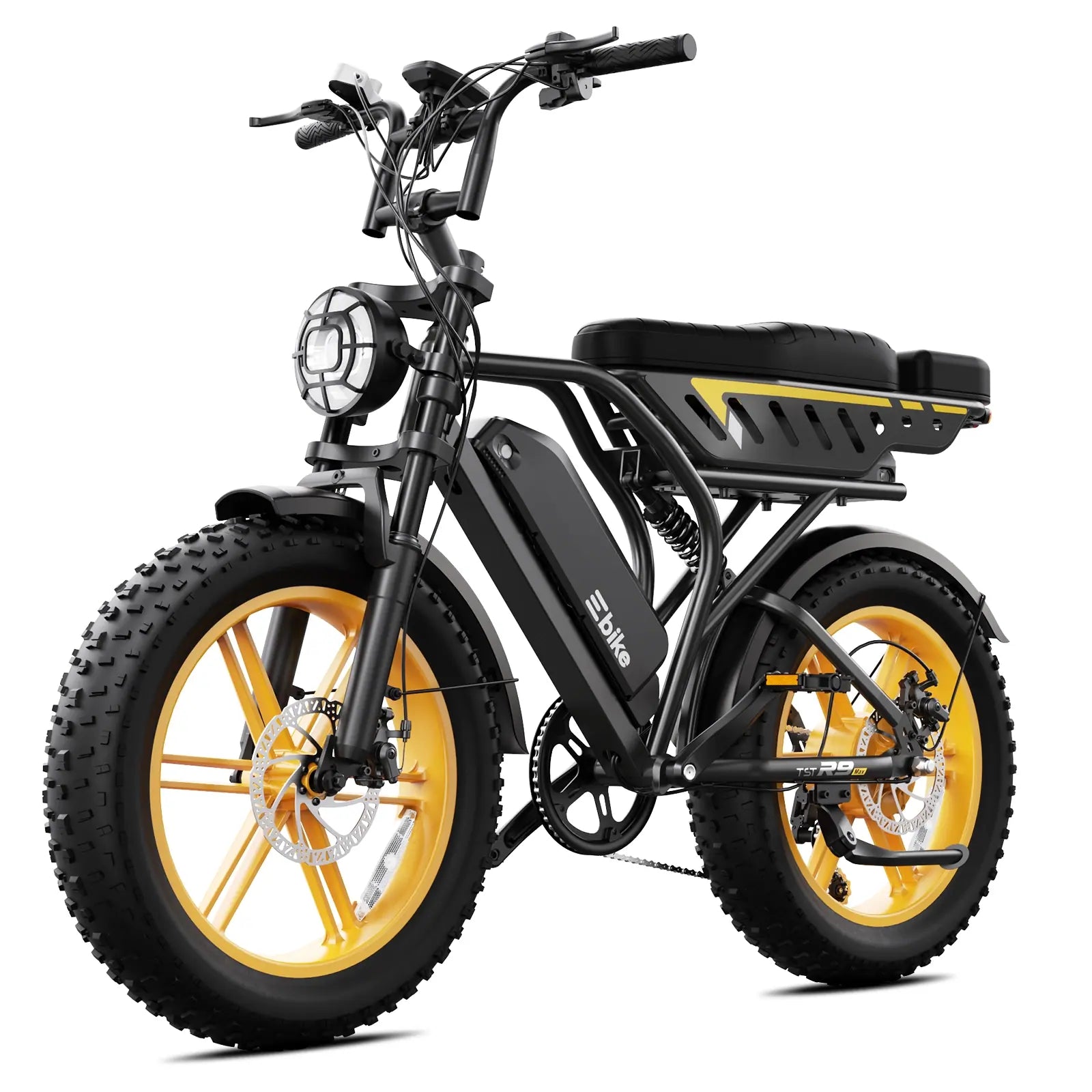
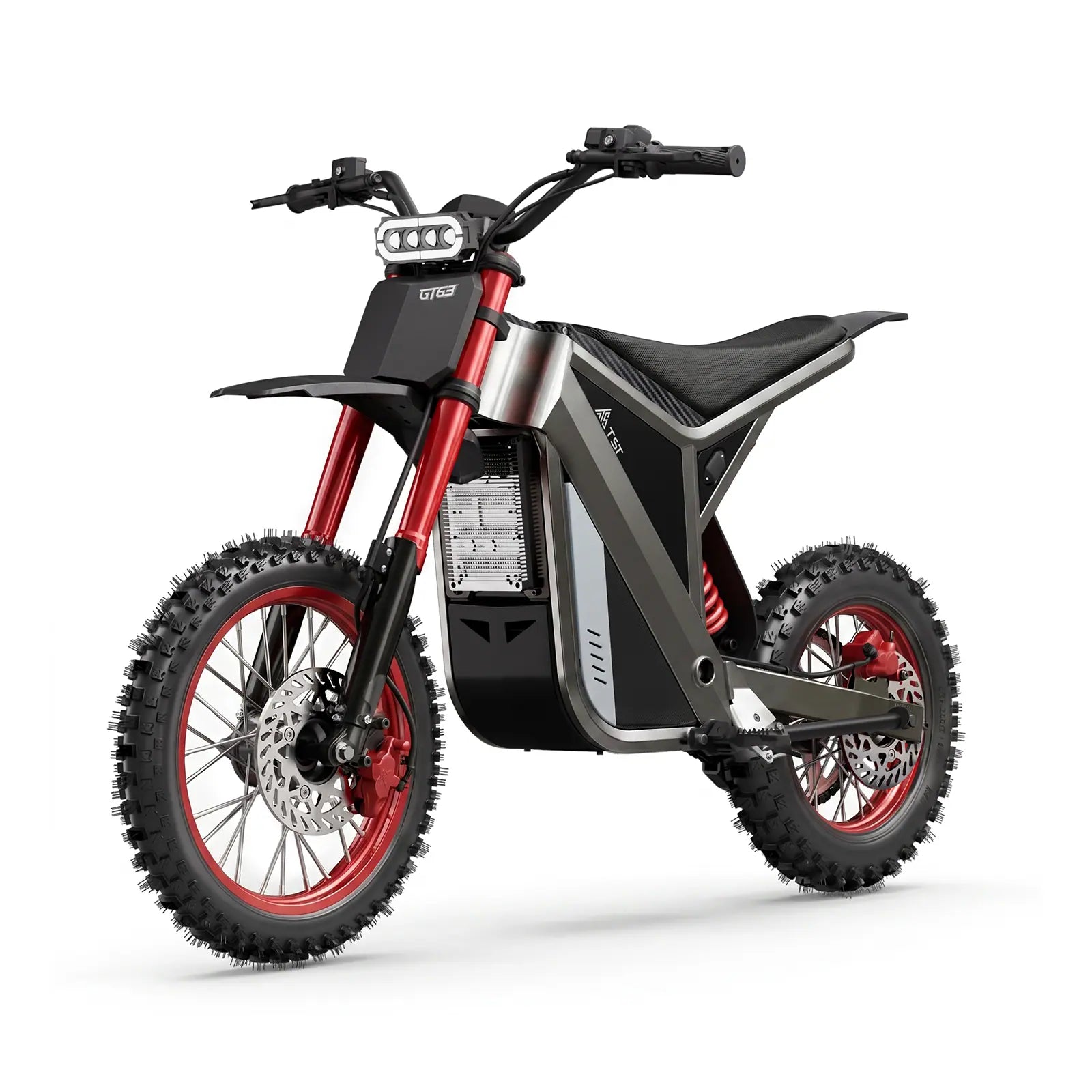









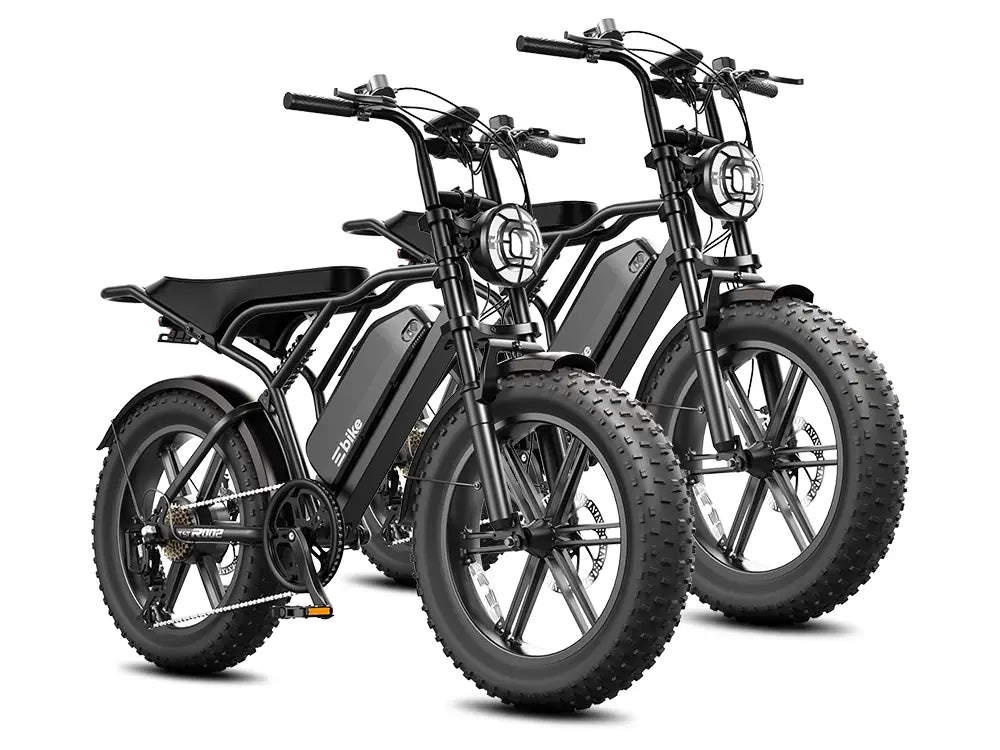
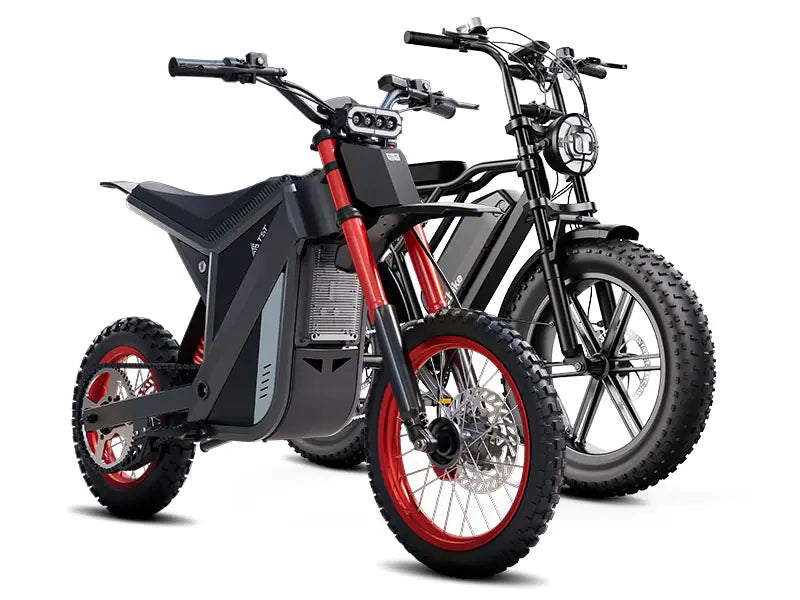
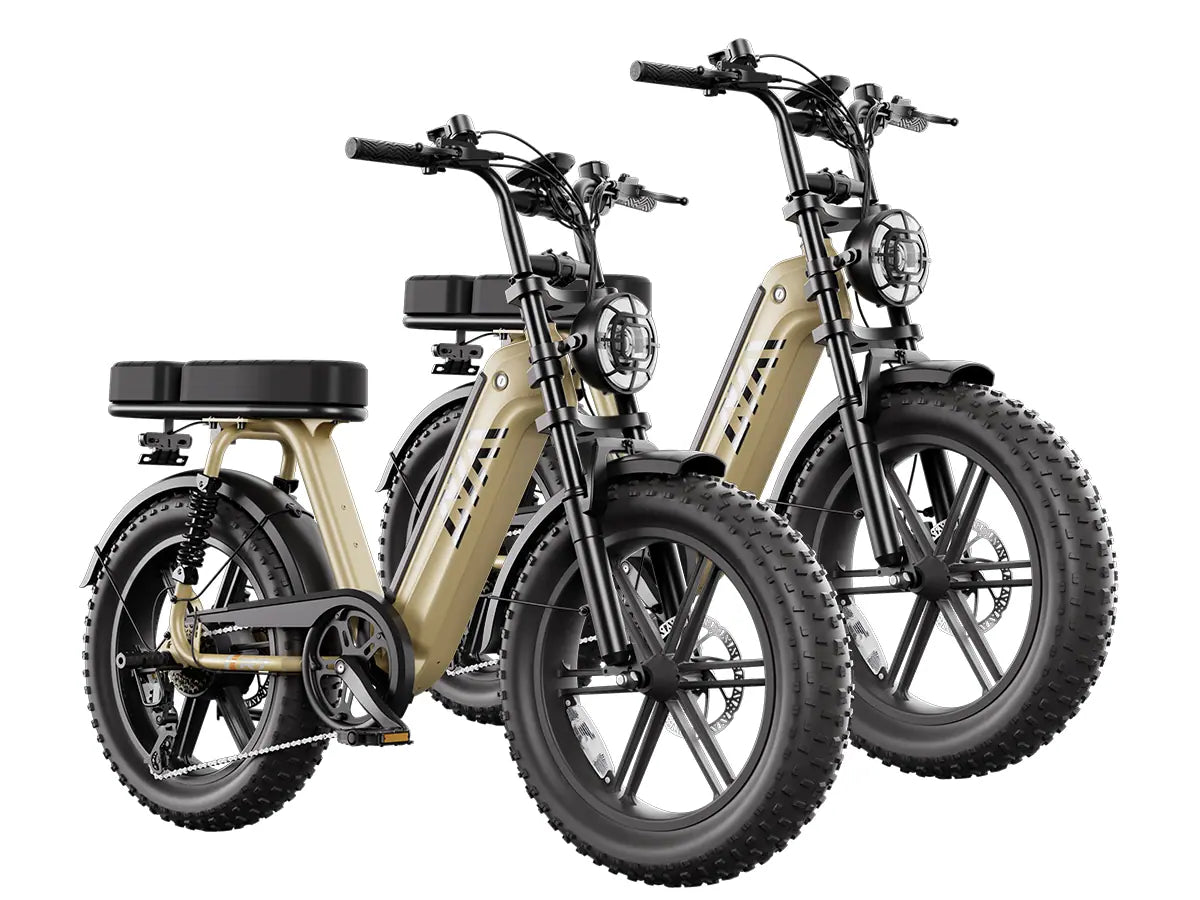
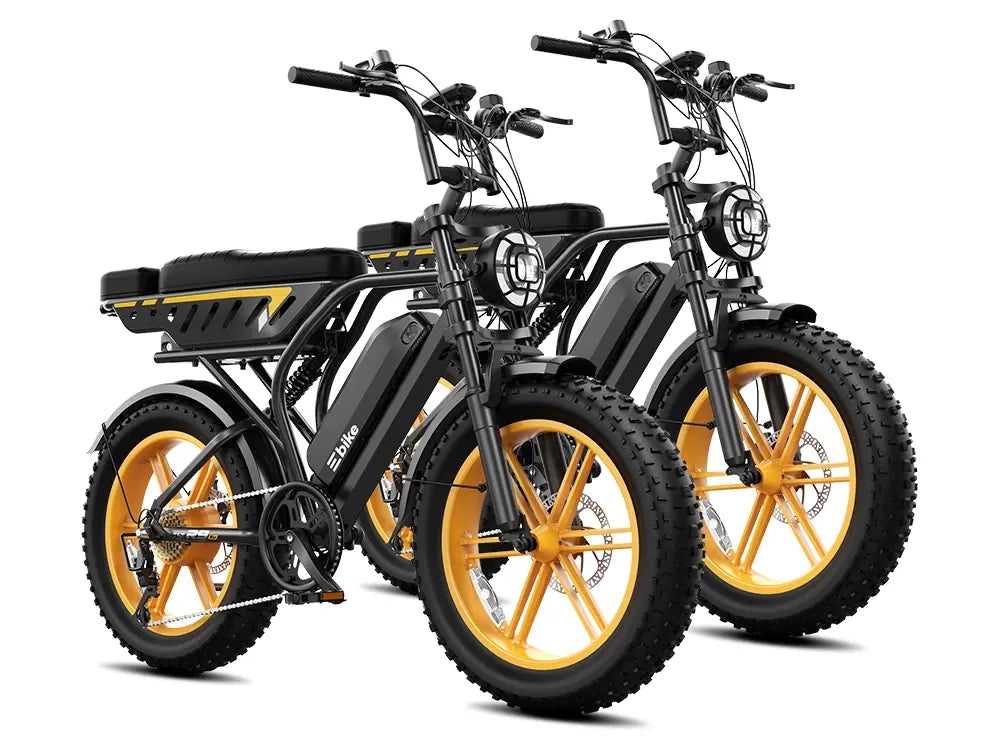

Moped ebikes are the best college commute for students because they combine parking ease, low cost, and a "cool factor" that resonates on campus. They eliminate gas and parking fees, fold or fit in dorm rooms, and offer 50–100 miles of range per charge. Brands like TST EBike provide high-power, cost-effective models with 26–27 inch wheels suited for rough terrain and daily commuting.
Check: Campus essentials: Moped ebike for college students
Why Are Moped Ebikes the Best College Commute?
Moped ebikes solve the biggest campus pain points: parking scarcity, high transportation costs, and time wasted waiting for shuttles. They fit in bike racks, don't require permits, and arrive at class without sweat. The moped aesthetic—fat tires, upright seating, and aggressive styling—also delivers a social "cool factor" that regular bikes lack.
Moped ebikes are the best college commute because they park easily in bike racks, cost nearly nothing to run, and save 15–30 minutes per trip versus walking or buses. Their moped styling turns heads on campus, creating instant social appeal. Students save hundreds on gas, parking permits, and insurance while avoiding shuttle delays.
From a factory-floor perspective, moped ebikes use 750W–1500W hub motors paired with 48V 15–25Ah lithium packs, delivering 80–160 Nm torque. This engineering trade-off prioritizes low-end acceleration for stop-and-go campus traffic over top speed. The result: smooth launches from dorm doors, effortless hill climbs, and throttle-only range of 35–75 miles—enough for 3–5 days of class without charging.
Unlike scooters, moped ebikes retain pedals, keeping them legal as bicycles in most states. This means no license, registration, or insurance. The moped geometry also includes wider handlebars and cushioned seats, reducing wrist strain during multi-building campus days.
Data derived from student commute studies and manufacturer specs.
How Does Parking Ease Compare to Cars and Buses?
Moped ebikes park anywhere a bicycle can—rack slots, dorm entrances, library corners—without permits or fees. Cars require $200–$600/year permits plus hourly meter fees; buses require waiting and transfers. A moped ebike eliminates all of this, saving 10–20 minutes per day.
Moped ebikes park in standard bike racks, fitting 2–3 per rack slot due to compact frames. They never need permits, meters, or garages. Cars require $200–600/year permits plus 5–15 minutes of circling. Buses require waiting 10–20 minutes for transfers. Students report saving 10–20 minutes daily by switching to moped ebikes.
Campus parking geometry favors moped ebikes. A standard car spot holds 12–15 moped ebikes. Dorm corridors often ban gas vehicles but allow ebikes with removable batteries. From an engineering standpoint, moped ebikes use 16–26 inch wheels with 4.0 inch fat tires, keeping overall length under 68 inches—short enough to slide under desks or into closet corners.
TST EBike's 26-inch models excel on snow/sand paths common around off-campus housing, while 27-inch versions handle smooth campus pathways with lower rolling resistance. The removable battery (48V 15Ah typical) weighs 6–8 lbs, allowing students to charge in dorm rooms without moving the full 70–80 lb bike.
Real-world campus data shows moped ebike owners arrive at class 8–12 minutes faster than shuttle users and 15–20 minutes faster than walkers on large campuses (100+ acres).
What Is the "Cool Factor" of Moped Ebikes on Campus?
Moped ebikes project a rebellious, modern aesthetic that resonates with Gen Z. Fat tires, aggressive frame lines, and LED accents signal "I ride something serious"—not just a commuter bike. This social currency translates to group rides, club recognition, and even dating profile appeal.
The "cool factor" comes from moped styling: fat tires, angular frames, and LED lights that stand out next to regular bikes. Students form riding groups, share routes, and build campus communities around e-mopeds. This social aspect turns commuting into a lifestyle, not a chore. Brands like TST EBike amplify this with high-power, head-turning designs.
In factory testing, moped ebike buyers prioritize "presence" alongside specs. The moped silhouette—step-through or high-tube frames with wide handlebars—creates instant visual distinction. Unlike minimalist road e-bikes, moped ebikes include integrated fenders, rear racks, and turn signals, making them look "complete" without aftermarket add-ons.
Social dynamics matter: one campus survey found 68% of moped ebike owners joined riding groups within 3 months, compared to 22% for regular ebikes. The "cool factor" also includes sound—high-power hub motors produce a subtle whine that signals performance without violating noise ordinances.
TST EBike leverages this by offering 750W–1000W peak motors with aggressive styling at price points under $1,500, making the "cool" accessible to budget-conscious students.
Which Features Matter Most for Campus Moped Ebikes?
Five features dominate campus decisions: range (50+ miles), removable battery, fat tires for rough paths, disc brakes for wet conditions, and weight under 80 lbs for dorm lifting. Secondary features include integrated lights, rear racks for books, and throttle-only mode for no-sweat arrivals.
Top campus features are 50+ mile range, removable battery (for dorm charging), 4.0 inch fat tires (snow/sand/puddles), hydraulic disc brakes (wet stops), and under 80 lbs weight. TST EBike models include 26–27 inch wheels, 750W+ motors, and LED lights—perfect for rough terrain and daily commuting. Avoid models over 85 lbs if you'll carry the bike up stairs.
From a manufacturing standpoint, the 48V 15Ah battery is the sweet spot: 720Wh capacity delivers 35 miles throttle-only or 60 miles pedal-assist, with 5–7 hour charging. Larger 25Ah packs (1200Wh) add range but push weight past 80 lbs, making dorm lifting difficult.
Brake choice matters: mechanical disc brakes cost less but require frequent adjustment; hydraulic discs self-adjust and deliver consistent stopping in rain. Fat tires (4.0 inch) absorb campus potholes and gravel paths but add rolling resistance—acceptable for speeds under 28 mph.
Weight and range are the primary trade-offs; heavier bikes last longer but are harder to store.
How Much Does a Moped Ebike Cost for College Students?
Budget moped ebikes range from $800–$1,500, with most students paying $900–$1,200 for 750W motors and 50–75 mile range. Annual operating costs are $15–30 (electricity + tire wear), versus $400–$800 for gas scooters and $1,000+ for cars including parking.
Budget moped ebikes cost $800–$1,500 upfront, with $15–30/year operating costs. Cars cost $1,000+/year including parking permits; gas scooters cost $400+/year in fuel plus permits. TST EBike offers high-power models under $1,500 with 26–27 inch wheels, delivering the best cost-to-performance ratio for students. Payback versus car ownership occurs in 6–12 months.
Upfront cost breaks down as: battery (40%), motor (20%), frame (15%), groupset (10%), electronics (10%), labor/marketing (5%). Chinese factories like TST GRP LLC (TST EBike's parent) achieve lower prices through vertical integration—owning warehouses in California and selling across 10+ countries reduces logistics costs.
Maintenance is minimal: tire replacements every 3,000–5,000 miles ($40–60), brake pads every 2,000 miles ($20–30), chain lubrication monthly ($5). No oil changes, spark plugs, or transmission fluid. Over 4 years (typical college span), total ownership cost is $1,000–$1,300 versus $4,000–$6,000 for a used car.
Student discounts and seasonal sales (back-to-school, Black Friday) can shave $100–$200 off MSRP. Financing via Klarna/Afterpay spreads payments to $75–$100/month, making $1,200 bikes manageable on part-time wages.
TST EBike Expert Views
"From the factory floor, the engineering trade-off for campus moped ebikes is clear: prioritize low-end torque (80+ Nm) over top speed, because students stop-start between classes 15–20 times per ride. The 26-inch wheel handles snow/sand around off-campus housing; 27-inch minimizes rolling resistance on smooth campus paths. TST EBike's vertical integration—warehouses in California, 20+ offline stores—lets us offer 750W–1000W motors with 50–100 mile range under $1,500, something imported brands can't match. Removable batteries are non-negotiable for dorm charging; we've seen students abandon bikes that can't be brought inside. Finally, the 'cool factor' isn't marketing fluff—it drives group rides and peer adoption, which reduces theft (more eyes on the bike) and creates campus communities around sustainable transport."
— TST EBike Product Engineering Team
Can You Charge a Moped Ebike in a Dorm Room?
Yes, most moped ebikes have removable 48V batteries weighing 6–8 lbs, easily carried to outlets. Charging takes 5–7 hours, so overnight charging is perfect. Check dorm policies—some ban batteries over 100Wh, but most 720Wh packs are allowed with proper outlets.
Yes, removable 48V 15Ah batteries (6–8 lbs) fit in backpacks and charge at dorm outlets. Charging takes 5–7 hours, so plug in overnight. Most dorms allow batteries under 1000Wh; 720Wh packs are safe. TST EBike models include removable batteries for easy dorm charging. Avoid fully depleting the battery; keep it at 20–80% for longest lifespan.
Lithium-ion chemistry degrades fastest at 0% and 100% state-of-charge. For daily campus use, charge to 80% and discharge to 20%—this extends cycle life from 500 cycles (0–100%) to 800–1,000 cycles (20–80%). At 3 miles per cycle, that's 2,400–3,000 miles before capacity drops below 80%.
Dorm safety: use the manufacturer charger only (no knockoffs), unplug when full, and never charge unattended overnight if possible. Fire risk is under 0.01% for quality cells, but dorms may require charging in common areas rather than rooms.
Are Moped Ebikes Safe for Night Campus Riding?
Yes, when equipped with LED headlights (500+ lumens), taillights, and reflective tires. Hydraulic disc brakes stop reliably in wet conditions. Wear a DOT-certified helmet, ride in bike lanes, and avoid speeds over 20 mph in crowded areas.
Moped ebikes are safe at night with LED headlights (500+ lumens), taillights, and reflective tires. Hydraulic disc brakes stop in 15 feet at 20 mph, even wet. Wear a DOT helmet, use bike lanes, and limit speed to 20 mph in crowds. TST EBike models include integrated lights and 26–27 inch wheels for stability. Most campuses have lighting; stick to well-lit paths.
Safety engineering: 4.0 inch fat tires run at 20–30 PSI, absorbing vibrations and reducing hand fatigue. The upright moped geometry keeps weight centered, preventing front-wheel washout in turns. At 25 mph, stopping distance is 35 feet (dry) vs. 25 feet for cars—but campuses are low-speed zones.
Theft prevention: use a U-lock through frame + rear wheel, park in visible areas, and register with campus security. Some models include GPS tracking or alarms as optional add-ons.
Check: Why the best moped ebike beats public transport for students
Conclusion: Key Takeaways for Student Riders
Moped ebikes are the optimal college commute: they park anywhere, cost $15–30/year to operate, and deliver a "cool factor" that builds campus communities. Prioritize 50+ mile range, removable battery, fat tires, and hydraulic brakes. Budget $800–$1,500 upfront, with TST EBike offering high-power, cost-effective models with 26–27 inch wheels for rough terrain and daily commuting. Avoid gas scooters (permit costs) and regular bikes (sweat factor). Charge overnight in dorms, wear a helmet, and join riding groups for safety and social benefits.
FAQs
How much should I spend on a moped ebike as a student?
Budget $800–$1,500 for 750W motors and 50–75 mile range. TST EBike offers the best value under $1,500 with 26–27 inch wheels.
Are moped ebikes safe for campus commuting?
Yes, with LED lights, hydraulic disc brakes, and fat tires. Wear a helmet and ride in bike lanes. TST EBike includes integrated safety features.
Can I charge a moped ebike in my dorm room?
Yes, removable 48V 15Ah batteries (6–8 lbs) charge overnight. Most dorms allow 720Wh packs. Keep battery at 20–80% for longevity.
How far can a budget moped ebike travel on one charge?
50–100 miles pedal-assist, 35–75 miles throttle-only. TST EBike models deliver 50+ miles throttle for multi-day commuting.
Do I need a license to ride a moped ebike on campus?
No, if it has pedals and stays under 28 mph/750W. Most moped ebikes qualify as bicycles, requiring no license or registration.
What's the difference between 26-inch and 27-inch TST EBike wheels?
26-inch handles snow/sand/rough terrain; 27-inch minimizes rolling resistance for smooth campus paths. Choose based on your campus terrain.

Leave a comment
This site is protected by hCaptcha and the hCaptcha Privacy Policy and Terms of Service apply.