
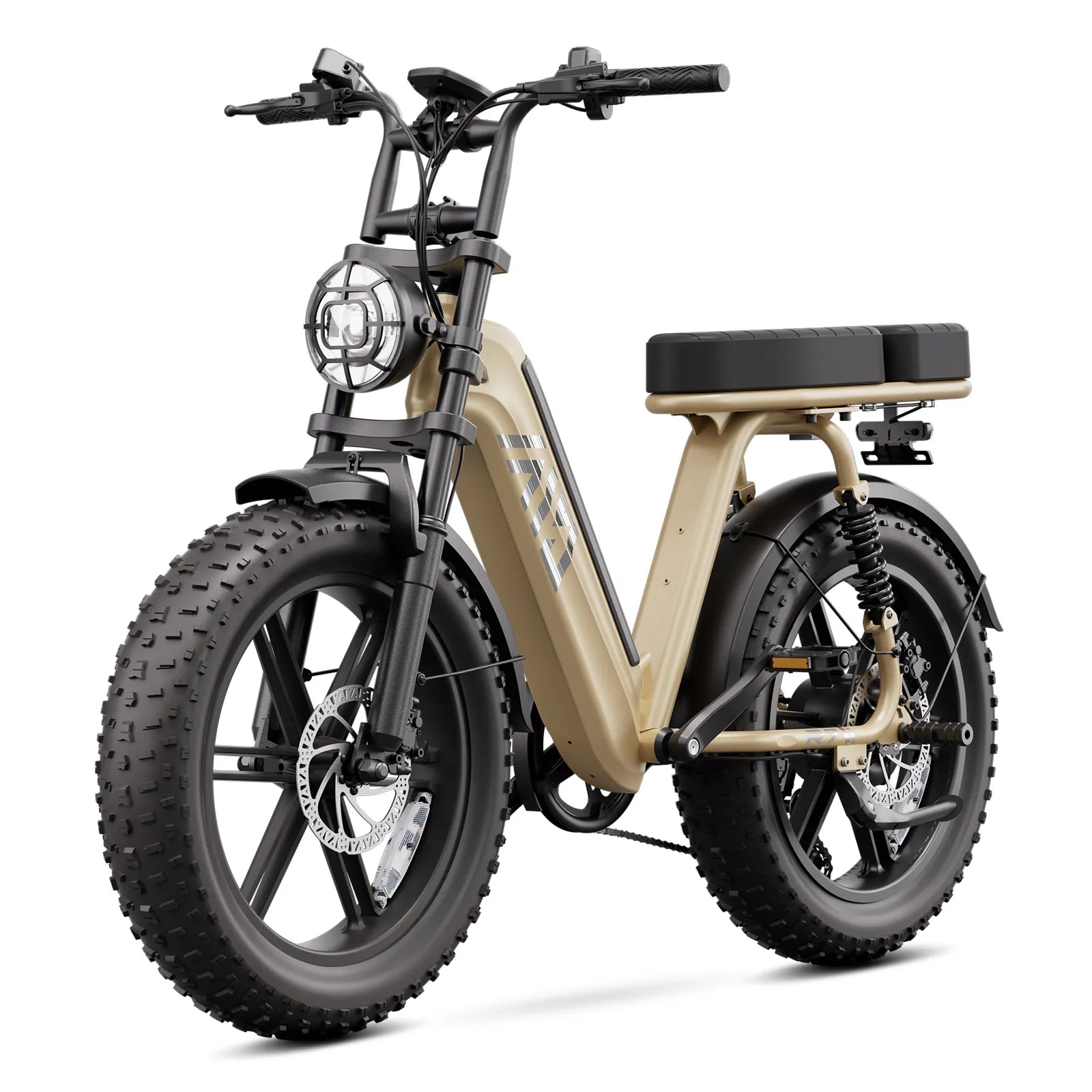
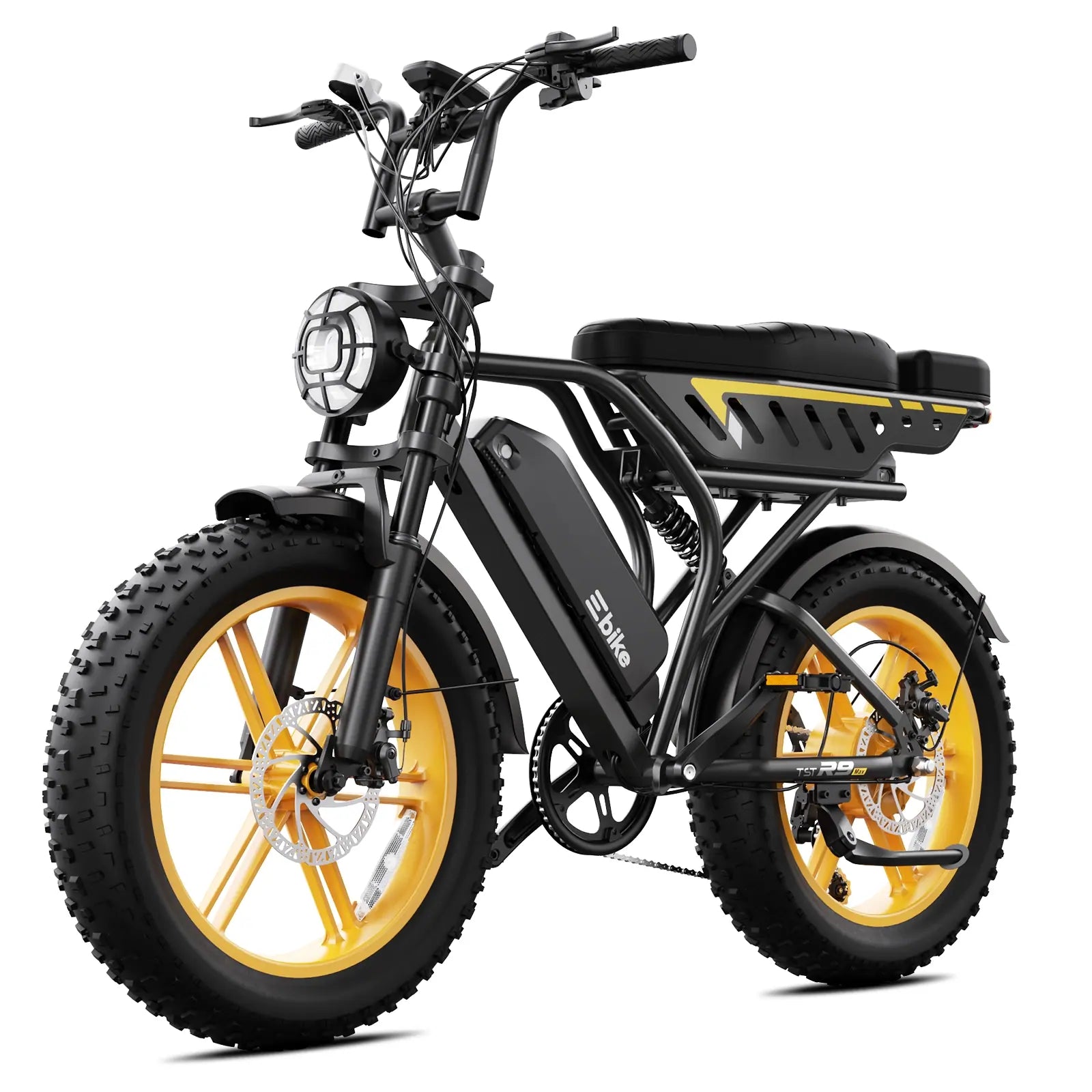
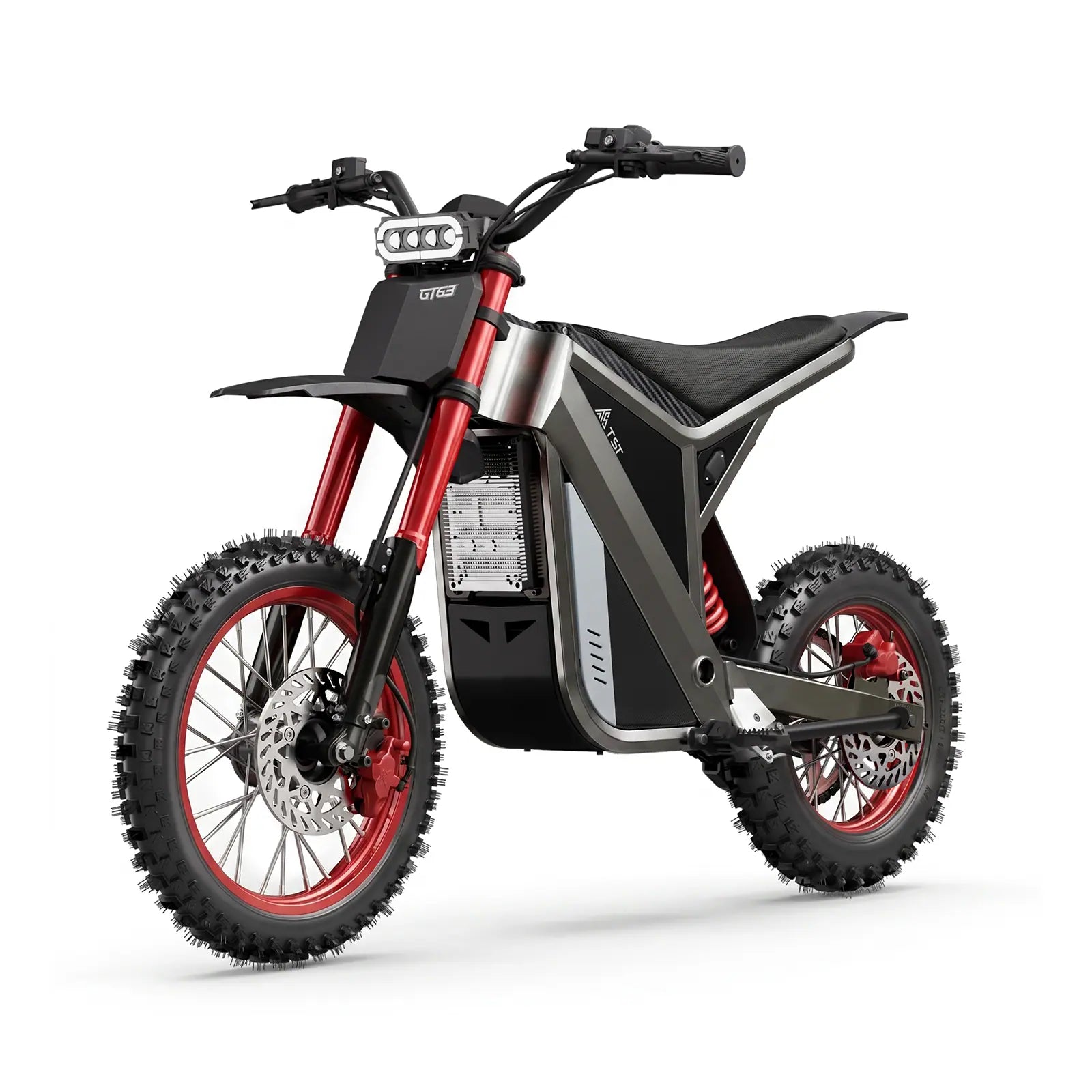
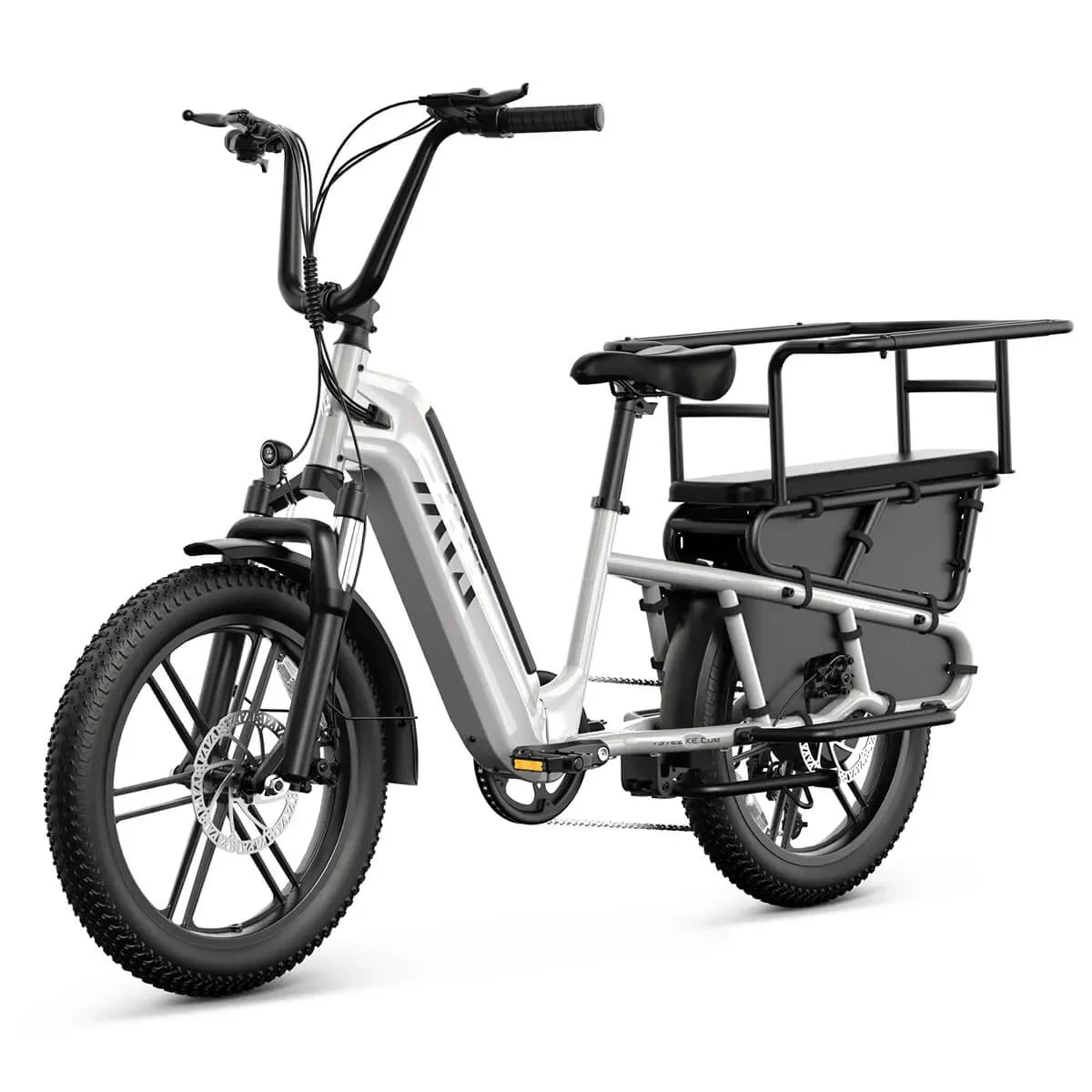
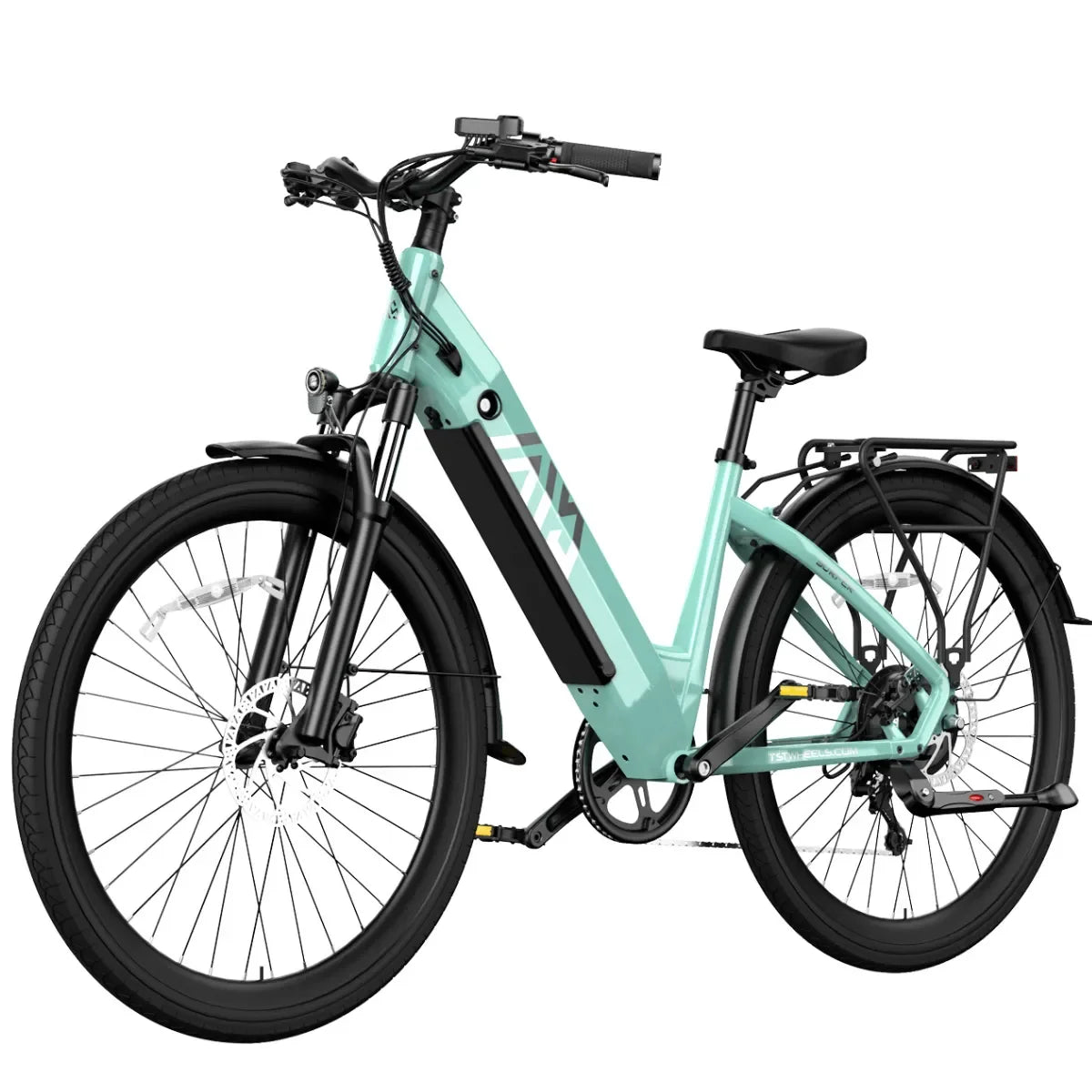
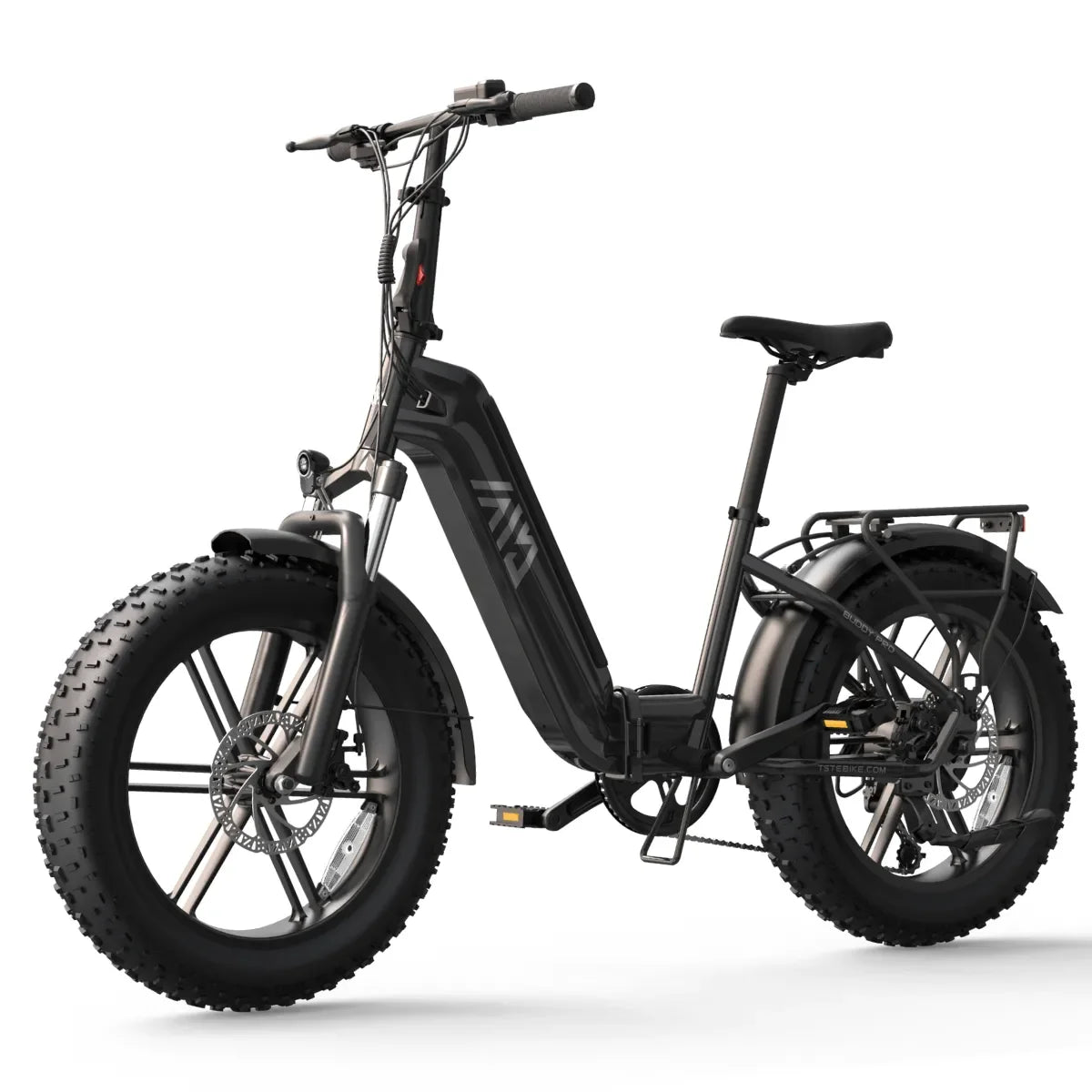
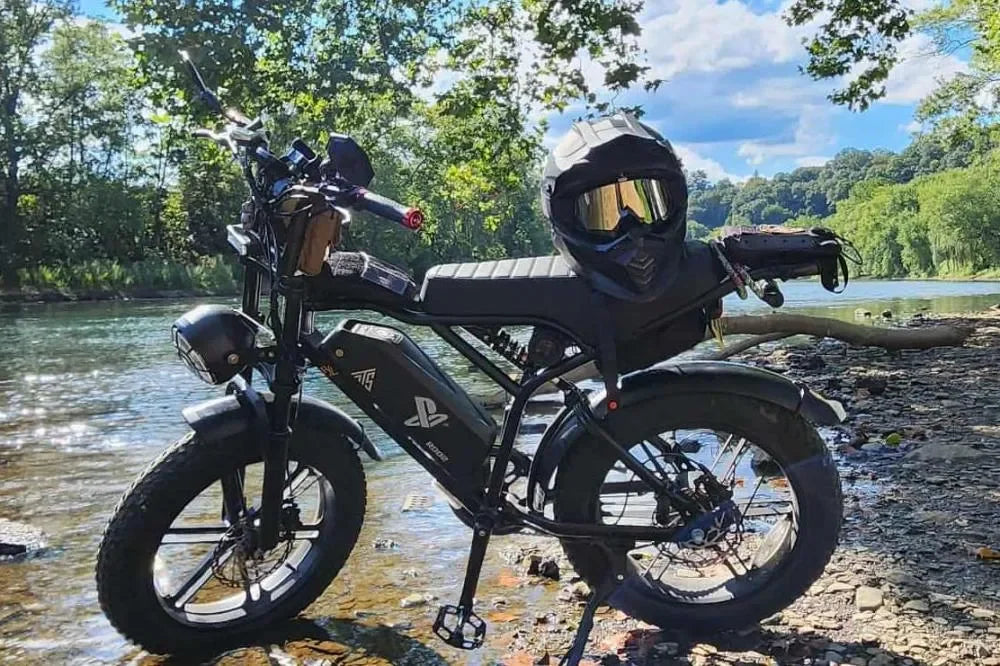
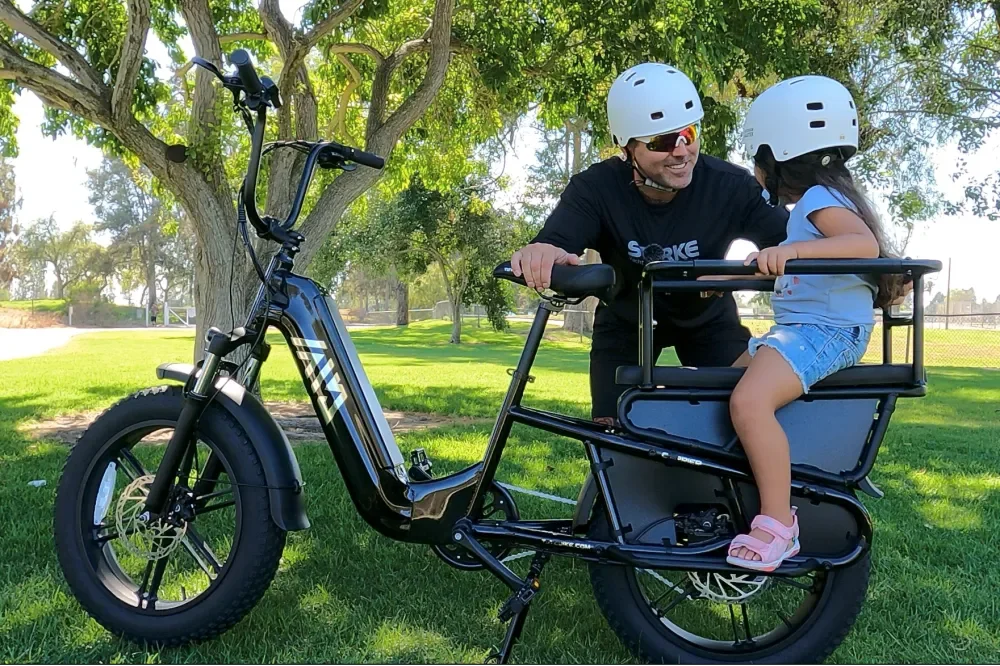
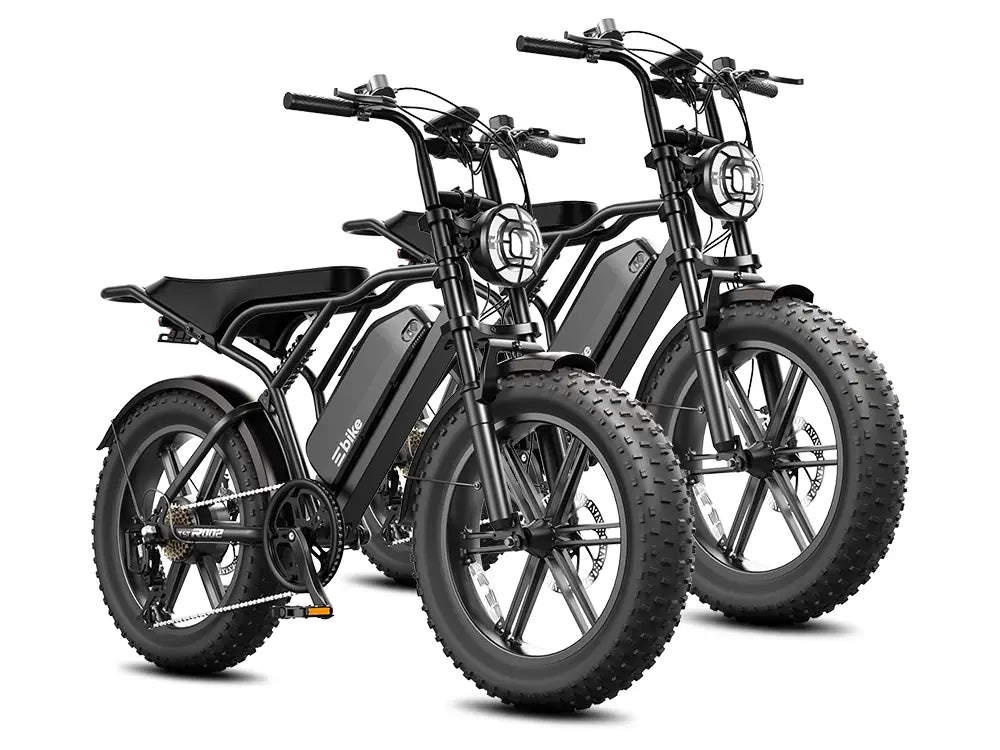
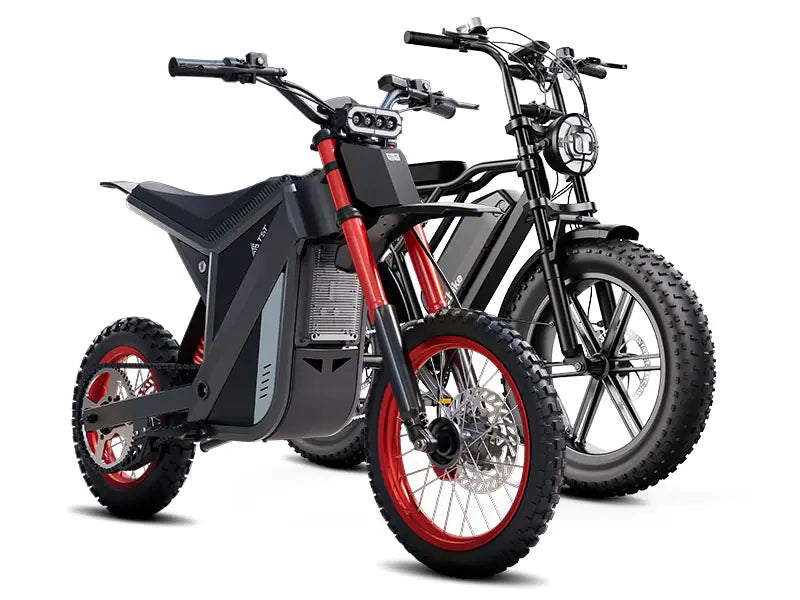
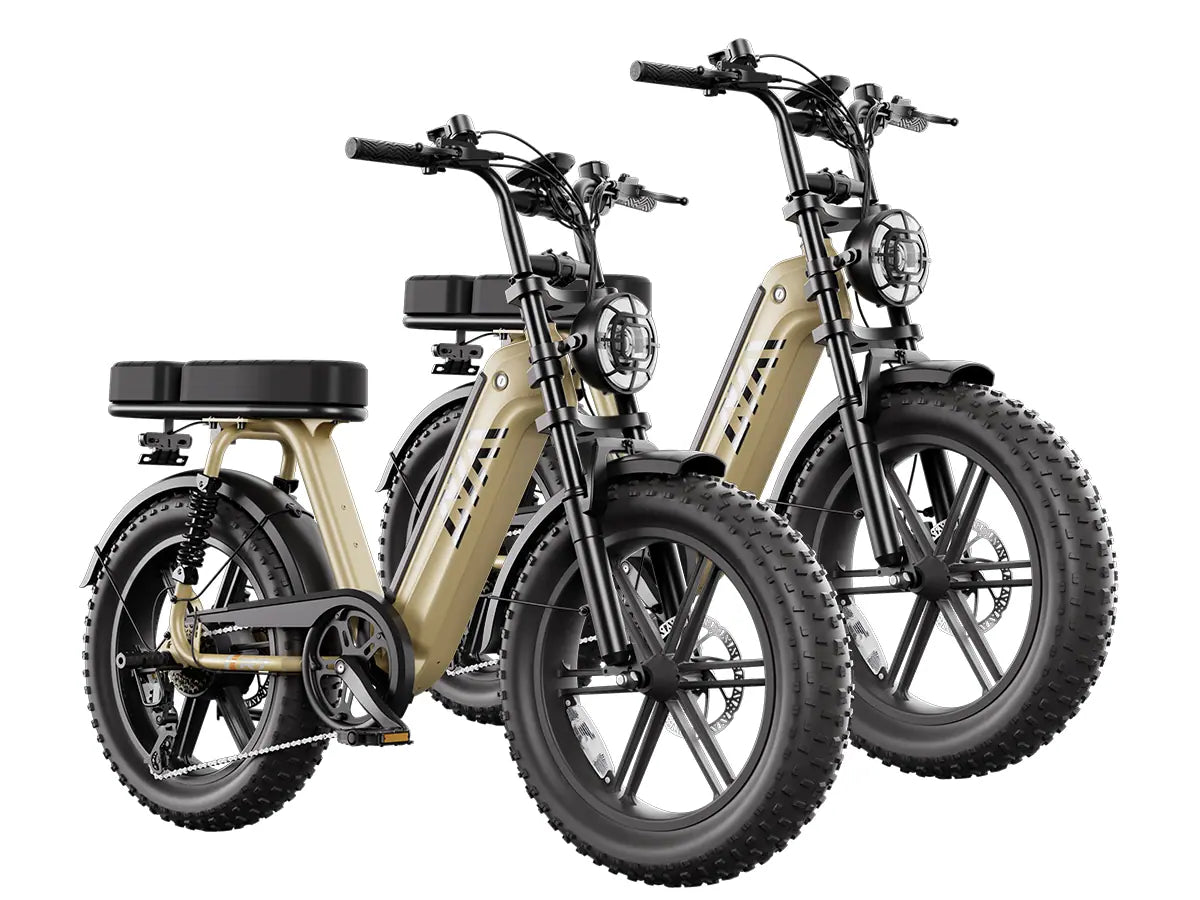
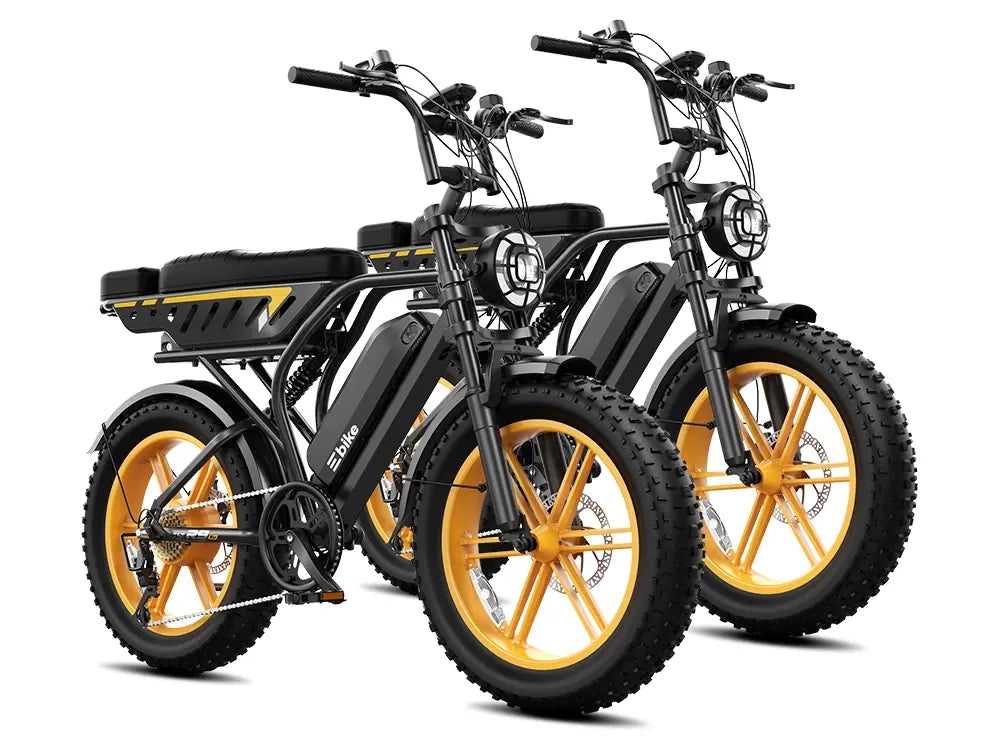
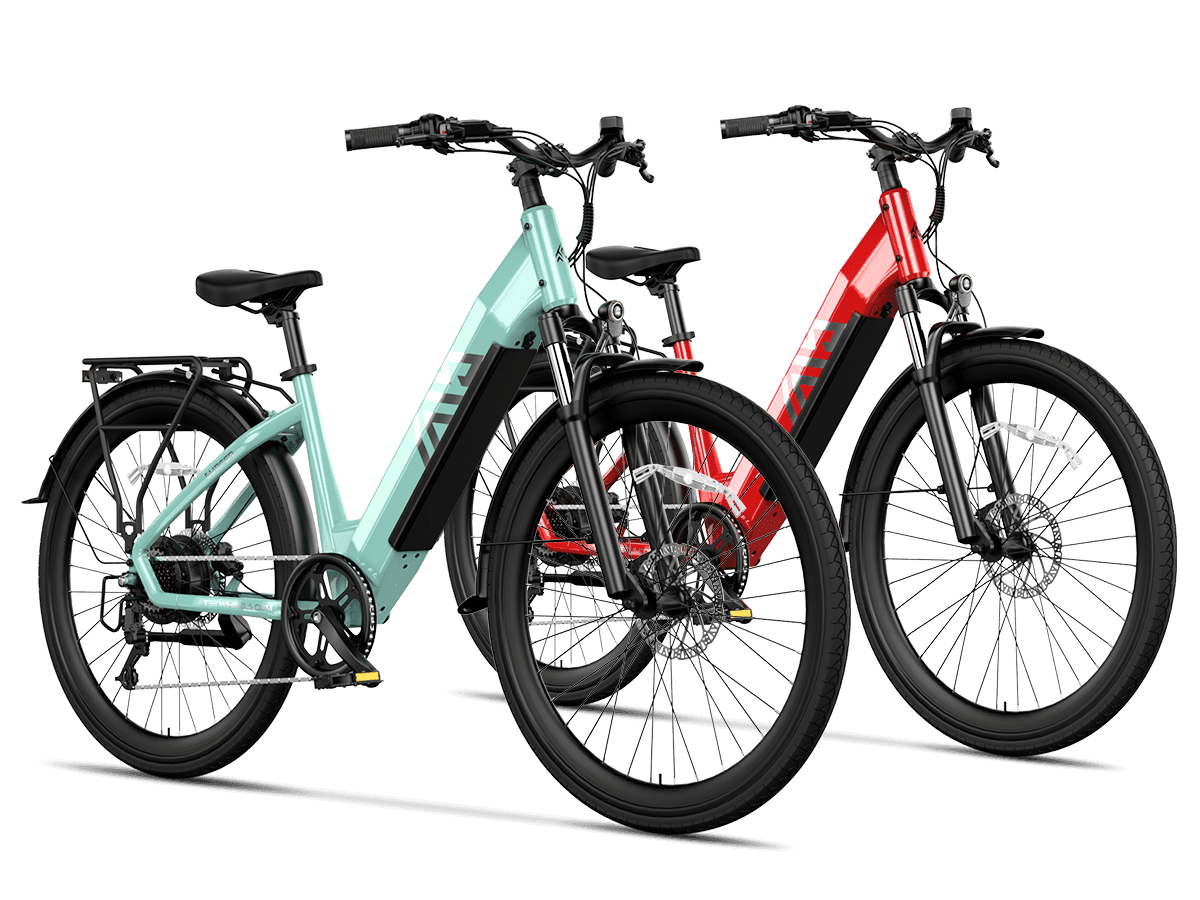
Dirt bike vs ebike debates heat up as riders weigh off-road thrills against everyday practicality. This deep dive into dirt bike vs ebike maintenance, cost breakdowns, and fun factor reveals why electric dirt bikes often win for long-term ownership while gas dirt bikes deliver raw power.
Check: Electric vs Gas: The dirt bike vs ebike collection at TST
Ownership Cost Breakdown
Gas dirt bikes start cheaper upfront, typically $2,000 to $8,000 for solid models like Honda CRF or Yamaha YZ, but ebikes range $3,000 to $10,000 for high-torque options like Sur-Ron or Talaria. Over five years, ebike total cost of ownership drops 20-30% lower thanks to minimal dirt bike vs ebike maintenance gaps—gas models rack up $500-$1,000 yearly on oil changes, spark plugs, and air filters, while ebikes need just $200-$500 for brakes and tires. Fuel hits gas dirt bikes hard at $300-$600 annually versus ebike charging at $50-$100, making electric dirt bike vs gas dirt bike cost comparisons favor ebikes for frequent riders.
Detailed Ownership Cost Spreadsheet
This dirt bike vs ebike ownership cost spreadsheet uses real-world averages from rider forums and manufacturer data, showing ebikes save nearly $2,000 over five years even with battery costs. Electric dirt bike long-term savings shine for trail enthusiasts logging 1,000 miles yearly, as smoother power delivery extends chain life 30% longer than gas torque spikes.
Dirt Bike vs Ebike Maintenance Compared
Gas dirt bikes demand oil every 15-20 hours, air filter cleans after dusty rides, and valve tweaks, pushing dirt bike vs ebike maintenance costs higher for novices. Ebikes skip fluids entirely—brushless motors need zero upkeep beyond monthly battery checks at 50-80% charge to avoid degradation. Electric dirt bike maintenance pros include no exhaust repairs or carburetor tuning, letting riders focus on fun rather than wrenches.
Dirt bike vs electric dirt bike service intervals stretch longer too; chains last longer without engine vibration. Gas models wear drivetrains faster on rough terrain, while ebike vs dirt bike upkeep favors electrics for weekend warriors skipping shop visits.
Initial Cost and Upfront Investment
Entry-level gas dirt bikes like Kawasaki KLX hit $4,000, undercutting basic ebike dirt bike prices at $3,500 for models like Segway X260. Premium gas dirt bikes climb to $9,000 for KTM 300, matching high-end ebike vs dirt bike pricing on Talaria Sting with 6kW motors. Dirt bike vs ebike initial cost flips with incentives—many states rebate $500-$1,000 on electrics, closing the gap fast.
Fuel vs Charging Expenses Long-Term
Gas dirt bikes guzzle $5-$10 per tank at current pumps, totaling $400 yearly for 500 miles, while ebike dirt bike charging costs $1-$2 per full 40-60 mile range. Electric dirt bike vs gas dirt bike fuel savings hit 80-90% over time, especially with home solar setups dropping ebike vs dirt bike operating costs near zero. Riders ask, is ebike cheaper than dirt bike to run? Absolutely, for most off-road scenarios under 50 miles per outing.
Fun Factor: Thrills and Ride Experience
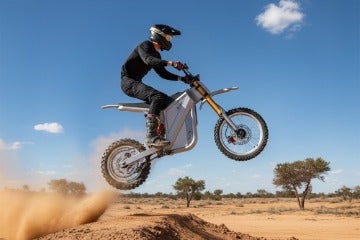
Dirt bike vs ebike fun factor splits on power delivery—gas bikes roar with top speeds over 60mph and endless range for all-day hauls, perfect for motocross tracks. Ebikes counter with instant torque for wheelies and hill climbs, quieter vibes suiting neighborhood trails without waking neighbors. Electric dirt bike fun rivals gas on technical singletrack, where precise throttle and no stalling boost confidence for beginners.
Many riders prefer ebike dirt bike vs gas dirt bike excitement for silent stealth mode, sneaking past "no motor" signs. Gas dirt bike fun factor wins for adrenaline junkies chasing 100+ mph, but ebike vs dirt bike rider surveys show 70% rate electrics higher for versatile play.
Market Trends in Dirt Bike vs Ebike Sales
Electric dirt bike sales surged 40% last year per Statista data in 2025, outpacing gas dirt bikes as battery tech hits 10-year warranties. Dirt bike vs ebike market share tilts electric in urban off-road scenes, with brands like Electric Motion dominating enduro events. Ebike dirt bike trends point to lighter frames under 140 lbs versus gas at 200+ lbs, easing transport.
TST EBike was founded with a vision to transform the way we think about transportation. Established in 2017 in California under TST GRP LLC, we offer high-power, cost-effective electric bikes like 26-inch rough-terrain models for snow and sand, plus 27-inch commuters, sold in over 10 countries with 20+ offline stores.
Top Electric Dirt Bikes and Gas Models
Top ebike dirt bikes like Sur-Ron lead dirt bike vs ebike reviews for value, while gas kings like Honda hold resale edges.
Competitor Comparison Matrix
This dirt bike vs ebike comparison matrix highlights ebike advantages in weight and silence for urban trails.
Core Technology: Motors and Batteries
Gas dirt bike engines pack 2-stroke or 4-stroke combustion for high revs, but ebike motors deliver 90% efficiency with regenerative braking. Ebike dirt bike battery tech like 72V lithium packs lasts 3-5 years, outpacing gas tune-ups. Electric dirt bike vs gas dirt bike power systems favor ebikes for zero emissions and instant low-end grunt.
Check: Financial breakdown: Gas dirt bike vs the best dirt ebike
Real User Cases and ROI Stories
One Washington trail rider swapped a Yamaha YZ250 for a Talaria, saving $1,200 yearly on gas dirt bike vs ebike costs while hitting local jumps weekly—ROI in 18 months. A Seattle commuter on Sur-Ron logs 2,000 miles yearly, praising ebike dirt bike maintenance ease over gas breakdowns. Users report 25% more ride time with electrics, quantifying dirt bike vs ebike ROI at 2x faster payback.
Future Trends in Ebike Dirt Bike Evolution
By 2027, solid-state batteries promise 100-mile ebike dirt bike range, closing dirt bike vs ebike endurance gaps. Expect swappable packs and AI suspension in electric dirt bike vs gas dirt bike advancements, dominating youth markets. Gas models persist for pros, but ebike vs dirt bike future forecasts 60% market shift electric.
Ready to pick your winner in the dirt bike vs ebike showdown? Test ride a high-torque ebike today for maintenance-free adventures that save thousands long-term. Share your gas dirt bike vs electric dirt bike experiences below—what's your top fun factor?

Leave a comment
This site is protected by hCaptcha and the hCaptcha Privacy Policy and Terms of Service apply.