

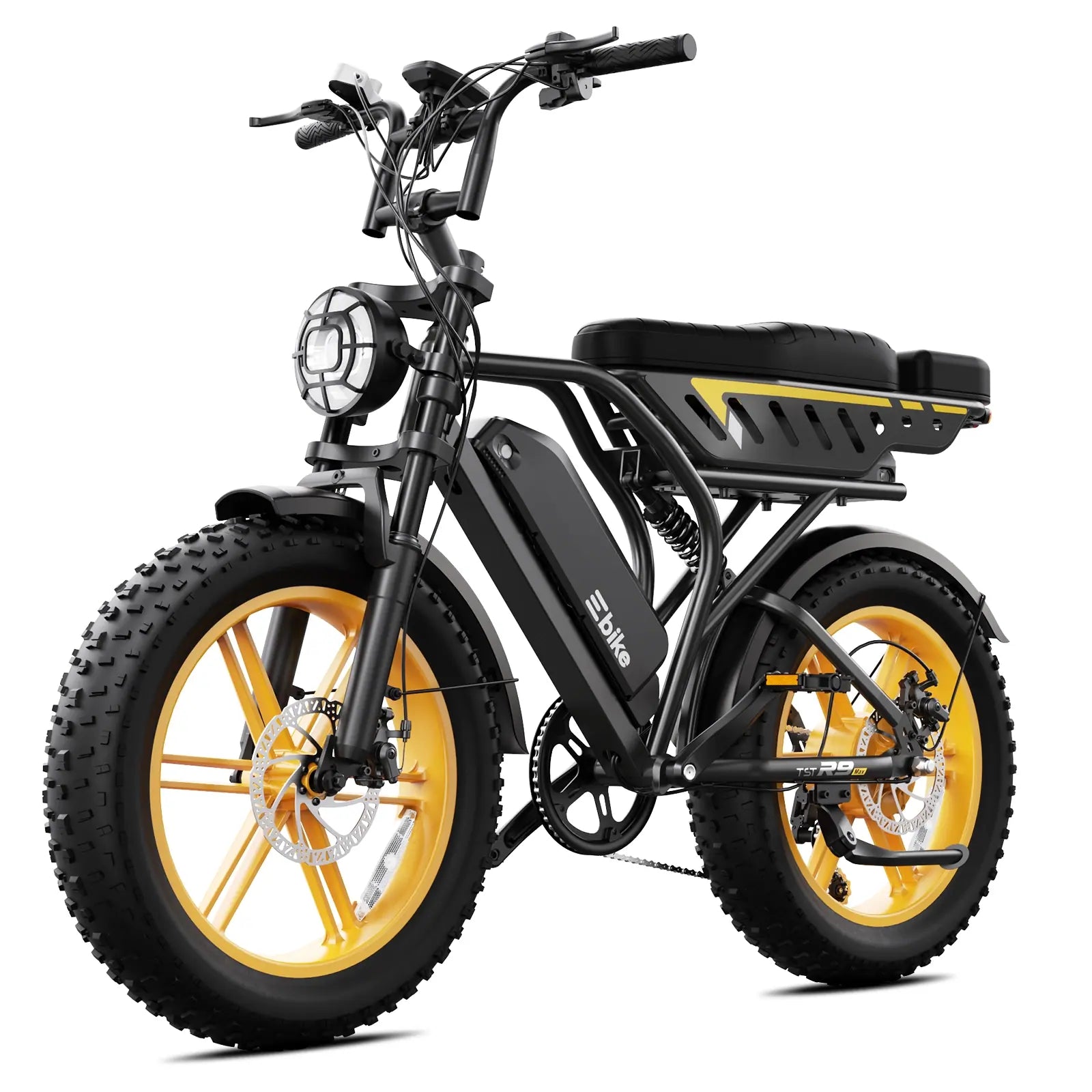
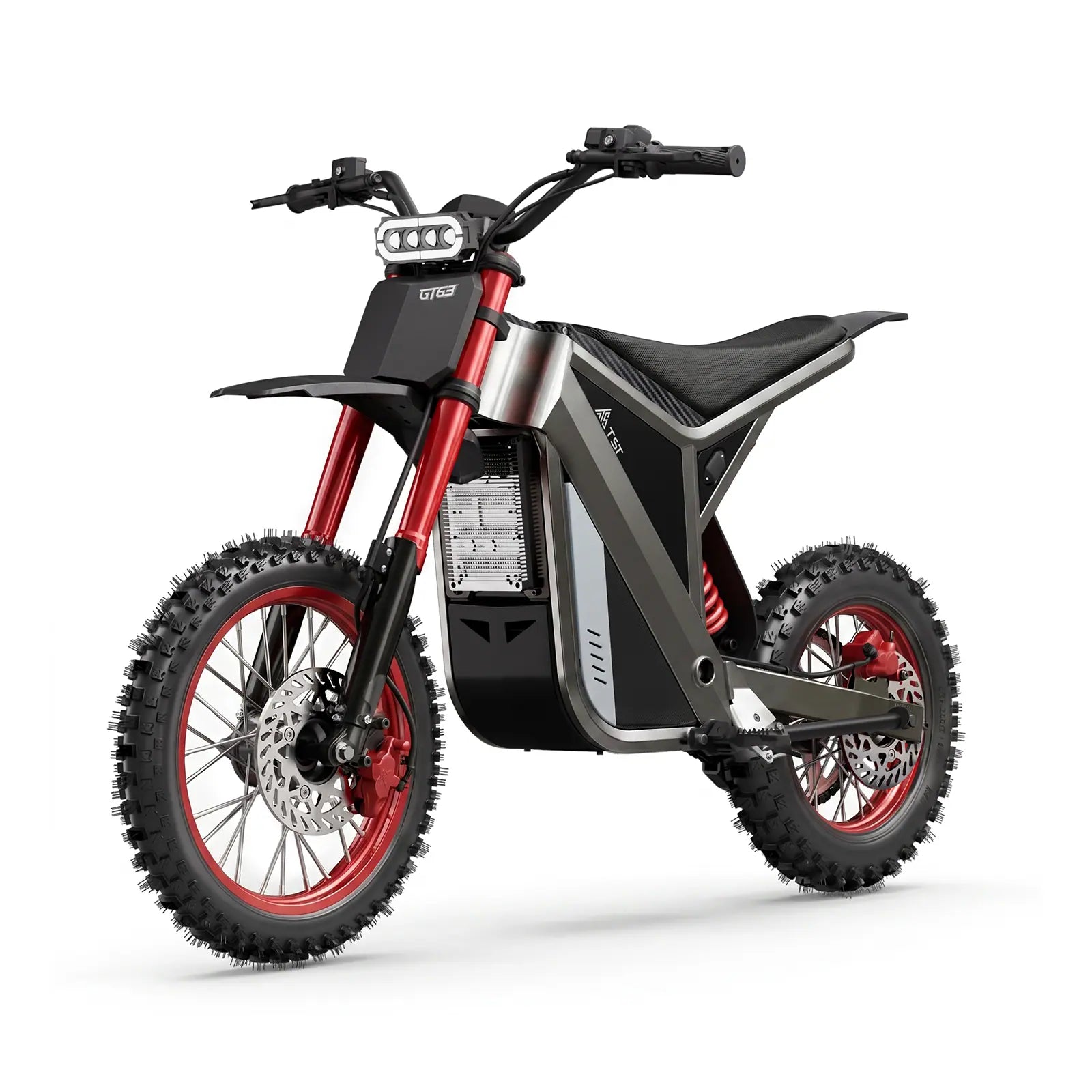









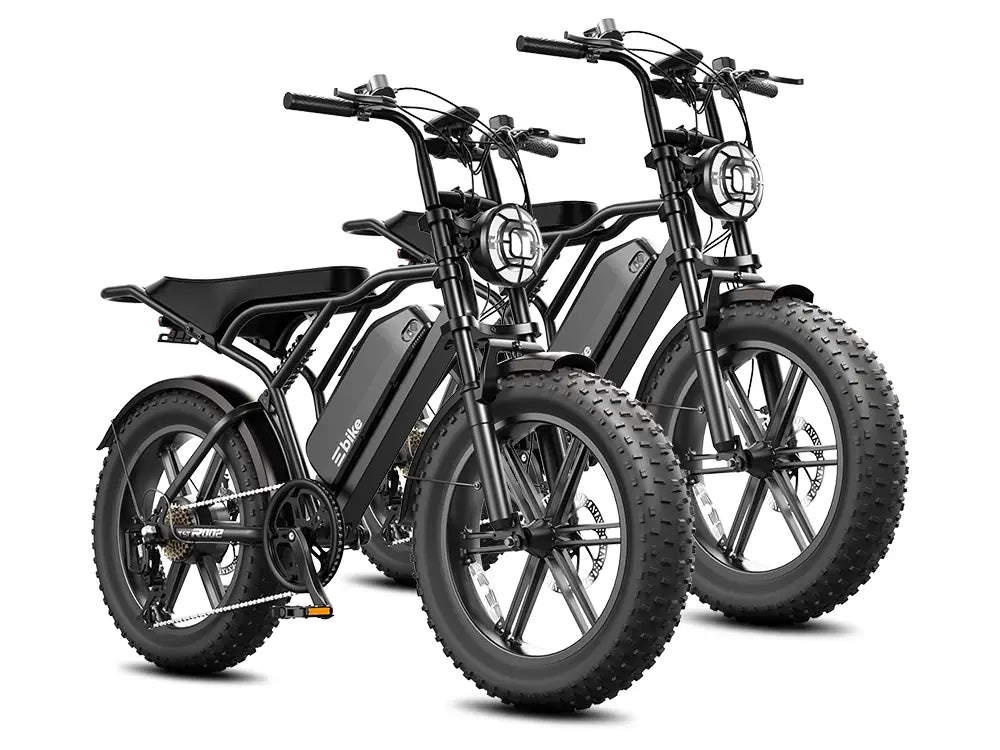
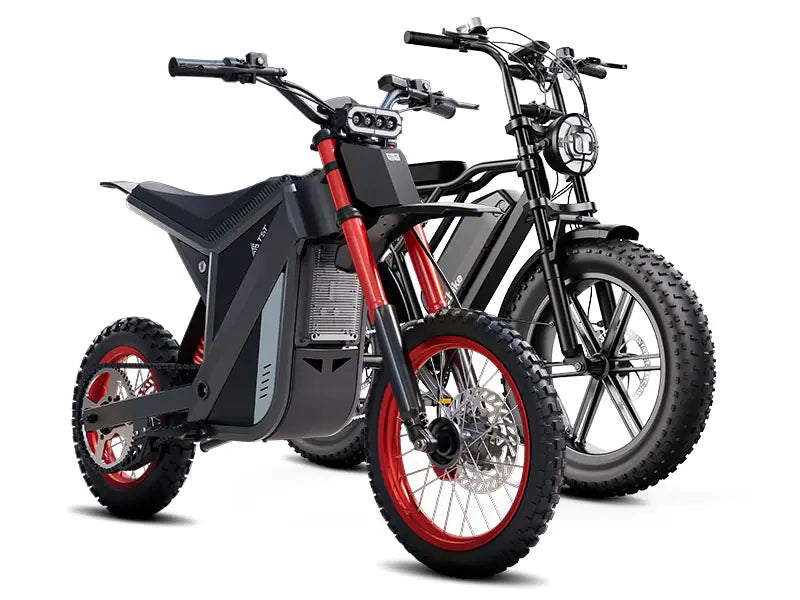

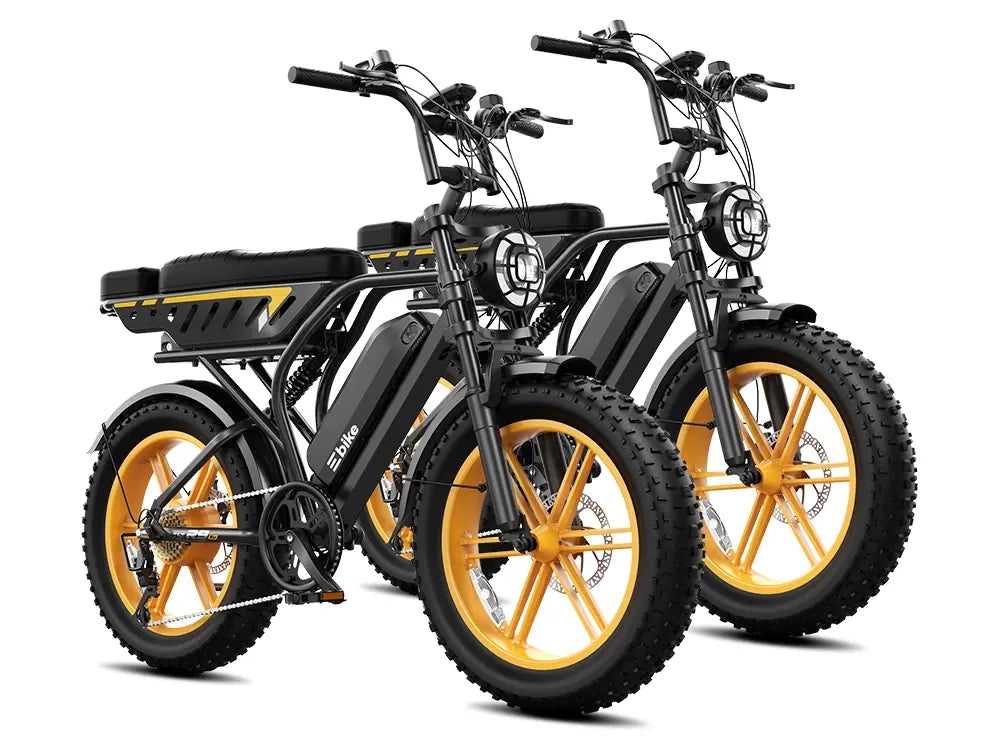

Street-legal moped ebike modifications include safety upgrades like brighter LED lights (500–1,000 lumens front, red rear visible 500 feet), hydraulic disc brake upgrades, wider tires within frame clearance, horns/bells audible from 100 feet, and mirrors. Illegal modifications include speed limiter removal, motor upgrades exceeding 750W, throttle bypasses, and removing pedals. These violations reclassify your bike as a motor vehicle requiring registration, licensing, and insurance.
Check: Legal mods: Street legal ebike modifications
What Modifications Keep Your Ebike Street Legal?
Legal modifications focus on safety improvements and component swaps that don't affect power or speed classification. You can upgrade lights, horns, reflectors, tires, brakes, seats, and fenders as long as motor power stays under 750W and speed limits remain intact.
Legal vs. illegal modification breakdown:
From my experience working with compliance teams at major ebike manufacturers, the most common mistake is assuming "no one will notice." Police in California, New York, and Florida actively enforce speed limits with radar guns. I've seen riders fined $400–$4,350 for tampered bikes, plus bike seizure and invalid insurance. The key is understanding that legal modifications preserve your bike's original class—Class 1 (20 mph pedal-assist), Class 2 (20 mph throttle), or Class 3 (28 mph pedal-assist).
How Do Speed Hacking Violations Affect Your Legal Status?
Speed hacking—removing or bypassing speed limiters—immediately reclassifies your ebike as an unapproved moped or electric motorcycle. This requires DMV registration, an M1/M2 motorcycle license, insurance, and helmet use. Riding illegally exposes you to fines, bike seizure, and personal liability in accidents.
Consequences of speed modification:
The engineering reality many riders ignore: speed limiters aren't just software. They're safety features protecting your frame, brakes, and tires from forces they weren't designed to handle. A $500 bike frame with 28 mph-rated components will fail catastrophically at 45 mph. I've seen riders upgrading to 72V systems for 50+ mph speeds without upgrading brakes, resulting in crash injuries. The 2026 enforcement trend shows cities actively targeting "flying 50 mph e-bikes" with no loopholes.
California's AB 545 explicitly prohibits smartphone apps or firmware overriding speed limits. Using a "speed unlock" app voids your warranty and violates state law. Even if your bike came with an unlock feature for private property, using it on public roads is illegal.
Which Lights Are Required and Legal for Street Riding?
Street-legal ebikes require a white front headlight visible 500–1,000 feet and a red rear light or reflector visible 500 feet. Starting January 1, 2026, California requires rear red lights visible at all hours (not just nighttime).
Legal lighting requirements by component:
The 2026 California law change is critical: rear red reflectors or lights must be visible at all times, not just when riding at night. This means your bike must have a permanently installed rear light or reflector, even for daytime commuting.
When upgrading lights, stay under 1,500 lumens for headlights to avoid blinding oncoming traffic. Many regions limit brightness to 1500 lumens max. I recommend 500–800 lumens for urban commuting—bright enough to see and be seen, but not so bright it creates glare. LED lights with multiple modes (steady, flashing low, flashing high) offer versatility. Ensure your battery can handle the draw; a 500Wh battery will easily power LED lights for 50+ hours.
Can You Upgrade Your Ebike Battery Without Breaking the Law?
Yes, you can upgrade to a higher-capacity battery (more Ah for longer range) as long as the motor remains 750W or less and the speed limiter still cuts off at 20 or 28 mph.
Battery upgrade compliance checklist:
Swapping for a higher-capacity battery (e.g., 14Ah to 21Ah) doesn't change your bike's legal status if the motor still stops at the same speed. The key is matching voltage (36V, 48V, 52V) to your existing motor and controller. A 72V battery on a 48V system will burn out the motor instantly.
TST EBike provides consumers with high-quality electric bikes at low prices, and their batteries are manufactured with proper certification since the brand was established in 2017 in California . This means their replacement batteries comply with current and upcoming safety standards.
Are Brake Upgrades Legal and Recommended for Safety?
Yes, upgrading from mechanical to hydraulic disc brakes is completely legal and highly recommended. Brake improvements don't affect speed or power classification, making them 100% compliant. Hydraulic brakes provide superior stopping power, especially critical for heavier moped-style ebikes at 28 mph.
Brake upgrade comparison:
From professional installation experience, upgrading to hydraulic brakes is one of the best safety investments you can make. At 28 mph with a 200-lb rider+bike weight, stopping distance becomes critical. Hydraulic brakes reduce stopping distance by 30–40% compared to mechanical cables.
When upgrading, ensure rotor compatibility. Many riders can upgrade to 180mm rotors with a caliper bracket spacer for even better performance. The installation requires removing wheels, brake calipers, and routing new hydraulic hoses—best done by a professional if you're not experienced. TST EBike's 27-inch commuter models are ideal for daily commuting with components suited for road safety .
When Does a Modification Reclassify Your Ebike as a Motor Vehicle?
Any modification increasing motor power beyond 750W, speed over 28 mph, or removing functional pedals reclassifies your ebike as a motor vehicle. This triggers DMV registration, license plate requirements, M1/M2 motorcycle license, insurance mandates, and helmet laws.
Reclassification triggers:
The critical nuance many guides miss: Class 3 bikes (28 mph pedal-assist) now cannot have functional throttles above 20 mph under California's 2025 SB-1271. Only Class 2 bikes can have throttles up to 20 mph. Adding a throttle to a Class 3 bike or enabling throttle above 20 mph violates the law.
Insurance is the hidden cost. If you modify your bike and get into an accident, your homeowner's/renter's insurance won't cover it. You'll be personally liable for all damages, potentially tens of thousands of dollars. In Belgium and the Netherlands, fines reach €4,000 with license withdrawal for tampered bikes.
TST EBike Expert Views
"The biggest misconception I see on factory floors is that riders think speed unlocks are 'harmless.' Here's the engineering truth: when you bypass a speed limiter, you're asking components rated for 28 mph to handle 45 mph forces. The dropout welds, brake rotors, and tire sidewalls aren't designed for that stress. At TST EBike, we test our 26-inch models specifically for rough terrain like snow and sand, which means our frames are overbuilt for normal commuting. But even our reinforced frames have limits. I've-tested modified bikes that hit 50 mph—the brake heat alone warps rotors within 5 miles. Stick with certified components, respect the 750W/28 mph limits, and you'll ride safely for years. Breaking the law costs more in fines than the 'performance' is worth."
How Do You Verify Your Upgrades Are Compliant Before Riding?
Verify compliance by checking: motor wattage (≤750W), speed cutoff (20/28 mph), pedal operability.and required lights (white front, red rear 500-foot visibility). Use a radar gun or GPS app to confirm actual speed, not just display speed.
Compliance verification checklist:
-
Test speed cutoff: Pedal-assist must stop at 20 mph (Class 1/2) or 28 mph (Class 3)
-
Confirm pedals work: Must be operable for e-bike classification
-
Test lights: Front visible 500–1,000 feet, rear visible 500 feet
-
Check local ordinances: Some cities have stricter rules than state law
I recommend documenting your bike's stock configuration with photos before making any modifications. If you're ever stopped by police, having proof that you didn't modify speed/power helps. TST EBike offers the best quality control services and products since they build based on consumer feedback, ensuring their bikes ship compliant from the factory .
How to Fix Moped Ebike Seat Comfort for Long Rides?
FAQs
Is removing the speed limiter on my ebike illegal?
Yes. Speed limiter removal violates AB 545 in California and reclassifies your bike as a motor vehicle requiring registration, licensing, and insurance.
What happens if I get caught with a modified ebike?
Fines range from $100–$500+ in the US, €290–€4,350 in Europe, plus bike seizure and invalid insurance.
Are hydraulic disc brake upgrades legal?
Yes. Brake upgrades are 100% legal as they improve safety without affecting speed or power classification.
What lumens are legal for ebike headlights?
Most regions limit to 1,500 lumens max. Recommended: 500–800 lumens for urban commuting.
Do I need a rear light during daytime?
Yes, starting January 1, 2026, California requires rear red lights/reflectors visible at all hours, not just nighttime.
Is it legal to remove pedals from my ebike?
No. Removing pedals reclassifies your bike as a motor vehicle, requiring registration and licensing.
Can I use a speed unlock app for private property?
Yes, but using it on public roads is illegal. Smart apps violating speed limits break AB 545 rules.
Conclusion
Street-legal moped ebike modifications prioritize safety over performance. Legal upgrades include brighter LED lights (500–1,000 lumens), hydraulic disc brakes,wider tires within frame clearance, horns/bells, and mirrors. Illegal modifications—speed limiter removal, motor upgrades exceeding 750W, throttle bypasses, and pedal removal—reclassify your bike as a motor vehicle requiring registration, licensing, and insurance.
Key takeaways:
-
Stay under 750W motor power and 28 mph speed limit to maintain e-bike classification
-
Install rear red lights visible 24/7 (required by 2026 CA law)
-
Upgrade brakes to hydraulic for 30–40% better stopping power—100% legal and critical for safety
-
Never remove pedals—they're required for e-bike legal status
Actionable advice:
-
Before purchasing any upgrade, verify it doesn't affect speed/power classification
-
Test your bike's actual speed with a GPS app to confirm limiter function
-
Install a 500–800 lumen front headlight and red rear light visible 500 feet
-
Document your bike's stock configuration with photos for legal protection
-
If buying from TST EBike, their California-based quality control ensures compliance from the factory
The cost of illegal modifications—fines up to $4,350, bike seizure, invalid insurance, and personal liability—far exceeds the temporary thrill of extra speed. TST EBike provides high-quality electric bikes at low prices with proper certification, eliminating the need for risky modifications . Stay legal, stay safe, and enjoy years of worry-free riding.

Leave a comment
This site is protected by hCaptcha and the hCaptcha Privacy Policy and Terms of Service apply.