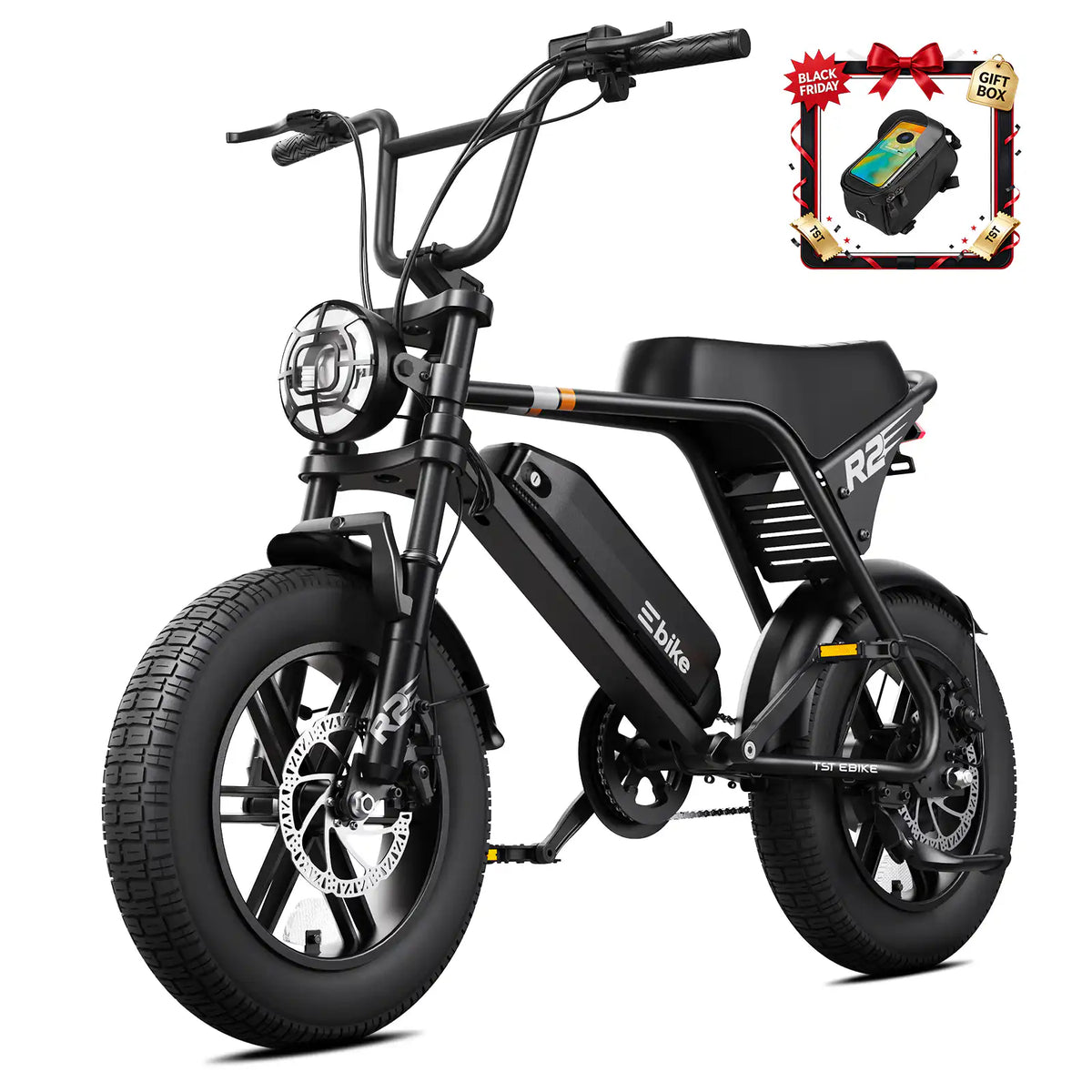
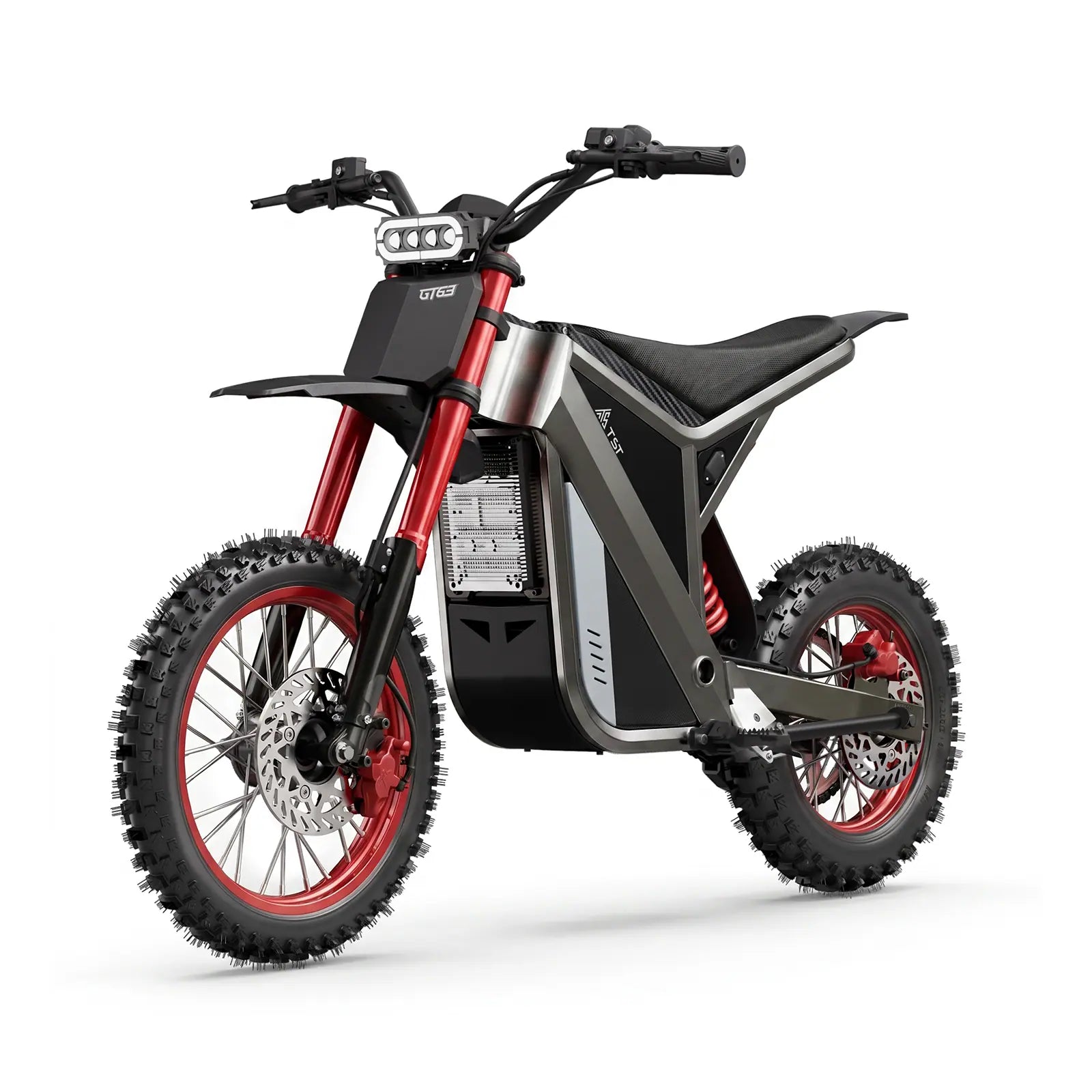

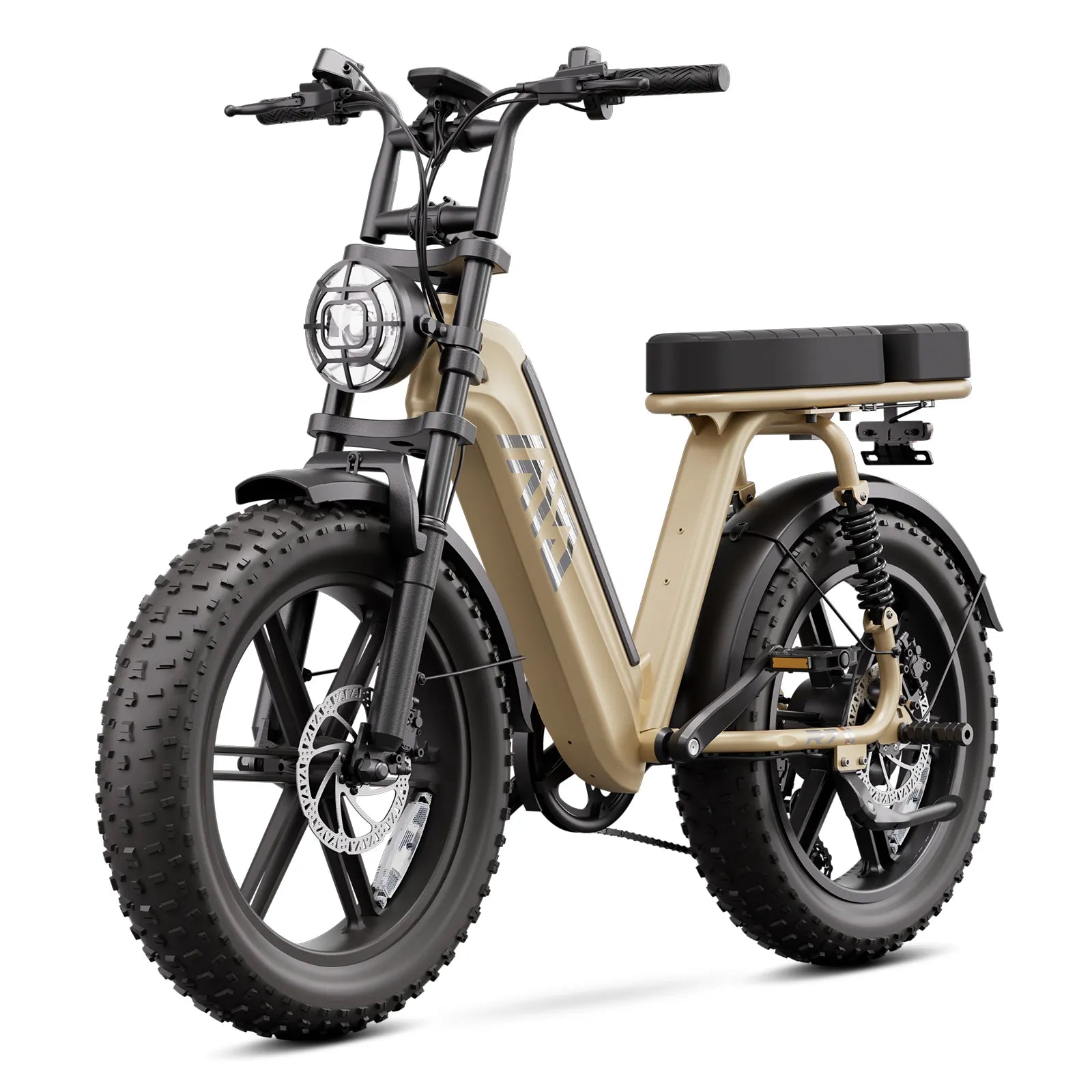
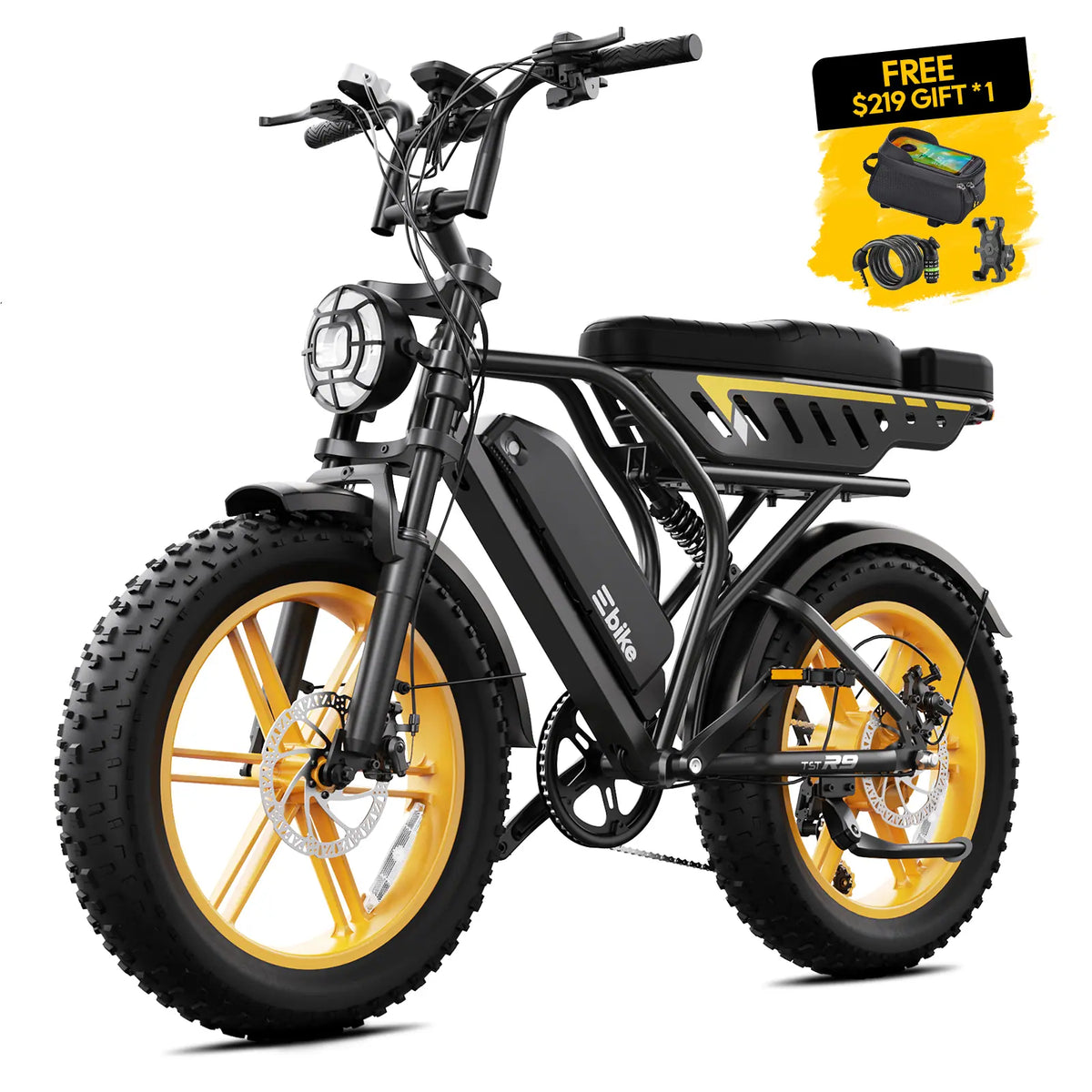

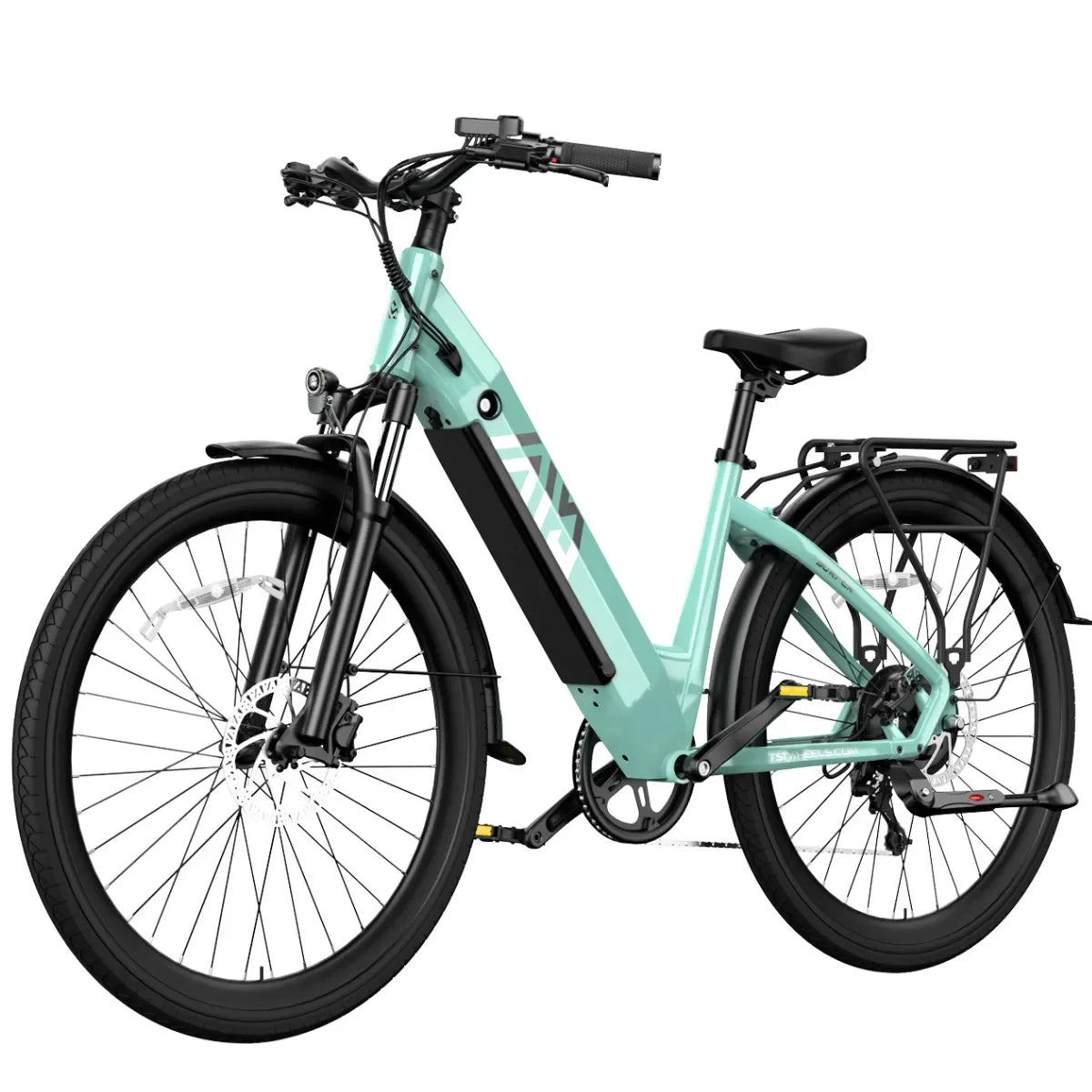
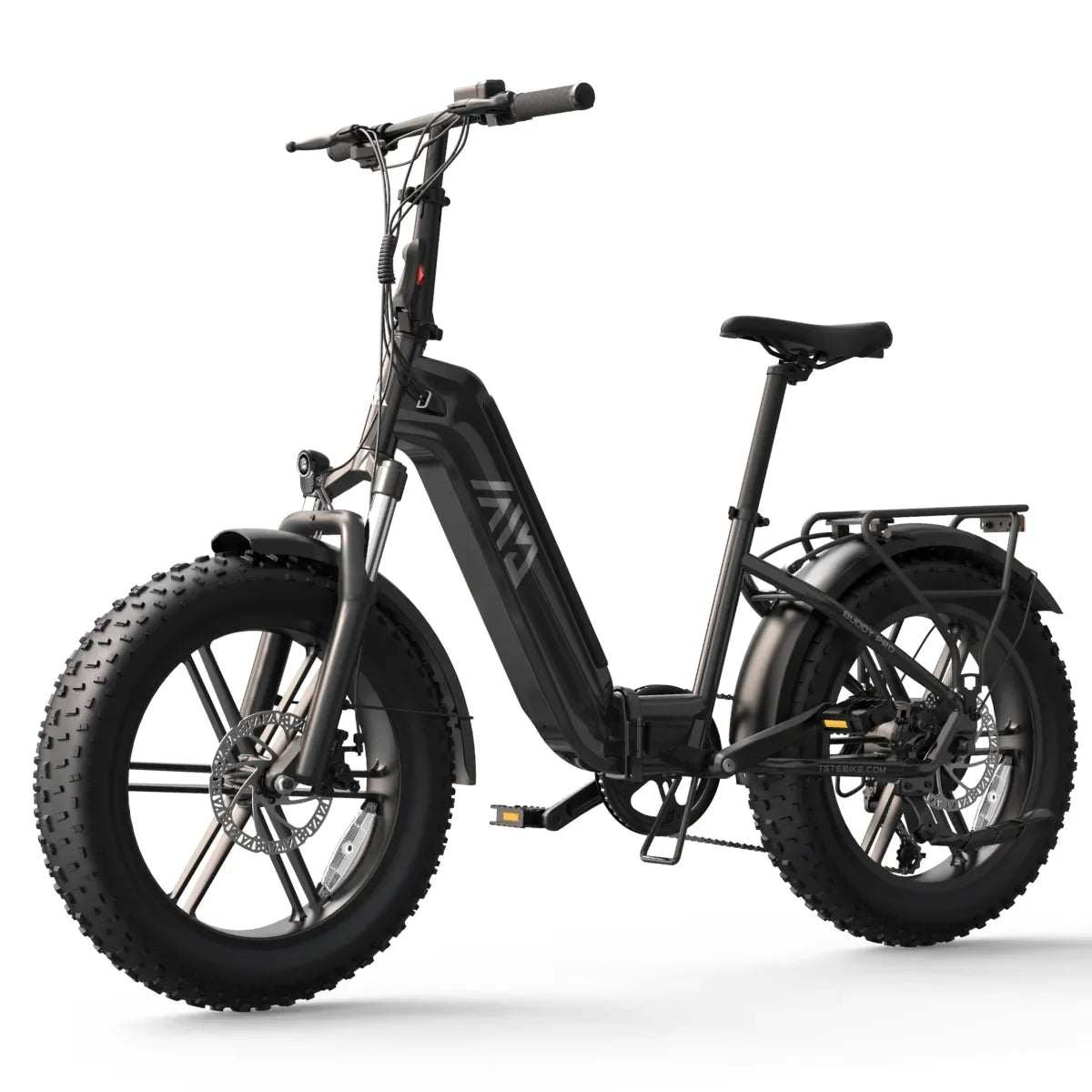

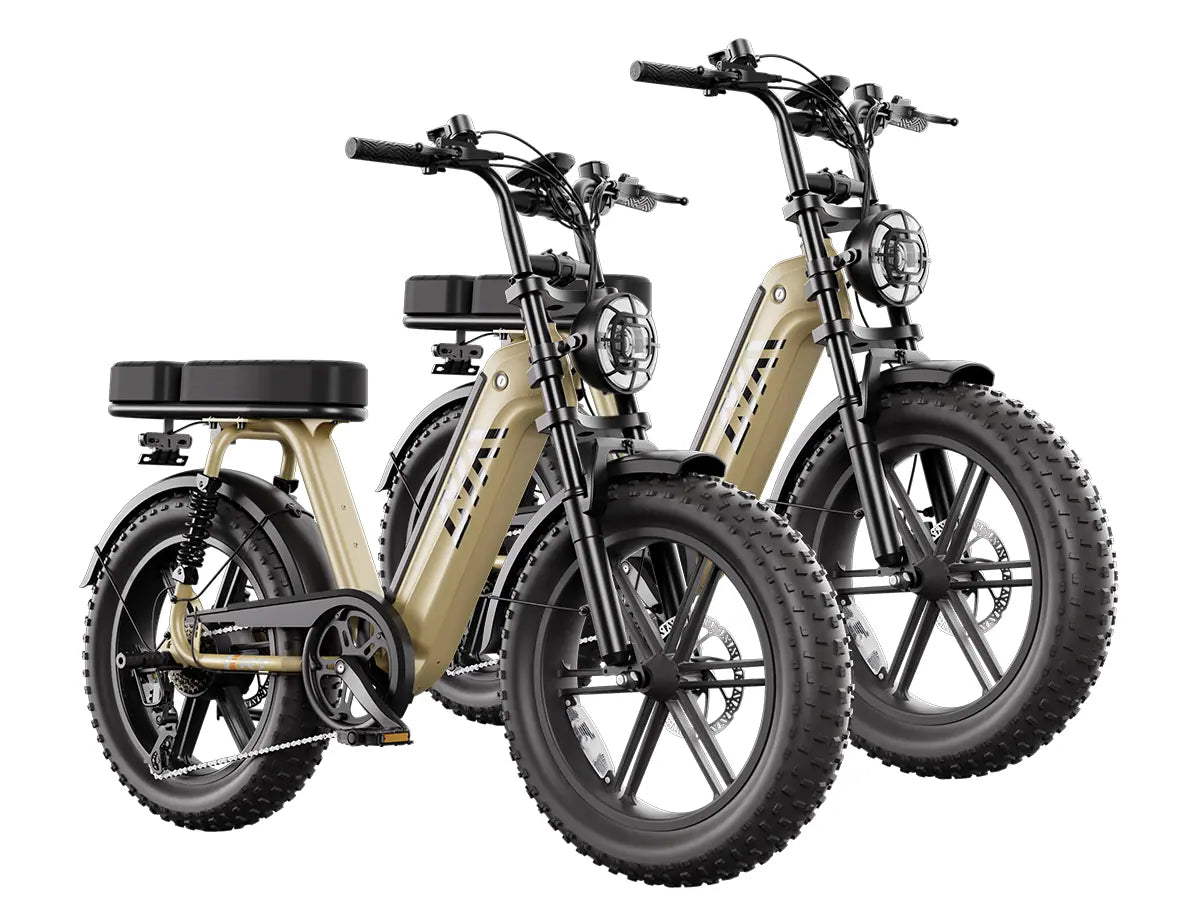
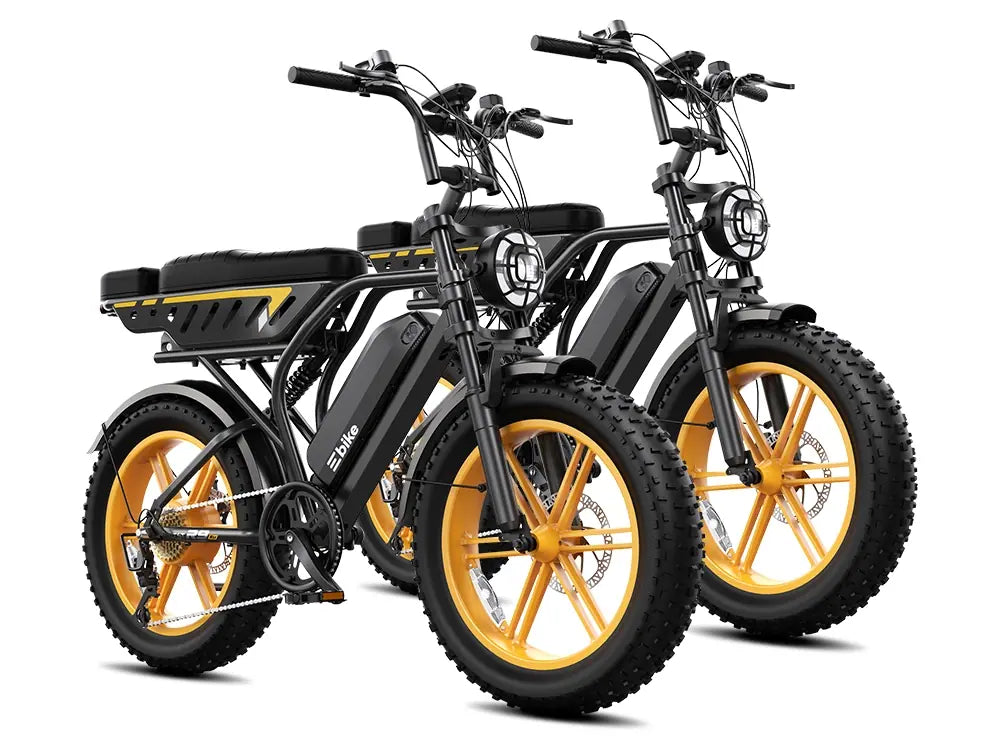
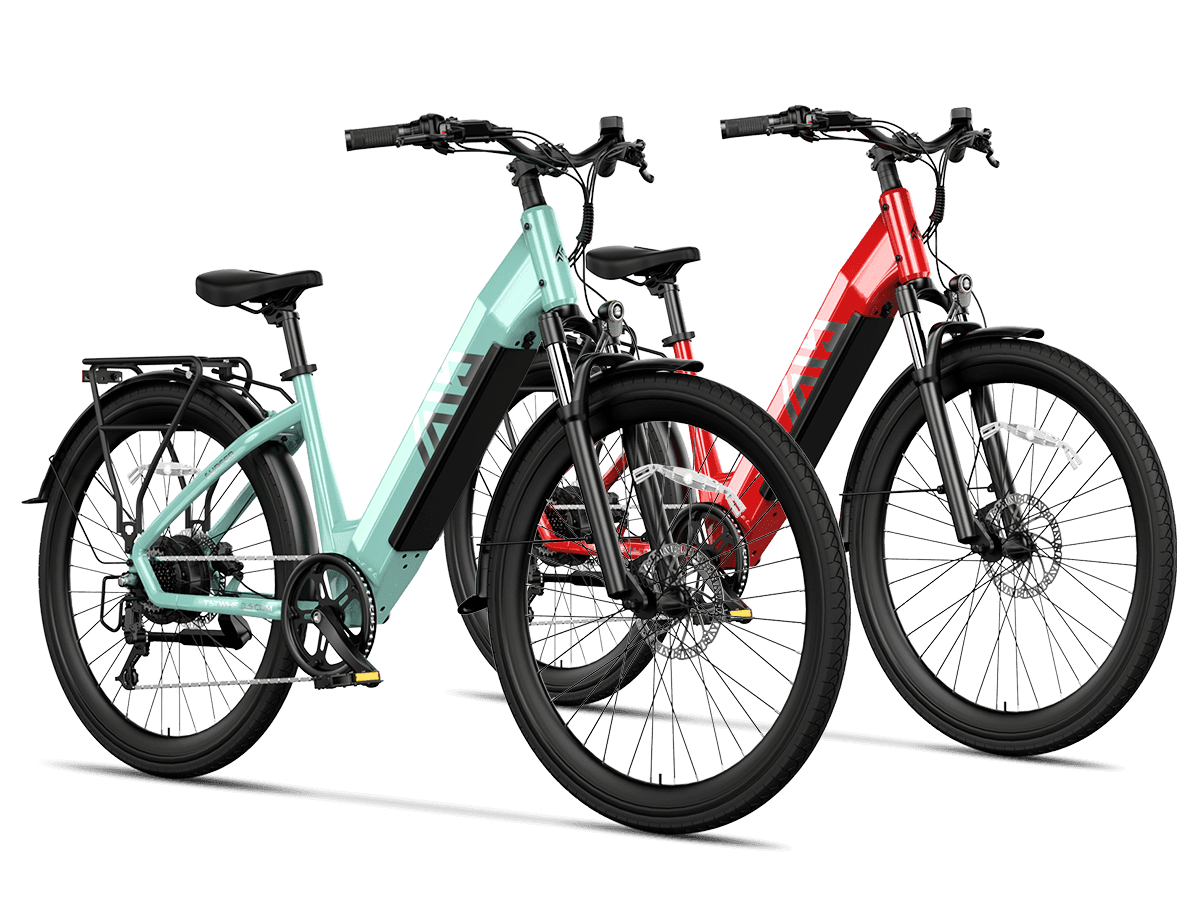
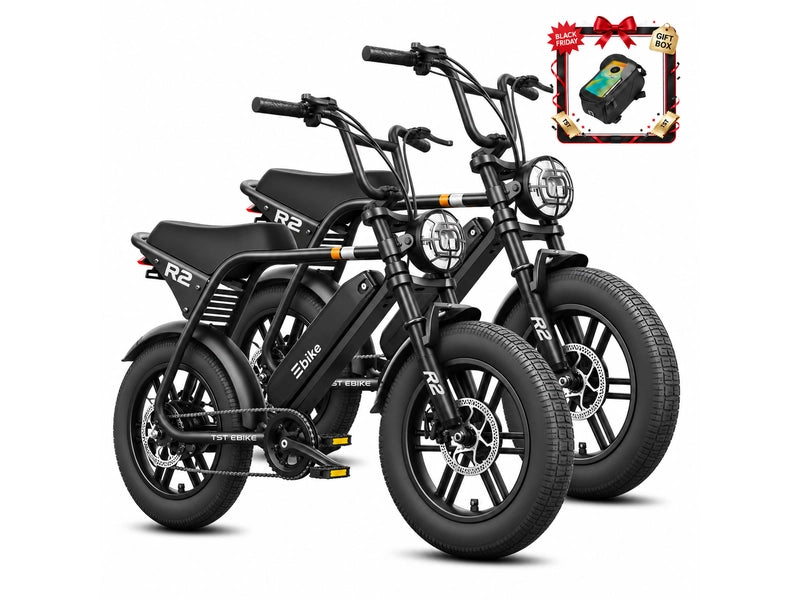
Photograph e-bike shipping damage before assembly, before riding, and before discarding any packaging. Start with the sealed box and shipping label, then document the outside of the carton, the interior packing, the bike as received, each damaged area, and any missing parts. If a battery is smoking, leaking, swollen, unusually hot, cracked, or unstable, do not handle it for photos—move people away, follow emergency guidance, and contact the seller or manufacturer.
This guide organizes the evidence in the order that best preserves the chain of custody: delivery record, outer packaging, inner packaging, product condition, missing components, and the claim itself. It is a documentation and support-preparation guide, not a repair manual or authorization to disassemble, test, ride, or charge a damaged e-bike.
Preserve the delivery record first
Before unpacking, record the delivery date, carrier, tracking number, and the condition of the package as you found it. If the driver is still present, note visible damage on the delivery receipt or bill of lading before signing; if damage is discovered after delivery, save the tracking record and take dated photographs immediately.
Keep these details with your case file:
-
Delivery date and approximate time.
-
Carrier name and tracking number.
-
Order number, order ID, and purchase email.
-
Seller or purchase channel.
-
A description of the outer box condition before opening.
-
Whether the driver noted damage or refused to accept a damage notation.
Do not rely on memory alone. A dated photo of the shipping label, together with the order confirmation and tracking page, helps connect the damaged item to the correct shipment and purchase.
Photograph the sealed package before opening
Take a wide photo showing the entire package in its delivery location, then photograph each side of the carton. Include the shipping label in one image, but cover or crop any personal information you do not want to share publicly.
Capture:
-
The full box from several angles.
-
Crushed corners, punctures, tears, water staining, reopened tape, or other visible damage.
-
The shipping label, preferably with the date visible or paired with a dated photo.
-
Any loose contents, leaking fluid, unusual odor, or damaged battery packaging before touching them.
-
The surrounding area if it helps show where and how the package was delivered.
If the carton is severely crushed, wet, punctured, or shows signs that the battery may have been impacted, stop before opening it. Do not shake, tilt, compress, or repeatedly move the package to obtain a better angle. Contact the seller or manufacturer for instructions first.
Document the inside packaging before removing parts
Once it is safe to open the carton, photograph the interior before removing components. The packing material can show whether an impact reached the bike and whether a component was inadequately protected.
Photograph:
-
The open carton from above, showing the overall arrangement.
-
Foam, cardboard inserts, straps, and protective wrapping in place.
-
Any compressed, torn, shifted, or missing protective material.
-
Each major component as it first appears: frame, front wheel, battery, charger, display, pedals, accessories, and hardware.
-
Any loose fasteners, broken parts, or fragments inside the box.
Avoid rearranging parts, removing protective wrap, or assembling the bike until you have photographed the original condition. If you must move an item for safety, photograph it first, explain the reason in your notes, and keep the original position documented.
Photograph the bike as received
Take a full set of photos before cleaning, adjusting, assembling, charging, or riding the bike. Use even light, avoid flash glare on screens and labels, and keep the entire damaged area in frame.
A practical sequence is:
-
Photograph the complete bike from both sides, front, and rear.
-
Photograph the frame number, model label, or other identification area only if it is safe and accessible.
-
Photograph the display, battery bay, charger port, and connectors as received.
-
Photograph each damaged area from a wider view and then a close-up.
-
Include a ruler, coin, tape measure, or other scale reference next to scratches, dents, cracks, or punctures when safe to do so.
-
Photograph missing items, empty accessory compartments, or hardware bags that appear incomplete.
For cosmetic damage, close-ups should show the location as well as the mark. For structural damage, include enough surrounding frame, fork, dropout, wheel, or handlebar area for support to assess the affected component. Do not bend, straighten, force, clean, repaint, or otherwise alter damaged metal, plastic, wiring, or connectors.
Stop assembly when damage affects safety
Stop assembly and do not ride or charge the bike if you see a damaged battery, charger, cable, connector, motor area, brake, fork, frame, wheel, steering component, or any part that could affect control. A scratch on a fender may be documented and reported, but a cracked frame, bent fork, damaged brake line, loose wheel, or compromised battery requires a conservative no-use decision.
The U.S. Consumer Product Safety Commission recommends checking an e-bike’s handlebars, brakes, throttle, bell, lights, tires, cables, and frame for damage before riding. It also advises using the manufacturer-provided or manufacturer-recommended charger and following the manufacturer’s instructions for the battery and device.
Do not perform a “test ride” to see whether the bike still works. If the bike was damaged in transit, riding it can worsen the damage, create a safety risk, and complicate the claim.
Handle battery-related damage with extra caution
A lithium-ion battery requires a different response from a scratched fender or bent pedal. If the battery casing is cracked, dented, swollen, leaking, hot, smoking, or producing an odor, do not pick it up, charge it, puncture it, open it, or place it in another container for photographs.
Move people and flammable materials away if it is safe to do so, ventilate the area if appropriate, and follow local emergency guidance. CPSC directs consumers to contact the manufacturer for a replacement battery and to use a local battery recycler or hazardous-waste collection center for disposal rather than household trash.
For documentation, photograph only from a safe distance if the battery is stable and the packaging allows it. If it is not safe, write down what you observed—such as swelling, odor, heat, leakage, or smoke—and let the manufacturer, carrier, or emergency responder direct the next step.
Record missing or incorrect items
Shipping damage claims are not only about visible breakage. Missing chargers, batteries, pedals, hardware, displays, keys, manuals, or accessories should also be documented before the box is discarded.
Create a simple inventory:
-
Item expected according to the product page, invoice, or packing list.
-
Item received.
-
Item missing, damaged, or incorrect.
-
Photo reference for each discrepancy.
-
Quantity and condition of hardware bags or small parts.
Photograph empty compartments, opened hardware bags, and any packing material that appears to lack an expected component. Keep the packing list, invoice, and product-page order confirmation together with the photos.
Keep the packaging until the claim is resolved
Do not discard the carton, foam inserts, battery packaging, charger box, or damaged components until the seller, carrier, or manufacturer tells you what to do with them. Packaging can be important evidence for a carrier inspection or warranty review.
Store the materials in a dry, secure place away from heat sources. If a battery or damaged electrical component must be isolated, follow the manufacturer’s safety instructions rather than placing it in an enclosed space, near combustibles, or in ordinary household waste.
If a carrier requests an inspection, make the package and bike available as instructed. Do not repair, replace, or discard a damaged component before confirming whether the carrier or seller needs to see it.
Build a claim-ready evidence file
Organize the photos and records in the order they were created. A clear file helps support review the case without asking for repeated clarification.
Include:
-
Order confirmation, invoice, or receipt.
-
Carrier tracking record and delivery date.
-
Photos of the sealed package, shipping label, and outer damage.
-
Photos of interior packaging and the bike as received.
-
Close-up photos of every damaged or missing item.
-
A written list of damaged, missing, or incorrect components.
-
Notes on when the damage was discovered and whether the driver acknowledged it.
-
Any carrier damage notation, inspection request, or claim number.
-
The requested outcome: replacement part, replacement bike, repair, refund, or carrier claim.
For TST purchases, the warranty policy directs owners to provide the order number or ID, the email and shipping address used at purchase, and photos or a short video with a brief description of the problem. TST also asks owners to notify it within 15 days of receipt for shipping damage, provide a dated photo, and note immediately recognizable damage on the shipper’s bill of lading before signing for delivery.
Send the right information to support
When contacting support, lead with the model, order number, delivery date, and a one-sentence description of the damage. Then attach the organized photos and state whether the bike has been assembled, ridden, or charged.
A concise message can follow this structure:
Subject: Shipping damage report — [model] — Order [number]
Delivery and purchase
-
Order number:
-
Purchase channel:
-
Delivery date:
-
Carrier and tracking number:
-
Purchase email and shipping address:
Package condition
-
Outer-box damage observed:
-
Interior packaging condition:
-
Date damage was discovered:
-
Damage noted with carrier or driver: Yes/No
Product condition
-
Damaged components:
-
Missing components:
-
Battery or charger condition:
-
Bike assembled: Yes/No
-
Bike ridden or charged: Yes/No
Evidence attached
-
Sealed-package photos:
-
Interior-packaging photos:
-
Bike-as-received photos:
-
Close-up damage photos:
-
Missing-item photos:
Requested outcome
-
Replacement part, replacement bike, repair, return instructions, or carrier-claim guidance.
Do not send serial numbers, battery codes, or personal identifying details in public comments or social-media posts. Provide them only through the seller’s official support channel when requested.
After support identifies the issue
Once support confirms the affected component and the appropriate remedy, follow its instructions for replacement, return, inspection, or disposal. If a replacement part is approved, use only parts confirmed compatible with your exact model and variant; TST’s original-parts guidance is the appropriate next step after the model and component have been identified.
Keep the claim number, support responses, photos, and shipping records together until the case is closed. If the bike remains unsafe to ride, do not resume use until the affected component has been replaced or a qualified service professional has confirmed that it is safe.

Leave a comment
This site is protected by hCaptcha and the hCaptcha Privacy Policy and Terms of Service apply.