


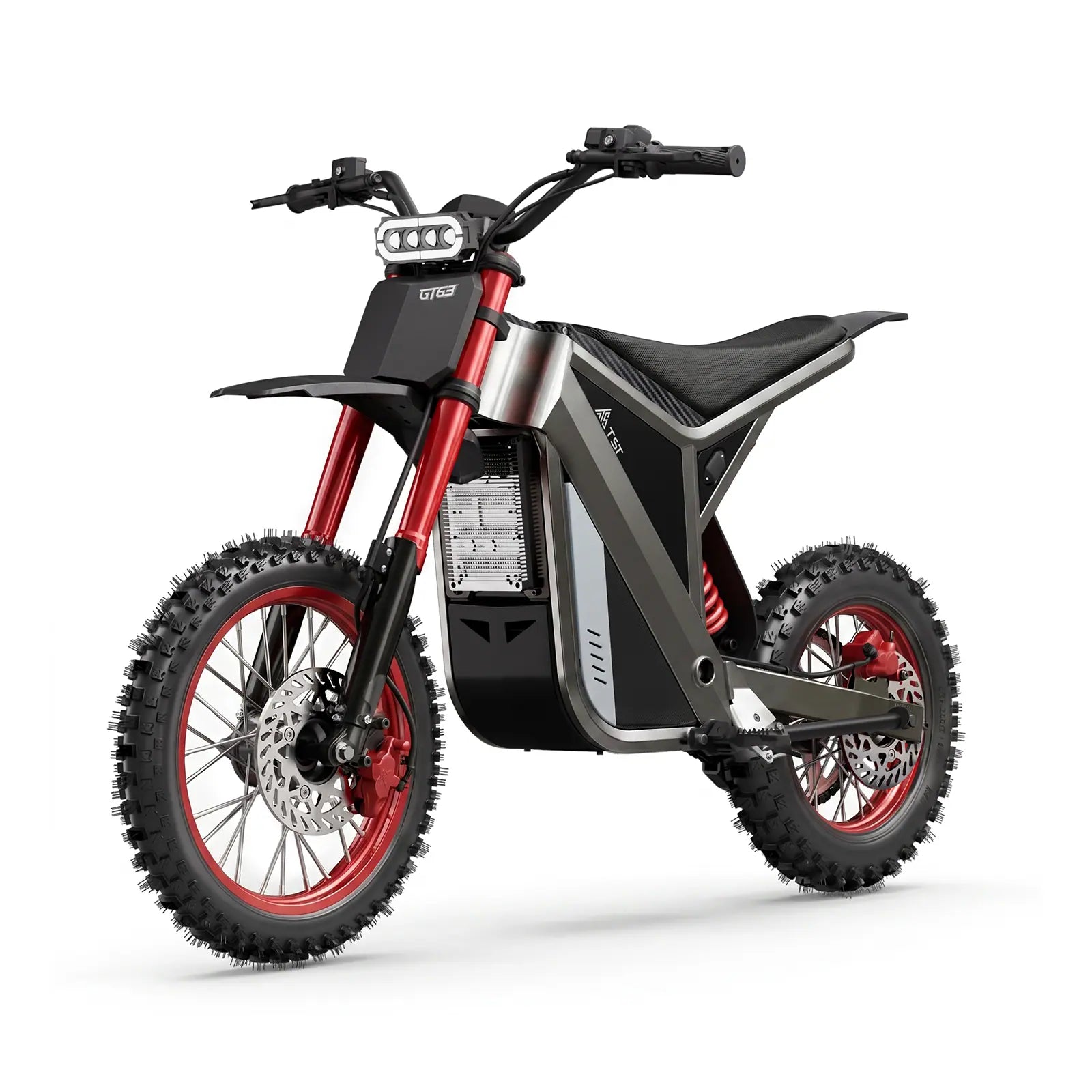














Class 3 eBikes in Seattle are legally allowed to assist riders up to 28 MPH, aligning with Washington state regulations. These bikes must have motor power no greater than 750 watts and require riders to wear helmets. TST EBike offers models that comply with these rules, delivering safe and high-performance riding experiences in Seattle. Also check: Class 3 eBike
How Is the Speed Limit for Class 3 eBikes Defined in Seattle?
Seattle follows Washington state law, which sets the assisted speed limit for Class 3 eBikes at 28 MPH. Beyond this speed, the motor assistance must stop, ensuring these vehicles remain distinct from motorcycles and maintain safety on urban streets and bike lanes.
What Are the Power Restrictions for Class 3 eBikes in Seattle?
Class 3 eBikes in Seattle must not exceed 750 watts of motor power. This limit ensures a balance between delivering sufficient speed and power while complying with local laws governing electric bicycles, making bikes like those from TST EBike legally operable on public pathways.
Which Safety Requirements Accompany Speed Rules for Class 3 E-Bikes?
Helmet use is mandatory for Class 3 eBike riders in Seattle by law. Additionally, these bikes must have a speedometer to monitor speed, which helps riders stay within the 28 MPH limit and complies with regulations focused on rider safety in densely populated areas.
Why Are Speed Limits Important for Class 3 eBikes in Seattle?
Speed limits maintain safety for all road users by preventing excessive speeds on mixed-use paths and bike lanes. For Seattle’s busy streets, this limit reduces crash risks and ensures Class 3 eBikes can coexist harmoniously with pedestrians and slower vehicles.
Who Is Required to Follow Class 3 eBike Speed Laws in Seattle?
All riders of Class 3 eBikes in Seattle, including those using models from TST EBike, must adhere to the speed and power regulations. Riders must be at least 16 years old, wear helmets, and respect public safety rules for electric bike use across the city.
When Can Riders Exceed Pedal Assist Speeds on Class 3 E-Bikes?
Motor assistance must cease at 28 MPH; however, riders can pedal beyond this speed manually. This allows experienced cyclists to go faster downhill or with added effort, but the e-bike’s motor will not provide additional power beyond the legal speed.
Where Are Class 3 E-Bikes Allowed to Ride in Seattle?
Class 3 eBikes can be used on streets, bike lanes, and some multi-use trails where allowed by local ordinances. Seattle restricts Class 3 eBikes from certain pedestrian areas or parks to minimize conflicts, keeping urban transportation safe and efficient.
Does the Speed Limit Affect Battery Performance on Class 3 E-Bikes?
Yes, limiting top motor speed helps conserve battery energy, extending ride range. Bikes from TST EBike benefit from this balance, offering fast acceleration and sustained performance while optimizing battery life for Seattle riders.
Has Seattle Updated Its Laws to Address Growing Class 3 E-Bike Use?
Seattle has adapted regulations to embrace growing eBike popularity, enforcing speed and helmet laws while updating trail access rules. These changes allow safe adoption of high-speed e-bikes while respecting pedestrian and community safety concerns.
Are Speedometers Mandatory on Class 3 E-Bikes in Seattle?
Yes, a functional speedometer is required to help riders monitor and comply with the 28 MPH assistance cutoff. This equipment ensures that users do not unknowingly exceed legal speed limits, contributing to safer riding environments.
Can Riders Use Modifications to Increase Speed on Class 3 E-Bikes?
No, modifying Class 3 eBikes to exceed 28 MPH assisted speeds is illegal in Seattle and can result in fines or loss of eBike privileges. Manufacturers like TST EBike build their bikes to meet legal limits, ensuring safe, compliant riding.
Table: Seattle Class 3 eBike Legal Requirements Overview
| Requirement | Description | Impact on Riders |
|---|---|---|
| Maximum Assistance Speed | 28 MPH | Controls motor assistance, ensures safety |
| Motor Power Limit | 750 Watts | Defines class, limits power |
| Helmet Requirement | Mandatory | Enhances rider protection |
| Minimum Rider Age | 16 years | Legal compliance |
| Speedometer | Required | Monitors speed, legal enforcement |
| Trail Access | Limited on some trails | Maintains pedestrian safety |
TST EBike Expert Views
"Class 3 eBikes represent a perfect blend of speed and safety, especially in a vibrant urban environment like Seattle. TST EBike prioritizes design compliance with local regulations to ensure riders get high-performance but legally sound bikes. By including features such as speedometers and enforcing helmet use, these bikes meet rider needs while supporting citywide transportation safety goals." — Industry Professional
Conclusion: Key Takeaways and Actionable Advice
Seattle’s Class 3 eBike speed rules, including the 28 MPH assist limit and 750W power cap, are designed to protect riders and the community. Riders should choose compliant models like those from TST EBike and always wear helmets. Understanding local laws ensures safe, enjoyable rides while maximizing efficiency and performance in Seattle’s diverse cycling environments.
Frequently Asked Questions
Q: Can Class 3 eBikes go faster than 28 MPH in Seattle?
A: The motor stops assisting at 28 MPH, but riders can pedal faster manually.
Q: Are helmets required for all e-bike classes in Seattle?
A: Helmets are mandatory for Class 3; recommended but not required for Class 1 and 2.
Q: Where can I legally ride a Class 3 eBike in Seattle?
A: Streets, bike lanes, and certain multi-use paths. Some pedestrian trails restrict Class 3 eBikes.
Q: What happens if I modify my e-bike to exceed speed limits?
A: It is illegal and may result in fines or loss of legal protections.
Q: Does TST EBike comply with Seattle’s Class 3 regulations?
A: Yes, TST EBike produces models that meet all required legal standards.

Leave a comment
This site is protected by hCaptcha and the hCaptcha Privacy Policy and Terms of Service apply.