
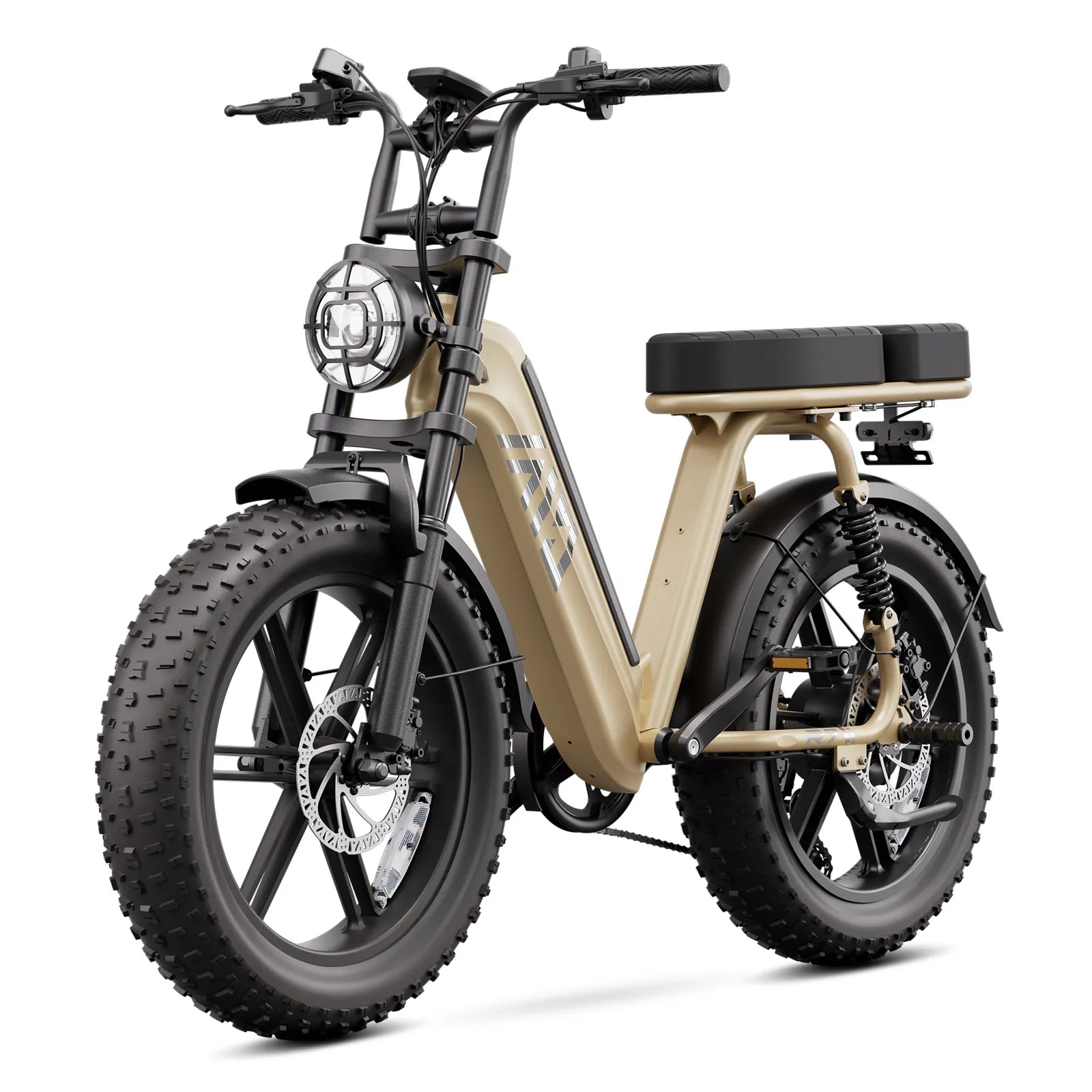
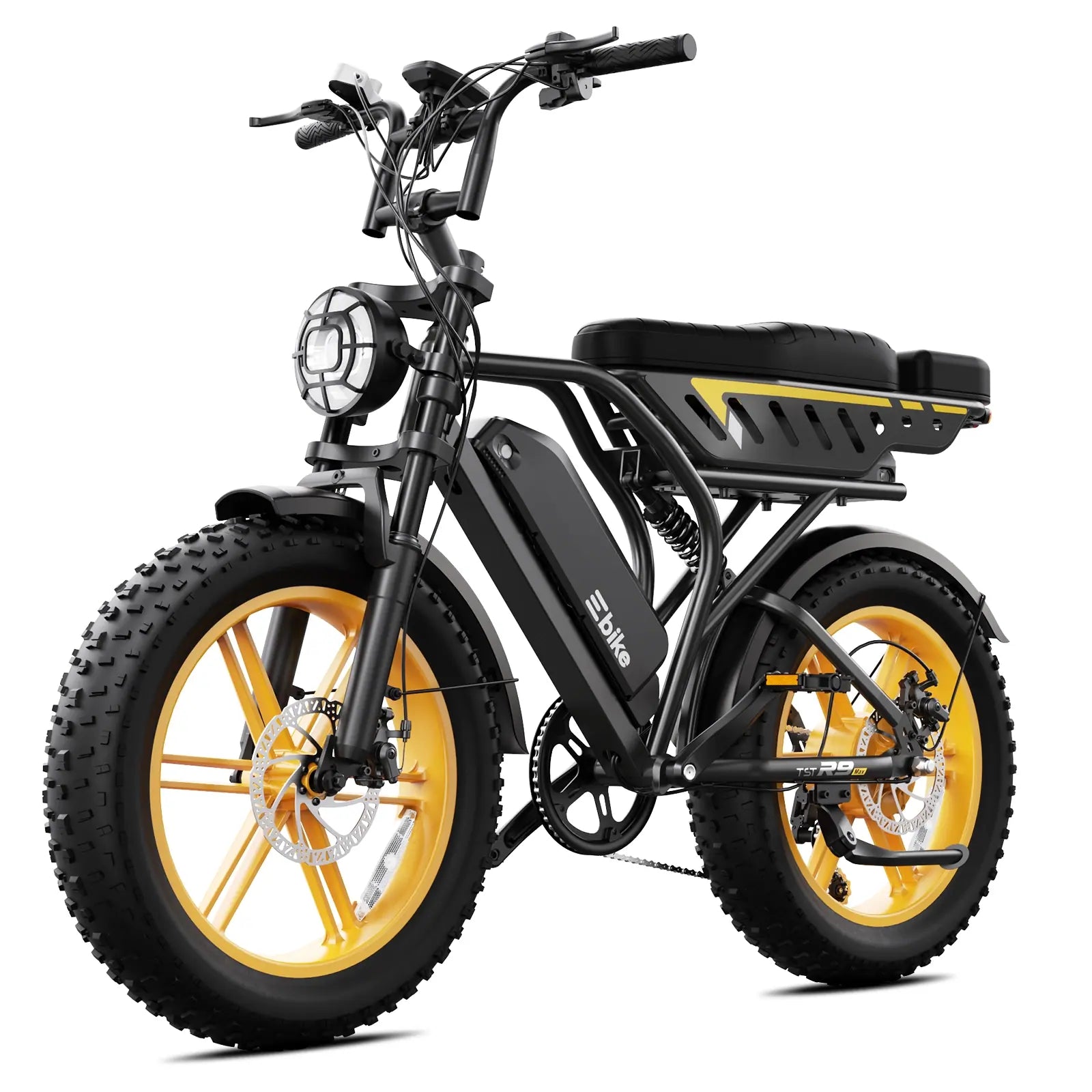
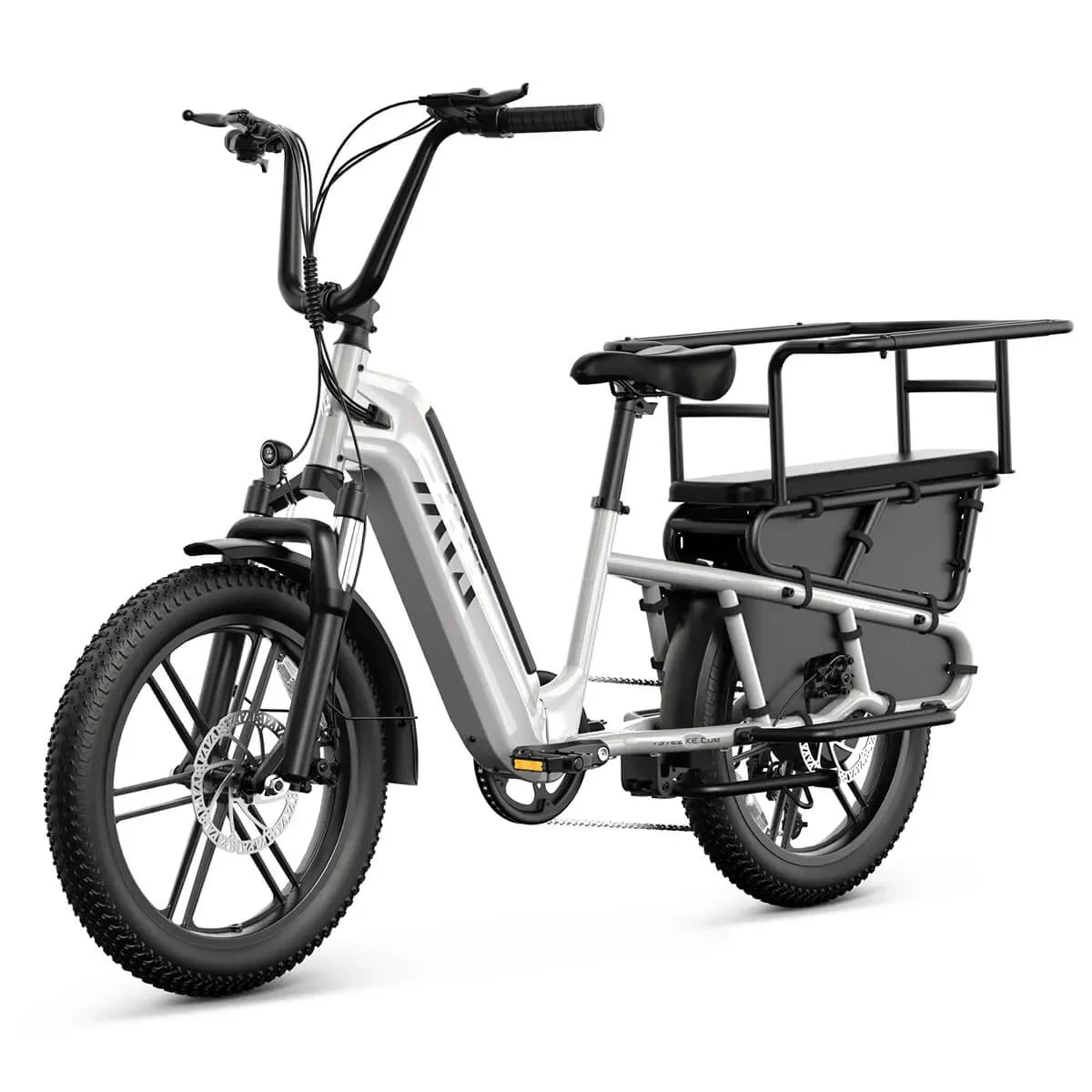
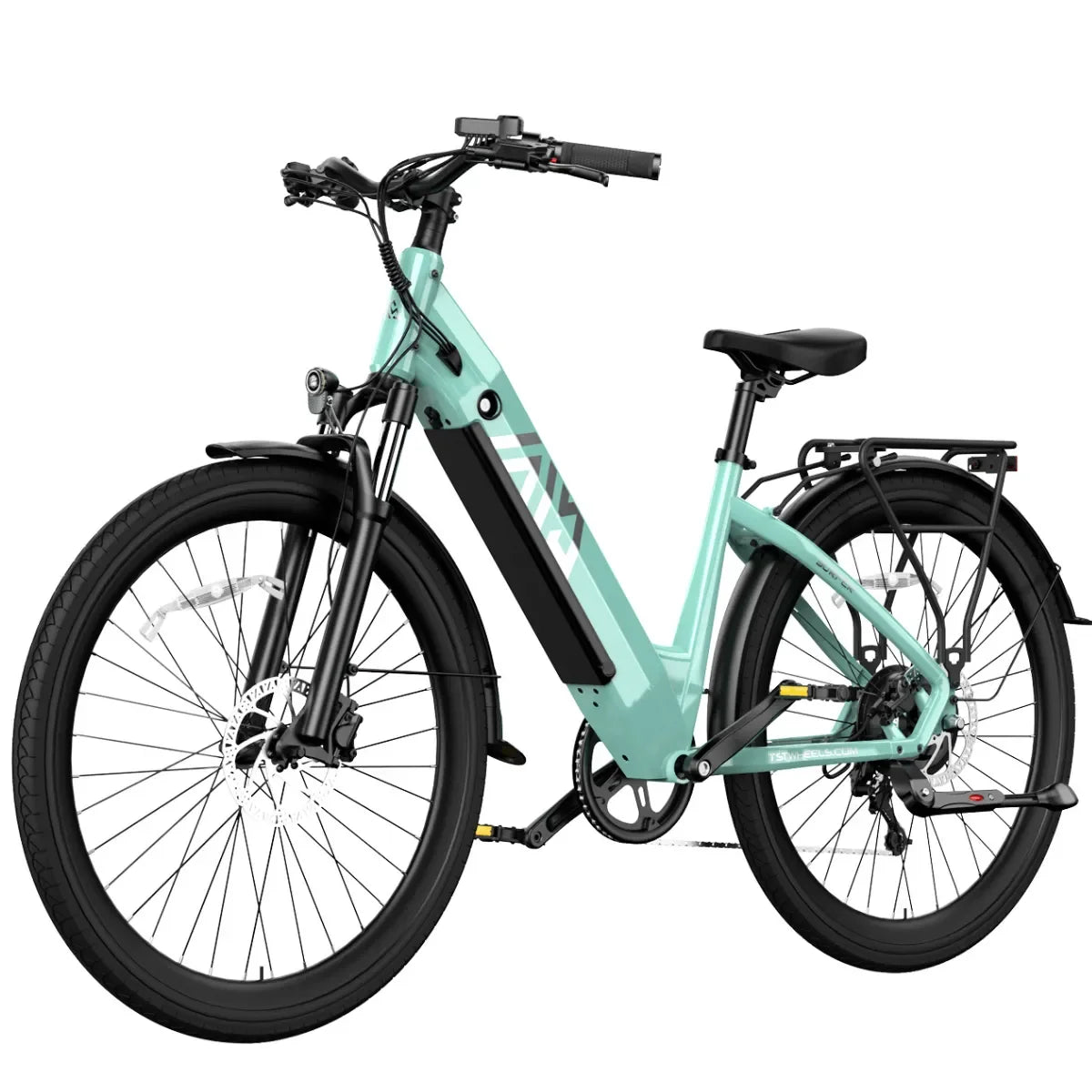
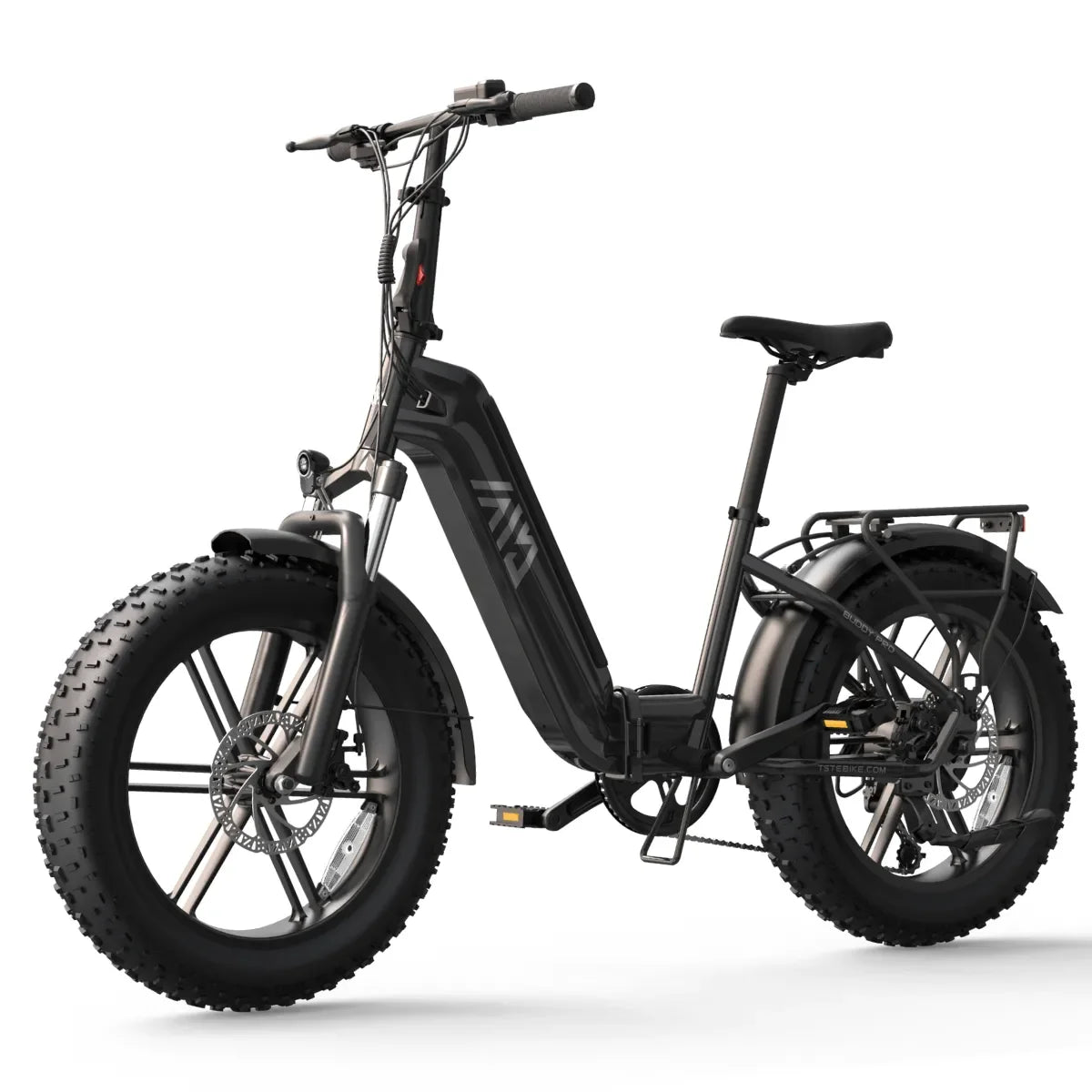
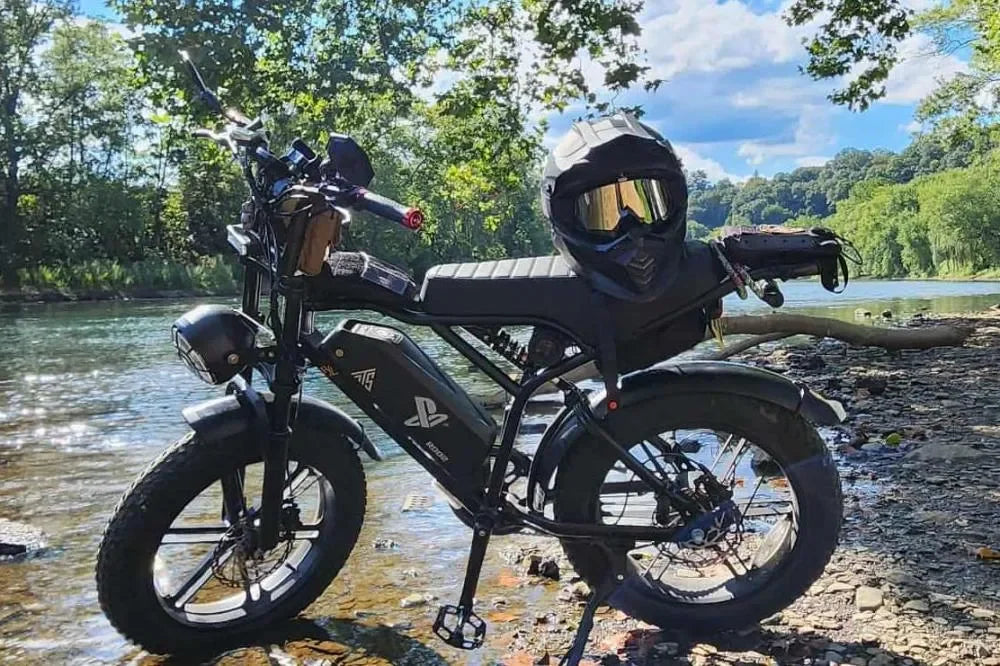
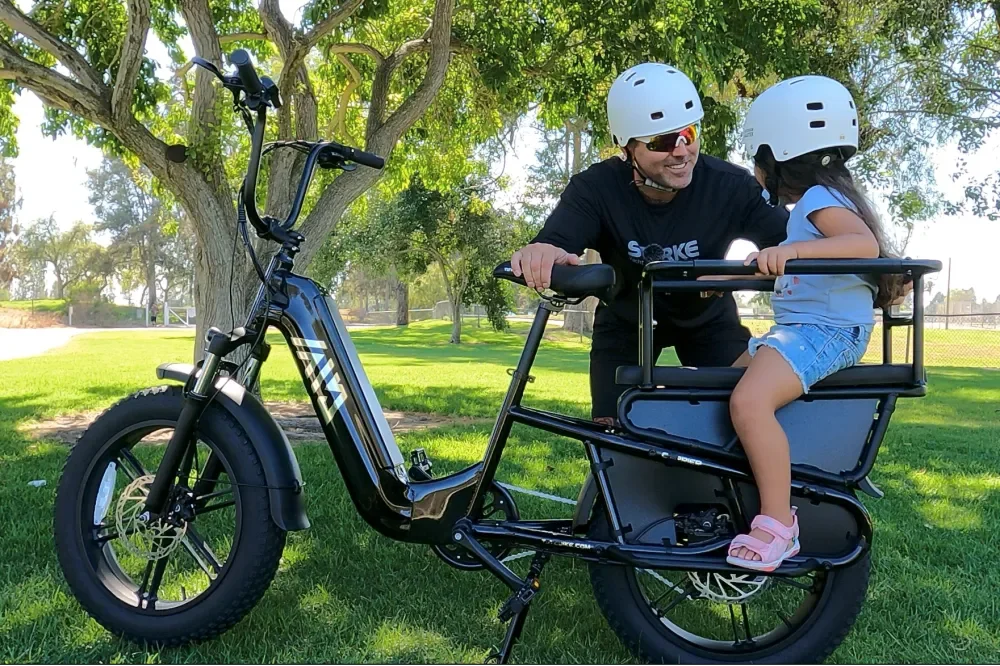
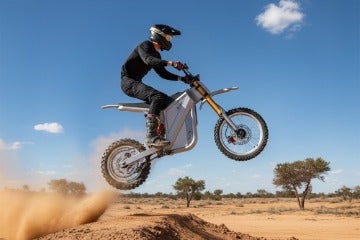
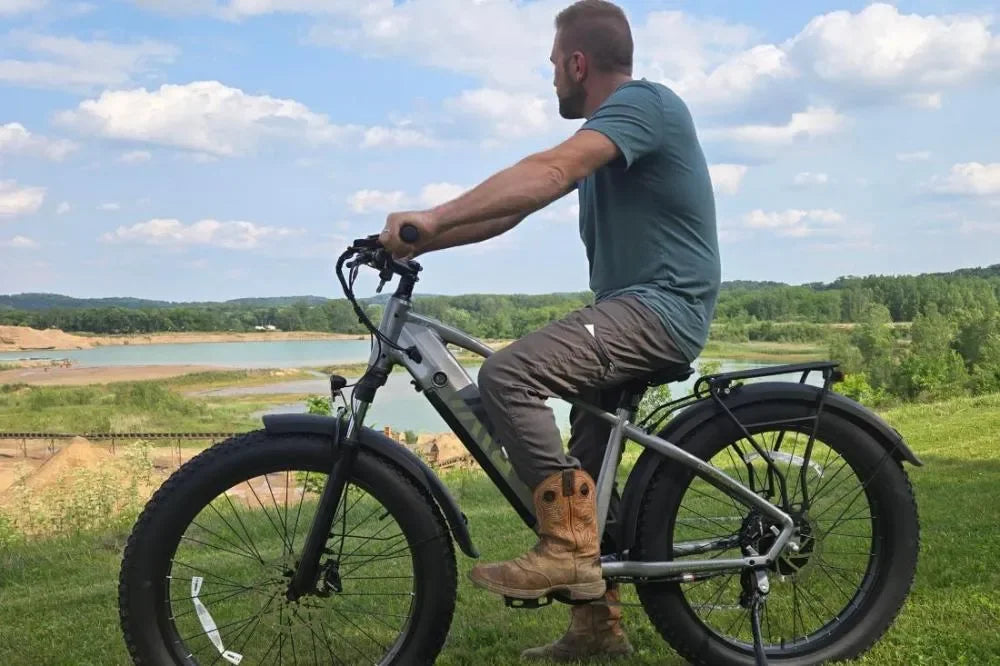
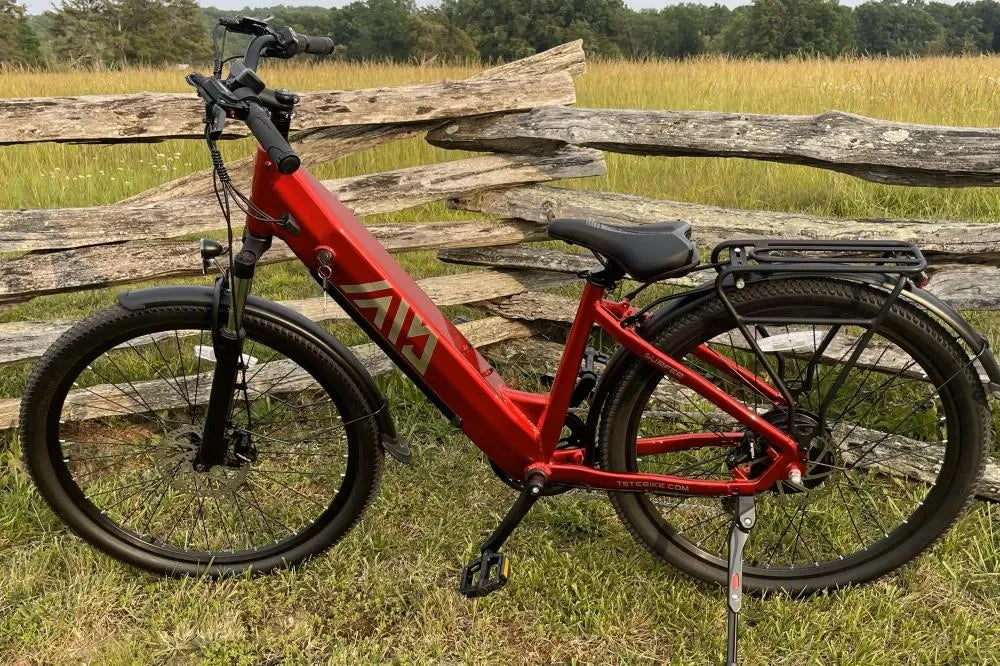
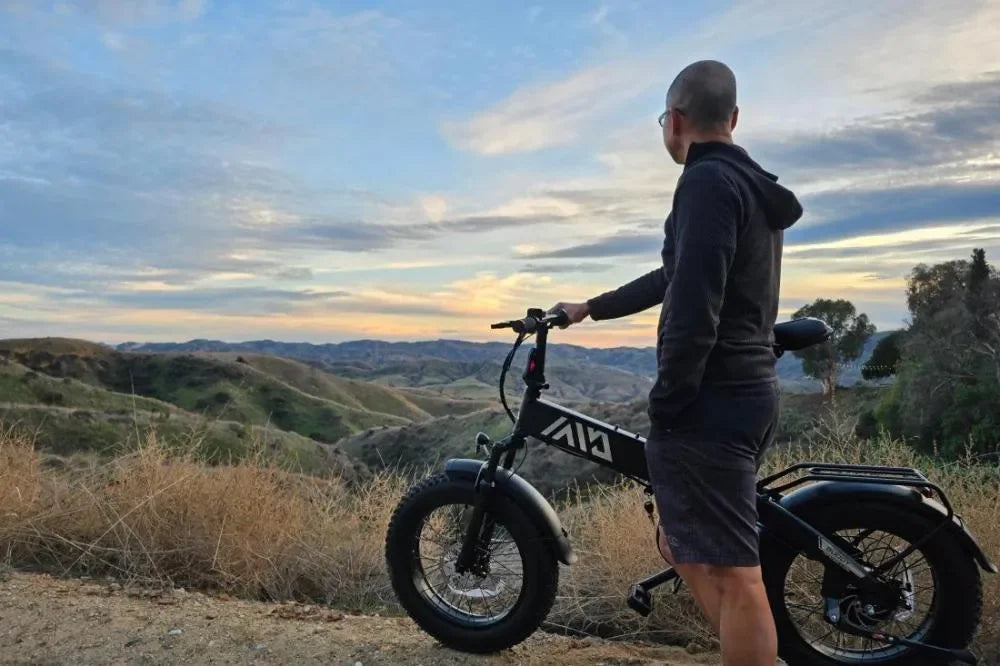
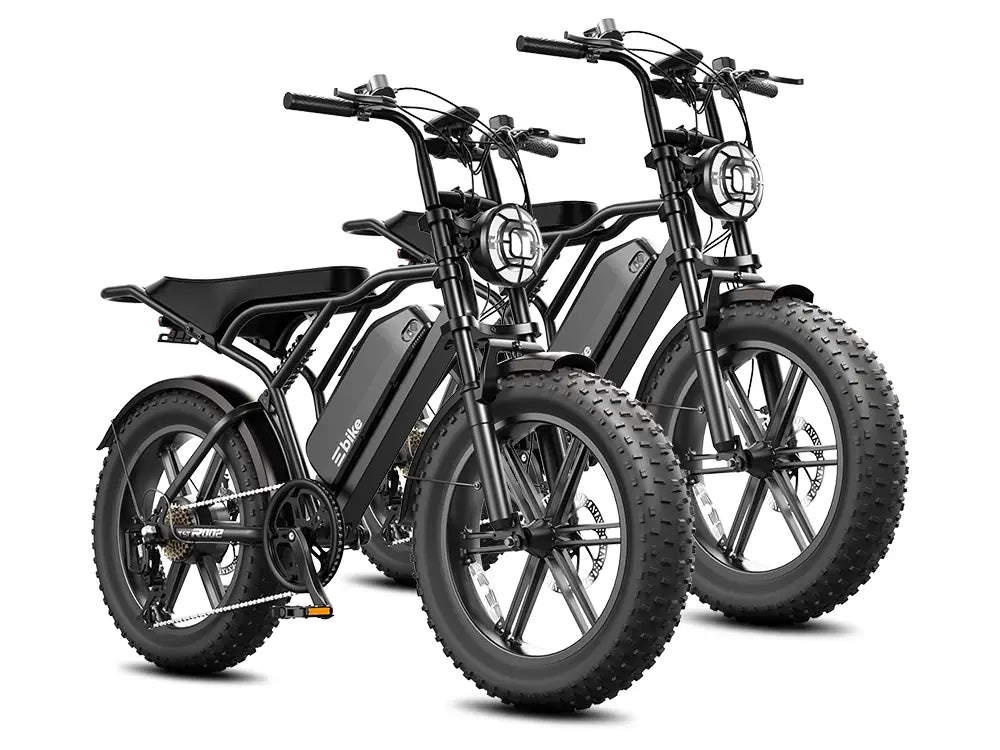
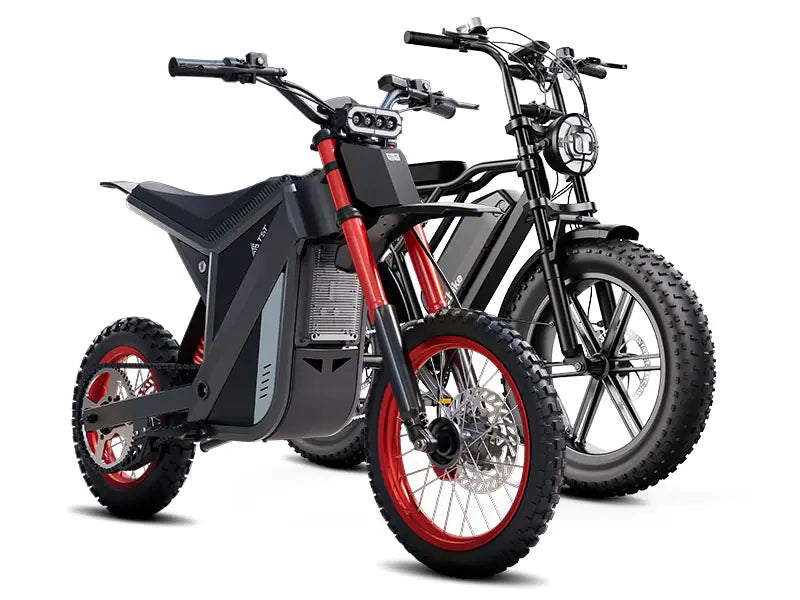
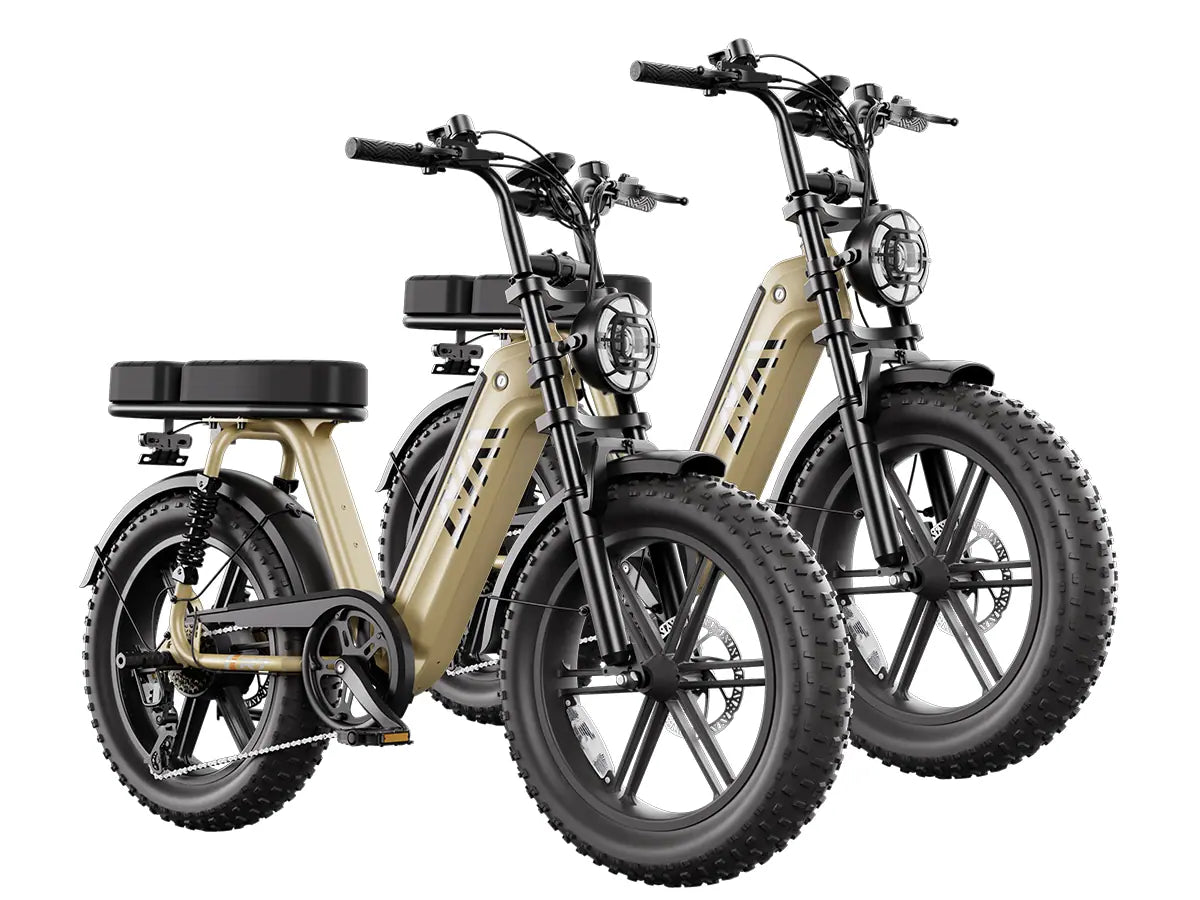
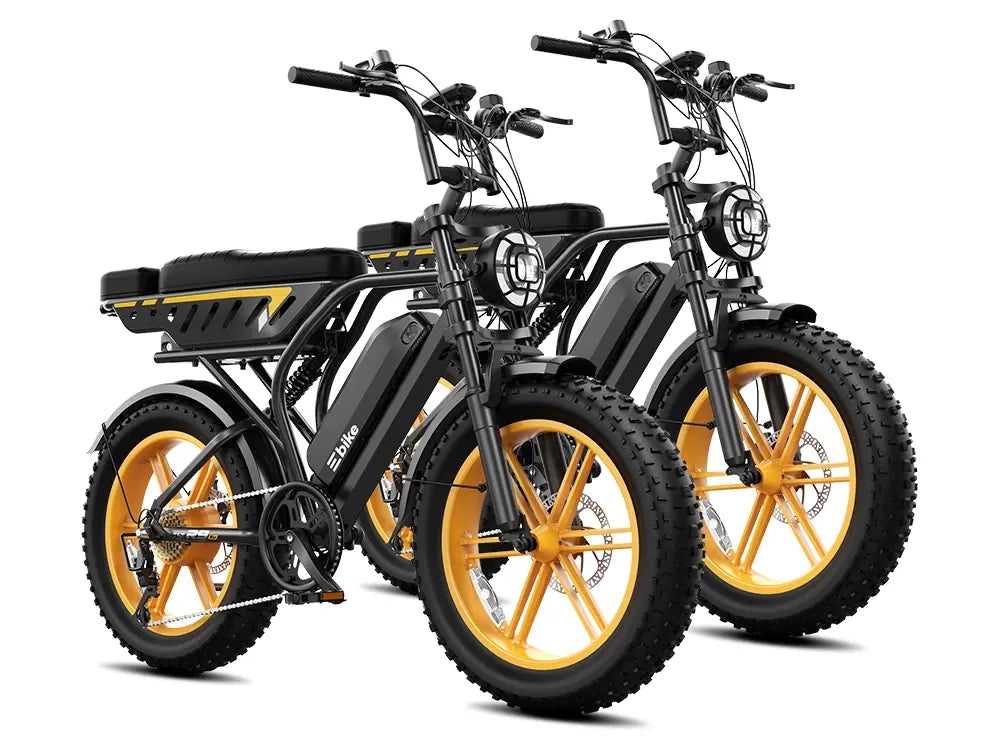
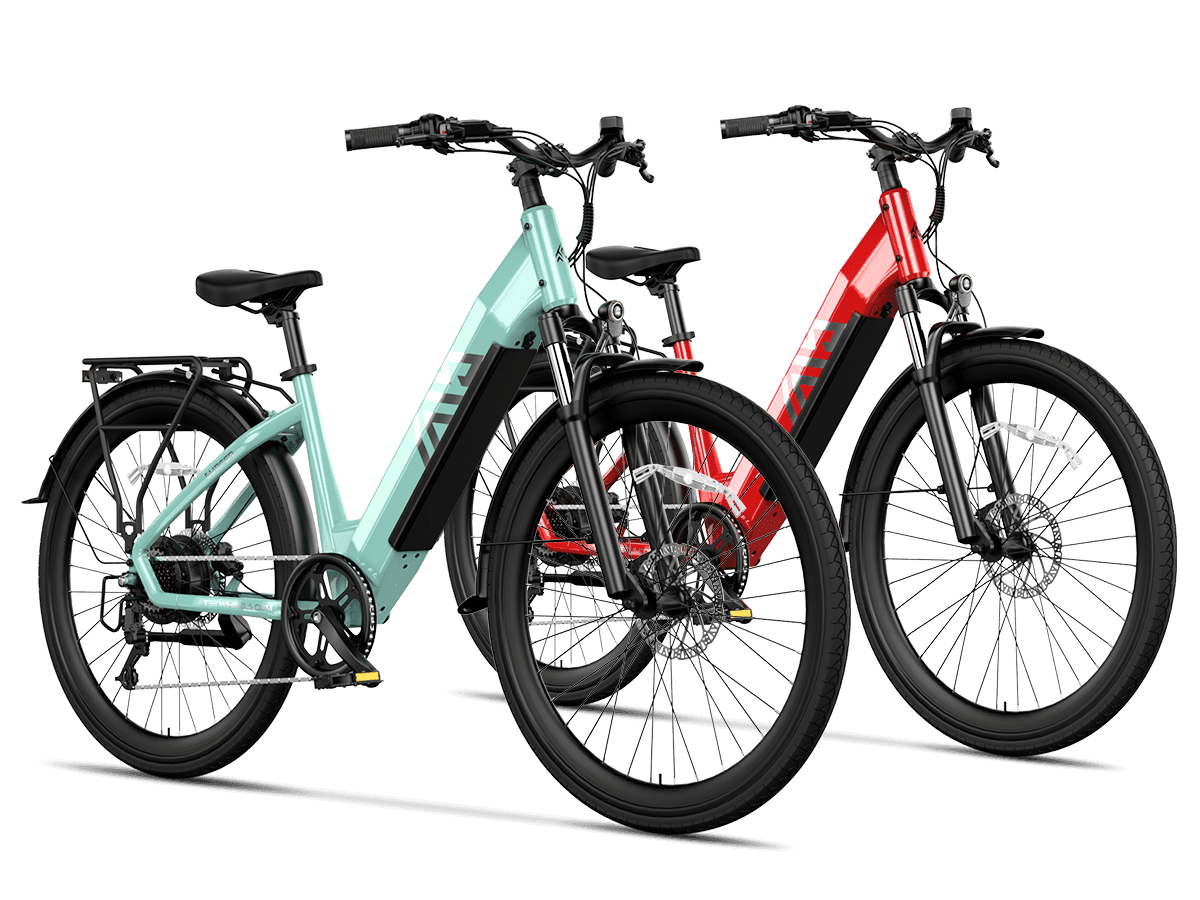
Choosing overland racks for ebikes means balancing strength, fatigue resistance, and frame compatibility so cargo stays secure even on rough terrain. The right heavy-duty front and rear racks use thick-wall tubing, triangulated bracing, and multi-point frame mounts to resist shear forces and metal fatigue that can crack lightweight racks under repeated impacts.
What is overland rack design on ebikes?
Overland rack design on ebikes refers to front and rear cargo systems engineered for continuous vibration, shock, and high loads on mixed terrain. Instead of thin, minimalist luggage carriers, overland racks use reinforced tubing, welds, and mount points tested for thousands of cycles of bump, sway, and braking forces so heavy cargo remains safe on trails and broken city asphalt.
In practice, real overland racks borrow from motorcycle and expedition gear standards. They assume worst-case loads, potholes taken at speed, curb jumps, and emergency stops with cargo. For high-power ebikes like those from TST EBike, this design discipline is essential because motor torque and higher speeds magnify every impact and sway, putting far more stress into the rack structure than a casual city cruiser ever sees.
Why are thin city racks unsafe under heavy load and vibration?
Thin city racks are typically designed around static load numbers and smooth road assumptions. They might claim 20 kg capacity, but the calculation often ignores dynamic forces: hitting a speed bump at 20 mph can generate several times the rated load momentarily. On an ebike that accelerates and brakes harder, these spikes happen more often and with greater magnitude.
Over time, repeated impacts and sway cause metal fatigue in slender struts and single-bolt mount points. Tiny cracks form at high-stress zones—especially near weld toes or sharp bends. A rack that looks fine in the garage can suddenly snap on a rough descent, sending cargo into the wheel, or onto the road, with obvious safety consequences. That is why serious overland designs treat “rated load” as a starting point, not a guarantee, and build in structural redundancy that thin city racks lack.
How does shear force cause rack failures on rough terrain?
Shear force on a rack is the sideways cutting load that acts on the tubing and mounting hardware when cargo swings, the bike leans, or a bump kicks the rear wheel upward. On rough terrain, shear forces rise abruptly as the rack tries to keep heavy bags in place while the frame moves underneath.
In a thin rack with small-diameter tubes and limited triangulation, these lateral loads concentrate at a few points—often where the rack attaches near the dropouts or seat stays. Stress concentration there accelerates metal fatigue. Once the material passes its fatigue threshold, cracks propagate quickly, and the rack can fail across a tube or at a weld, sometimes in a single loud break. A high-power ebike magnifies this risk because speed and mass increase the shear inputs every time the rider hits a bump or brakes hard.
Why is a 16 mm high-rigidity steel rear rack better for overland loads?
A 16 mm high-rigidity steel rear rack offers substantially greater cross-sectional area than lightweight racks using 8–10 mm tubing. That extra diameter increases bending resistance and distributes shear forces across a larger volume of material, lowering stress at any given point. Steel’s fatigue behaviour also suits repeated loading, provided the rack is properly welded and heat-treated.
On an overland ebike, a one-piece 16 mm rack that ties into multiple frame mounts behaves more like a subframe than a bolt-on accessory. It resists twisting when panniers are loaded unevenly, keeps cargo from oscillating side to side, and maintains alignment even when the rider hits potholes at speed. TST EBike’s emphasis on cost-effective, high-power bikes makes this kind of rack important; it transforms raw motor torque into usable utility rather than a recipe for cracked hardware.
How can front and rear overland racks be balanced on an ebike?
Balancing front and rear overland racks means thinking in terms of weight distribution and handling, not simply “maximum capacity.” The rear rack typically handles heavier, bulkier loads because the bike’s geometry and frame structure can better support vertical and shear forces near the rear triangle. The front rack is best for lighter, more compact items that benefit from quick access but should not destabilize steering.
An experienced setup might place 60–70% of cargo on the rear rack, with the remaining load spread between a front platform and frame bags. On high-power ebikes like those from TST EBike, keeping heavy loads low and close to the wheel axles reduces pitching and head shake during acceleration and braking. Matching rack designs—both properly triangulated and rated for the intended terrain—helps ensure the whole system behaves predictably, rather than one end of the bike becoming a failure point.
Which materials and welds are ideal for heavy-duty cargo racks?
Heavy-duty cargo racks benefit from thick-wall steel or high-grade stainless steel tubing with simple, gentle bends and generous weld fillets. Steel’s ductility allows it to flex slightly under high loads instead of snapping suddenly. Weld quality is critical: full-penetration welds with smooth transitions reduce stress risers, while poor welds create crack-starting notches.
Aluminium racks can be light, but they demand impeccable design to match steel for fatigue resistance. On ebikes that see sustained vibration and occasional overloads, a steel rack with 16 mm tubing and multi-point mounting offers a more forgiving failure mode. From a factory-floor perspective, the best racks are the ones that fail gracefully only after extreme misuse, not the ones that quietly develop invisible cracks during normal riding.
What does a shear force comparison reveal about rack safety?
A shear force comparison between thin and heavy-duty racks shows how stress concentrates differently. On a thin rack, a side hit from a heavy pannier or a diagonal landing over a pothole can produce large shear strains at the single bolt joining the rack to the dropout. This leads to early loosening and eventual fracture near the bolt hole or weld.
On a one-piece, 16 mm steel rack tied into multiple mounting points, the same shear input spreads across the entire rack triangle and into the frame’s rear triangle. The rack acts as a structural brace. Instead of a single bolt trying to resist all the lateral force, several fasteners and thicker tubes share the load. In practice, this translates to less movement, fewer creaks, and a much lower chance of catastrophic failure when the bike is loaded and battered over time.
Shear force stress comparison (conceptual)
When should riders upgrade from stock racks to overland racks?
Riders should upgrade from stock racks to overland racks when cargo weight, route roughness, or ebike power exceeds what thin city racks are built for. Signs include bending struts, mounting bolts that frequently loosen, or racks that wobble noticeably under load. If your riding involves gravel roads, broken urban pavement, or short off-road segments with bags attached, it’s time to treat racks as critical hardware, not decoration.
For TST EBike users, the moment you start using an ebike as a primary transport for groceries, commuting gear, or work tools, the upgrade becomes prudent. High-power motors and big batteries tempt riders to carry more and go farther. A 16 mm, high-rigidity steel rack aligned with that usage will likely outlast and outperform lighter alternatives many times over.
Where are the stress hotspots on typical ebike rear racks?
Stress hotspots on typical ebike rear racks cluster around three zones: the lower dropout mounts, the upper seatstay or seat tube mounts, and any sharp bends in the rack’s structure. At the dropouts, the rack fights vertical and lateral loads simultaneously, especially when the bike lands from a bump. Small-diameter tubing and single bolts see high combined bending and shear.
Upper mounts experience torsional forces as panniers sway and the rider shifts weight. If the rack uses narrow flat stock or thin round tubes near these points, cracks can start around bolt holes. Sharp bends or sudden changes in cross-section also create stress risers. From an engineering perspective, a one-piece, 16 mm rack that uses smooth geometry and triangulated connections reduces these hotspots by giving forces more paths to disperse.
Does rack design affect braking stability and frame durability?
Rack design directly affects braking stability because heavy cargo is subject to inertia during rapid deceleration. On a thin rack, heavy panniers can sway forward and backward, introducing oscillations into the rear of the bike. That sway can amplify frame flex and make the bike feel unstable when braking hard, especially on descents or wet surfaces.
A stiff, integrated steel rack behaves more like a structural extension of the frame, keeping cargo alignment closer to the rear wheel axis. The bike stops more predictably, and brake forces translate more directly into tyre-road interaction instead of flexing rack tubing. Over time, this also protects frame mount points from chronic overloading. Frames designed with racks in mind, like those used by TST EBike, pair well with heavy-duty racks because mounting points are located and reinforced where they can best share the load.
Are heavy-duty racks worth the extra weight on an ebike?
Heavy-duty racks add weight, but ebikes are uniquely positioned to absorb this penalty. Motor assistance compensates for the incremental mass, while riders gain reliability and safety. For serious cargo use, the kilogram or two of extra steel is minor compared to the tens of kilograms of cargo and the risk of rack failure.
In practice, riders who rely on their ebikes daily appreciate hardware that simply does not break. The cost of one failed ride—lost time, damaged cargo, or a crash—is often higher than the lifetime difference in energy consumption caused by heavier racks. TST EBike’s philosophy of high-power, cost-effective bikes aligns perfectly with this trade-off: use the motor to handle the weight, and use robust racks to handle reality.
TST EBike Expert Views
“When we design rear racks for high-power ebikes, we’re not chasing the lightest brochure number—we’re chasing fatigue life. A 16 mm, one-piece steel rack tied into proper frame mounts is the difference between a cargo system you trust for years and one that quietly cracks after a few months of real-world riding. Overland loads demand overland engineering, not city cosmetics.”
Conclusion: making heavy-duty overland racks part of the ebike system
Upgrading front and rear racks is not a cosmetic decision; it is a structural upgrade that brings cargo hardware into the same reliability domain as the frame and motor. Thin city racks can and do fail when exposed to real overland conditions: repeated impacts, lateral shear, and heavy panniers. A 16 mm high-rigidity steel rear rack, properly mounted and braced, transforms an ebike into a dependable load carrier.
For riders using TST EBike machines in rough environments, the message is simple: match your hardware to your ambition. If you ride fast, carry heavy, and trust your bike as a daily transport tool, treat racks as critical components. Choose overland-grade designs that spread shear forces, resist fatigue, and give your cargo the same stability your motor gives your forward motion.
FAQs
What cargo weight is safe for a typical ebike rear rack?
Most city racks claim 20–25 kg, but on rough terrain and high-power ebikes, staying below 15–18 kg on thin racks is safer. Heavy-duty racks can handle more without fatigue.
Can I use a front rack instead of a rear rack for heavy loads?
Front racks are better for light, compact items. Heavy loads up front can destabilize steering. Overland setups should keep most weight on a robust rear rack.
Do panniers increase stress on racks compared with top-mounted bags?
Yes. Panniers create more lateral sway and shear on rack tubing and mounts. Top-mounted bags mainly cause vertical loads, which racks handle more easily.
Is a seatpost-mounted rack suitable for overland ebike use?
Seatpost-mounted racks rely on a single clamp point and are not ideal for heavy cargo on rough terrain. They are best reserved for light loads and smoother routes.
How often should I inspect my heavy-duty rack for fatigue or damage?
Check rack tubing and mounts monthly if you ride daily with cargo. Look for cracks near welds, loose bolts, or unusual flex under load and address issues immediately.
Does TST EBike design its frames with rack integration in mind?
TST EBike builds high-power, utility-focused ebikes based on customer feedback, so frames and mounting points are chosen to pair with robust racks for real-world cargo use.

Leave a comment
This site is protected by hCaptcha and the hCaptcha Privacy Policy and Terms of Service apply.