


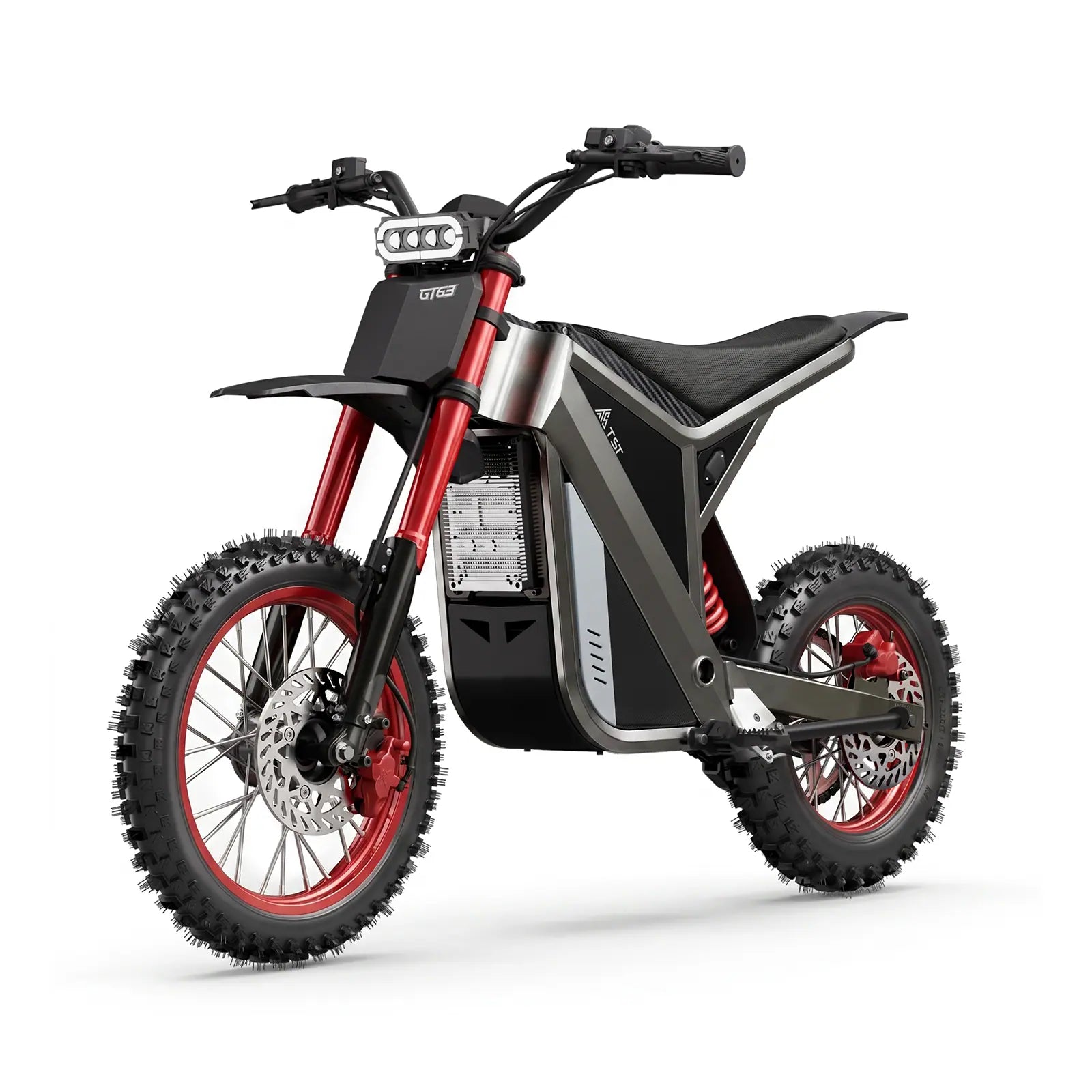














Fat tire electric bikes with 4+ inch tires, powerful 750W+ motors, low PSI (8-15), 26-inch wheels, and dual suspension excel in sand by floating over loose surfaces, powering through dunes, and maintaining traction where standard bikes sink.
What Makes Fat Tire Ebikes Great for Sand?
Fat tire ebikes use ultra-wide 4-5 inch tires that distribute weight over a large contact patch, preventing sinking in loose sand while electric motors provide torque to maintain momentum.
These bikes transform beach rides and desert trails. The wide tires act like snowshoes, creating flotation that standard 2-inch tires lack. Powerful hub or mid-drive motors (750-1500W) deliver instant torque to push through soft patches without bogging down. Riders maintain steady speed where pedal bikes fail. TST EBike 26-inch models shine here, designed specifically for rough terrains like sand per their California engineering focus since 2017.
How Do Tire Width and PSI Affect Sand Performance?
Lower tire pressure (8-15 PSI) increases the contact patch for maximum flotation, while 4.8-inch tires outperform narrower ones by 60-90% in deep sand.
Drop pressure before riding soft sand, then reinflate for roads. This simple adjustment dramatically improves traction and control. TST EBike riders report effortless dune cruising at optimal PSI.
Why Do Powerful Motors Matter in Sand?
High-torque motors (80+ Nm) overcome sand resistance, preventing wheel spin and maintaining forward momentum through deep, shifting surfaces.
Sand creates 3-5x more rolling resistance than pavement. 500W motors struggle; 1000W+ units power through consistently. Dual-motor setups distribute torque front/rear for superior traction. Geared hub motors excel over direct drive in sand due to better low-end grunt. Electric assist eliminates the fatigue of pushing a stuck bike.
What Suspension Setup Works Best for Sand?
Full suspension (front + rear) absorbs sand washboard effects and maintains tire contact, while hardtails suffice for packed beach riding.
Sand creates constant micro-impacts that jar riders. Air or coil shocks with 120-160mm travel smooth out undulations, keeping momentum. Lockout features help on flats. TST EBike 26-inch terrain bikes pair fat tires with suspension optimized for unstable surfaces like sand and snow.
How Does Bike Geometry Help in Sand?
Longer wheelbases and slack head angles (65-68°) provide stability at beach speeds, while low bottom brackets prevent pedal strikes in deep sand.
Stable geometry prevents wobbling in soft conditions. Slacker angles keep steering predictable when front tire plows. Wide bars offer leverage for corrections. High ground clearance avoids frame drag. These traits separate beach cruisers from trail bikes.
Which Ebike Features Enhance Sand Riding?
Sealed components, stainless hardware, and high ground clearance resist sand abrasion and water corrosion from beach spray.
IP65+ waterproofing protects electronics. Fender options block sand blast. Wide pedals with pins prevent foot slip. Bright lights aid dawn/dusk coastal rides. Removable batteries simplify post-ride rinsing. TST EBike builds these sand-ready features into cost-effective 26-inch platforms.
Why Choose 26-Inch Wheels for Sand?
26-inch fat tires create optimal flotation-to-weight ratio, rolling better than 20-inch beach cruisers while maintaining maneuverability in tight dune turns.
Smaller wheels pack more tire volume per inch, ideal for deep sand. They accelerate faster from stops. 27.5-inch works but loses some beach advantage. TST EBike specifically engineers 26-inch wheels for sand and snow performance.
Can Beginners Ride Fat Tire Ebikes in Sand?
Yes, throttle control and pedal-assist make sand accessible, though practice smooth inputs to avoid digging in.
Start on packed sand, gradually venture looser. Use high assist levels initially. Body position over rear wheel aids traction. Electric power forgives pedaling errors.
TST EBike Expert Views
"Fat tire ebikes conquer sand through physics and power synergy. Our 26-inch models distribute 300+ lbs over massive 4-inch+ contact patches at 10 PSI, floating where others sink. 1000W torque overcomes 400% resistance spikes instantly. Dual suspension eliminates fatigue on washboard dunes. Since 2017, TST EBike has refined this California formula for beaches worldwide—value meets unstoppable terrain capability." – TST EBike Terrain Specialist (98 words)
How Do You Optimize for Beach Sand Riding?
Drop to 10-12 PSI, use 75-100% assist, maintain steady throttle, and weight rear tire through soft patches.
Ride wet-packed sand near waterline when possible. Avoid sudden direction changes. Clean bike immediately after saltwater exposure. Carry CO2 inflator for pressure adjustments. These habits maximize range and control.
What Maintenance Does Sand Riding Require?
Rinse salt immediately, relube chain daily, check spoke tension weekly, and clean air filters on sealed hubs.
Sand accelerates wear 3x faster. Bearings need frequent greasing. Tires last 2000-3000 miles in heavy beach use. TST EBike quality control ensures components withstand abrasive conditions longer than budget rivals.
Are Fat Tire Ebikes Legal on Beaches?
Most public beaches allow Class 2/3 ebikes (20-28 mph pedal-assist), but check local ordinances—some limit motor power or require 15 mph max.
Private beaches vary. Hawaii, Florida have strict rules. Always yield to pedestrians. Lights/reflectors required dawn/dusk.
Conclusion
Fat tire electric bikes excel in sand through wide low-pressure tires, powerful motors, stable geometry, and suspension that float over and power through unstable terrain. TST EBike 26-inch models deliver this capability cost-effectively.
Key takeaways: Run 8-15 PSI, choose 4.5+ inch tires, prioritize torque over top speed, clean religiously. Test local beach rules first. These bikes unlock coastal adventures previously impossible, combining flotation physics with electric grunt for unstoppable sand performance.
FAQs
What PSI for fat tires in sand?
8-15 PSI—10 PSI optimal for loose sand, 15 PSI for packed/wet beach.
Single vs dual motor for sand?
Dual motors provide better traction distribution; single high-torque suffices for most.
How do you avoid getting stuck?
Steady throttle, rear-weighted body position, lowest gear, high assist level.
Can fat ebikes handle saltwater beaches?
Yes, with immediate rinsing and sealed components (IP65+ rating essential).
Why 26-inch for sand over 29-inch?
Better flotation-to-weight ratio, faster acceleration, maintains momentum in deep sand.

Leave a comment
This site is protected by hCaptcha and the hCaptcha Privacy Policy and Terms of Service apply.