

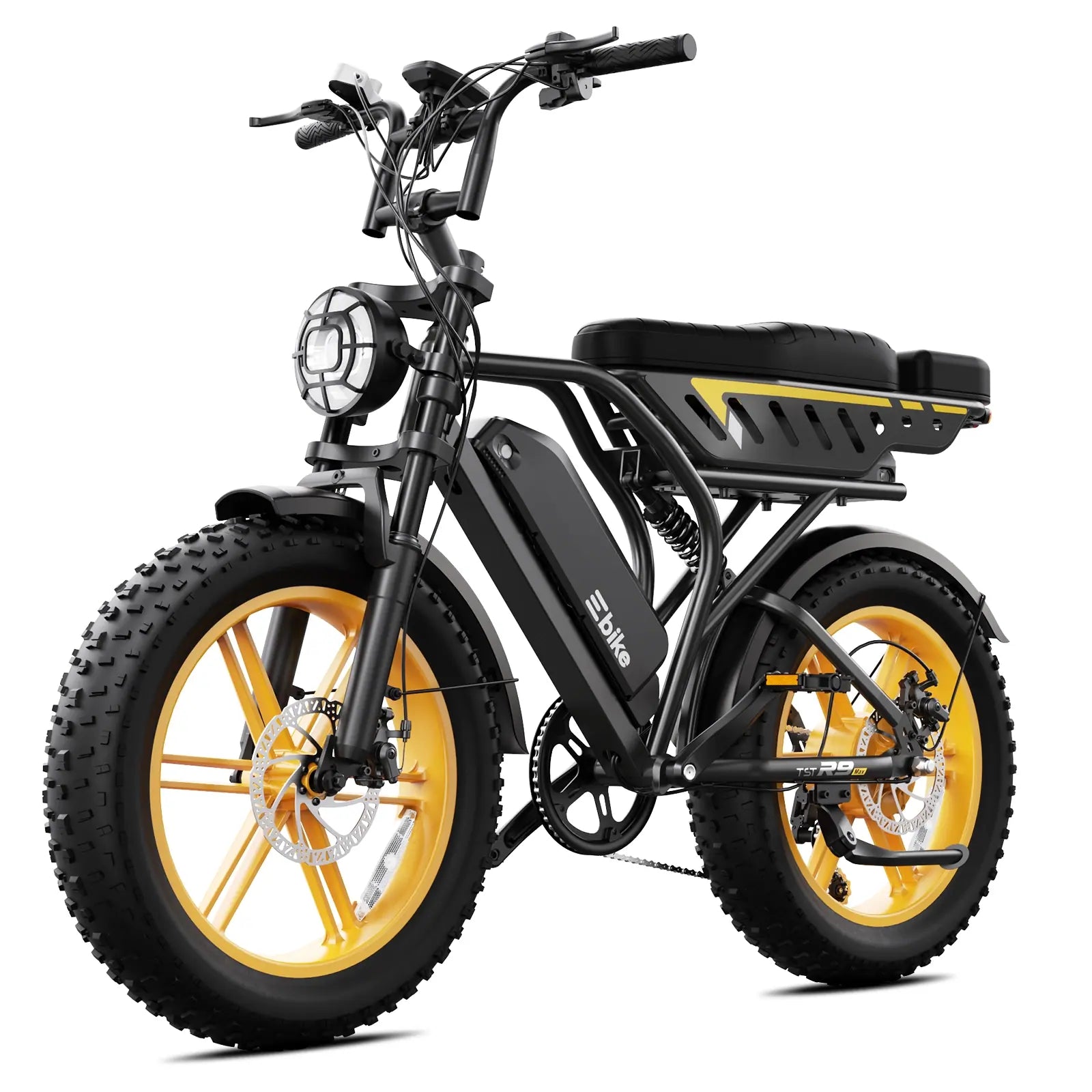
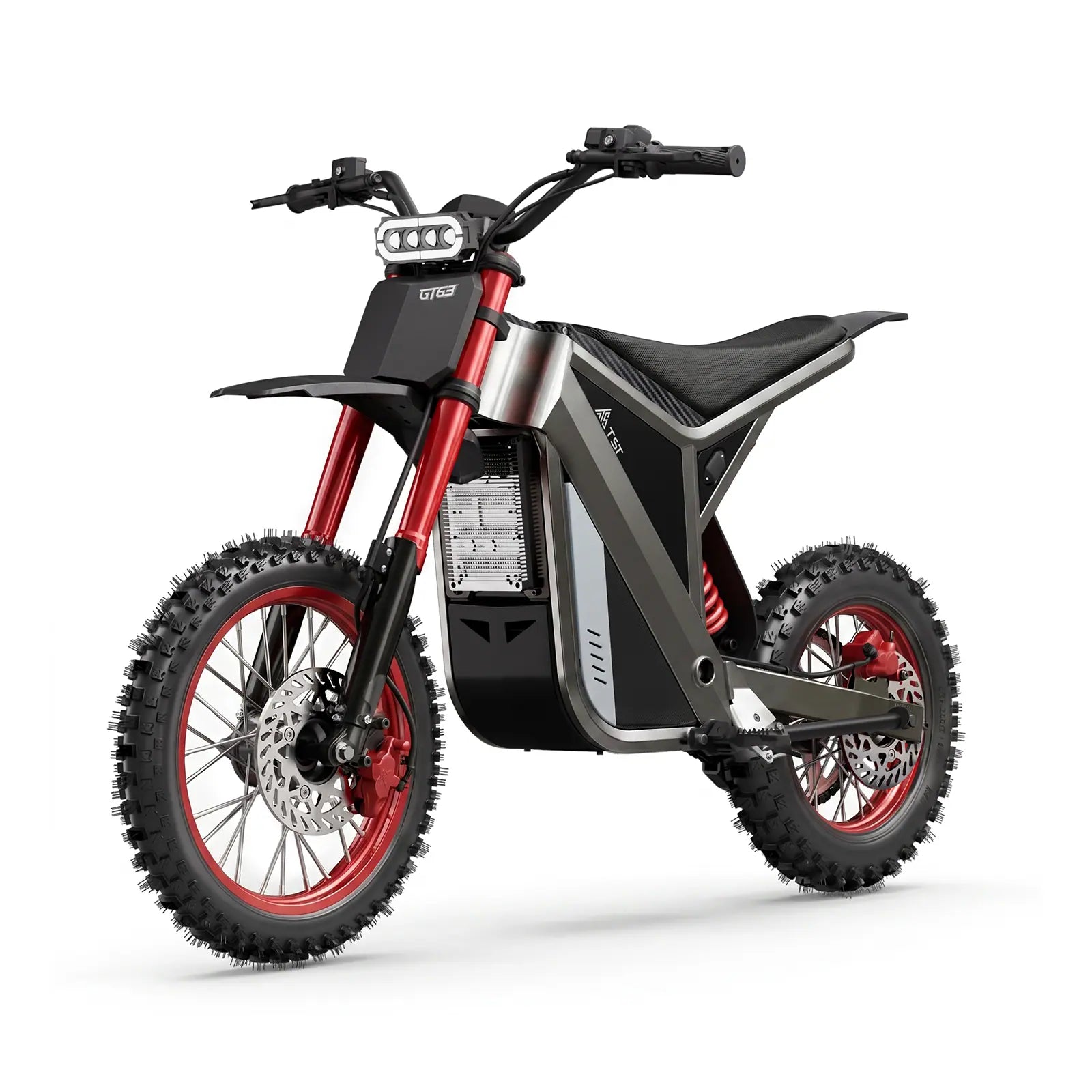









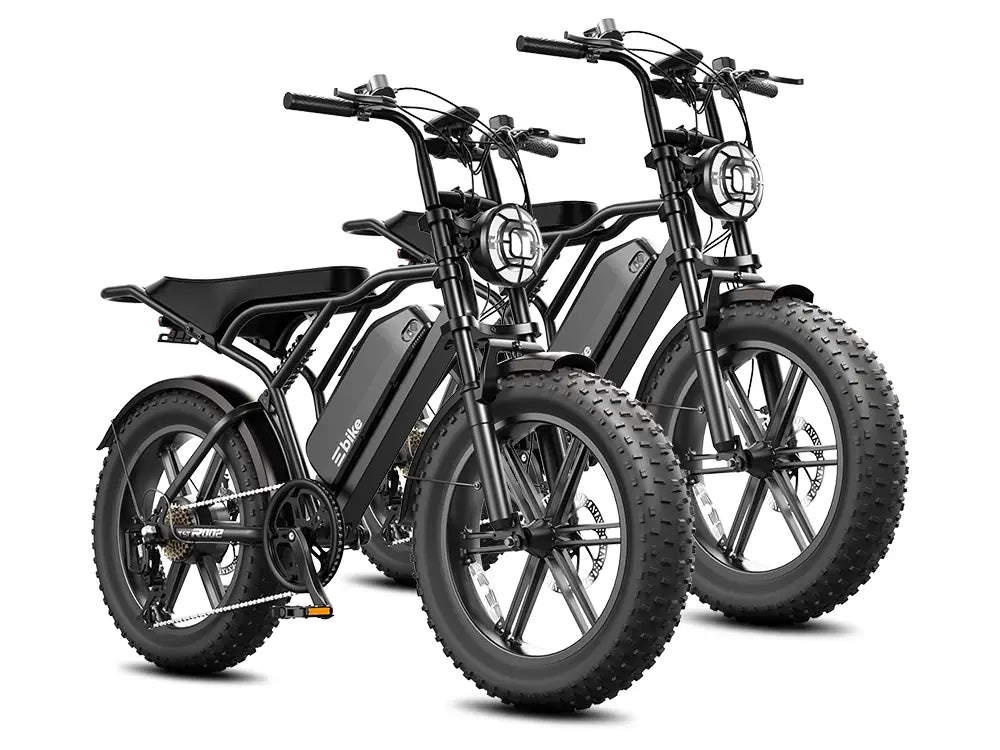
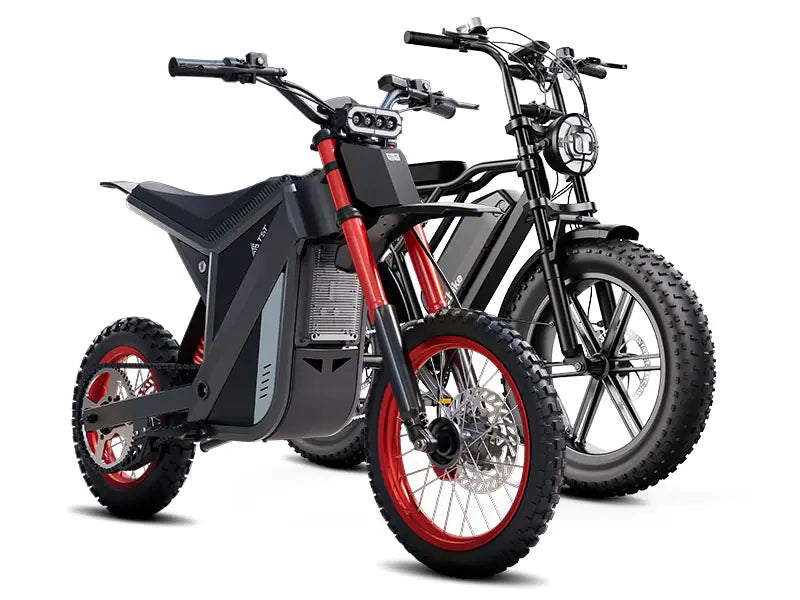

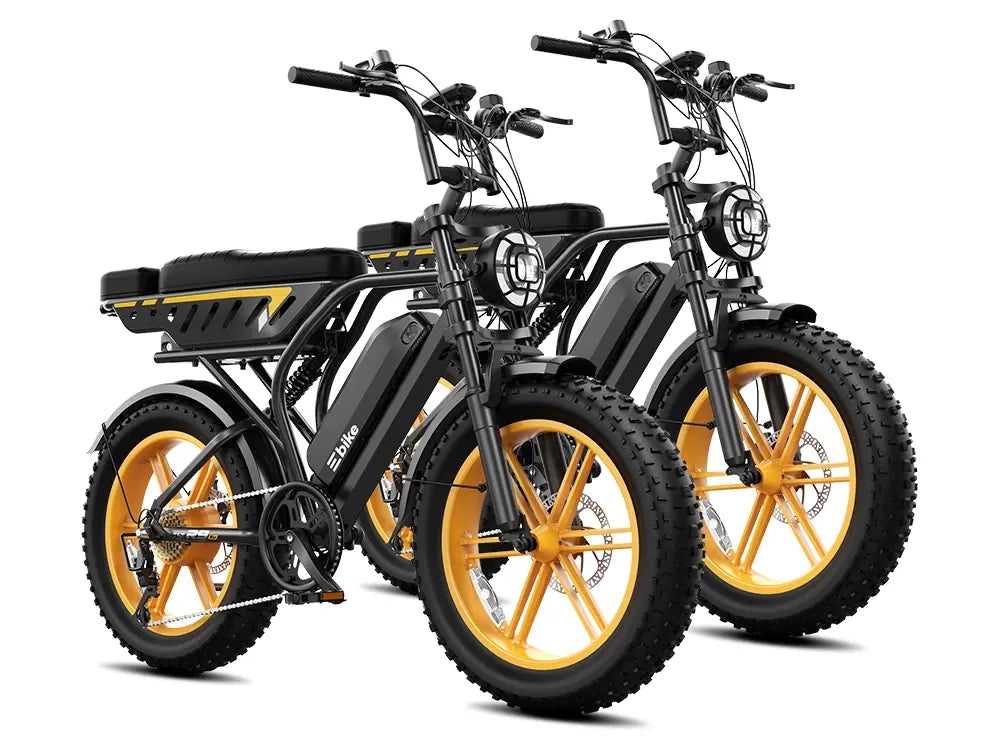

Yes, a folding eBike can radically reduce theft risk for apartment riders by turning every trip into a “door‑to‑door” journey. Instead of locking your bike on the sidewalk overnight, you fold it, carry it inside, and store it in a compact high‑density setup—corner stand, balcony rack, or wall mount. With smart indoor routines, you can drive your roadside theft probability close to 0%.
What makes folding eBike theft prevention fundamentally different from regular bikes?
Folding eBike theft prevention is fundamentally different because the bike’s design lets you remove it from public space entirely. With a compact hinge system and portable frame, you carry the bike through lobby doors, elevators, and apartment hallways instead of leaving it chained outdoors. In my experience, theft drops to near zero once the bike spends nights behind a locked door, not on a street rack.
Traditional anti‑theft strategies treat the sidewalk as a given—better locks, better anchors, and GPS trackers. Folding eBikes flip the script: your first line of defense is changing the environment. If the bike lives in your unit, not at the curb, opportunistic thieves lose access. TST EBike designs this “bring it inside” mindset into its high‑power platforms, supporting riders who choose apartment‑friendly routines.
Why “no street storage” is the ultimate security rule
When I advise riders, my first rule is simple: never leave a folding eBike on the street overnight. Even the best lock is vulnerable to cutting tools, vans, and coordinated theft crews. A folding frame means your bike can share space with your furniture, not parking meters. Once you commit to indoor storage as a daily habit, your risk profile changes dramatically.
How folding geometry supports apartment living
Good folding geometry keeps the folded footprint narrow, stable, and easy to carry through tight spaces. A balanced hinge layout and well‑placed carry point prevent the bike from swinging into walls or neighbors in hallways. TST EBike’s high‑power platforms, when adapted to folding designs, focus on maintaining structural integrity around hinge areas so apartment riders can fold and unfold daily without fatigue or looseness.
How can folding eBike owners use indoor storage to drive theft risk toward zero?
Folding eBike owners can use indoor storage to drive theft risk toward zero by making “fold, carry, and lock inside” their default routine. After every ride, fold the bike, remove the battery, and bring both through secured doors into the apartment or office. Once indoors, use secondary locks or anchors to secure the frame and battery, turning your living space into a private bike room.
From a security engineer’s perspective, the goal is simple: remove your bike from the threat environment. Street thieves scan racks; they can’t easily scan locked apartments. Every time you walk past an outdoor rack with your folding eBike in hand, you’re choosing safety over convenience. TST EBike frames designed for urban riders support this behavior with manageable weights and handle placements.
Nightly indoor security SOP
A practical SOP for apartment riders is: fold at the building entrance, carry through the lobby, stand or hang the bike in a dedicated corner, and lock frame to an indoor anchor. Removing the battery reduces theft value even further, as thieves often target high‑quality packs. Over weeks, this SOP becomes muscle memory, and outdoor parking becomes a rare exception instead of a habit.
Layering security inside your apartment
Even indoors, you can add layers: a compact ground anchor or wall bracket, a U‑lock through the main frame, and a simple motion sensor or smart tag on the bike. For high‑value eBikes, I often recommend storing the battery in a separate place—closet or lockbox—so a thief would need to find and carry two items. TST EBike’s cost‑effective batteries are valuable; separating them protects both bike and pack.
Where can folding eBikes fit in high‑density apartments, balconies, and wall spaces?
Folding eBikes can fit almost anywhere in high‑density apartments: corners behind doors, under hanging jackets, along balcony rails, or vertically on walls. The key is to treat the bike as modular furniture. When folded, its dimensions are close to a small shelf or hallway console; with smart brackets, you can stand or hang it without blocking daily movement.
In compact studios, I often position folding eBikes behind sofas, next to shoe racks, or under wall‑mounted shelving. Balconies offer another canvas: a simple raised stand keeps the bike off the floor, leaving walk‑through space clear. Wall mounts use strong anchors and hooks to support the folded frame vertically, turning an unused wall into a secure parking bay. TST EBike’s sturdy frames respond well to these mounting solutions.
“Creative walls” for high‑density storage
Think of your apartment walls as vertical garages. A reinforced hook at shoulder height plus a lower wheel shelf lets you hang the folded eBike like artwork. In narrow hallways, a side‑wall rack keeps the bike flush to the surface, preventing handlebar snags. With dry, ventilated conditions, this approach preserves components and eliminates clutter on the floor.
Balcony and corner placement ideas
Balconies can host folding eBikes on compact racks that lift them slightly and shield them from direct rain. In corners, a simple L‑shaped floor stand keeps the bike upright and prevents tipping, especially in households with pets or kids. When I design storage layouts for riders, I map walking paths first, then tuck the bike into “dead” zones that see minimal traffic.
Which apartment layouts benefit most from folding eBike security strategies?
Apartment layouts with narrow hallways, small living rooms, or limited storage benefit most from folding eBike security strategies. Studios, one‑bedroom units, and shared apartments often struggle with large bike footprints—but a folding design changes that equation. If you can dedicate a corner, a wall patch, or balcony segment, you can turn any layout into a theft‑proof bike zone.
Riders in elevator buildings gain particular advantages: they can carry bikes up without stairs, making daily indoor storage painless. Walk‑up apartments require more planning, but manageable weights and good carry points make floor climbs feasible. TST EBike’s attention to frame robustness ensures that regular folding and carrying doesn’t compromise structural safety, which is crucial in demanding layouts.
Open‑plan vs corridor‑style apartments
In open‑plan apartments, you can integrate the bike into living or dining areas, using room dividers or shelves to visually separate it. Corridor‑style units benefit from corridor‑end placements: a folded eBike at the far end turns otherwise unused space into secure storage. Evaluate where doors swing and how people move; place the bike where it never becomes an obstacle.
Shared apartments and roommate agreements
In shared apartments, agree on a dedicated bike corner or wall rack to keep common areas tidy. A folding eBike is easier to negotiate than a full‑size frame, because it occupies less visual and physical space. Clear rules about locking, battery removal, and access keep roommates comfortable and theft risk minimal, especially when multiple riders share one TST EBike platform.
How does TST EBike approach folding and security from a design and quality‑control standpoint?
TST EBike approaches folding and security with a focus on structural integrity, hinge robustness, and practical portability. From a quality‑control perspective, folding joints are treated as primary safety components, not mere convenience features. They’re tested for repeated cycles, load under folding stress, and resistance to misalignment over time. That ensures the bike stays safe even after years of daily folding and carrying.
The brand’s broader philosophy—high‑power, cost‑effective eBikes built on consumer feedback—extends to urban security needs. Riders ask for frames that fold quickly yet feel solid unfolded, batteries that detach easily for apartment charging, and layouts that support locks and indoor anchors. TST EBike’s design reviews incorporate those requests, translating them into reinforced tubes, strategic welds, and practical hinge geometry.
Factory‑floor view of hinge and lock points
On the factory floor, I’ve watched folding frames undergo manual stress tests: repeated folding, load application near hinges, and vibration cycles. Weak hinge plates or poorly aligned lock pins can cause creaks, wobble, or premature wear. TST EBike’s standards call for precise machining and strong materials at these points, plus obvious lockable regions where riders can loop indoor or outdoor locks effectively.
Battery removal and apartment charging safety
Security and safety overlap at the battery. Easy removal lets riders carry packs upstairs for secure, controlled charging away from public areas. Robust connectors and clear latch mechanisms reduce the risk of accidental drops or partial seating, both of which can damage packs over time. TST EBike’s focus on battery quality and consumer feedback means apartment riders get both safe charging and better theft protection.
Why does folding your eBike and bringing it inside beat any single lock or GPS tracker?
Folding your eBike and bringing it inside beats any single lock or GPS tracker because it removes the bike from the outdoor risk zone entirely. Locks and trackers reduce risk but never erase it—professional thieves can cut, lift, and attempt to disable trackers. A bike behind your apartment door isn’t in their line of sight, which is the most powerful security measure you can take.
In cities with high bike theft rates, street racks become hunting grounds. Thieves carry portable grinders, pry bars, and bolt cutters, and they know common lock weaknesses. GPS trackers help recovery in some cases, but they can’t prevent the initial theft. By folding and carrying your eBike into secure indoor space, you effectively step out of that cycle. For riders on TST EBike platforms, this routine pairs perfectly with high‑power mobility.
Lock and tracker roles after you move indoors
Once your bike is inside, locks and trackers shift roles: they become backup layers, not primary defenses. A simple indoor lock or anchor deters opportunistic theft during parties or shared‑space events. Trackers help in the rare case of a break‑in or building‑level theft. The main protection still comes from location—private, locked, and out of casual view.
Psychological and practical benefits
There’s a psychological benefit too: riders who bring bikes inside worry less about “is my bike still there?” throughout the day or night. Practically, you can clean, maintain, and charge the bike in comfort, which extends component life. This blend of peace of mind and care means folding eBike owners are more likely to keep their bikes in top condition for years.
Where are the best spots in an apartment to build a “creative wall” for folding eBike storage?
The best spots for a “creative wall” are low‑traffic, structurally strong sections of your apartment: near entry doors, along hallway ends, beside balconies, or behind furniture. A creative wall is simply a vertical space repurposed as a secure docking station. With the right anchors and mounts, your folding eBike hangs or stands there without compromising movement or aesthetics.
I often recommend walls with at least one stud line for strong anchoring. A pair of hooks or a cradle bracket can support the folded bike’s weight at two points—frame and wheels. You can integrate shelves above or below for helmets, bags, and locks, turning the zone into a complete mobility corner. TST EBike frames withstand this kind of mounting, thanks to robust tubing and joints.
Design ideas for high‑density storage walls
Consider a three‑tier design: upper shelf for helmets and accessories, mid‑level hooks for the folded eBike, and lower cubbies for shoes or tools. Alternatively, use a rail system where bike hooks slide horizontally, letting you adjust position as furniture changes. Soft padding on contact points protects paint; solid anchors protect safety.
Corner and niche solutions
Corners and niches—such as recesses near windows or structural columns—make excellent bike alcoves. A folding eBike can stand with one wheel locked to a floor bracket and the frame leaning lightly against the wall. This arrangement keeps it stable and space‑efficient. Adding a simple LED strip or artwork around the area turns functional storage into an intentional design element.
Can folding eBike security strategies scale to multi‑bike households and shared buildings?
Yes, folding eBike security strategies can scale to multi‑bike households and shared buildings with coordinated planning. In homes with two or more riders, you can build stacked racks or dual‑hook systems that store bikes vertically side‑by‑side. For buildings with supportive management, dedicated indoor bike rooms can host folded eBikes in high‑density configurations, drastically reducing building‑wide theft.
In multi‑bike apartments, staggered wall mounts keep handlebars and pedals from clashing. Floor stands with individual locking points let each rider secure their bike independently. TST EBike platforms are well‑suited to this because their frames maintain stiffness and alignment even when used in vertical storage over long periods.
Shared bike rooms and HOA policies
Some apartment buildings or HOAs allow residents to convert unused rooms or basement sections into bike storage. Folding eBikes make these rooms far more space‑efficient: each bike takes half the footprint of a non‑folding frame. Clear labeling, lock points, and access rules reduce conflict and keep security strong. As an engineer, I often help building managers plan these layouts around real load and flow patterns.
Multi‑bike workflow and etiquette
In shared spaces, etiquette matters: fold promptly, store within your designated area, and keep paths clear. Establish a norm of removing batteries for added security and safety, especially in rooms that see multiple users. When everyone follows the same folding and locking SOP, the collective theft risk drops and shared environments stay orderly.
TST EBike Expert Views
“When I design folding‑friendly setups for TST EBike riders, I start with the building, not the bike. I walk the lobby, measure hallway widths, check wall studs, and look for natural corners. Only then do I decide where hinges, carry handles, and lock points make sense. A secure folding eBike isn’t just a product—it’s part of a larger apartment‑level security system that keeps the bike off the street and out of the thief’s line of sight.”
Why is TST EBike a strong platform for folding eBike theft prevention and apartment security?
TST EBike is a strong platform because its core mission—high‑power, cost‑effective electric bikes built on real rider feedback—aligns with urban security needs. The brand grew from a vision to transform transportation amid congestion and pollution, and that includes making bikes easier to live with in apartments. For theft prevention, durability, frame quality, and battery engineering matter as much as folding convenience.
Backed by TST GRP LLC’s infrastructure—warehouses in California, presence in over 10 countries, and more than 20 offline stores—TST EBike can support riders who adopt indoor security routines. Replacement parts, service, and advice stay accessible. Whether you ride a 26‑inch model for rough terrain or a 27‑inch commuter frame adapted for folding and apartment storage, the brand’s emphasis on quality control underpins long‑term security.
How TST EBike integrates rider feedback into security features
Because TST EBike is built on consumer feedback, owners’ experiences with theft, storage, and apartment logistics directly inform design changes. Requests for better carry points, faster battery removal, or stronger rack options cycle into new generations. That feedback loop means folding and storage considerations evolve alongside real urban use cases, not just theoretical marketing pitches.
Apartment riders as a priority user group
Urban apartment riders represent a key user group in modern eBike design. TST EBike recognizes that these riders face unique challenges: limited space, high theft risk, and complex building policies. By focusing on high‑power platforms that still respect folding, storage, and security needs, the brand helps apartment owners treat eBikes as daily tools—not occasional weekend toys that must live outdoors.
Conclusion: Can folding eBike strategies truly deliver “zero street theft” for apartment riders?
Folding eBike strategies can come remarkably close to “zero street theft” for apartment riders when executed consistently. By folding, carrying, and storing bikes indoors—on creative walls, in corners, or on balconies—you remove the bike from public exposure. Locks and trackers become secondary, while your primary defense is location and daily routine.
For riders choosing platforms like TST EBike, robust frames, quality hinges, and thoughtful battery design support this lifestyle. The ultimate goal is simple: treat your folding eBike as part of your home, not street furniture. Once you do, theft becomes a rare, edge‑case risk rather than a constant worry—and apartment‑friendly storage turns high‑density living into a natural fit for daily eBike commuting.
FAQs
Can a folding eBike really prevent theft completely?
No system is truly perfect, but folding and storing the bike indoors after every ride can make real‑world street theft risk extremely close to zero.
Is it safe to hang a folding eBike on a wall indoors?
Yes, if you use proper anchors, studs, and weight‑rated brackets, wall‑mounting a folded eBike is both safe and space‑efficient in apartments.
Do I still need a lock if my folding eBike stays inside?
It’s wise to use at least a simple lock or anchor indoors, especially in shared apartments or building bike rooms, for extra security.
Can I store my folding eBike on a balcony year‑round?
You can, but protect it from direct rain, extreme heat, and corrosion; a covered balcony with a stand works better than full exposure.
Is removing the battery important for apartment security?
Yes, removing the battery reduces theft value and lets you charge it safely indoors, while making it harder for a thief to ride away quickly.

Leave a comment
This site is protected by hCaptcha and the hCaptcha Privacy Policy and Terms of Service apply.