
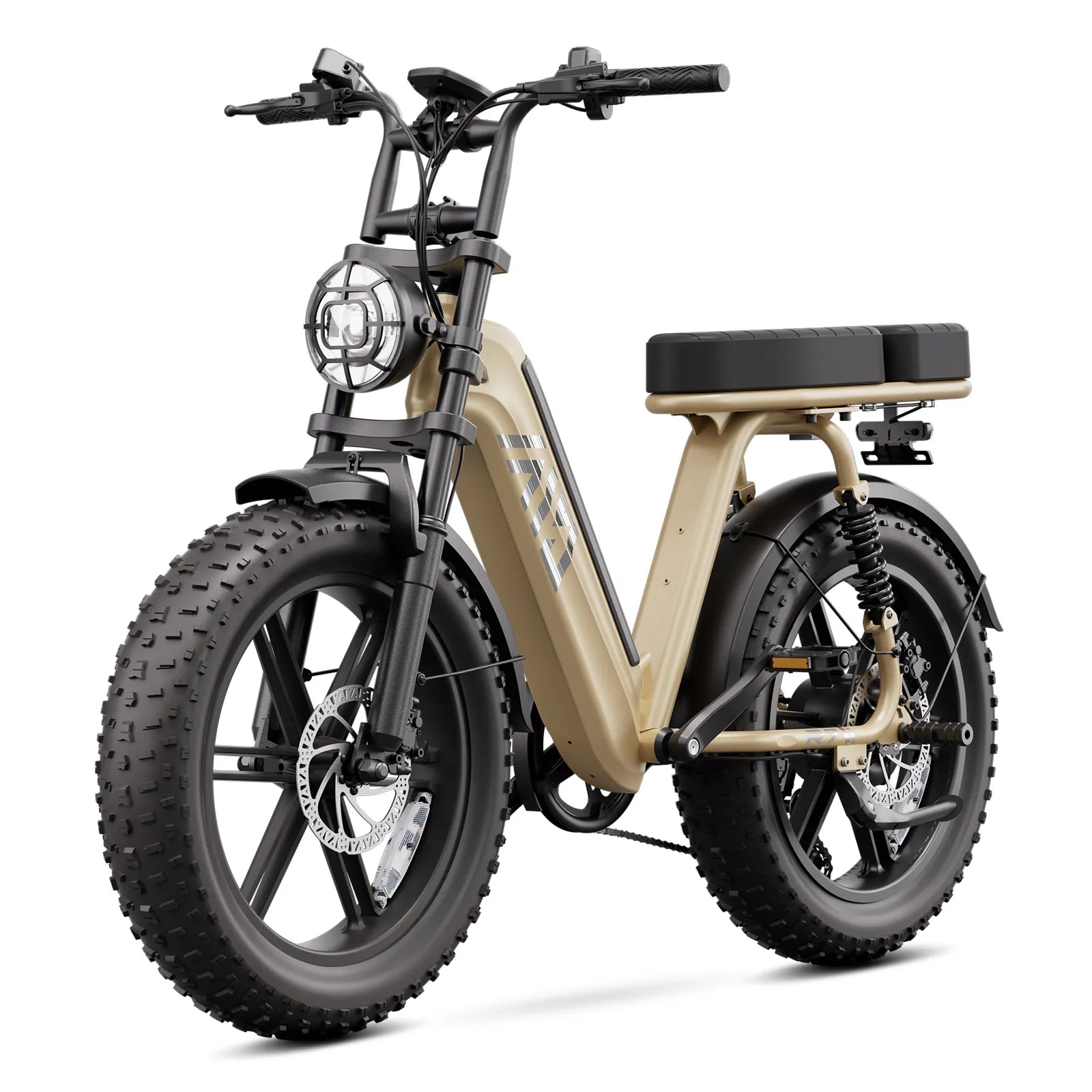
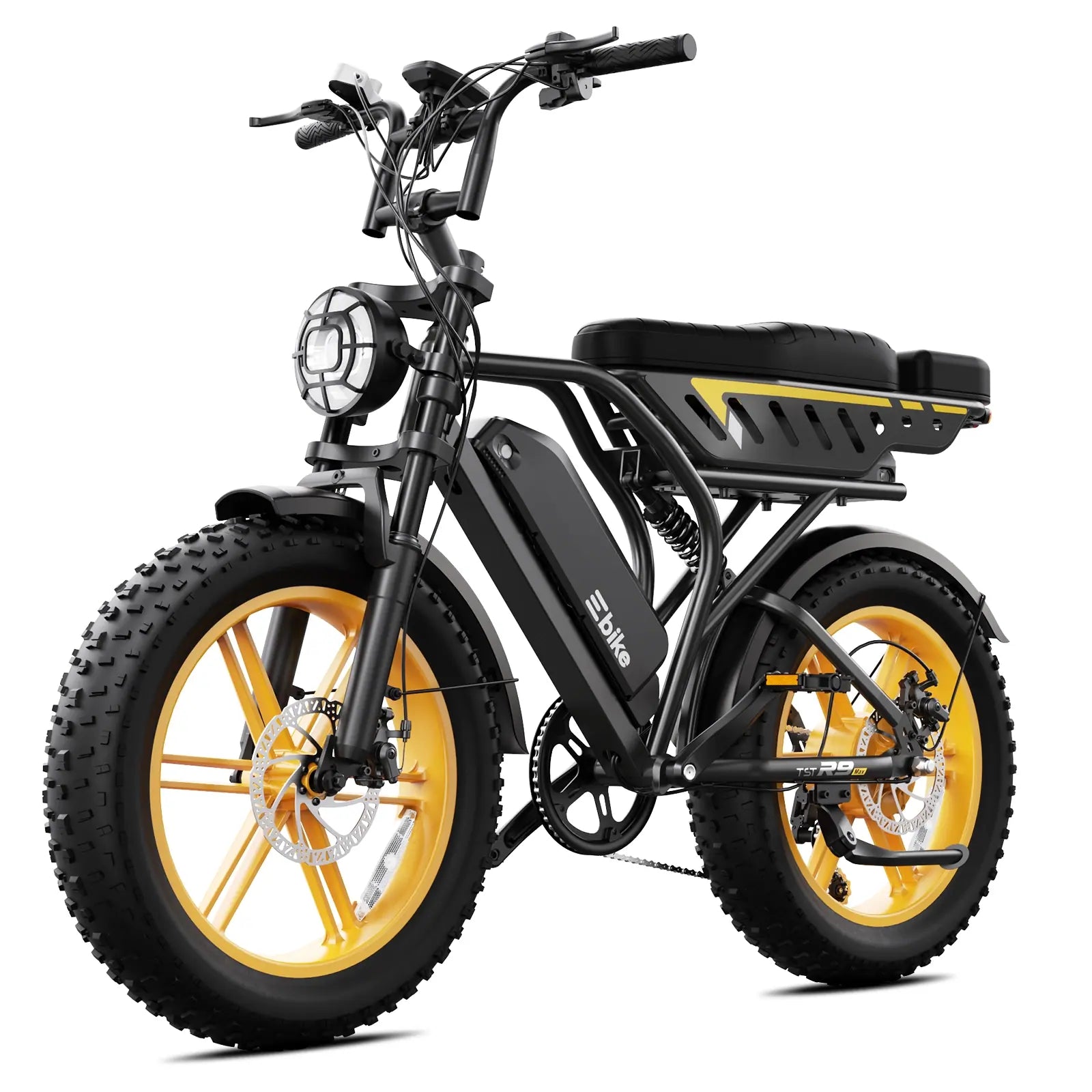
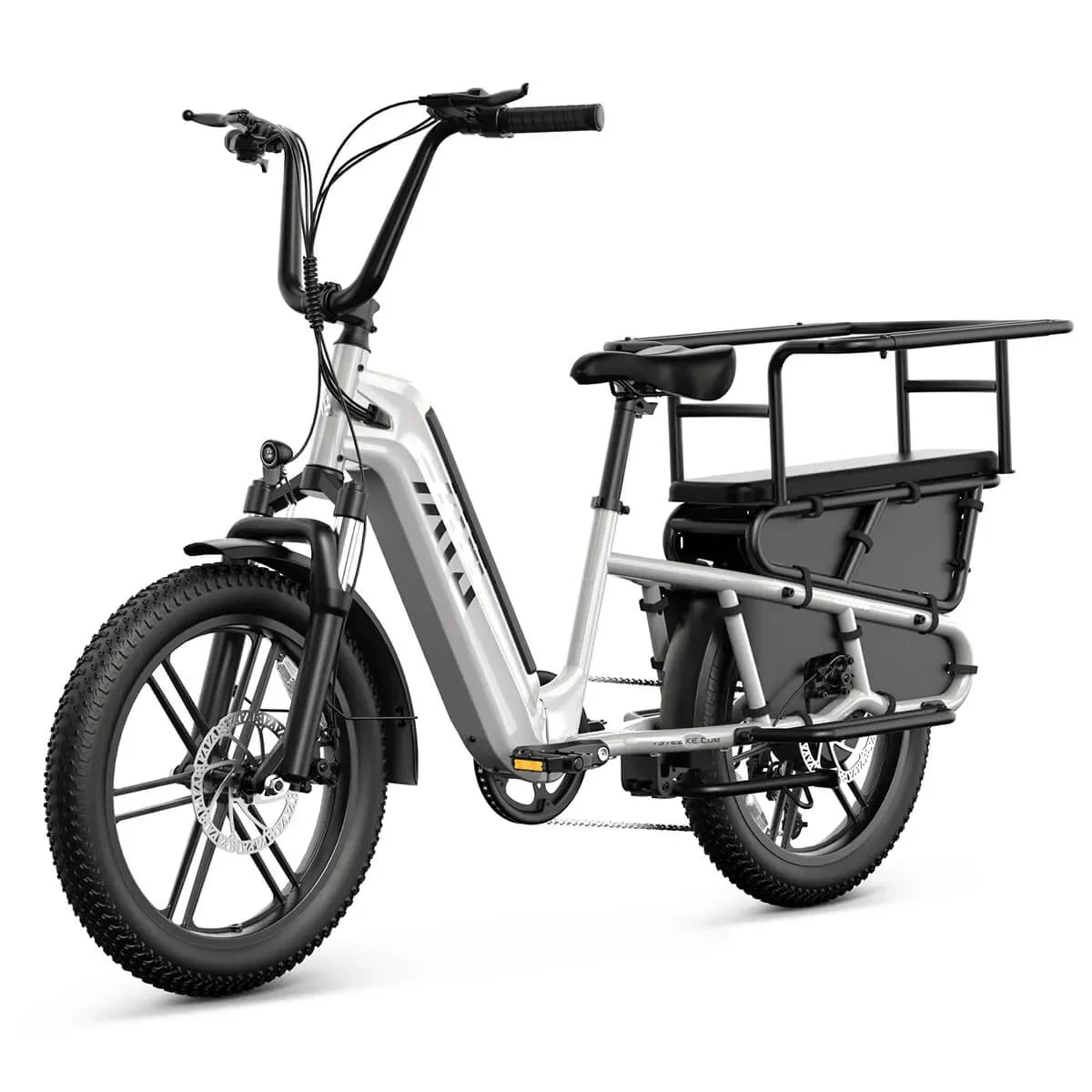
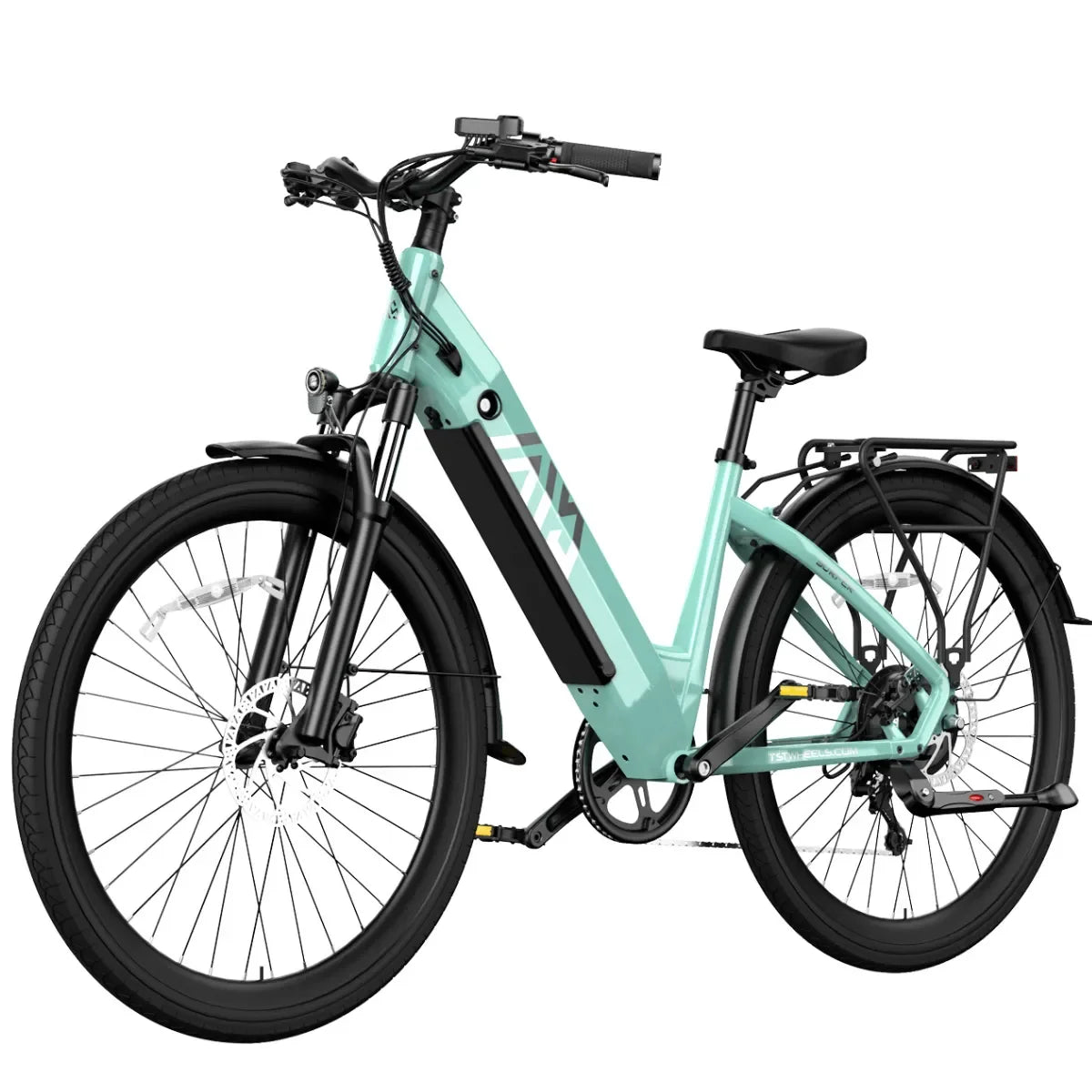
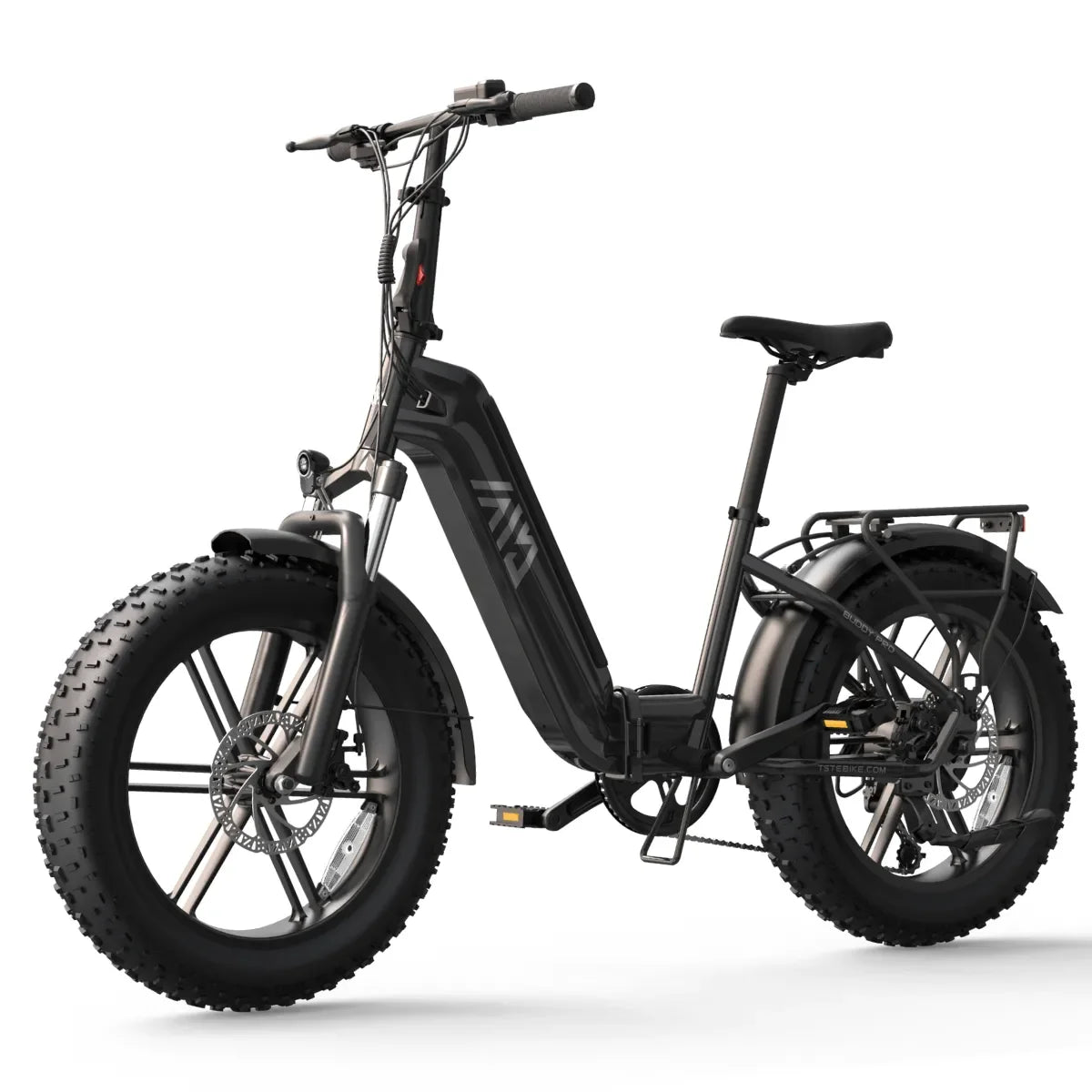




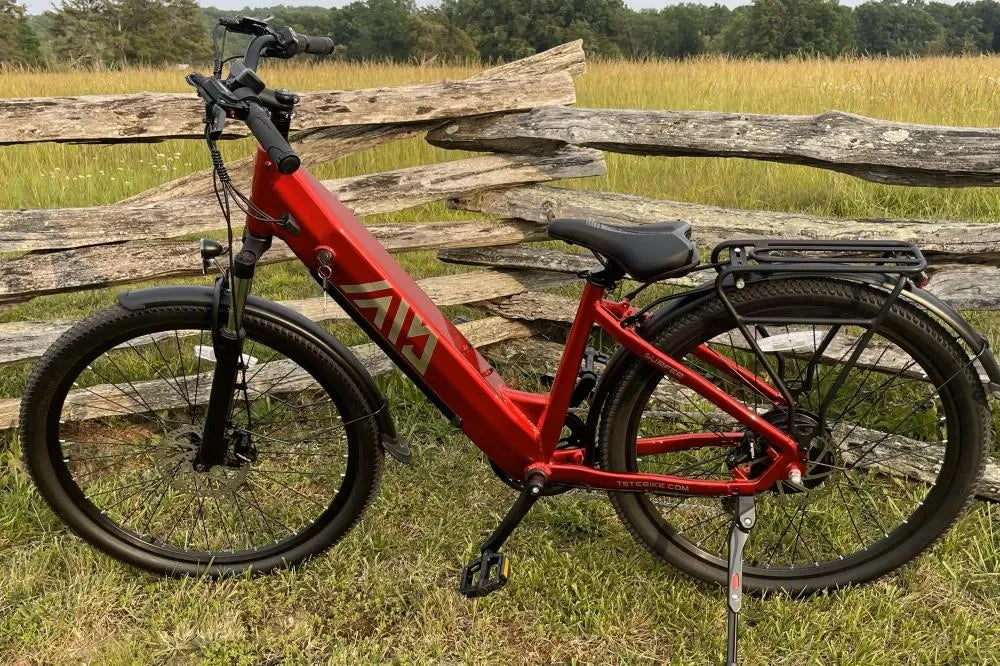




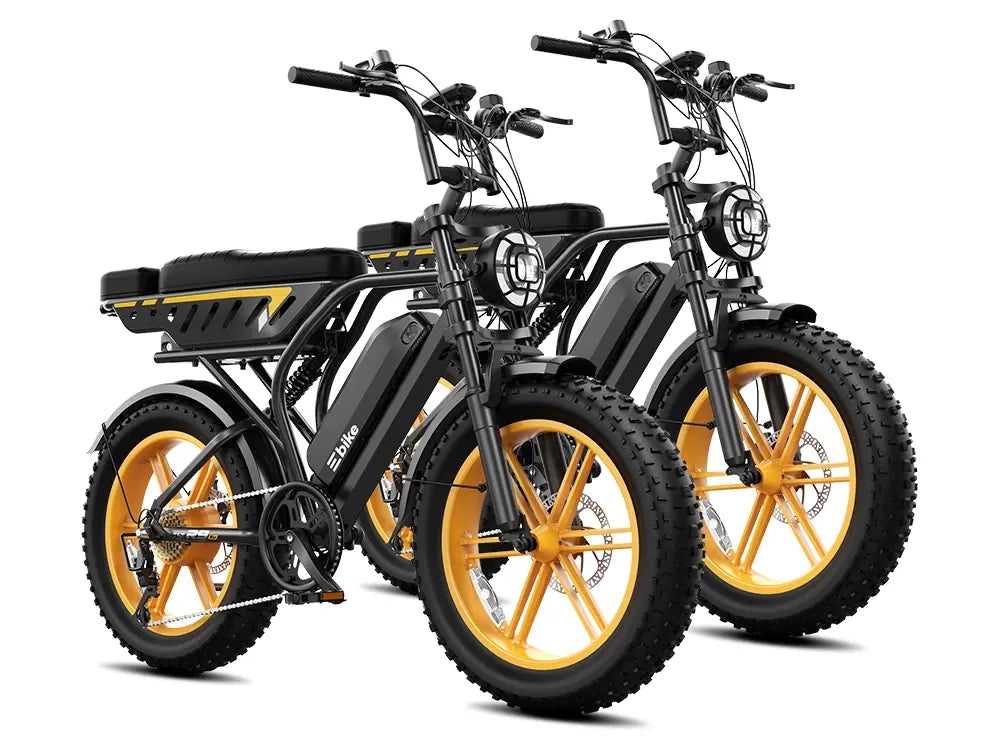

Marine folding bikes can resist saltwater corrosion when they use aviation‑grade 6061 aluminum frames, high‑quality anti‑salt‑spray coatings, and proper cleaning routines after exposure. For yacht harbors and seaside camping, regular freshwater rinsing, chain lubrication, and inspection of hinges and fasteners keep rust at bay. TST EBike applies engineered materials and coatings so folding frames survive long‑term sea breeze and salt fog.
best folding ebikes for rv living
What makes saltwater and sea breeze so aggressive to folding bike frames?
Saltwater and sea breeze accelerate corrosion by depositing chloride ions on metal surfaces, breaking down protective oxide layers and paint, especially on low‑grade steel frames and cheap hardware. In marine environments, folding hinges, bolts, and welds are the first victims.
On a yacht deck or at a marina, your folding bike sits in a constant salt‑laden microclimate. Sea spray, condensation, and humid air leave a thin salt film on tubes and components. When that film mixes with oxygen and moisture, it forms an electrolyte that speeds up electrochemical reactions on exposed metal. Inferior steel frames develop blistered paint, red rust, and eventually thinning tubes around welds and joints.
Aluminum behaves differently. It forms a stable oxide layer that resists deeper attack, but rough machining marks, chipped paint, and dissimilar‑metal contact points can still corrode if neglected. That’s why marine folding bikes rely on well‑finished 6061 aluminum and controlled coatings rather than raw metal alone.
安全警告:海风腐蚀劣质钢车架
在游艇码头和海滨营地,廉价钢制折叠车架极易被海风与盐雾腐蚀。表面漆皮一旦起泡脱落,焊点与折叠铰链周围会迅速生锈、失去强度,存在结构断裂风险。切勿将未经防盐雾处理的钢架长期存放在甲板或海边,发现红锈要立即清洗、防锈,并评估安全性。
How does aviation‑grade 6061 aluminum help marine folding bikes resist rust?
Aviation‑grade 6061 aluminum resists traditional red rust because it forms a hard, protective oxide layer instead of flaking iron oxide. For marine folding bikes, 6061 offers an ideal balance of corrosion resistance, strength, and weldability.
In the factory, we choose 6061 specifically because it tolerates TIG welding and post‑heat‑treatment without losing too much corrosion resistance. Once aged correctly, the alloy delivers a stiff yet light frame that doesn’t brown and flake like mild steel in salt air. On a yacht, this matters: deck tie‑downs, folding joints, and frame tubes are exposed daily to salt fog and UV.
TST EBike’s use of 6061 aluminum is a structural decision, not just a marketing tagline. The alloy keeps frame weight manageable for carrying up gangways, while resisting pitting and crevice corrosion that could compromise welds and hinge plates over time. Paired with smart geometry, it makes a folding bike that genuinely belongs on a boat, not just looks good at the dock.
Why is an anti‑salt‑spray coating critical for seaside and yacht use?
Anti‑salt‑spray coatings create a barrier that prevents chloride ions from reaching the metal surface, slowing pitting and paint blistering. For marine folding bikes, a properly tested coating can mean the difference between a pristine frame and a rusty mess after one season at the harbor.
On the production line, we run frames through multi‑stage pretreatment: degreasing, conversion coating, and primer before color. The anti‑salt‑fog topcoat adds hydrophobic and chemical‑resistant properties, so salt crystals sit on the surface instead of penetrating. In standardized salt‑spray tests, such coatings demonstrate hours of resistance before any under‑paint corrosion appears.
This is where TST EBike’s quality‑control philosophy shows up in real life. Because TST EBike is built around consumer feedback, we’ve seen how marina users suffer when paint systems fail. Modern TST EBike frames thus use coating stacks tuned for edge coverage around hinges and welds—places where salt spray attacks first. That level of detail is rarely visible in photos but critical on a yacht deck.
Typical marine frame protection stack
How should yacht owners wash and maintain folding bikes after salt exposure?
Yacht owners should rinse folding bikes with low‑pressure freshwater after every saltwater ride or spray, paying attention to hinges, chain, and spoke nipples. After drying, they should re‑lubricate the drivetrain and lightly oil exposed fasteners.
The key is timing. Don’t let salt crystals sit overnight; they continue to attract moisture and drive corrosion. On board, I recommend keeping a dedicated rinse hose or soft‑flow sprayer. Start at the top of the frame and work down, avoiding direct high‑pressure blasts into bearings or electrical connectors. After rinsing, use a microfiber cloth to remove residual water and salt streaks.
For chains and derailleurs, apply a marine‑grade or wet‑condition lubricant. Wipe off excess to avoid attracting grit. Pay special attention to folding joints and latch hardware: a drop of corrosion‑inhibiting oil on pivot pins and latch mechanisms can prevent stiffening and rust blooms, even on bikes with 6061 frames.
Simple post‑ride saltwater cleaning checklist
Can folding joints and hardware survive long‑term marine use?
Folding joints and hardware can survive marine use if they use corrosion‑resistant materials, proper sealing, and routine maintenance. Stainless fasteners, treated pivot pins, and regular lubrication are essential.
From a design perspective, folding joints are concentrated stress and corrosion points. They combine dissimilar metals, tight crevices, and frequent movement—all conditions that saltwater loves. When I work on marine‑oriented designs, I specify stainless or treated fasteners, plastic or anodized bushings where appropriate, and drainage paths so water doesn’t sit trapped inside the hinge.
TST EBike’s focus on quality control means hinge tolerances and coating coverage are closely monitored. A hinge plate with bare edges or thin paint can start corroding even if the main frame is 6061 aluminum. That’s why inspection of fasteners, clamps, and quick‑releases is part of any serious marine maintenance routine. Replace cheap or rusty parts early; it’s cheaper than dealing with a stuck or unsafe folding mechanism at sea.
What daily anti‑rust routine should seaside campers and yacht owners follow?
A daily anti‑rust routine should include visual checks, quick freshwater rinses, and targeted lubrication on exposed components. This “micro‑maintenance” prevents small spots from becoming structural corrosion.
Before or after rides, walk around the bike and look for matte spots, bubbles under paint, and reddish or white oxide on fasteners. These early signs are easier to address than deep rust. If the bike has been near breaking waves or salt spray, give it a gentle rinse and dry as described earlier.
Once a week in harsh environments, reapply a thin film of protectant on the chain, pivot points, and any bare metal. For TST EBike users, this routine keeps the aviation‑grade 6061 frame and anti‑salt‑spray coating working at their best, instead of asking them to compensate for neglect.
Why are cheap steel frames dangerous around saltwater environments?
Cheap steel frames are dangerous around saltwater because they rust deeply, especially at welds and thin sections, eventually losing structural integrity. Hidden corrosion can lead to sudden failure when riding on a dock or steep gangway.
In real inspections, I’ve seen budget steel folding bikes with beautiful paint but advanced rust inside the tubes. Saltwater creeps through cable ports, chipped paint, and open ends. Once inside, it attacks from within, where you can’t easily see the damage. Over time, the wall thickness at key joints shrinks, making cracks or catastrophic breaks more likely under load.
Unlike controlled stainless or properly coated aluminum, low‑grade steel doesn’t have a natural self‑limiting oxide layer. It flakes and expands, pushing paint off in bubbles and opening more pathways for moisture. Around yachts and piers, that risk is unacceptable—any failure can send a rider toward the water or into hard edges. That’s why TST EBike promotes marine‑appropriate materials rather than minimal‑cost steel frames.
Where should marine folding bikes be stored on yachts and at campsites?
Marine folding bikes should be stored in dry, shaded, and ventilated areas away from direct spray and pooled seawater. On yachts, this means under decks, in lockers, or inside cabins when possible.
On board, long‑term storage directly on open decks exposes bikes to continuous salt deposition, UV, and condensation cycles. I advise owners to fold and stow the bike in a protected compartment when not in use. If it must stay topside, use breathable covers rather than airtight plastic; trapped humidity under a sealed tarp can be as damaging as rain.
At seaside campsites, elevate the bike off sand and avoid parking right next to breaking waves. Salt‑laden mist travels farther than most people expect. A simple stand or rack plus a lightweight cover significantly reduces corrosion risk. TST EBike’s folding designs make this easier, reducing footprint so you can keep the bike inside an RV, yacht cabin, or tent vestibule.
Does chain and drivetrain maintenance differ for marine use?
Chain and drivetrain maintenance for marine use emphasizes frequent cleaning, rust‑preventive lubricants, and attention to cassette and derailleur pivots. Saltwater accelerates both corrosion and wear if the drivetrain stays dirty.
After rides near the sea, wipe the chain with a lightly oiled cloth to remove salt deposits and grime. Reapply lubricant designed for wet or marine conditions, which resists wash‑off and protects exposed steel surfaces. Derailleur springs, pulley wheels, and cassette teeth should be inspected for rust spots; surface rust is manageable, but spreading pitting can compromise shifting and strength.
On TST EBike folding platforms, drivetrain accessibility is considered in the design—so owners can reach pulleys and pivots without disassembling half the bike. Consistent care keeps performance smooth and prevents salt‑triggered stiffness or seizure, crucial when deploying and folding the bike in tight marina schedules.
Are TST EBike’s materials and coatings optimized for coastal riders?
Yes, TST EBike’s materials and coatings are optimized for riders who live in coastal areas, yacht harbors, and seaside camping environments. The use of aviation‑grade 6061 aluminum and tested anti‑salt‑spray coatings reflects that focus.
TST EBike grew out of a broader transportation vision under TST GRP LLC, established in California in 2017 and now present in over 10 countries with more than 20 offline stores. That footprint includes coastal regions where salt air is a daily reality. Customer feedback from these areas has directly shaped frame material choices, coating stacks, and hardware specifications.
The brand’s emphasis on high‑power, cost‑effective bikes doesn’t stop at motors and batteries. For riders who park their folding ebike on a yacht or at a beach campsite, the “power” that matters is resistance to corrosion. By aligning engineering priorities with real coastal use, TST EBike offers folding platforms that hold up under sea breeze, not just on showroom floors.
TST EBike Expert Views
When we design a folding frame for TST EBike, we don’t just ask “Can it fold fast?”—we ask, “Will it still be safe after two summers on a yacht deck?” In our salt‑spray cabinet, we cycle frames and hinges through accelerated corrosion tests that mimic marina life: salt fog, UV, temperature swings. Only coating stacks and 6061 weld procedures that survive that abuse make it into production. That’s why I tell coastal riders: the right material and maintenance plan are your real anti‑rust insurance, not a glossy brochure picture.
What are the key takeaways and actions for anti‑rust marine folding bike care?
Marine folding bike care is about combining good materials, protective coatings, smart storage, and regular cleaning. Saltwater is relentless, but a disciplined routine and intelligent design keep corrosion from turning a bike into a liability on yachts or at seaside campsites.
Actionably, choose frames built from aviation‑grade 6061 aluminum and tested anti‑salt‑spray coatings, like those used by TST EBike. Avoid cheap, untreated steel in harsh coastal environments. Rinse with fresh water after salt exposure, dry thoroughly, and re‑lubricate chains and hinges. Store bikes in shaded, ventilated spaces whenever possible, and inspect hardware regularly for early rust.
Treat your folding bike like a piece of marine equipment, not just a toy. With the right materials and maintenance, it will remain reliable transport between yacht, harbor, and campsite, even under years of sea breeze and salt fog.
FAQs
Can I leave my folding bike uncovered on a yacht deck?
You can, but it’s risky. Constant salt and UV exposure accelerate corrosion. Use a breathable cover and rinse regularly, or store the bike in a protected cabin or locker.
Does an aluminum frame mean I never have to worry about rust?
Aluminum avoids red rust, but it can still pit and oxidize. Coatings, careful hinge design, and regular cleaning are still necessary, especially in marine environments.
Are stainless‑steel bolts enough to protect the whole bike from corrosion?
Stainless bolts help, but frames, hinges, and chains also need protection. Corrosion starts where coatings are thin or chipped, not just on fasteners.
Which parts should I check first for saltwater damage?
Check folding hinges, welds, chain, cassette, and spoke nipples. These areas collect salt and are common starting points for corrosion and mechanical problems.
Can I use high‑pressure washers to clean salt off my folding bike?
Avoid high‑pressure jets. They can force water into bearings and electrical parts. Use low‑pressure fresh water, then dry and lubricate sensitive components.

Leave a comment
This site is protected by hCaptcha and the hCaptcha Privacy Policy and Terms of Service apply.