


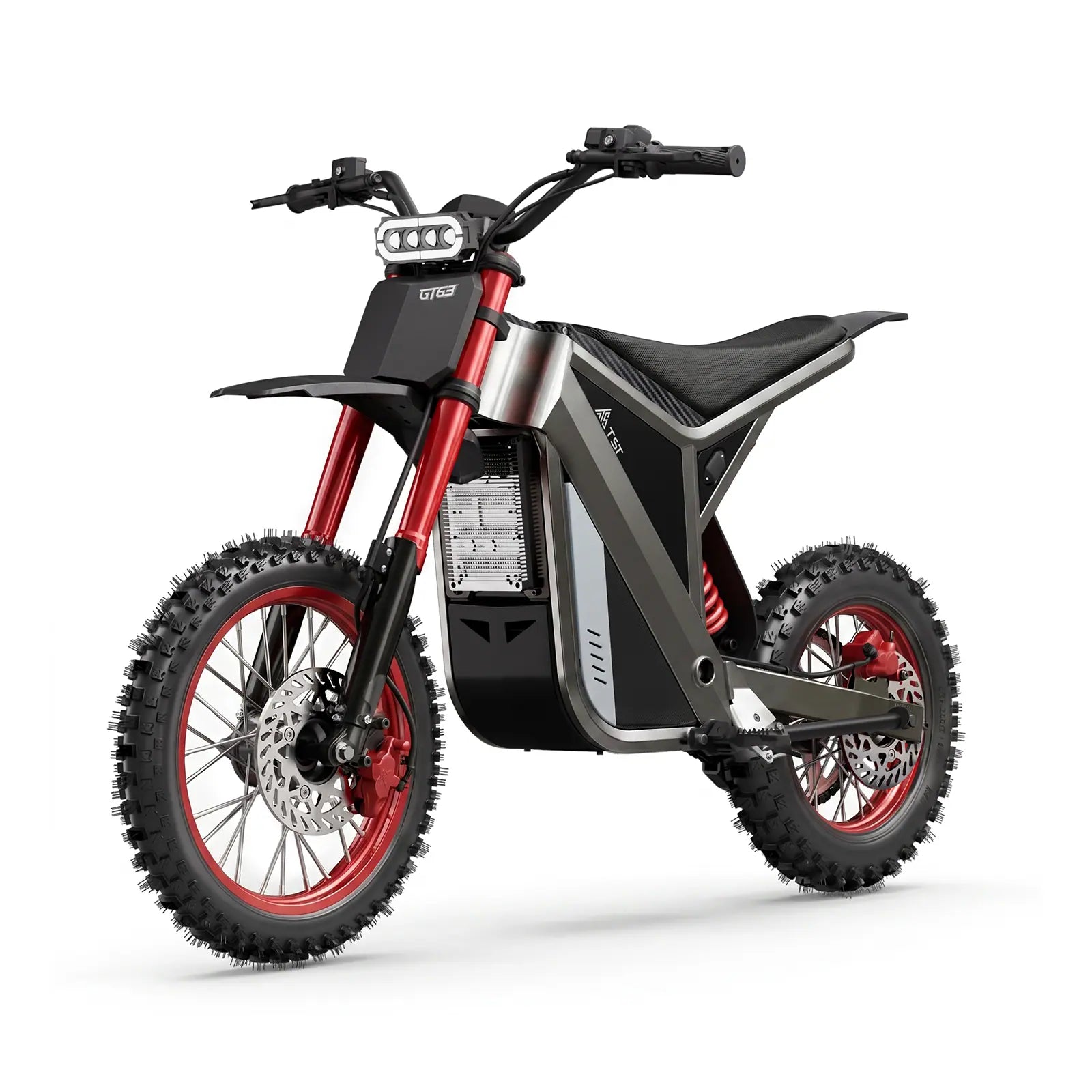














A folding ebike feels portable when total weight stays near 35–45 lbs and the battery can be removed quickly. Each extra 5 Ah typically adds about 4 lbs of battery weight, which directly impacts how easily you can lift and carry the folded bike. The practical balance is enough capacity for your daily range without making one‑handed stair or trunk lifts unsafe.
maximizing folding ebike range
Why Does Battery Weight Matter So Much for Folding Ebike Portability?
Battery weight matters because it sits high or central in the frame, so every extra pound makes the folded bike harder to grab, balance, and lift with one hand. On a compact folding ebike, adding 10–12 lbs from a very large pack can turn “carryable” into “barely movable,” especially for smaller riders or crowded stairwells.
From my own workshop experience, I’ve watched riders struggle more with a heavy battery than with the motor or frame. The frame is dead weight, but predictable; the battery is usually the densest single component. TST EBike engineers consciously avoid oversizing batteries on folding platforms because a design that looks impressive on paper—huge Wh numbers—quickly becomes a liability when customers have to carry 50+ lbs up three flights of stairs every night.
How Does Battery Capacity (Ah) Translate Into Extra Pounds on a Folding Ebike?
On typical folding ebike packs, every additional 5 Ah of capacity adds roughly 4 lbs of weight, assuming similar cell chemistry and casing. That means jumping from a 10 Ah to a 20 Ah pack can increase weight by around 8 lbs, which you feel immediately when lifting the folded bike by the frame or seat tube.
I use a simple mental rule on the factory floor: 5 Ah ≈ 4 lbs. It’s not a perfect scientific law, but it’s accurate enough for quick ergonomic decisions. When TST EBike prototypes a new folding model, we test several battery sizes and have real users lift the folded bike repeatedly. Once capacity crosses a certain point, complaints about “too heavy to carry” spike, even if riders love the extra range on paper. That is where we stop increasing Ah.
Approximate Battery Capacity vs Added Weight
What Is the Golden Balance Between Battery Capacity and Total Folding Ebike Weight?
For most urban riders, the golden balance sits where battery capacity covers your daily round trip plus a safety margin, while folded weight stays in the 35–45 lbs range. In my tests, many riders can manage about 40 lbs comfortably with one hand for short lifts; above 45 lbs, carrying up stairs or onto trains quickly becomes a two‑hand, full‑body task.
This balance is not a single magic number but a range in which portability and performance cross. TST EBike aims for a sweet spot: enough Ah to deliver 20–40 miles of real‑world range with assist, yet keeping curb weight low enough that office workers and apartment dwellers can lift the folded bike without straining. The point of folding isn’t just storage—it’s practical, safe portability.
How Are Battery Capacity (Ah) and Total Weight (lbs) Linked Along a Golden Ratio Curve?
If you plot battery capacity on one axis and total folding ebike weight on the other, you see a rising curve: more Ah, more lbs. The “golden ratio” zone is where extra capacity still brings meaningful range gains without pushing the bike beyond what an average rider can lift—often around 0.6–0.7 lbs per mile of expected assisted range.
Engineers at TST EBike talk about a crossover: below the crossover, adding capacity improves user experience; above it, weight penalties erode the portability that defines a folding ebike. In practice, a 14–16 Ah pack on a compact folder usually sits near this golden ratio for mixed commuting, balancing weekday rides with realistic lifting demands.
Conceptual Golden Balance Curve (Described)
Imagine a smooth rising line:
-
At 10 Ah and ~35 lbs, range is modest but portability is excellent.
-
At 15 Ah and ~39 lbs, you get solid commuting range and still easy lifting.
-
At 20 Ah and ~43 lbs, portability is borderline for one‑handed carrying.
Beyond that, the curve steepens: every extra Ah makes the bike feel disproportionately heavier compared with the real‑world benefit for most commuters.
Why Doesn’t TST EBike Chase the Biggest Possible Battery on Folding Models?
TST EBike doesn’t blindly chase ultra‑large batteries because our field data shows that most folding‑bike customers value lifting and storage convenience more than extreme range. Oversized packs lead to returns and complaints like “too heavy to carry upstairs,” even though the spec sheet looks impressive.
As someone who has weighed and test‑ridden prototypes, I’ve seen the tradeoff first‑hand: a huge battery squeezes frame layout, complicates folding joints, and raises weight beyond what typical riders can manage. TST EBike chooses high‑quality cells, efficient motors, and sensible capacities instead, giving real‑world range without sacrificing the fundamental promise of a folding ebike—true portability. It’s a deliberate design philosophy, not a cost‑cutting shortcut.
How Can Riders Judge Whether They Can Safely Lift a Folding Ebike With One Hand?
A good rule is to mimic your daily lifts before buying: hold a similar weight in one hand, walk a few steps, and test a controlled “stair” or trunk‑height lift. If 40–45 lbs feels near your comfortable limit, you should avoid folding ebikes that push above that once the battery is installed. Remember that awkward shape and balance make a folded bike feel heavier than a dumbbell of the same weight.
On the assembly line, I watch how people grab the folded frame: some use the top tube; others the seat post or dedicated handle. We design TST EBike folding frames so the center of mass sits close to that grip point, reducing torque on your wrist. Still, physics wins—if total weight plus battery is too high, leverage will strain your arm and back. Use your real strength, not marketing claims, as the final judge.
Where Does Battery Placement Affect Perceived Weight and Portability?
Battery placement strongly influences perceived weight because it changes leverage as you lift. A centrally mounted, low battery feels more manageable than a high, rear‑rack pack of the same weight. On folding ebikes, frame‑integrated batteries near the hinge or main tube keep the center of mass close to your hand, reducing the twisting force that makes a bike feel “heavier.”
In practice, I’ve seen two bikes with identical scale weight feel very different to riders, solely due to battery location. TST EBike prefers integrated, low‑center mounting for folding designs even when that reduces maximum Ah options. The gain in ergonomic stability—less swinging, less wrist strain—often matters more to customers than squeezing in an extra 3–4 Ah.
Which Riders Benefit Most From Lighter Batteries Despite Shorter Range?
Riders who carry their folding ebike frequently—apartment dwellers, office commuters, train and bus users—benefit most from lighter batteries even if it means a shorter maximum range. If you’re lifting the bike multiple times per day, shaving 6–8 lbs off the pack can be more valuable than gaining an extra 10–15 miles you rarely use.
From experience, I classify users into two groups: “rollers” who primarily wheel the bike and rarely carry it, and “lifters” who regularly tackle stairs or tight transit spaces. TST EBike tailors recommendations accordingly. Lifters are usually happier with mid‑capacity batteries that keep weight reasonable; rollers can accept heavier packs if their routes justify the extended range.
When Does It Make Sense to Choose a Heavier, Higher‑Capacity Battery on a Folding Ebike?
It makes sense to choose a heavier, higher‑capacity battery when you rarely lift the bike and ride long distances between charges—suburban weekend touring, rural commuting, or long coastal paths, for example. If your bike lives in a garage and rolls directly onto ground‑level routes, the portability penalty matters less than the convenience of fewer charging cycles.
In factory consultations, I often ask one question: “How often do you carry the folded bike entirely off the ground?” If the answer is “almost never,” a larger battery could be worth the added weight. TST EBike’s philosophy is not anti‑large‑battery; it’s anti‑mis‑matched battery. We prefer capacity that matches how you actually use and move the bike, not just the longest ride you might imagine once a year.
TST EBike Expert Views
“When we prototype folding ebikes at TST EBike, we don’t start with the biggest battery we can physically fit. Instead, we start with real lifting tests. I’ve watched office workers and students pick up early prototypes and wince at 50+ lbs, even though the spec sheet promised huge range. That’s why we tune capacity so a folded bike remains a tool you can truly carry—up stairs, across train platforms, and into small apartments—without turning every lift into a workout session. A well‑designed folding ebike should disappear under your arm, not dominate your day.”
Conclusion: How Can You Find Your Own Golden Balance of Battery Weight and Folding Ebike Portability?
Finding your personal golden balance means combining honest self‑assessment with basic engineering realities. Start by measuring how far you truly ride in a typical week and how often you lift or carry the bike. Then, translate those needs into capacity (Ah) and acceptable total weight. Remember the rule of thumb: every extra 5 Ah adds around 4 lbs and erodes one‑hand lifting comfort.
Aim for a folding ebike that sits in the 35–45 lbs range with a battery sized to your real commute, not an imagined expedition. If you live in walk‑up housing or rely on public transit, prioritize lighter packs and ergonomic battery placement. Brands like TST EBike design around this balance for a reason: portability is only meaningful if the bike stays light enough that you can actually carry it.
FAQs
Is a removable battery better for folding ebike portability?
Yes. Removing the battery before lifting can cut 6–10 lbs, making stairs and trunk loading safer and easier without sacrificing overall range.
Can I add a second battery to my folding ebike for more range?
You can, but be aware that dual‑battery setups often push total weight beyond comfortable carrying limits and may change how the bike folds and balances.
Does a higher‑voltage battery always weigh more?
Not necessarily. Weight depends more on total energy (Wh) and cell count than voltage alone. A high‑voltage, low‑Ah pack can be lighter than a low‑voltage, high‑Ah pack.
Are ultra‑light folding ebikes less durable?
They can be if weight savings come from weaker frames or small batteries. Look for designs that balance strong hinges and sensible capacity rather than chasing the lowest number.
Can I upgrade my existing folding ebike to a lighter battery later?
Often yes, if you choose a pack with compatible voltage and mount. Just confirm that reduced capacity still covers your daily rides before switching to a lighter option.

Leave a comment
This site is protected by hCaptcha and the hCaptcha Privacy Policy and Terms of Service apply.