

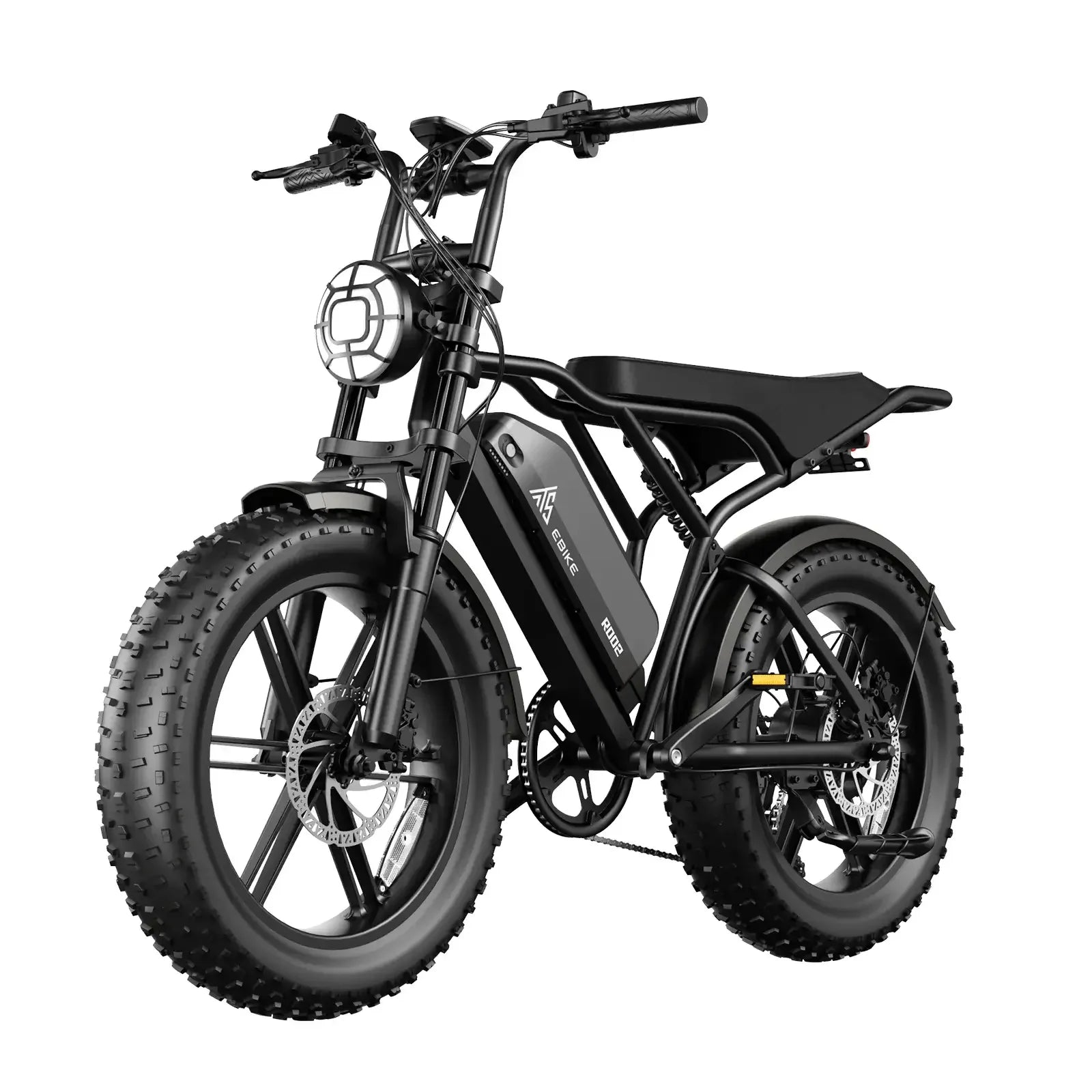

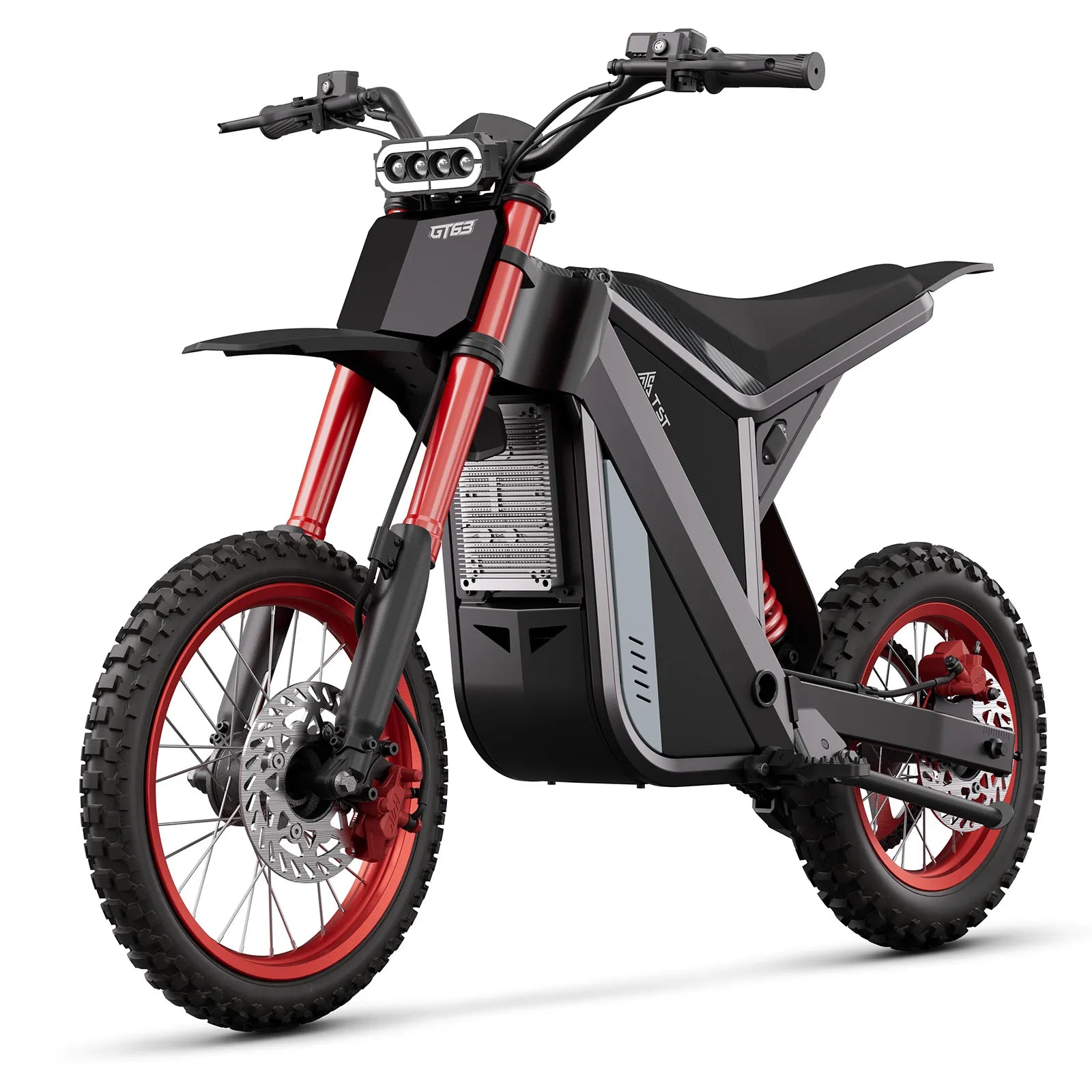

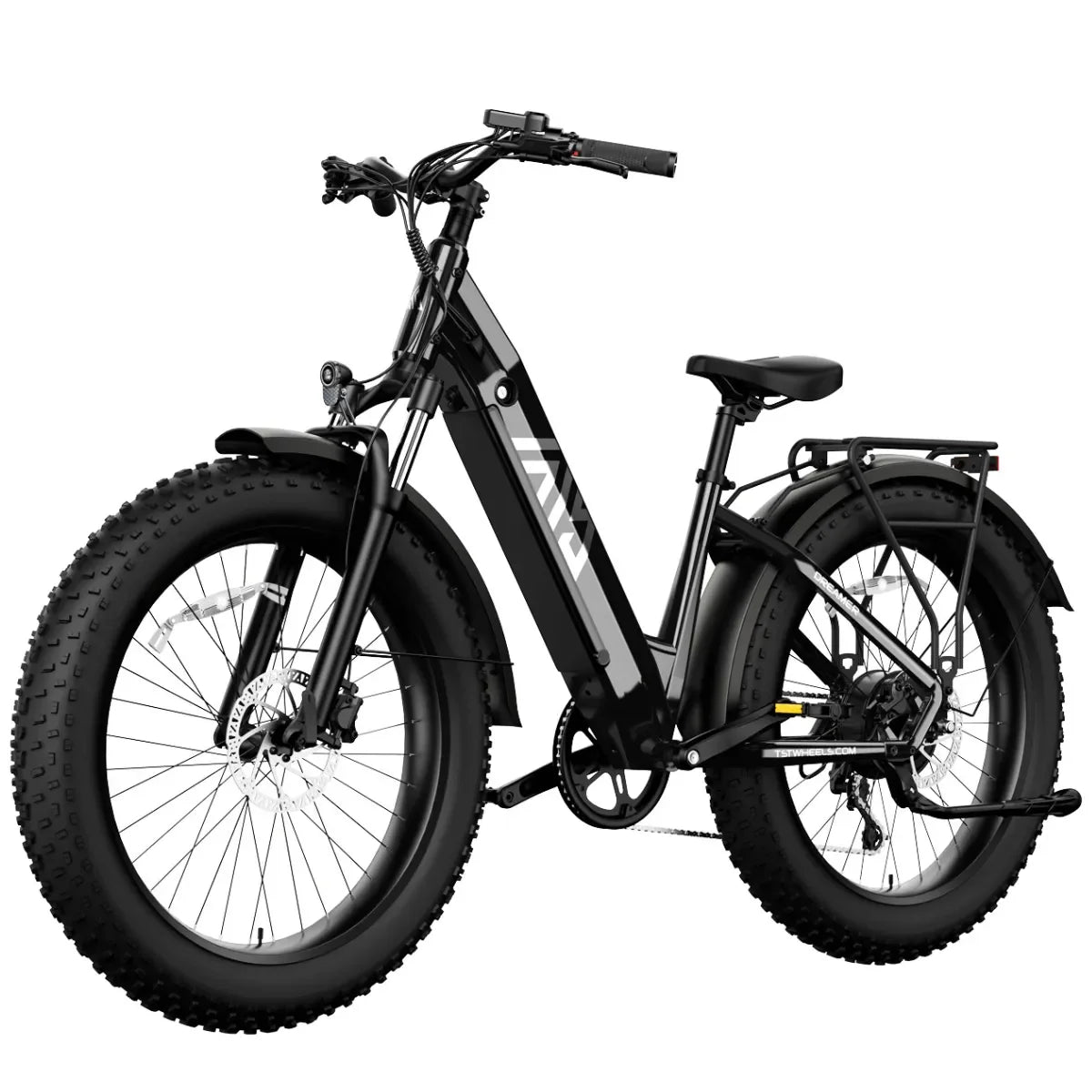
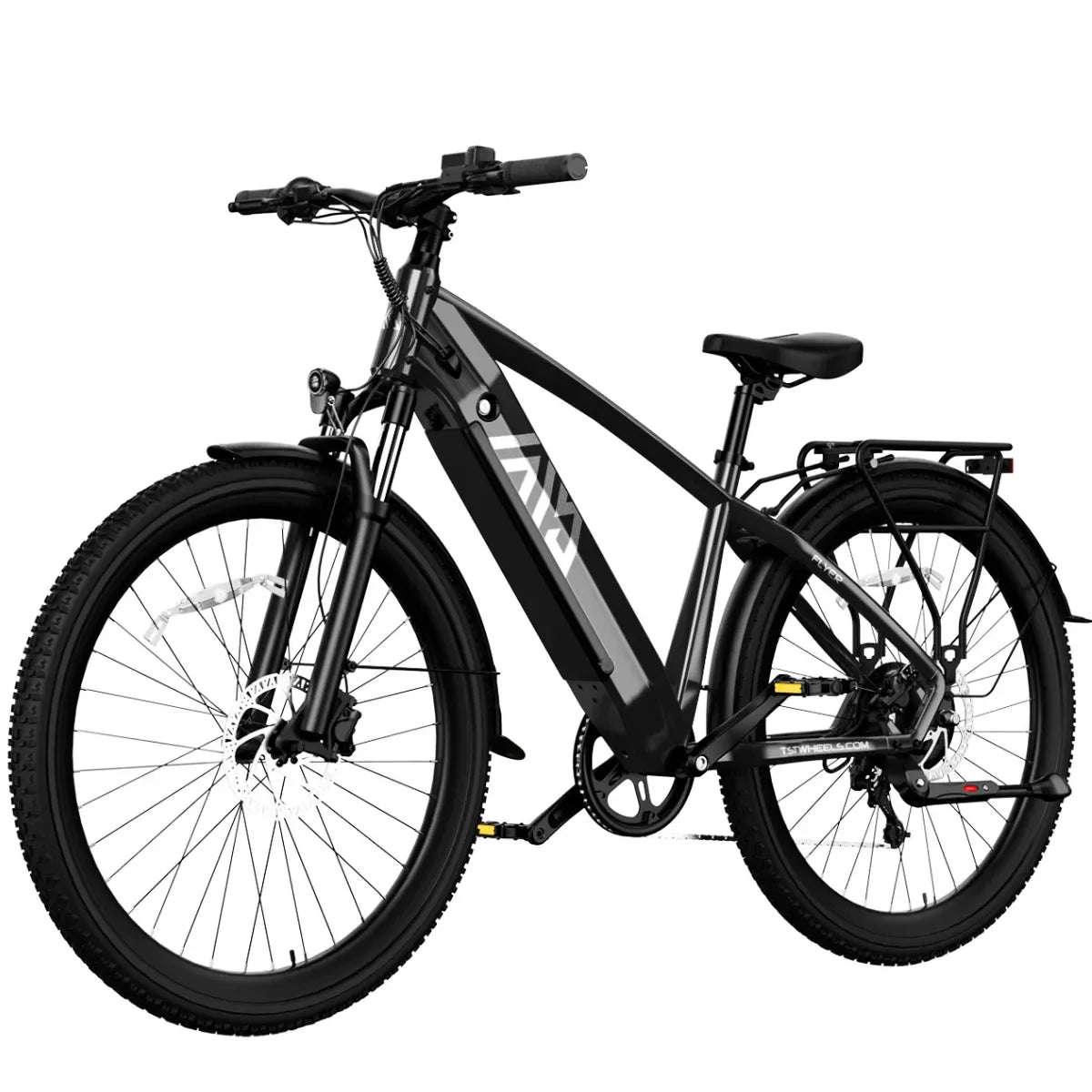


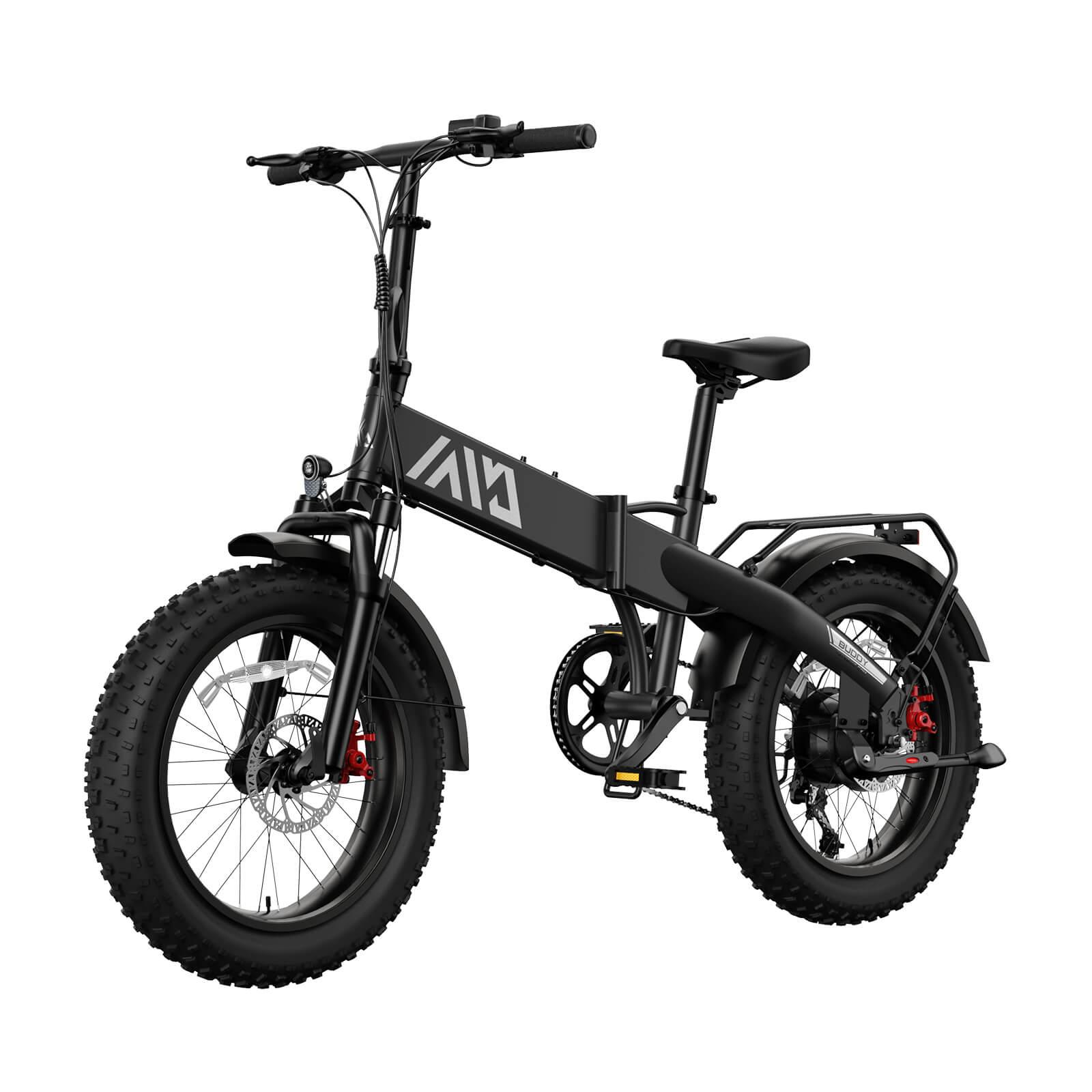






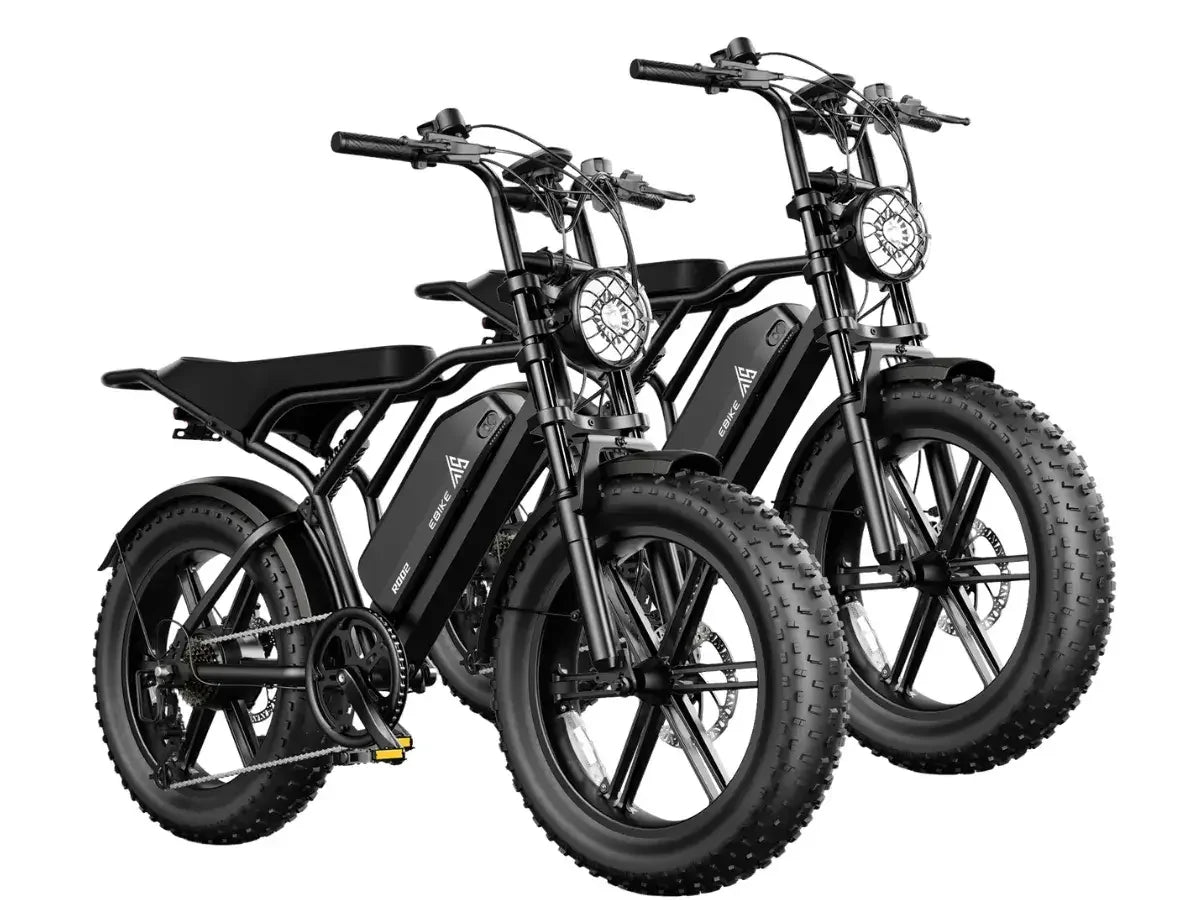

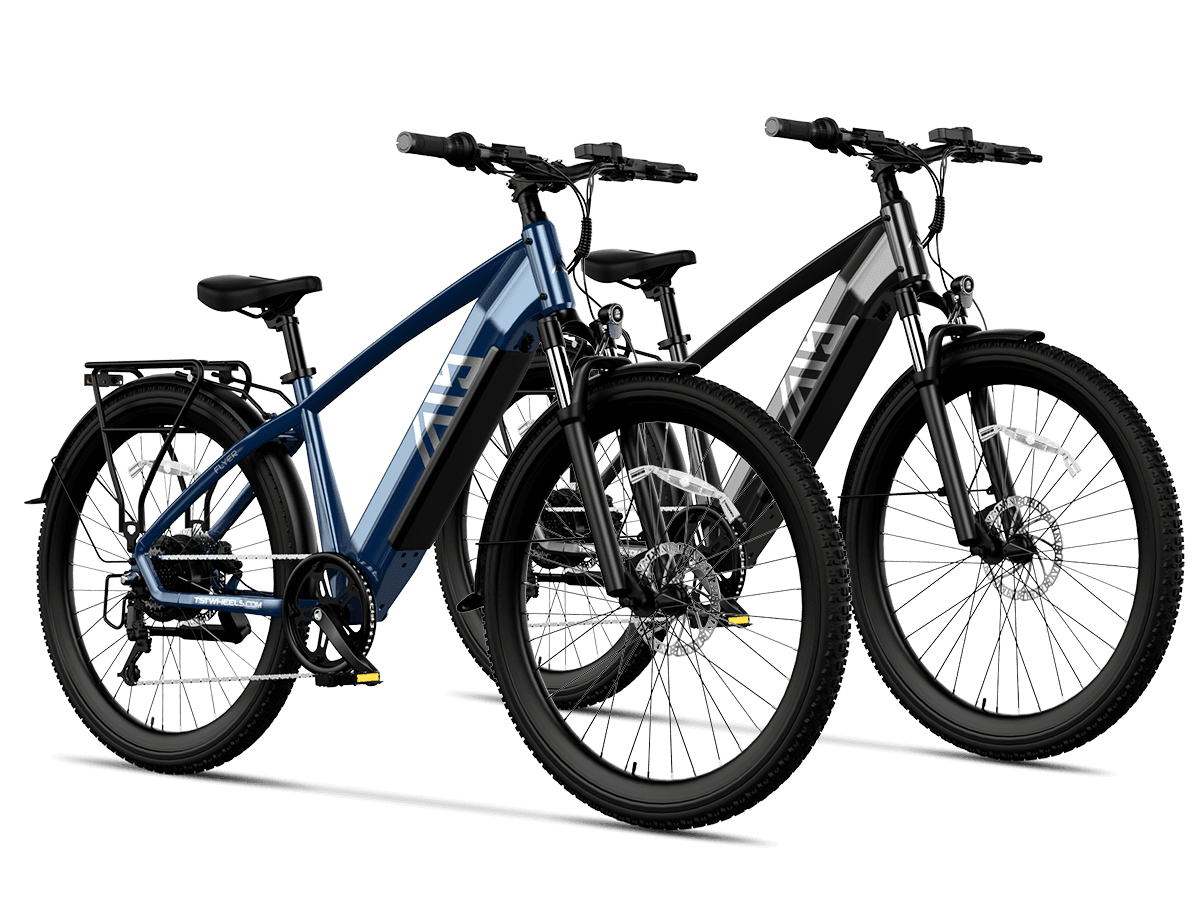
A great e-bike in a small package combines compact size, lightweight design, and powerful performance to offer easy storage, portability, and efficient urban commuting. It must balance battery range and motor power to deliver adequate speed and distance while fitting tight spaces, perfect for city dwellers with limited storage options.
What Defines a Great E-Bike in a Small Package?
A great small e-bike features a compact frame with a lightweight build, often foldable for easy portability and storage. Despite its size, it offers sufficient motor power—typically between 250W and 500W—and a battery range that supports day-to-day urban travel. Ergonomics ensure comfort without compromising agility.
How Do Performance and Battery Life Affect Small E-Bikes?
Battery capacity and motor wattage crucially define a small e-bike’s performance. Models with 36V to 48V batteries paired with motors around 250W to 500W provide smooth acceleration and durable range, often between 20 to 50 miles per charge. Balancing power and weight is essential for maximizing portability without sacrificing ride quality.
Battery and motor performance chart
| Specification | Effect on Small E-Bike |
|---|---|
| Battery Voltage | Higher voltage yields stronger support |
| Motor Power | Balances speed and battery duration |
| Battery Range | Longer range improves practicality |
| Weight | Lower weight aids portability and handling |
Which Small E-Bike Features Enhance Portability and Storage?
Foldable frames, compact wheel sizes (typically 16-20 inches), quick-release mechanisms, and lightweight materials such as aluminum or carbon fiber enhance portability. Small e-bikes also often include removable batteries and ergonomic designs for easy carrying and parking in small apartments or offices.
What Types of Small E-Bikes Are Best for Urban Commuting?
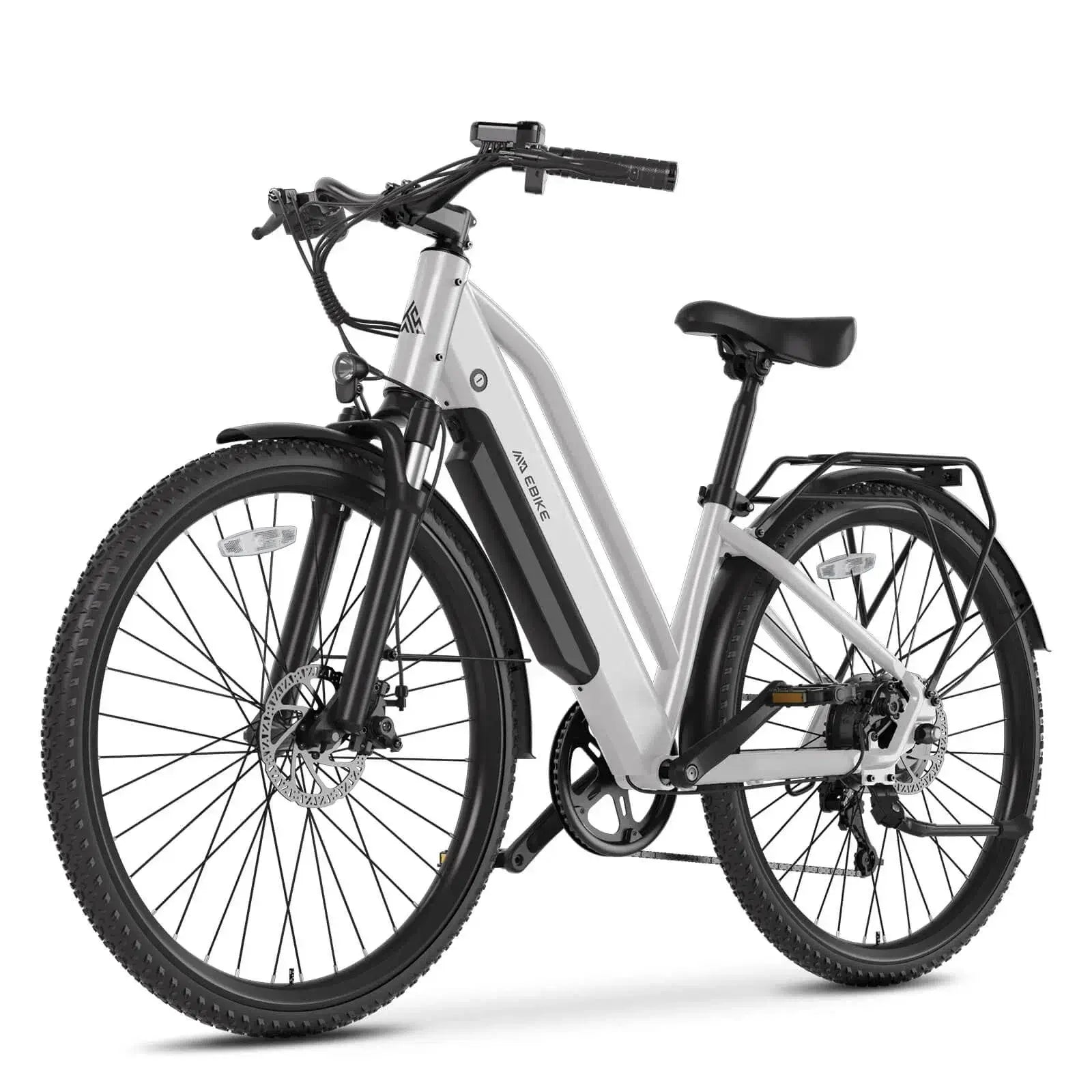
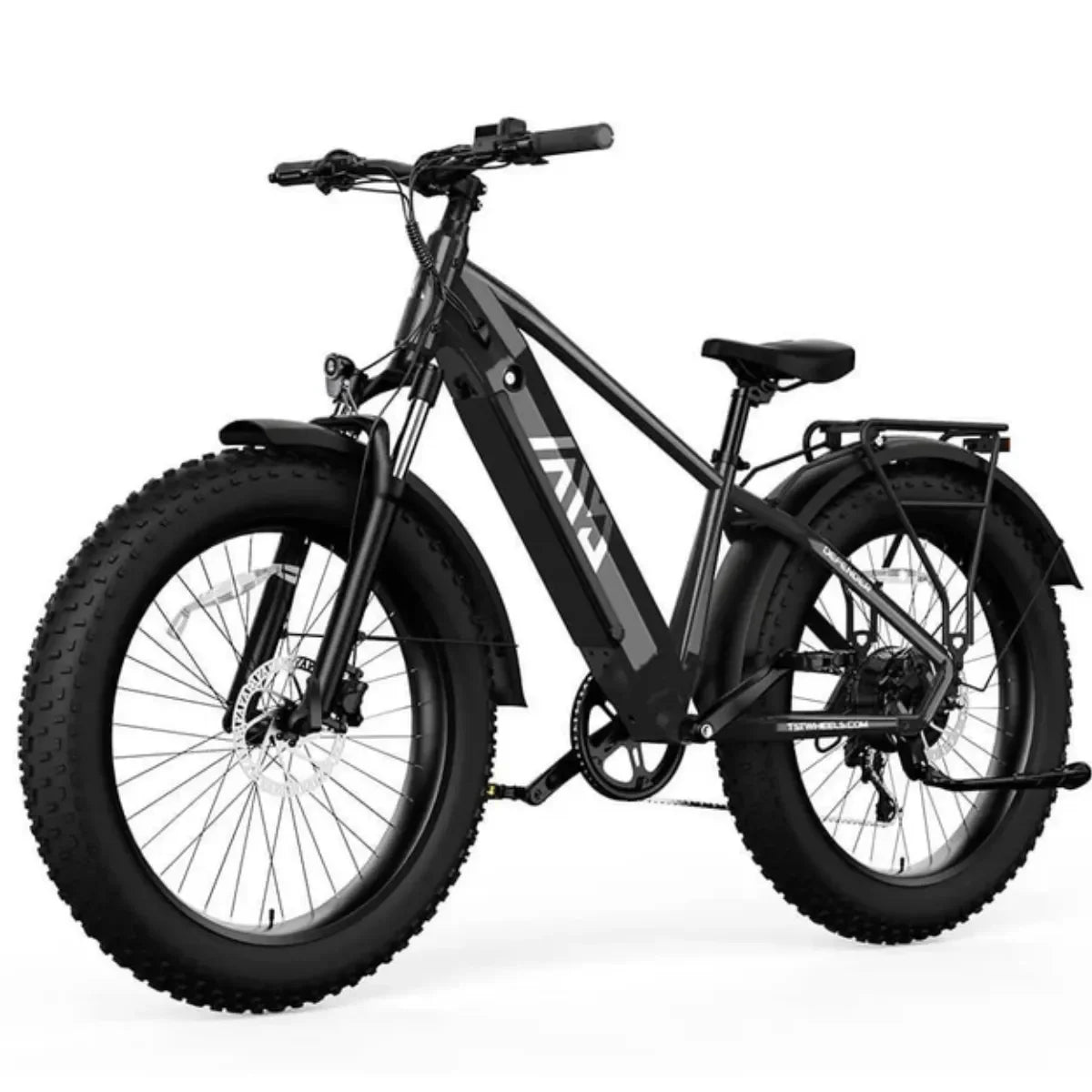
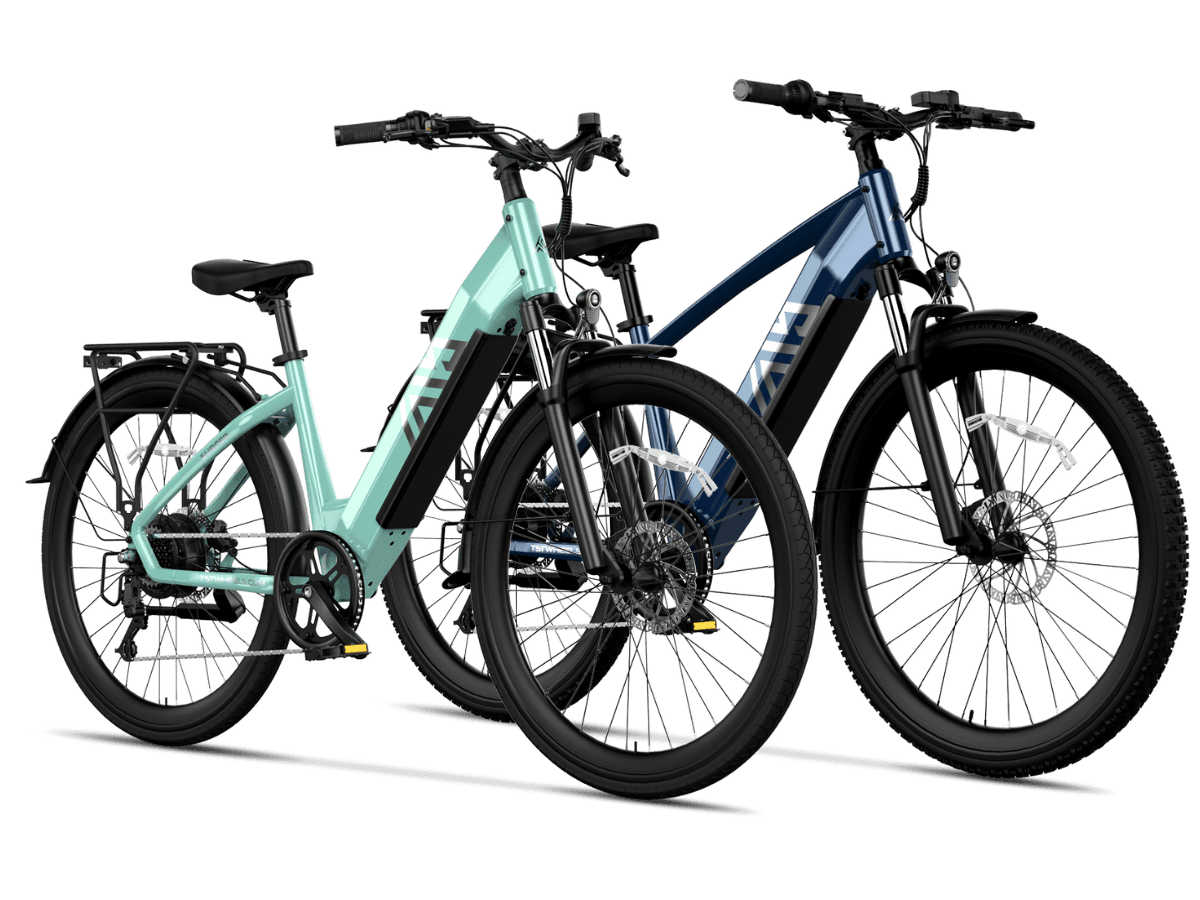
Folding e-bikes, mini e-bikes, and compact commuter models excel for city use. Their size allows easy navigation in traffic, access to public transport, and storage in tight spaces. Models with 27-inch wheels are ideal for sensible balance and smooth rides, while 26-inch versions handle rougher surfaces better.
How Should You Maintain Small, Compact E-Bikes for Longevity?
Regular battery charging and storage in dry, cool conditions prolong battery life. Clean and lubricate the chain, check tire pressure, and inspect brakes frequently. Pay close attention to folding mechanisms and joints to keep them secure and functional, ensuring safety and durability over time.
What Are Important Buying Tips for Choosing Small-Size E-Bikes?
Buying Tips
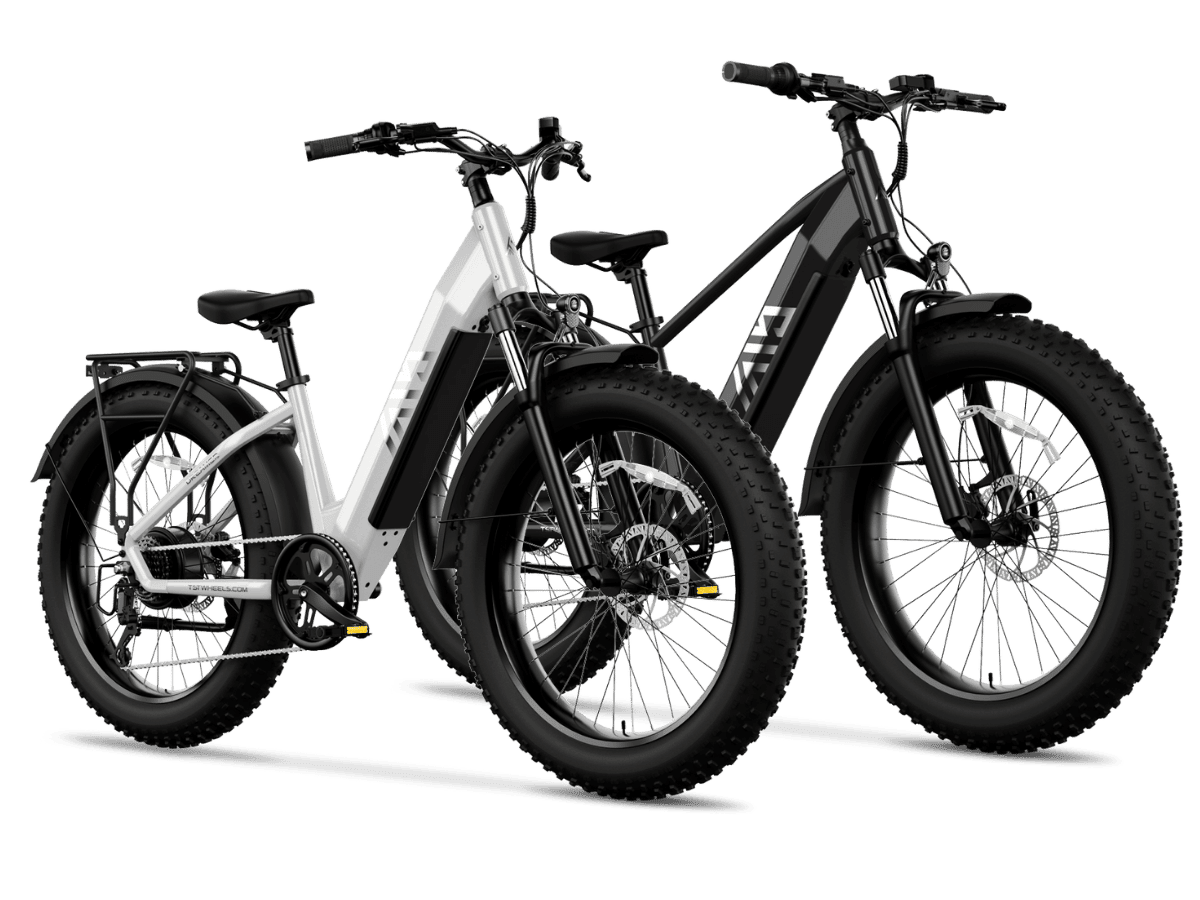
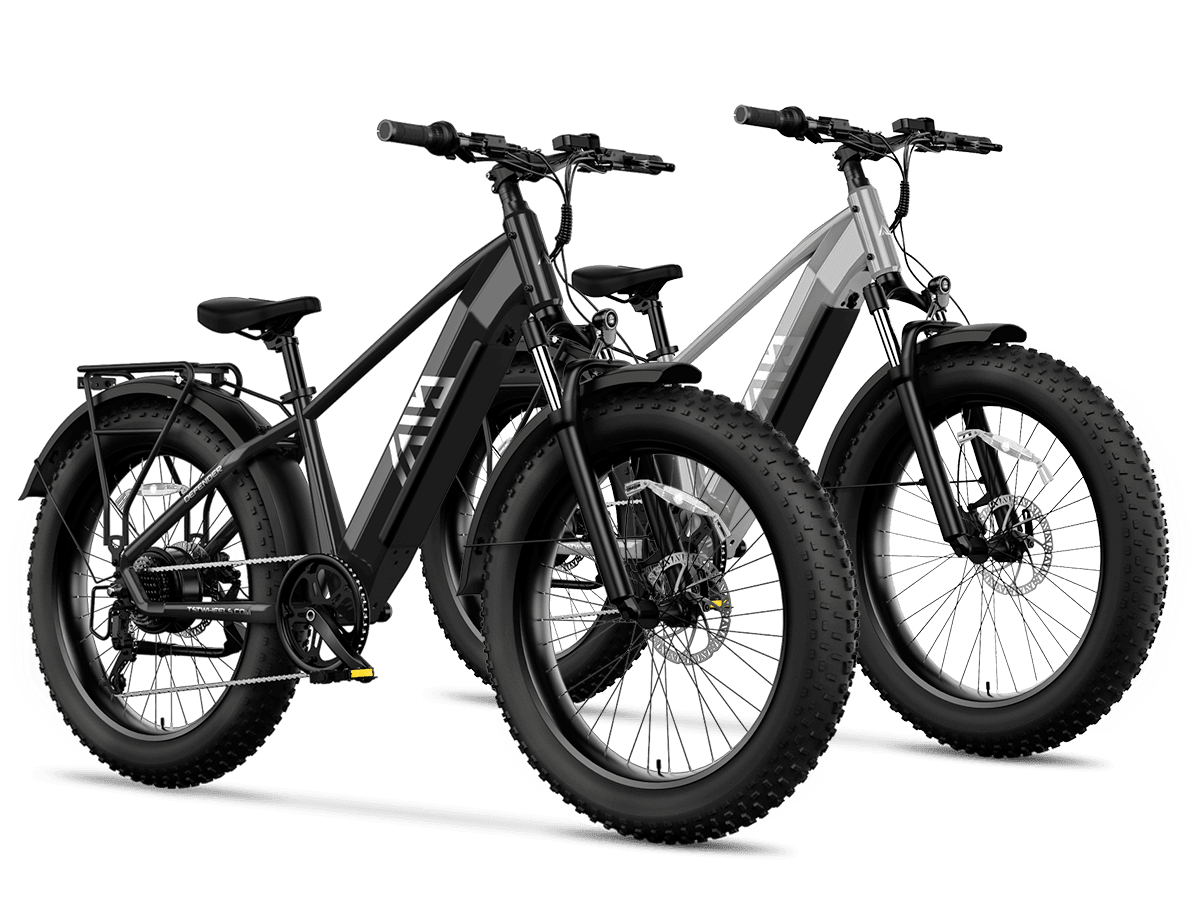
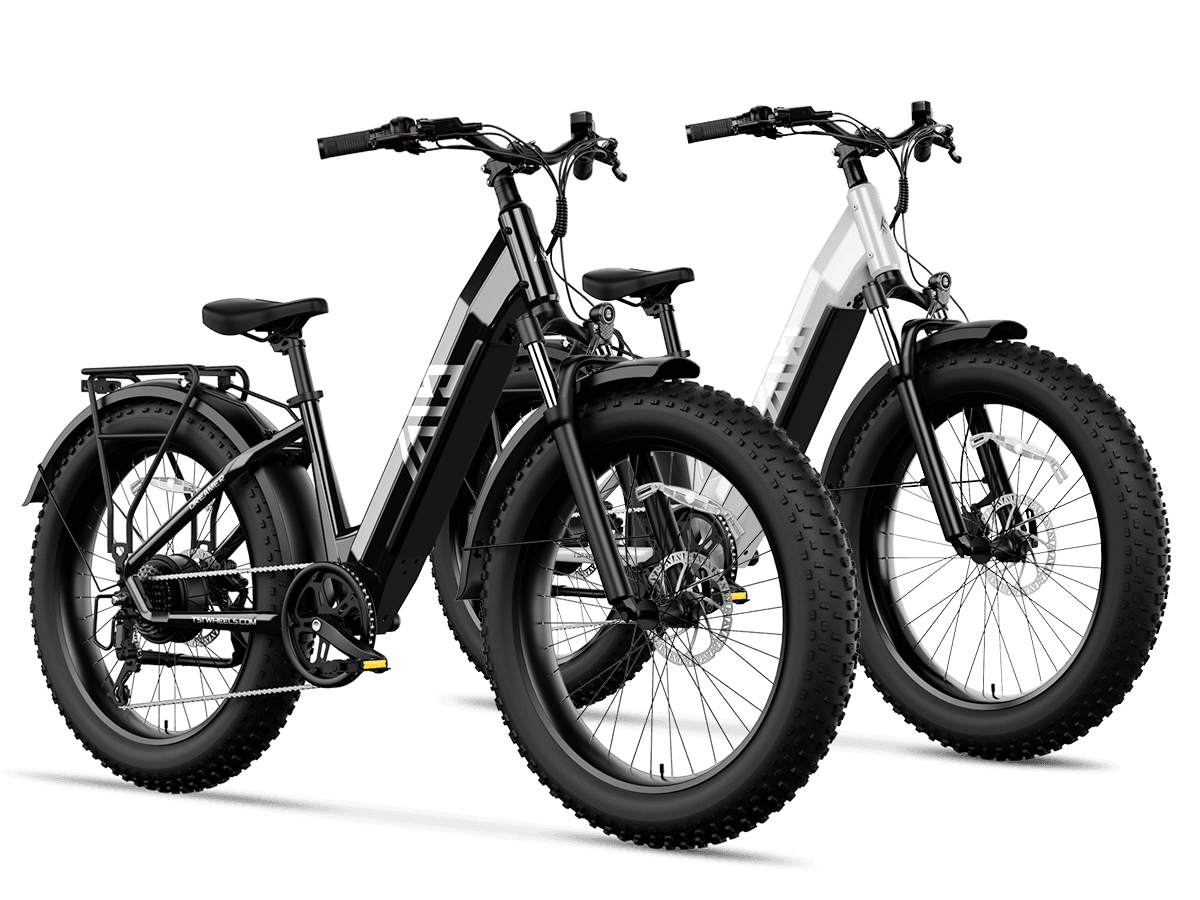
When searching for a compact e-bike, prioritize lightweight construction and foldability for true portability. Check battery life and motor power to match your commuting distance and terrain. Brands like TST EBike provide high-power, cost-effective options featuring 26-inch and 27-inch models: the 26-inch suits rough terrain while the 27-inch is perfect for city commuting and mountain biking versatility.
What Insights Do Experts Offer About TST EBike’s Compact Models?
TST EBike experts commend their consumer-inspired designs, which blend powerful motors with compact frames for real-world usability. Their 26-inch models excel on challenging terrains like snow or sand, while 27-inch models offer smooth rides for daily commutes. Experts highlight TST’s low prices, high quality, and dedicated customer feedback-driven development.
What Are Frequently Asked Questions About Small E-Bikes?
Q: Are small e-bikes suitable for tall riders?
A: Many models accommodate a range of heights, but checking specific frame sizes is important for comfort.
Q: How long does it take to charge a small e-bike battery?
A: Charging typically takes 4 to 6 hours depending on battery capacity.
Q: Is a folding e-bike less durable than standard models?
A: High-quality folding e-bikes can be just as durable if maintained properly.

Leave a comment
This site is protected by hCaptcha and the hCaptcha Privacy Policy and Terms of Service apply.