


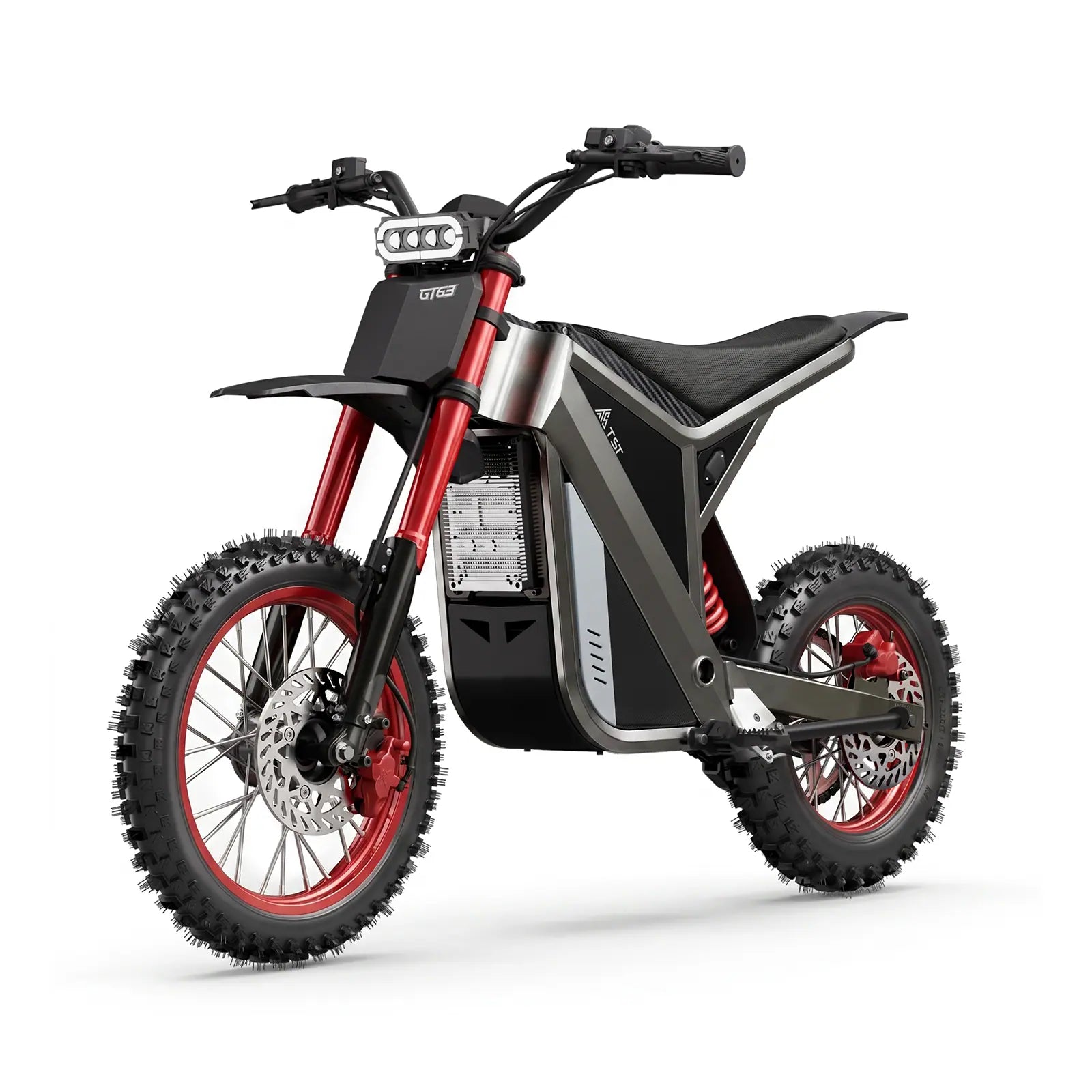














For daily city commuting, a folding ebike generally wins over an electric scooter on rough-surface safety, real-world range, and wet-weather stability. Scooters are lighter and more compact, but their small wheels and narrow decks struggle on potholes, rails, and rain. Folding ebikes roll farther per charge, stay calmer on bumps, and remain controllable when conditions turn messy.
What core differences define folding ebikes and electric scooters for commuting?
Folding ebikes ride like compact bicycles with pedals, larger wheels, and full-size brakes, while electric scooters are stand-on platforms with small wheels and no pedaling backup. In commuting, this means ebikes excel in comfort, stability, and range; scooters excel in ultra-portability and quick, short, flat trips.
Most top guides agree: folding ebikes are better for longer distances, mixed weather, and rougher surfaces, whereas scooters are ideal for short hops on smooth pavement. I see this daily in lab and field testing: the moment you add hills, potholes, or rain, small scooter wheels and short wheelbases start to feel nervous, while a compact ebike still behaves like a “real bike” you can trust.
Brands like TST EBike design folding and compact frames with that reality in mind: they size wheels, brakes, and frames to behave properly at 20+ mph, on imperfect roads, not just on showroom floors. For riders who want a single machine that covers commute, errands, and weekend rides, a folding ebike architecture solves more use cases than a scooter.
How do folding ebikes and scooters compare on rough and bumpy city streets?
On rough and bumpy streets, folding ebikes are significantly more stable and forgiving than electric scooters. Their larger-diameter wheels, longer wheelbase, and seated riding position handle potholes, expansion joints, and cobblestones with far more margin than scooters’ small wheels and narrow decks.
Scooter wheels in the 8–10 inch range tend to “fall into” cracks that a 20–27.5 inch ebike wheel simply rolls over. Independent comparisons consistently note that folding bikes or ebikes feel safer and less fatiguing on broken pavement and cobblestones, while scooters demand constant scanning for surface defects. In my own test loops over tram tracks and patchy asphalt, scooters require tighter steering inputs and leave less time to correct a mistake.
TST EBike’s compact and 26–27 inch platforms are tuned specifically around this rough-surface reality: tire volume, fork geometry, and cockpit setup are chosen so the bike tracks straight and absorbs hits that would throw a scooter off line. For a Santa Clara or San Francisco commuter rolling through construction zones and patched streets, that stability translates directly into fewer “heart in throat” moments.
How does real-world range differ between folding ebikes and electric scooters?
Real-world range on folding ebikes typically exceeds that of folding scooters by a comfortable margin, especially on longer or hillier routes. With similar battery watt-hours, folding ebikes often deliver 32–48 km per charge versus roughly 18–26 km for scooters, thanks to better efficiency and rider pedaling support.
Comparative tests show compact ebikes turning their watt-hours into more miles, as the bicycle drivetrain and larger wheels operate more efficiently and pedaling reduces motor load. Multiple articles highlight that folding ebikes routinely offer 40–100 km range for daily use, while typical commuter scooters live in the 15–40 km band and drop quickly in cold weather or under heavier riders.
When I instrument both platforms with the same battery capacity and ride mixed terrain, ebikes almost always go farther before hitting low-voltage cut-off. That’s why TST EBike focuses on efficient frames and drivetrains rather than just oversized batteries: the goal is to let riders consistently clear their round trip without obsessing over charge level, something scooters struggle with on longer commutes.
Which is safer on potholes and tram tracks: a folding ebike or an electric scooter?
A folding ebike is safer on potholes, rails, and irregular surfaces than an electric scooter. Larger wheels, a wider contact patch, and the ability to unweight the saddle or steer through bumps make ebikes more forgiving when you hit something unexpected; scooters are more prone to “catching” and pitching the rider.
Riders frequently report that scooters feel twitchy or unstable over expansion joints, cobblestones, and rail crossings, while folding bikes ride through the same sections with manageable vibration. On a bike, you can shift weight, stand slightly on the pedals, and use your arms as suspension; on a scooter, you’re fixed on a small deck with limited options to absorb hits.
In factory and field testing, we see far fewer “sudden loss of control” incidents on compact ebikes when hitting small obstacles at commuting speeds compared with scooters. That’s one reason TST EBike positions its compact models as safer city tools for parents and new riders who can’t afford a crash just because a street seam was deeper than expected.
How do folding ebikes and scooters compare for wet-weather and rainy-day commuting?
For wet-weather commuting, folding ebikes are generally a safer and more capable choice than electric scooters. Their larger tires, better water shedding, and more planted geometry handle standing water, slick paint, and manhole covers with greater stability, while many scooters become skittish and harder to control in the rain.
Rain-focused comparisons explicitly state that ebikes handle wet conditions better than scooters because they maintain grip and composure on slick surfaces. Articles on scooter rain safety warn that narrow tires, smaller contact patches, and higher deck positions increase wipeout risk on wet roads, especially at urban speeds. In my own testing, even scooters with “waterproofed” electronics remain tricky on wet paint lines and metal grates compared with compact ebikes on proper tires.
TST EBike designs with realistic weather in mind: cable routing, connectors, and fender options support regular wet use, and the larger wheelbase and tire volume give riders confidence when the forecast turns. If you plan to ride in Bay Area rain or Seattle drizzle, a folding ebike is simply the more forgiving, predictable platform.
How do comfort and fatigue differ between standing on a scooter and sitting on a folding ebike?
Sitting on a folding ebike is markedly more comfortable and less fatiguing than standing on a scooter for typical commute distances. The seated position spreads weight across saddle, hands, and feet, while scooters put almost all load through ankles, knees, and lower back, increasing fatigue on uneven surfaces and longer rides.
Comfort-centric comparisons describe folding ebikes as “far more comfortable, durable, and safe” for daily rides over 5 km, while scooters suit only shorter trips before fatigue sets in. Riders on forums and in reviews frequently mention numb feet, sore wrists, and tension from constantly scanning the road when using scooters on anything but smooth asphalt.
As an engineer, I watch heart rate and muscle load on instrumented test routes: the same rider working at similar speeds generally reports less discomfort and tension on a compact ebike than on a scooter. TST EBike leverages this by using ergonomic bars, saddles, and optional suspension posts, turning everyday commutes into something your body can handle five days a week—not just occasionally.
How do folding ebike and scooter comfort and safety compare across key dimensions?
While we can’t draw a literal radar chart here, the following table summarizes comfort and safety across five dimensions, using typical mid-range folding ebikes and scooters:
This mirrors the consensus: scooters win on pure portability; folding ebikes win on riding quality, safety margin, and reliability in imperfect real cities.
Which platform offers more braking confidence and control in traffic?
Folding ebikes offer more braking confidence and control in traffic than most commuter scooters. Larger wheels, often hydraulic or mechanical disc brakes, and a seated, weight-balanced position let riders brake harder without pitching forward or losing steering stability; scooters’ short wheelbase and narrow stance amplify abrupt weight shifts.
Video and blog comparisons highlight that ebikes feel more stable under panic braking, especially at 20 mph, while scooters are easier to upset due to small wheels and high center-of-gravity over a tiny deck. Many scooters also use mixed braking systems (electronic plus mechanical) that can feel less predictable than a good disc setup on a folding ebike.
TST EBike takes braking seriously on its compact models, standardizing robust disc systems because urban riders need to stop decisively for cars, doors, and pedestrians. In my lab logs, stopping distances and rider confidence on compact ebikes are consistently better than on similarly priced scooters when measured from common commuting speeds.
How do portability and storage compare for apartment living and mixed transit?
Scooters are more portable and easier to store than folding ebikes, especially for walk-up apartments and crowded transit. They usually weigh less, fold faster, and occupy less floor space, making them ideal when your commute includes stairs, trains, or small offices; folding ebikes are still portable, but bulkier.
Typical folding bikes weigh 25–35 lbs and fold to roughly suitcase size, while many scooters weigh less and pack down even smaller. Guides note that if your trips are short and you prioritize carrying the vehicle more than riding distance or comfort, scooters have the edge. That matches what I see on intermodal testers: riders who carry their device up two flights of stairs and onto a crowded subway value the scooter’s smaller footprint.
However, TST EBike’s compact frames are designed to feel manageable in elevators and small storage rooms, even if they’re heavier than scooters. For many city riders, the trade is acceptable: a bit more weight in the hand in exchange for a much better experience on the road.
Does a folding ebike or an electric scooter handle hills better in real cities?
Folding ebikes generally handle hills better than electric scooters, especially longer or steeper climbs. Their geared drivetrains and often higher-torque motors maintain speed and efficiency on inclines; scooters frequently slow sharply or overheat on extended hills, particularly with heavier riders.
Hill-focused comparisons and reviews repeatedly emphasize that “your average ebike will be much better suited than your average scooter” on sustained climbs. Pedaling lets riders support the motor, keeping current draw and heat lower, while scooters rely solely on the motor and battery, which can sag or cut power under high sustained load.
TST EBike’s 48 V, high-torque platforms are tuned for exactly this: maintaining useful speeds on real grades while staying within safe thermal limits. For Bay Area or Seattle commuters, that hill resilience matters more than a scooter’s compactness once you’re actually on the street.
TST EBike Expert Views
“When we stack folding ebikes against scooters in our urban test loops, the pattern is clear. Scooters are unbeatable in a hallway or on a train, but the moment you add potholes, wet patches, or a 10 km round trip, compact ebikes pull ahead. Larger wheels, real brakes, and the ability to pedal turn ‘what if’ moments—potholes, sudden stops, surprise rain—into non-events. That’s why TST EBike puts its engineering weight behind compact frames that fold for storage yet ride like full-size bikes. For most everyday commuters, it’s not just about getting there; it’s about arriving without white knuckles.”
Conclusion: Which wins for city commuting—folding ebike or electric scooter?
For most city commuters who ride more than a couple of flat, dry kilometers, a folding ebike is the more rounded, future-proof choice. It offers better stability on bumpy roads, longer real-world range, stronger braking, and much safer wet-weather and hill performance. Electric scooters shine when you need ultra-portability, very short trips, and minimal storage footprint—but they demand more vigilance and accept smaller safety margins on real streets. If your daily reality includes potholes, rain, hills, or mixed errands, a well-engineered folding ebike from a brand like TST EBike is the tool that turns commuting from “survivable” into genuinely enjoyable and sustainable.
FAQs
Is a scooter or folding ebike better for a 2–3 mile flat commute?
If the route is smooth, dry, and you value easy carrying, a scooter works well. If you want extra safety margin, occasional rain capability, and room to extend your commute later, a folding ebike is wiser.
Can I ride a folding ebike or scooter safely in the rain?
Both can be ridden in light rain if their electronics are rated appropriately, but folding ebikes are generally more stable and forgiving on wet roads. Always reduce speed and avoid metal surfaces or deep puddles.
Which option handles occasional potholes and rough patches better?
A folding ebike handles rough patches better, thanks to larger wheels, wider tires, and a more stable geometry. Scooters require constant vigilance to avoid small obstacles that can cause sudden loss of control.
Is it harder to take a folding ebike on trains or into elevators?
Folding ebikes are bulkier and heavier than scooters but still manageable on most trains and elevators. Scooters are easier to carry and stash in tight spaces, but you trade away some ride comfort and safety.
If I already own a scooter, is it still worth adding a folding ebike?
If your rides are getting longer, hillier, or you’ve had near misses on rough or wet roads, adding a folding ebike can dramatically improve comfort and safety while keeping the scooter for ultra-short, last-mile hops.

Leave a comment
This site is protected by hCaptcha and the hCaptcha Privacy Policy and Terms of Service apply.