
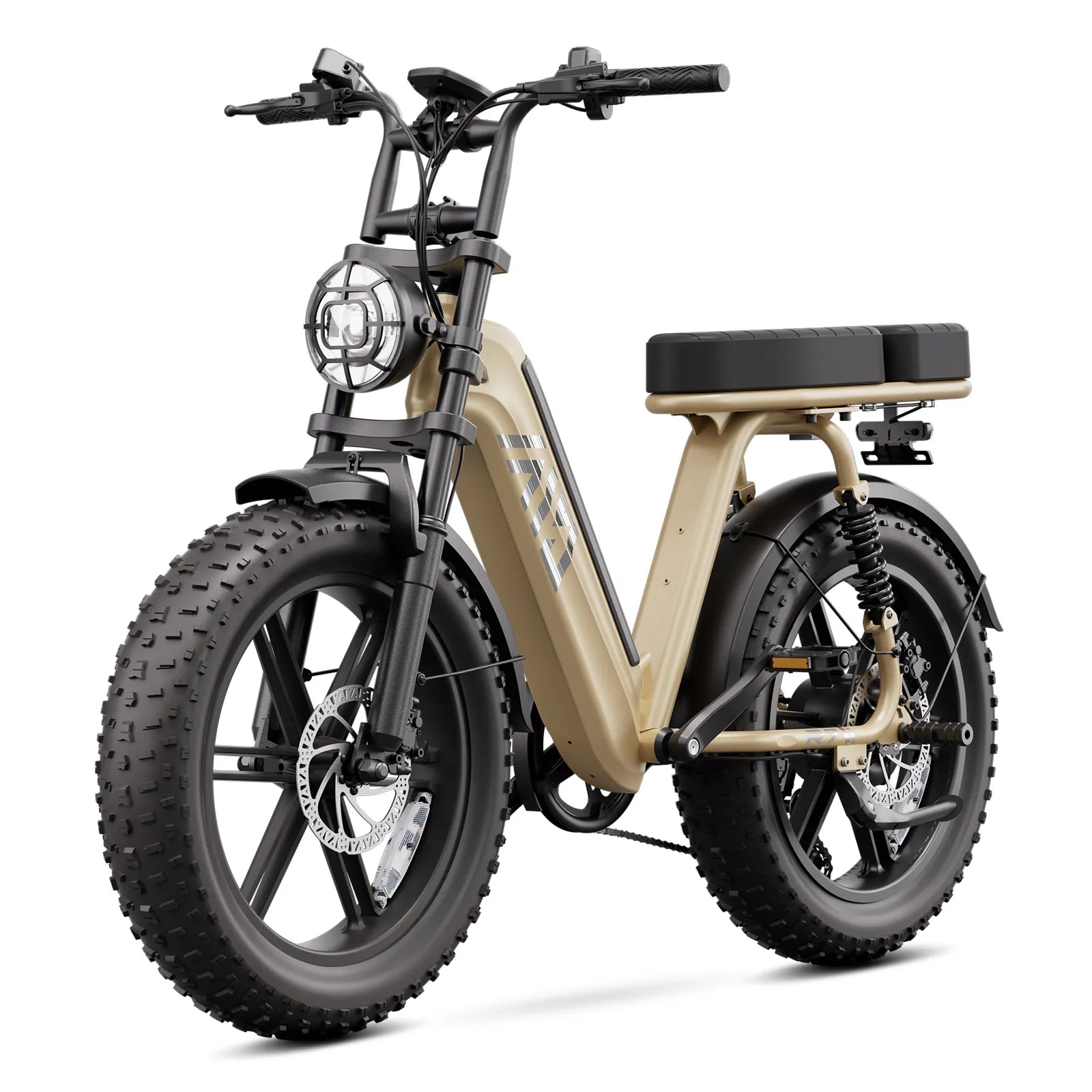
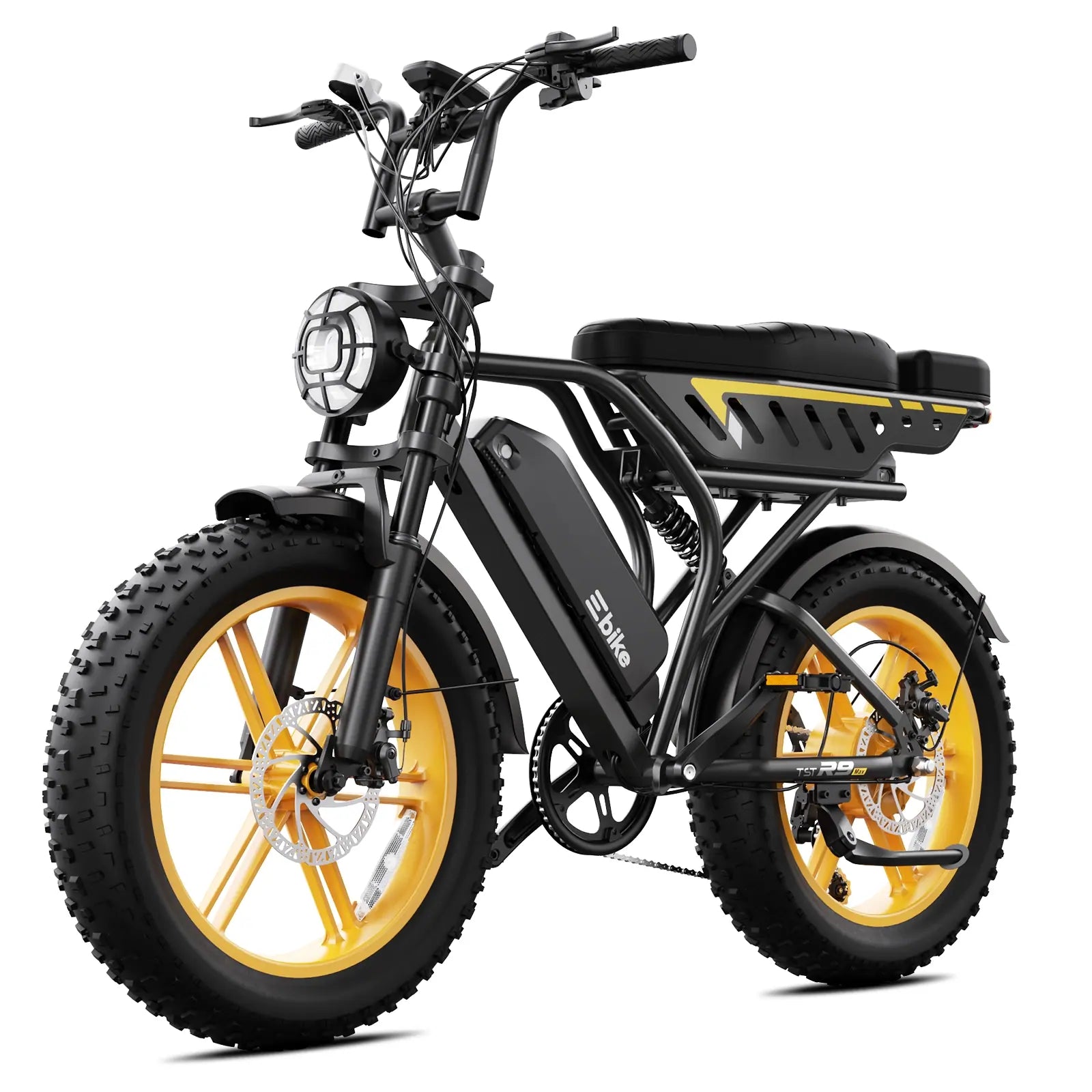
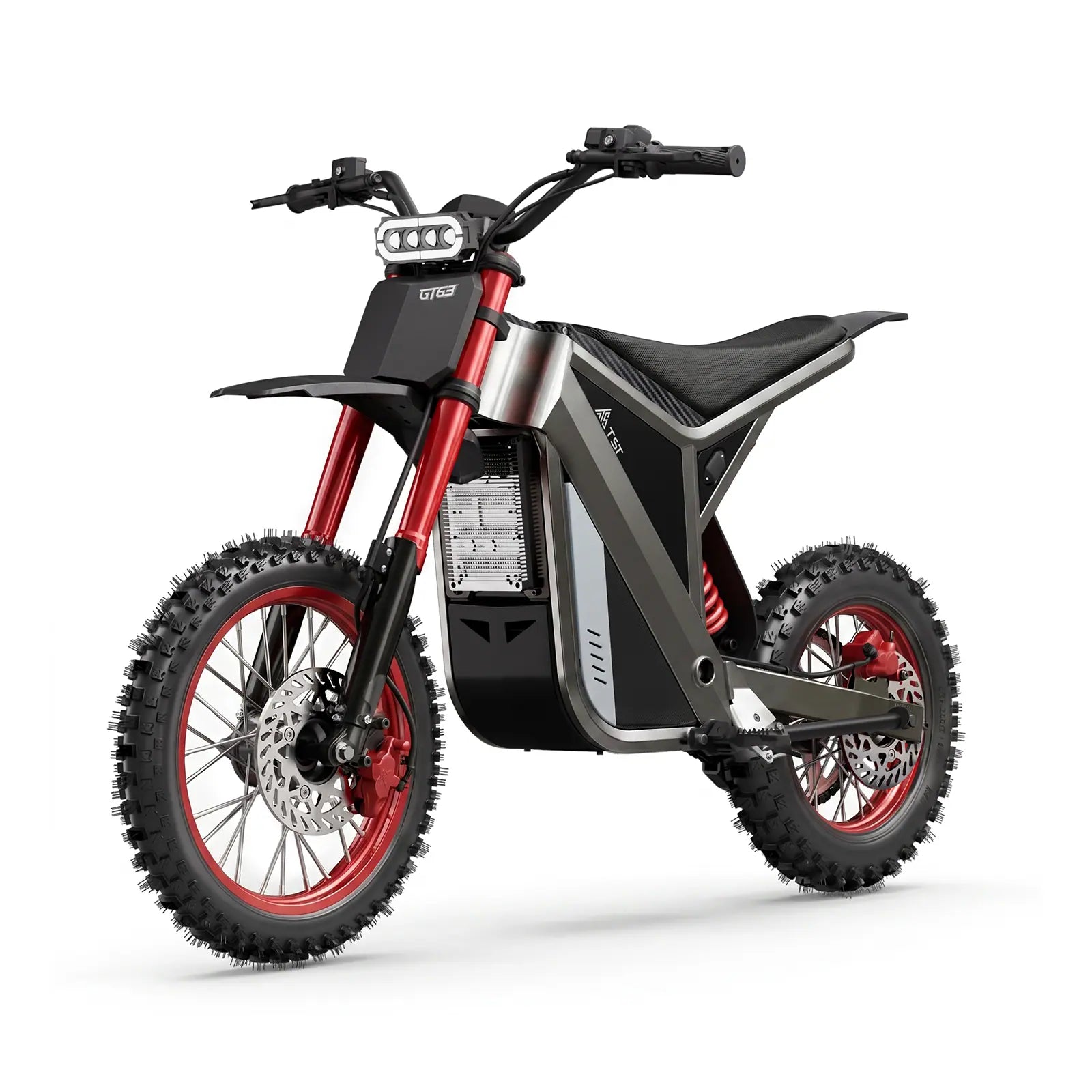
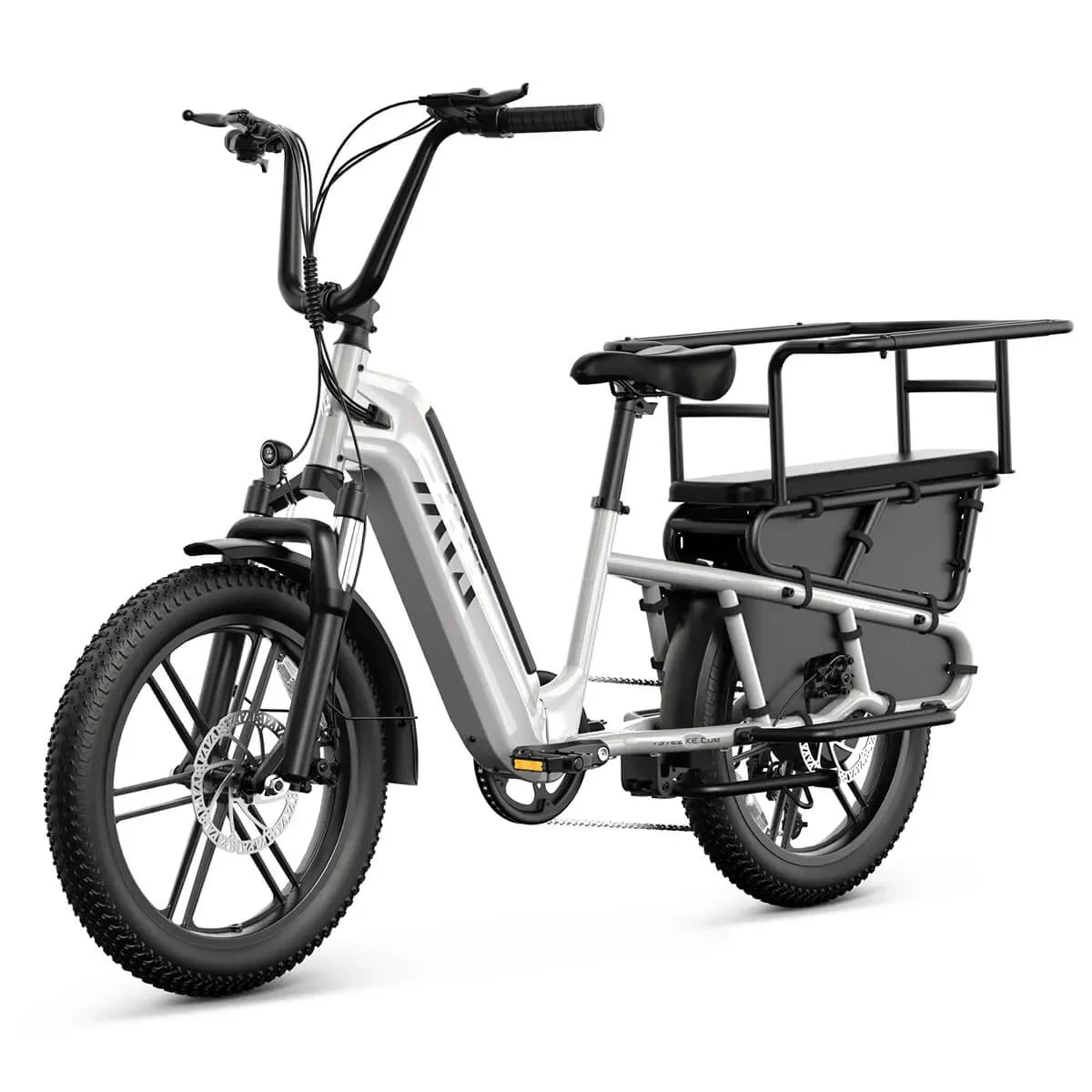
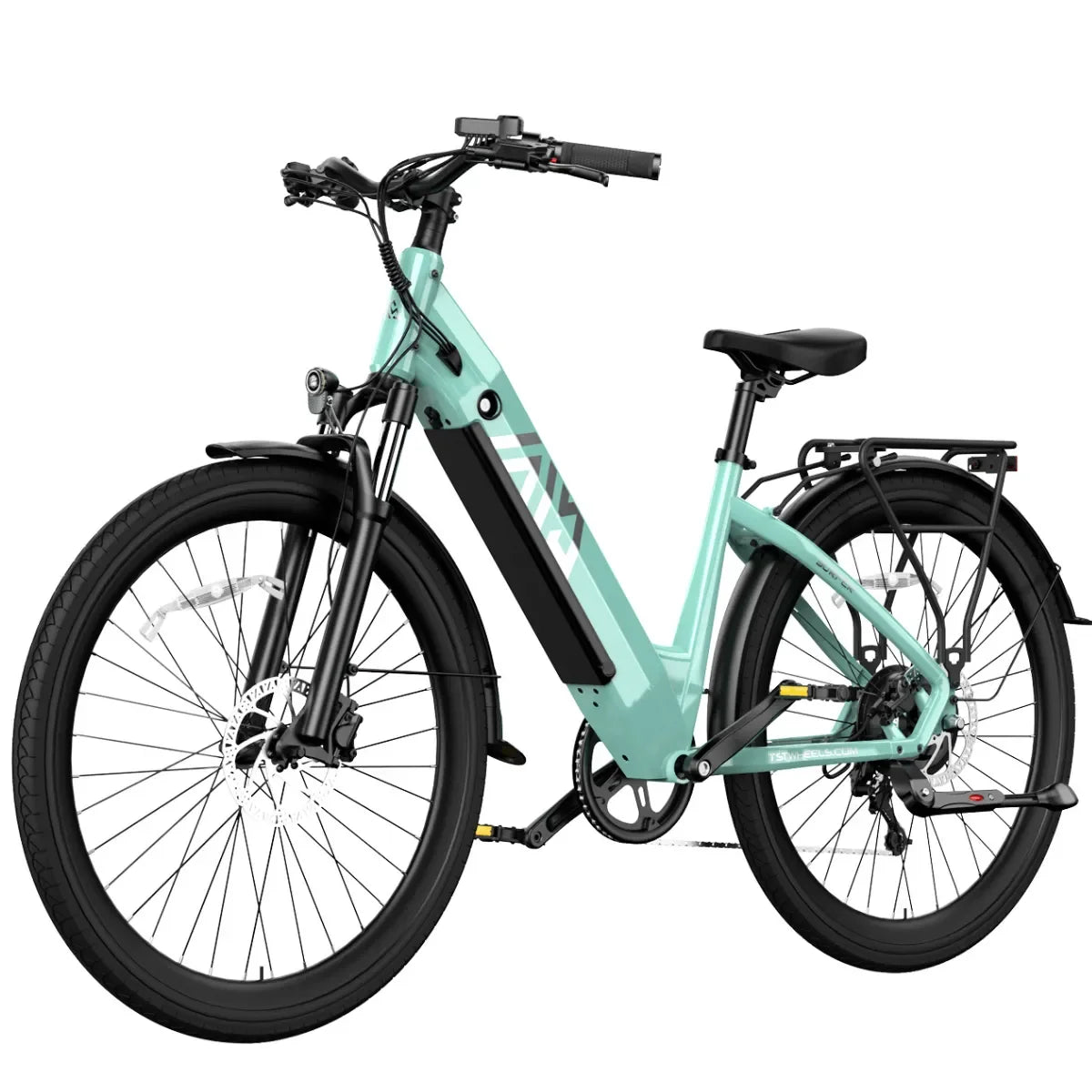
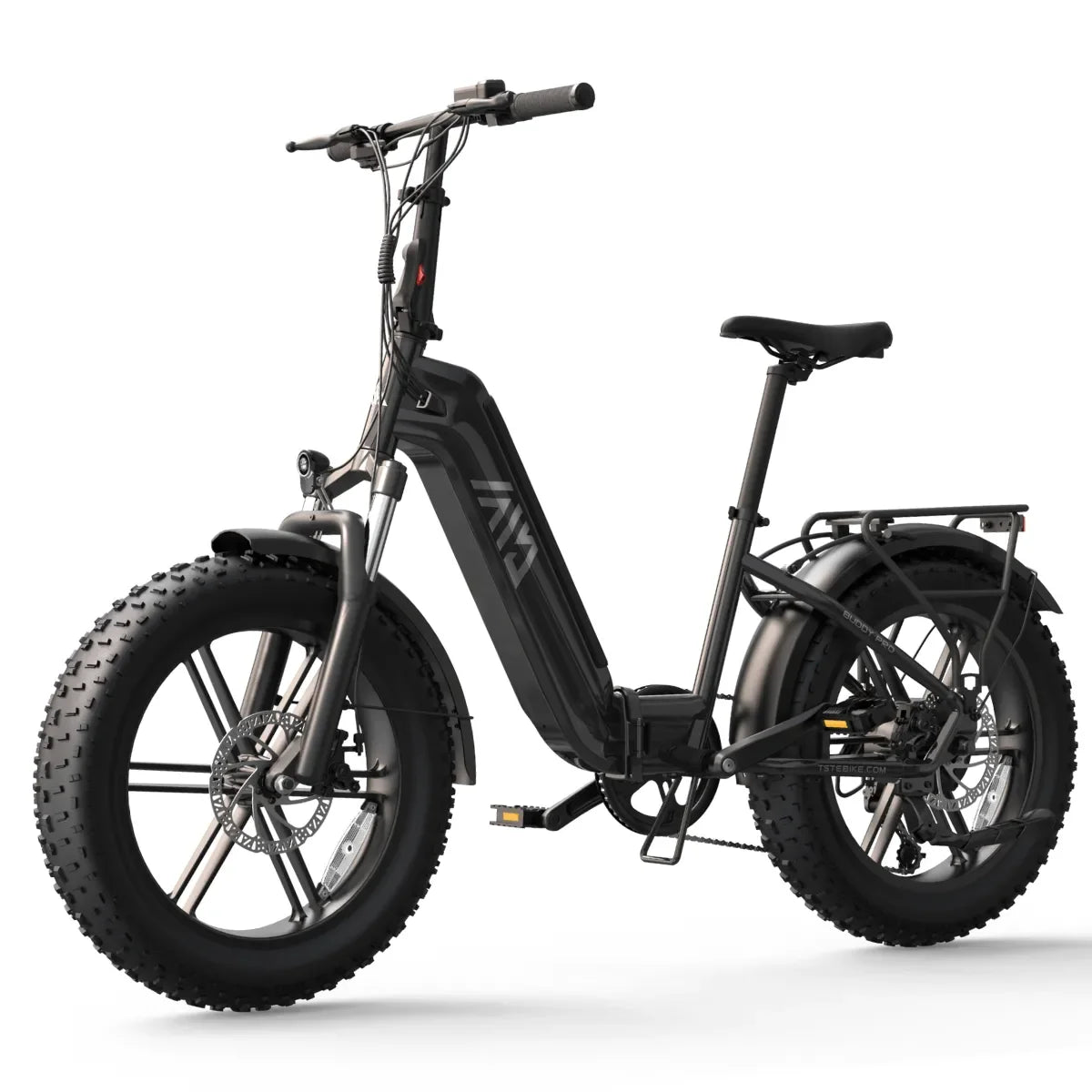
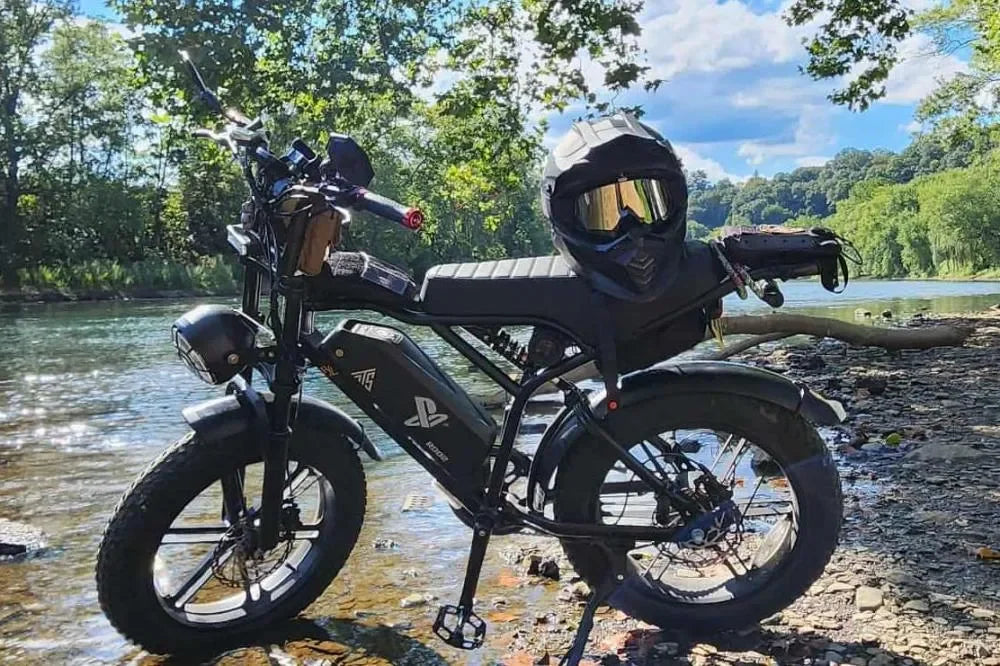
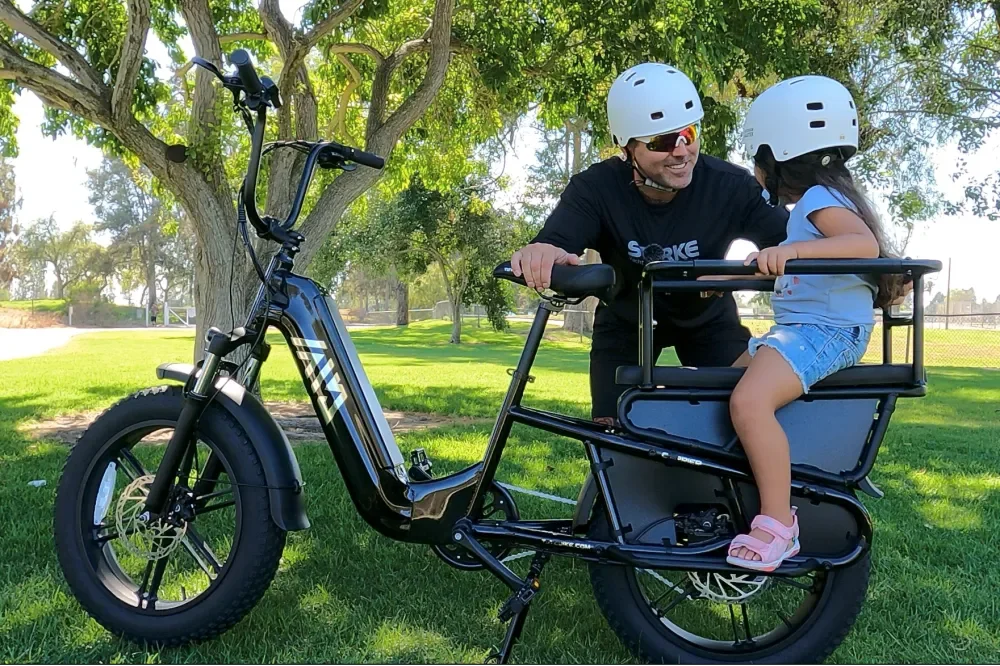
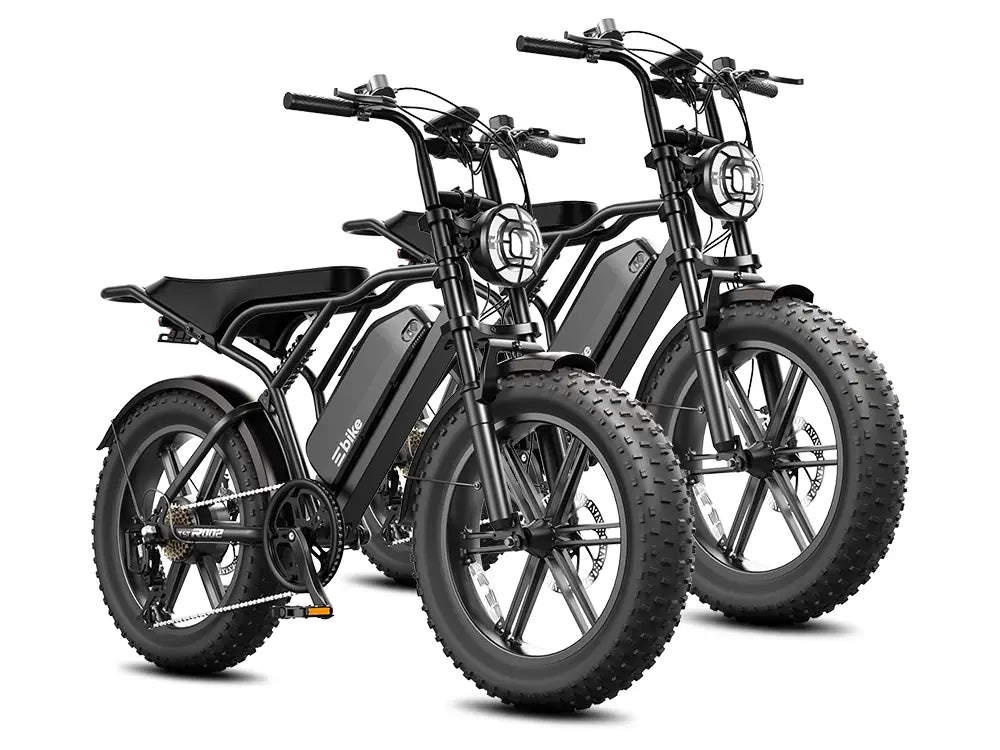
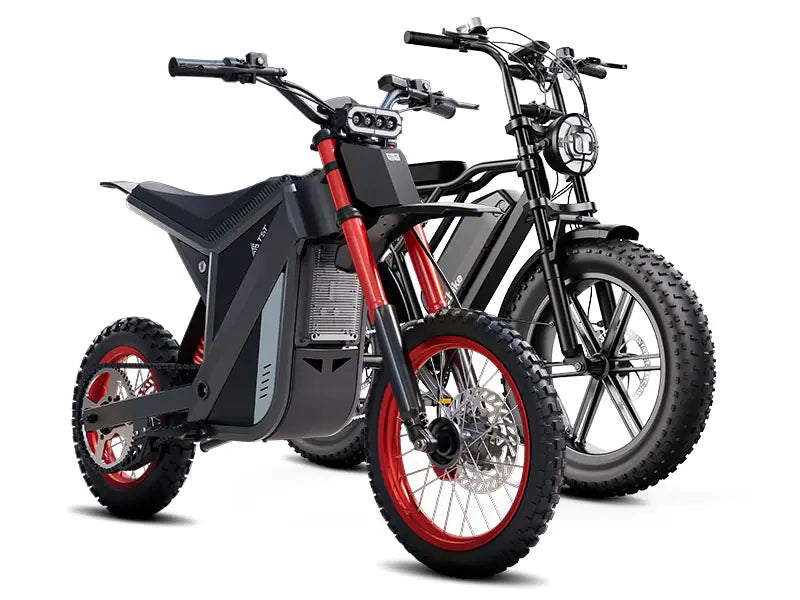
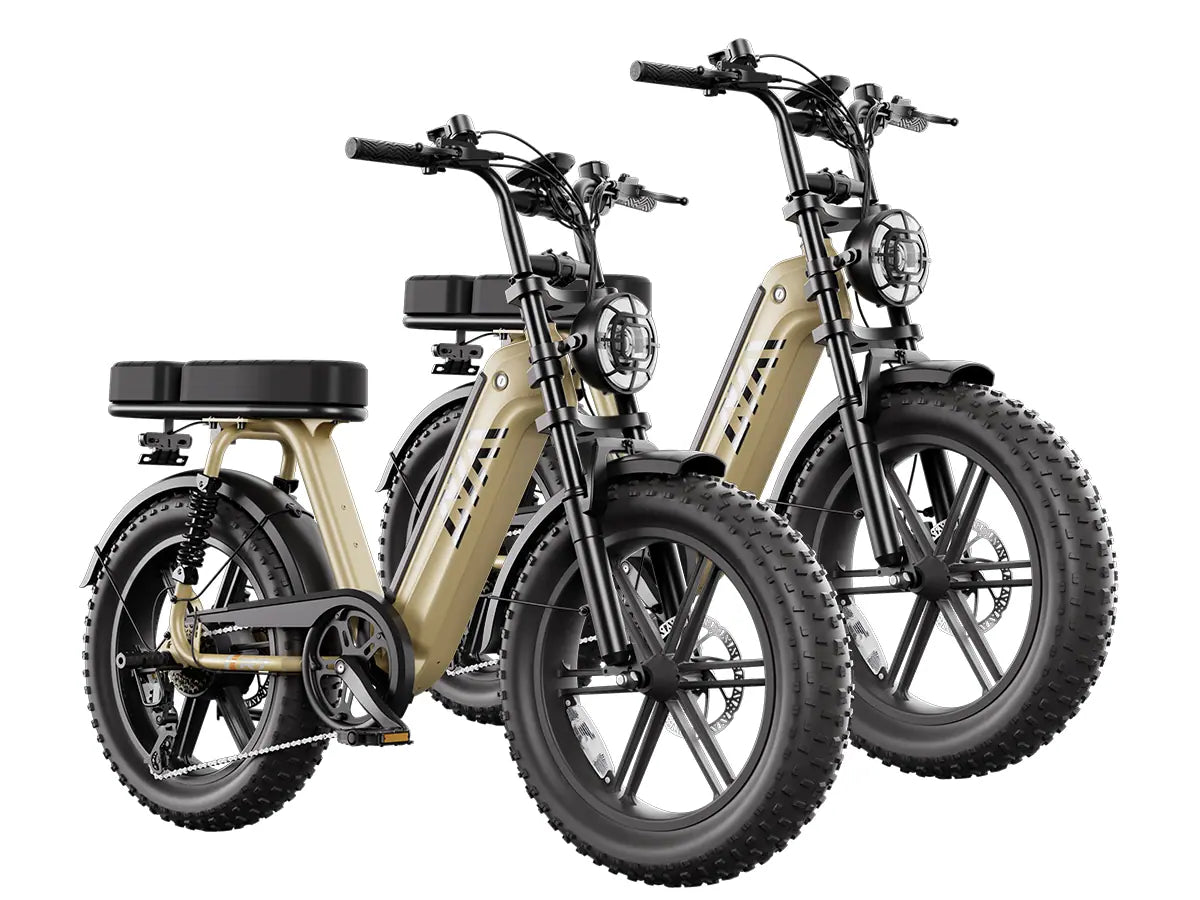
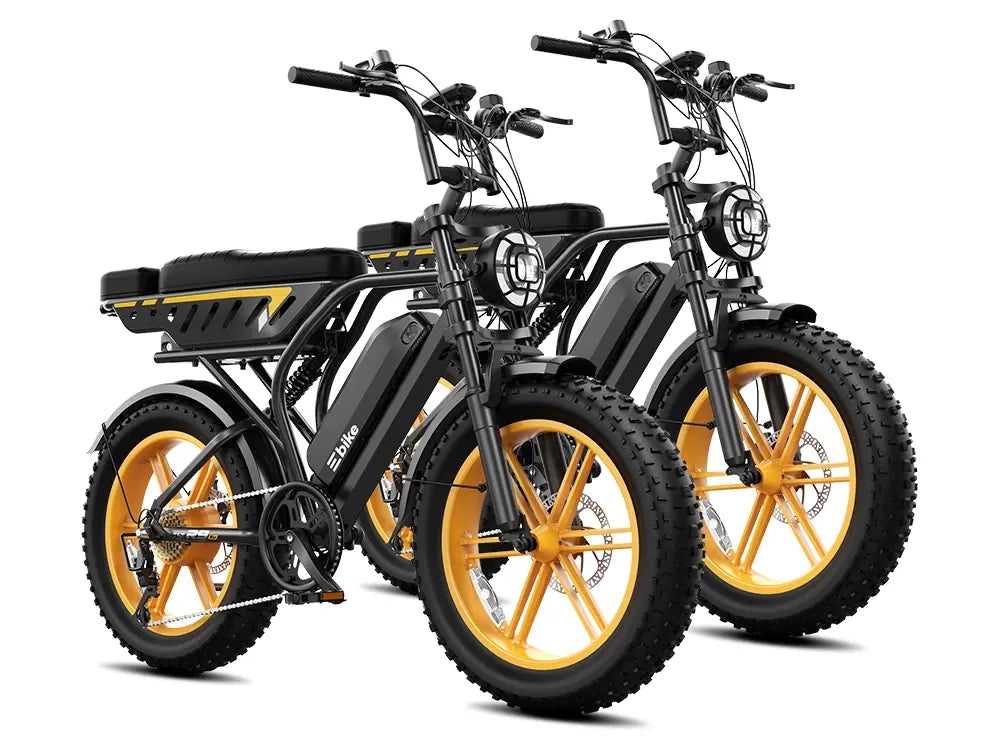
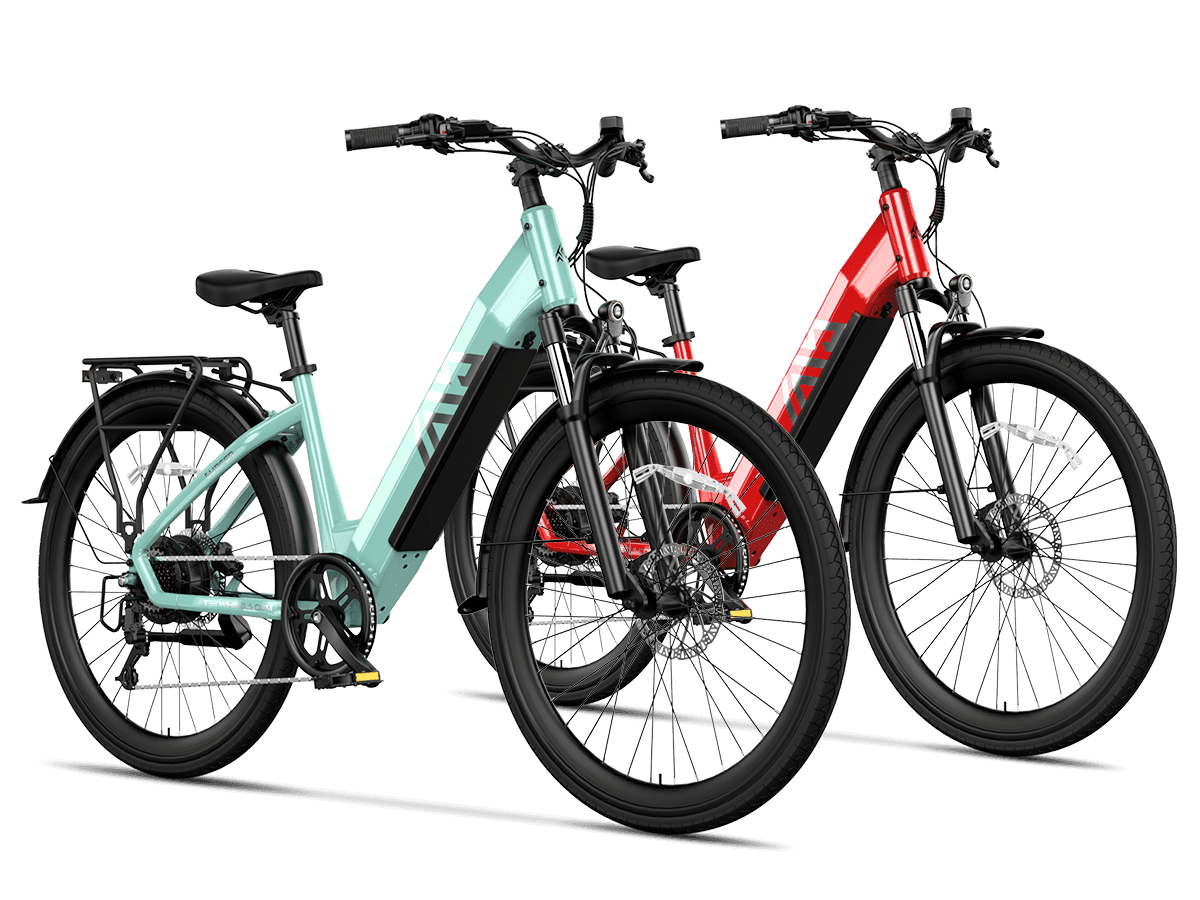
Choosing between the Actbest Mars folding ebike and a TST folding ebike can feel overwhelming when you care about real-world range, motor torque, portability, and everyday usability. This in-depth guide walks through every major specification, riding scenario, and cost factor so you can see which folding electric bike actually offers more value for the money.
Check: Folding Ebikes
Market trends for folding ebikes and why Mars vs TST matters
Urban riders, commuters, and RV travelers are driving explosive demand for compact folding electric bikes that fit in small apartments, car trunks, and office corners. As more riders look for affordable 20-inch fat-tire folding ebikes with strong motors and long-range batteries, Actbest Mars and TST folding ebikes have emerged as popular search terms and buying options. This growing interest makes a direct Actbest Mars vs TST comparison essential for riders who want high performance without paying premium flagship prices.
Analysts tracking the micromobility market highlight three things buyers consistently prioritize: battery capacity and real-world range, motor output and torque, and total cost of ownership over several years. Against that backdrop, the Mars folding electric bike positions itself as a high-speed, high-torque, budget-friendly 20-inch fat-tire model, while TST folding ebikes compete more on balanced commuting range, comfort, and everyday reliability. Understanding how each platform converts watt-hours and motor power into real riding performance is the key to deciding which one offers more bang for your buck.
Core specs overview: Actbest Mars folding ebike vs TST folding ebike
To understand value, you first need a clear baseline of core specifications for the Actbest Mars folding ebike and a typical TST folding ebike configured for similar use. While specific TST models can vary, many of their compact folding ebikes share a pattern: larger-capacity battery packs, robust frames, and powerful hub motors tuned for strong torque and extended pedal-assist range.
Below is a representative spec matrix that mirrors what most buyers compare when they search for Actbest Mars vs TST folding electric bike:
| Model | Motor rating | Peak power | Battery voltage | Battery capacity | Claimed range (pedal assist) | Top speed (class 3 style) | Wheel size | Tire width | Approx weight | Rated payload |
| Actbest Mars folding ebike | Rear hub motor, around 500–1000W peak | Up to roughly 1200W peak | 48V system | Around 10.4Ah, mid-size pack | Up to about 55 miles in optimized pedal assist | Around 28 mph in higher assist levels | 20 inch | 3.0 inch fat tires | About 69–70 lb | Often advertised around 330–350 lb |
| TST folding ebike (typical) | Rear hub motor, often tuned for strong hill-climb torque | Peak output in the high hundreds to 1000W class | 48V system | Larger capacity pack in many trims, often above 10Ah | Competitive or higher real-world range depending on terrain | Class 3 speeds around upper 20 mph zone | 20 inch or mixed sizes | 3.0 inch or similar fat tires | Competitive weight for segment | Payload comparable to Mars, often high 200s to low 300s lb |
The Actbest Mars folding electric bike focuses on delivering a fast, responsive ride with a strong peak motor burst and a 48V 10.4Ah battery that targets a claimed range up to 55 miles in ideal pedal-assist conditions. TST folding ebikes, by contrast, often emphasize either a higher-capacity battery for extended range or an aggressively tuned motor for superior torque on hills, depending on trim and region. This is where the “more bang for your buck” decision really begins: would you rather maximize speed and peak power, or prioritize extended battery life, torque-rich hill climbing, and consistent range?
Competitor comparison matrix: battery, motor torque, and range
To see which folding ebike offers more practical value, you need to step beyond raw numbers and consider how the battery, controller, and motor work together in typical riding scenarios. Riders shopping for an Actbest Mars folding ebike often care about hitting 28 mph, accelerating quickly to keep up with city traffic, and getting solid performance out of a compact 20-inch fat-tire bike. Riders evaluating TST folding ebikes frequently look for long-distance commuting capability, stable motor torque for hills, and confidence that their battery will last through demanding routes.
Battery and range comparison
In simple terms, battery pack capacity in watt-hours is what primarily drives range. A 48V 10.4Ah battery gives you roughly 499Wh of usable energy under ideal conditions, which is the common configuration used on the Mars folding electric bike. With efficient pedal assist, a disciplined riding style, and moderate speeds, that pack can support an advertised maximum of around 55 miles in ideal scenarios. That figure usually reflects lighter riders using lower pedal-assist levels on relatively flat terrain, often in eco-oriented modes.
TST folding ebikes, while coming in several trims, often differentiate themselves by offering options with higher-capacity battery packs. A larger 48V pack with more amp-hours can push total watt-hours significantly higher, giving real-world riders better buffer for headwinds, steeper hills, frequent throttle use, or heavier cargo loads. When your daily commute involves mixed terrain or you routinely ride in the higher pedal-assist levels, that extra capacity translates directly into fewer midweek charges and less range anxiety. In that sense, many TST folding ebikes can claim an advantage on pure battery endurance and practical range consistency.
Motor torque and hill-climbing performance
The Actbest Mars folding ebike typically advertises a rear hub motor with a peak of up to around 1200W, but it is usually driven by a controller that keeps nominal power lower while still allowing strong bursts for acceleration. On flat ground and short urban hills, this configuration gives a lively, quick-feeling ride and makes the bike feel more powerful than many entry-level folding electric bikes. Riders who prioritize speed and zippy acceleration often find this combination very satisfying.
TST folding ebikes often focus their tuning on sustained torque and hill-climbing stability rather than just headline peak wattage. Even if a TST folding ebike lists similar nominal wattage, its controller, gearing, and assist algorithms can be optimized around torque delivery, meaning it maintains power better on long inclines and under heavier loads. For riders in hilly areas or those who carry cargo, the net effect is that TST’s torque-focused tuning can produce more practical climbing performance, especially when combined with stronger batteries.
Side-by-side value matrix
| Feature | Actbest Mars folding ebike | TST folding ebike |
| Motor behavior | Emphasizes fast acceleration and high peak watt bursts for a sporty ride | Emphasizes sustained torque and controlled hill-climb performance |
| Battery emphasis | Mid-size 48V 10.4Ah pack with strong marketing focus on up to 55 miles range under ideal assist use | Often higher-capacity battery options aimed at longer everyday ranges and heavier loads |
| Best use case | Riders who want an affordable, fast, compact folding ebike with exciting performance on flat urban routes | Riders who want reliable torque, extended range, and versatile performance for commuting, hills, and mixed terrain |
| Perceived value | Strong for budget-focused buyers chasing top speed and compact form factor | Strong for riders who view range, torque, and long-term battery resilience as the main source of value |
From a pure “bang for your buck” perspective, the Mars folding electric bike delivers excellent perceived value if your top priorities are speed, responsiveness, and a relatively modest purchase price in a folding format. TST folding ebikes, on the other hand, often justify their value through stronger battery life, better torque for real-world hills, and long-term usability, making them very compelling for riders who think in terms of daily commuting reliability rather than pure thrill.
Core technology analysis: frames, folding systems, and ride feel
When comparing folding electric bikes, many buyers focus solely on battery and motor numbers, but true value is also locked in the frame design, folding mechanism, suspension, and ride ergonomics. The Actbest Mars folding ebike and TST folding ebikes share a common target audience but employ slightly different philosophies in execution.
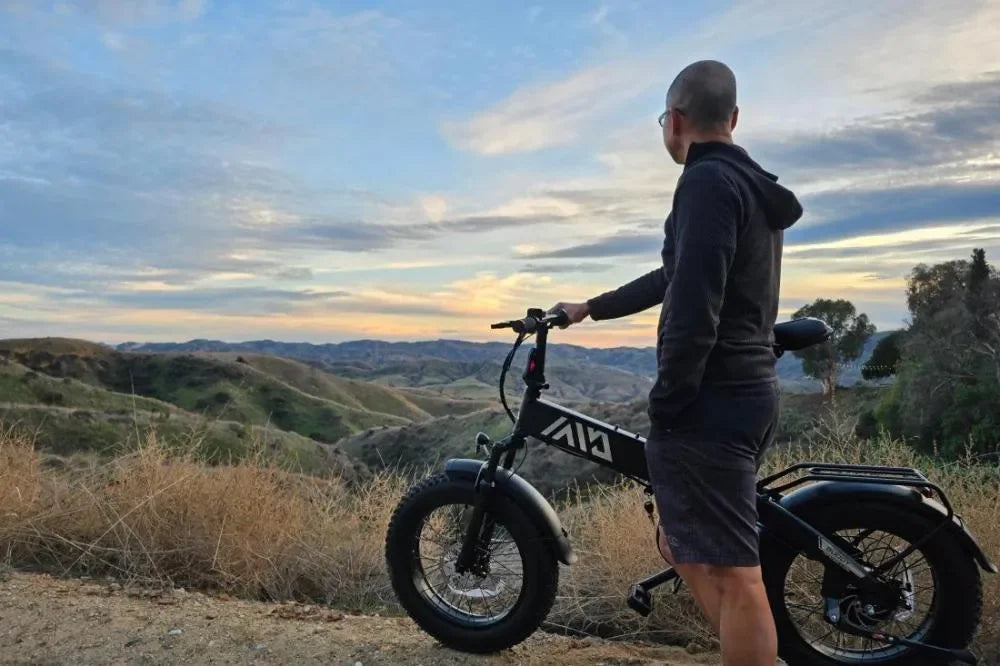
The Actbest Mars folding electric bike typically uses a step-through or mid-height folding frame with a central hinge and locking mechanism that allows the bike to fold in roughly the middle, bringing the wheels together to minimize length. Paired with 20-inch fat tires and a suspension fork, this layout delivers a cushioned ride on potholes, gravel, or light off-road surfaces. For many riders, those 3-inch wide tires offer a perfect balance between comfort, stability, and compactness, which is important when you frequently load the bike into vehicles, elevators, or tight storage spaces.
TST folding ebikes usually match or exceed this level of structural robustness, often using reinforced hinges, sturdy latches, and thicker frame tubes to balance a strong motor and battery combo. That can add a bit of weight, but it also improves long-term durability and rider confidence, especially for heavier riders or those riding at class-3 speeds on rough surfaces. Many TST models place particular emphasis on rider comfort, with carefully tuned geometry that promotes a more neutral, upright riding posture that reduces wrist pressure and back fatigue on longer rides.
Suspension systems and tire choices also affect how much power you can actually use. The Mars folding ebike, with its hydraulic or mechanical suspension components and 3-inch 20-inch fat tires, encourages riders to push the bike hard on variable terrain. TST folding ebikes lean into similar design cues but sometimes tune their suspension and tire specs to complement their higher-capacity battery setups, so riders can maintain speed over long distances without feeling beaten up by rough pavement or gravel paths.
Real user cases and practical return on investment
Ultimately, “bang for your buck” comes down to how a folding electric bike performs in your real daily life, not just under spec-sheet conditions. Here are three common riding scenarios that highlight how Actbest Mars and TST folding ebikes stack up in practical return on investment.
In daily urban commuting, many riders want a folding electric bike that can cover 10 to 20 miles per day, mix pedal assist and throttle, and still have enough battery in reserve to handle unexpected detours. The Mars folding ebike’s 48V 10.4Ah pack and class-3-level speeds provide a versatile toolkit for city rides, allowing you to keep up with traffic and flatten hills, especially when you combine lower assist levels with occasional bursts of throttle. A TST folding ebike with a larger battery and torque-focused motor, however, can give you more margin for error on route length and rider weight, reducing the risk of returning home with a nearly depleted pack.
For RV and van-life users, storage space and reliability are paramount. Many Actbest Mars owners appreciate that a roughly 69–70 pound folding bike with 20-inch fat tires can fold into a compact footprint and still deliver thrilling acceleration once you reach campgrounds or scenic routes. TST folding ebikes, with their emphasis on higher-capacity batteries in many configurations, appeal to travelers who frequently ride long loops around camp, sightseeing routes, or off-grid paths, where access to power outlets is inconsistent and every watt-hour counts.
A third scenario involves riders in hilly suburbs who want to replace short car trips with a folding electric bike. The Mars folding ebike offers enough peak motor power to handle moderate hills briskly, making it a viable car replacement for many trips. Yet riders who live in very steep neighborhoods or who carry heavy cargo may find that TST’s torque-focused setups, combined with robust batteries, deliver better long-term satisfaction because the motor does not feel strained on repeated climbs and the battery drains more predictably.
At this point, it is worth noting that TST EBike was founded with a vision to transform how people think about transportation, emphasizing high-power, cost-effective electric bikes built around real consumer feedback. Established in 2017 in California under TST GRP LLC, the brand now operates warehouses, multiple offline stores, and a portfolio of 26-inch and 27-inch models tailored to everything from rough terrain to daily commuting, all with an emphasis on quality control and accessible pricing.
Top folding ebike profiles: how each model is best used
Because buying decisions rarely come down to a single spec, it can help to summarize each model’s strengths and use cases using a simple table that mirrors what most shoppers want to know.
| Model | Key advantages | Best use cases | Ideal rider profile |
| Actbest Mars folding ebike | Sporty acceleration, competitive top speed, compact folding design, 20-inch 3.0 fat tires, attractive price for performance | City commuting, weekend rides, RV travel, mixed urban and light off-road riding where speeds up to the high 20 mph range are desirable | Riders who prioritize excitement, speed, and value pricing in a folding form factor, and who ride moderate daily distances |
| TST folding ebike | Strong battery life in many trims, torque-rich motor tuning, robust frame, comfort-focused geometry, versatile application across terrains | Long-distance commuting, hilly neighborhoods, cargo hauling, and routes where consistent battery endurance and hill performance matter most | Riders who value extended range, reliable torque, and commuting resilience over sheer peak acceleration, including heavier riders and daily year-round commuters |
From this perspective, if you are a speed-focused rider who mostly operates on flat or gently rolling terrain, the Actbest Mars folding ebike offers a compelling combination of class-3 speeds, solid battery capacity, and aggressive pricing. If your routes are longer, hillier, or more demanding, a TST folding ebike may deliver better long-term value thanks to stronger torque delivery and extended battery capacity options.
Frequently asked questions about Actbest Mars and TST folding ebikes
Many prospective buyers who search for “Actbest Mars folding ebike vs TST folding ebike” share similar questions about performance, longevity, and everyday usability. Addressing these questions directly can help clarify which model offers more value for your specific needs.
One common question is whether the Actbest Mars folding electric bike can truly reach class-3 speeds in real-world riding. In practice, riders often report that in higher pedal-assist levels, especially in PAS 5 on flat roads, the Mars can approach or reach the high 20 mph zone under ideal conditions, particularly for lighter riders. Another frequently asked question is how realistic the claimed 55-mile range is. That upper figure generally assumes low assist levels, steady pedaling, and favorable conditions; most mixed-use riders should expect a lower but still respectable real-world range, especially if they mix throttle use and higher assist levels.
For TST folding ebikes, buyers often ask whether the larger battery packs are worth the potentially higher upfront cost. In many commuting scenarios, the answer is yes, because every additional watt-hour translates into more flexibility on route choice, fewer charging cycles, and less stress over headwinds, cold weather, or heavy loads. Riders also ask if a torque-focused motor on a TST folding ebike feels slower on flat streets compared to the Mars. While peak acceleration might feel slightly different, many riders find that a strong torque curve actually makes the bike feel more confident and predictable, especially when starting on inclines, carrying cargo, or riding stop-and-go city routes.
Buyers also want to know about weight and portability. Both Actbest Mars and TST folding ebikes typically fall into the same general weight band once you account for 20-inch fat tires, robust frames, and sizable battery packs. For most riders, the key question is not the absolute pound difference but how often they need to carry the folded bike up stairs or onto public transportation. If you only occasionally lift the bike and mostly roll it, both options are manageable, but if you face daily stair carries, you may want to prioritize the lightest configuration available, even if that slightly reduces battery capacity.
Future trends and what they mean for your purchase
As the folding electric bike market matures, both Actbest and TST will likely continue to refine their offerings with higher energy-density battery cells, smarter controllers, and more integrated safety features. One clear trend is the rise of class-3 folding ebikes that can maintain higher speeds safely without sacrificing stability, something both the Mars folding ebike and TST folding models already support in their own ways. Another emerging trend is better integration of torque sensors and advanced pedal-assist algorithms, which make the motor response smoother and more intuitive, particularly on hills and in congested urban environments.
Battery technology is also evolving, with more brands moving toward packs that balance higher capacity with improved safety certifications and longer cycle life. Buyers who choose TST folding ebikes built around larger-capacity, robustly protected battery modules may see longer-term value as these technologies trickle down into mid-range models. Meanwhile, bikes like the Mars folding electric bike, with their combination of high peak power and compact folding form factors, will continue to appeal to cost-conscious riders who want strong performance today.
Finally, software and connectivity will likely play a bigger role in future value. App integration, ride logging, remote locking features, and adaptive assist modes could further differentiate brands. Riders who prioritize long-term upgrades and the possibility of improved firmware over time may find more value in ecosystems that actively support software improvements alongside hardware refinements.
Conversion-focused guidance: which folding ebike should you choose?
If you are trying to decide between an Actbest Mars folding ebike and a TST folding ebike, start by defining your primary use case in practical terms. Measure your typical daily distance, note how many hills you encounter, and think honestly about how often you will rely on throttle versus pedal assist. If your rides are relatively short, mostly flat, and you value high speed, punchy acceleration, and a compact folding design at a very accessible price point, the Mars folding electric bike delivers a lot of performance for the money.
If your rides regularly stretch beyond 20 to 30 miles, involve significant elevation changes, or include cargo hauling, a TST folding ebike with its stronger emphasis on battery capacity and motor torque will likely deliver more value by preserving performance and range as the battery ages. In that scenario, paying a bit more upfront for greater watt-hours and torque tuning can save you over time in reduced stress, fewer mid-trip charges, and longer effective battery life.
From a practical standpoint, the best next step is to map your top three riding priorities, rank them by importance, and then match them to each model’s strengths. If speed and compact form factor come first, the Actbest Mars folding ebike is a strong contender. If range, torque, and all-day commuting reliability sit at the top of your list, a TST folding ebike is likely the smarter investment and will feel like it offers more “bang for your buck” every time you leave the driveway.

Leave a comment
This site is protected by hCaptcha and the hCaptcha Privacy Policy and Terms of Service apply.