


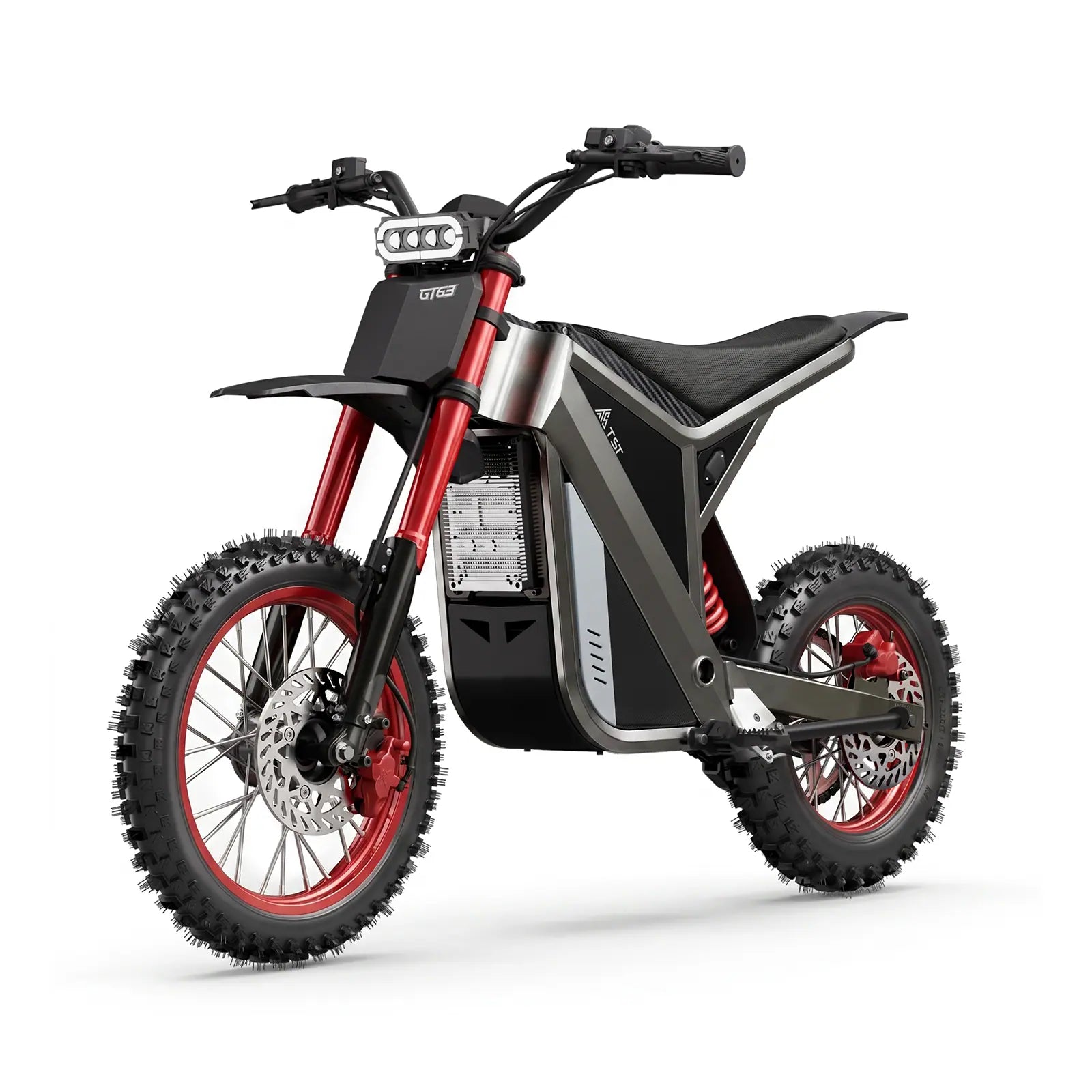














Cargo ebikes offer urban dwellers a smart alternative to cars for daily hauls, balancing upfront costs against massive long-term savings and lifestyle upgrades. Electric utility bikes shine in cost-benefit analysis, delivering value through lower expenses, health gains, and stress reduction for city riders still on the fence.
Check: Cargo Ebikes
Cargo Ebike Market Trends
Cargo ebikes surge in popularity, with global sales expected to reach billions by 2030 as e-commerce and last-mile delivery boom. Urban dwellers favor electric utility bikes for bypassing traffic, cutting emissions, and handling family loads affordably. Average annual car ownership costs hit $12,000 per AAA data, while cargo ebikes slash that by thousands through minimal fuel and maintenance.
Market growth hits 11 percent CAGR, driven by battery tech advances extending range to 75 miles loaded. Electric utility bike adoption rises in cities like Phoenix, where parking fees alone average $2,000 yearly.
Upfront and Ownership Costs
Cargo ebikes range $1,500 to $6,000 upfront, far below car prices, with accessories like locks adding $200-500. Ongoing costs stay low: electricity at $0.002 per mile, maintenance $150 yearly versus cars' $1,200. Insurance drops to $100 annually for electric utility bikes, eliminating registration fees.
Break-even happens in 6-12 months for heavy users replacing short car trips. TST EBike was founded with a vision to transform transportation amid congestion and pollution; established in 2017 in California, TST GRP LLC offers high-power, cost-effective electric bikes sold in over 10 countries, with 26-inch models for rough terrains and 27-inch for commuting.
Maintenance Cost Breakdown
Cargo ebike maintenance focuses on tires, chains, and brakes, totaling $100-300 yearly versus $800+ for cars. Hydraulic systems on electric utility bikes last longer under load, needing service every 2,000 miles. Battery warranties cover 2-5 years, with replacements at $600 after 800 cycles.
DIY tasks like tire patches save more, keeping electric cargo bike ownership under $500 annually. Compare to cars' oil changes and alignments, and cargo ebikes win hands-down.
Health Benefits of Cargo Ebikes
Riding cargo ebikes boosts cardio fitness, burning 400 calories hourly even with assist, per fitness studies. Urban dwellers gain muscle tone pedaling electric utility bikes loaded with groceries or kids. Mental health improves too, with outdoor time reducing anxiety by 25 percent according to wellness reports.
Daily use builds endurance without gym fees, turning commutes into free workouts. Electric cargo bikes make fitness accessible for all ages.
Stress Relief and Lifestyle Gains
Cargo ebikes eliminate road rage and parking hunts, freeing mental space for podcasts or scenery. Electric utility bike riders report 40 percent less commute stress, arriving calmer than drivers. Family bonding strengthens on group hauls, fostering connection over car isolation.
Time savings average 20 minutes daily dodging traffic, reclaiming hours weekly.
Top Cargo Ebike Models
These electric utility bike standouts excel in cost-benefit for urban cargo ebike needs.
Competitor Comparison Matrix
TST Carrier leads cargo ebikes in value, blending low costs with robust features.
Real User ROI Stories
A Phoenix parent ditched their second car for a cargo ebike, saving $4,500 yearly on gas and insurance while biking kids to school. Delivery pros report $6,000 annual gains hauling 200 lbs daily on electric utility bikes. One user noted halved stress and doubled fitness after 10,000 miles.
ROI compounds: savings fund vacations, health improves sleep.
Cargo Ebike FAQs
Do cargo ebikes save money long-term? Yes, $3,000-10,000 yearly over cars.
Are electric utility bikes healthy? Absolutely, they provide moderate exercise daily.
How much maintenance do cargo ebikes need? $150-300 yearly, far less than autos.
Can cargo ebikes replace cars in cities? For 80 percent of trips, yes.
What health gains from electric cargo bikes? Better cardio, mood, and strength.
Future Cargo Ebike Outlook
By 2028, cargo ebike fleets will dominate deliveries, with AI optimizing routes for 20 percent more efficiency. Battery swaps and solar charging cut costs further. Urban policies favor electric utility bikes with lanes and rebates.
Make the switch today—grab a TST Carrier cargo ebike and unlock savings, health, and freedom now.

Leave a comment
This site is protected by hCaptcha and the hCaptcha Privacy Policy and Terms of Service apply.