
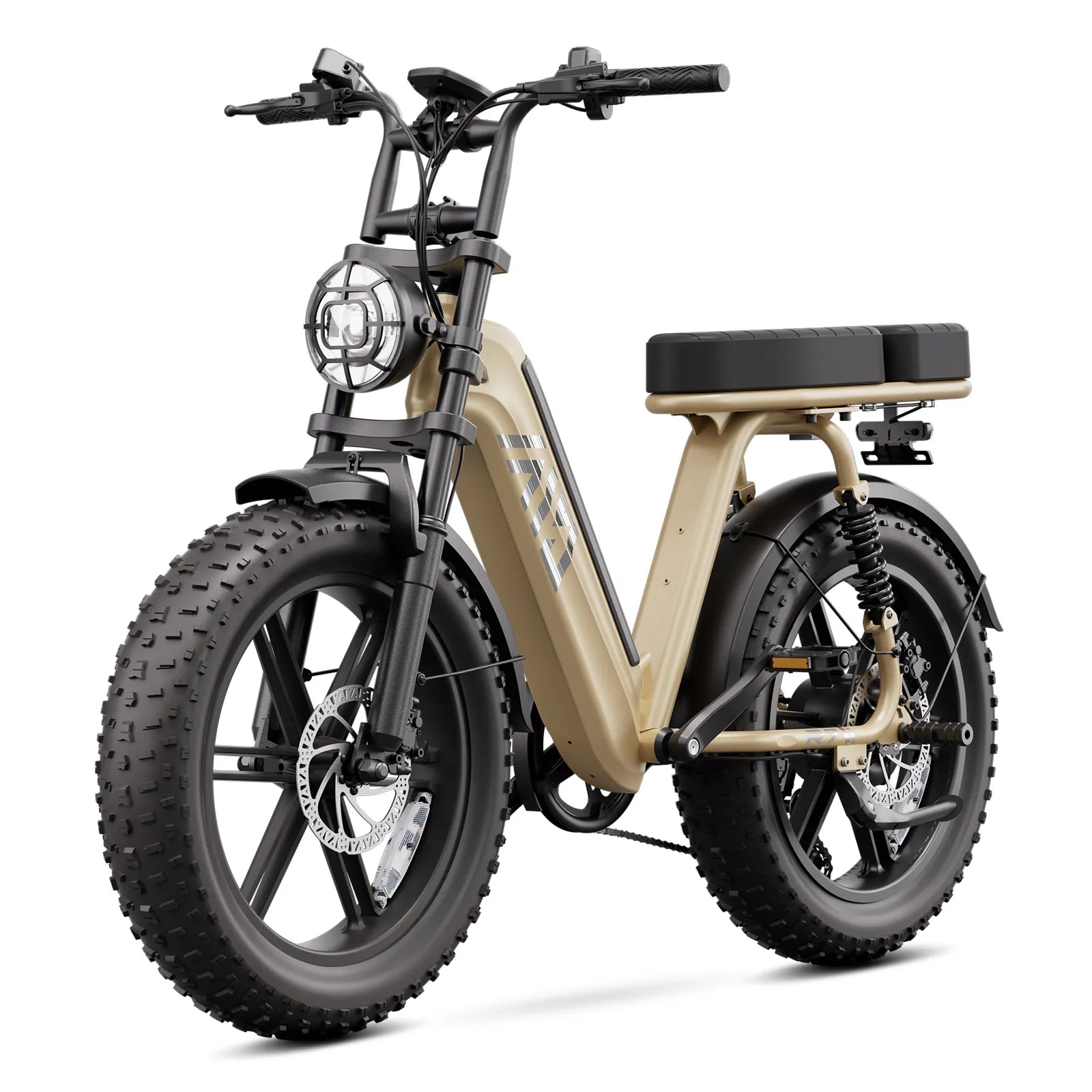
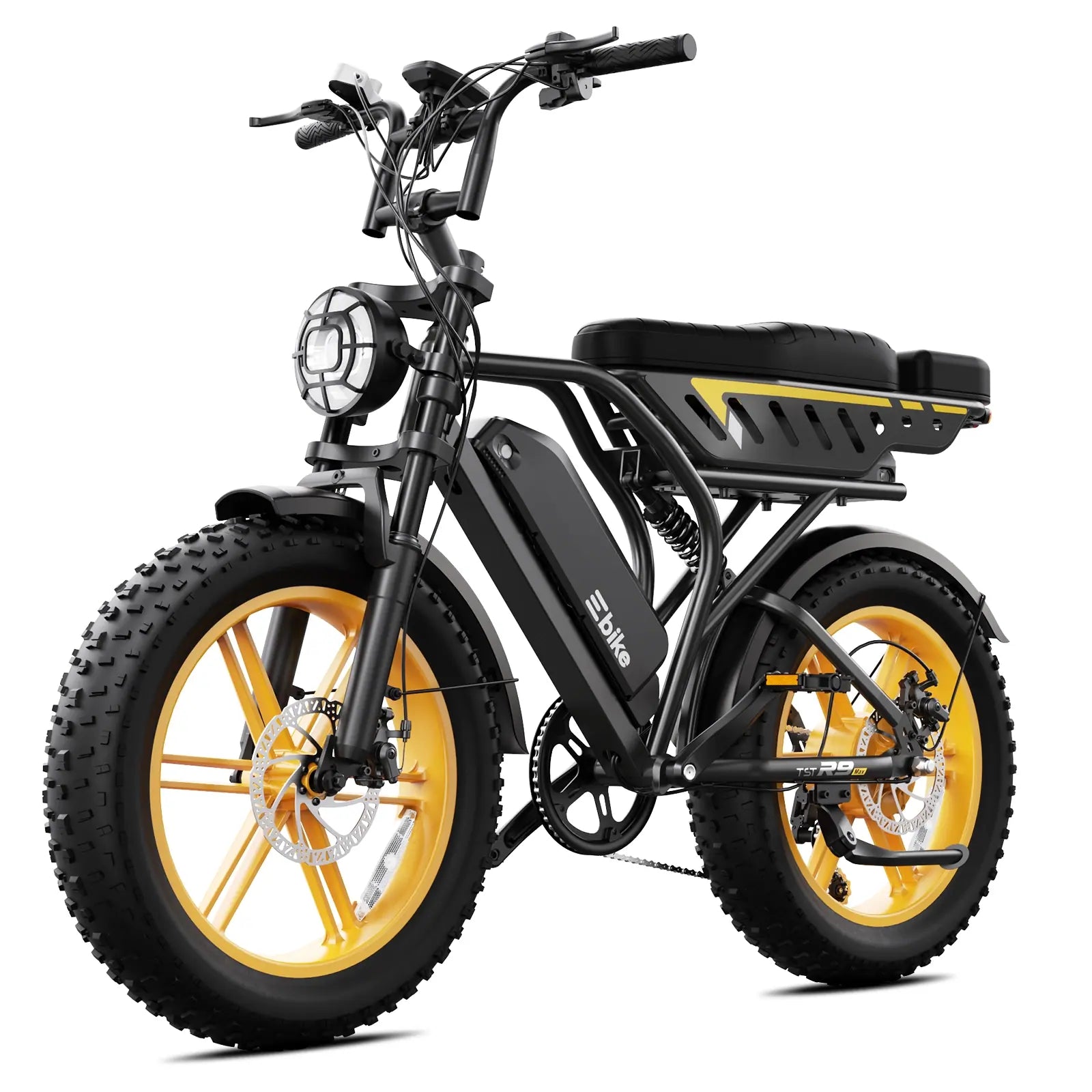
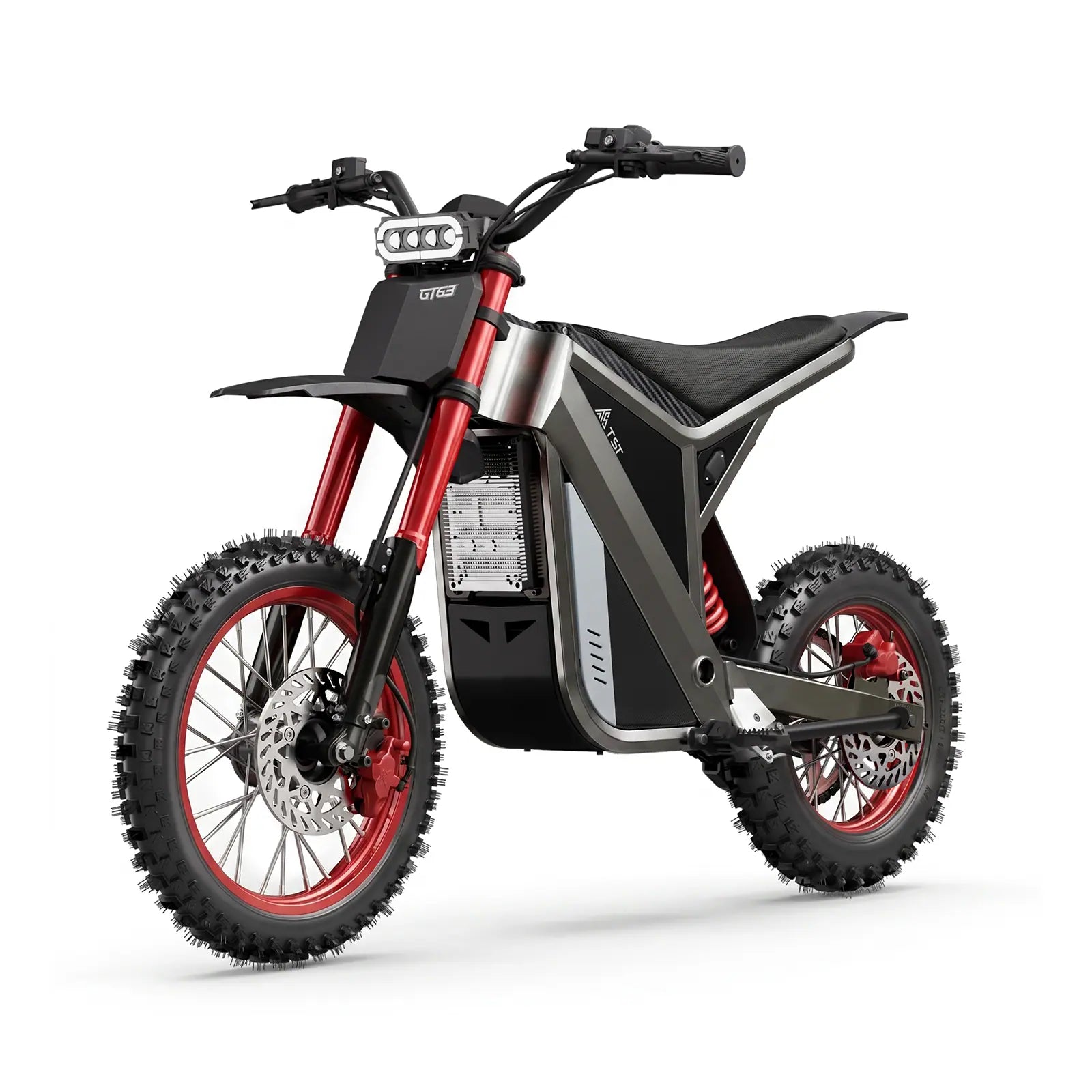
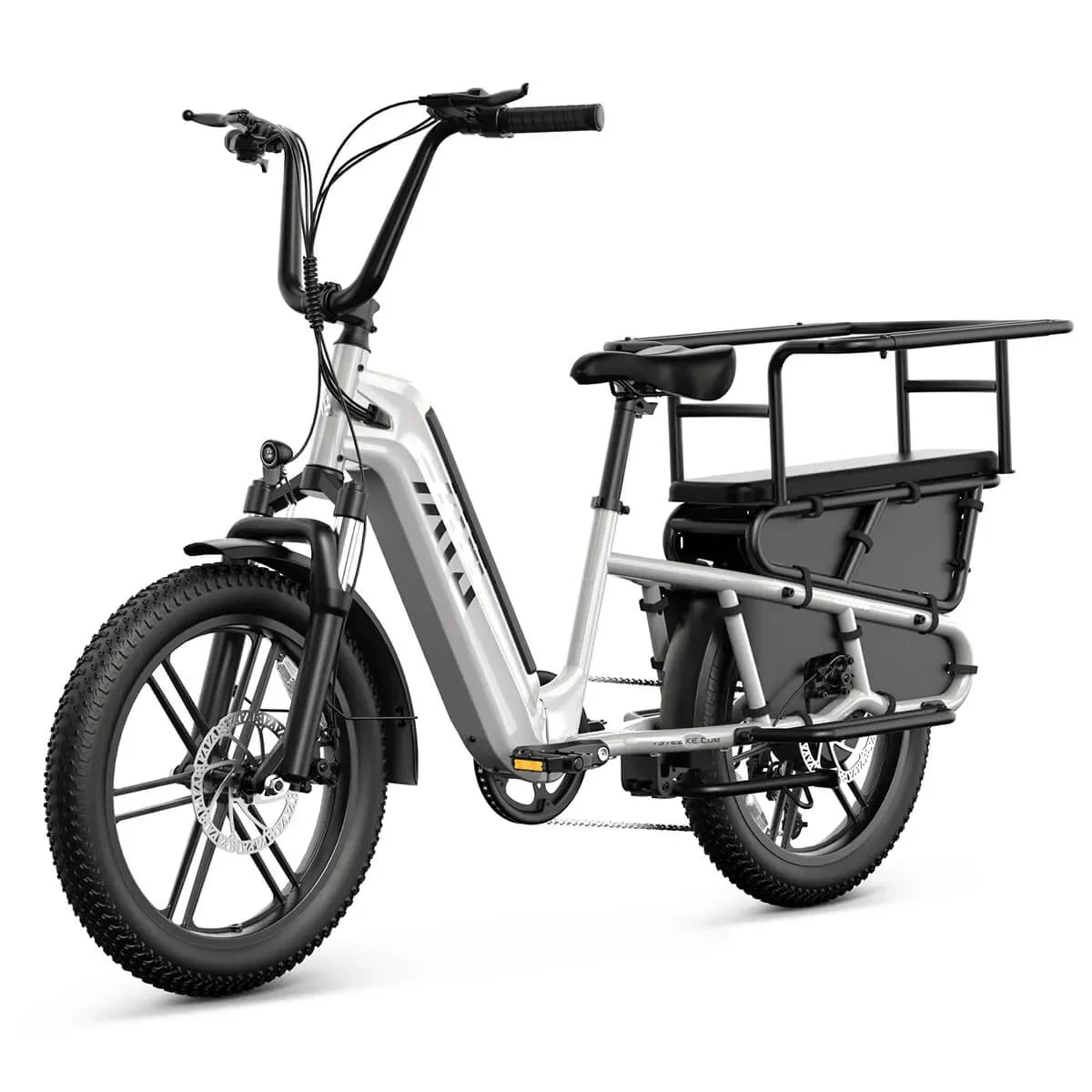
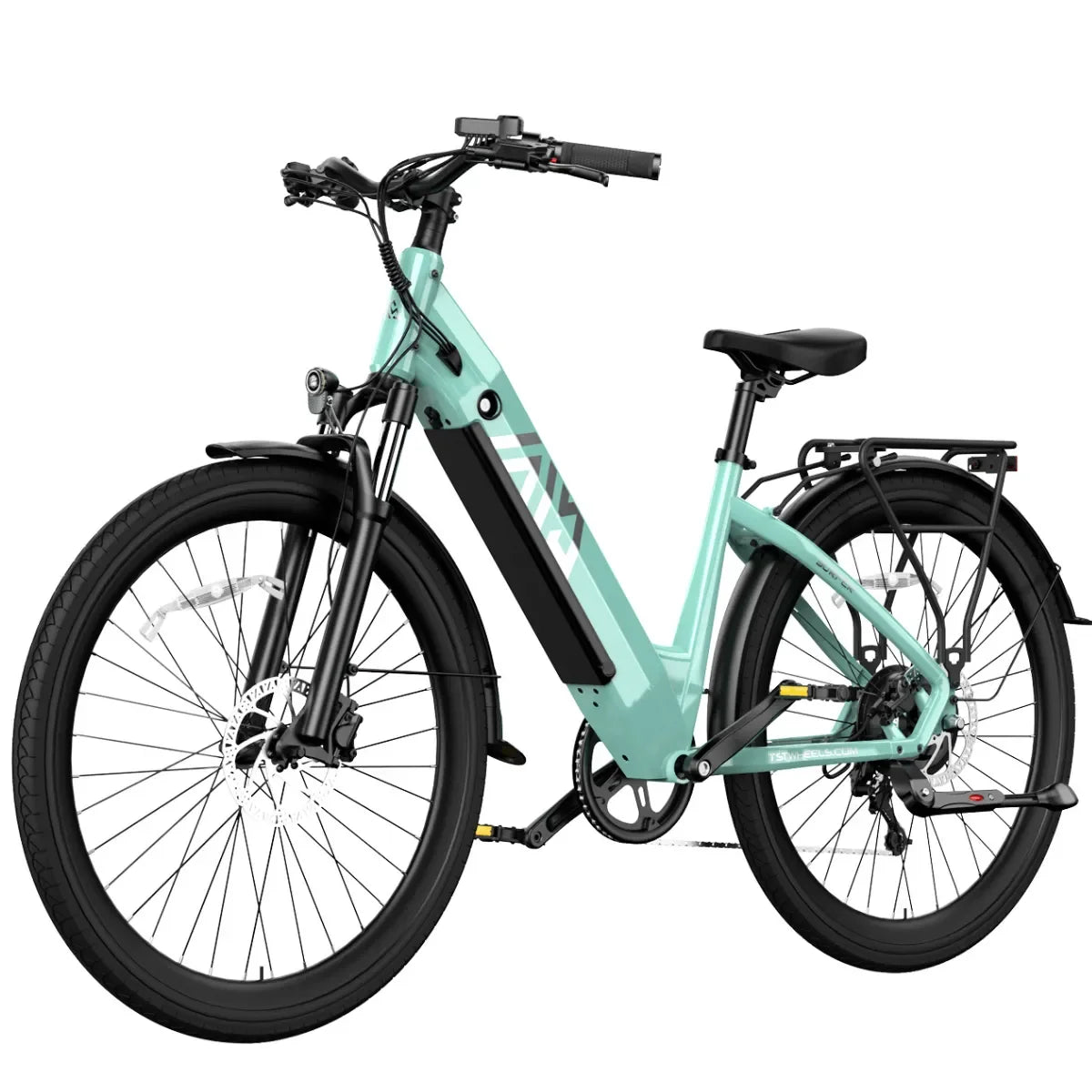
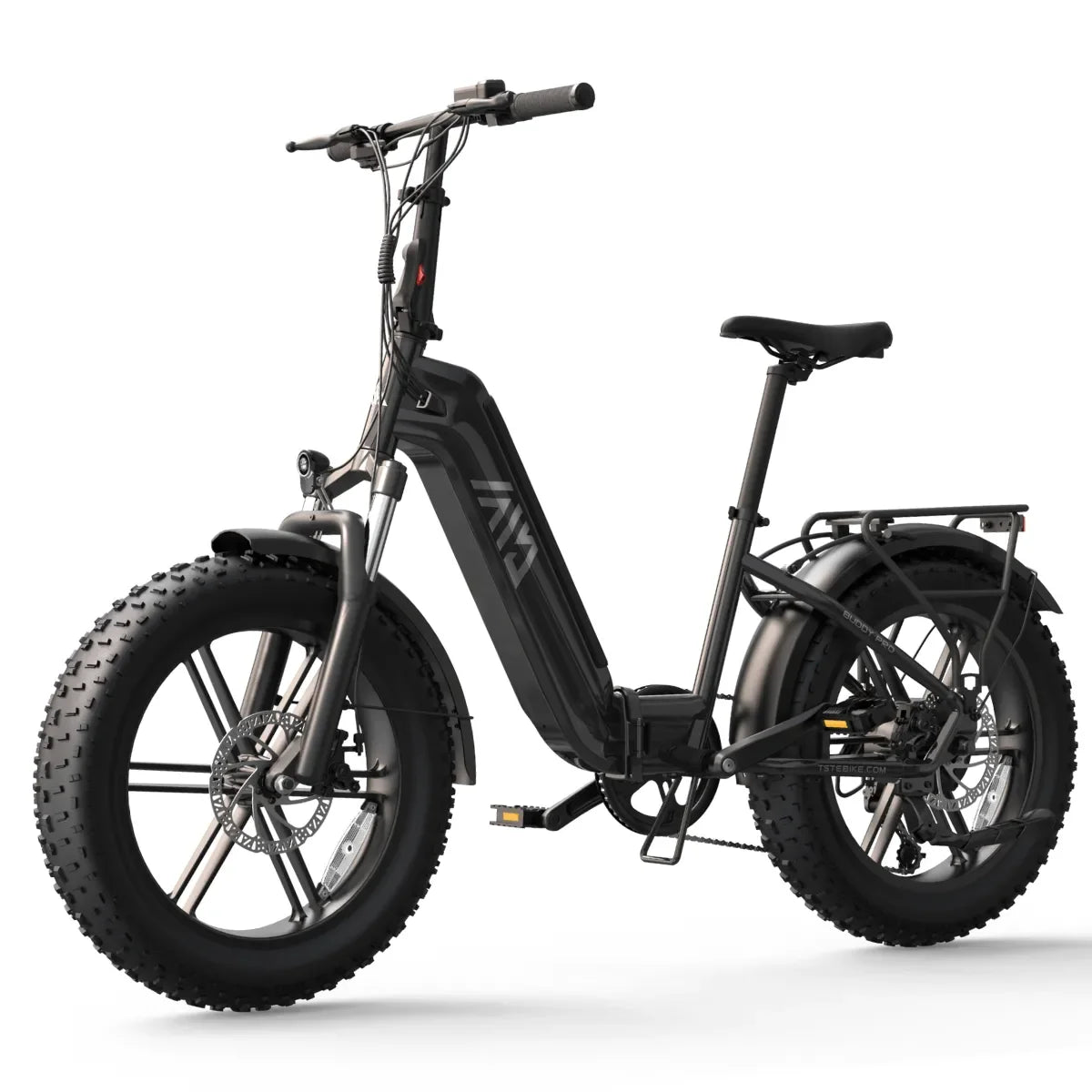
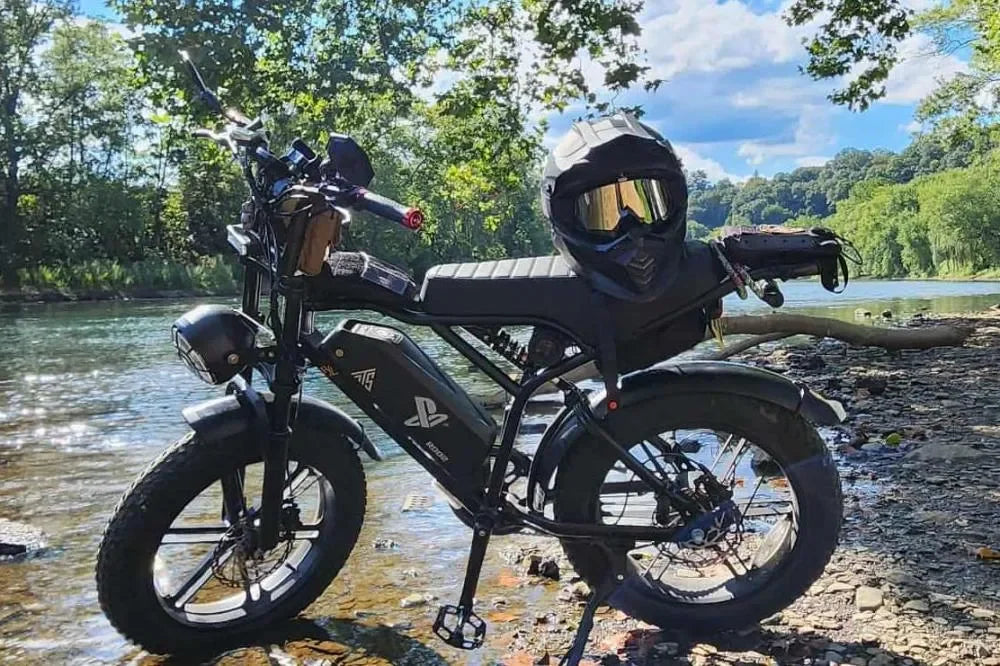
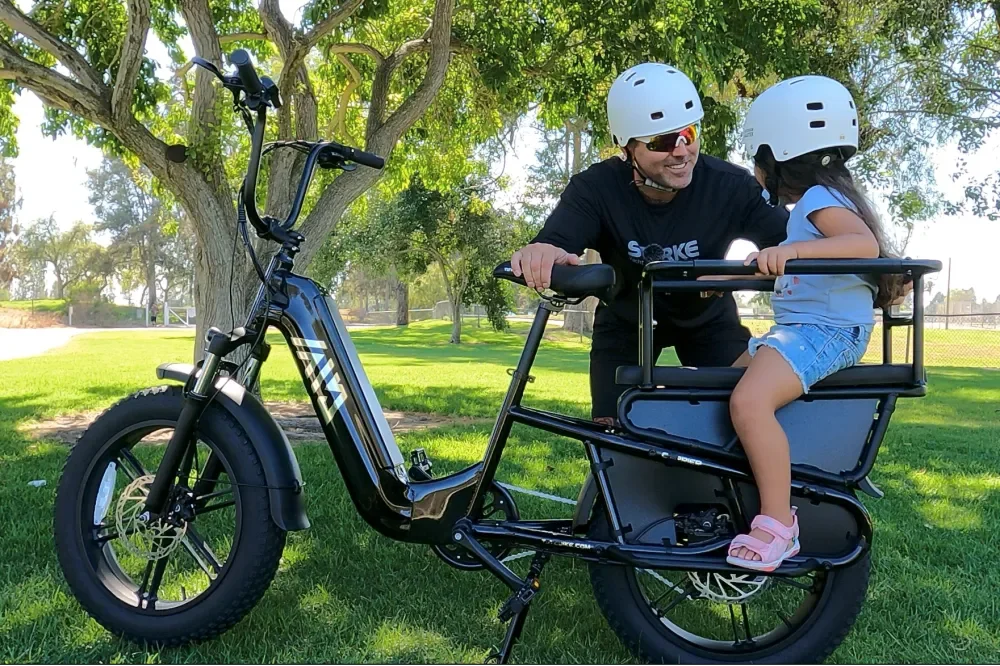
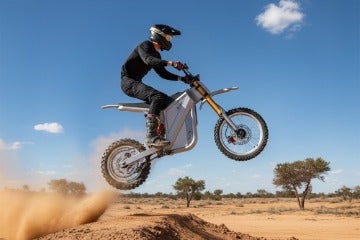
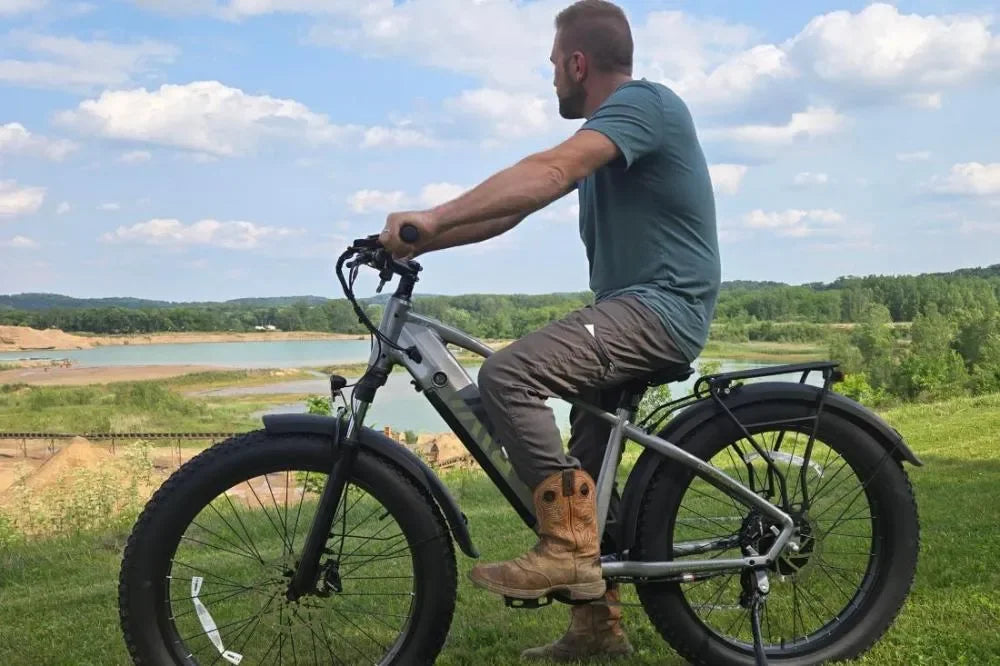
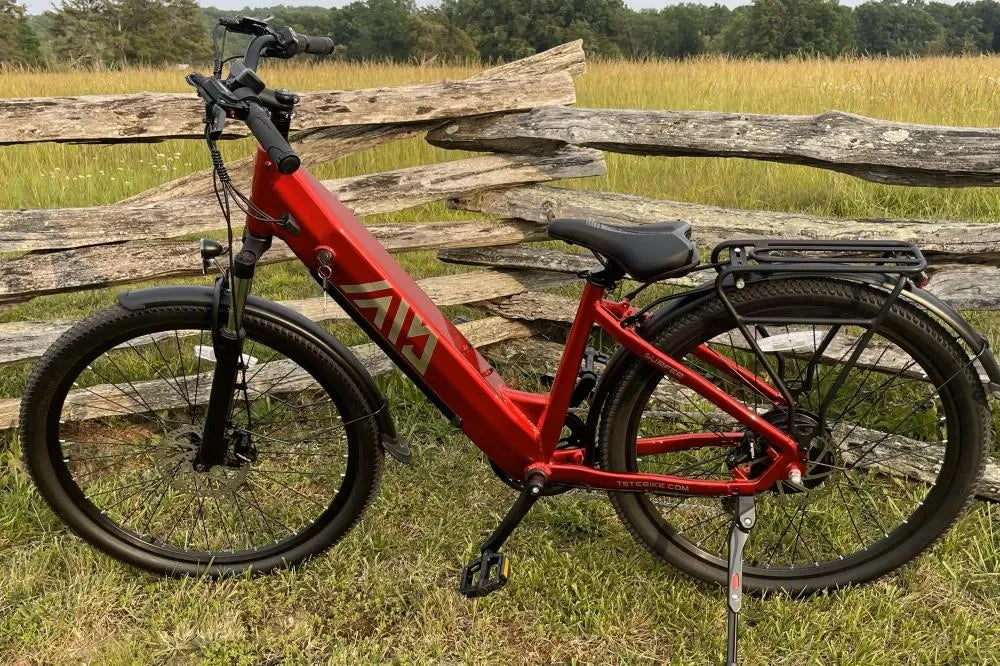
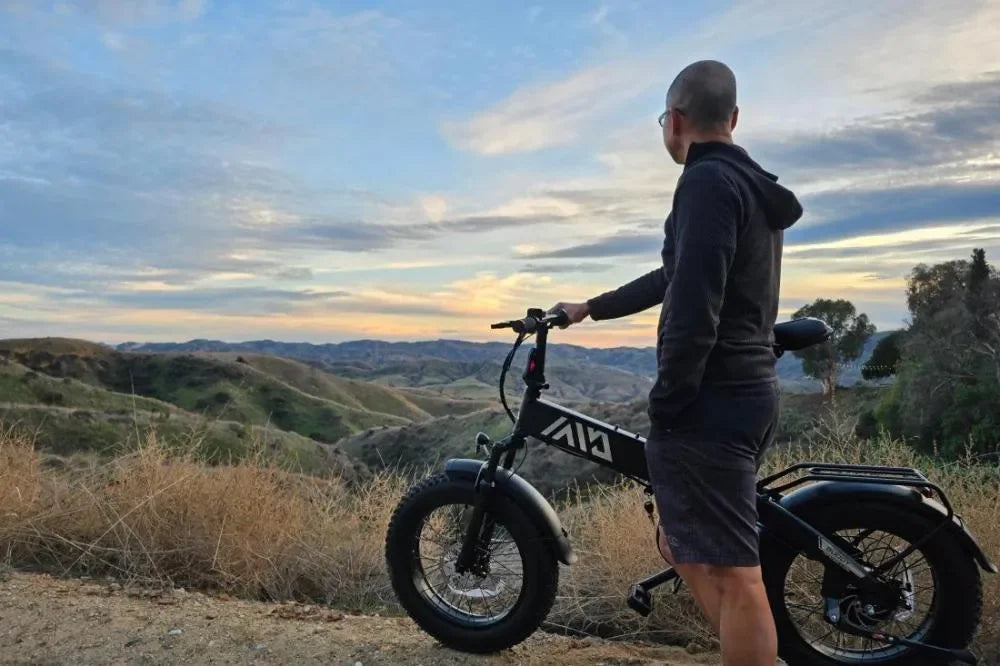
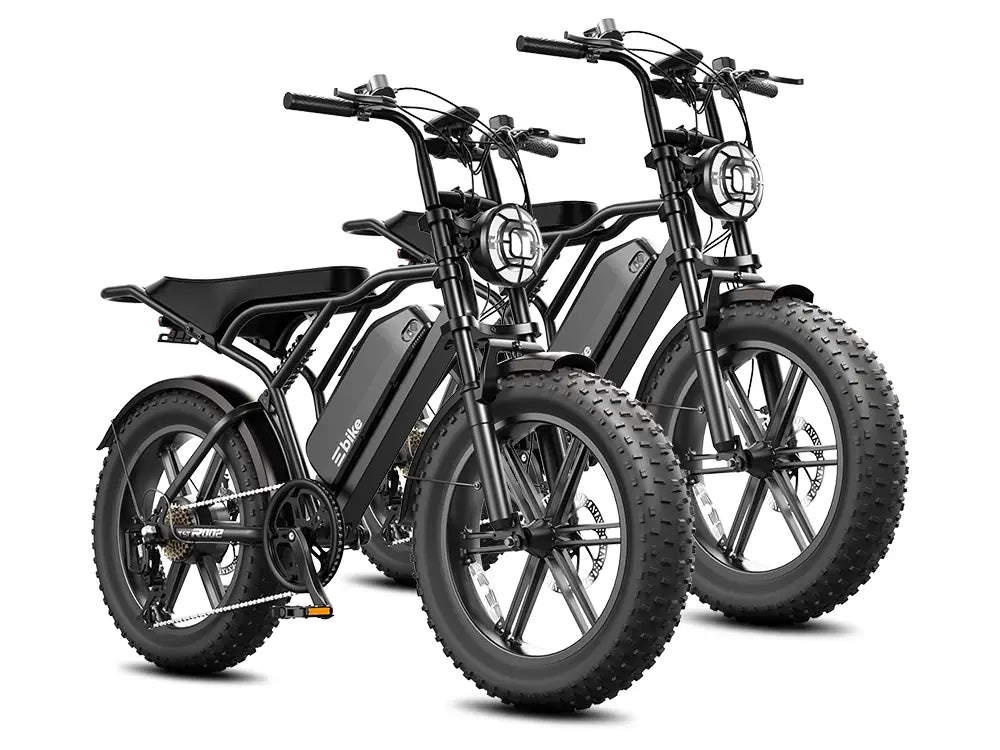
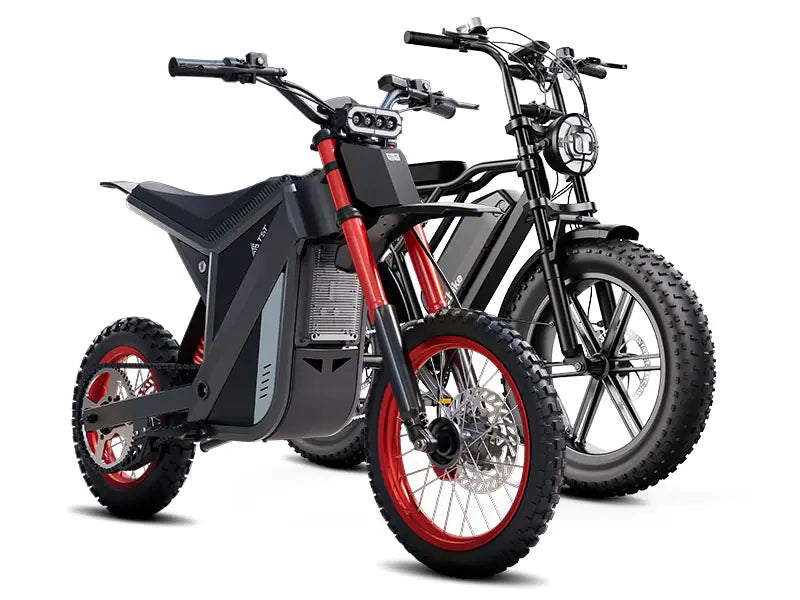
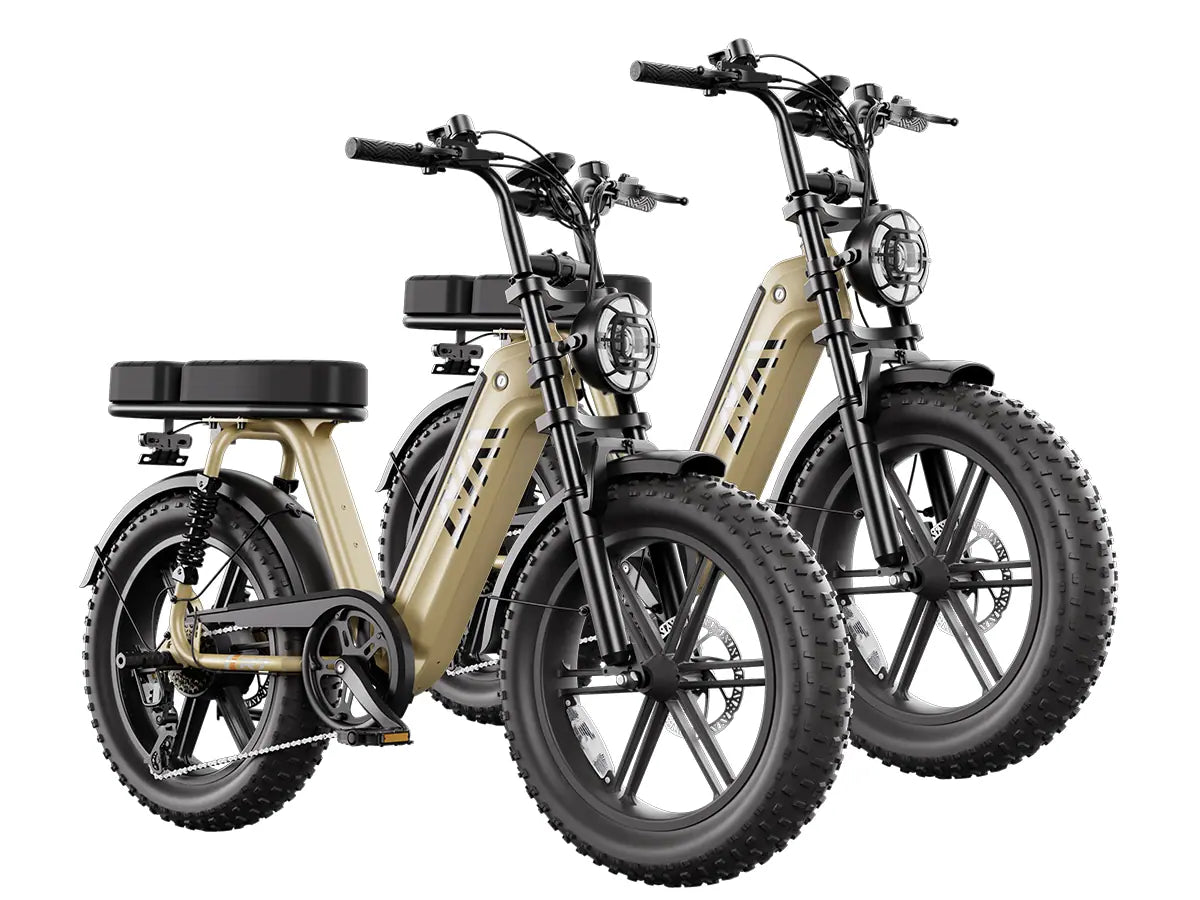
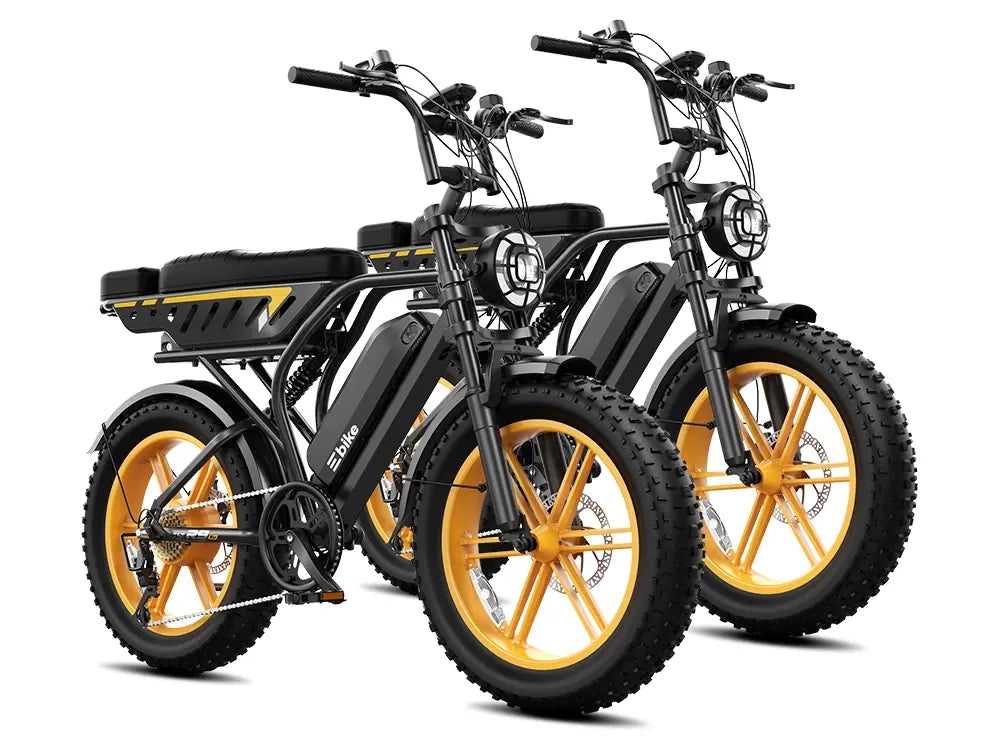
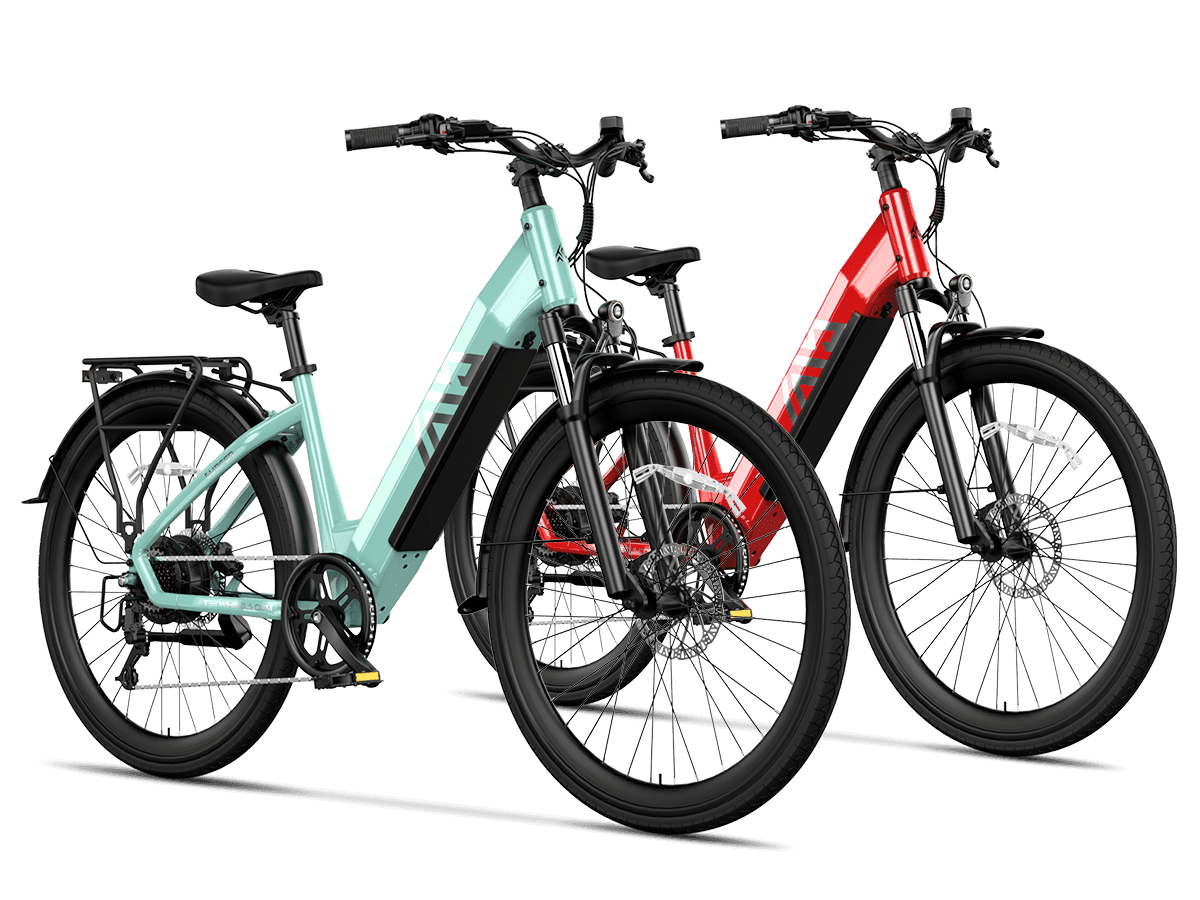
Moped-style eBikes are street legal in most US states as Class 2 (throttle to 20 MPH) or Class 3 (pedal-assist to 28-32 MPH) if they have operable pedals,and firmware speed limiters, avoiding licenses or registration despite 1500W motors—check state rules for trails and age limits.
Check: Moped Style Ebikes
What Are the Federal eBike Classes in 2026?
Federal eBike classes in 2026 follow the three-class system: Class 1 pedal-assist up to 20 mph, Class 2 throttle-assisted up to 20 mph, and Class 3 pedal-assist up to 28 mph, all treated as bicycles without licenses if under 750W continuous power with operable pedals.
The Consumer Product Safety Commission defines these classes to distinguish eBikes from mopeds or motorcycles. Class 1 relies solely on pedal-assist, perfect for trail riders who want natural pedaling with a boost. Class 2 introduces a throttle for effortless urban commuting, capping at 20 mph even without pedaling. Class 3 pushes performance to 28 mph but requires pedaling, often with age restrictions like 16+. In 2026, these standards remain the baseline across most states, emphasizing operable pedals and speed/power limits over raw motor wattage labels. This system gives riders like busy commuters or family adventurers flexibility on streets and paths without DMV hassles.
Moped-style designs with step-through frames and full suspension fit seamlessly here, as long as firmware enforces class speeds. TSTE Bike's models, shipped fast from Ontario, California, align perfectly, delivering powerful rides that stay legal.
How Do Moped-Style eBikes Fit US eBike Classes?
Moped-style eBikes fit Class 2 or 3 if equipped with functional pedals, throttles limited to 20 mph (Class 2), or pedal-assist up to 28-32 mph (Class 3), distinguishing them from true mopeds lacking pedals or exceeding speed caps.
These bikes mimic motorcycle aesthetics—compact frames, fat tires, full suspension—but legally qualify as eBikes thanks to pedal systems and electronic governors. The moped look appeals to urban riders craving style and power for city streets or light trails. Federal rules prioritize functionality: motors must cut power at class limits, and pedals must work. High-wattage labels like 1500W don't automatically disqualify them; it's the assisted speed that counts. In practice, this means throttle-only up to 20 mph for Class 2 access to bike lanes, or pedal-boosted sprints to 28+ mph for Class 3 road use. Riders in states like California enjoy full street legality without registration, turning cautious commuters into confident explorers.
| Feature | Class 1 | Class 2 | Class 3 |
|---|---|---|---|
| Top Assisted Speed | 20 mph (pedal-assist) | 20 mph (throttle + pedal) | 28 mph (pedal-assist) |
| Throttle | No | Yes | No |
| Typical Use | Trails | Urban Commute | High-Speed Roads |
| License Needed? | No | No in most states | No, age 16+ often |
Why Are 1500W Motors Still Legal on Street eBikes?
1500W motors remain legal on street eBikes because federal and state laws focus on continuous power output under 750W, assisted speeds, and pedal functionality—not peak wattage labels; firmware limiters cap performance to Class 2/3 boundaries.
Wattage confusion trips up many buyers, but here's the key: the 750W limit applies to continuous rated power, not peak bursts or marketing labels. Powerful hub motors like 1500W deliver torque for hills and loads but electronically govern output to stay compliant. Speed limiters in the controller ensure throttle stops at 20 mph (Class 2) or assist cuts at 28-32 mph (Class 3) without pedaling. Torque sensors provide smooth, natural power matching your effort, mimicking a traditional bike. This tech lets moped-style eBikes haul cargo or families legally, avoiding fines up to $500 in strict states. TSTE Bike engineers these features into every model, prioritizing rider safety and compliance for peace of mind.
TSTE Bike Expert Views: "At TSTE Bike, we design moped-style eBikes like the TST R002, R7, and R9 with advanced firmware that caps speeds precisely at class limits, even with 1500W motors. Paired with operable pedals, they qualify as Class 2 or 3 nationwide. Our customers in California and New Jersey ride confidently without licenses, thanks to transparent labeling and robust torque delivery up to 90 Nm. Real compliance beats raw power—ride legal, ride TSTE."
— TSTE Bike Engineering Lead
What Makes TSTE R002, R7, and R9 Street Legal?
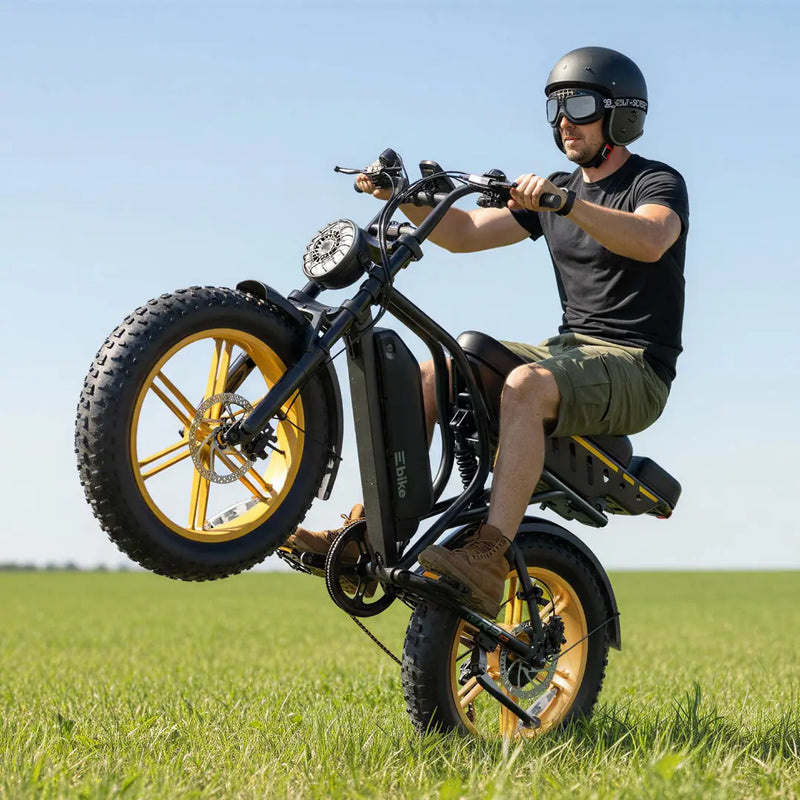
Check: Top-rated electric mopeds in the USA
TSTE's TST R002, R7, and R9 are street legal as Class 2/3 eBikes due to 1500W motors with firmware speed caps at 32 mph pedal-assist, operable pedals.
These standout moped-style models from TSTE Bike combine rugged performance with smart legality. The TST R002 features a 1500W brushless rear hub motor (90 Nm torque), 48V 15Ah or 25Ah battery (65-100 miles range), 20" x 4.0" fat tires, full suspension, and LCD display—capped at 32 mph pedal-assist. TST R7 adds a modular rear system for cargo or passengers, hydraulic brakes, and integrated lights. TST R9 doubles down with dual 48V 15Ah batteries for 130 miles, adjustable suspension, and reflective tires. All ship from Ontario, California in 1-3 days, backed by 1-2 year warranties. Their certifications and pedal requirements keep them off DMV radars, ideal for commuters dodging gas prices.
| Model | Motor/Torque | Top Speed | Range | Key Legal Features |
|---|---|---|---|---|
| TST R002 | 1500W / 90 Nm | 32 MPH | 65-100 miles | pedals, speed limiter |
| TST R7 | 1500W / 90 Nm | 32 MPH | 65 miles | SGS certified, full suspension |
| TST R9 | 1500W / 90 Nm | 32 MPH | 65-130 miles | Dual battery, hydraulic brakes |
Which States Require Licenses for Moped-Style eBikes?
Most states require no licenses for Class 1-3 moped-style eBikes, but 11 like New Jersey, Alabama, and Louisiana mandate them for higher speeds or power; California, Texas, and Washington treat compliant models as bicycles.
By 2026, over 30 states adopt the class system fully. California allows all classes on roads (Class 3 off paths). New Jersey treats many as motorized bikes requiring licenses/insurance. Washington permits Class 2 on sidewalks in spots, banning high-speed Class 3 from paths. Texas and Florida grant bike lane access to Class 1/2 freely. New York demands helmets under 16 and restricts Class 3 trails. Always verify local DMV—fines for non-compliance hit $250+. TSTE models thrive here, with clear labeling for hassle-free riding.
Are Moped-Style eBikes Allowed on Bike Paths and Trails?
Moped-style eBikes access bike paths as Class 1/2 in most states, while Class 3 often sticks to roads; federal lands like BLM trails allow them on motorized routes if speed-limited and pedaled.
Trail rules vary: Class 2 thrives on urban paths for throttle ease, but Class 3 faces bans in places like Georgia or New York multi-use trails. National parks follow BLM guidelines, opening motorized routes to compliant eBikes. Local ordinances matter—Los Angeles bans sidewalks. Riders love TSTE's fat tires and suspension for mixed terrain, staying legal while conquering commutes or family outings.
How Do Speed Limiters Ensure eBike Compliance?
Speed limiters use firmware in the controller to cut motor power at class speeds (20/28 mph), requiring pedals for higher assists, keeping high-wattage moped-style eBikes from moped reclassification.
These electronic governors monitor wheel speed via sensors, auto-throttling power beyond limits. Torque-based systems deliver smooth boosts, unlike cadence sensors. TSTE integrates them with LCD displays showing PAS levels (1-5), ensuring 32 mph caps on R002/R7/R9. This tech, plus visible class labels, shields against tickets—vital for 2026 enforcement.
Conclusion
Navigate 2026 moped-style eBike laws confidently with Class 2/3 compliant models like TSTE Bike's TST R002, R7, and R9. Their speed-limited power, certifications, and pedals mean street legality without licenses in most states—perfect for commuters and adventurers. Explore TSTE Bike at tstebike.com for fast California shipping and worry-free riding.
Frequently Asked Questions
Do moped-style eBikes need a license in 2026?
No in most states if Class 1-3 compliant; check New Jersey or Louisiana for exceptions.
Is a 1500W eBike street legal?
Yes, with firmware caps, pedals, and under 750W continuous— like TSTE's R9.
Can I ride moped-style eBikes on sidewalks?
Rarely; most ban motorized vehicles—stick to bike lanes for Class 2.
What's the difference between Class 2 and Class 3?
Class 2 throttles to 20 mph; Class 3 pedals to 28 mph, no throttle.

Leave a comment
This site is protected by hCaptcha and the hCaptcha Privacy Policy and Terms of Service apply.