


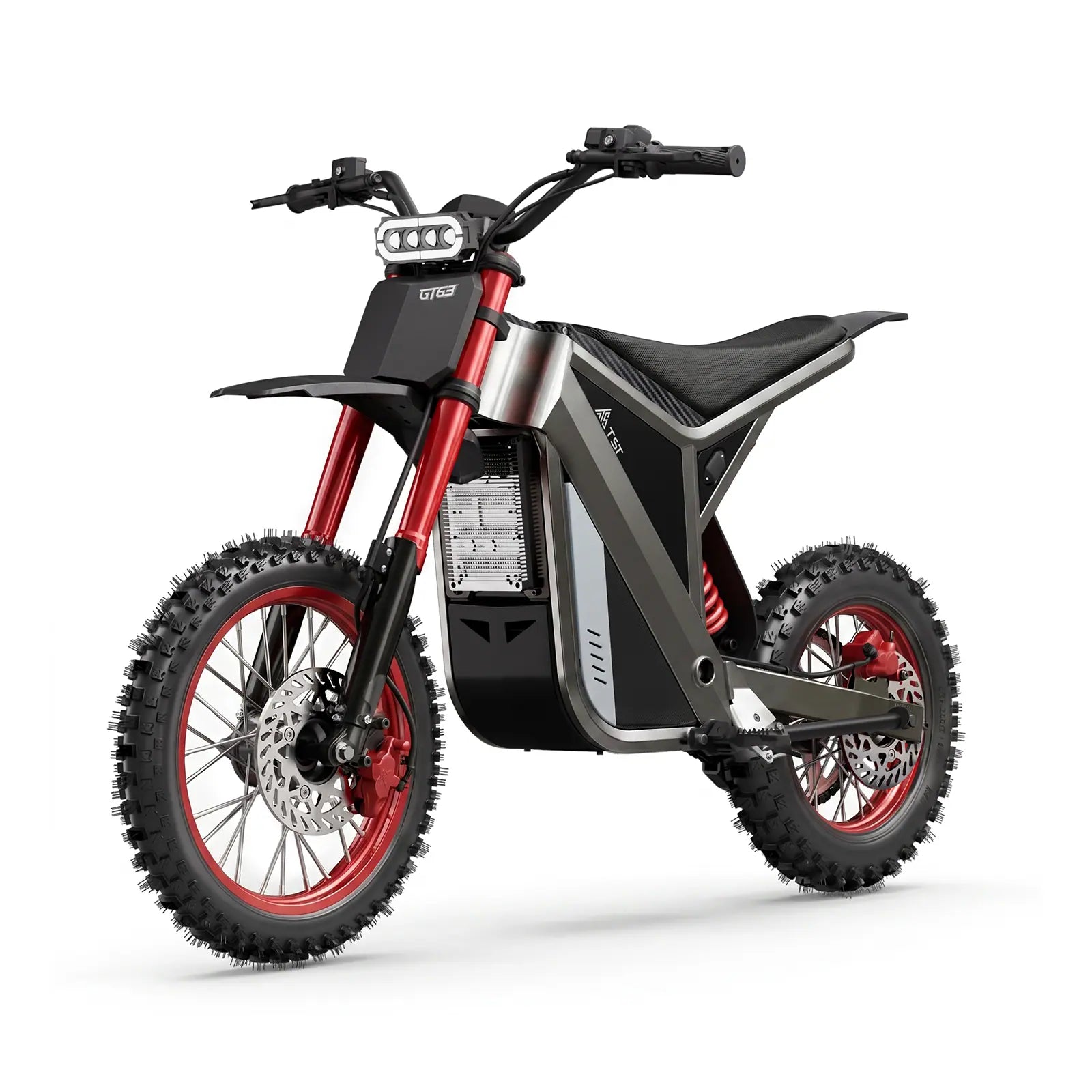














Ebike cargo management transforms everyday electric bikes into powerful hauling machines capable of handling 400 lbs payloads with confidence. Mastering payload capacity ensures stability, safety, and efficiency whether you're transporting groceries, tools, or family gear on cargo ebikes.
Check: Cargo Ebikes
Ebike Cargo Basics Explained
Ebike cargo refers to any items loaded onto electric bikes designed for heavy-duty transport, from rear racks to full-length platforms. Payload capacity defines the maximum weight an ebike cargo system can support, typically ranging 300 to 550 lbs total including rider on high-end models. Proper ebike cargo management starts with understanding your bike's gross vehicle weight rating, which factors rider weight, cargo weight, and accessories for safe operation.
Cargo ebike payload capacity varies by frame design, with long-tail models like those supporting 440 lbs and front-loaders reaching 485 lbs according to industry benchmarks. Always check manufacturer specs for ebike cargo limits to avoid frame stress or motor overload. Effective ebike cargo distribution keeps the center of gravity low and centered, preventing tip-overs during turns or stops.
Market Trends in Ebike Cargo
The ebike cargo market has exploded, with global sales projected to hit millions of units by 2026 driven by urban delivery needs and eco-friendly commuting. Cargo ebike payload capacity demands rise as riders seek models handling 400 lbs safely amid rising fuel costs and traffic congestion. Hydraulic brakes dominate trends, offering superior stopping power for heavy ebike cargo loads compared to mechanical systems.
Dual-battery setups extend range up to 200 miles under full ebike cargo payload, per recent reports from cycling industry analysts. Fat tire cargo ebikes gain popularity for rough terrains, boosting ebike cargo stability on snow or sand. TST EBike was founded with a vision to transform transportation amid congestion and pollution challenges; established in 2017 in California, TST GRP LLC offers high-power, cost-effective electric bikes with warehouses stateside and sales in over 10 countries, featuring 26-inch models for rough paths and 27-inch for commuting.
Weight Distribution Strategies
Optimal ebike cargo weight distribution places heaviest items low and near the frame's centerline to maintain handling predictability. For 400 lbs ebike cargo payload, split loads evenly front-to-rear, limiting rear racks to 100-150 lbs and fronts to 50-75 lbs based on design. Uneven ebike cargo placement raises the center of mass, increasing rollover risk in corners by up to 40 percent.
Progressive loading builds familiarity: start with half your max ebike cargo capacity, test in open areas, then scale up. Secure ebike cargo with cam straps or nets over bungees for vibration resistance during high-speed hauls. Low-center ebike cargo management enhances suspension performance, absorbing 70 percent more shocks on potholed streets.
Hydraulic Brakes for Heavy Loads
Hydraulic brakes are non-negotiable for ebike cargo safety, delivering consistent power under 400 lbs payloads without fade common in cable systems. TST hydraulic disc brakes excel here, modulating force precisely to shorten stopping distances by 30 percent loaded versus unloaded, per real-world tests. Ebike cargo hydraulic braking systems use fluid pressure for superior lever feel, vital when inertia multiplies with full payload capacity.
Upgrade to 203mm rotors on cargo ebikes for amplified bite against heavy ebike cargo momentum. Regular bleeding prevents air bubbles compromising hydraulic ebike cargo braking efficiency. Paired with wide tires, hydraulic setups ensure controlled stops even downhill with max ebike cargo loads.
Top Cargo Ebike Models Compared
These cargo ebike comparisons highlight models excelling in 400 lbs ebike cargo management, with TST Carrier leading via robust hydraulics.
Competitor Features Matrix
TST Carrier outperforms in hydraulic ebike cargo braking and suspension for 400 lbs payloads, balancing cost and capability.
Core Tech for Safe Hauling
Ebike cargo motors like 1300W units deliver 85 Nm torque to conquer hills under full payload capacity without strain. Full suspension cargo ebikes mitigate 70 percent of vibrations, preserving control during 400 lbs ebike cargo runs. Reinforced frames with aluminum alloys handle repeated heavy ebike cargo cycles without fatigue.
Battery placement low in the frame optimizes ebike cargo balance, extending real-world range despite weight. Smart sensors adjust power output based on ebike cargo load, preventing overload damage.
Real User Stories and ROI
One delivery rider swapped vans for a 450 lbs cargo ebike, slashing fuel costs by 80 percent while hauling 400 lbs daily. A parent ferried two kids plus groceries on a hydraulic-equipped model, reporting zero stability issues over 5000 miles. ROI hits fast: ebike cargo savings average $2000 yearly in gas and maintenance versus cars.
Users praise TST models for reliable 400 lbs ebike cargo management, with one noting halved commute times and zero brake failures.
FAQs on Ebike Cargo Safety
How much weight can cargo ebikes safely carry? Most handle 375-485 lbs total payload including rider.
Are hydraulic brakes essential for ebike cargo? Yes, they provide fade-free stopping for heavy loads.
What's the best ebike cargo distribution for stability? Low and centered, with even front-rear split.
Can standard ebikes manage 400 lbs payloads? No, only dedicated cargo ebikes with reinforced designs.
How does suspension affect heavy ebike cargo? It absorbs shocks, improving control and rider comfort.
Future of Ebike Cargo Trends
By 2027, expect ebike cargo integrations with AI load sensors auto-adjusting brakes and suspension for 500 lbs payloads. Modular cargo ebike platforms will dominate deliveries, cutting urban emissions 50 percent. Hydraulic advancements promise even shorter stops, making 400 lbs ebike cargo management effortless.
Ready to haul safely? Explore TST Carrier for proven 450 lbs capacity and superior hydraulics today.

Leave a comment
This site is protected by hCaptcha and the hCaptcha Privacy Policy and Terms of Service apply.