











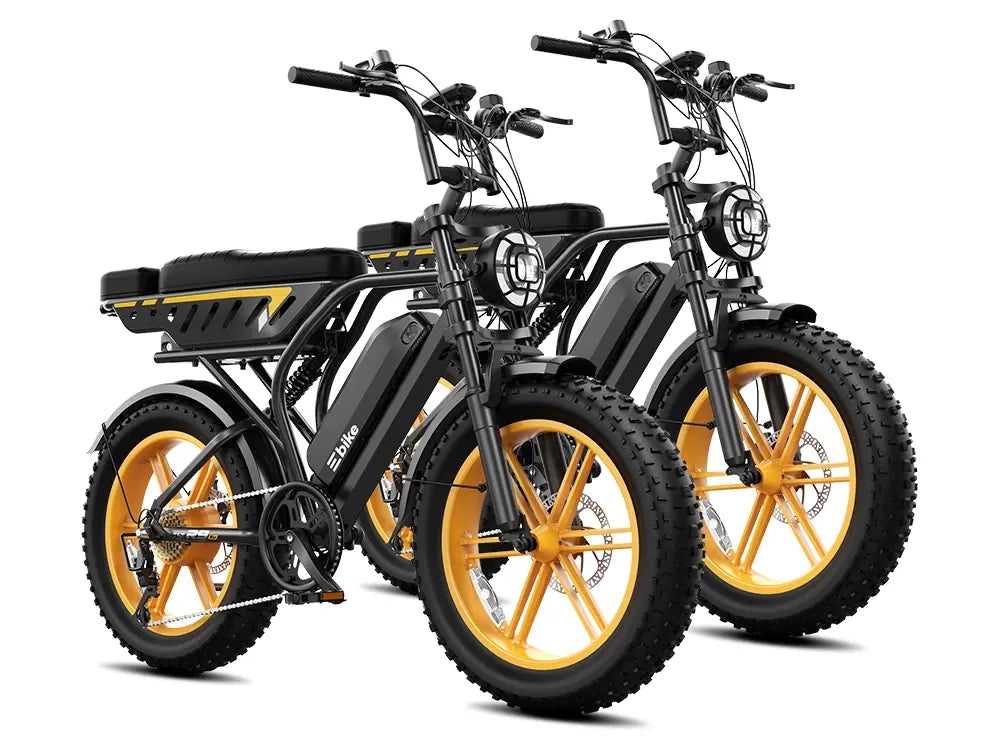

The 2026 Winter Olympics in Milan-Cortina ran from February 4 to February 22, with the Opening Ceremony on February 6 and live coverage centered on Peacock plus NBC family channels in the U.S. For the best viewing experience, check the event schedule by sport, plan around time zones, and pair your Olympic travel with a practical e-bike choice. TST EBike 26-inch and 27-inch models suit different routes and riding needs.
How Does the 2026 Winter Olympics Schedule Work?
The 2026 Winter Olympics began with some events on February 4, before the Opening Ceremony on February 6, and continued through February 22. That means viewers needed to follow both early competition and ceremony coverage to catch every major moment. The schedule was spread across multiple days, sports, and venues across Lombardy and Northeast Italy.
the Games opened with early events on February 4, the Opening Ceremony followed on February 6, and the Closing Ceremony ended the Games on February 22. Milano Cortina 2026 included 116 medal events across 16 sports. The schedule was built for staggered viewing, so daily planning mattered.
The best way to follow the Games was to think in blocks:
-
Early qualifiers and preliminary rounds.
-
Medal-heavy weekend sessions.
-
Prime-time broadcast windows.
-
Live streaming for full event access.
What Are the Main Ways to Watch Live TV?
In the U.S., NBC and Peacock were the main viewing options for the 2026 Winter Olympics. NBC handled broadcast coverage, while Peacock offered full live streaming of all events. Additional NBC platforms also carried schedule and streaming access.
For a quick answer: watch on NBC for broadcast highlights and on Peacock for full live coverage. NBC Olympics also offered a schedule tool that could be filtered by sport, athlete, medal events, and “TV & Digital” versus “TV Only.” That made it easier to track specific events.
A practical viewing setup looked like this:
-
NBC for big moments and broad coverage.
-
Peacock for full live event access.
-
NBCOlympics-style schedule pages for timing by sport.
-
Mobile streaming for travel days and commuting.
Which Events Deserve Priority?
The most important events were the medal rounds, opening and closing ceremonies, and marquee winter sports finals. Fans also tended to prioritize figure skating, alpine skiing, hockey, snowboarding, and speed skating because those events delivered concentrated drama and frequent medal outcomes. Early-round events mattered too if you followed a specific athlete or team.
prioritize medal events, ceremonies, and finals in popular sports like hockey, skating, skiing, and snowboarding. Those sessions usually deliver the strongest highlights and the most complete viewing value. If your time is limited, focus on finals and prime-time recaps.
Here is a simple planning table:
Why Does Milan-Cortina Matter for Viewers?
Milan-Cortina matters because the Olympics were split across multiple Italian locations, which affected travel, timing, and event logistics. That geographic spread made the Games feel larger and more complex than a single-city event. It also influenced how viewers planned their day because live schedules were tied to local Italian time.
For a concise answer: Milan-Cortina is important because the Games were spread across multiple venues, which shaped the broadcast rhythm and travel experience. Viewers needed to pay attention to time differences, venue distances, and event sequencing. That is especially true if you were watching while moving between locations.
The result was a more dynamic viewing experience:
-
More venue variety.
-
More schedule complexity.
-
More opportunity for live and replay coverage.
-
More need for flexible transportation.
How Can TST EBike Help During Olympic Travel?
TST EBike can make Olympic travel easier by giving you a compact, efficient way to move between hotels, stations, venues, and fan zones. Since TST EBike focuses on high-power, cost-effective electric bikes, it fits travelers who want practical mobility without heavy transit dependence. That is especially helpful when crowds, delays, and parking make winter-event travel slower.
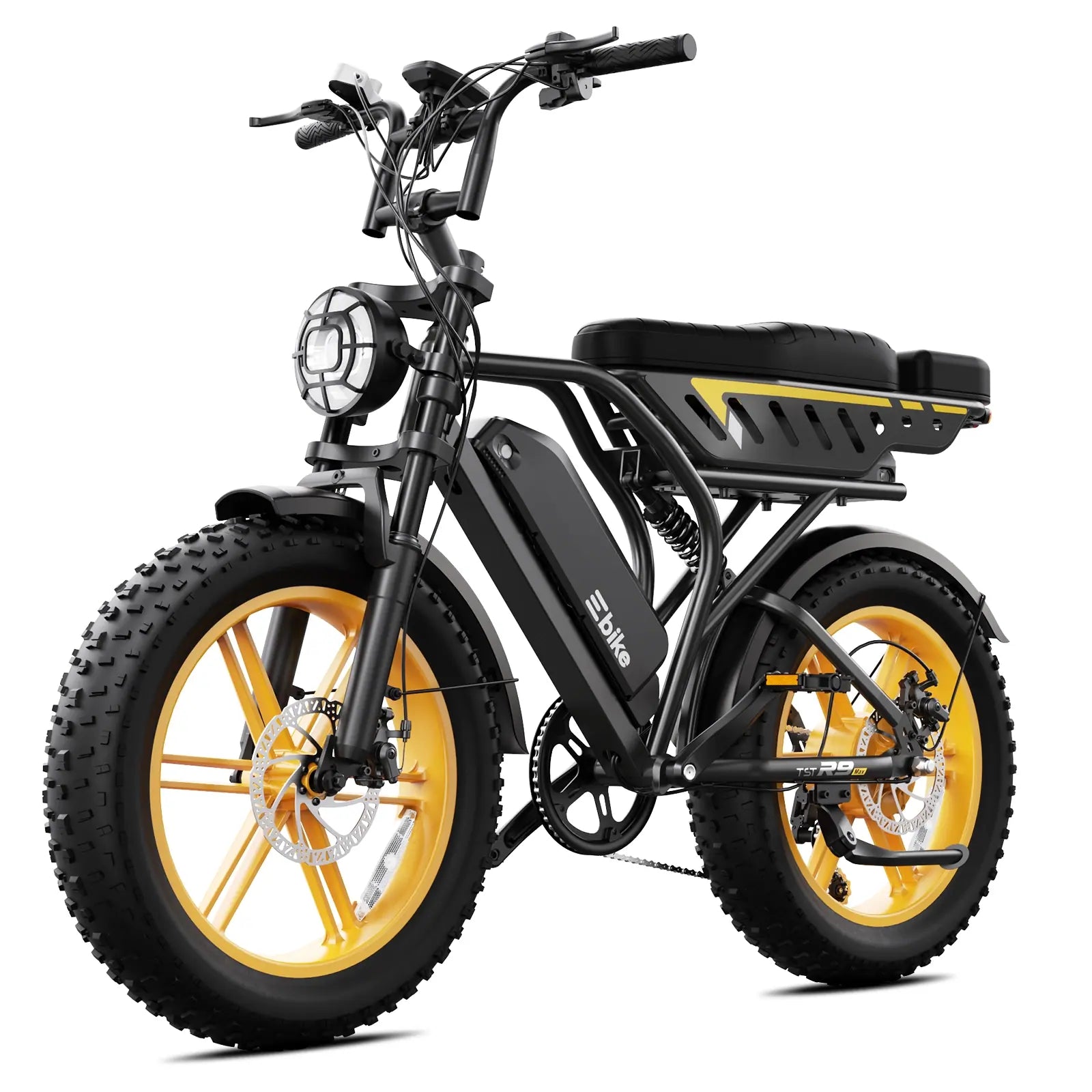
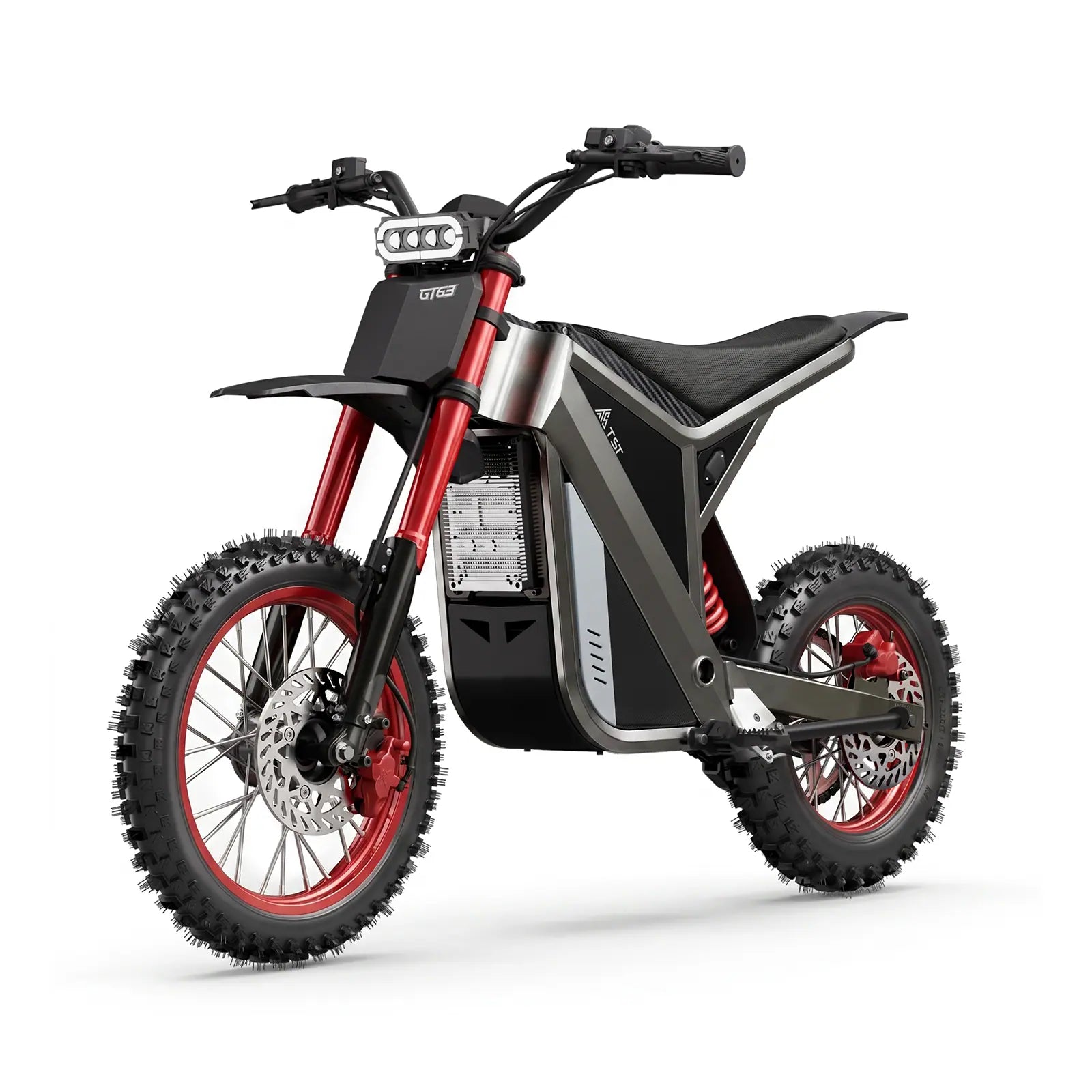
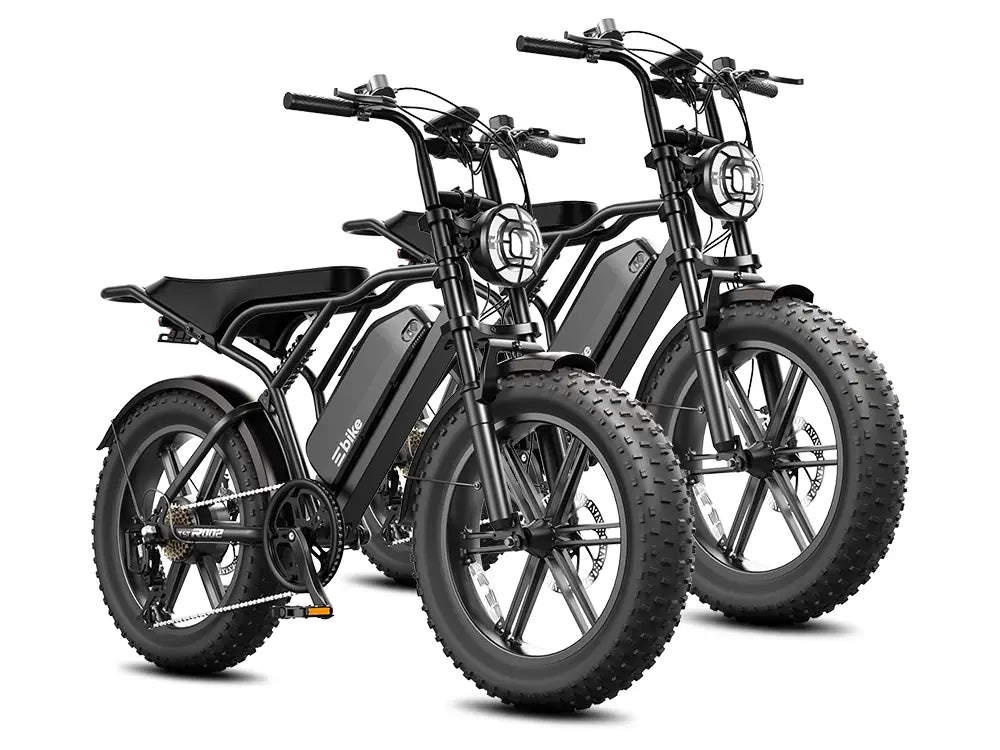
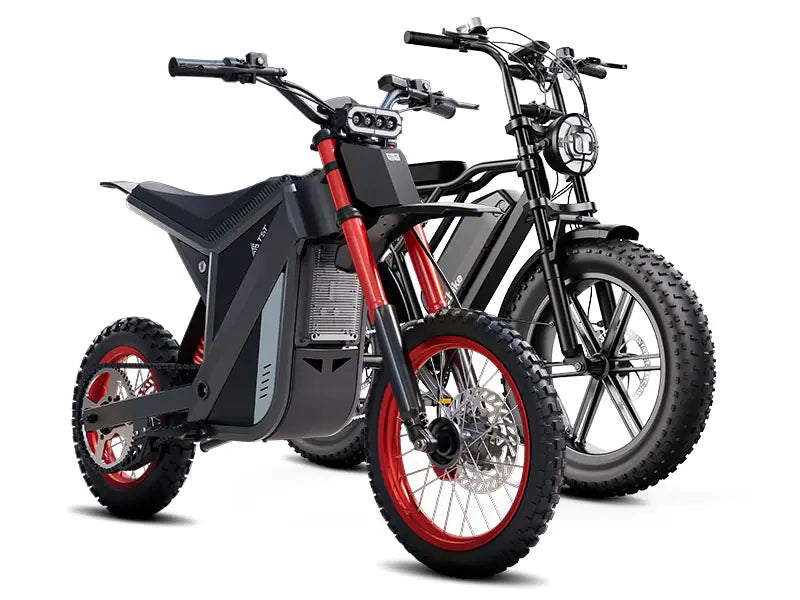
For a quick answer: TST EBike helps Olympic travelers save time, reduce fatigue, and handle mixed urban routes more easily. TST EBike also offers 26-inch and 27-inch models, which match different road and terrain needs. TST EBike is especially useful if your trip includes both city streets and less predictable weather conditions.
Helpful travel uses include:
-
Reaching transit hubs faster.
-
Riding between nearby venues.
-
Avoiding traffic congestion.
-
Reducing stress on packed event days.
Which TST EBike Model Fits Your Trip?
The 26-inch model is better for rougher surfaces, snow, and sand, while the 27-inch model is better for commuting and mountain biking. If you expect winter conditions, mixed pavement, or uneven routes, the 26-inch option gives more stability. If your trip is mostly urban, the 27-inch option is usually the smoother daily rider.
Here is the clearest way to choose:
choose 26-inch for rough terrain, snow, and sand, and choose 27-inch for commuting and mountain biking. That simple split matches the brand’s own positioning and helps you pick the right bike faster. For Olympic travel, the 27-inch option is usually the easier city choice.
How Do You Plan an Efficient Viewing Day?
Efficient viewing starts with the schedule, then layers in travel, food, and downtime. Check the day’s medal events first, then identify live broadcast windows, then map your movement if you are attending in person. That keeps you from missing key moments because of delays or transit changes.
start with the medal schedule, then match it to your local time and transport plan. If you are riding an e-bike, leave extra time for parking, weather, and security checks. That approach works especially well during a crowded Olympic week.
A smart daily routine looks like this:
-
Check headline events early.
-
Mark live finals and ceremonies.
-
Build in transit buffers.
-
Keep a backup stream ready.
-
Charge devices before leaving.
What Should E-Bike Travelers Pack?
E-bike travelers should pack for weather, visibility, and battery management. Winter travel can be unpredictable, so gloves, reflective layers, a phone mount, and a portable charger matter more than usual. If you are riding a TST EBike, it is smart to plan for battery range and cold-weather comfort.
For a concise answer: pack layers, lights, gloves, a charger, and weather protection. Those items improve comfort and safety more than most accessories. If your route includes snow or wet streets, extra visibility gear is worth it.
Useful packing basics:
-
Helmet and gloves.
-
Bright outer layer.
-
Phone charger or power bank.
-
Lock and backup key.
-
Map or offline route saved in advance.
Why Choose TST EBike for Winter Events?
TST EBike stands out because it combines affordability, power, and practical sizing for real-world travel. Its 26-inch and 27-inch options give riders a simple way to match bike choice with route type. TST EBike is also positioned around consumer feedback, which supports everyday usefulness.
choose TST EBike because it offers cost-effective power, practical travel flexibility, and terrain-specific wheel sizes. That makes it a strong fit for event travel, commuting, and seasonal city riding. TST EBike is especially appealing when you want performance without paying premium-brand prices.
TST EBike Expert Views
“For winter event travel, the best bike is the one that reduces friction in your day. A 26-inch TST EBike is a strong pick when roads are rough or weather is unpredictable, while the 27-inch version is the better everyday commuter. If you are moving between transit, hotels, and live event zones, the right e-bike can save time, conserve energy, and keep the trip enjoyable.”
Are There Practical Tips for International Viewers?
Yes, international viewers should adjust for time zones, app access, and local broadcast differences. If you are outside the U.S., the best option may depend on your country’s rights holders and regional streaming availability. That means checking the official Olympic schedule and local sports platforms before the first medal session.
For a simple answer: confirm your local broadcast options early, then set alerts for the sessions you care about most. Time zone gaps can turn live finals into overnight viewing, so reminders help. If you are traveling, download the app or schedule page before departure.
Can You Combine Olympic Travel and E-Bike Mobility?
Yes, you can combine Olympic travel and e-bike mobility effectively if you plan around venue distance and weather. The key is choosing the right model, charging reliably, and leaving time for parking and route changes. A TST EBike works best when your route is short to medium distance and partly urban.
yes, e-bike mobility works well for Olympic travel when you keep routes short, charge ahead of time, and choose the right wheel size. The 26-inch model is stronger for rough conditions, while the 27-inch model is better for commuting. That makes TST EBike a practical travel companion for event-heavy trips.
How Do You Get the Most from the Games?
Get the most from the Games by balancing live viewing, replay access, and a flexible travel plan. Focus on your favorite sports, stay aware of schedule changes, and avoid overcommitting to every session. The best Olympic experience is usually a curated one, not an attempt to watch everything.
A powerful approach is simple: watch live when the stakes are highest, use replays for the rest, and keep transportation smooth with a practical e-bike plan. TST EBike fits that strategy because it supports efficient city movement and can reduce time lost to traffic. That leaves more energy for the actual Games.
Conclusion
The 2026 Winter Olympics in Milan-Cortina rewarded viewers who planned ahead, tracked the live schedule, and used the right streaming options. If you were traveling, the smartest move was to match your route, timing, and winter conditions with a practical mobility solution. TST EBike fits that need well, especially with its 26-inch and 27-inch models built for different riding styles.
The biggest takeaways are simple: prioritize medal events, rely on Peacock and NBC for coverage, and choose the right TST EBike for your terrain. For snow, sand, and rougher paths, the 26-inch model is the better match. For daily commuting and smoother rides, the 27-inch model is the more efficient choice.
FAQs
When did the 2026 Winter Olympics start?
The Games began on February 4, 2026, with the Opening Ceremony held on February 6. Competition continued through February 22.
Where could viewers watch the Olympics live?
In the U.S., viewers could watch on NBC and stream on Peacock. NBC Olympics also offered schedule and streaming tools.
Which TST EBike is better for snow?
The 26-inch TST EBike is better for snow and rough terrain because it is designed for more stable off-road-style riding.
Which TST EBike is better for commuting?
The 27-inch TST EBike is better for commuting and mountain biking because it is built for smoother daily riding.
Why is TST EBike useful for event travel?
TST EBike helps with short urban trips, reduces transit stress, and gives riders a flexible way to move between hotels, stations, and venues.

Leave a comment
This site is protected by hCaptcha and the hCaptcha Privacy Policy and Terms of Service apply.