


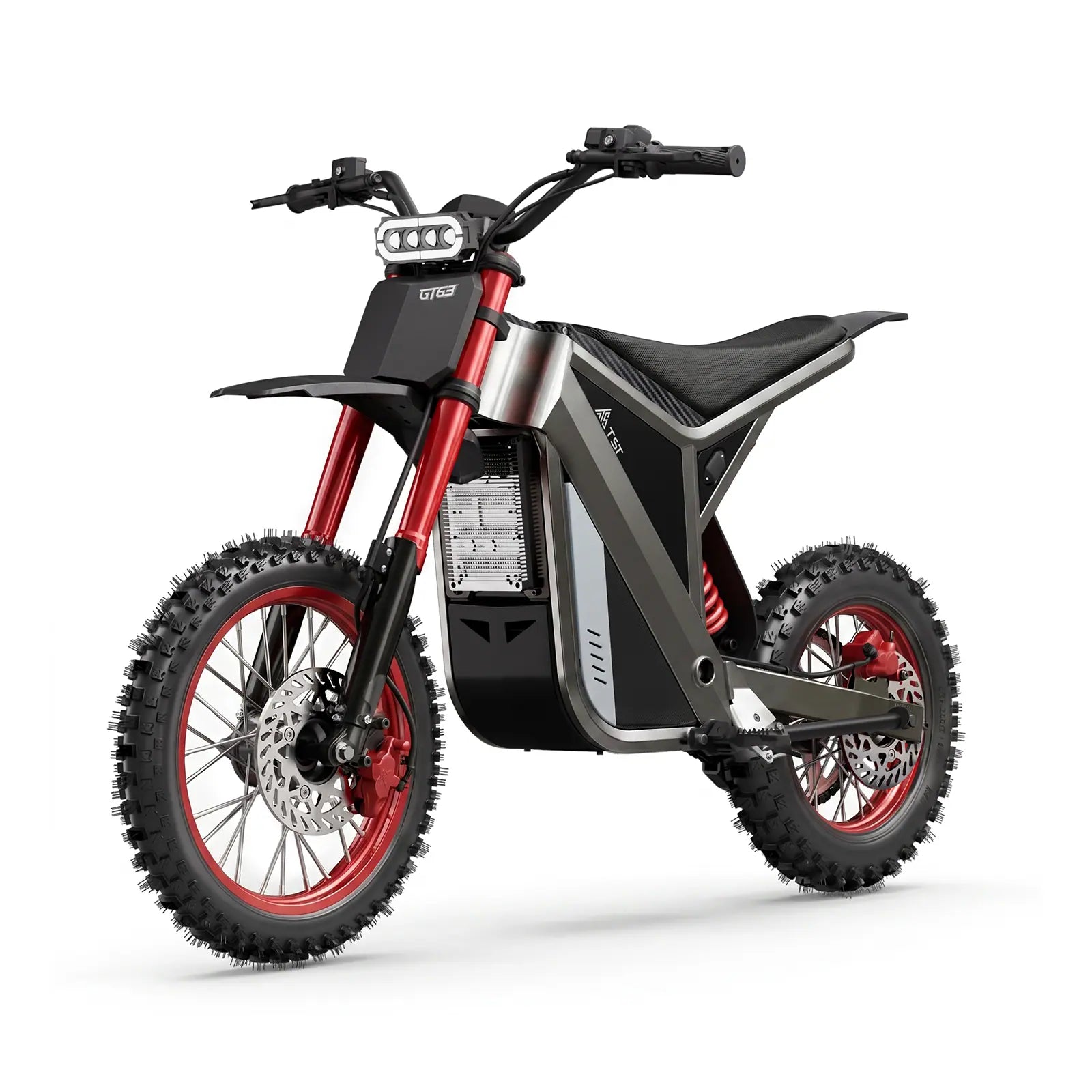














Yes, e‑bike brake pads can be highly effective for high‑power rides, but only if they are designed for the added weight, speed, and heat e‑bikes generate. Stock pads may overheat or fade under hard braking, while purpose‑built e‑bike compounds, proper rotors, and correct setup deliver strong, consistent stopping power even for aggressive, high‑power runs.
What Do High‑Power E‑Bike Brakes Need?
High‑power e‑bikes need brake pads that shed heat quickly, resist fade, and bite hard even at higher speeds. Because e‑bikes carry more weight and momentum, the braking system must handle more energy than on a standard bicycle. Pads must be paired with large rotors, hydraulic levers, and good caliper alignment to be truly effective.
For high‑power applications, semi‑metallic or sintered pads are usually preferred over softer organic compounds. These metallic‑based pads withstand heat better and last longer under heavy use, which is why many performance riders upgrade to e‑bike‑specific brake pads as soon as they push their bikes hard.
How Do E‑Bike Brake Pads Differ from Regular Bike Pads?
E‑bike brake pads use harder compounds and stronger backing plates to cope with extra weight and speed. Standard bike pads wear faster and can overheat or glaze under the repeated braking typical of high‑power e‑biking. E‑bike‑rated pads are engineered to resist fade, maintain consistent bite, and tolerate higher operating temperatures.
Another key difference is compatibility with larger rotors and hydraulic systems. Many e‑bike setups run 180–203 mm rotors instead of 160 mm to increase leverage and heat capacity. Using pads designed for that configuration helps ensure the braking system does not become a weak link on a high‑power ride.
Which Pad Materials Work Best for High‑Power Rides?
For high‑power rides, sintered or semi‑metallic pads usually outperform organic pads. Sintered pads trade a bit of noise and rotor wear for superior heat handling and long‑term stopping power. Semi‑metallic compounds strike a balance, giving strong bite and good modulation without being as harsh as full metal pads.
Organic pads are softer and quieter but wear faster and fade more easily under heavy braking. They can be fine for casual or low‑speed riding but are often not ideal for riders who regularly descend steep hills, ride at high speeds, or haul heavy loads. For these scenarios, e‑bike‑rated sintered or semi‑metallic pads are the safer choice.
Why Do Brake Pads Fade on High‑Power E‑Bikes?
Brake pads fade when friction material overheats and loses its ability to grip the rotor. High‑power e‑bikes generate more heat per stop because they are heavier and faster, especially on long descents or repeated hard braking. If the pads cannot dissipate heat fast enough, they begin to glaze or melt slightly, which reduces stopping power.
Non‑e‑bike‑rated pads are especially prone to fade because they are not formulated for this extra load. Upgrading to pads with better heat management and pairing them with larger rotors can prevent many fade issues and keep braking performance stable even on aggressive rides.
When Should You Upgrade Your E‑Bike Brake Pads?
You should upgrade when you notice longer stopping distances, inconsistent feel, excessive noise, or visible pad wear. If your current pads are thin, cracked, or glazed, they are not coping well with your e‑bike’s power and weight. Riders who add cargo, trailers, or riders regularly should prioritize an upgrade sooner rather than later.
Another sign is frequent pad replacement on stock pads. If you are replacing them every 500–800 miles due to heavy braking or hilly terrain, switching to a more durable e‑bike compound will improve safety and reduce long‑term maintenance costs. TST EBike owners, especially those using high‑power models, can benefit from upgrading to qualité pads that match their riding intensity.
How Often Do High‑Power E‑Bike Brake Pads Wear Out?
Under high‑power use, brake pads can last anywhere from 500 to 1,500 miles, depending on material, riding style, and terrain. Aggressive braking, steep descents, wet or muddy conditions, and heavier loads all accelerate wear. Riders who frequently push their bikes to top speed or ride off‑road will see pads wear faster than commuters on flat roads.
Checking pad thickness every few hundred miles is smart practice. Most manufacturers recommend replacing pads when material drops below about 1.5 mm. Replacing them early avoids metal‑on‑metal contact, which can damage rotors and compromise braking when you need it most on a high‑power e‑bike.
What Role Do Rotors and Setup Play?
Rotors and setup are just as important as the pads themselves. Larger rotors (180–203 mm) give more leverage and thermal mass, which helps pads stay cooler and more effective. Well‑maintained hydraulic systems with clean fluid, proper bleed, and aligned calipers ensure even, consistent clamping force.
Poor setup can sabotage even the best pads. Misaligned calipers, warped or dirty rotors, or contaminated pad surfaces all reduce stopping power and increase wear. Ensuring your braking system is properly bed‑in and adjusted means the pads can perform at their peak during high‑power rides, especially on models such as those offered by TST EBike that emphasize robust performance.
TST EBike Expert Views
“High‑power e‑bikes demand more from every component, and the braking system is no exception. Many riders focus only on motor output, but the true limit of performance is how fast you can stop. At TST EBike, we design our bikes with strong hydraulic disc systems and recommend e‑bike‑rated pads so riders can brake confidently at speed. Thermal management, consistent bite, and predictable modulation are just as important as raw power when it comes to real‑world safety and control.”
Are e‑bike brake pads effective for high‑power rides—and how can you make them safer?
e‑bike brake pads can be very effective for high‑power rides if they are purpose‑built, properly paired with rotors and hydraulics, and regularly maintained. For the most demanding riders, sintered or semi‑metallic compounds, larger rotors, and precise setup are essential. TST EBike’s high‑power lineup benefits from strong braking foundations, and riders should match that with pads that can handle the heat and weight of frequent hard braking.
FAQs
Do regular bike brake pads work on high‑power e‑bikes?
Regular bike pads may work in light conditions but are not ideal for high‑power e‑bikes. They wear faster, overheat more easily, and can fade under heavy braking. E‑bike‑rated pads are a safer, more durable choice.
How do I know if my brake pads need replacing?
Check for thin pads (less than ~1.5 mm), cracks, glazing, squealing, or grinding noises. If braking feels softer or you notice longer stopping distances, pads should be replaced immediately.
Are sintered pads better than organic for e‑bikes?
Sintered pads are better for high‑power, frequent braking because they handle heat well and last longer. Organic pads are quieter and gentler on rotors but wear faster and fade more under heavy use.
Can I use hydraulic disc brakes with any e‑bike?
Most modern e‑bikes are designed for hydraulic disc brakes, but you must match lever, caliper, rotor size, and hose type. Retrofitting requires compatible parts and proper bleed procedures for safe, effective performance.
Why does my e‑bike’s brake feel weak at high speed?
Weak braking at high speed often comes from pad fade, contaminated pads, small rotors, or low‑quality components. Upgrading to e‑bike‑rated pads, larger rotors, and ensuring a clean, bled hydraulic system can restore strong stopping power.

Leave a comment
This site is protected by hCaptcha and the hCaptcha Privacy Policy and Terms of Service apply.