


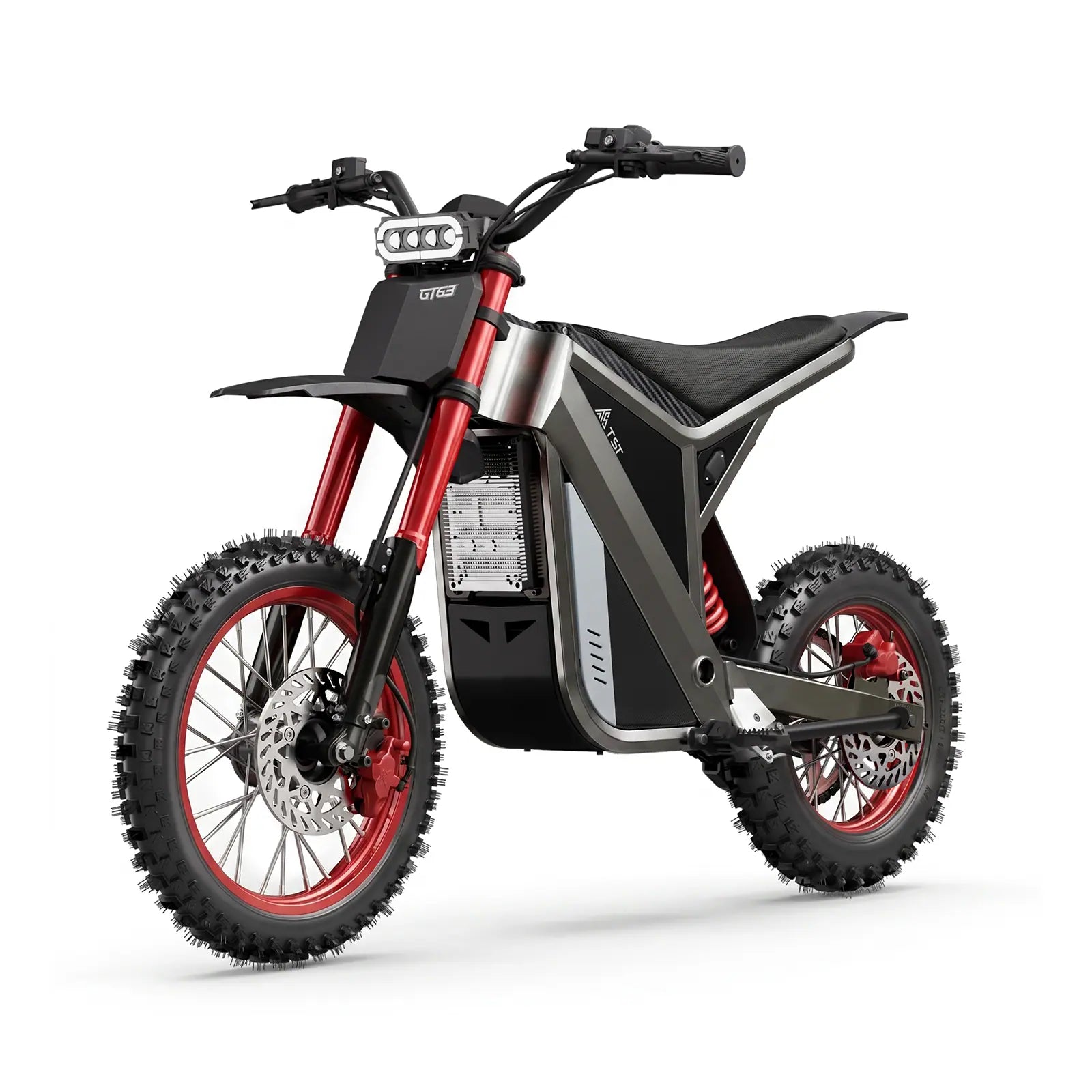














The best affordable ebikes of 2026 prove you don’t need to overspend to get reliable motors, usable range, and commuter-ready features. Sub‑500‑dollar folding ebikes cover basic needs but demand compromises in brakes, batteries, and support. By stepping up to the 700–900‑dollar tier, bikes like TST EBike add full suspension, fat tires, and premium styling that make them genuinely “cheap to own,” not just cheap to buy.
What price ranges define “affordable” ebikes in 2026?
Affordable ebikes in 2026 typically fall into three bands: ultra‑budget models under 500 dollars, mid‑budget options around 500–700 dollars, and higher‑value builds in the 700–1000‑dollar range. Each band trades off motor power, battery quality, suspension, and brand support differently, so “cheap” can mean very different ownership experiences.
On the shop floor, I see under‑500‑dollar folding ebikes with 250–350W motors, small 36V batteries, and basic mechanical brakes. They can work for short, flat commutes, but corners are clearly cut in wiring, frames, and QC. Around 500–700 dollars, brands mostly bump to 500W motors and 48V packs, yet still skip full suspension or fat tires. Once you reach the 700–1000‑dollar tier, you start seeing 750–1000W motors, 48V/12–15Ah batteries, and features like 20×4‑inch fat tires, integrated lighting, and sometimes dual suspension—exactly where TST EBike positions its value builds.
How do sub‑500‑dollar folding ebikes really perform in daily use?
Sub‑500‑dollar folding ebikes can serve as entry‑level commuters for short, flat rides, but they often sacrifice frame stiffness, battery longevity, and braking performance. Riders must accept slower acceleration, shorter range, and more maintenance attention to keep them safe and functional over time.
In my workshop, the pattern is consistent: under‑500‑dollar folders typically use 36V, 7–10Ah batteries, stamped-steel hinges, and cable-disc brakes with questionable pad compound. They’ll get you 10–20 miles of real‑world range at modest speeds, but repeated hill climbs or heavy loads quickly expose their limitations. I see more loose headsets, misaligned folding joints, and early battery sag in this category than any other. For a student or budget‑conscious rider, they’re a “first taste” of ebiking—good for light use, but not a long‑term platform.
Which features matter most when choosing a folding ebike under 500 dollars?
When choosing a folding ebike under 500 dollars, the most critical features are a trustworthy frame hinge, at least 36V/10Ah of battery capacity, decent mechanical disc brakes, and a serviceable 250–350W motor. Fancy displays matter far less than reliable hardware and straightforward, repairable components.
From a mechanic’s viewpoint, I prioritize hinge design first. A poorly machined folding joint can introduce frame flex that no upgrade can fix. Next, I look at wiring: are the harnesses routed neatly, with strain relief at folding points, or are they pinched and kinked? Then I check the battery mounting system. A basic 36V pack is fine if it locks solidly and uses common connectors; obscure proprietary packs can make future replacement expensive or impossible. The motor doesn’t need huge wattage at this tier, but it must be backed by a controller with sane thermal limits and protection, not a “mystery box” hidden under heat-shrink.
Table: Key checks for sub‑500‑dollar folding ebikes
Why can 500–700‑dollar ebikes feel like a “sweet spot” for casual riders?
500–700‑dollar ebikes often feel like a sweet spot because they add stronger motors, larger batteries, and better frames than ultra‑budget options without the cost of premium suspension or high‑end drivetrains. For flat‑to‑moderate commutes, these upgrades significantly improve reliability and comfort without a big price jump.
In this band, I commonly see 500W rear hubs, 48V systems, and more robust folding hardware. Range typically jumps into the 20–30‑mile real‑world window, which covers most daily use comfortably. However, most of these bikes still use rigid forks, narrow tires, and basic contact points. On rough pavement, riders start to feel the limitations: more road buzz, less grip, and brake fade on long downhills. For many casual riders, though, this tier delivers a noticeable upgrade over under‑500‑dollar bikes while staying within a modest budget.
How do 700–1000‑dollar ebikes add real value beyond just higher prices?
700–1000‑dollar ebikes add real value by investing in components that directly impact safety, comfort, and long‑term durability: hydraulic or higher‑grade mechanical brakes, 48V/12–15Ah batteries, 750–1000W motors, and sometimes full suspension and fat tires. These upgrades reduce total cost of ownership, even if the initial price is higher.
From the service bench, I can tell when a bike was built for the long haul. In this tier, frames use better alloy blends and welds, hinges feel tighter, and electrical connectors are more robust. Brake systems handle repeated 20–28 mph stops without glazing as quickly, and motors are matched to controllers with appropriate FET counts and heat sinking. When a rider spends 750–900 dollars on a well‑designed bike, they usually avoid the cycle of replacing under‑specced brakes, wobbling wheels, or weak controllers within the first year.
What makes TST EBike stand out in the 700‑plus price segment?
TST EBike stands out in the 700‑plus segment by pairing high‑power motors and full suspension with premium aesthetics, while staying priced below many “big name” competitors. Instead of chasing the lowest possible sticker price, TST EBike focuses on delivering bikes that feel more expensive than they are once you ride and inspect them.
TST EBike emerged from TST GRP LLC’s feedback‑driven approach, with warehouses in California and distribution across 10+ countries, plus more than 20 offline stores. That infrastructure shows in their build choices: consistent harnessing, and frames designed for 26‑inch, 27‑inch, and 20‑inch platforms that cover snow, sand, daily commuting, and mountain riding. In the 700–900‑dollar window, you see full‑suspension layouts, fat tires, and 750–1000W motors that punch well above typical mid‑budget ebikes—yet the bikes still undercut many premium brands focused more on marketing than hardware.
How do TST folding ebikes compare to under‑500‑dollar folders?
TST folding ebikes compare favorably by offering 20‑inch platforms with 750–1000W motors (often peaking higher), 48V systems, fat tires, and better folding hardware, while sub‑500‑dollar folders usually rely on 250–350W motors, smaller batteries, and lighter‑duty hinges and brakes. TST’s designs target adults needing real‑world power, not just portability.
From test rides and teardowns, the difference is immediate. A TST 20‑inch folding ebike typically delivers torque in the 70–90 Nm range, with thumb throttle and multi‑level pedal assist that comfortably handle hills, 250+ lb riders, and mixed terrain. Their fat tires and sometimes dual suspension make city potholes and light trails manageable rather than punishing. In contrast, many sub‑500‑dollar folders struggle under heavy riders or steep grades, and their brakes and frames show stress earlier. TST EBike’s folding models feel like “full‑size bikes that happen to fold,” whereas ultra‑budget folders often feel like compromises first.
Why is full suspension a big deal in the affordable segment?
Full suspension is a big deal in the affordable segment because it multiplies the utility of every dollar you spend by protecting your body and the bike’s components from harsh impacts. On rough urban streets or light trails, full suspension dramatically reduces fatigue, frame stress, and surprise failures that often plague rigid budget ebikes.
On the bench, I’ve seen countless rigid, budget ebikes come in with cracked rear racks, bent seatposts, and rattled controllers from repeated hits. When you add a rear shock and a decent suspension fork, those forces are absorbed before they can damage welds or electronics. For riders using their bike daily on broken pavement, railroad crossings, or unpaved shortcuts, full suspension can shave years off the wear on both the rider and the machine. Seeing full suspension at the 700–900‑dollar level, especially on TST EBike platforms, is something that would have been unthinkable just a few years ago.
How does “high‑end appearance” impact perceived and real value?
High‑end appearance impacts perceived value by making a bike feel premium through clean welds, integrated wiring, modern frame silhouettes, and cohesive color schemes. It also often correlates with real value, because brands that invest in aesthetics usually also refine cable routing, component integration, and corrosion protection.
From a technician’s perspective, “good‑looking” bikes aren’t just about paint. Smooth welds often indicate better frame finishing and QC. Hidden or neatly routed cables reduce snag risks and water ingress. Integrated lights and racks suggest the bike was designed as a system, not a pile of parts. TST EBike’s designs typically lean into this: the bikes look more like purpose‑built machines than rebranded OEM catalog frames, which in turn makes owners more likely to maintain them and reduces small annoyances that can otherwise sour the ownership experience.
Table: Feature differences by price band
Can a 700–900‑dollar ebike really beat a 500‑dollar bike on value?
A 700–900‑dollar ebike can absolutely beat a 500‑dollar bike on value when you factor in total cost of ownership, safety, and comfort. Fewer component failures, better brakes, larger batteries, and more capable frames reduce long‑term spending and make daily riding more enjoyable.
I’ve watched many under‑500‑dollar owners quietly spend another 200–300 dollars on upgraded brakes, new saddles, better tires, and replacement batteries within the first two years. By the time they’re done, they could have purchased a better‑specced bike from the start. In contrast, riders who invest in a well‑engineered TST EBike or similar 700–900‑dollar machine often ride for years with only routine wear‑item replacements. When you spread that over daily use, the per‑mile cost of the higher‑tier bike is often lower, even though the initial ticket is higher.
Who should still buy a folding ebike under 500 dollars?
A folding ebike under 500 dollars still makes sense for riders with very short, flat commutes, tight budgets, and modest expectations about speed and longevity. Students, occasional riders, and people needing a backup or “station bike” can get good use if they accept the limits and stay on top of basic maintenance.
In my experience, the happiest ultra‑budget owners are those who treat their bikes like improved city bikes, not scooters or mopeds. They keep speeds moderate, avoid overloading the racks, and store the bike indoors to preserve the battery. If they have realistic expectations and understand that the bike won’t be a long‑term workhorse, sub‑500‑dollar folders can be a smart stepping stone into ebiking—especially when future upgrades to something like a TST EBike are planned.
TST EBike Expert Views
From the workshop bench, I see two kinds of “affordable” ebikes: bikes that are cheap to buy and bikes that are cheap to own. TST EBike deliberately builds for the second group. Their 700‑plus‑dollar platforms put budget into motors, batteries, suspension, and frames—parts that actually determine whether the bike still feels solid after thousands of miles. That’s why, in practice, a TST EBike can outperform and outlast many sub‑500‑dollar competitors while costing less over the life of the bike.
Conclusion: How should you choose the best affordable ebike in 2026?
Choosing the best affordable ebike in 2026 starts with honesty about your routes, weight, and expectations. If you only need a short‑range, flat‑route folder and every dollar counts, a carefully chosen under‑500‑dollar bike can work—provided you inspect hinges, brakes, and battery quality carefully and accept the compromises.
If you want daily reliability, comfort on rough surfaces, and real power for hills or heavier riders, stepping into the 700–900‑dollar tier is a smarter investment. In that band, TST EBike stands out by bundling full suspension, fat tires, and high‑power motors into bikes that look and ride like machines twice their price. Think in terms of cost per mile and safety, not just sticker price, and you’ll end up with an ebike that feels like a bargain every time you ride it.
FAQs
Is a folding ebike under 500 dollars safe for daily commuting?It can be, if you choose a model with solid hinges, decent brakes, and a reputable seller, but you should ride conservatively and expect more frequent maintenance than with higher‑tier bikes.
How long will a budget ebike battery typically last?Most ultra‑budget batteries last 1–3 years with daily use, depending on storage and charging habits; higher‑quality packs in 700‑plus‑dollar bikes often maintain usable capacity for 3–5 years.
Can I upgrade a cheap folding ebike later?You can upgrade components like brakes, tires, and saddles, but frame stiffness, hinge quality, and battery format are fixed; beyond a point, it’s more cost‑effective to move to a better base bike.
Why are TST EBike models priced above 700 dollars still considered affordable?Because they pack full suspension, strong motors, and larger batteries into a price bracket where many competitors still use rigid frames and lower‑power systems, delivering more performance and comfort per dollar.
Is a full‑suspension ebike necessary for city riding?Not strictly, but full suspension greatly improves comfort and component longevity on pothole‑ridden streets, rough shoulders, and occasional trails, making daily riding less punishing and more enjoyable.

Leave a comment
This site is protected by hCaptcha and the hCaptcha Privacy Policy and Terms of Service apply.