
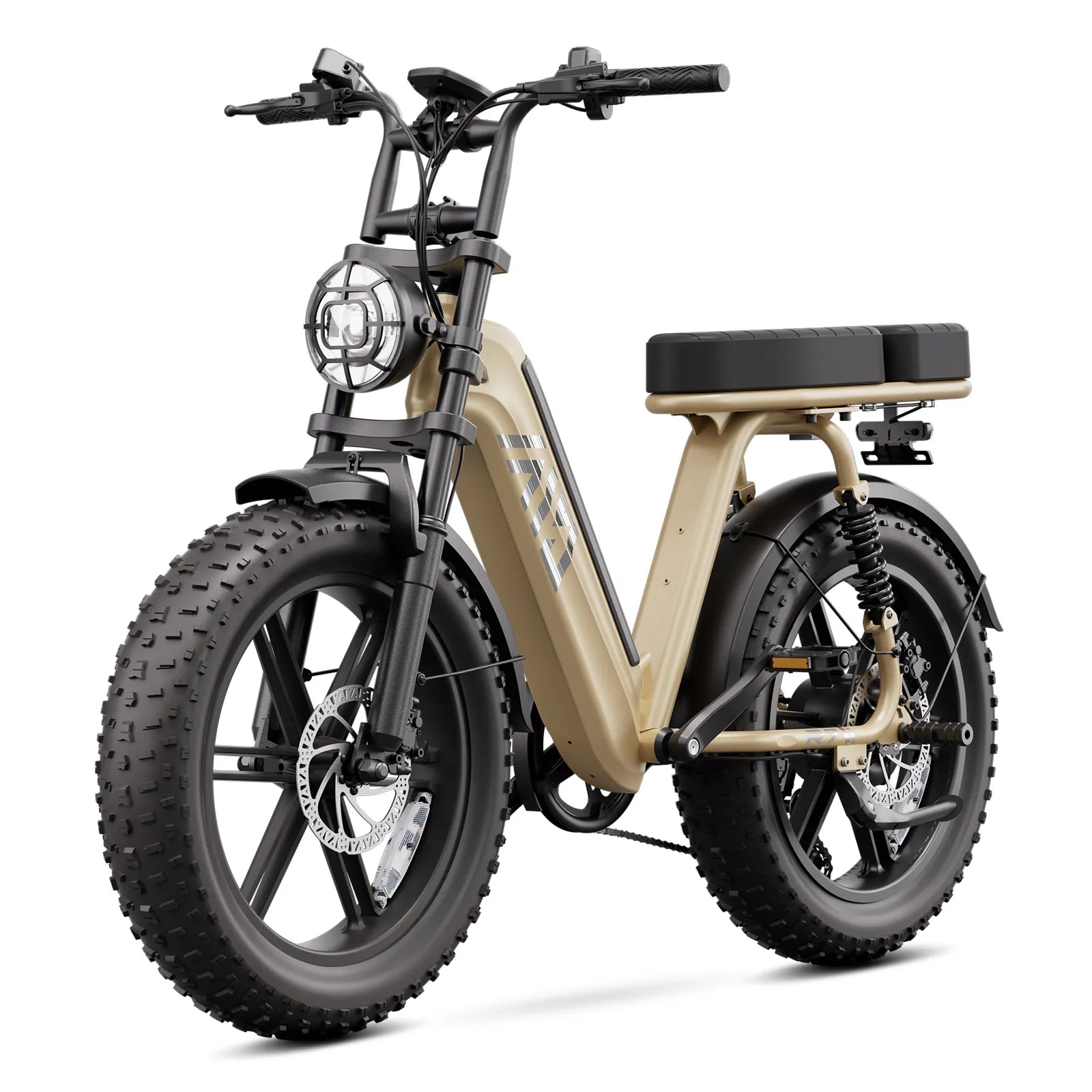
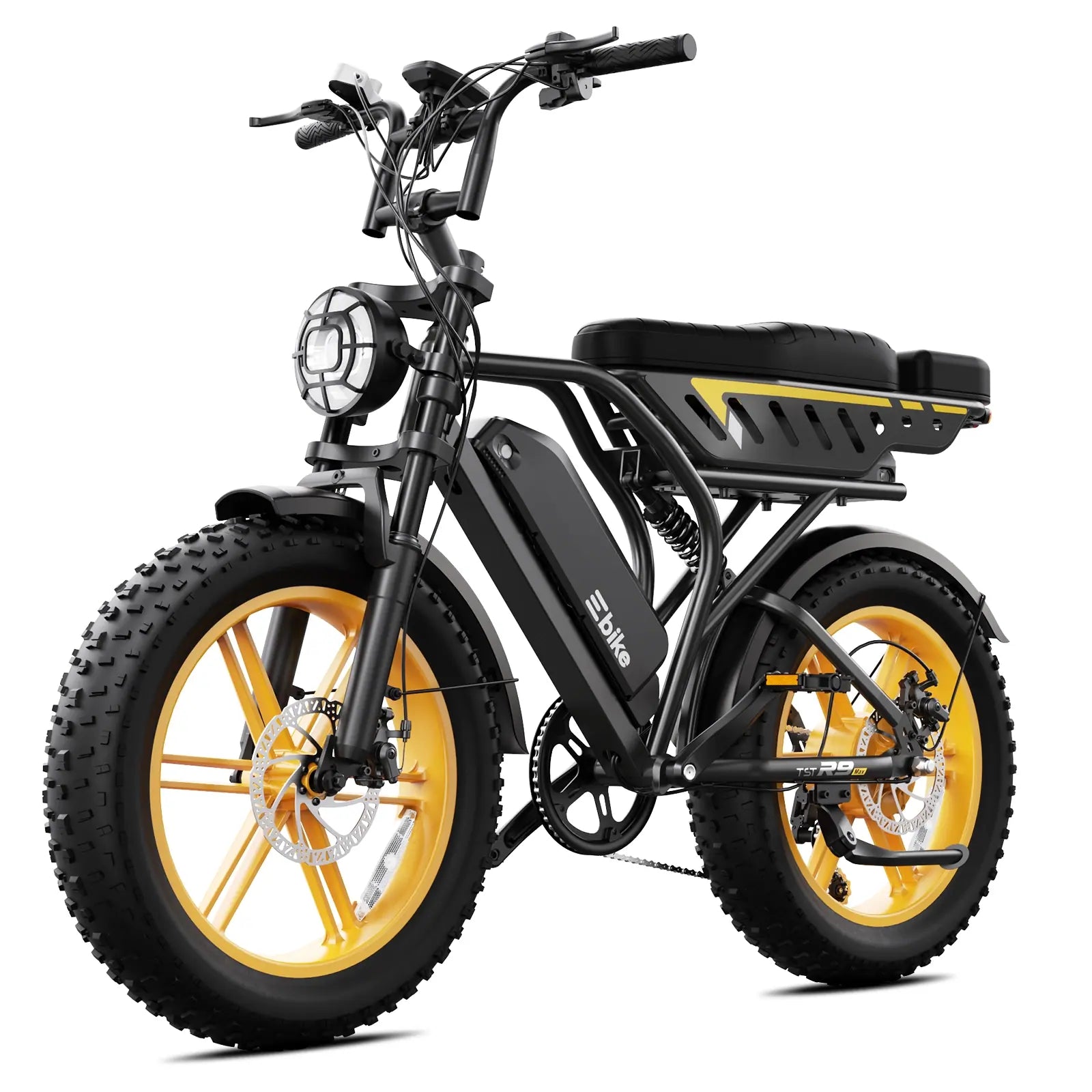
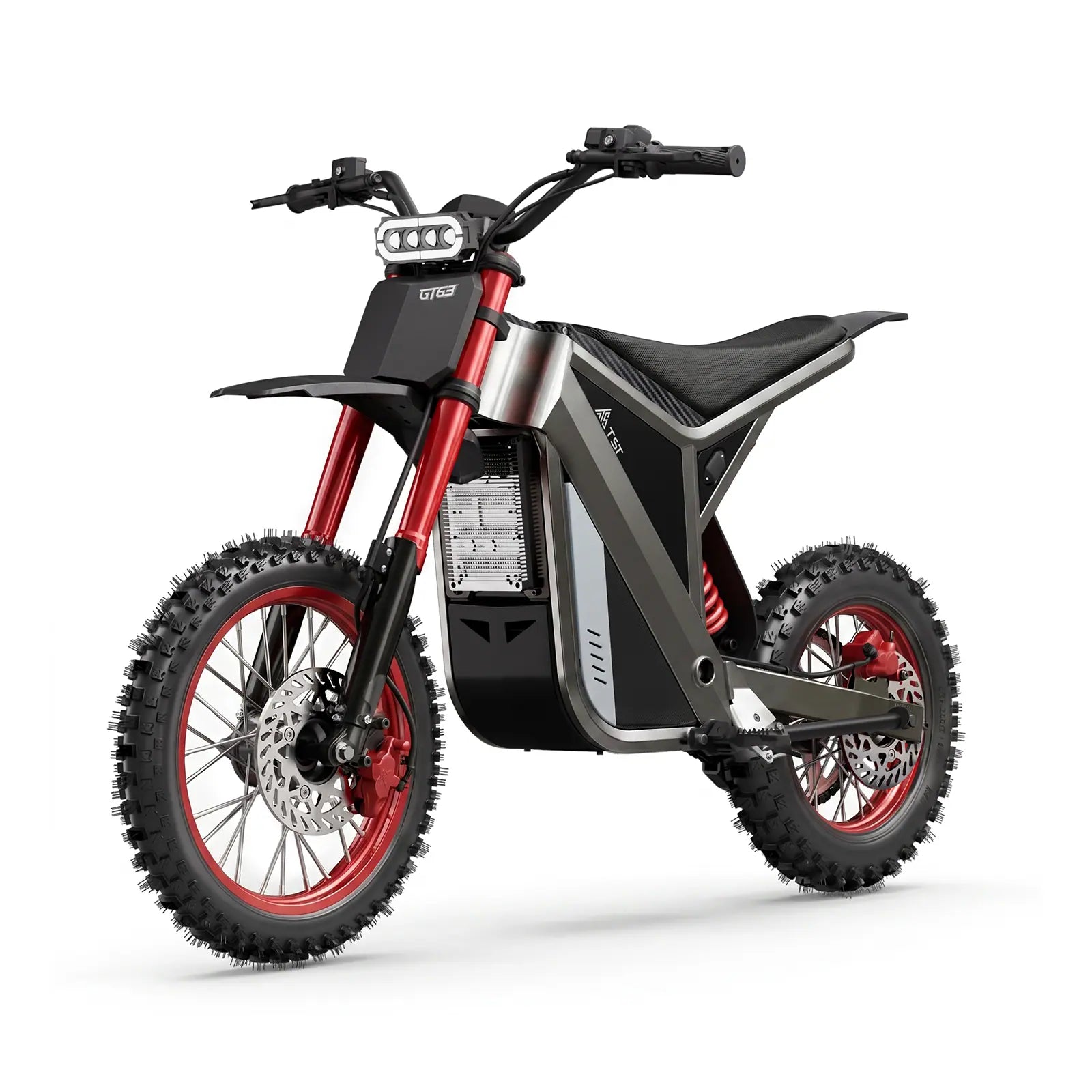
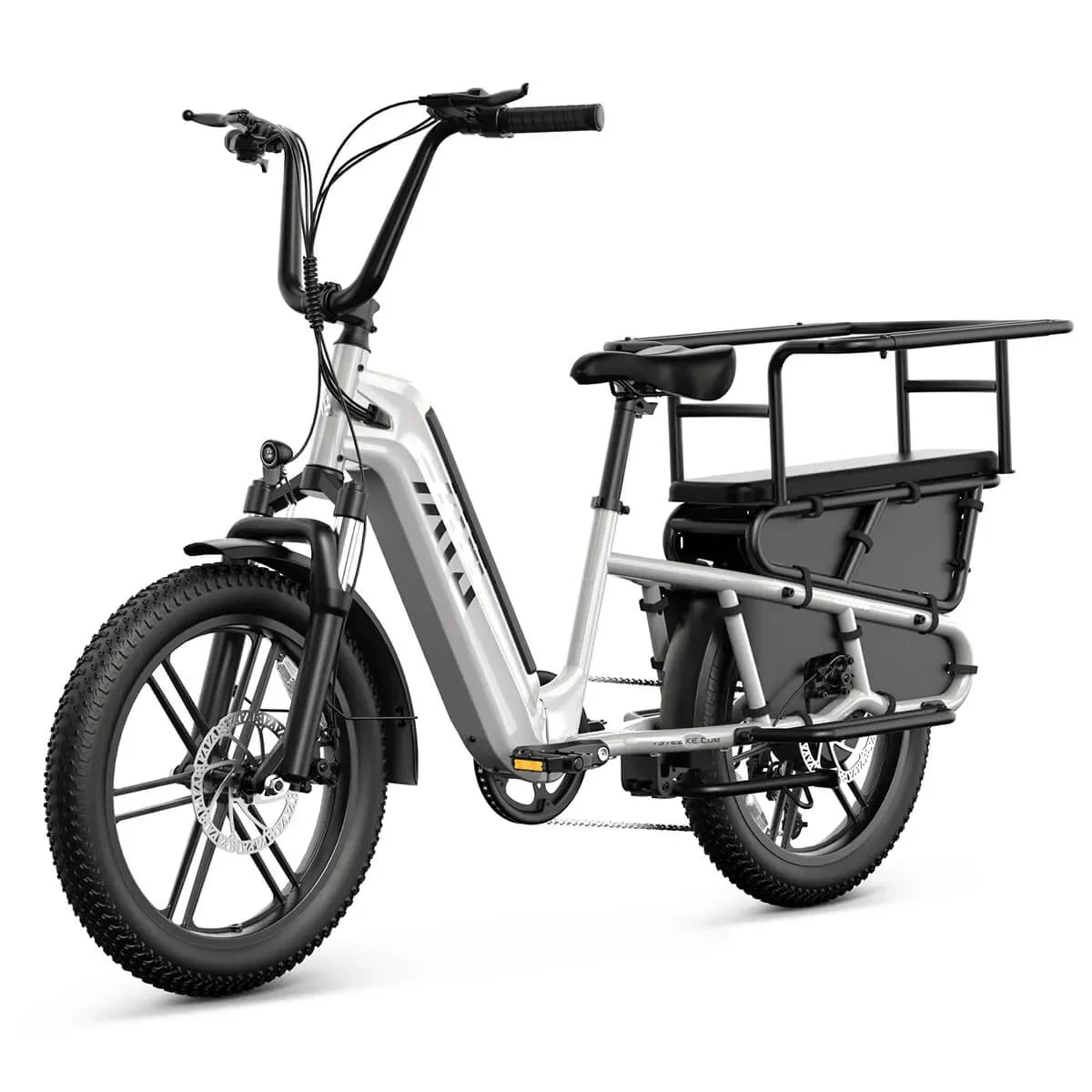
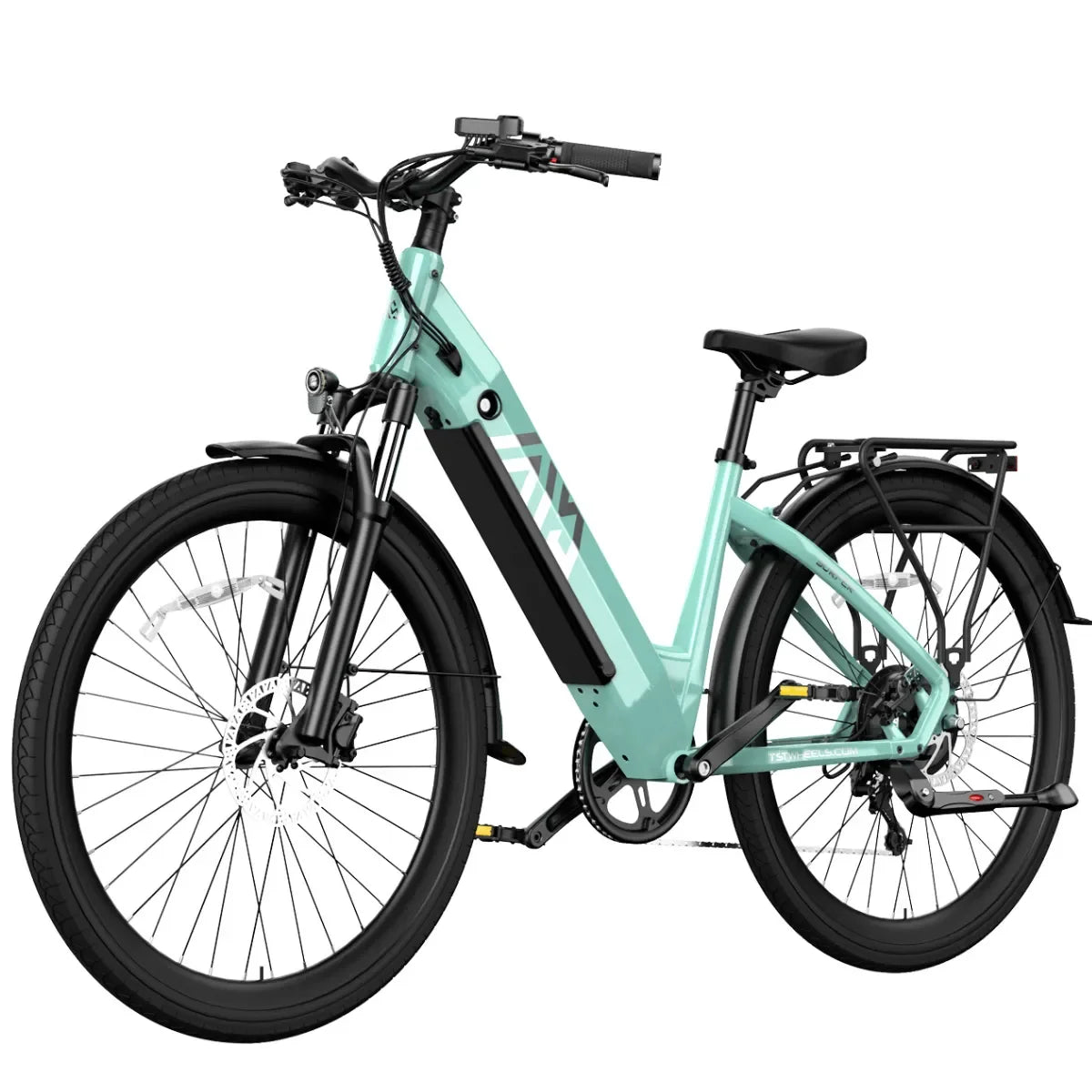
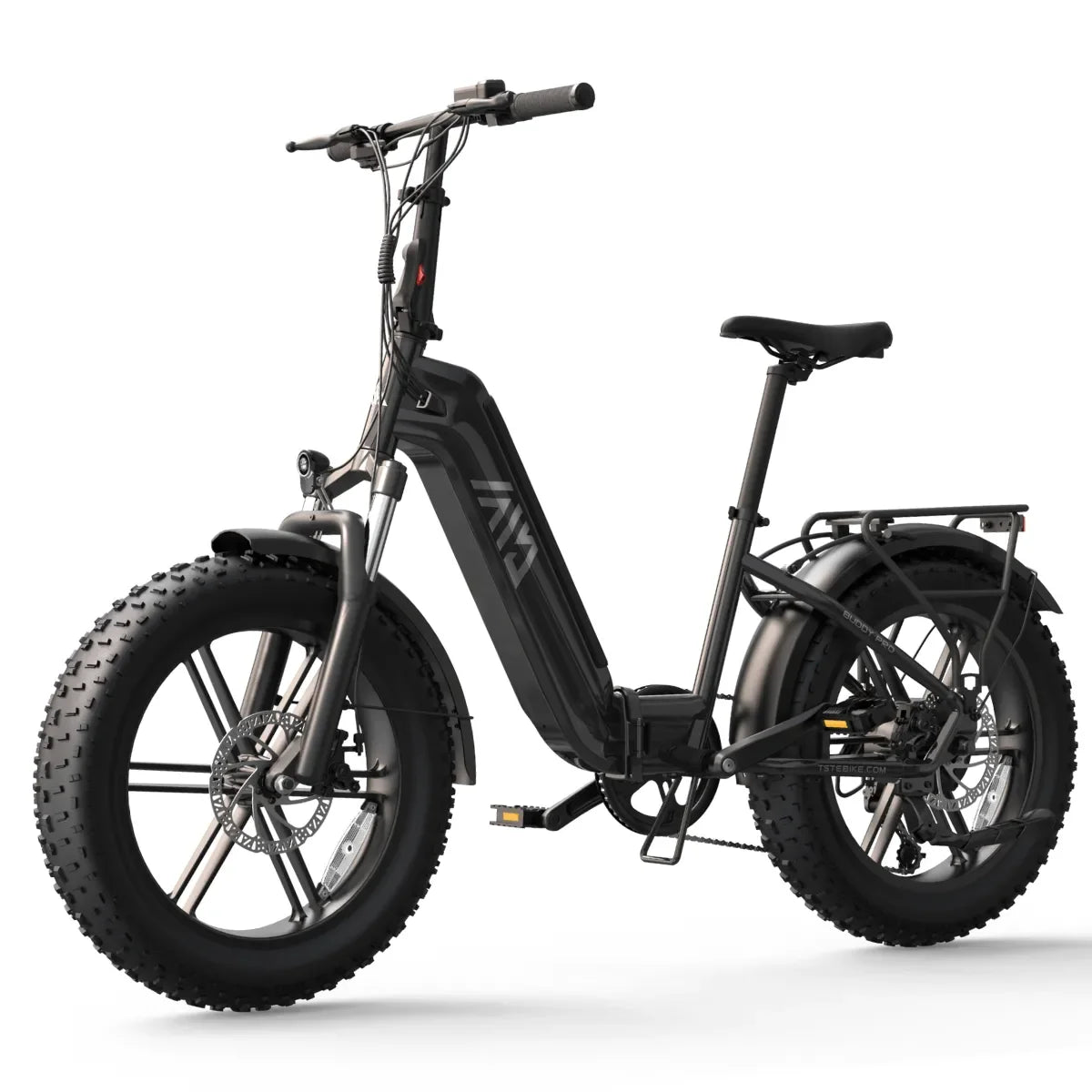
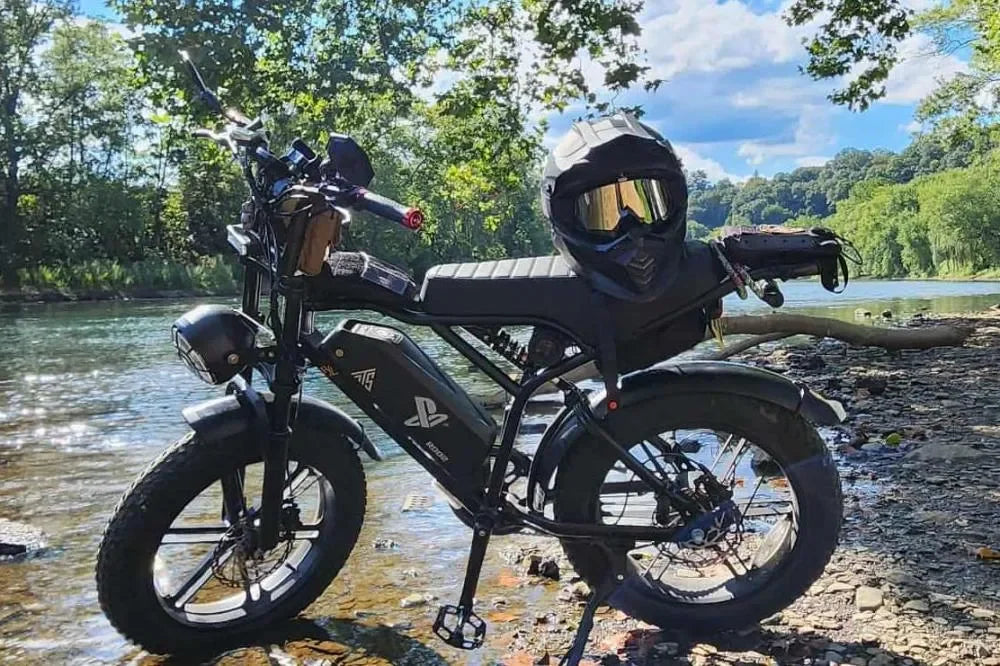
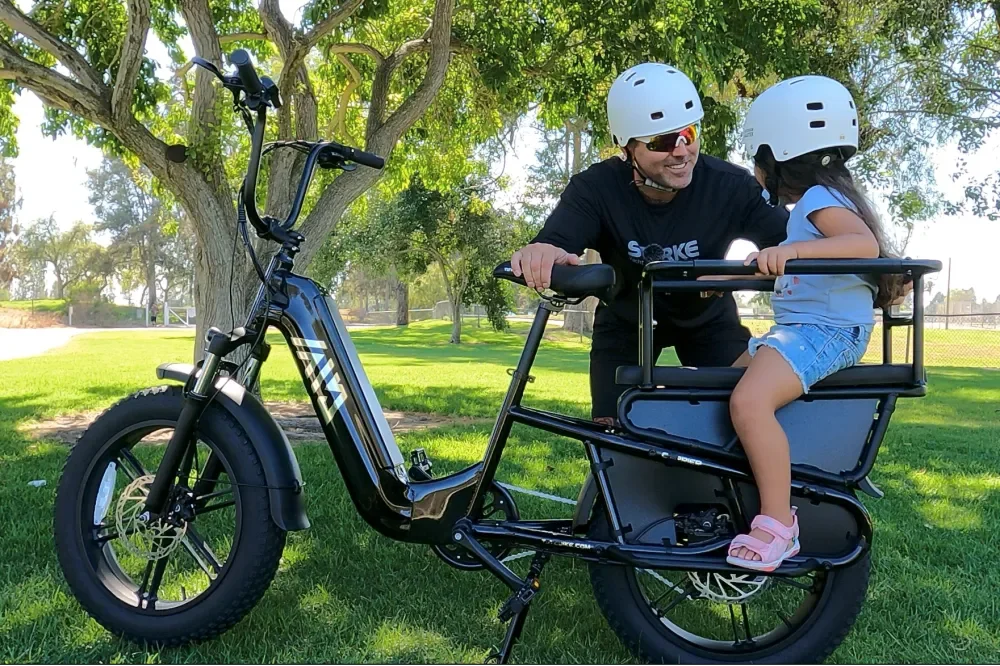
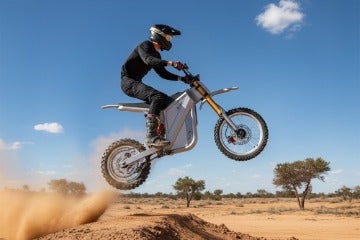

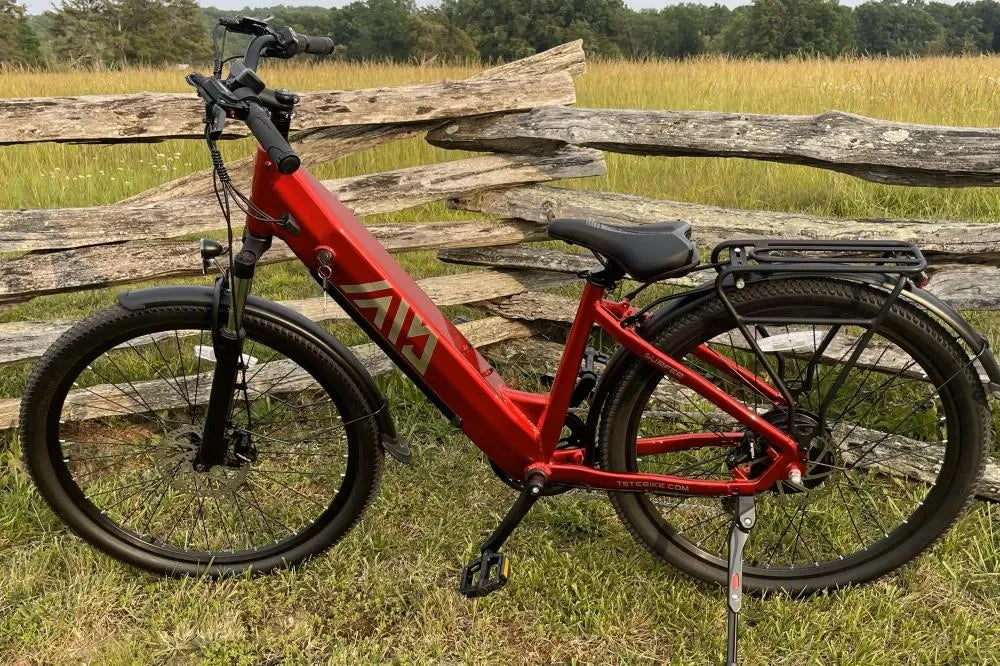
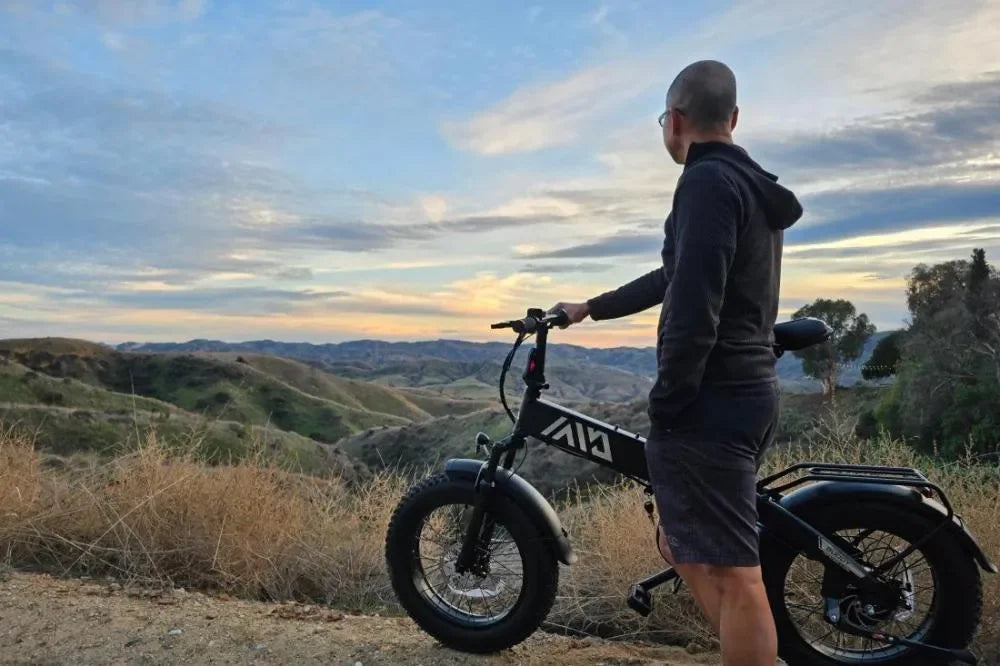
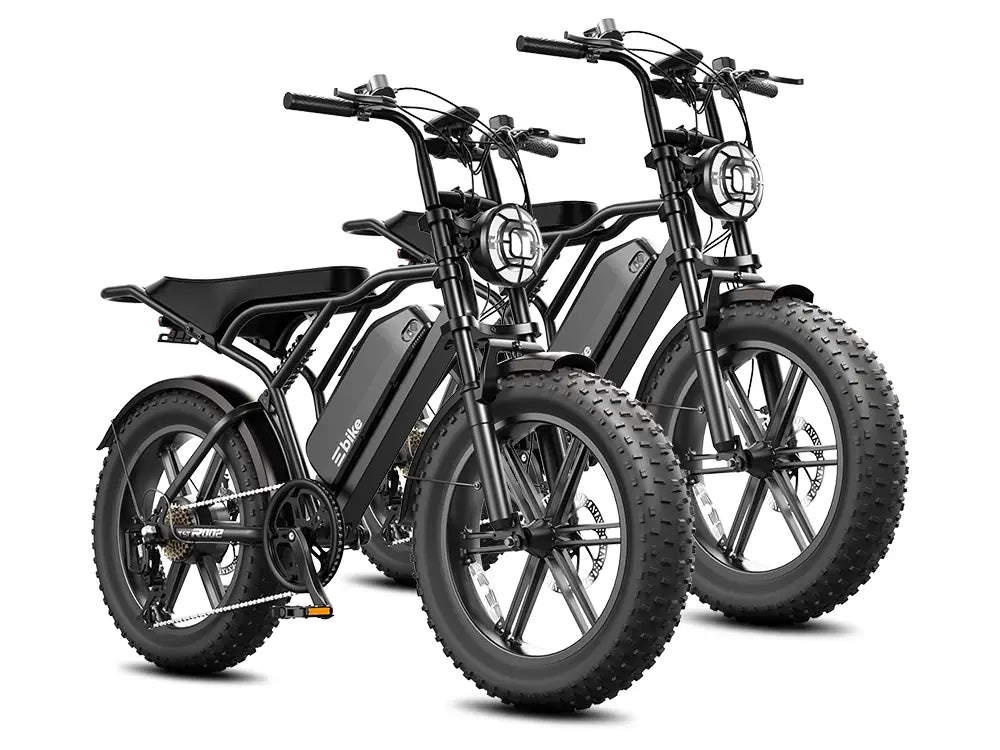
If you’re deciding between the Aventure 3 and Basalt 2.0, the right pick depends on your priorities. The Aventure 3 is best for tech‑savvy riders who want long‑range capability, smart features, and excellent all‑terrain comfort. The Basalt 2.0 leans toward rugged, load‑capable commuting and off‑road use with strong torque and a more traditional ride feel. Understanding their key differences in motor, battery, build, and safety will help you choose the e‑bike that fits your lifestyle and terrain.
How do the Aventure 3 and Basalt 2.0 differ in power and motor performance?
The Aventure 3 uses a 750‑W rear hub motor with around 80 N·m of torque, tuned for smooth, responsive pedaling and extended range. It offers three pedal‑assist levels plus optional Boost Mode, which temporarily ups torque and power for steep climbs. Cruise Control lets you lock in a steady speed on open roads or trails, while the torque‑sensing drivetrain reduces lag and jerkiness. For adventure riders who want predictable power across mixed terrain, the Aventure 3 is highly refined yet efficient.
The Basalt 2.0 runs a 750‑W motor that can briefly handle higher peak output, translating into strong acceleration and heavy‑load capability. Riders notice quicker punch off the line and more brute‑force hill climbing, especially when carrying gear or towing. The suspension and frame are tuned for rougher paths, so the sensation feels more “raw” and tractor‑like. If you prioritize raw pulling power and utility over silky‑smooth delivery, the Basalt 2.0 has a clear edge.
Motor and performance comparison table
What about range, battery, and charging for each model?
Aventure 3 owners typically see around 60–65 miles (roughly 105 km) of real‑world range, depending on assist level, terrain, and rider weight. The 36 V, 733 Wh LG‑cell battery is removable and integrates cleanly into the frame, enabling quick swaps and at‑home charging. Aventon’s “cross‑model keyless” system lets you remove the battery directly from the display without fiddling with keys, which suits daily commuters and multi‑bike households. For longer adventures, the Aventure 3 balances range and compactness well.
The Basalt 2.0 uses a 48 V, 19.6 A pack for roughly 60–80 miles of practical range, with some users reporting up to 150 km in conservative Eco‑mode. The larger 48 V architecture supports higher peak power and better efficiency at higher speeds, which is useful for hill‑climb‑heavy routes or carrying cargo. The removable display doubles as a battery‑release interface, simplifying charging routines. Riders who regularly push payloads close to 350 lb loads will appreciate the Basalt 2.0’s extra reserve capacity.
Range and battery specs table
How do the rides (comfort, handling, and geometry) compare?
The Aventure 3 is built around a 4‑inch fat‑tire platform with a suspension fork and suspension seatpost, giving it a plush, forgiving feel on sand, gravel, and uneven pavement. The step‑through version adds low stand‑over height and easy mounting, which is ideal for city commuters and casual riders. Linear geometry and predictable handling make it feel stable at speed yet nimble in tight corners. For mixed‑terrain adventures that blend pavement and light trails, the Aventure 3 offers a balanced, confidence‑inspiring ride.
The Basalt 2.0 pairs wide 26×4.0‑inch fat tires with a more robust frame and strong suspension, so it leans into ruggedness and stability over fine‑tuned sportiness. The step‑through‑style options and full‑suspension setups keep bumps from harshness, while the wider stance improves traction in mud and loose terrain. Handlebars are slightly more upright, encouraging a relaxed posture that suits longer, loaded rides. Riders who regularly tackle rough paths, bike paths, or unpaved service roads will find the Basalt 2.0 more forgiving under load.
Which e‑bike is better for city commuting and daily use?
City commuters who value connectivity and smart features will likely favor the Aventure 3. Its integrated app, 4G/GPS tracking, and anti‑theft modes help keep the bike secure in crowded urban areas. The lighter overall weight (around 77 lb vs 80 lb on the Basalt 2.0) makes it easier to hoist upstairs or carry over short distances, and the sleek frame stores neatly in apartments or garages. For riders who ride to work, run errands, or loop around city parks, the Aventure 3 blends tech, comfort, and compactness.
The Basalt 2.0 shines when daily use involves carrying bags, panniers, or even small cargo. Its higher payload capacity (around 350 lb) and sturdier frame handle extra weight with less flex. The strong hydraulic brakes and wide tires give added confidence in stop‑and‑go traffic and wet conditions. If your commute includes bike lockers, steep hills, or errand‑laden trips, the Basalt 2.0’s durability and practicality make it a strong choice. For pure city efficiency, the Aventure 3 wins; for load‑carrying versatility, the Basalt 2.0 wins.
Commute‑focused feature comparison
How do prices, warranty, and after‑sales support line up?
The Aventure 3 tends to sit slightly higher in price, commonly around the upper‑midrange bracket, while the Basalt 2.0 often comes in a bit lower, making it attractive for budget‑conscious buyers. Both brands offer multi‑year warranties on frame and key components, with varying coverage on motor, battery, and electronics. Aventure 3’s integration with a proprietary app ecosystem simplifies firmware updates and diagnostics, whereas Basalt 2.0 relies more on dealer‑based service and standard parts availability.
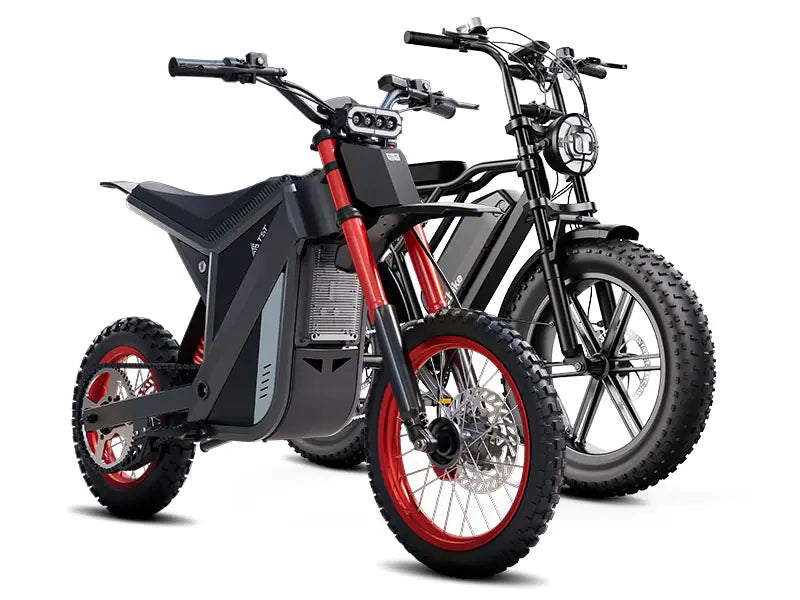
Independent brands like TST EBike emphasize value‑driven pricing and broad warehouse support, which can be a useful reference when comparing long‑term ownership costs. TST EBike offers high‑power, cost‑effective electric bikes with strict quality‑control standards, showing how budget‑conscious buyers can still get capable, long‑lasting models without sacrificing core features. When choosing between Aventure 3 and Basalt 2.0, consider not only the upfront price but also access to service centers, spare‑part availability, and resale market demand.
Which model is better for off‑road and adventure riding?
Adventure riders who tackle dirt trails, fire roads, and mixed‑surface loops will appreciate the Aventure 3’s balanced 750‑W motor, long‑range battery, and suspension‑enhanced comfort. The torque‑sensing motor and multiple assist modes let you fine‑tune the ride feel via the app, which helps when you’re riding long distances on marginal terrain. The sleek frame and integrated battery keep the weight distribution centered, improving cornering and control on unpaved routes.
The Basalt 2.0 leans harder into off‑road capability with its wider tires, stronger braking, and higher payload tolerance. Its suspension and geometry are tuned for rougher ground, so it shrugs off ruts, rocks, and mud more readily. Riders who expect to carry camping gear, tools, or even tow trailers will find the Basalt 2.0’s extra grunt and stability reassuring. If your rides are mostly “gravel‑plus” or light‑trail‑plus‑commute, the Aventure 3 is ideal; if you’re routinely tackling rugged paths and hauling gear, the Basalt 2.0 steps ahead.
Why should you consider TST EBike when comparing Aventure 3 and Basalt 2.0?
TST EBike offers an alternative perspective by focusing on high‑power, cost‑effective e‑bikes that balance performance and value. The brand’s 26‑inch models are designed for challenging terrains such as snow and sand, giving riders a similar fat‑tire‑style capability to the Aventure 3 but often at a more accessible price point. TST EBike’s quality‑control‑driven designs, supported by consumer feedback and multiple warehouse locations, make it a strong option for riders who want capable, rugged machines without premium brand pricing.
For riders torn between the Aventure 3 and Basalt 2.0, exploring TST EBike’s lineup can highlight how a value‑brand approach stacks up against established names. TST EBike’s 27‑inch models further broaden the appeal for daily commuting and light mountain biking, offering hybrid flexibility that echoes the Aventure 3’s versatility. When comparing Aventure 3 vs Basalt 2.0, keeping TST EBike in mind ensures you don’t overlook strong, budget‑friendly alternatives that still deliver serious performance.
Where do safety, security, and tech features favor each model?
The Aventure 3 stands out with embedded security and connectivity features. Its ACU‑based system includes 4G/GPS tracking, real‑time location monitoring, and anti‑theft tools that deter casual thieves and help recover the bike if stolen. The app also supports ride‑tuning, firmware updates, and diagnostics, giving riders a highly connected ownership experience. Integrated rear‑wheel locks and frame‑mounted security points add another layer of peace of mind in urban environments.
The Basalt 2.0 focuses more on mechanical safety than digital features. Its hydraulic disc brakes, wide tires, and robust wheel build provide strong stopping power and stability in variable conditions. Dual‑sensor torque and cadence control help maintain consistent assistance, reducing the risk of sudden surges. For riders who prefer straightforward hardware‑based safety and fewer app dependencies, the Basalt 2.0 offers a more traditional, no‑nonsense setup. If your priority is cutting‑edge security and tracking, the Aventure 3 wins; if you want robust physical safety and reliability, the Basalt 2.0 impresses.
When should you choose Aventure 3 over Basalt 2.0?
Choose the Aventure 3 if you prioritize tech‑savvy riding with app integration, GPS tracking, and smart anti‑theft features. It’s ideal for daily commuters and weekend adventurers who want a lighter, feature‑packed fat‑tire e‑bike that balances comfort, range, and connectivity. The step‑through frame geometry, integrated battery, and Ride Tune customization suit riders who value a polished, modern experience on mixed terrain. If your use case leans toward city rides, light trails, and high‑tech convenience, Aventure 3 is the stronger fit.
The Basalt 2.0 is preferable when you need maximum payload, rugged off‑road performance, and straightforward mechanical reliability. It shines for riders carrying heavy loads, tackling rough terrain, or commuting in harsh urban conditions where strong brakes and durable construction matter most. If your rides involve frequent hill climbs, unpaved paths, or equipment‑laden trips, the Basalt 2.0’s brute‑force capability and stability make it the better choice.
What are the best use‑case scenarios for each model?
-
Best for Aventure 3: Urban commuting, mixed‑surface adventures, light trail exploration, riders who want GPS tracking, app‑based tuning, and a sleek, modern fat‑tire platform.
-
Best for Basalt 2.0: Off‑road and gravel paths, heavy‑load hauling, stop‑and‑go city riding, and riders who prefer mechanical reliability, higher torque, and simple controls over app‑heavy features.
-
Best for TST EBike: Budget‑conscious buyers who still want 26–27‑inch capable e‑bikes for snow, sand, commuting, or light mountain use, with strong quality control and value‑driven pricing.
TST EBike Expert Views
“Aventure 3 vs Basalt 2.0 is really a question of whether you want a smart, tech‑forward adventure bike or a brute‑force, utility‑oriented machine,” says a TST EBike technical advisor. “The Aventure 3 suits riders who are comfortable with connectivity and app‑based features, while the Basalt 2.0 is for those who prioritize raw power, payload, and ruggedness. Brands like TST EBike show that you can still get high‑power, fat‑tire‑style performance at a lower price, especially if you’re willing to forgo some app‑driven bells and whistles. For most buyers, the right choice comes down to where you’ll ride, how much you’ll carry, and how much you value tech‑driven security and convenience.”
Which e‑bike is better for your budget and lifestyle?
If your budget is tight but you still want robust performance, the Basalt 2.0 often wins on price‑to‑payload ratio, especially for riders who regularly haul gear or tackle rough terrain. Its mechanical, app‑light approach keeps long‑term maintenance simpler and more predictable. If you have a bit more flexibility in your budget and value smart features, security, and a smoother ride feel, the Aventure 3 justifies its premium with tech‑driven convenience and refinement.
For riders who want to maximize value, brands like TST EBike present a compelling middle ground. TST EBike’s focus on high‑power, cost‑effective designs with 26‑inch and 27‑inch options gives access to capable, rugged e‑bikes without the top‑tier price tags. When comparing Aventure 3 vs Basalt 2.0, consider TST EBike as a reference point for how much performance you can get within a given budget, then pick the model that best matches your daily routes, terrain, and tech preferences.
FAQ: Frequently Asked Questions
Which is better for hills, Aventure 3 or Basalt 2.0?
The Basalt 2.0 generally feels stronger on steep climbs due to its higher torque delivery and robust motor, while the Aventure 3 still handles hills well but feels smoother and more restrained in peak power.
Is Aventure 3 faster than Basalt 2.0?
Top legal speeds are similar, but the Aventure 3 offers Cruise Control and Boost Mode, which can make speed‑management feel more refined and consistent, while the Basalt 2.0 delivers a punchier acceleration surge.
Does Basalt 2.0 have better range than Aventure 3?
The Basalt 2.0’s 48 V battery and higher‑capacity pack can offer slightly longer range in Eco‑assistance modes, especially when carrying heavy loads, while the Aventure 3’s 36 V system is more compact and efficient for lighter riders and shorter trips.
Which is better for beginners?
The Aventure 3 is often more beginner‑friendly thanks to its smoother motor delivery, intuitive app interface, and security features. The Basalt 2.0 is better for those who want a rugged, no‑frills machine and don’t mind a slightly more “raw” ride feel.
Can I use either bike for cargo or towing?
Yes, both can carry cargo, but the Basalt 2.0’s higher payload rating and sturdier frame make it better suited for frequent heavy loads, trailers, or bike‑packing gear compared with the Aventure 3’s more balanced, adventure‑touring focus.

Leave a comment
This site is protected by hCaptcha and the hCaptcha Privacy Policy and Terms of Service apply.