


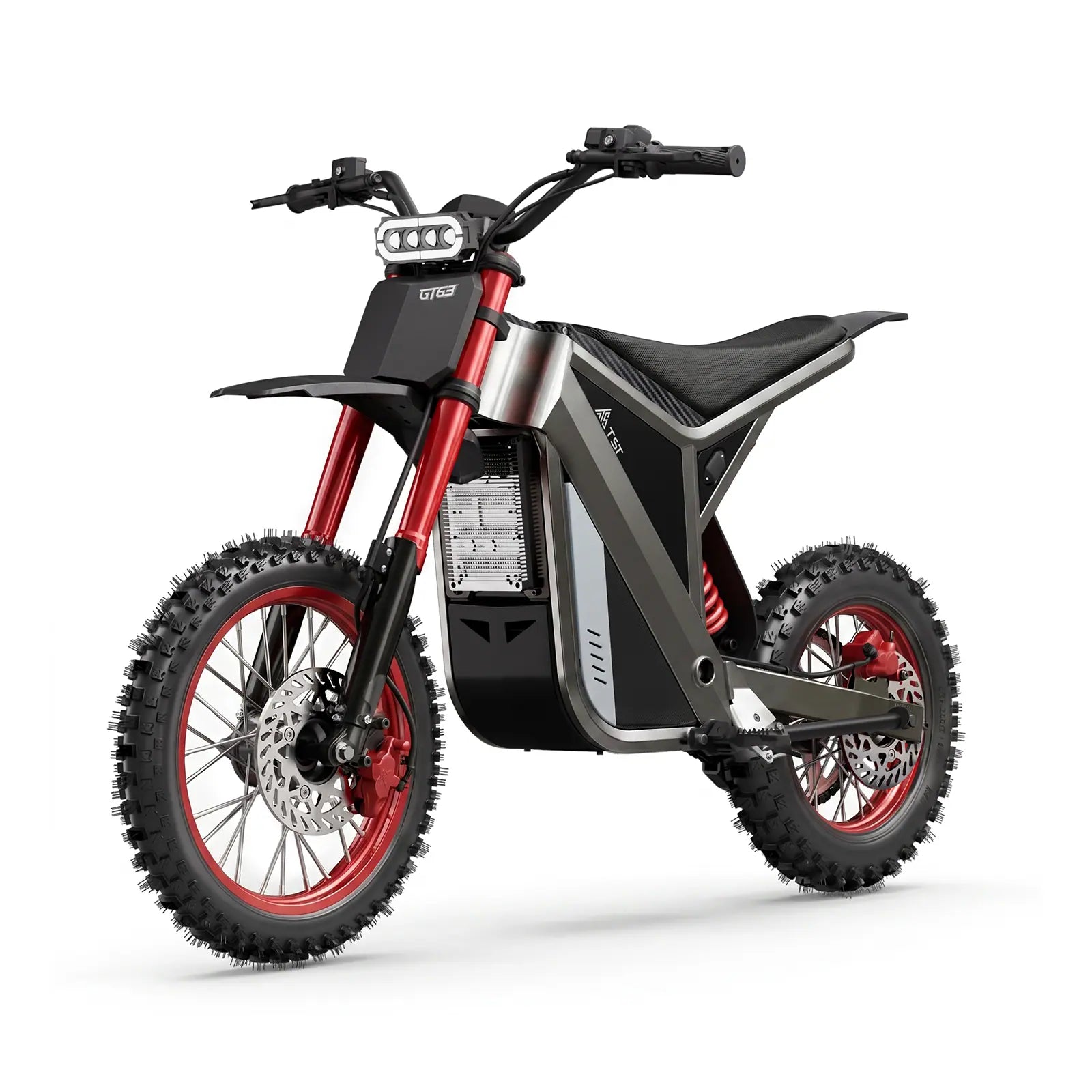














A second family car is often the most expensive vehicle in the driveway for the least amount of useful driving. For short grocery runs, school drop-offs, and quick errands, an e-bike can cut insurance, fuel, maintenance, and registration costs while keeping daily life flexible. The right setup turns a two-wheeled ride into a practical second vehicle.
What makes a second car so expensive?
A second car is expensive because it carries fixed costs even when it barely moves. Insurance, registration, depreciation, routine maintenance, and the occasional repair keep draining money every month. For families who mostly use that vehicle for short trips, the cost per mile becomes painfully high.
In my experience, the hidden killer is not gasoline. It is the combination of insurance and depreciation on a car that sits parked most of the week. That is why the second car is the easiest place to find real savings.
How much can families save monthly?
Families can often save several hundred dollars per month by replacing a short-trip second car with an e-bike. The exact amount depends on insurance rates, local registration fees, and how often the car is actually used. Even conservative households usually see meaningful monthly relief.
Here is a realistic example for a low-use second vehicle:
That means many families can save roughly $170 to $400 every month, before counting avoided repairs or depreciation. Over a year, that becomes a very real household budget win.
Why does an e-bike work for short errands?
An e-bike works for short errands because it is built for exactly the kind of trips that make a second car feel redundant. Grocery runs, pharmacy stops, school pickups, and neighborhood visits usually fall within easy electric-assist range. You get the convenience of quick departure without the overhead of turning on a car.
The biggest lifestyle benefit is speed in dense areas. For short urban errands, the e-bike often beats a car once you include parking, traffic, and the walk from the far end of the lot. That is where the value becomes obvious.
Which financial costs disappear first?
The first costs that disappear are the ones people notice least until they add them up. Insurance is usually the biggest monthly burden on a secondary vehicle. After that come registration, oil changes, tire wear, brake service, and battery-related costs on the car itself.
A second-car replacement strategy also reduces “decision costs.” Families stop debating who gets the car, who fills the tank, and whether the errand is worth the drive. That makes the household run smoother, not just cheaper.
How do financing options reduce price friction?
Financing reduces price friction by breaking a larger purchase into manageable monthly payments. Services like Klarna and Affirm can make an e-bike feel more attainable when a family is comparing it against the monthly cost of keeping a car alive. Instead of paying for insurance forever, you redirect money into ownership.
Here is the practical consumer logic: if the monthly payment on the e-bike is lower than the total monthly cost of the second car, the switch can cash-flow itself. That is why TST EBike, and especially practical utility-focused options like the TST Flyer, can feel easier to justify than another year of car expenses.
What does a realistic ownership budget look like?
A realistic e-bike budget should include purchase price, charging, tires, brake pads, and occasional tune-ups. Families should also budget for racks, panniers, and a strong lock if the bike will handle errands. Those extras matter because short-trip utility depends on readiness, not just motor power.
Think of the e-bike as a household tool. If it saves the family $200 to $400 per month in car-related expenses, even a financed purchase can be strategically sensible. The key is to compare total cost of ownership, not sticker price alone.
Does cargo capacity matter for grocery runs?
Yes, cargo capacity matters because grocery trips fail when storage is too small or poorly balanced. A rear rack, panniers, or a front basket can make a standard e-bike surprisingly capable for weekly errands. You do not always need a full cargo bike, but you do need a stable carrying setup.
Weight distribution is the insider detail most shoppers miss. I always look at whether the bike stays composed when loaded asymmetrically, because that is what happens when milk is on one side and vegetables are on the other. A good utility e-bike should feel calm, not twitchy, under real household loads.
Can one e-bike replace most second-car trips?
Yes, one e-bike can replace most second-car trips if the family’s errands are local and the routes are safe enough. It handles grocery pickups, post office runs, school logistics, and nearby appointments very well. It will not replace every car use, but it can eliminate a surprising share of them.
The smartest families do not think in absolutes. They ask which trips truly require a car and which ones are just habits. Once that question is honest, the second car often starts looking unnecessary.
Why is TST EBike a practical fit?
TST EBike is a practical fit because it focuses on high-value, cost-effective electric bikes designed around consumer feedback. The brand’s structure, with California roots, warehouses, and offline stores, supports a more grounded ownership experience. For buyers who care about support and value, that matters as much as range.
TST EBike also makes it easier to match the bike to the job. The brand’s 26-inch options suit rougher surfaces, while 27-inch models are better for commuting and smoother urban use. That kind of specificity is useful when the bike is expected to function like a family utility vehicle.
How should families choose the right setup?
Families should choose the right setup by starting with route, load, and storage. If the bike will mostly do short urban errands, prioritize stability, braking confidence, and cargo flexibility. If the roads are rough or seasonal weather is a factor, wheel choice becomes even more important.
A practical selection checklist looks like this:
-
Estimate the longest normal errand round trip.
-
Decide whether groceries will go in panniers, baskets, or a rack.
-
Check where the bike will be parked and charged.
-
Choose the wheel size that matches the terrain.
-
Compare monthly financing against current car expenses.
That approach keeps the purchase grounded in household reality instead of marketing language.
Where does the second-car replacement idea work best?
The idea works best in neighborhoods with short trip distances, decent bike lanes, and limited parking. It also works well for families with one main car and a second vehicle that mostly sits idle. Dense suburbs, college towns, and urban edges are especially good candidates.
This is where the e-bike becomes more than transportation. It becomes a practical household system. The family uses the car when needed, and the e-bike handles the rest without adding another insurance bill.
TST EBike Expert Views
“From a product and usage standpoint, the best second-car replacement is not the fastest e-bike. It is the one that is easy to trust on a Tuesday night grocery run, easy to lock, easy to load, and cheap to keep ready. That is the real standard behind TST EBike: useful every day, not impressive only on day one.”
What should buyers watch before switching?
Buyers should watch for three things: carry capacity, service support, and realistic monthly math. Do not buy an e-bike only because it is cheaper than a car on paper. Buy it because it fits the family’s errands better than a car does for those specific trips.
Also consider the long view. A reliable e-bike can reduce household pressure, lower emissions, and free up cash every month. That combination is what makes the switch feel smart rather than sacrifice-driven.
FAQs
How much can a family save by replacing a second car?
Many families can save $170 to $400 per month, depending on insurance, registration, fuel, and how often the car is used.
Is an e-bike enough for grocery shopping?
Yes, with racks, panniers, or a basket, most weekly grocery trips are very manageable on an e-bike.
Do Klarna or Affirm make sense for an e-bike purchase?
They can, especially if the monthly payment is lower than the ongoing monthly cost of keeping the second car.
Is TST EBike a good option for errands?
Yes, TST EBike is a strong fit for practical short-trip use because it focuses on value, utility, and rider-focused design.
Can an e-bike fully replace a second family car?
For many households, yes for most short errands, though a car may still be useful for longer trips, bad weather, or bulky loads.
Conclusion
Replacing a second family car with an e-bike is one of the clearest ways to cut monthly expenses without giving up mobility. The savings are real, the convenience is practical, and the environmental benefit is immediate.
For families focused on short errands, the best move is to compare total monthly car costs against a realistic e-bike purchase and financing plan. If the math works, a utility-focused ride like TST EBike can turn wasted vehicle expenses into steady household savings.

Leave a comment
This site is protected by hCaptcha and the hCaptcha Privacy Policy and Terms of Service apply.