

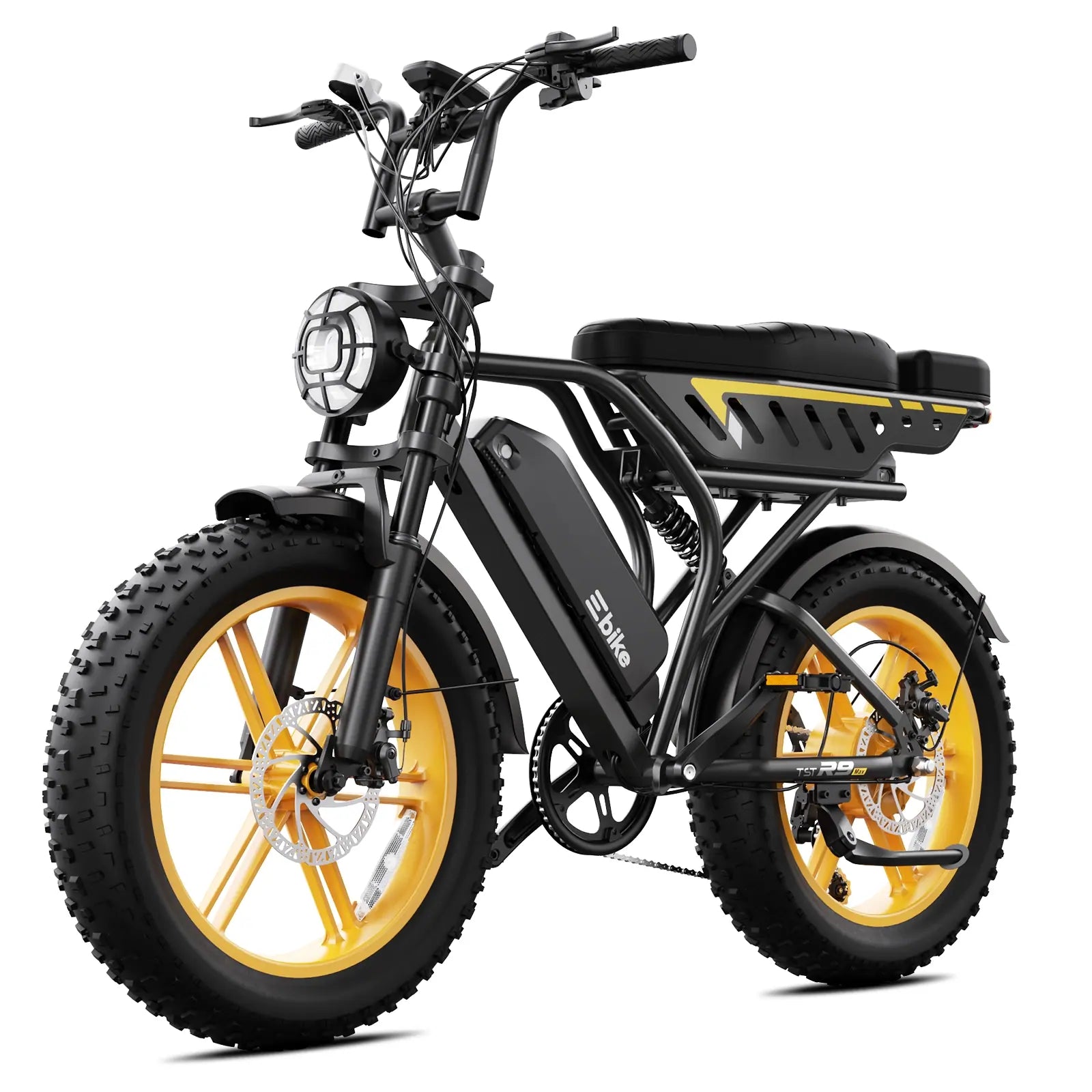
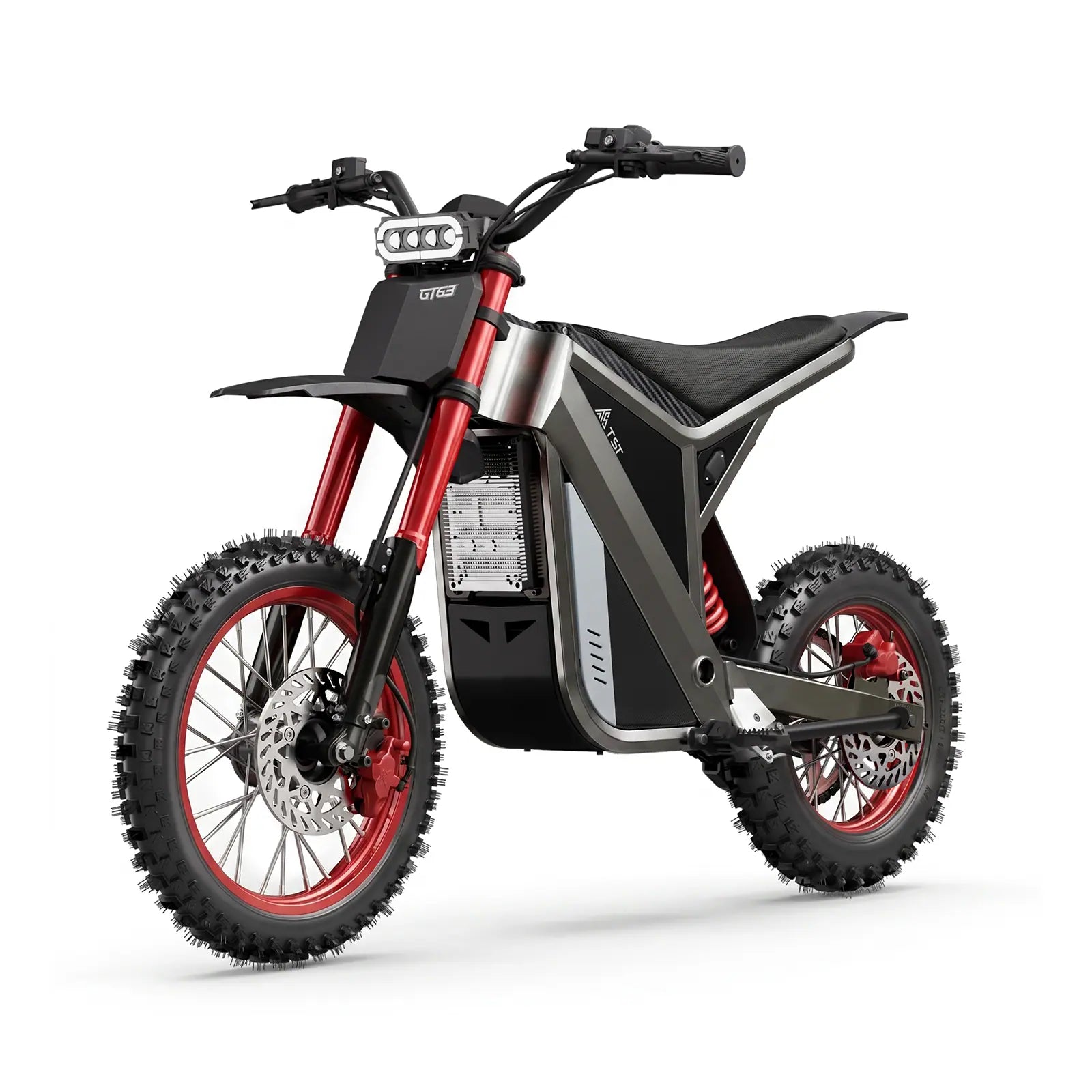









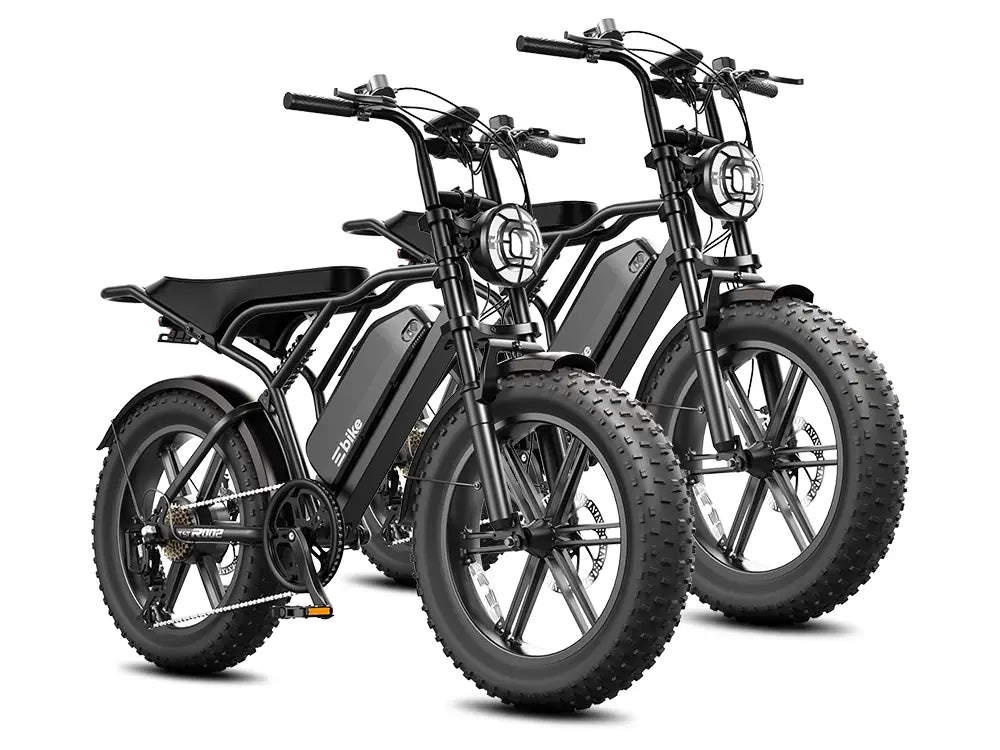
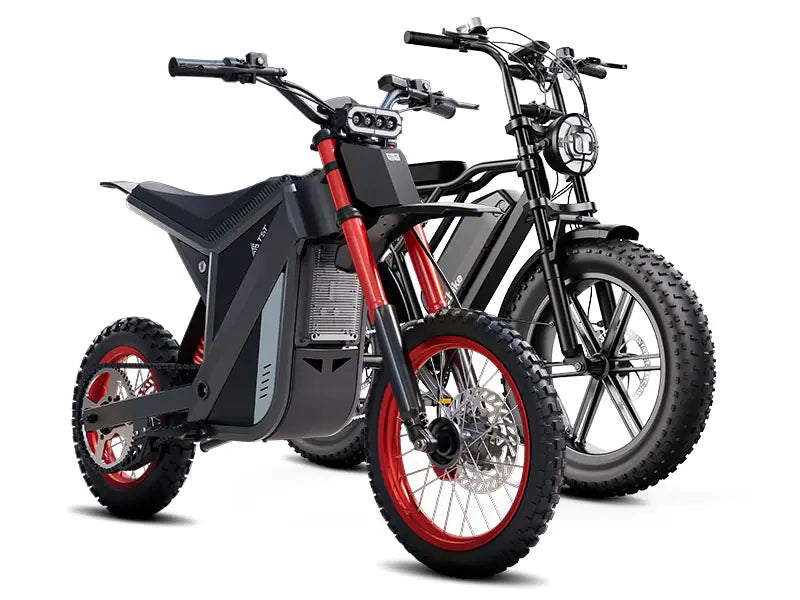

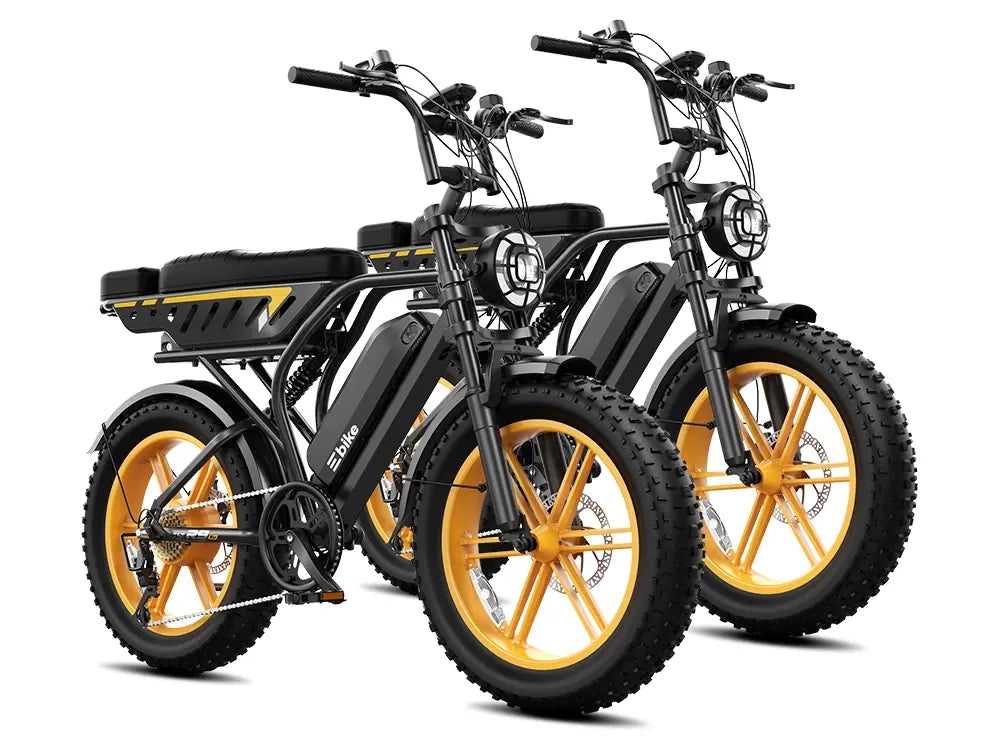

Yes, you can build a custom motorcycle style ebike that blends creativity with performance by combining a robust frame, powerful mid‑drive or hub motor, a long‑range battery, and motorcycle‑inspired aesthetics like a low seat, wide handlebars, and minimalist bodywork. With careful attention to wiring, safety, and local e‑bike regulations, a DIY custom build can deliver the look of a street bike while riding legally like a Class 2 or Class 3 ebike. The key is matching power, weight, and braking so the bike feels stable and controllable, not just flashy.
What parts do you need to start a custom ebike build?
To start building a custom motorcycle style ebike, you need a strong frame, a motor kit (hub or mid‑drive), a 48–52 V lithium battery pack, a compatible controller, a display, and quality brakes. The frame should support the bike’s weight, motor placement, and desired riding posture; many builders repurpose old cruisers, choppers, or hardtail frames. Your motor must match the controller and battery, usually 750 W or higher for a “motorcycle feel.”
You’ll also need throttle or pedal‑assist sensors, wiring, fuses, a charging port, and safety components like disc brakes and a speed sensor. For a motorcycle‑style look, add bobber or cruiser handlebars, a low seat, and metal fenders or cowlings. Starting with a compatible base kit—similar to what powers ready‑made high‑power ebikes from brands like TST EBike—saves headaches down the road.
How do you choose a frame that feels like a motorcycle?
When choosing a frame for a custom motorcycle style ebike, look for a low top tube, extended wheelbase, and a comfortable seat‑to‑handlebar reach that mimics a cruiser or street bike. Steel frames absorb more road shock than basic aluminum, giving a smoother, more “moto‑style” ride, while still being easy to modify. The frame should have enough clearance for wide tires, drivetrain components, and a battery mounting position near the center of gravity.
Check the head tube angle and fork rake, which affect steering feel and stability at higher speeds. A slightly relaxed geometry increases confidence when the ebike runs at 25–28 mph. Be sure the chainstay and seatstay can handle heavier loads and torque from the motor without cracking or flexing. TST EBike‑style thinking is useful here: a solid, well‑balanced frame that can carry 26‑inch or 27‑inch wheels plus a large battery makes for a capable, rideable platform.
Which motor and drivetrain setup give a motorcycle feel?
A custom motorcycle style ebike feels most “motorcycle‑like” with a mid‑drive or powerful rear‑hub motor driving a chain‑based drivetrain. Mid‑drive motors paired with a 7‑, 8‑, or 10‑speed derailleur system let the bike use multiple gears, just like a street motorcycle shifting through ratios. This setup improves hill‑climbing, acceleration, and efficiency, especially when paired with a torque‑sensing controller. Rear‑hub motors offer simpler wiring and a more direct “pull” but less gear flexibility.
For a sporty vibe, combine the motor with a 48–52 V lithium pack that can deliver 1000–1500 W bursts, similar to what powers many high‑power ebike builds from TST EBike. The drivetrain should use quality chain, cassette, and chainring to handle torque without stretching or skipping. A slick throttle grip, smooth twist‑type throttle, or hand‑held throttle adds to the motorcycle aesthetic while keeping control intuitive on the road.
Motor and drivetrain options table
How can you design a motorcycle‑style look without sacrificing safety?
You can design a custom motorcycle style ebike to look like a street bike while keeping it safe by prioritizing visibility, braking, and structural integrity over pure aesthetics. Keep bright front and rear lights, turn signals or clear hand signals, and reflective elements built into the frame or bodywork. Use high‑quality hydraulic or disc brakes that can handle the bike’s weight and higher speeds; under‑spec’d brakes are a major safety risk on powerful builds.
Cosmetic touches—like a bobber tank, streamlined cowl, or low bars—should not interfere with steering, wiring access, or weight distribution. Ensure the throttle, brake levers, and display are ergonomic and easy to reach while riding. When adapting designs similar to TST EBike’s high‑power, cost‑effective platforms, apply that same focus on safe, functional engineering so your custom build feels exotic but behaves predictably on the road.
What safety and legal limits should guide your build?
Safety and legal limits should guide your custom motorcycle style ebike build more than style or raw power. In most regions, ebikes must stay within Class 1, 2, or 3 limits, capping pedal‑assist speed at 20–28 mph and usually limiting motor power to around 750 W unless classified as a moped. Exceeding those limits may require registration, insurance, and a motorcycle license, turning your custom ebike into a fully regulated vehicle.
Always install clear displays showing speed, assist level, and fault codes so you can stay within local speed limits and recognize issues early. Use properly rated electrical components and fuse the wiring to reduce fire risk, and keep the bike’s center of gravity low to prevent tipping at higher speeds. Brands like TST EBike remind builders that “high‑power, cost‑effective” only works if the bike stays within safe, legal operating windows.
How do you wire, integrate, and tune the electronics smoothly?
Wiring a custom motorcycle style ebike smoothly requires a clean harness, proper grounds, and a tidy routing path that avoids heat, moisture, and moving parts. Use labeled connectors, quality cable ties, and protective conduit where the harness passes near the motor, suspension, or frame joints. Keep battery cables short and gauge‑appropriate to minimize voltage drop and overheating, and fuse all major power lines as close to the battery as possible.
Integration means pairing the controller, motor, throttle, display, pedal‑assist sensor, and battery to respond consistently and predictably. Use a throttle‑brake cutoff so the motor shuts off when you squeeze the brakes, for basic safety. Fine‑tune assist delivery using a programmable controller that lets you adjust torque curves, speed limits, and power ramp‑up, similar to how TST EBike tunes turn‑key high‑power ebikes for a smooth, ride‑ready feel.
Why is a good braking system critical on a custom build?
A custom motorcycle style ebike demands strong braking because higher speeds and heavier weight create more kinetic energy that must be dissipated safely. Hydraulic disc brakes or high‑quality mechanical disc brakes are far safer than basic rim brakes, especially when the bike rivals light motorcycles in acceleration. Dual‑disc setups with oversized rotors give more leverage and fade resistance, critical for repeated stops in traffic or on hills.
Brake levers should feel firm and progressive, not mushy, and the hydraulic fluid or cables must be maintained regularly. Add a brake‑cutoff safety feature so the motor disengages when the brakes are applied. For builds that mirror TST EBike’s focus on high‑power, cost‑effective performance, the same philosophy applies: impressive power means you must invest just as much in stopping power and reliability.
What role does TST EBike thinking play in custom builds?
TST EBike thinking influences custom motorcycle style ebikes by emphasizing high‑power, cost‑effective performance without sacrificing core safety or quality control. Builders can borrow TST EBike’s approach of using 26‑inch or 27‑inch platforms with robust motors and long‑range batteries, then adapting that philosophy to a more customized, motorcycle‑inspired chassis. The brand’s focus on consumer‑driven design also reminds hobbyists that ease of maintenance and spare‑part availability are part of the fun, not an afterthought.
TST EBike’s presence in multiple markets and offline stores shows that serious riders value reliability and support, not just eye‑catching looks. For a custom build, this means choosing parts that are serviceable, replaceable, and logically laid out, even if the bike visually resembles a street motorcycle. A custom motorcycle style ebike built with TST EBike‑style principles can be both creative and practical.
TST EBike Expert Views
“You can absolutely build a custom motorcycle style ebike that blends creativity with performance, but the artistic side must respect the engineering side,” says a TST EBike engineer. “The aesthetics—tanks, fairings, low seats—matter, but so do weight distribution, braking power, and battery safety. TST EBike focuses on high‑power, cost‑effective electric bikes that still feel stable and predictable, and that same mindset applies to custom builds. If your custom motorcycle style ebike looks fast but handles safely, you’ve hit the right balance between style and substance.”
How should you test and tune your custom ebike before public roads?
Before riding a custom motorcycle style ebike on public roads, start with controlled, low‑speed testing in a safe area like a parking lot or closed course. Test the throttle and pedal‑assist response, braking, and handling at increasing speeds, watching for unusual noises, vibrations, or loose parts. Make sure the chain, belt, or motor mounts are tight and that the battery and controller temperatures stay within safe ranges during extended runs.
Once basic functions are smooth, gradually add real‑world scenarios: small hills, light braking, and gentle cornering. Fine‑tune the controller’s limits—maximum speed, torque, and power delivery—so the bike feels predictable and not overly aggressive. Document any issues and fix them immediately; a custom build that’s well‑tuned from the start will feel more like a finished product than a prototype. TST EBike’s approach to delivering high‑power, well‑controlled ebikes should inspire the same final‑tune discipline on your custom machine.
FAQ: Frequently Asked Questions
Can you make a custom ebike that looks like a real motorcycle?
Yes, you can design a custom motorcycle style ebike with a low frame, wide handlebars, and streamlined bodywork, but it must still meet local e‑bike regulations on speed, power, and safety features.
Do you need a motorcycle license for a motorcycle‑style ebike?
In most places, no—as long as the custom build stays within Class 1–3 ebike limits on speed and power. If you push it into moped‑ or motorcycle‑class territory, registration, inspection, and a license may be required.
How much does a serious custom motorcycle style ebike cost?
A capable custom build can range from mid‑ to high pricing, depending on motor, battery, and frame quality, with many serious projects landing in the higher‑end bracket once parts, tools, and paintwork are added.
Are custom ebikes legal in most cities?
Custom ebikes are legal if they meet local e‑bike laws for class, speed, lights, and brakes; always verify your city’s rules before riding a custom motorcycle style ebike on public roads.
Does TST EBike recommend any custom parts or kits?
While TST EBike focuses on ready‑made high‑power, cost‑effective ebikes, their design philosophy encourages using quality, compatible parts—such as strong frames, 48 V batteries, and robust motors—when building a custom motorcycle style ebike.

Leave a comment
This site is protected by hCaptcha and the hCaptcha Privacy Policy and Terms of Service apply.